
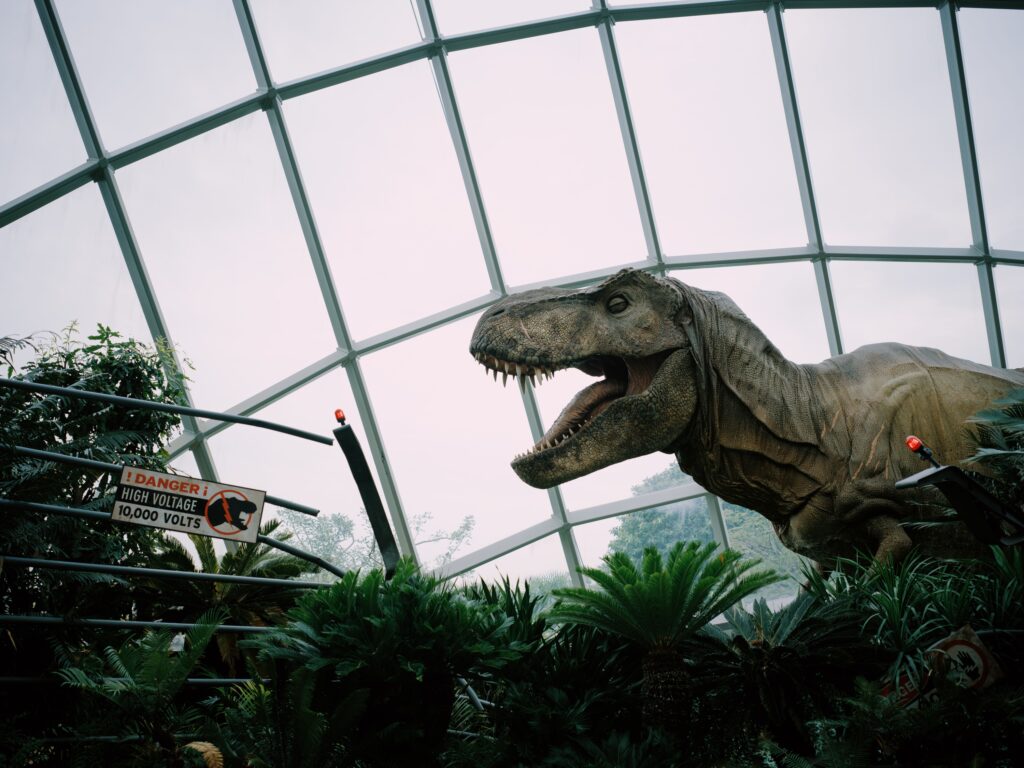
Ask any Jurassic Park fan to name the deadliest dinosaur in the franchise, and you’ll get a confident answer in under two seconds. Ask a paleontologist the same question, and you’ll get a very different kind of silence – the kind that comes right before someone gently tells you your favorite movie has been lying to you for thirty years.
Here’s the twist nobody saw coming: almost every “villain” that made you grip your popcorn bucket was biologically incapable of doing what the screen showed you. Toothless flyers. Obsessive fish-eaters. A turkey-sized “genius” that couldn’t have opened a lab door in real life, let alone stalked a kitchen. We lined up all nine of the franchise’s most feared creatures against what their actual fossils say, and the most overrated villain of all isn’t some forgettable side character. It’s the one still on the poster.
#9 – Compsognathus: The “Swarm Killer” That Was Barely Bigger Than Your Dinner
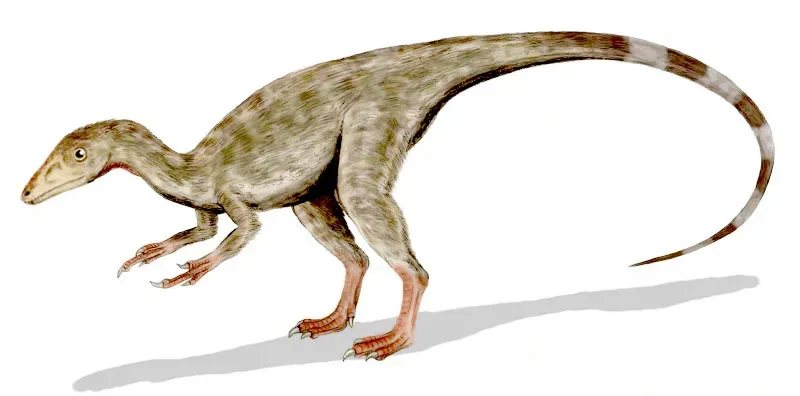
The Lost World treats “compys” like a pack of piranhas with legs, swarming a grown man on a beach until there’s nothing left. It’s one of the more disturbing death scenes in the whole franchise. It’s also something this animal could never have physically pulled off, alone or in a hundred-strong pack.
Compsognathus grew only about as large as a chicken, somewhere between 60 and 90 centimeters long including its tail, and tipping the scales at roughly 5.5 kilograms. Fossil specimens have preserved its stomach contents directly, and the menu was small lizards. Nothing bigger. Nothing close to human-sized. It could reportedly move fast, maybe near 40 mph, but speed means nothing when your jaw can’t handle anything larger than a gecko. This was a scavenger and small-game hunter, essentially a glorified roadrunner that Hollywood dressed up as a horror-movie monster. But that’s almost quaint compared to what we found about #8.
Fast Facts
- Length: 60-90 cm including tail
- Weight: roughly 5.5 kg, about the size of a chicken
- Confirmed diet: small lizards only, based on preserved stomach contents
- Top speed: near 40 mph
- Real threat to an adult human: essentially none
#8 – Baryonyx: The “Underground Ambusher” That Was Really Just Fishing
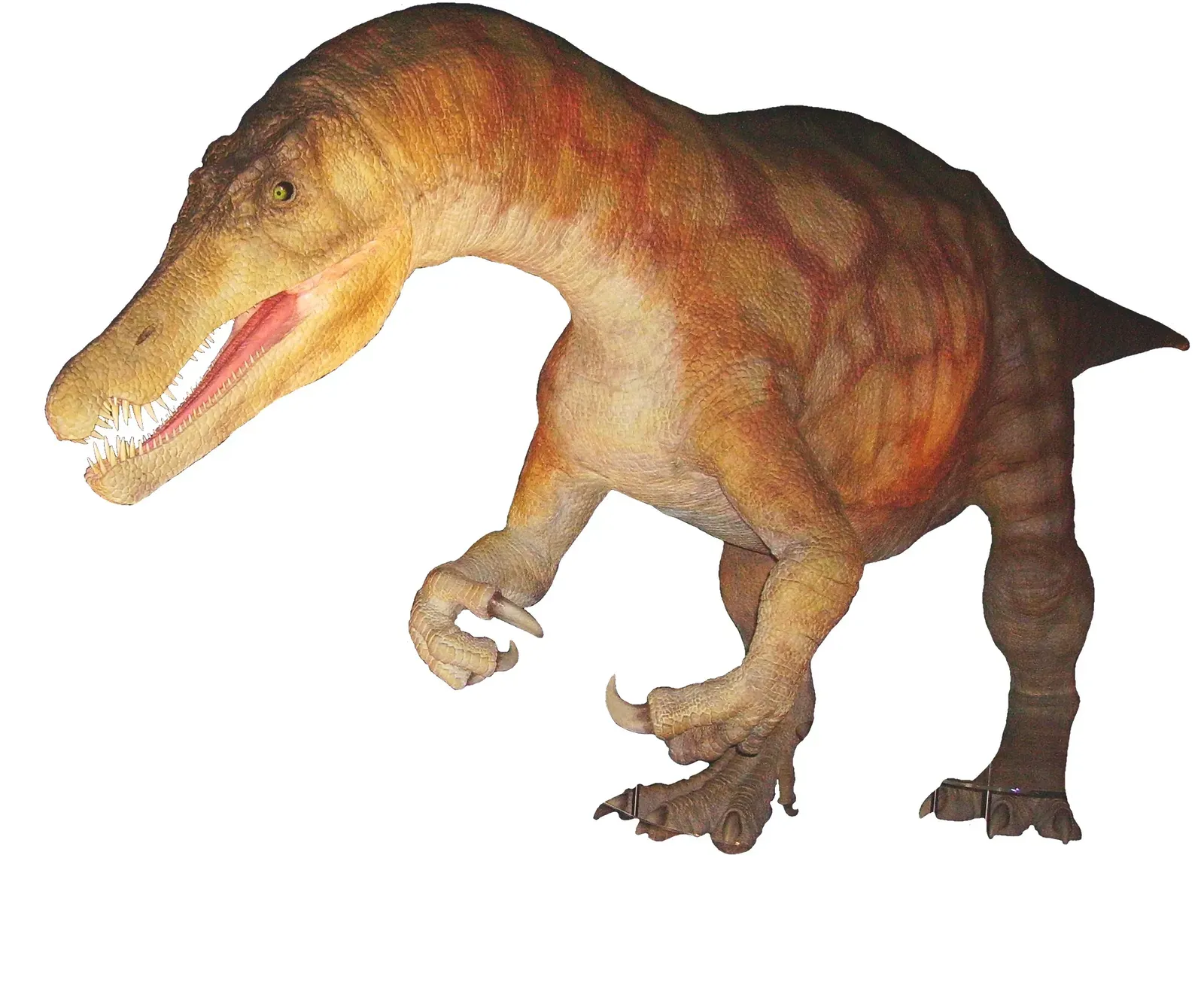
Fallen Kingdom drags Baryonyx into a dark facility basement to stalk Owen and Claire like a slasher-flick villain, complete with roaring and lunging through corridors. It’s genuinely tense on screen. It’s also almost entirely fictional in terms of behavior.
The real Baryonyx had a long, narrow, crocodile-like snout lined with conical teeth, a skull built for exactly one job: snatching slippery fish out of shallow water. Paleontologists studying spinosaurids, the family Baryonyx belongs to, have repeatedly found fish scales and bones preserved inside their stomach contents. Its slender jaws were strong for gripping wriggling prey, but they weren’t built for crushing or wrestling anything the size of an adult human. A crocodile-snouted fish-eater cornering you in a hallway makes for great cinema, but it’s a role this animal’s whole skeleton was never designed to play. But that’s nothing compared to what we found about #7.
#7 – Pteranodon: The “Sky Kidnapper” That Had No Teeth At All
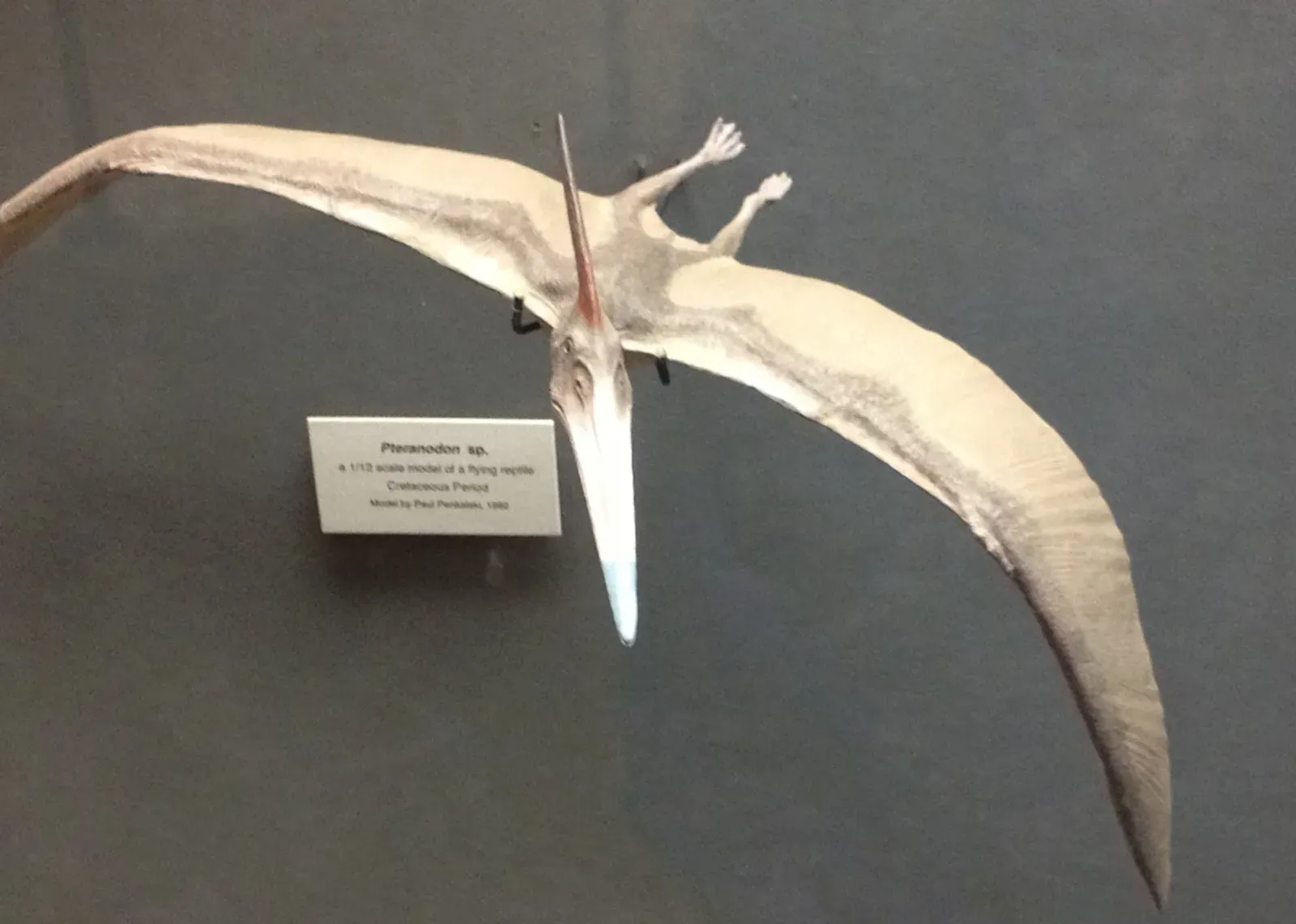
Jurassic Park III turns the aviary scene into one of the tensest sequences in the franchise, with Pteranodons snatching a child clean off the ground and dragging adults through the air. It’s a great set piece. It’s also biologically almost impossible.
Here’s the detail most viewers never clock: Pteranodon isn’t even a dinosaur. It’s a pterosaur, a flying reptile in a completely separate branch of the family tree. And it had no teeth whatsoever. Its long beak was built to snap up fish near the water’s surface, functioning more like a heron or pelican than a raptor. Grabbing and hauling a struggling adult through the air would have required grip strength and wing structure its thin-walled, glider-optimized bones simply weren’t engineered for. The movie needed an airborne threat, so it borrowed a flying fish-eater and gave it a personality transplant. But that’s nothing compared to what we found about #6.
#6 – Mosasaurus: The Park’s “Ocean God” That Wasn’t Built for the Show It Puts On
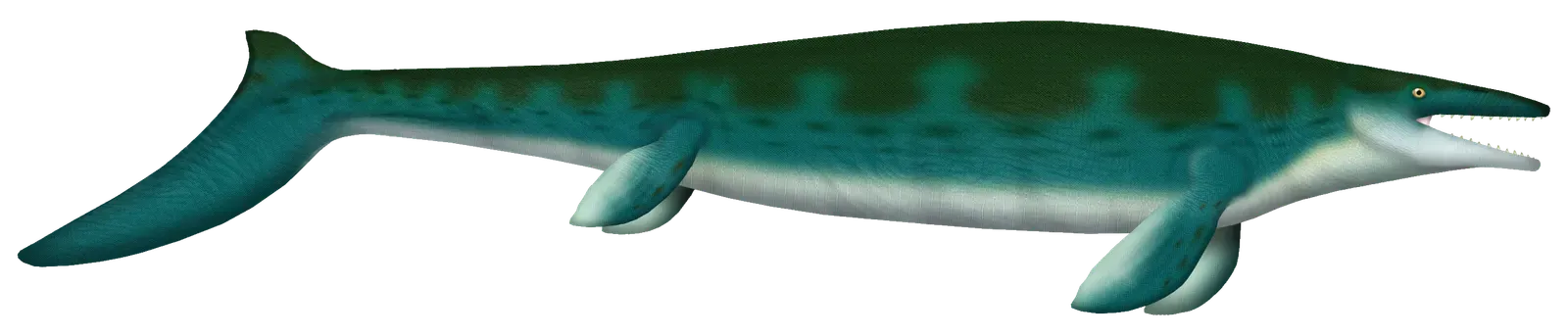
Jurassic World turns Mosasaurus into a stadium spectacle, a creature so massive it launches out of the water to swallow a great white shark whole, then later snatches a flying pterosaur mid-air like a special-effects finale. Audiences gasped. Marine reptile experts mostly rolled their eyes.
Mosasaurus was genuinely huge and genuinely formidable in its Cretaceous seas, but it wasn’t a dinosaur at all. It was a marine lizard, more closely related to modern monitor lizards and snakes than to anything walking around Isla Nublar. Most paleontologists describe its real hunting style as ambush ocean predation in coastal waters, not a leaping circus act. The size the films rely on is consistently pushed toward the extreme high end of any published estimate, turning a formidable but grounded ocean hunter into a mythological sea monster. Real Mosasaurus had to work for its meals like any other marine predator. It didn’t perform on cue. But that’s nothing compared to what we found about #5.
Quick Compare
- Movie: leaps fully out of the water to swallow a great white shark whole
- Real biology: an ambush hunter working coastal waters, not an aerial performer
- Movie: snatches a flying pterosaur mid-air for a finale
- Real biology: classified as a marine lizard, not a dinosaur, related to monitors and snakes
- Size used on screen sits at the extreme high end of published estimates
#5 – Giganotosaurus: The “T. Rex Killer” Built on Shaky Bones
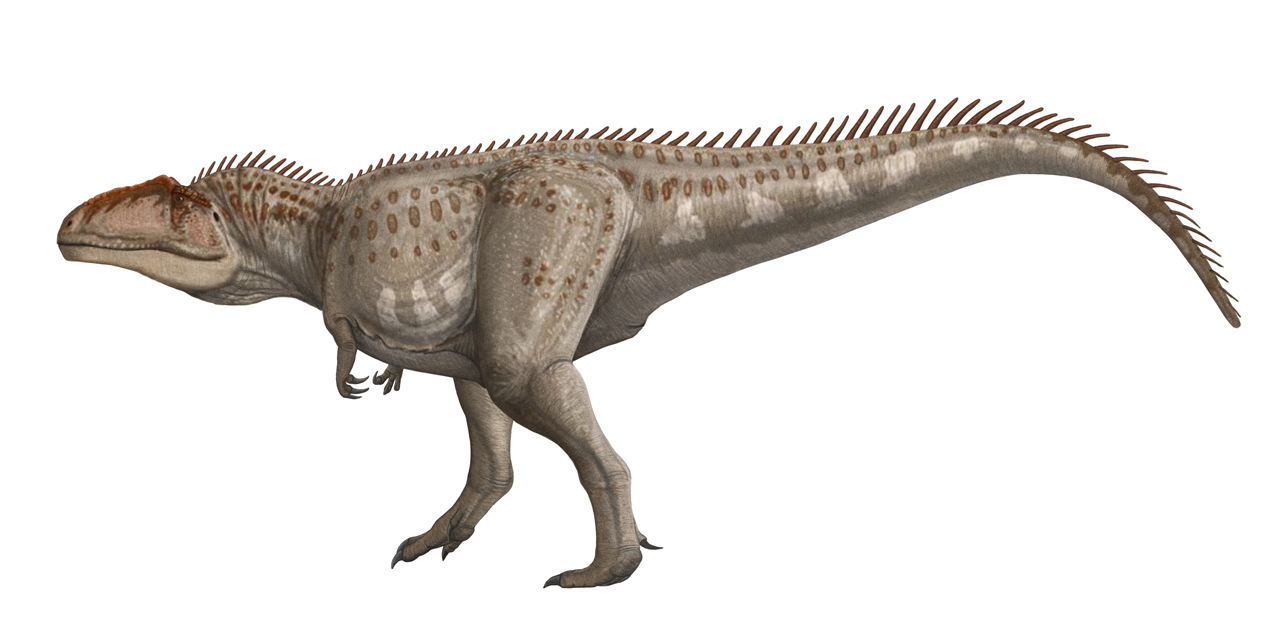
Jurassic World Dominion positions Giganotosaurus as the apex predator to end all apex predators, bigger, meaner, and hungrier than Rexy herself, hunting her down like unfinished business. The marketing leaned hard into “biggest carnivore ever” language.
Here’s the problem: Giganotosaurus is known from incomplete fossil material, and size estimates for it remain genuinely contested among researchers. Some comparative body-size studies using skull-length regressions suggest it and its relative Carcharodontosaurus could rival or exceed T. rex in length and mass, but “could” is doing a lot of heavy lifting in that sentence. Movies love certainty. Paleontology rarely offers it. Giganotosaurus may well have ruled its own Cretaceous ecosystem in South America, but the confident “definitively deadlier than T. rex” narrative sold on screen outpaces what the fragmentary bones can actually prove. But that’s nothing compared to what we found about #4.
#4 – Dilophosaurus: The Venom-Spitting Frill Monster That Never Existed
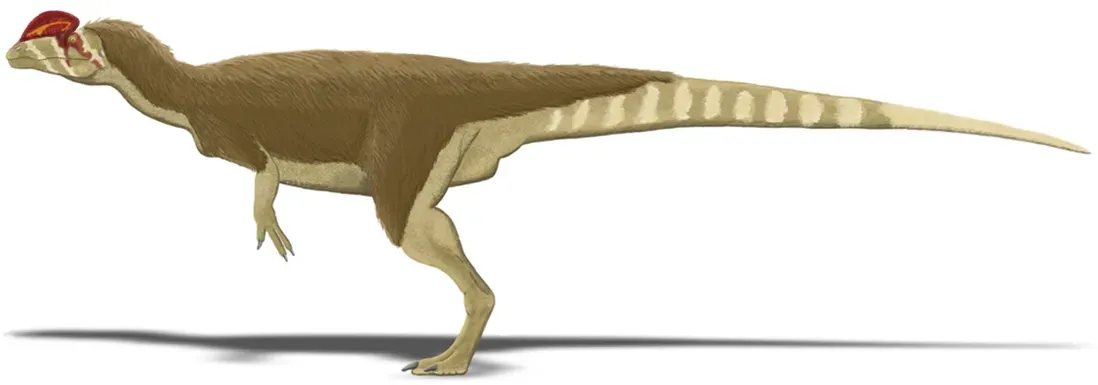
This is arguably the biggest bait-and-switch in the entire franchise. The original Jurassic Park gives us a small, cooing dinosaur that suddenly unfurls a rattlesnake-like neck frill and spits blinding venom into Dennis Nedry’s face. It’s iconic. It’s also completely made up.
Early research suggested Dilophosaurus had comparatively weak jaws and a fragile crest, a detail that likely inspired the slender, venom-spitting version of the animal in Michael Crichton’s original novel. But neither the venom nor the neck frill added for the movie has any basis in the fossil record. Even stranger, the real animal was the opposite of the movie’s harmless-looking juvenile. Dilophosaurus was actually the largest land animal of its time, reaching up to 20 feet in length. A 2020 fossil analysis found its jaws were built for serious muscle power, not delicate venom delivery, and it likely weighed three-quarters of a ton, more than capable of taking down large prey without any theatrics. The movie shrank it and gave it fake weapons, when the real threat was simply its size. But that’s nothing compared to what we found about #3.
#3 – Velociraptor: The Genius Pack-Hunter That Was Really the Size of a Turkey
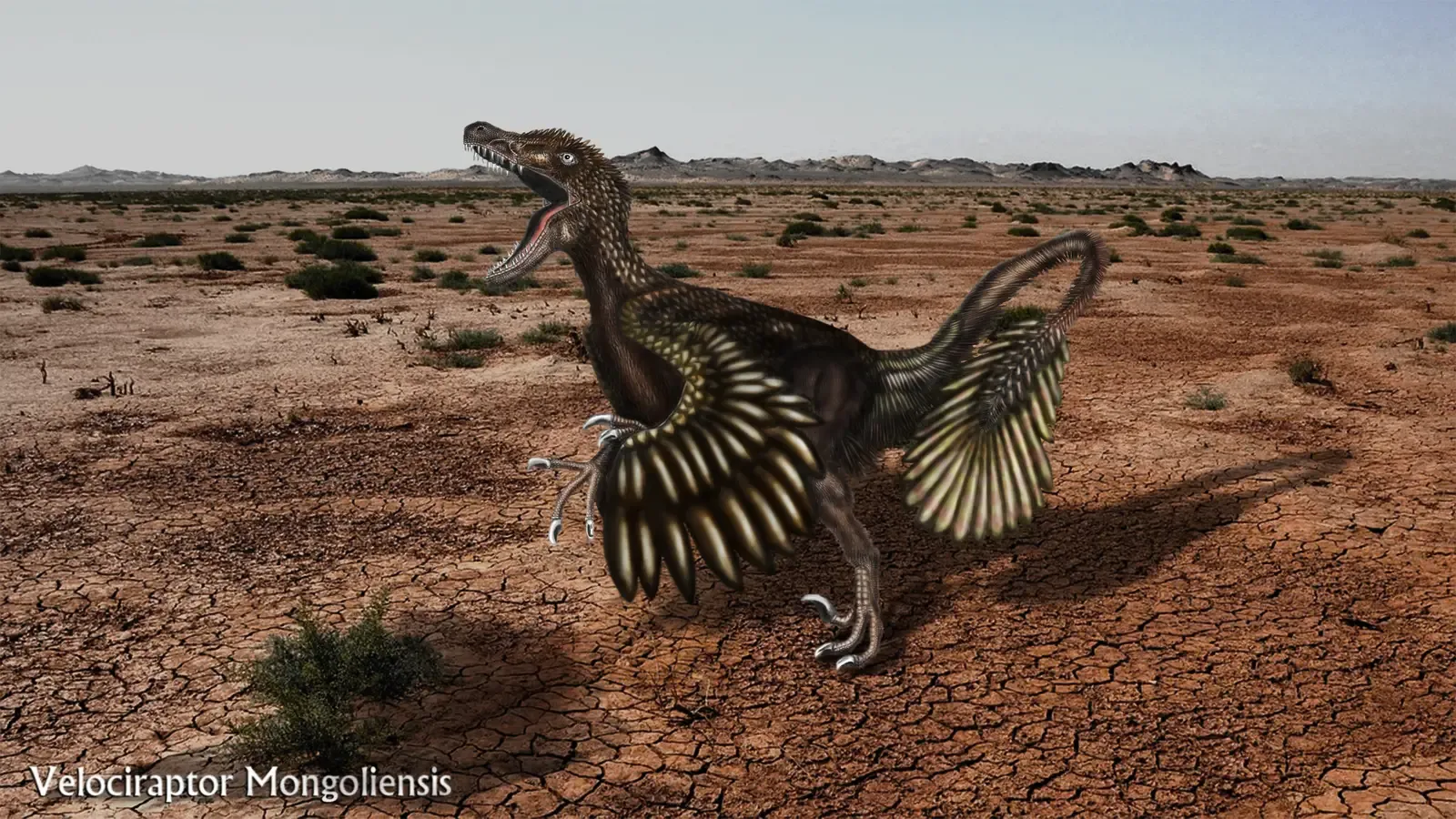
No dinosaur in this franchise carries more mythology than the raptor. Intelligent, coordinated, door-opening, six-foot-tall killing machines that hunt in terrifying silence: that’s the version burned into pop culture. The real Velociraptor would have had a hard time reaching your knee.
At around 2 meters in length, half a meter in height, and just 7 kilograms in weight, the real Velociraptor was half the size of the creatures on screen. It was also covered in feathers, not scales, closer to an odd-looking bird of prey than a scaly monster, roughly the size of a Thanksgiving turkey with claws. The pack-hunting genius angle is shakier than the movies suggest, too. Current evidence points toward Velociraptor being more of a solitary hunter, similar to modern birds of prey, using its claws to clutch prey rather than slash it apart in coordinated ambushes. The filmmakers actually based the on-screen raptors on a larger relative, Deinonychus, because a turkey-sized feathered animal simply didn’t test as terrifying in early concept art. But that’s nothing compared to what we found about #2.
At a Glance
- Length: about 2 meters
- Height: roughly half a meter at the hip
- Weight: about 7 kg, comparable to a large turkey
- Covered in feathers rather than scales
- Likely a solitary hunter, not a coordinated pack predator
#2 – Spinosaurus: The “Bigger Than T. Rex” Villain That Mostly Just Wanted Fish
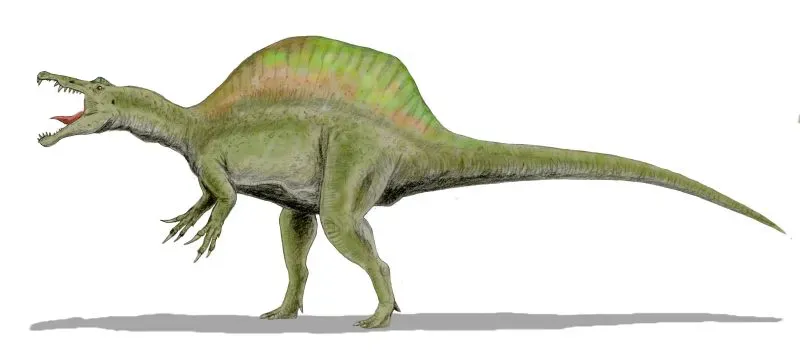
Jurassic Park III made its boldest swing yet: a Spinosaurus that snaps a T. rex’s neck in a head-to-head duel, crowning it the new apex predator of the franchise. It was a controversial choice among fans then, and it’s an even shakier one scientifically now.
Spinosaurus genuinely was longer than T. rex. It’s the largest predatory dinosaur known to science and currently holds the record for the longest carnivorous dinosaur ever discovered. But length isn’t the same as land-combat dominance. Multiple studies now describe it as a semi-aquatic, fish-specialized animal poorly suited to the kind of terrestrial brawl the movie stages. Its hind limbs are proportionally short compared to other large theropods, reducing its efficiency as a land strider, and its hunting strategy leaned toward ambushing fish in shallow water rather than sprinting after rivals on open ground. A dinosaur built to wade after fish, not sprint down a T. rex, became the franchise’s toughest villain. But that’s nothing compared to what we found about #1.
#1 – Tyrannosaurus Rex: The Franchise’s Ultimate Icon Couldn’t Even Outrun a Jeep
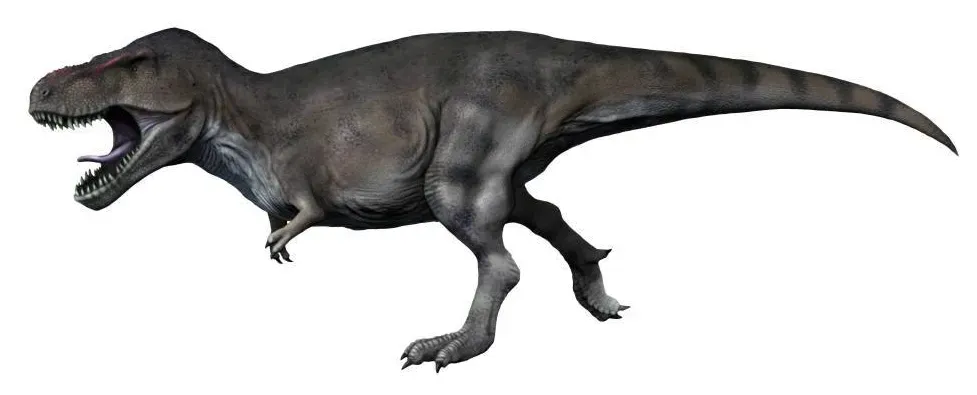
Every Jurassic Park movie treats T. rex as the final word in prehistoric terror, the roar that ends the trailer, the silhouette on the poster, the reason the franchise exists. And yet the single most rigorous biomechanical research on this animal has quietly demolished its most famous scene.
The image of a fully grown Tyrannosaurus rex keeping pace with a speeding jeep, jaws snapping toward Jeff Goldblum, is no longer considered plausible. University of Manchester researchers built detailed computer models factoring in bone strength and body mass, and found something remarkable: because of its size and weight, the animal likely would have shattered its own legs attempting a full sprint.
T. rex was probably capped around 12 to 18 miles per hour, closer to a brisk jog than a chase scene, less than half the speed of Usain Bolt’s top pace.
The movie image of T. rex is wrong.
Stephen Brusatte, paleontologist
The animal audiences have feared for three decades as the franchise’s ultimate threat probably couldn’t have caught a fit adult jogging away in a straight line.
The Real Verdict: Hollywood Needed Monsters, Paleontology Found Misfits
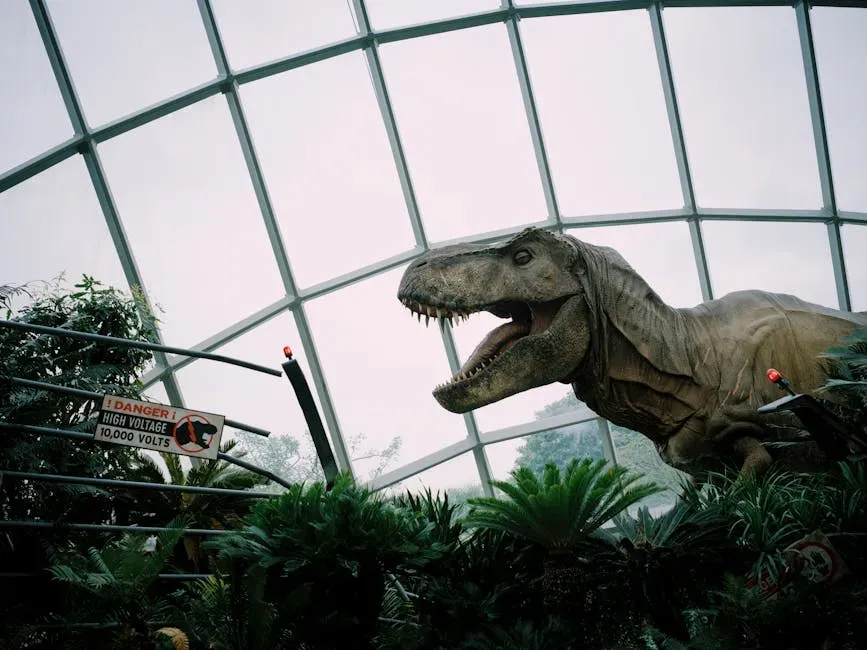
The pattern here is impossible to ignore. Compys couldn’t swarm you. Baryonyx wanted fish, not people. Pteranodon had no teeth to grab you with. Dilophosaurus never spat venom in its life. Velociraptor was turkey-sized and probably hunted alone. Spinosaurus preferred wading to warfare. And T. rex, the biggest name on every poster, probably couldn’t have out-jogged a healthy adult in sneakers.
If you ask us, that makes the real story more fascinating than the fiction, not less. These weren’t failed monsters; they were highly specialized survivors doing exactly what evolution built them to do, long before a screenwriter needed a jump-scare. The fossil record isn’t less dramatic than Hollywood. It’s just honest, and honesty rarely sells movie tickets.
Which “movie monster” do you think got the most unfair reputation? Tell us in the comments.