
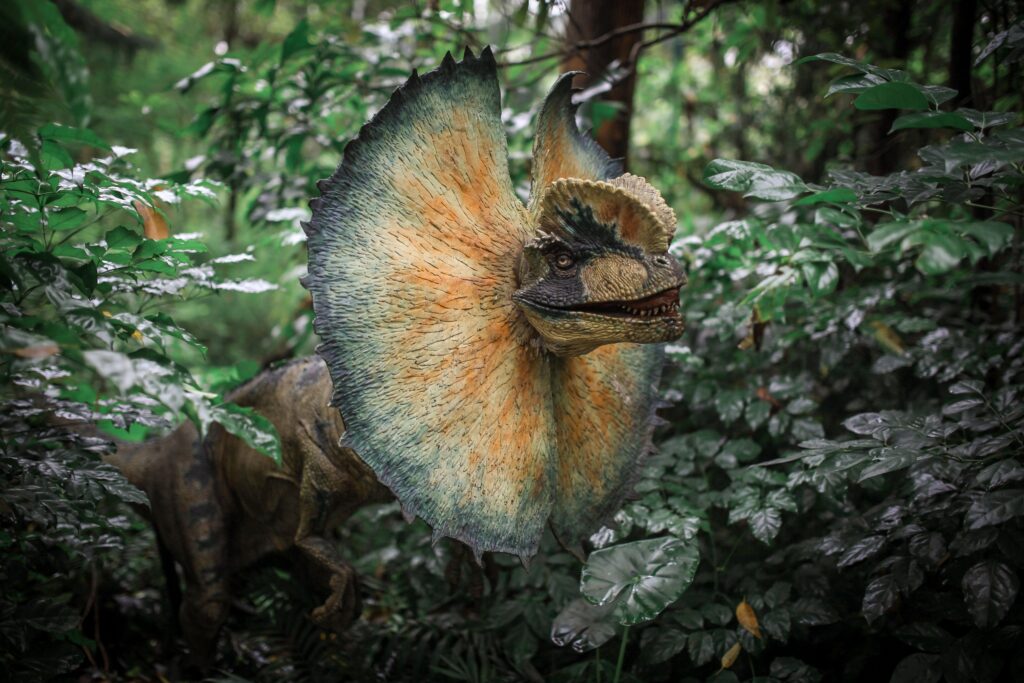
Most people picture the “Jurassic Park” killer that spits acid and pops open a rubbery umbrella-frill like a party favor, and they laugh. It’s the cute one. The goofy one. The dinosaur that coos at Newman before turning into a cartoon villain for thirty seconds of screen time.
But strip away the frill, the venom, and the Halloween-costume theatrics, and you’re left with something paleontologists now believe was one of the most physically dominant land predators on the entire continent. Turns out the joke was on us the whole time. Here’s what the fossil record actually says.
The Dinosaur Hollywood Turned Into a Punchline
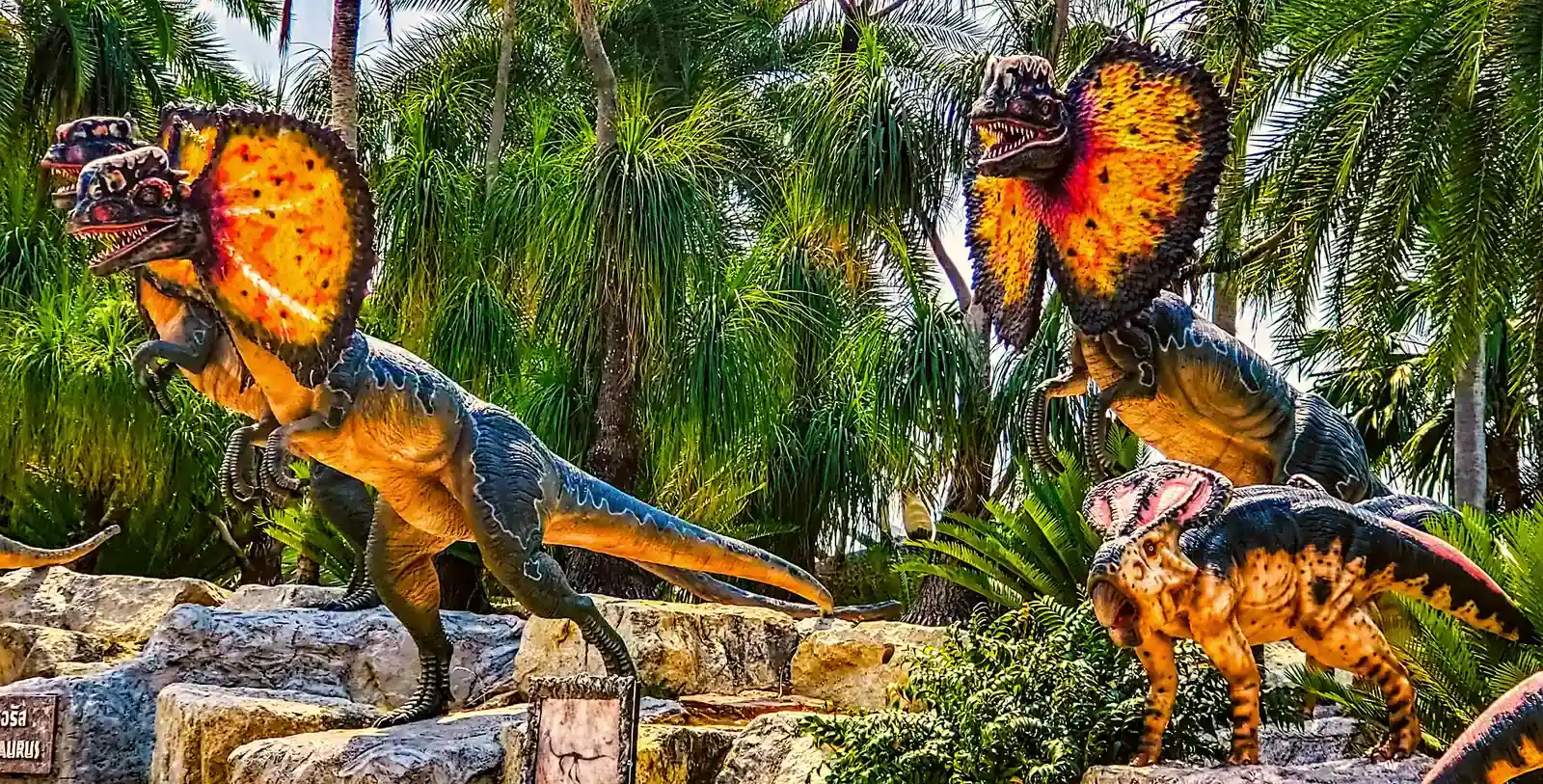
Dilophosaurus didn’t get a hero’s welcome in “Jurassic Park.” It got a cameo as comic relief, complete with a hissing, cooing voice that sounds more like a confused parrot than an apex predator. Fans have spent three decades treating it as the film’s silliest creature design.
That reputation is almost entirely manufactured. The dog-sized version audiences remember, the one that toys with a nefarious park employee before flaring its frill and spitting venom, was a filmmaking choice, not a scientific one. Most people don’t realize that “small” screen version was likely closer to a juvenile stand-in for something dramatically larger. But that’s nothing compared to what we found about the frill.
The Frill Was Never Real, and That’s Not Even the Wildest Fabrication
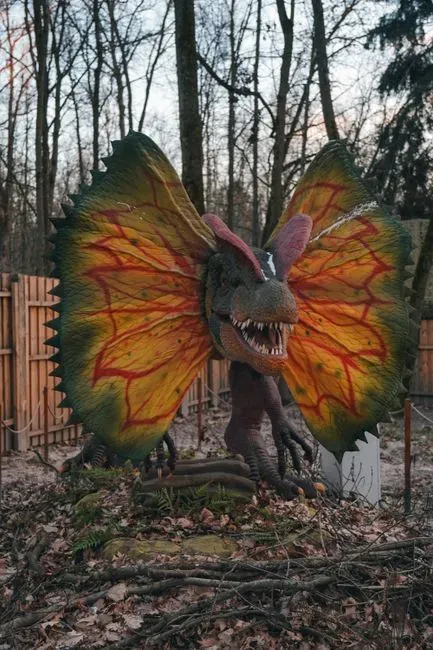
The single most memorable image from that death scene, the rubbery, expanding neck frill, is a complete invention. There’s no fossil, no skin impression, no bone structure that supports it ever existing on the real animal.
There has never been any evidence of an extendible neck frill on Dilophosaurus, and paleontologists believe the idea was probably inspired by the not-so-dangerous frilled lizard of Australia. Even the venom-spitting was lifted straight from fiction with no biological backing. Researchers did once speculate the real animal might have had a toxic bite, but that theory has since faded too. Secretly, the film’s most “goofy” gimmick was 100 percent made up for shock value. So if the frill and the venom were fiction, what was actually true about this animal? That’s where things get genuinely unsettling.
Forget the Venom: The Real Weapon Was Raw Size
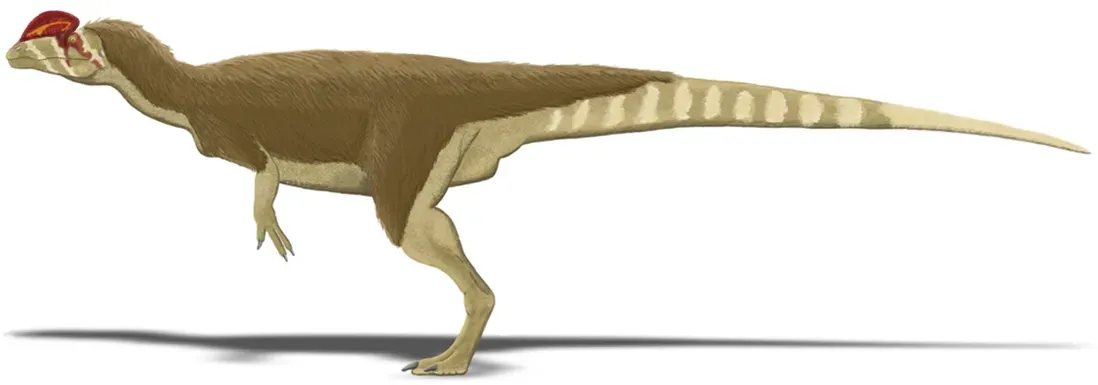
Here’s the twist most casual moviegoers never hear. The real Dilophosaurus wasn’t a spitting sideshow. It was a genuine heavyweight, and that size alone would have made it terrifying on set, no special effects required.
The actual animal measured over 20 feet long, with some estimates pushing it closer to 23 feet, and it’s now considered one of the largest terrestrial predators walking the planet roughly 193 million years ago. Compare that to the roughly nine-foot movie version and you start to understand the scale of the deception. Experts now argue the film’s biggest crime wasn’t the venom, it was shrinking the animal down to something non-threatening. But its length wasn’t even the most surprising part of the reconstruction.
Fast Facts
- Real length: 20 to 23 feet, nose to tail
- Time period: roamed North America around 193 million years ago, in the Early Jurassic
- Movie version: shrunk to roughly 9 feet, about a third of its true size
- Status: ranks among the largest known land predators of its era
A Body Built Like a Nightmare, Not a Novelty
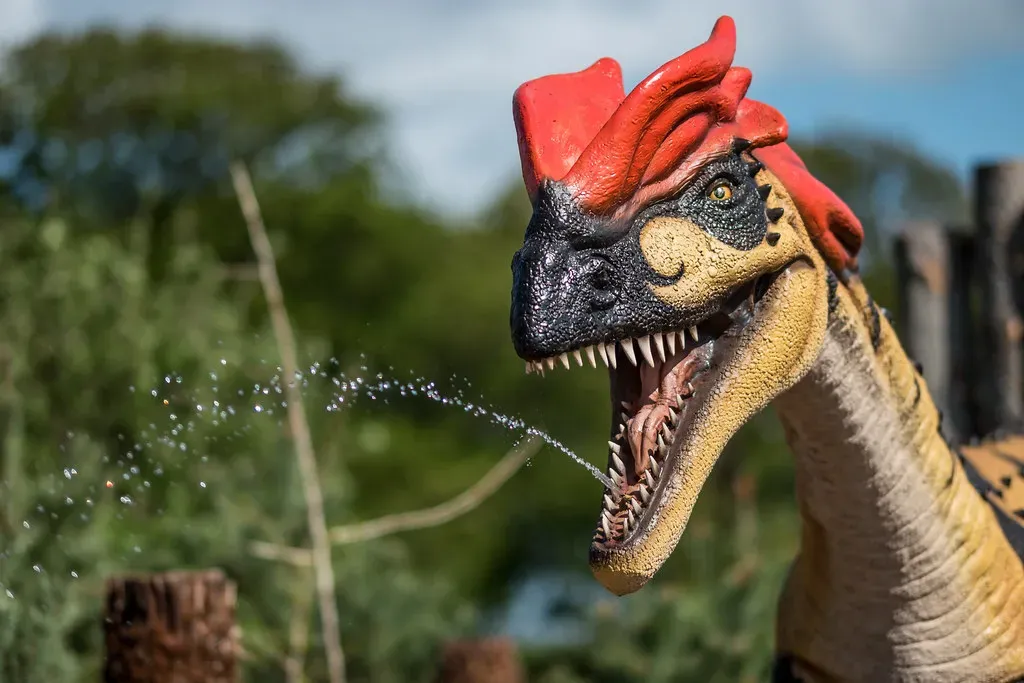
Length is one thing. Mass and build tell an even scarier story. This wasn’t a lanky, delicate creature tip-toeing around Isla Nublar, it was a thickly built hunter with real physical presence.
The real dinosaur likely weighed close to 1,000 pounds and stood around six feet tall at the hip, far heavier and more imposing than the human-sized creature shown on screen. A thousand-pound predator standing six feet at the hip is not something you’d casually approach with a jeep and a flashlight. That alone reframes the entire Nedry death scene. But the jaw story is where the science gets genuinely humbling for the filmmakers.
The Jaw “Weakness” That Turned Out to Be a Myth
![The Jaw "Weakness" That Turned Out to Be a Myth ([1], CC BY-SA 2.0)](https://nvmwebsites-budwg5g9avh3epea.z03.azurefd.net/dinoworld/adda29ef660ed4947e7770a867b1a032.webp)
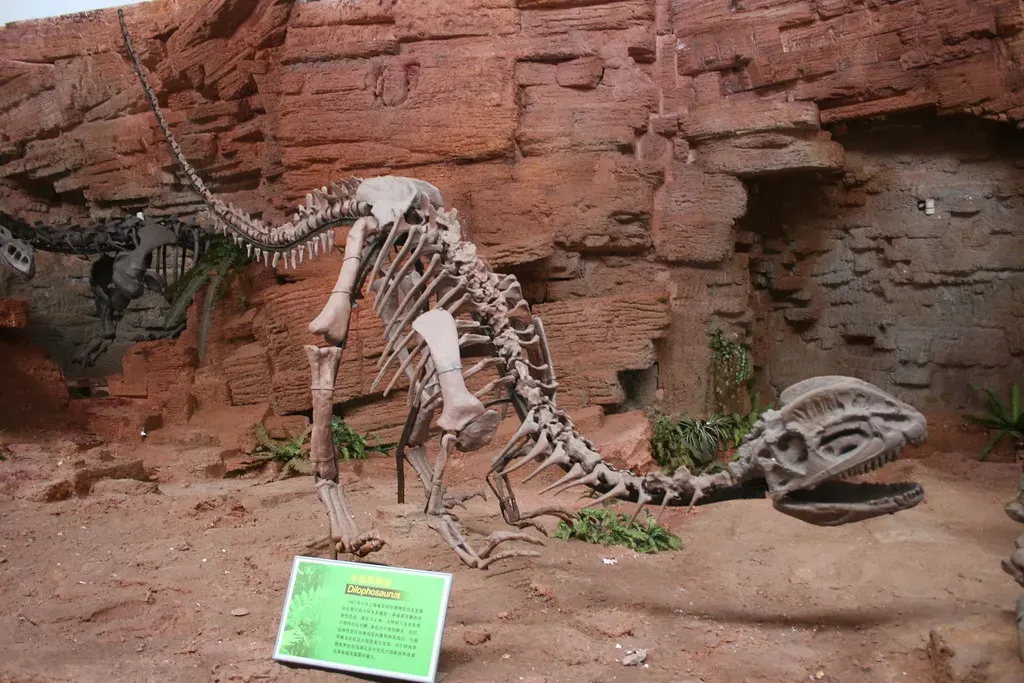
For decades, paleontologists assumed Dilophosaurus had a fragile bite, which is partly why Michael Crichton’s novel gave it venom in the first place. If the jaws couldn’t kill outright, the thinking went, it needed a chemical assist.
That assumption has since been reversed. Early descriptions painted the animal as a svelte, weak-jawed creature that subdued prey chemically, but paleontologist Adam Marsh found the opposite when he re-examined the fossils: the jawbones show clear signs of serving as scaffolding for powerful muscles. Turns out the animal that supposedly needed venom to survive actually had one of the more robust bites of its era. That single correction should make you rethink everything else the movie got wrong.
Those Goofy Crests Had a Deadly Serious Purpose
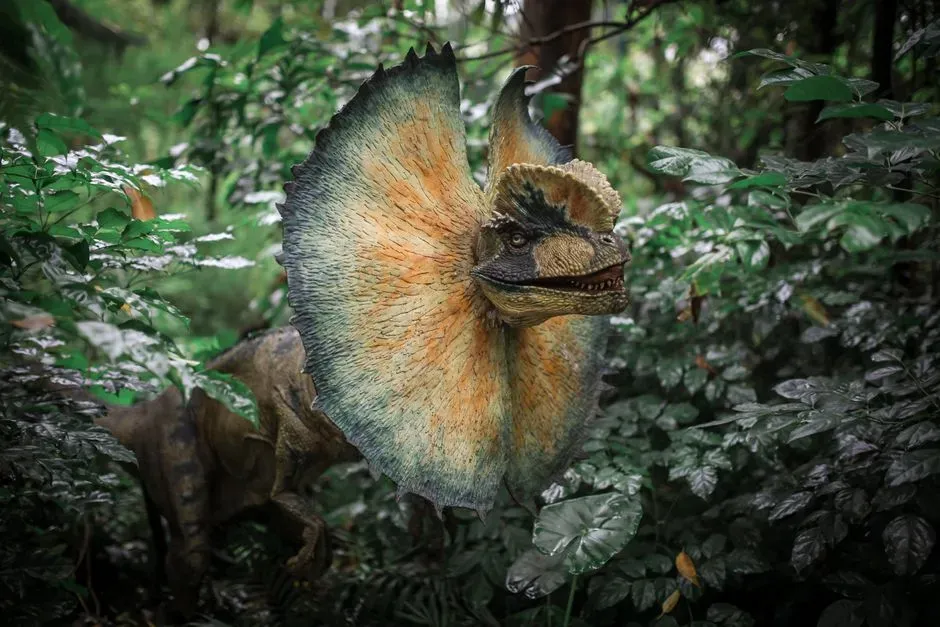
The twin crests on top of its skull are the one detail the movie actually nailed visually. But their real purpose had nothing to do with intimidation theatrics or weaponry.
Dilophosaurus really did have two thin, bony crests running along the top of its skull, and its name literally translates to “two-crested lizard.” Despite how dramatic they looked, they were almost certainly too thin to function as weapons. Researchers lean instead toward a social or courtship display, something closer to a peacock’s tail than a battle-axe. While the frill was pure fantasy, the crests were a genuine feature, just repurposed for the wrong reason on screen. Once you understand what this animal actually looked like standing next to a human, the real horror sets in.
The Apex Predator of an Entire Continent
This isn’t a case of “well, it was still smaller than T. rex, so who cares.” Dilophosaurus wasn’t competing with T. rex. It was ruling its own world completely unchallenged, tens of millions of years before anything bigger showed up.
Researchers studying the species have described it as the largest known land animal in North America during the Early Jurassic, one of the earliest large theropods establishing an ecological niche that would later be filled by Allosaurus and eventually Tyrannosaurus rex. It didn’t need frills or poison because nothing around it could challenge its position at the top. Most people assume the truly “scary” dinosaurs all came later in the timeline, but this one was already sitting at the top of the food chain with zero competition. And it may not have hunted alone.
Why It Stands Out
- Largest known land animal in North America during the Early Jurassic
- One of the earliest large theropods to dominate its ecosystem
- Filled the same top-predator niche later occupied by Allosaurus and, eventually, Tyrannosaurus rex
- Had no serious rivals at the top of its food chain
Evidence It May Have Hunted in Numbers
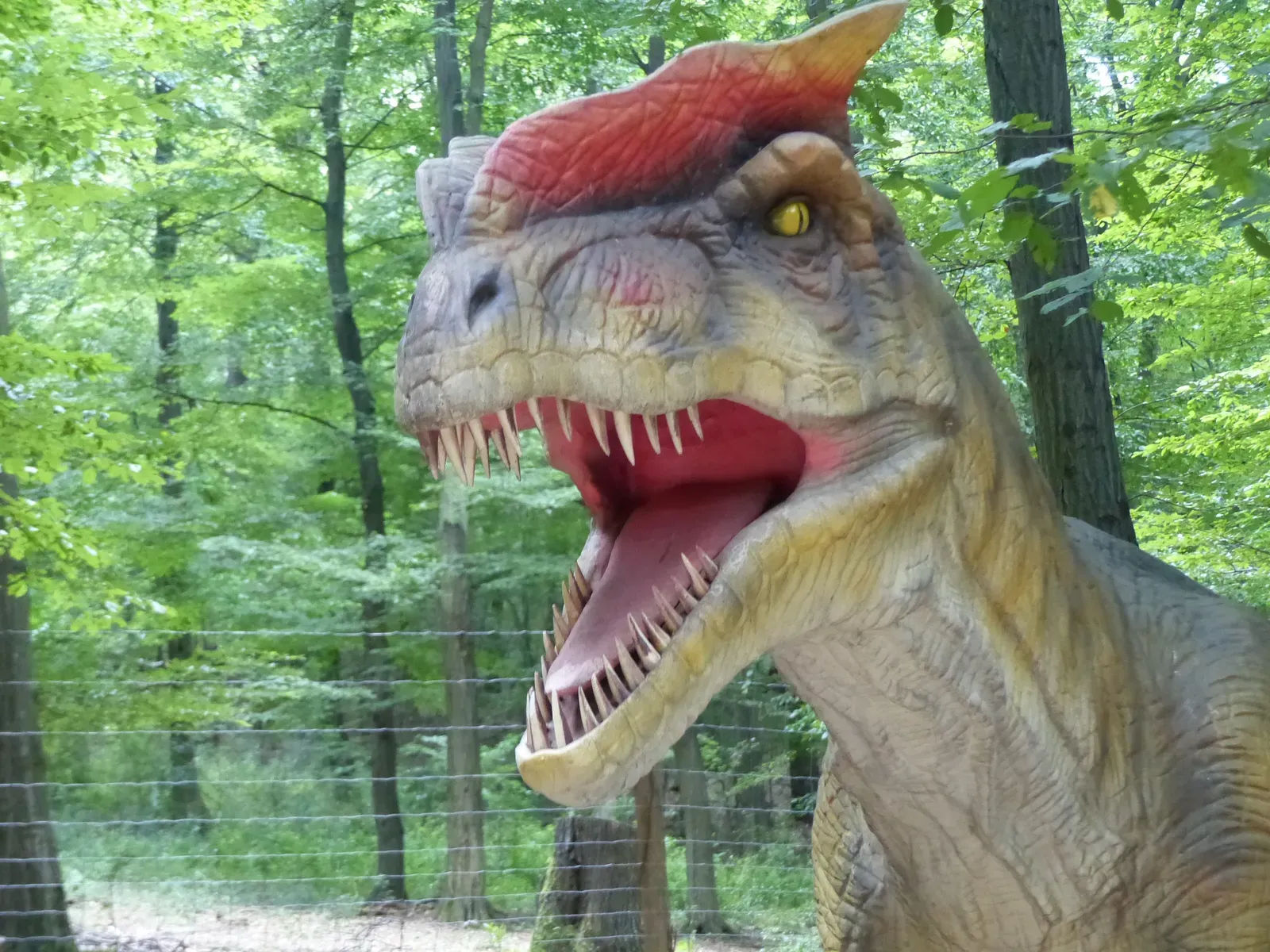
A thousand-pound apex predator is intimidating enough on its own. But there’s fossil evidence suggesting it may not have always worked solo, and that possibility changes the entire “set” dynamic Hollywood could have used.
Trackways left by an unidentified meat-eating dinosaur from the Early Jurassic have turned up in Connecticut, and it’s very possible Dilophosaurus, or a close relative, made them. That evidence carried enough weight that Connecticut named Dilophosaurus its official state dinosaur in 2017. Pack-hunting in dinosaurs remains a debated topic, but the mere possibility of multiple 20-foot predators moving through the same territory is a genuinely unsettling image. A lone giant is frightening enough; the idea of several isn’t a stretch worth dismissing outright. So why did the filmmakers deliberately downgrade something this formidable?
Why the Movie Shrunk It Down on Purpose
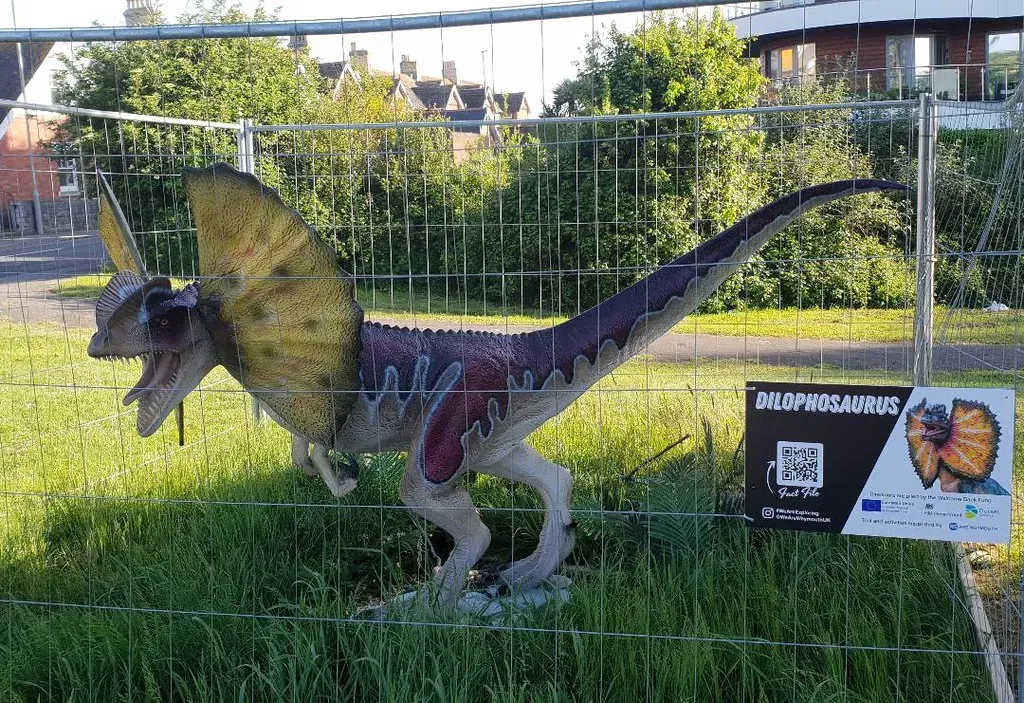
This wasn’t an accident or a budget constraint. It was a calculated storytelling decision, and once you know the reasoning, the whole “goofy” reputation starts to feel like misdirection.
The filmmakers deliberately shrunk Dilophosaurus so it wouldn’t overshadow the Velociraptors, which they ironically made much larger than they actually were in real life. Two different dinosaurs were altered in opposite directions for the same reason: to protect the raptors’ role as the franchise’s signature threat. Interestingly, the holographic Dilophosaurus later shown in “Jurassic World” was roughly the size of an adult Velociraptor, quietly confirming that the original movie’s version was meant to be read as a juvenile all along. Fans love debating which movie dinosaur is the “most accurate,” but the uncomfortable truth is that accuracy was never the priority, narrative hierarchy was. That decision buried what might have been the single scariest creature design in the entire franchise.
Quick Compare
- Real Dilophosaurus: 20 to 23 feet long, roughly 1,000 pounds
- Movie Dilophosaurus: about 9 feet, pony-sized
- Real Velociraptor: roughly 2 feet tall, turkey-sized and feathered
- Movie Velociraptor: around 6 feet tall, human-sized and scaly
The Scariest Set Piece That Never Got Filmed
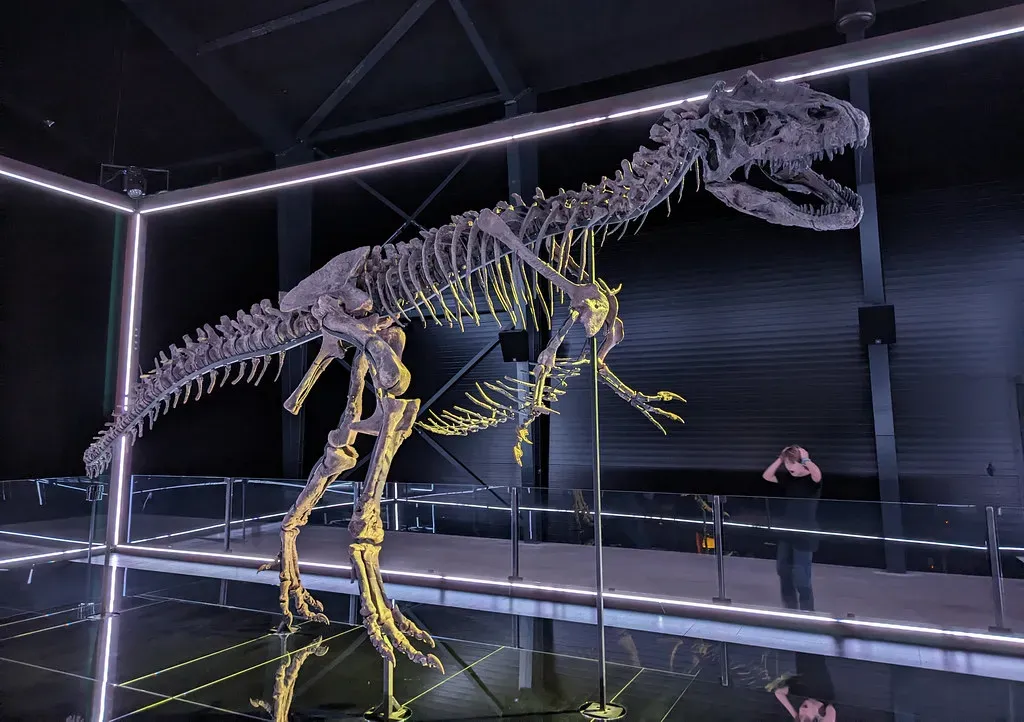
Strip away every fictional flourish and picture the animal science actually describes: a 20-to-23-foot predator, built like an early ancestor of Allosaurus, with a genuinely powerful bite, standing unchallenged at the top of an entire continent’s food chain.
“They were much larger than the one in Jurassic Park. In the movie it’s maybe a Shetland pony-size animal, but actually, they were seven meters long and weighed around 400 kilograms.”
Dr. Susannah Maidment, Natural History Museum, London
That’s not a punchline. That’s a predator capable of walking straight through a jeep-sized gap in a chain-link fence without breaking stride. If a real, full-grown Dilophosaurus had been the version stalking Nedry’s jeep that night, there’s a strong argument it would have been the single most dangerous thing on the entire island, no venom required.
The Bottom Line
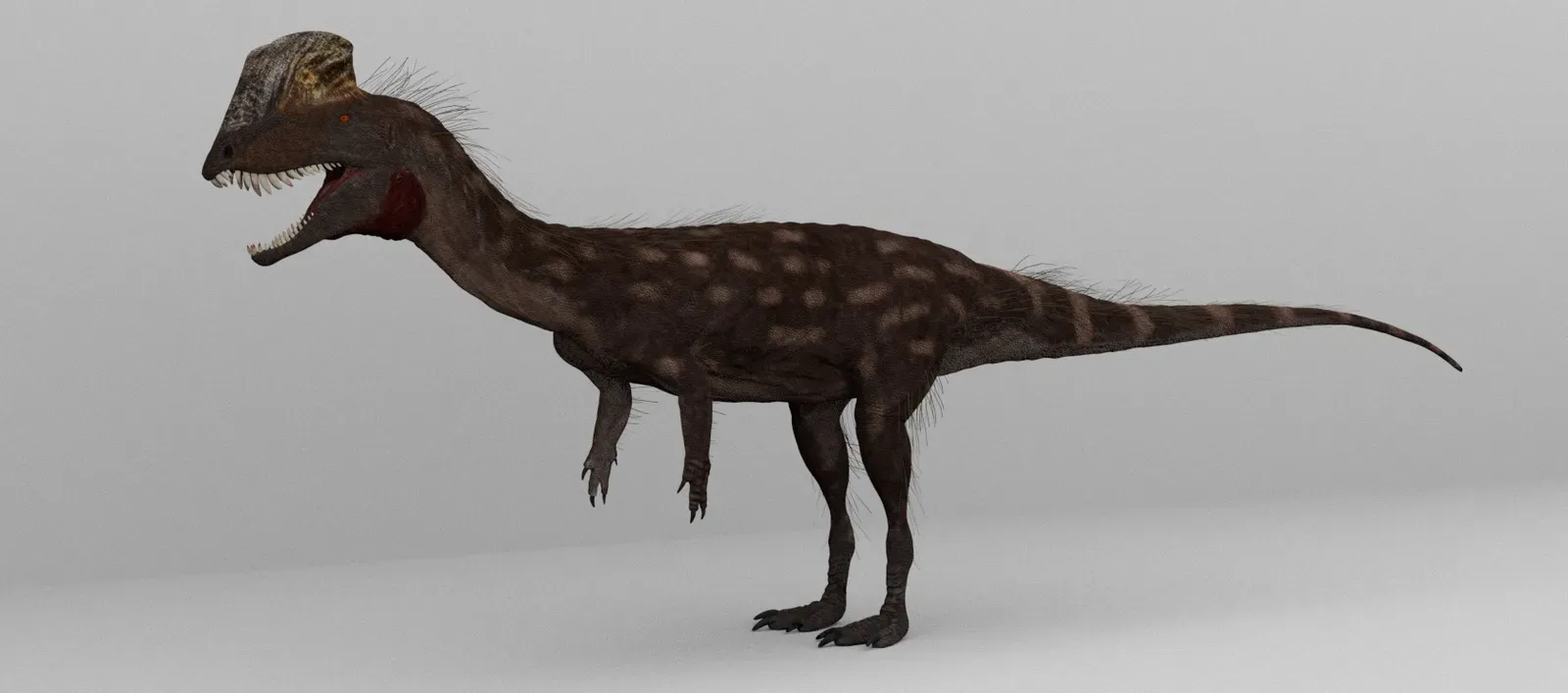
The “goofy” Dilophosaurus was never goofy at all, it was a marketing decision. Hollywood took a 20-plus-foot apex predator, shrank it down, gave it a rubber frill and cartoon venom, and let audiences walk away thinking it was the punchline of the franchise.
The real animal was bigger, stronger-jawed, and more dominant in its ecosystem than almost anything else walking North America at the time. Honestly, it’s the most disrespected dinosaur in movie history, and it’s not close. Which “goofy” movie dinosaur do you think deserves a scarier reputation? Drop your pick in the comments.