
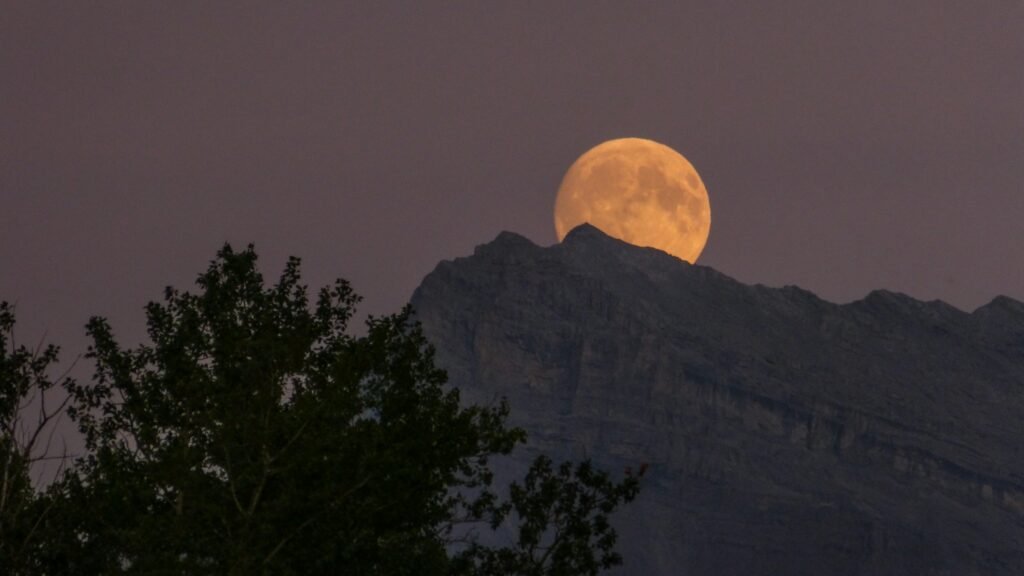
Picture a Tyrannosaurus rex standing on a beach under a swollen, looming Moon, while the shoreline heaves with huge, racing tides and the day rushes by in less than 24 hours. It sounds like science fiction, but it is surprisingly close to what many scientists think Earth was really like during parts of the dinosaur era. The sky above the dinosaurs was familiar yet fundamentally different; the same Moon, but closer, brighter, and tugging harder on our planet.
Our modern world feels stable, with twenty‑four hour days and tides we can set our calendars by, but deep time tells a different story. Over hundreds of millions of years, Earth and the Moon have been locked in a slow cosmic dance that keeps changing the pace of life down here. To understand dinosaurs fully, it is not enough to look at fossils; we have to imagine a planet where time itself was sliced into shorter days, and where the oceans rose and fell with an intensity we no longer experience.
A Closer Moon in the Dinosaur Sky
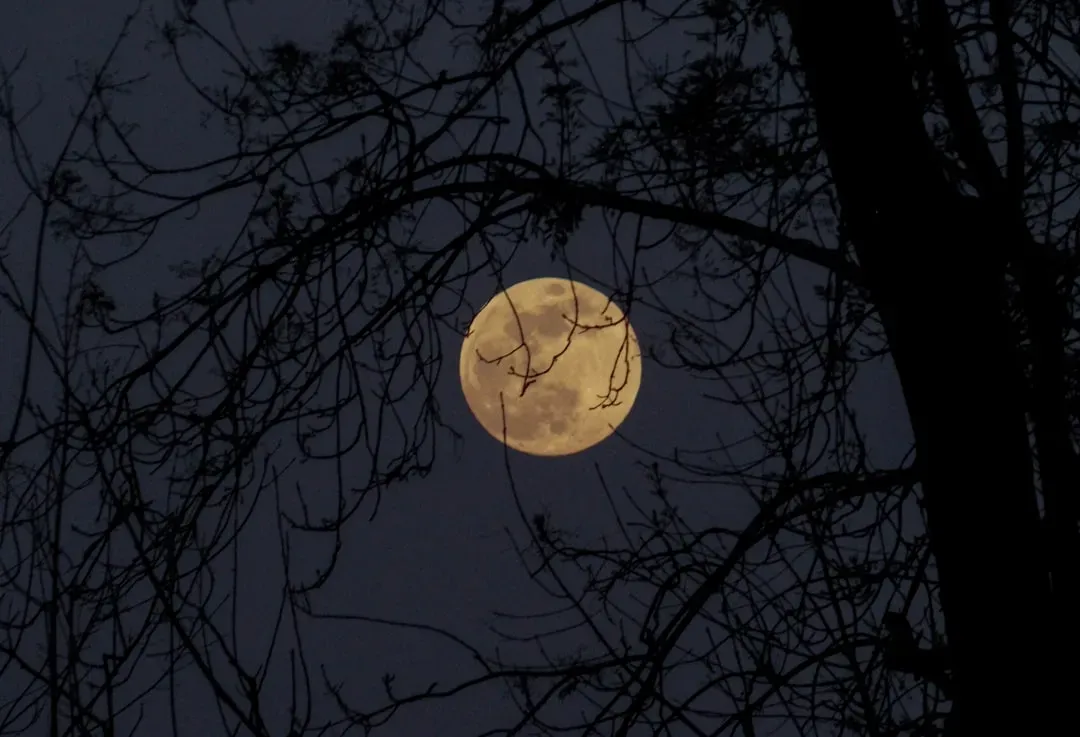
During the age of dinosaurs, the Moon was not hanging in exactly the same place it is today. Because of tidal interactions, the Moon has been gradually drifting away from Earth over billions of years, meaning that if you rewind the clock to the Mesozoic Era, it ends up noticeably closer. The difference was not like having the Moon suddenly fill half the sky, but it would have appeared larger and brighter, perhaps by a margin that would be obvious to anyone standing on a prehistoric shoreline.
This closer distance also meant the gravitational pull between Earth and the Moon was stronger. Gravity weakens with distance, so even a change of tens of thousands of kilometers over deep time can matter. For dinosaurs, nighttime landscapes may have been lit by a slightly more commanding lunar glow. It is a striking mental picture: long-necked sauropods resting beneath moonlight that was subtly but measurably more intense, while the whole planet responded to that closer companion with different rhythms of water and time.
How We Know Days Were Shorter
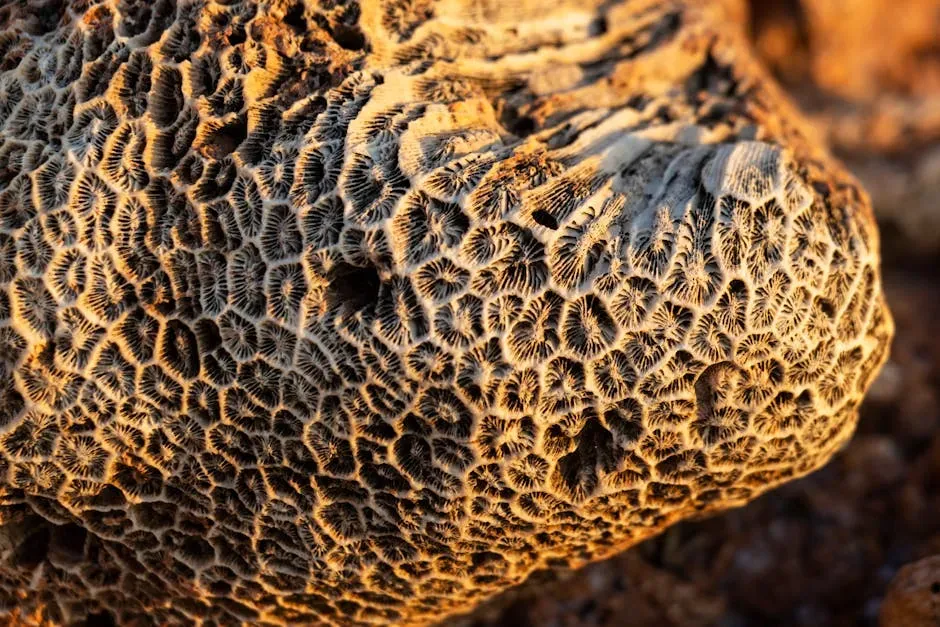
The claim that days were shorter is not just a wild guess; it comes from literal timekeepers preserved in stone and shell. Certain fossils, especially from corals and shell‑forming organisms, contain growth lines that record daily and seasonal cycles, a bit like tree rings on fast‑forward. When scientists count how many daily lines fit into a single year in these ancient specimens, they find more days per year than we have now, which means each day must have been shorter.
Some late Paleozoic and Mesozoic fossils suggest that Earth once spun fast enough that a year might have contained well over three hundred and sixty day‑lengths, and at earlier times even more. Earth’s rotation has been steadily slowing as tidal friction transfers energy from our spinning planet to the Moon’s orbit, nudging it farther away. For dinosaurs, that meant their sunrises and sunsets came a little earlier each day compared to our modern clock, compressing the daily cycle into a briefer, slightly more frantic turn of the planet.
Tidal Friction: The Invisible Brake on Earth’s Spin
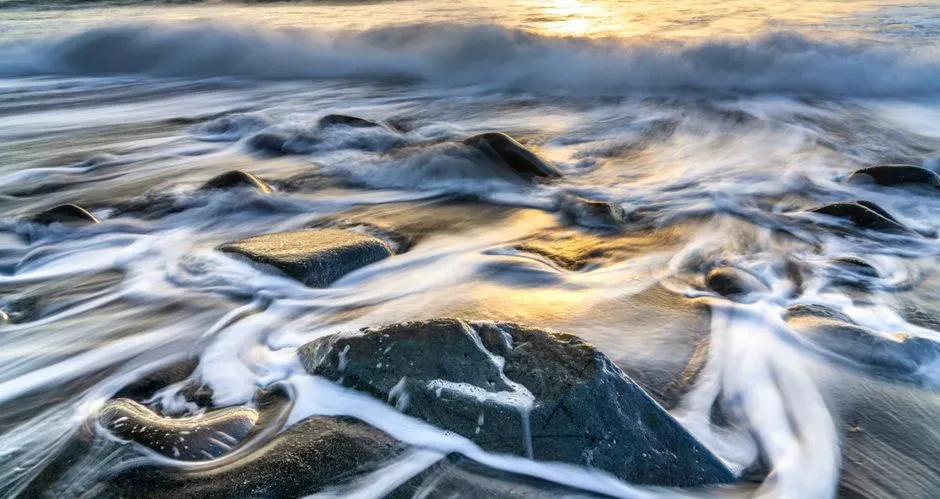
The key to this changing day length is something called tidal friction, a phrase that sounds technical but describes a beautifully intuitive process. As the Moon’s gravity pulls on Earth’s oceans, it raises tidal bulges that are slightly misaligned with the line connecting Earth and Moon, because Earth spins faster than the Moon orbits. This offset bulge essentially tugs on the Moon, pushing it outward over time, while the same interaction acts like a brake on Earth’s rotation.
You can think of it as a giant cosmic gear system, with the oceans acting as the teeth that transfer energy from one gear to the other. During the time of dinosaurs, that gear had not yet worn down to today’s settings, so Earth spun faster and the Moon orbited closer. Over millions of years, this slow energy transfer has smoothed out the frenetic ancient spin into our present, more leisurely rotation, subtly reshaping everything from climate patterns to the length of a human workday, even if we do not usually link our desk clocks to the tides.
Stronger Tides and Restless Ancient Coasts
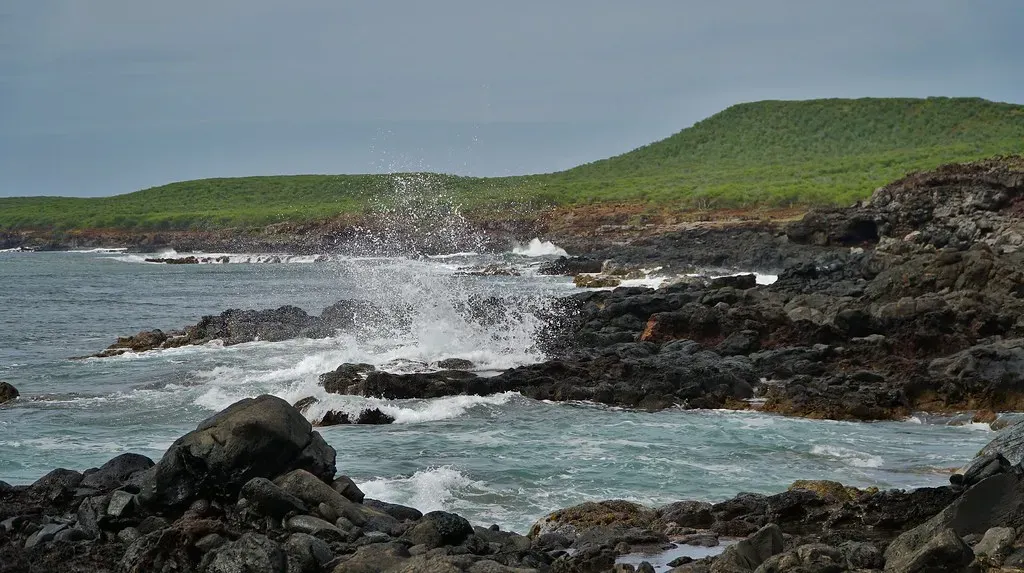
A closer Moon inevitably means more powerful tides, because tidal forces increase strongly as the distance decreases. While scientists still debate exactly how much stronger the tides were at different points in the dinosaur era, the general picture is clear: coastal environments would have experienced more energetic and sometimes more extreme tidal cycles than most of us see today. Imagine beaches where the water surged higher up the shore, estuaries where currents were faster and more turbulent, and tidal flats that were regularly flooded and drained in a more dramatic fashion.
These stronger tides could have reshaped coastlines and influenced where life thrived. Creatures that lived where land met sea would have needed to cope with rapid changes in water depth, temperature, and salinity throughout each day. For small animals, eggs, and plant seeds, being just a little closer or higher up the shore might have been the difference between survival and being swept away. Tides are often treated as a background detail in dinosaur documentaries, but in reality they were probably a major player in the daily struggle for life at the edges of ancient continents.
Life Under Shorter Days: Biological Rhythms on Fast‑Forward
Shorter days do not just change the position of the clock; they change biology itself. Many living organisms, from insects to humans, run on internal circadian rhythms that are tuned to the planet’s rotation. If you imagine a world where a full day-night cycle is a little shorter, you get a world where the beat of life is slightly faster, like turning up the tempo of a song you already know. Animals awake at dawn would experience a quicker rise and fall of light, temperature, and humidity over each daily cycle.
For dinosaurs, this likely influenced hunting patterns, digestion, rest, and reproduction, even if evolution had plenty of time to adapt to the gradual change. Plants would have timed photosynthesis and stomata opening to a subtly different schedule, and pollinators would have danced through their routines in a slightly compressed timeframe. When I first learned about this, I remember thinking how strange it is that even something as simple as “a day” is not a fixed unit in deep history; life, including our own ancestors, has been continuously retuning its internal clocks as Earth’s spin slowly drifts.
Oceans, Climate, and a Planet of Pulsing Water
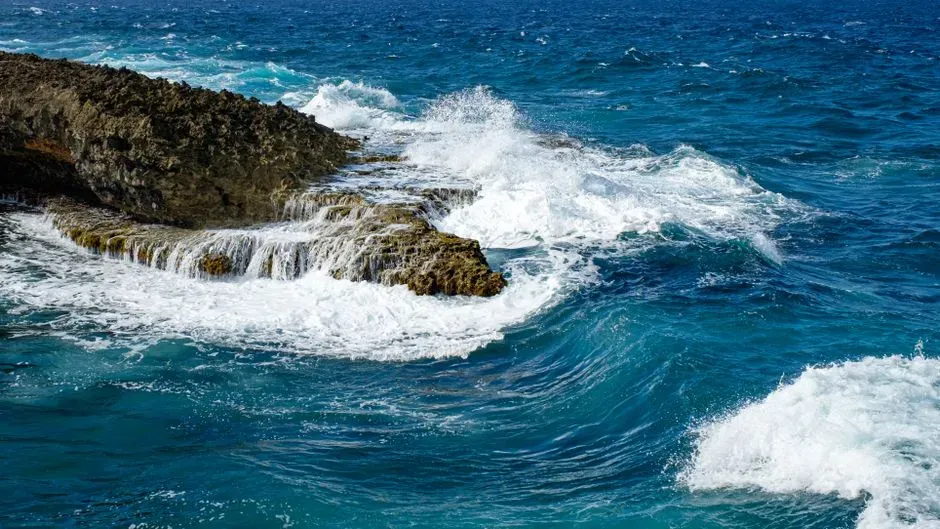
Stronger tides during the age of dinosaurs did more than slosh water up and down beaches; they stirred the oceans in powerful and complex ways. Tidal mixing helps pull cold, nutrient‑rich water from the deep up toward the surface and pushes surface waters down, driving circulation that can feed plankton blooms and marine food webs. A tidally energized ocean might have been more dynamic in some regions, encouraging bursts of productivity that could support large marine reptiles, fish, and invertebrates.
This mixing also has knock‑on effects for climate, because ocean circulation is one of Earth’s main ways of moving heat around the planet. More vigorous tides would not have overridden the huge roles of continental positions, greenhouse gases, and volcanoes, but they could have tweaked temperature gradients and oxygen levels in key basins. In other words, the dinosaur world’s climate was shaped not only by what came out of volcanoes or from space, but also by how forcefully the oceans sloshed under the pull of a nearby Moon.
Rewriting Dinosaur Landscapes with Lunar Physics
When we picture dinosaur habitats, we often focus on big, static features: towering conifers, broad river plains, dusty deserts. Yet the mechanics of Earth–Moon interactions were constantly redrawing the fine details of these landscapes. Stronger tides, shorter days, and a slightly different Earth spin rate would have changed the timing and intensity of storms, monsoon cycles, and river flood patterns, especially in coastal and delta regions. That matters when you are trying to understand where herbivores found food and where carnivores lay in wait.
In some coastal dinosaur ecosystems, extensive tidal flats and marshlands might have been more widespread or more frequently flooded than similar environments today. Migratory routes, nesting grounds, and even predator–prey encounters could have been synchronized with these lunar‑driven rhythms, much like how modern crabs, sea turtles, and many fish still coordinate life events with tides and lunar phases. The more we fold lunar physics into our reconstructions of dinosaur Earth, the less the planet looks like a simple backdrop, and the more it looks like an active partner in the drama.
What This Ancient Rhythm Tells Us About Our Future
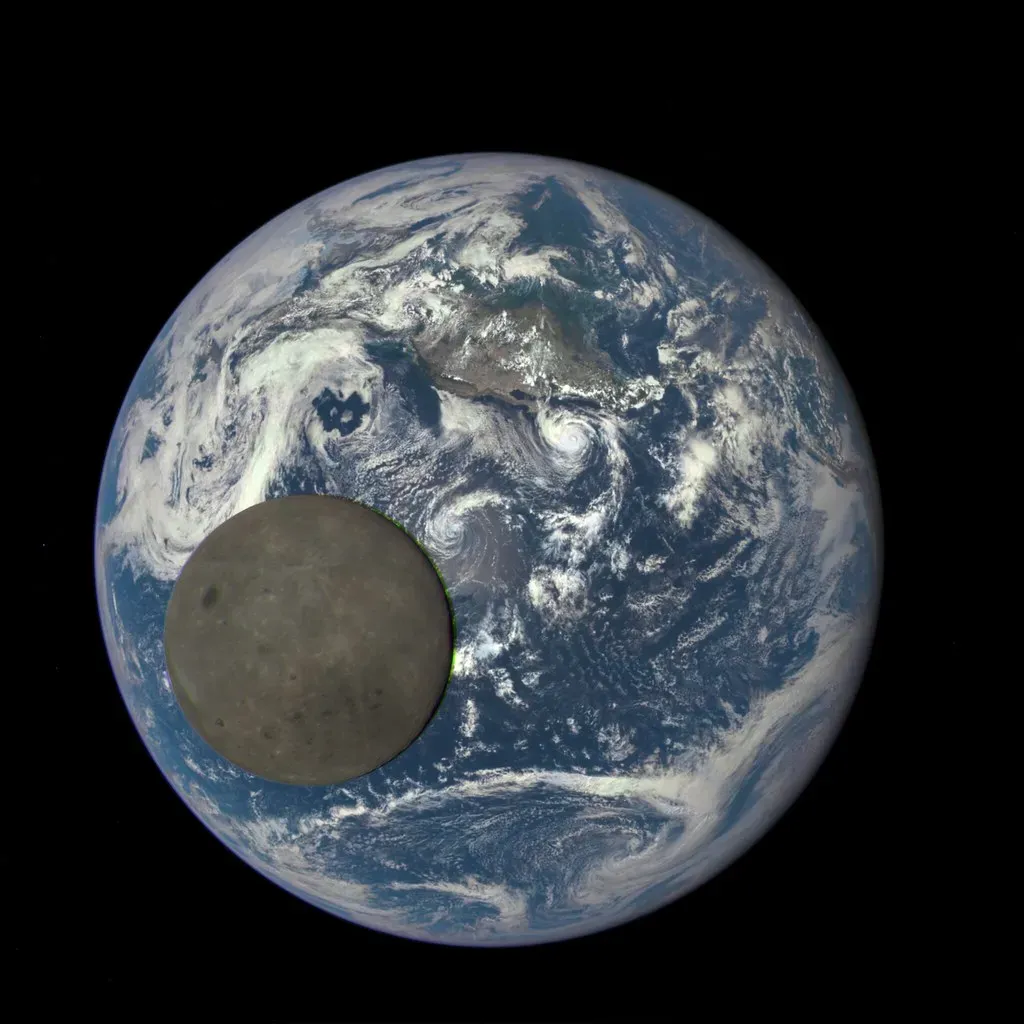
Understanding that the Moon was closer and days were shorter in the dinosaur age also frames our own moment in a humbling way. The system is still changing; the Moon continues to drift away each year, and days are imperceptibly lengthening, even if only by fractions of a second on human timescales. We tend to treat twenty‑four hours as a law of nature, but in reality it is just the current setting in a very slow cosmic adjustment. A few hundred million years from now, our familiar day length will be different again, and tides will have shifted once more.
This perspective should push us to be honest about what is truly stable and what is not. Everything about life on Earth, from the chemistry of our atmosphere to the spin of the planet itself, is a moving target influenced by physics, geology, and biology working together. To me, that makes our current balance feel more precious, not less. We live in a brief interval where humans, technology, and this exact celestial configuration happen to overlap, and recognizing that fragility should sharpen how we think about both planetary change and our responsibility within it.
Conclusion: A Dinosaur World in a Different Tempo
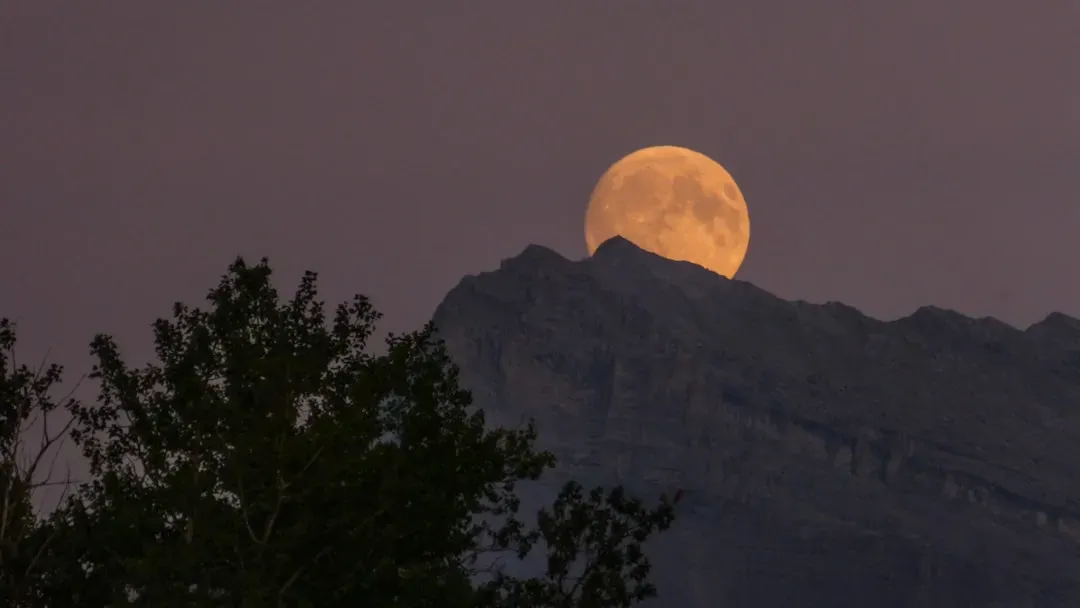
The idea that the Moon loomed closer, tides surged harder, and days ticked by faster during the age of dinosaurs is not just a neat trivia fact; it fundamentally changes how we imagine that world. It reminds us that Earth’s history is not a series of static tableaus, but a constantly shifting performance where even the length of a day and the shape of the shoreline are characters in the story. I think we have been too comfortable picturing dinosaurs on a modern‑style planet, when in reality they inhabited a stage with its own unique tempo, lighting, and choreography set by a more insistent lunar pull.
In my view, this should make us less certain and more curious about our reconstructions, and more willing to let physics and deep time challenge our intuitions. If something as basic as the spin of the Earth can change the way ancient forests grew, how coastal ecosystems functioned, and when animals slept and hunted, then the past is stranger and richer than our simplified textbook diagrams suggest. The next time you watch the tide roll in or see the Moon rise, it is worth asking: how different would this feel under the gaze of the dinosaur Moon, and what rhythms are still quietly shifting under our feet today?