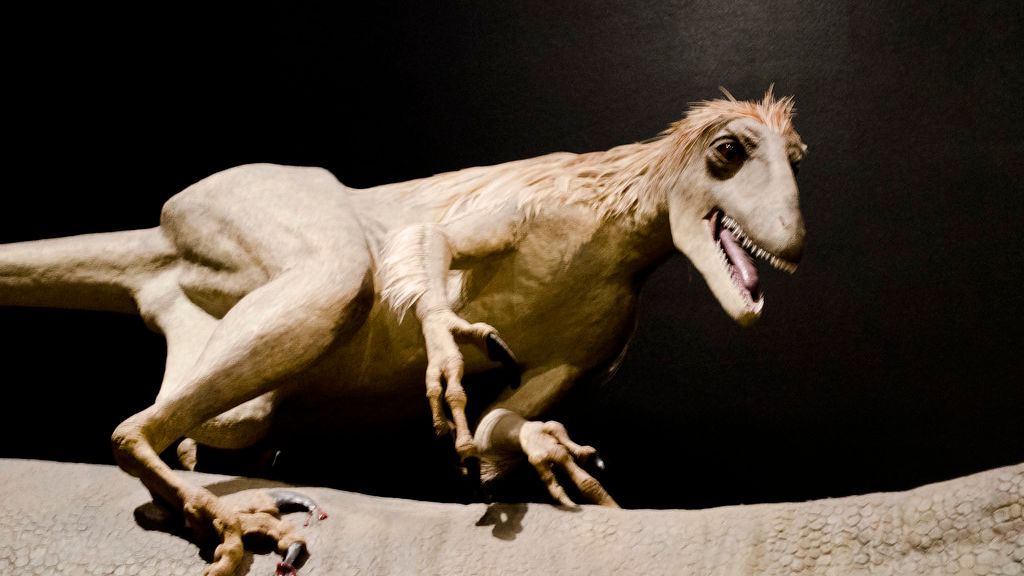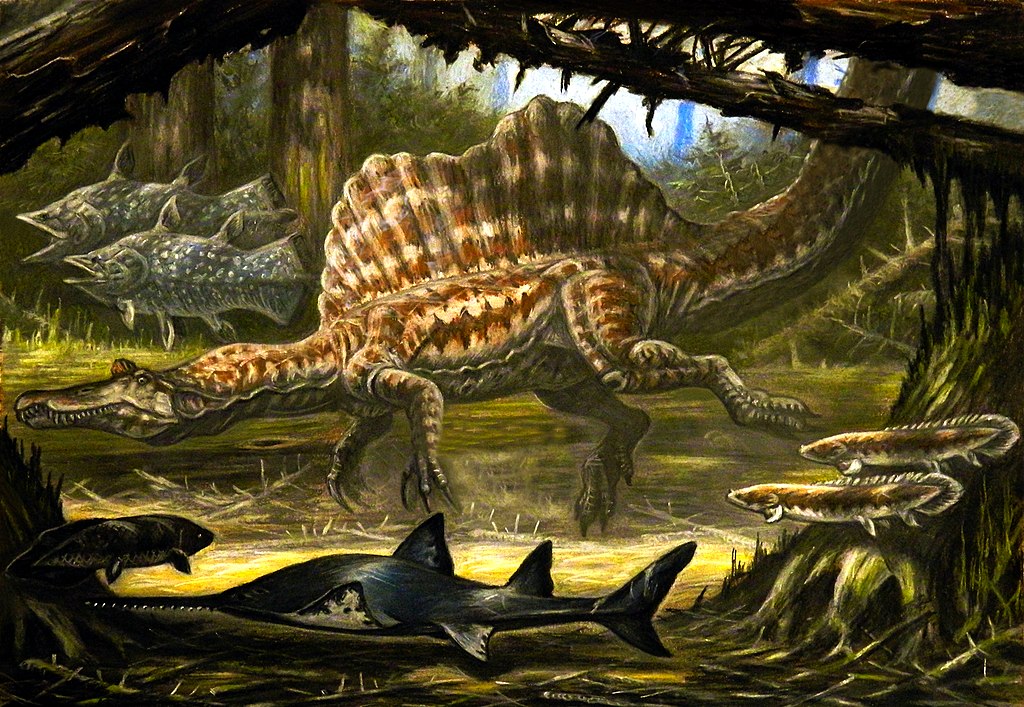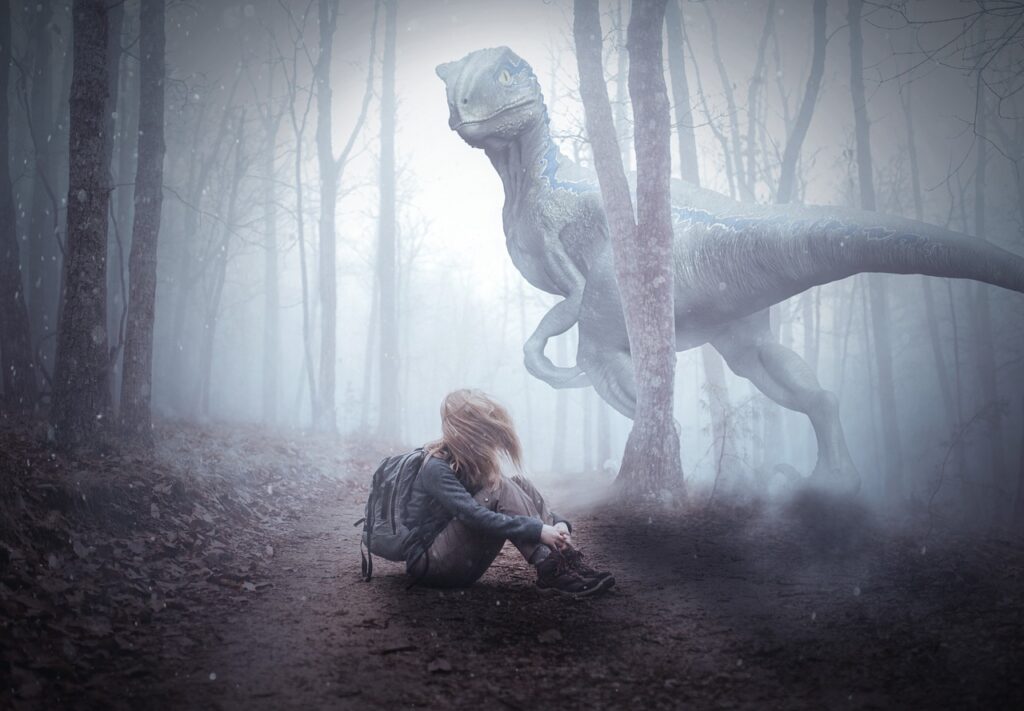
Picture this: you, in sneakers and a hoodie, standing in a steaming Jurassic jungle while a shadow the size of a bus moves between the trees. Would you make it out alive? The question sounds like pure sci‑fi, but it keeps popping up in conversations, videos, and late‑night debates for a reason that runs deeper than simple curiosity.
Underneath the dinosaur memes and movie scenes, this survival question taps into how our brains handle fear, nostalgia, identity, and control. It is not really about outrunning a T. rex; it is about testing the limits of being human. Once you see what is hiding behind the question, it stops being just a fun what‑if and starts looking like a psychological X‑ray of our species.
The Deep Appeal of Impossible Scenarios
Here is the first strange thing: we are drawn to situations we will never, ever face. No one is building a time machine to drop us into the Cretaceous, yet people spend hours watching simulations and arguing online about whether we would last ten minutes or ten years. Our minds love low‑stakes danger, the kind where we can imagine all the terror without any real risk.
Impossible scenarios become a playground for the brain. When we ask if humans could survive with dinosaurs, we get to stretch our imagination, experiment with different versions of ourselves, and feel a faint echo of real fear from the safety of a couch. It is mental rock climbing with a harness on: exciting enough to feel something, safe enough that we can walk away afterward.
Fear as Entertainment: Safely Flirting With Danger
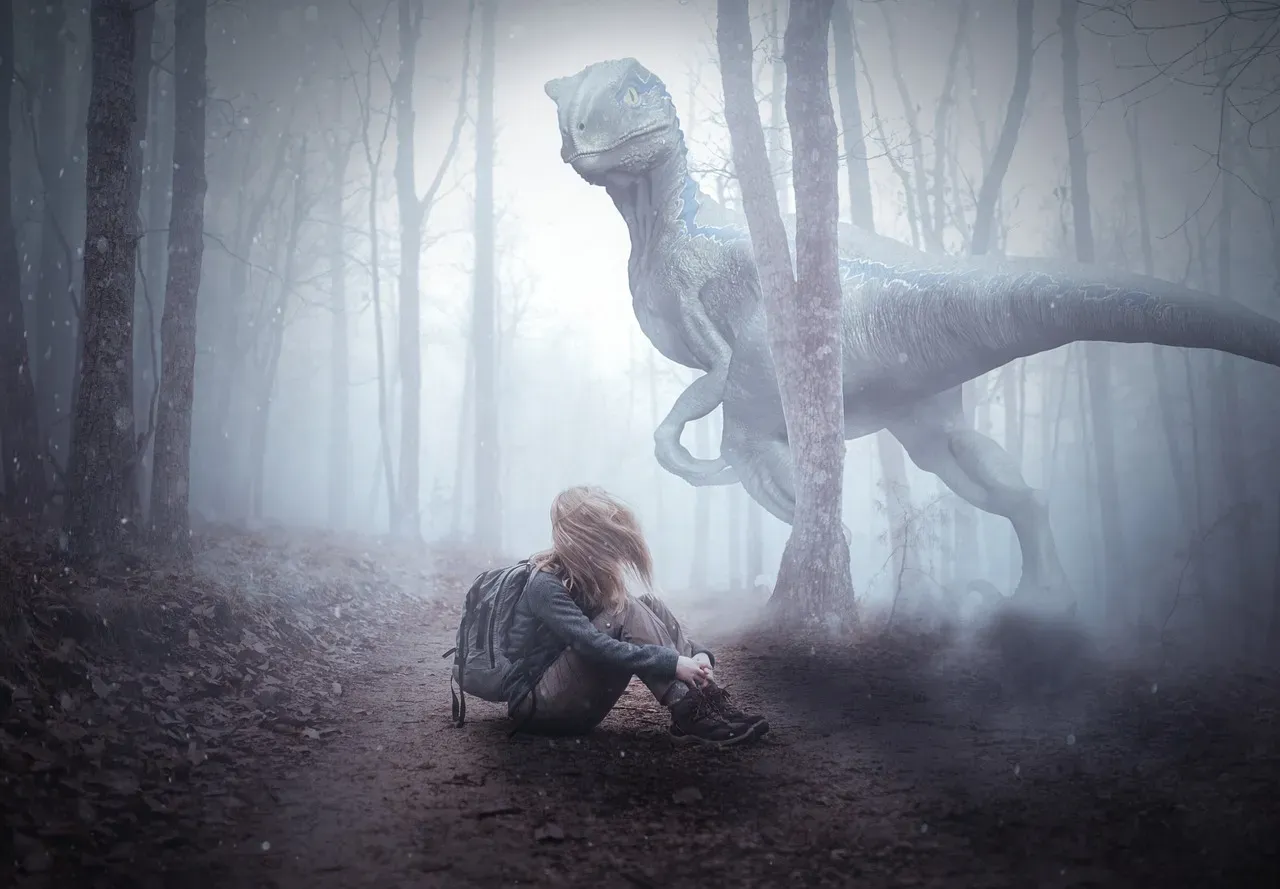
Dinosaurs sit in a sweet spot between terror and entertainment. They are deadly in theory, but distant in reality, which makes them perfect for turning fear into fun. Our nervous systems respond to images of huge teeth and claws with little bursts of adrenaline, even though a part of us knows these creatures are long gone.
That controlled jolt of fear is the same reason people ride roller coasters or watch horror movies. Asking whether we could survive among dinosaurs lets us summon a predator that can never actually reach us. It is like peeking over the edge of a cliff in virtual reality: your stomach still drops, even though you are technically safe in your living room.
Testing Human Superiority: Are We Really the Apex Species?
There is a slightly uncomfortable subtext to the survival question: we want reassurance that our species is special. Humans like to think of ourselves as the ultimate survivors, the top of every food chain, armed with brains, tools, and teamwork. But imagining ourselves dropped into the Mesozoic without preparation pokes at that ego.
When people argue that we could outsmart dinosaurs with strategy, traps, or technology, they are really defending a belief in human exceptionalism. When others say we would be wiped out instantly, they are quietly reminding us that nature does not care how clever we feel. The back‑and‑forth is less about dinosaurs and more about the story we tell ourselves about our place in the world.
Nostalgia, Childhood Wonder, and the Dinosaur Imprint
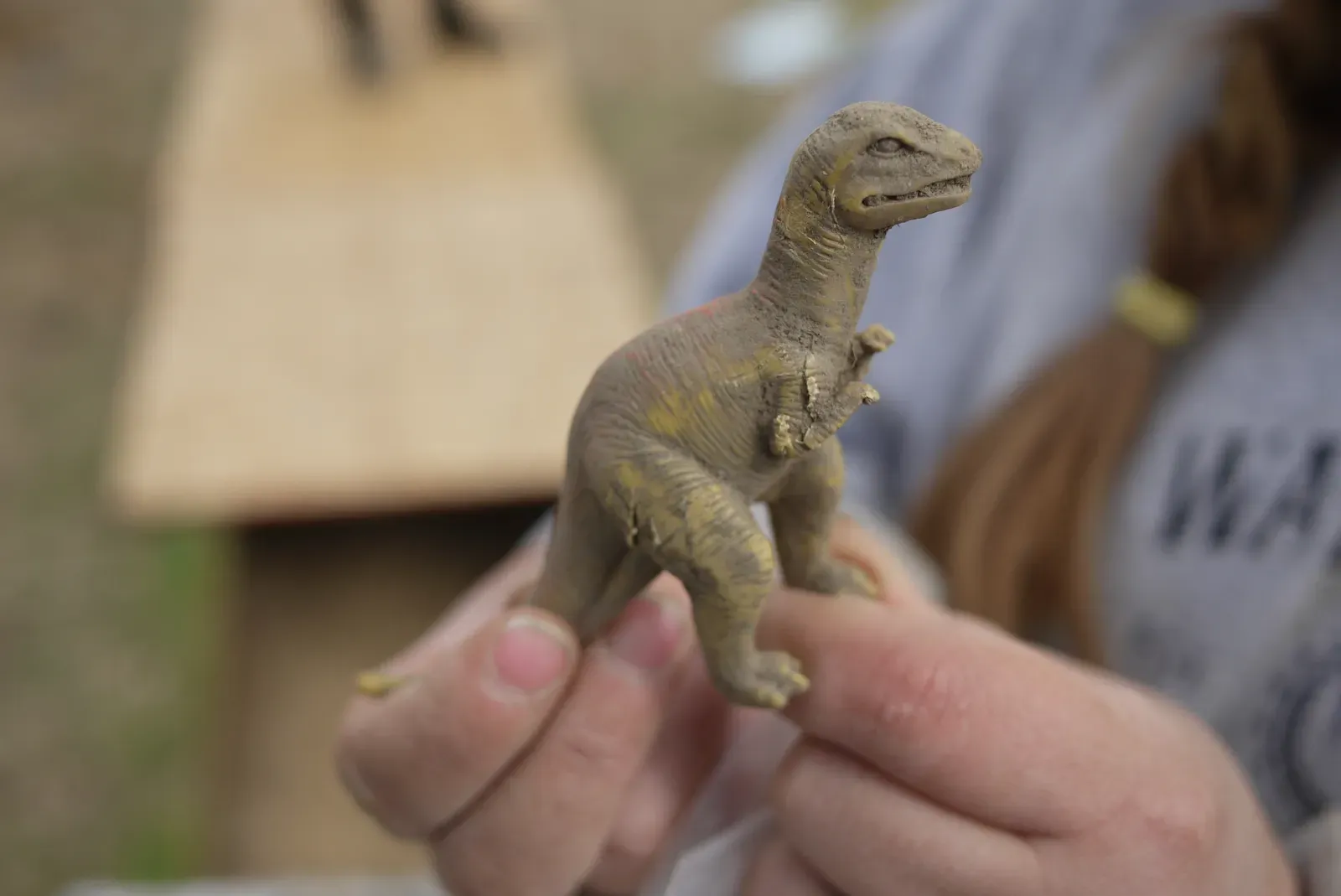
For many people, dinosaurs are one of the first big scientific obsessions of childhood. Picture toy T. rexes, plastic fossils, and school projects with volcanoes and roaring creatures. That early mix of wonder and fear leaves a surprisingly deep groove in the mind, almost like an emotional fossil that never quite erodes.
When adults ask whether humans could survive in the age of dinosaurs, they are often reconnecting with that younger version of themselves. The question becomes a bridge between childhood awe and adult reasoning. It is half playground fantasy, half thought experiment, and that combination is powerful enough to keep the topic alive decade after decade.
The Survival Fantasy and Our Need for Control
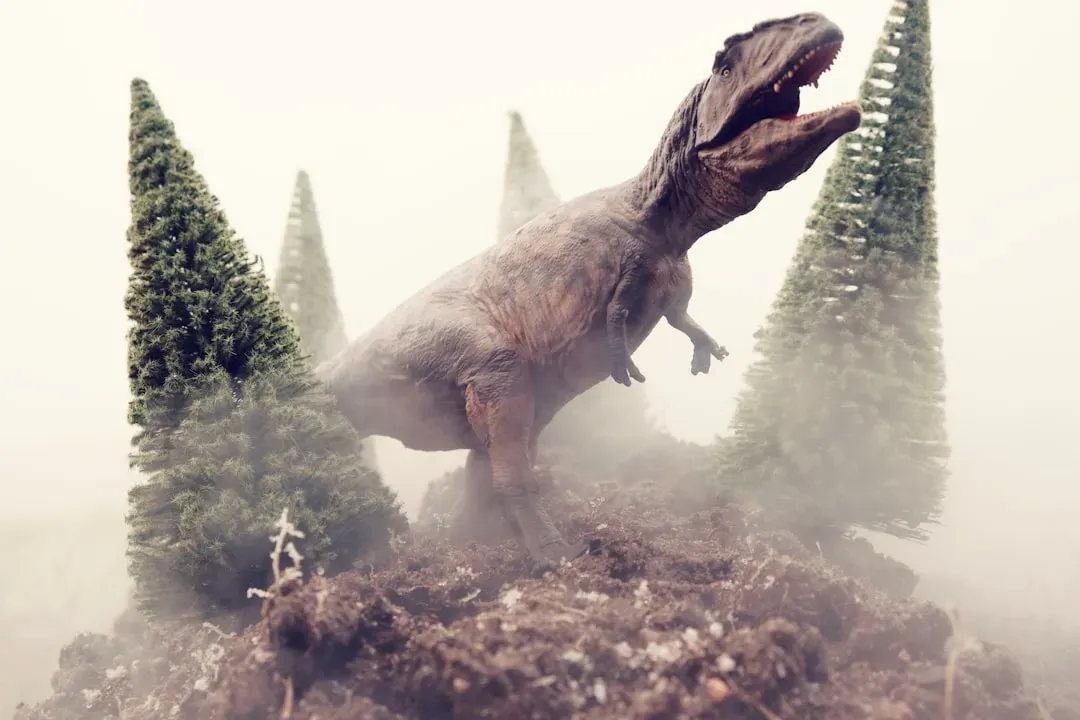
There is also a quiet survival fantasy running in the background: the idea that, thrown into utter chaos, we would somehow figure it out. Imagining ourselves dodging predators, building shelters, and forming tribes in a dinosaur‑ruled world lets us rehearse a feeling of competence in the face of disaster. It is comforting to believe that, even in an era designed to kill us, we might adapt.
In a modern world that often feels unpredictable, from climate worries to social upheaval, the dinosaur scenario gives that anxiety a simple, clear shape: a giant predator you can see and name. Asking whether we could survive is really asking whether we still have what it takes to endure when everything familiar is stripped away. It is a search for control in the most out‑of‑control setting we can imagine.
How Pop Culture Shapes Our Dino Daydreams
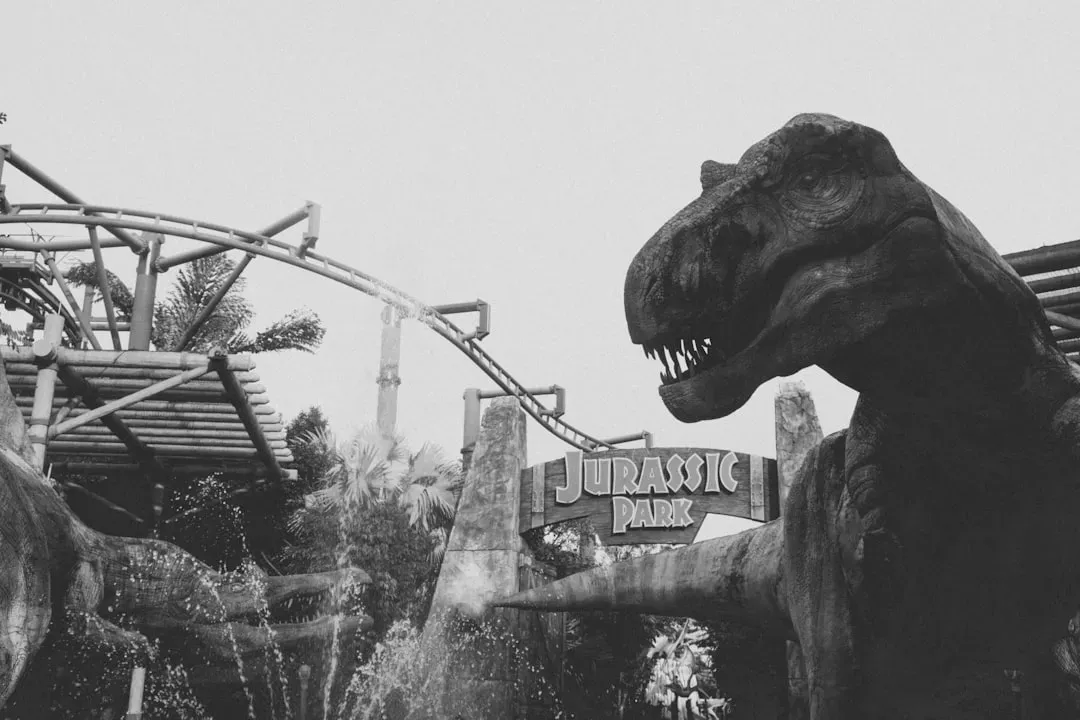
Most of what we emotionally know about dinosaurs does not come from scientific papers; it comes from movies, games, and viral clips. These versions of dinosaurs are designed around drama, not accuracy, and they exaggerate both the danger and the thrill. That means our survival debates are shaped as much by storytelling as by science.
When someone insists they could survive by hiding in a kitchen or driving a jeep really fast, you can almost see the movie scenes playing in their head. Pop culture gives us a shared library of images and scenarios, so when we talk about surviving the age of dinosaurs, we are really collaborating on a familiar story. It feels personal, but it is also deeply scripted by the media we consume.
The Cognitive Biases That Make Us Overestimate Ourselves
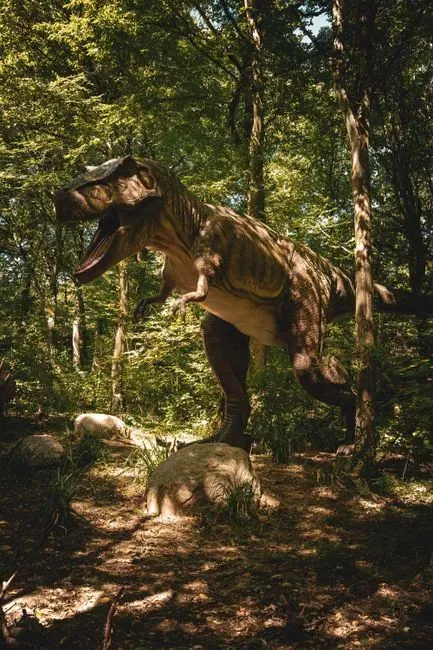
Psychologically, many of us are wired to overestimate our odds in rare and extreme situations. People regularly think they could land a plane in an emergency or handle a wild animal encounter with calm precision. Dinosaurs are just a more dramatic stage for the same bias: the quiet belief that, somehow, we would be the exception.
This self‑confidence can be useful in everyday life, but in the dinosaur thought experiment it turns into an entertaining illusion. We imagine perfect reflexes, flawless decision‑making, and unrealistically lucky breaks. The question of survival becomes a flattering mirror, and we are reluctant to accept the unglamorous answer that we would probably be prey, not predators.
Science Versus Fantasy: What Our Brains Do With Uncertainty
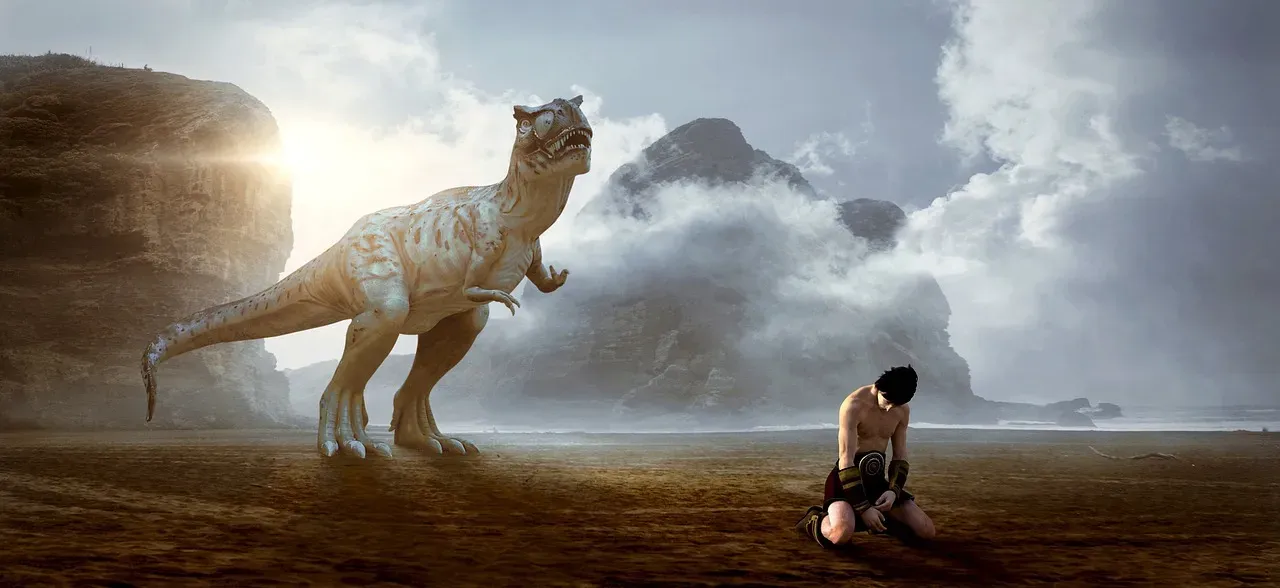
Scientifically, we can make educated guesses about climate, predators, diseases, and ecosystems in dinosaur eras, but we cannot simulate every detail of how a modern human would fare. That uncertainty creates mental space where imagination rushes in. Our brains hate not knowing, so they fill the gaps with stories that feel satisfying, even if they are not fully realistic.
Some people lean toward harsh realism, listing all the reasons we would likely perish quickly. Others lean toward optimistic scenarios where human ingenuity rewrites the rules. The tension between what we know and what we can only guess becomes the engine that keeps the conversation going. As long as there is no final, decisive answer, the question will stay alive in our collective imagination.
What This Obsession Really Says About Us
Asking whether humans could survive in the age of dinosaurs is not a silly distraction; it is a disguised way of asking what kind of creatures we are. Beneath the tooth and claw imagery, we are really probing our fears, our pride, and our fragile confidence in human resilience. Every time someone says they would make it, and someone else rolls their eyes, you are watching two different worldviews collide.
In my view, the most honest answer is that we probably would not last long, at least not without enormous preparation and technology. But I also think the stubborn belief that we might find a way is revealing and oddly beautiful. It shows a species that cannot stop imagining itself into impossible futures and trying to win anyway. Maybe that wild, slightly delusional hope is our real survival trait. If you were dropped into that primeval jungle tomorrow, which story about yourself would you choose to believe?