
Every so often, archaeology turns up something that feels almost too dramatic to be true. Imagine a real battlefield from more than three millennia ago, frozen in mud and river sediment, complete with weapons, shattered bones, and traces of an army that seemed to appear out of nowhere and then vanish again. No names carved in stone, no neat inscription telling us who won or why they were fighting. Just silence, bones, and mystery.
That is exactly what makes one particular ancient battle site, dating back to roughly the late thirteenth or early twelfth century BCE, so unsettling and so addictive to study. The evidence is raw and physical, but the story it suggests feels almost cinematic: a multi-day clash, foreign warriors, brutal violence, and a disappearing army that complicates everything we thought we knew about this corner of the ancient world. Let’s walk through what researchers actually found – and why it feels less like dry history and more like the opening act of a movie.
A battlefield hiding under a quiet river valley
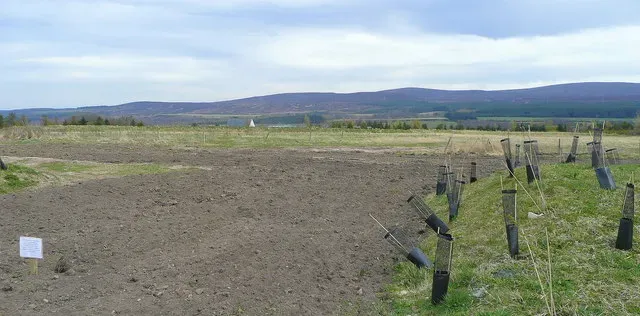
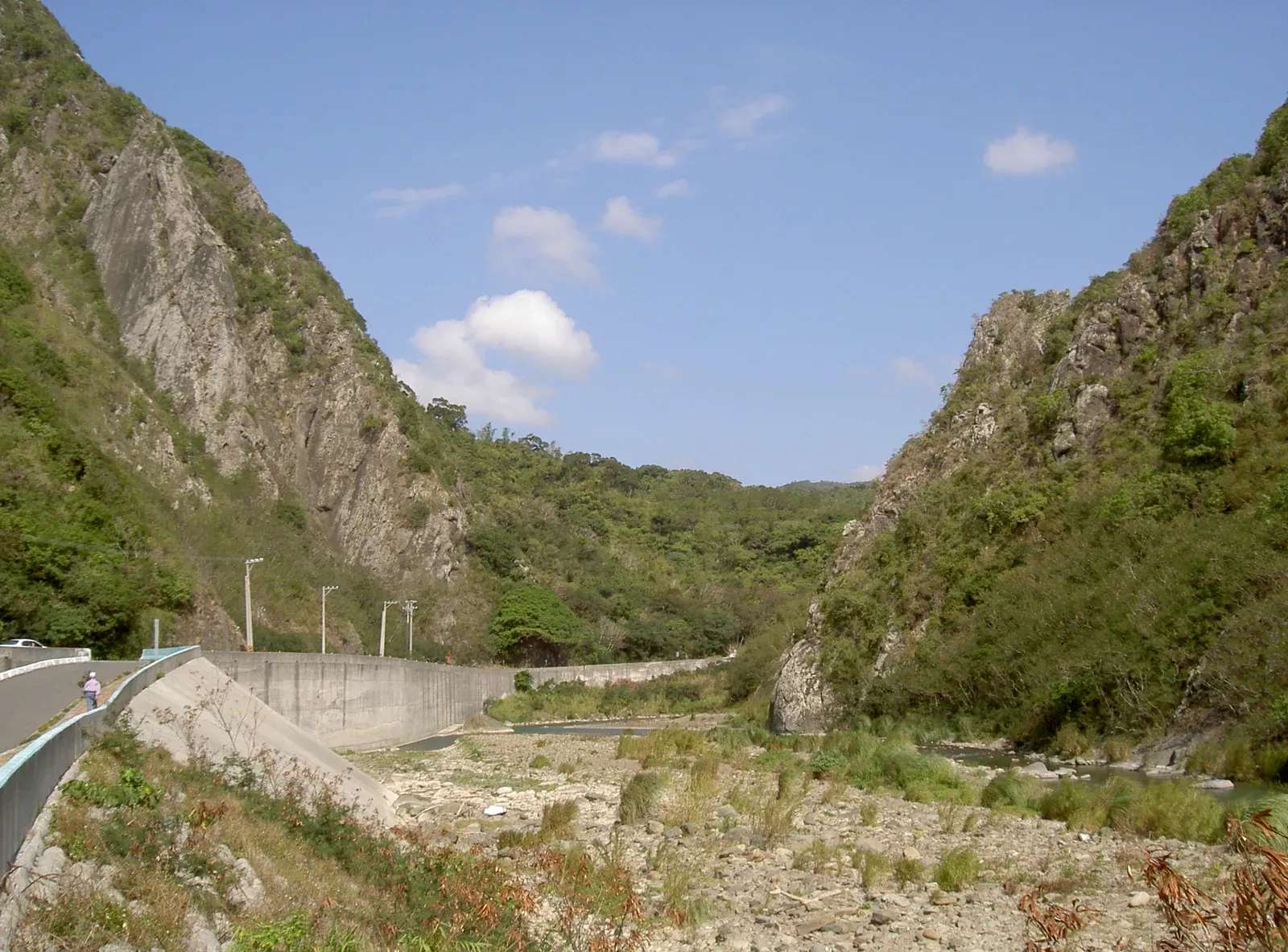
One of the most surprising things is where this ancient battle was found: not on some famous mountain pass or at the gates of a legendary city, but spread along the banks and floodplain of a modest river in northern Europe. For centuries, nobody thought of this landscape as the stage for a major prehistoric conflict; it was just farmland, wetlands, and quiet villages. Only when construction and surveys started turning up odd clusters of bones and bronze weapons did archaeologists realize they were standing on top of something far bigger.
When systematic excavations began, they revealed a scatter of human and animal remains, weapon fragments, and military gear stretched over several kilometers of river valley. This was not a single tidy grave or a ritual site; it was chaotic and wide, exactly what you would expect from a real battlefield where bodies, weapons, and equipment were left in place and later swept around by water and erosion. The sheer size of the area instantly challenged the old idea that northern Europe in the Bronze Age was only home to small, local skirmishes.
Bones that tell a brutal story of close-quarters combat
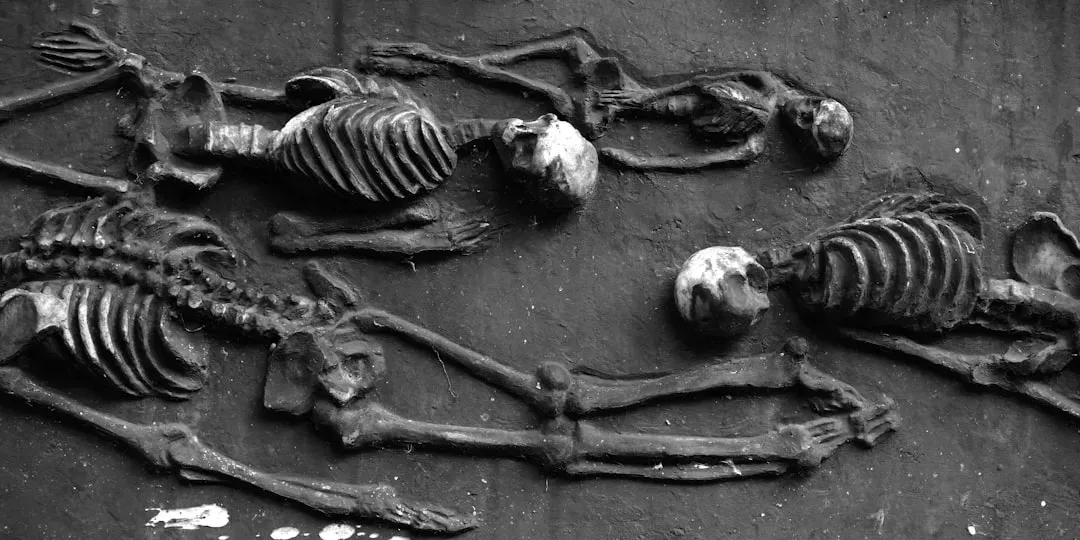
The most chilling part of the excavation comes from the human remains. Forensic analysis of the bones revealed blunt-force trauma, sharp cuts, and crushing injuries that line up with intense hand-to-hand fighting. Skulls show deep fractures from heavy blows; long bones show cut marks from bladed weapons; some skeletons have multiple injuries, suggesting that several strikes landed before the person went down for good. This isn’t the clean, distant warfare we sometimes imagine; it’s up close, sweaty, and terrifying.
What’s even more striking is who these people were. Many were young adult men, the age you’d expect for warriors, but they were not all teenagers dragged into a one-off raid. The evidence suggests a physically hardened group, likely accustomed to combat. There are also remains of horses and other animals, hinting that this was not a spontaneous brawl but a planned engagement involving logistics, supplies, and mounted fighters. The bones read like a record of organized violence, not just a family feud gone bad.
Weapons and gear that look straight out of an epic battle scene
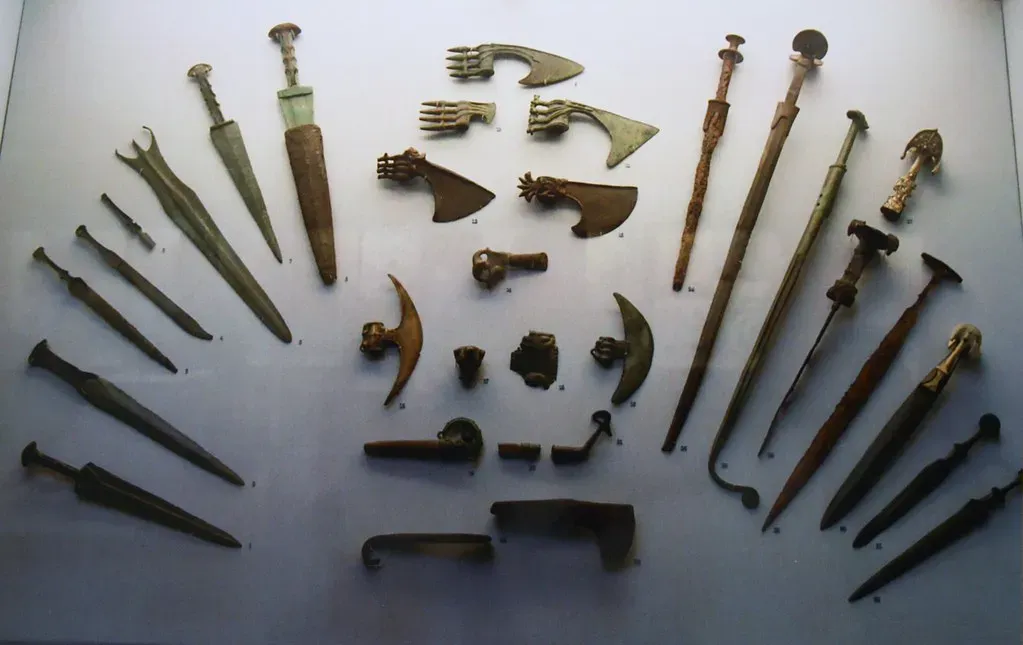
Scattered among the bones were weapons that you could easily imagine in a movie prop room: bronze spearheads, swords, knives, and arrowheads, plus protective gear like shields and pieces of equipment that may have belonged to archers or mounted troops. Some weapons show heavy use and repair, suggesting they were not ceremonial items but tools of the trade for experienced fighters. Others were broken in ways that match battlefield damage, like snapped tips lodged in bones or shattered blades bent out of shape by impact.
The mix of weapon types points to a complex style of fighting. This was not just one group of men charging with spears; it looks more like layered tactics with ranged weapons, close-quarters fighters, and possibly mounted units using speed and shock. The presence of high-quality bronze items is also a big deal. Bronze was not cheap, and seeing so much metal abandoned in one place suggests a battle so intense and chaotic that collecting gear afterward was impossible – or that the victors were unable or unwilling to recover everything, maybe due to flooding, quick retreat, or sheer exhaustion.
Evidence of a large, organized army in a place we did not expect one
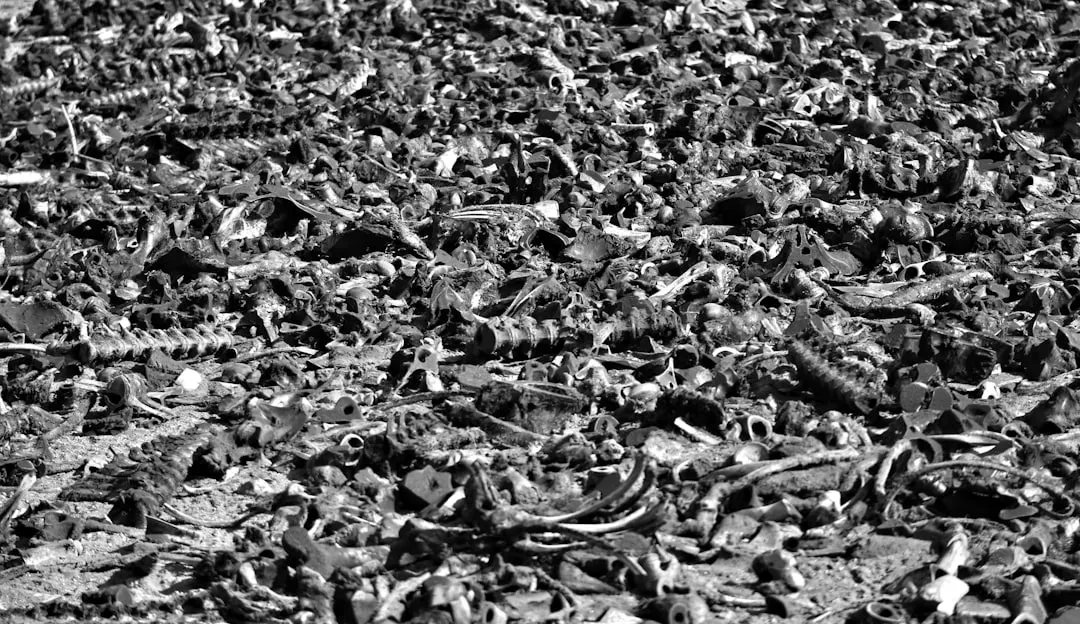
Archaeologists tried to estimate how many people might have been involved by looking at the number of bones and how they were distributed. Even accounting for erosion and missing remains, the numbers hint at a fighting force far larger than the small, kin-based war bands that used to dominate our picture of Bronze Age northern Europe. We’re probably dealing with hundreds, and possibly even more, involved in the clash – significant for the time and place.
That scale matters because it implies serious organization behind the scenes. To put that many combatants in one place, someone had to coordinate food, movement, communication, and leadership. It suggests alliances, rival power centers, or political entities we can’t clearly see in the sparse written sources of the region. In other words, this quiet river valley suddenly looks like a node in a much larger network of power and conflict, not a sleepy backwater where nothing big ever happened.
Foreign fighters and a mysterious, mobile force
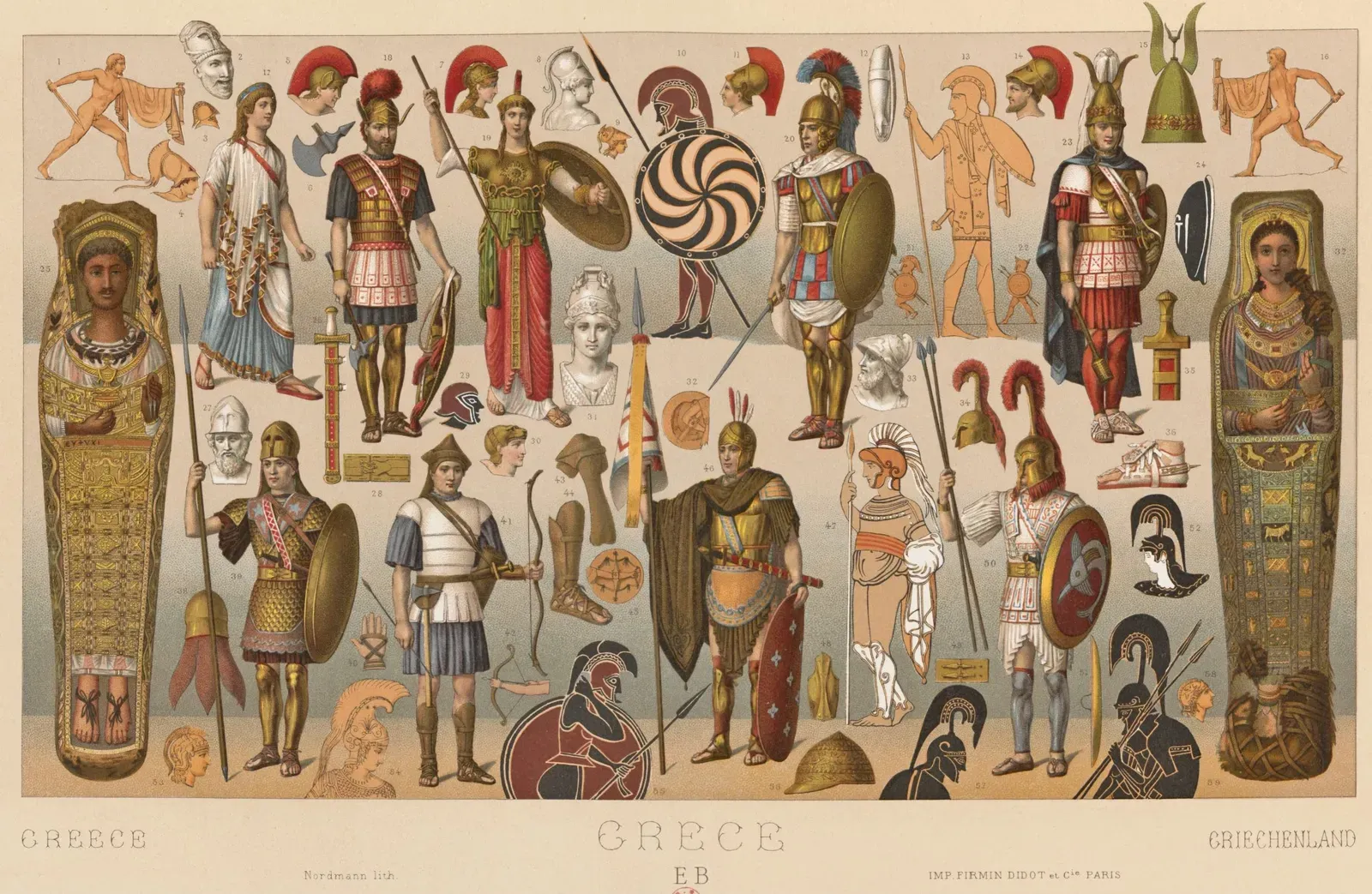
One of the most film-like twists is the evidence that not all the fighters were local. Studies of the chemical signatures in tooth enamel and bones – essentially, tiny geological fingerprints from the water and food people consumed in childhood – show that some individuals grew up far from the battlefield region. This suggests that at least part of the force was made up of outsiders who had traveled, possibly over long distances, to take part in this conflict.
That raises tough questions. Were these mercenaries hired by a local ruler, allied groups answering a call to arms, or a mobile war band operating on its own agenda? The fact that we do not have matching written reports from neighboring literate cultures makes this especially maddening. It feels like discovering the climax of a story without having any idea what the opening chapters said: we see the clash, the foreign presence, and the violence, but we do not know who ordered it or what the long-term payoff was supposed to be.
A battle frozen in time by water, mud, and chance
The reason this battle reads so vividly today is partly luck. In many ancient battles, bodies were buried, burned, or scattered to the point that only faint traces remain. Here, the river and wetlands acted like a reluctant archivist. Some bodies and gear ended up in waterlogged areas where low oxygen levels slowed decay. Over time, layers of sediment buried and protected them, turning what should have been temporary carnage into a time capsule that waited more than three thousand years to be opened.
This preservation is why we can talk about individual wounds, weapon types, and even the movement of the battle across the landscape. It is a bit like someone hit pause right after the final clash and let the scene harden into clay. At the same time, water and erosion also scrambled the evidence, moving bones and artifacts and mixing them around. Archaeologists have to read this scattered debris like detectives, trying to rebuild the sequence of events from a jumbled but incredibly rich record.
Why it feels like a movie script – and why that’s dangerous
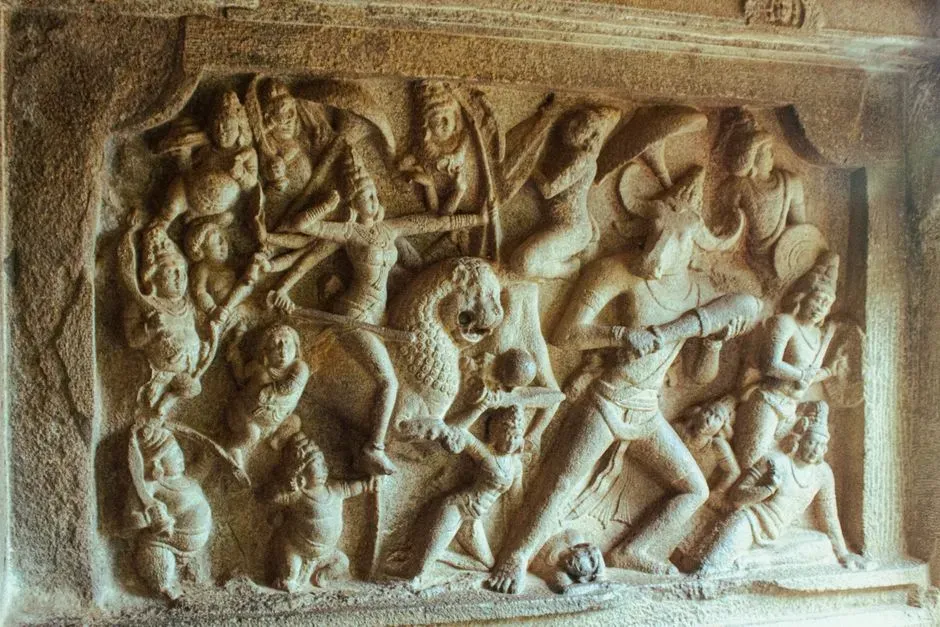
When you put it all together – foreign warriors, large armies in a supposedly peripheral region, intense close-quarters combat, high-value weapons, and a dramatic river valley setting – it is very tempting to start telling a story the way a screenplay would. You can almost see the directors lining up the shots: the long march through unfamiliar lands, tense negotiations gone wrong, the dawn charge across the valley, the desperate fight at the river, then the silence afterward. As humans, we want a clean narrative with heroes, villains, and a clear reason why it all happened.
But the real record does not give us that kind of certainty, and that’s where things get tricky. Archaeology offers bones, objects, and patterns in the soil, not fully scripted plots. If we lean too hard into the movie version, we risk projecting modern ideas – about nation-states, professional armies, or cinematic heroism – onto a world that worked very differently. The site really does feel like a film plot because it captures raw, dramatic human conflict. Yet the honest, scientific stance is to live with the gaps, admit what we do not know, and resist the urge to turn every mystery into a neatly wrapped story.
Conclusion: a battlefield that rewrites the edges of history
To me, this ancient battle site is one of those discoveries that quietly rewires how you see the past. It shows that more than three thousand years ago, people in what we once thought of as the fringes of the Bronze Age world were organizing large forces, forging deadly weapons, and fighting complex battles that could rival anything happening in better-documented regions. It also underlines how much of human history has played out without leaving a tidy written record, relying instead on mud, bone, and metal to speak for it.
If anything, the fact that this battlefield feels like a film plot is a reminder that real people with real fears, ambitions, and rivalries stood there, not vague stick figures from a textbook. They bled, gambled on alliances, marched far from home, and sometimes never made it back. We may never know their names or their side of the story, but the ground remembers more than we once imagined. When you think about that, does it make our familiar version of history feel a bit too small and scripted by comparison?