
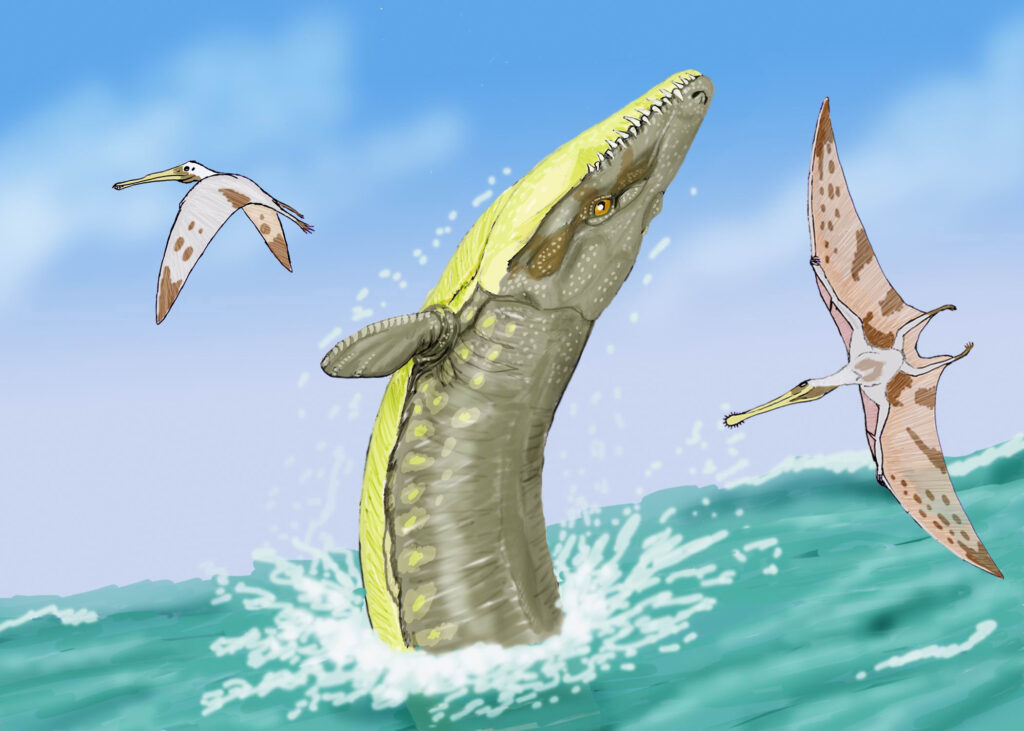
Picture this: instead of a cute crab or a graceful fish on your horoscope app, you get a roaring marine reptile exploding out of the ancient ocean, teeth bared, eyes locked on its next meal. The Jurassic seas were packed with predators so strange and fierce that they make modern sharks look almost polite. When you line up their personalities with the zodiac, the comparisons get weirdly, almost uncomfortably accurate.
Of course, your zodiac sign is not a scientific category and Jurassic marine reptiles are long-extinct animals, not spirit guides. But when you mix what we know from fossils with the archetypal vibe of each sign, some pairings feel like they were meant to be. Let’s dive deep into the ancient oceans and see energy, from impulsive fire signs to quietly terrifying water signs.
Aries – Liopleurodon, the Charged-Up Apex Sprinter
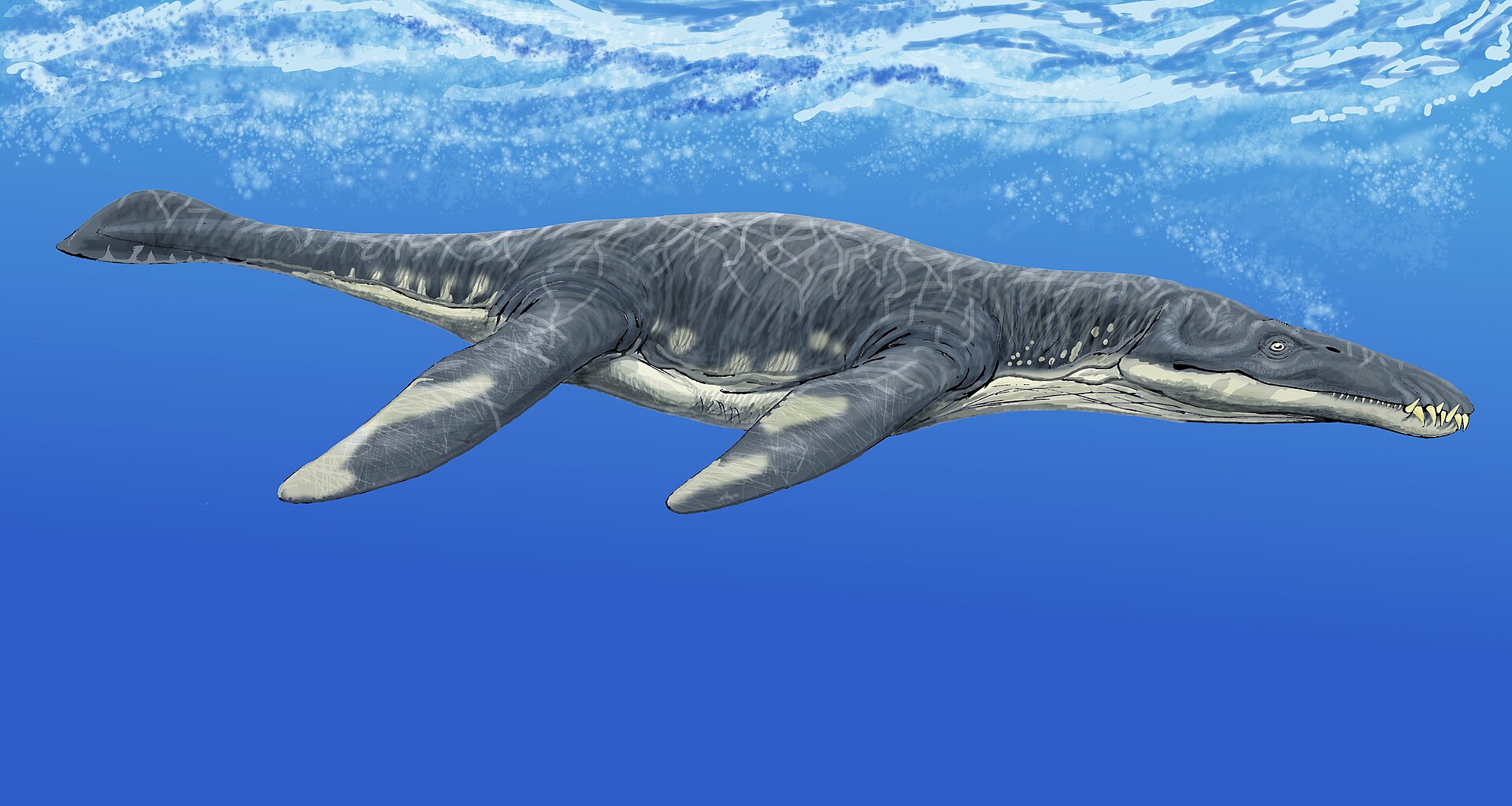
Aries energy is direct, impatient, and allergic to hesitation, and Liopleurodon is basically that in reptile form. This massive pliosaur was built like a torpedo with jaws, designed for explosive bursts of speed and brutal, close-range attacks. Paleontologists think it was not a lazy cruiser but an ambush predator, lunging at prey with short, violent chases rather than drawn-out pursuits. That’s classic Aries: hit hard, hit first, deal with the fallout later.
Just like Aries can dominate a room without even trying, Liopleurodon probably sat near the top of its food chain wherever it lived. Its skull was disproportionately large, crammed with teeth that could shear through thick flesh and bone, suggesting overkill power rather than subtle strategy. An Aries rarely tiptoes; they crash through doors and figure it out on the way in. If your default mode is “let’s just go for it,” Liopleurodon is absolutely your Jurassic alter ego.
Taurus – Plesiosaurus, the Steady Coastal Grazer
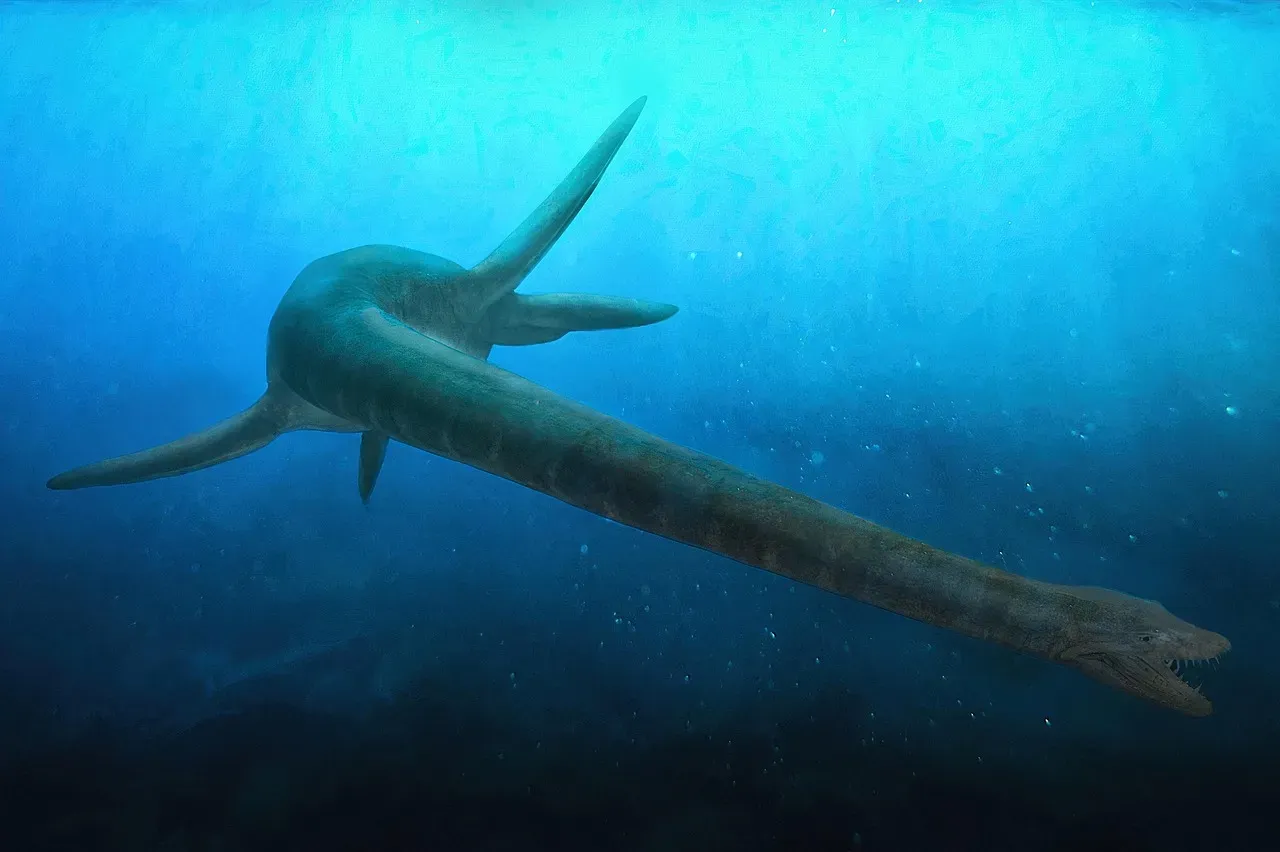
Taurus is known for persistence, sensual comfort, and a slightly stubborn commitment to their own pace. Plesiosaurus, with its long neck and relatively modest head, fits that vibe surprisingly well. Instead of being a chaotic brawler, it likely spent its time cruising more gently through shallower seas, using that long neck to pick off fish or invertebrates without burning tons of energy. It feels less like a berserker and more like a creature that knew how to conserve effort and stay steady.
There’s also something very Taurus about the body plan: broad, strong torso, four powerful flippers, and a build that screams stability over drama. Rather than chasing every possible opportunity like some predators, Plesiosaurus may have favored predictable hunting grounds, returning to food-rich areas again and again. That matches Taurus perfectly: loyal to their routines, suspicious of wild change, but quietly effective. If your comfort zone is your power zone and you’d rather be consistent than flashy, Plesiosaurus is your sea sign twin.
Gemini – Ichthyosaurus, the Curious Ocean Commuter
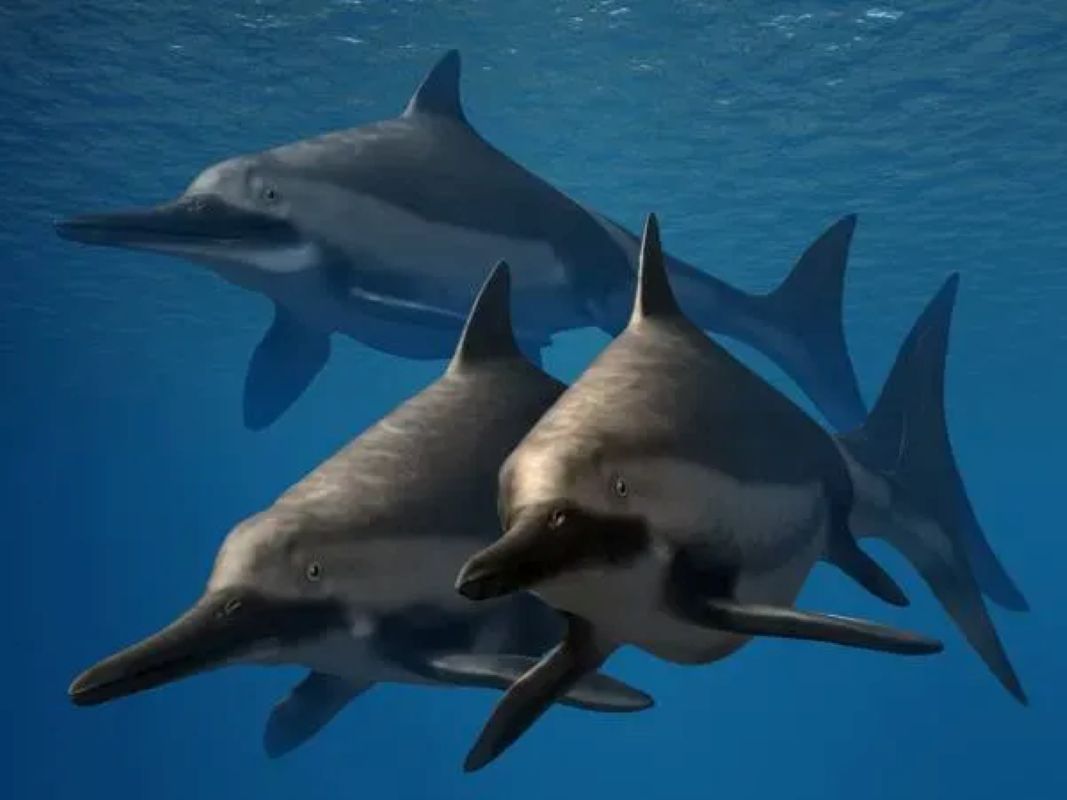
Gemini is fast, restless, curious, and constantly scanning for the next interesting thing, and Ichthyosaurus might as well be the aquatic version of that. These dolphin-shaped reptiles were streamlined, agile, and likely fast swimmers, zipping around ancient oceans in search of fish and cephalopods. Their big eyes suggest they were visually oriented hunters, taking in a ton of sensory information as they cut through the water. That mental image lines up perfectly with Gemini’s buzzing, always-on mind.
Ichthyosaurs as a group were also incredibly diverse and adaptable, with many species evolving different sizes and hunting strategies over time. Gemini energy is similar: able to shift personas, settings, and conversations on the fly without losing momentum. If you’re the type who thrives on variety, hates being pinned down, and treats life like an endless sea of side quests, Ichthyosaurus is your Jurassic match made in saltwater heaven.
Cancer – Cryptoclidus, the Protective Deep-Feeling Hunter
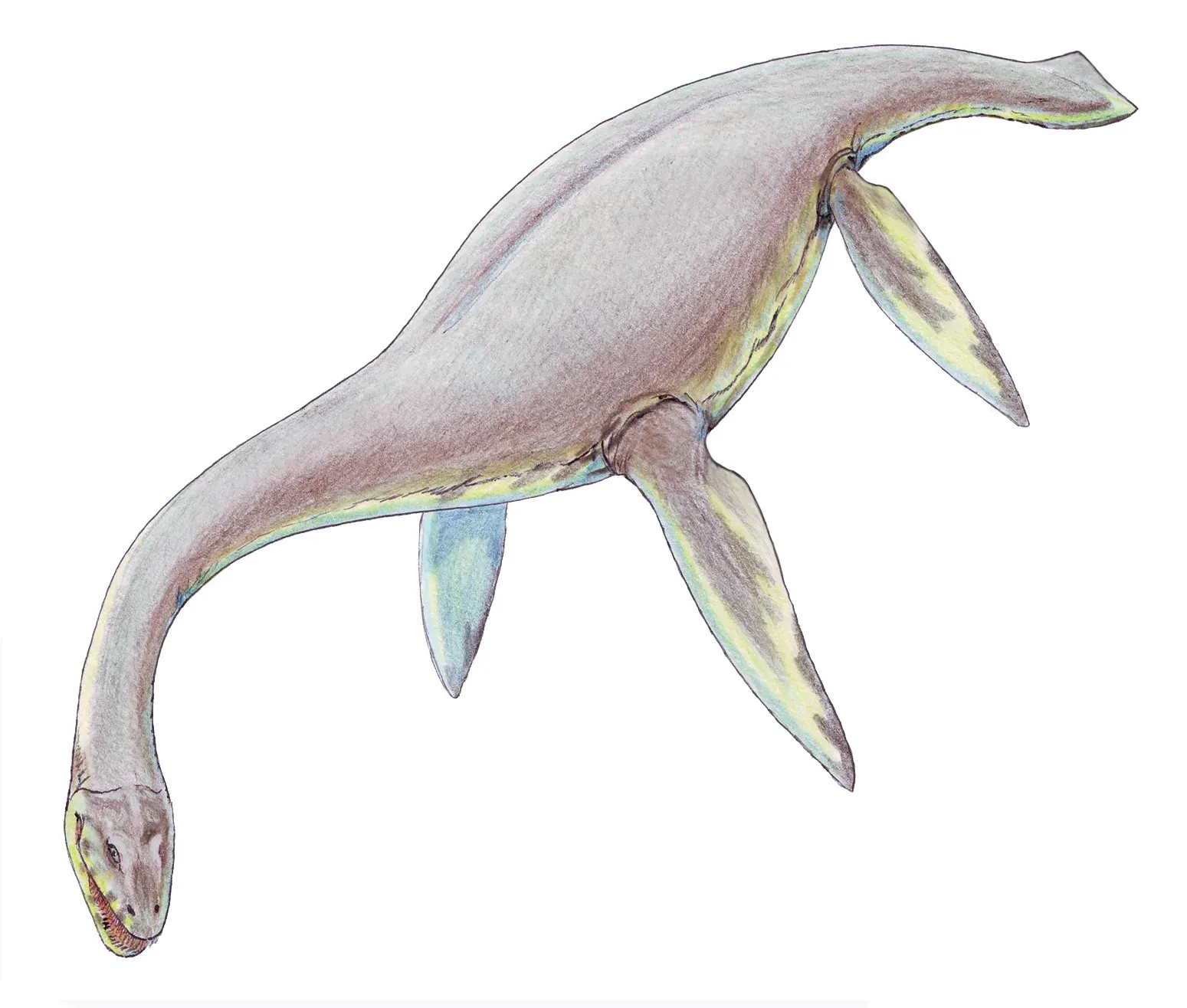
Cancer is often painted as soft and emotional, but there’s a fierce, defensive side to this sign that people underestimate. Cryptoclidus, a mid-sized plesiosaur with a relatively flexible neck and robust body, fits Cancer’s protective vibe. It was not the largest predator in its ecosystem, yet it was well-built, maneuverable, and seemingly specialized for grabbing smaller prey with precision rather than brute force. That feels like Cancer’s style: selective, careful, and quietly capable of serious damage when provoked.
There’s a comforting, almost cozy quality to the image of a plesiosaur cruising calm coastal waters, neck weaving gently while scouting for food. At the same time, those jaws and flippers remind you it was absolutely not harmless. Cancers are similar: they build emotional “shells” and safe harbors for themselves and others, but they’ll turn on the claws if something threatens their circle. If you’re loyal to your people, deeply intuitive, and a little defensive, Cryptoclidus mirrors your moodier, tidal side.
Leo – Pliosaurus, the Regal Ocean Super-Predator
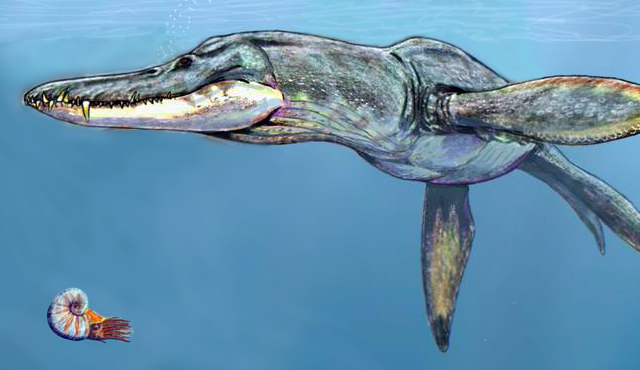
Leo wants center stage, and Pliosaurus simply took it. This giant pliosaur was one of the most formidable marine predators of the Jurassic, armed with a massive head and jaws loaded with thick, conical teeth. Fossils point to a creature built for tackling large, powerful prey, which is very Leo: why snack on something small when you can go after the main event? Everything about Pliosaurus says dominance and spectacle, almost like the ocean crowned it without a vote.
Leos also have a flair for drama, and large pliosaurs would’ve been the kind of animal other creatures noticed from a distance, whether they wanted to or not. A big, muscular body, huge skull, and crushing bite give it the aura of a living throne. In human terms, that’s the Leo who walks into a room and somehow everyone naturally orbits around them. If your vibe is unapologetically bold, a little theatrical, and secretly built on real power, Pliosaurus is your watery, Jurassic mirror.
Virgo – Ophthalmosaurus, the Precision Night Hunter
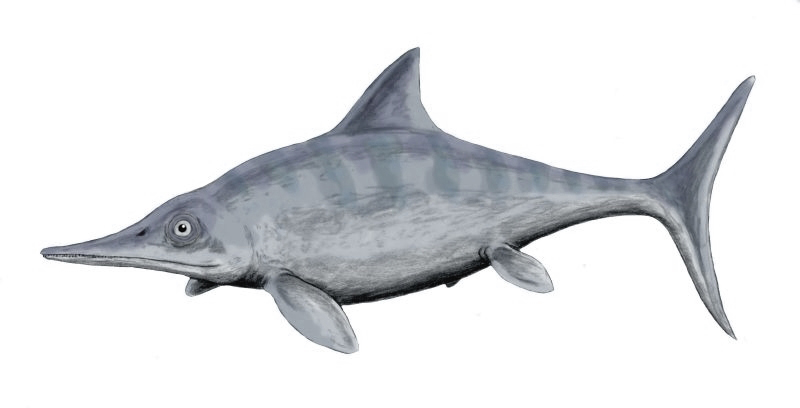
Virgo energy thrives on detail, subtlety, and getting things exactly right, and Ophthalmosaurus is a near-perfect parallel. This ichthyosaur is famous for its enormous eyes, some of the largest relative to body size among vertebrates, suggesting it was incredibly well adapted to hunting in low light. Picture a meticulous predator sliding into deeper or darker waters, tracking prey with fine-tuned senses rather than brute strength. That’s Virgo: careful, refined, quietly effective.
Ophthalmosaurus also seems to have been an efficient swimmer, with a streamlined, almost minimalist body plan: no unnecessary flourishes, just what works. Virgos are the same in many ways, preferring clean systems, smart habits, and well-honed routines over mess and chaos. If you’re the person who notices tiny inconsistencies, optimizes everything, and hunts for truth in the shadows where others are not even looking, Ophthalmosaurus channels your methodical, precision-focused vibe.
Libra – Elasmosaurus, the Elegant Balancer of the Seas
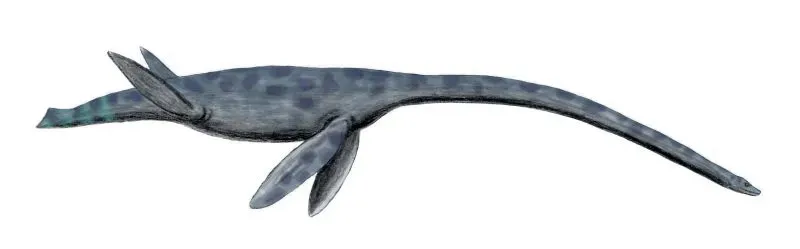
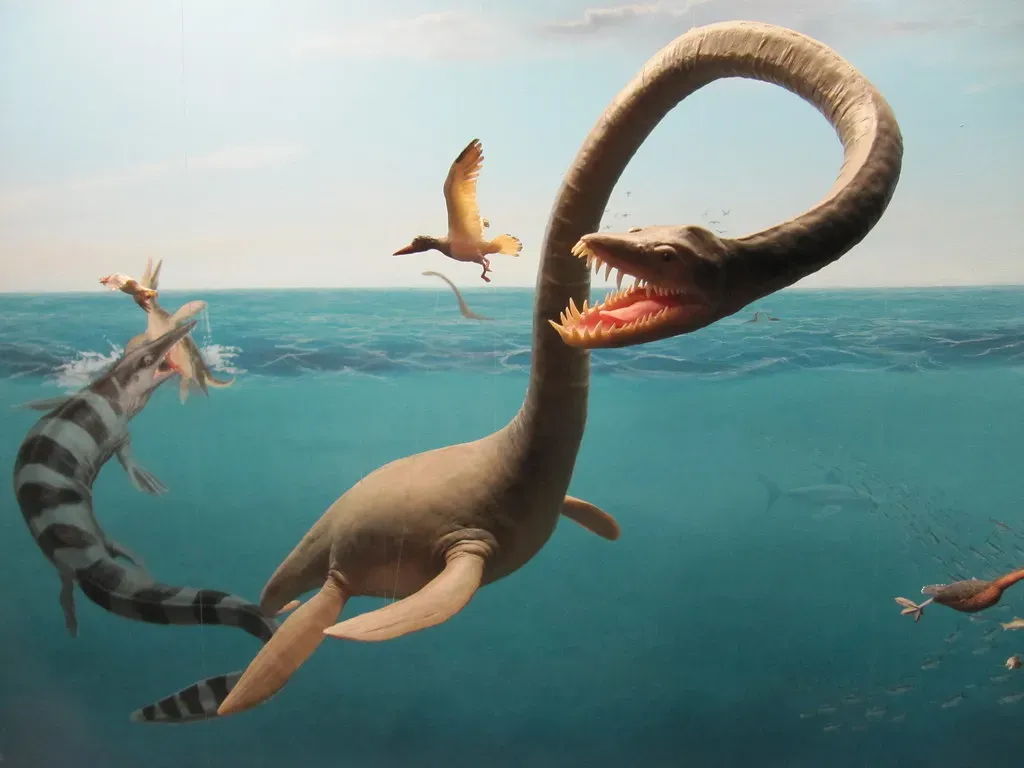
Libra is all about balance, aesthetics, and social grace, and Elasmosaurus is one of the most visually striking marine reptiles ever discovered. With its incredibly long neck, small head, and broad, graceful body, it looks more like a mythological creature drawn by an artist than a real animal pulled from the rock record. There is a sense of poise in its form, as if it sliced through the water with choreographed control rather than chaotic thrashing.
Functionally, that long neck may have allowed it to approach prey with minimal disturbance, keeping the bulky body a bit farther away while the small head did the delicate work. That feels very Libra: solving problems with finesse and diplomacy instead of blunt force. Libra energy also loves harmony, and Elasmosaurus visually embodies a flowing, almost symmetrical balance of forms. If you care about beauty, cooperation, and not making unnecessary waves even while you are hunting your goals, Elasmosaurus reflects your refined, relational style.
Scorpio – Dakosaurus, the Shadowy Shark-Croc Hybrid
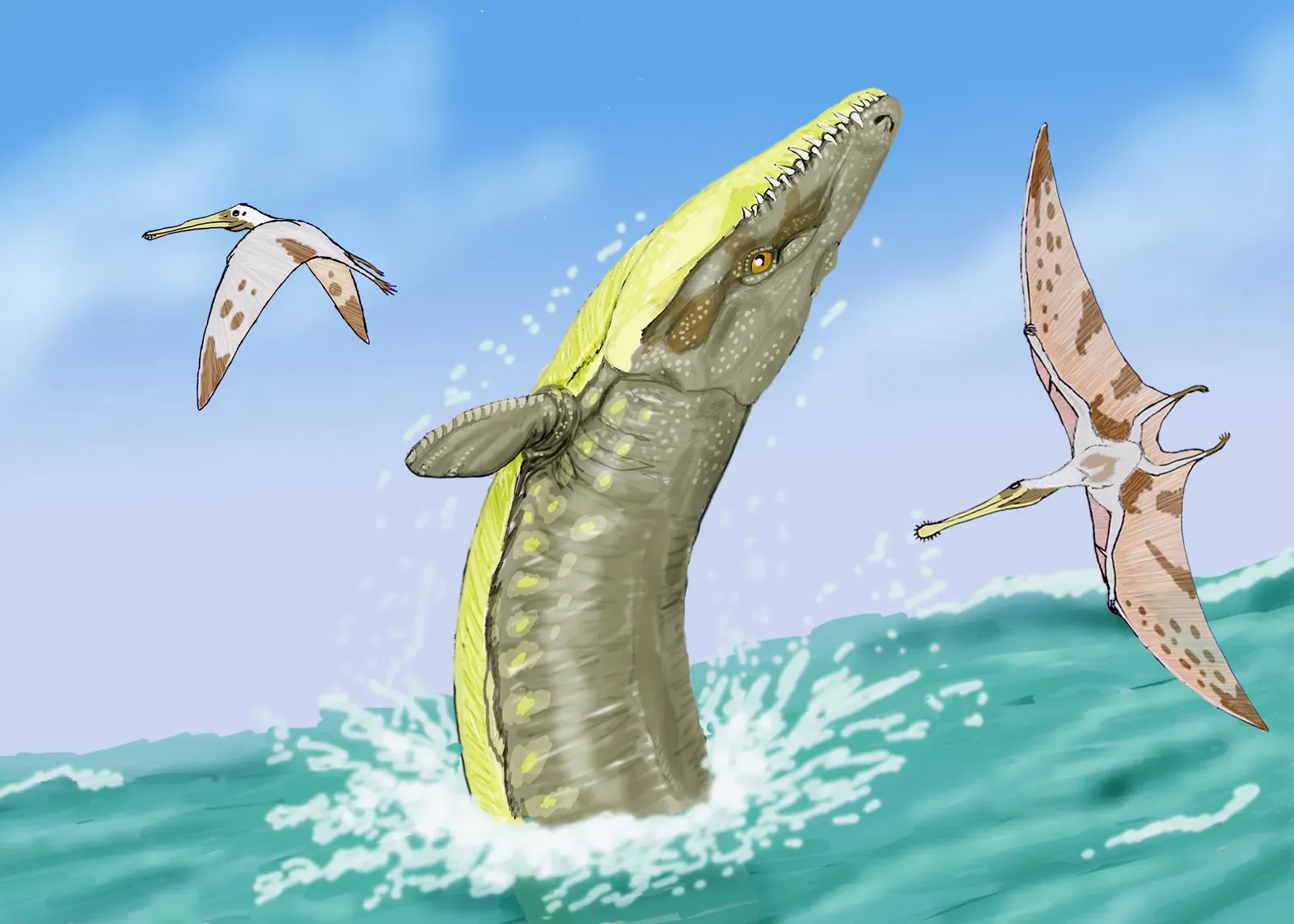
Scorpio’s intensity, mystery, and refusal to play nice aligns almost eerily well with Dakosaurus. This marine crocodyliform had a body adapted to open-water swimming and a head with deep, serrated, almost shark-like teeth, earning it nicknames implying a bizarre shark-croc mashup. It was not cute and it definitely was not gentle; it was built for tearing into flesh and possibly taking on relatively large prey in murkier waters. That’s Scorpio: unapologetically deep, predatory energy with a hint of something others find unnerving.
There’s also the psychological element. Scorpio is drawn to the unseen, the taboo, the darker corners, and Dakosaurus likely lived a life far from the sunlit shallows, embracing more shadowy parts of the marine world. Its fossil record hints at a specialist predator that did not need the spotlight to be terrifyingly effective. If you’re not afraid of emotional depth, like to keep your cards hidden, and prefer power that whispers rather than shouts, Dakosaurus is your Jurassic sea soulmate.
Sagittarius – Temnodontosaurus, the Wide-Roaming Ocean Nomad
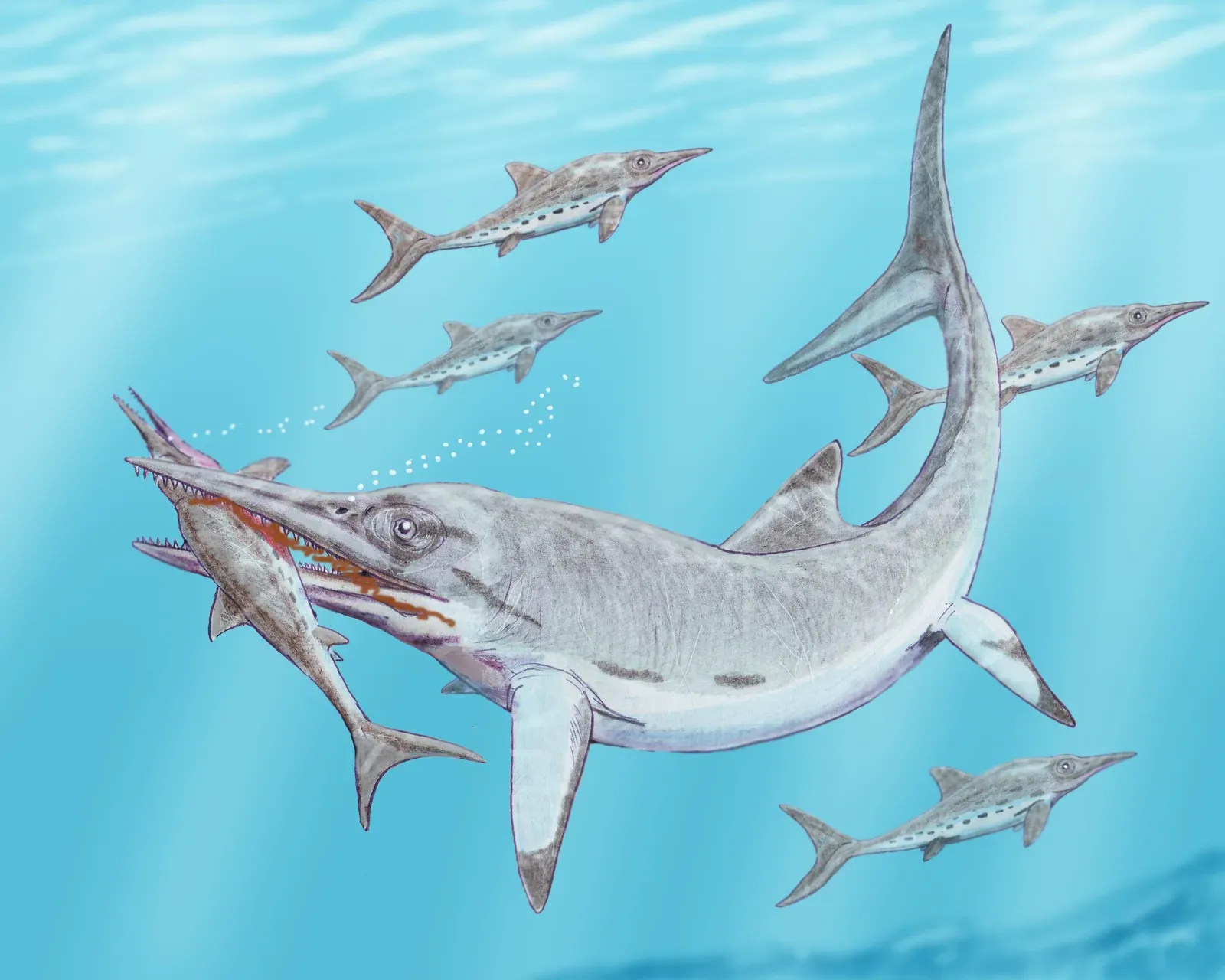
Sagittarius is the explorer of the zodiac, eternally chasing bigger horizons, and Temnodontosaurus matches that wanderlust. As one of the larger ichthyosaurs, it had a powerful, streamlined body seemingly designed for long-distance cruising through vast marine environments. Instead of clinging to one tiny patch of coastline, it likely roamed open waters where the stakes were higher and the journeys longer. That big-picture, far-ranging lifestyle is textbook Sagittarius.
This reptile’s teeth and size suggest it tackled substantial prey, possibly including other marine reptiles, which also aligns with Sagittarius’ fondness for big challenges. There is nothing modest about an ichthyosaur at this scale silently cruising through deep blue ancient seas. If you’re restless, addicted to growth, and more interested in experiences than comfort, Temnodontosaurus reflects your expansive, “let’s see what’s over the next wave” philosophy.
Capricorn – Metriorhynchus, the Relentless Professional Predator
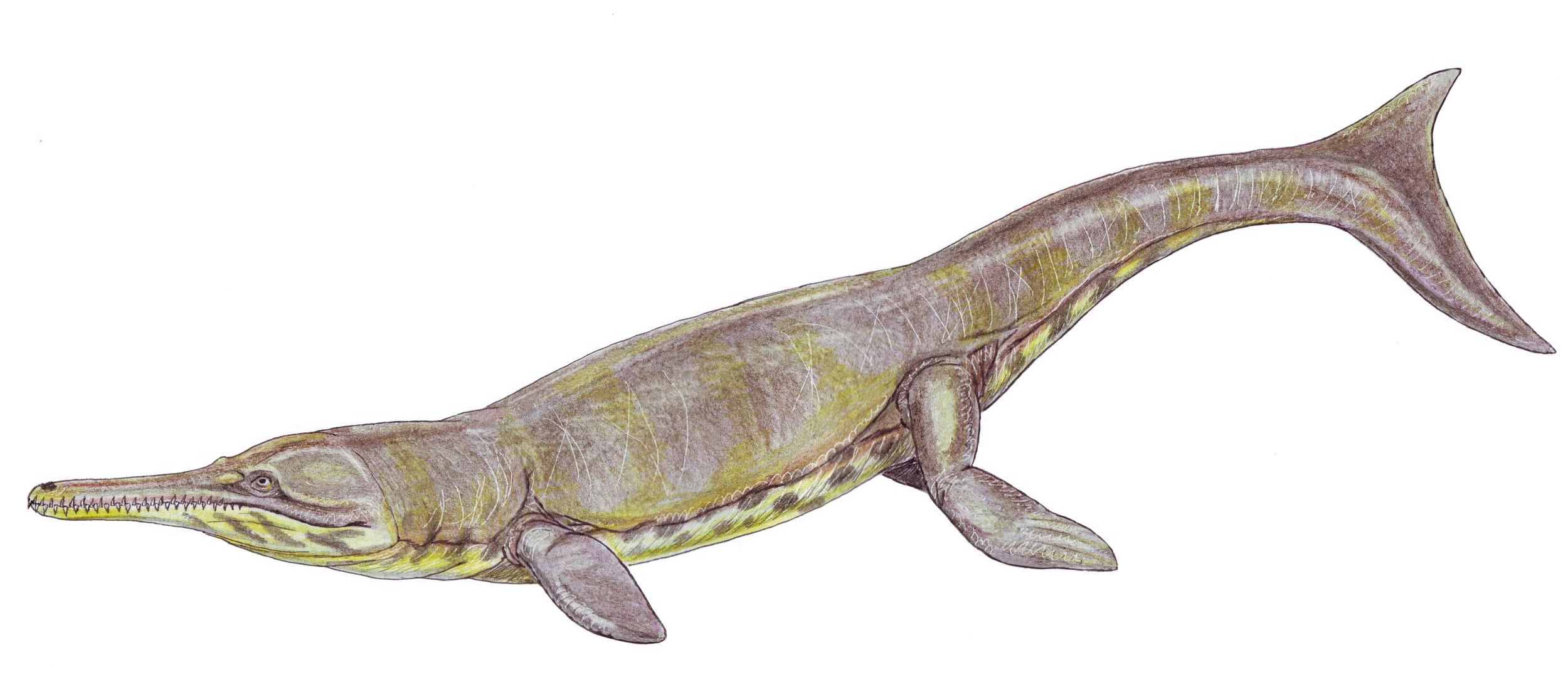
Capricorn energy is disciplined, strategic, and quietly ambitious, and Metriorhynchus channels that with surprising accuracy. This marine crocodile relative was fully adapted to life in the open ocean, with paddle-like limbs and a tail fin that made it a capable, efficient swimmer. It did not have the sheer size of some giant pliosaurs, but it made up for that with specialized design and a focused lifestyle. Think of it as the predator that got where it wanted to go through consistency rather than drama.
Capricorns are often seen as the workhorses of the zodiac, and Metriorhynchus carries that vibe: not necessarily the flashy ruler of the sea, but the reliable, relentless hunter that gets the job done day after day. Its teeth and skull suggest a meat-focused, active predatory role without unnecessary extravagance. If your personality leans toward long-term goals, patient effort, and a little bit of “I’ll outlast you,” Metriorhynchus is your ancient ocean counterpart.
Aquarius – Thalattoarchon, the Revolutionary Rule Breaker
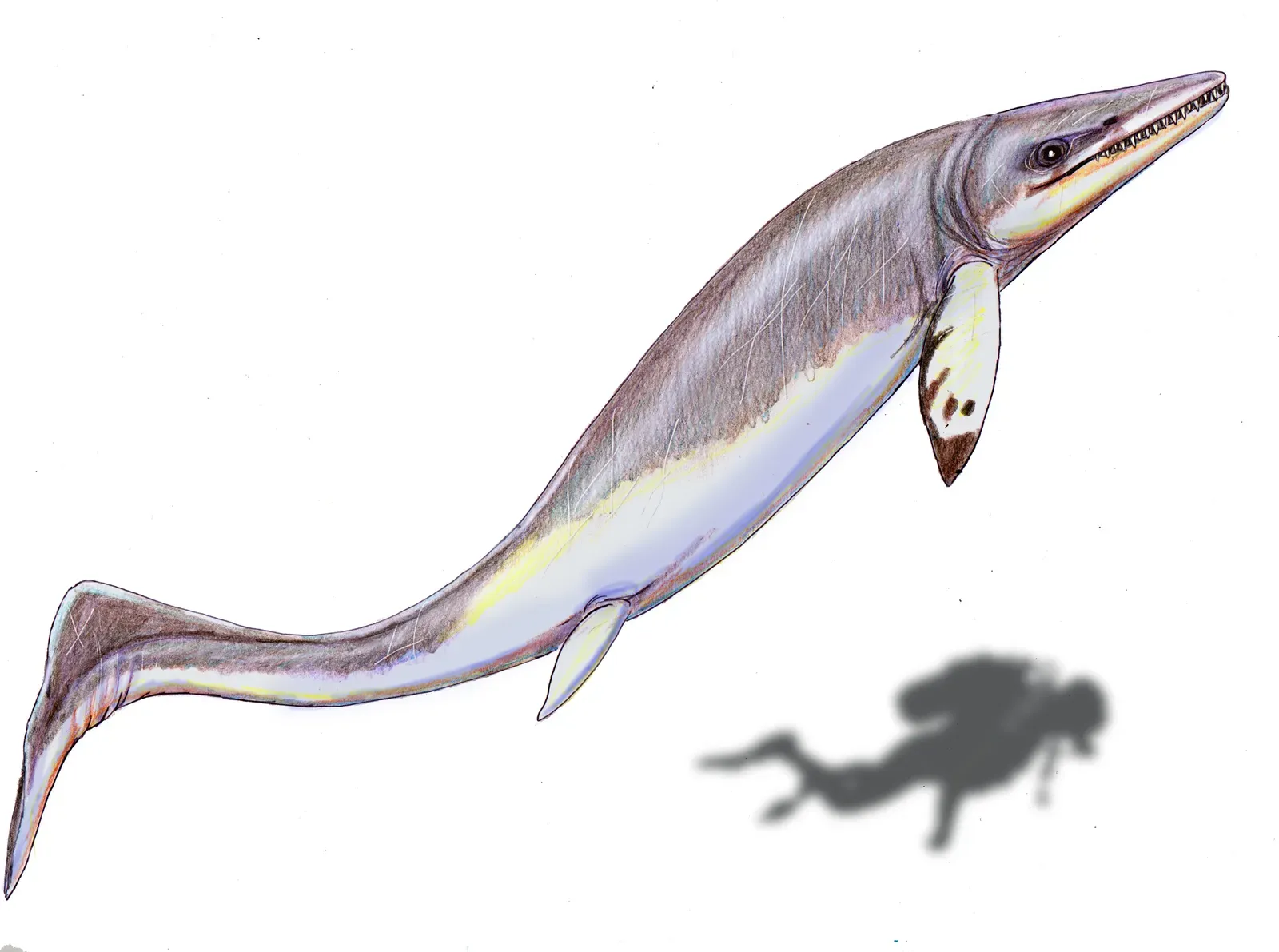
Aquarius is the rebel, the innovator, the sign that arrives early to trends the rest of the zodiac has not even imagined yet. Thalattoarchon, an early ichthyosauriform from the Triassic that foreshadowed later Jurassic giants, carries that groundbreaking spirit. It appears to have been one of the first truly large marine reptile super-predators after the Permian extinction, with teeth adapted for slicing big prey rather than just small fish. It was rewriting the rules of who got to dominate the oceans at that time.
Aquarius energy tends to feel a bit alien to everyone else, and Thalattoarchon has that same “ahead of its time” aura. While not strictly Jurassic, it stands as a blueprint for many later marine reptile success stories, shaking up older ecosystems and opening new ecological roles. If you often feel like you are operating on a slightly different wavelength, pioneering your own way of living while the rest of the world catches up, Thalattoarchon reflects your radical, future-focused edge.
Pisces – Hybodus, the Dreamy Ancient Shark Companion
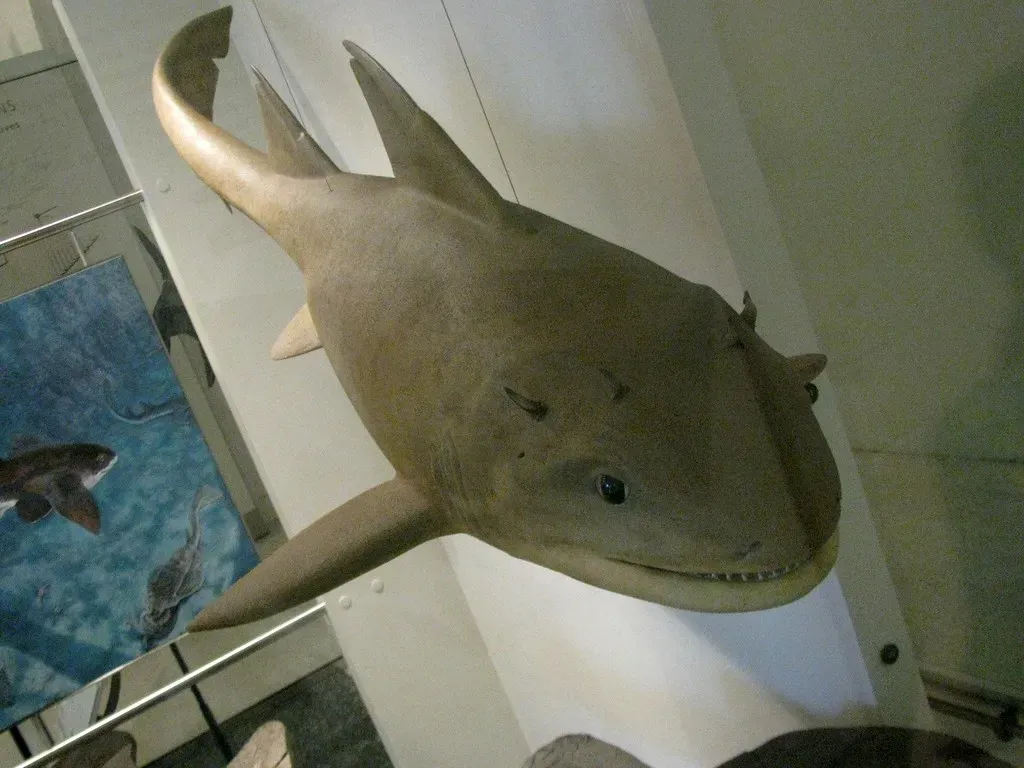
Pisces is intuitive, fluid, and a little otherworldly, and while most of this list leans on reptiles, Hybodus, an ancient shark, captures the Piscean sea-soul vibe beautifully. Hybodus had a more modest build compared with some monstrous predators, with a combination of teeth that suggests a flexible diet: some teeth suited to catching slippery prey, others more for crushing shells. That adaptability and willingness to go with the flow suit Pisces perfectly.
There is something gently haunting about picturing small to mid-sized sharks gliding through warm Jurassic lagoons and coastal seas, weaving between reefs and marine reptiles. Pisces energy operates in a similar realm: moving through emotional currents, sensing what others miss, and surviving not through brute dominance but through sensitivity and flexibility. If you are empathic, imaginative, and more about vibes than victory, Hybodus is your quiet, finned reflection from a very distant past.
Conclusion – Your Sign Is an Ecosystem, Not Just a Symbol
Linking zodiac signs to Jurassic sea hunters is obviously playful, but it also reminds us that each sign holds multitudes. You are not just “the lion” or “the fish”; you are strategy, environment, instinct, and adaptation, the way these animals were shaped by their oceans. Some of us barrel through life like Liopleurodon, all momentum and teeth, while others glide like Hybodus, surviving on sensitivity and subtlety. Neither is better; they just occupy different niches in the same vast emotional sea.
What matters is not whether you literally are a Pliosaurus or a Temnodontosaurus, but what you recognize in the reflection: your strengths, your blind spots, your hunting style for goals and relationships. Personally, I love the idea that somewhere in the rock record, there is a fossil whose story rhymes with your own, even if you never touch the water. So, now that you have met your Jurassic counterpart, the real question is: are you living like it, or still playing small in a very big ocean?