
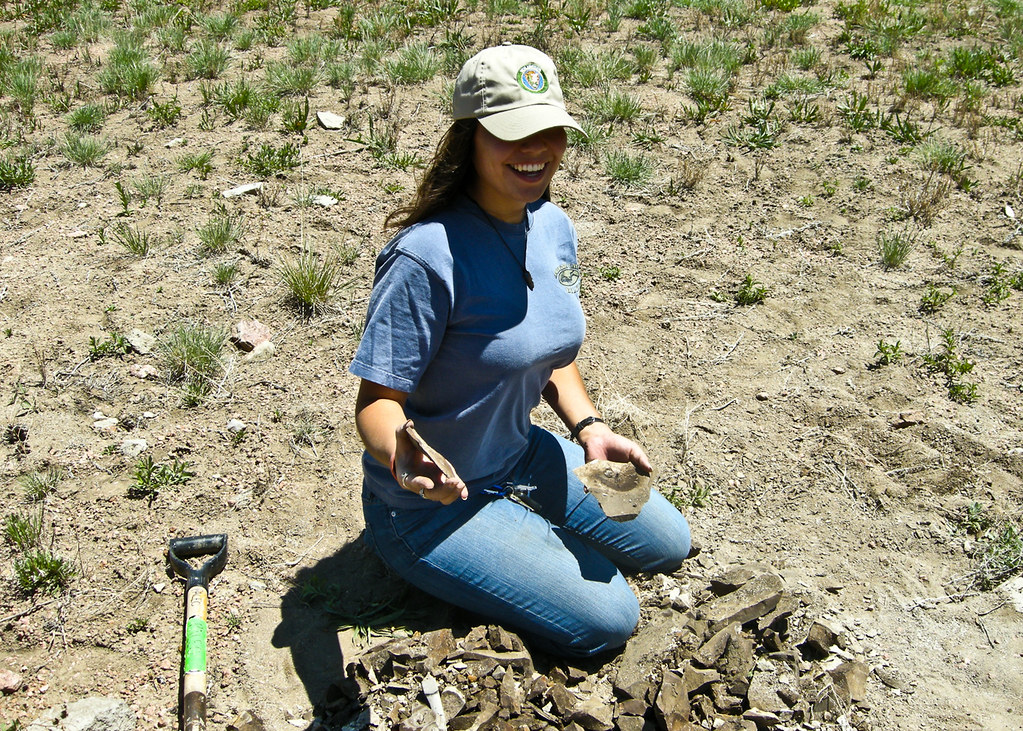
If you stumbled into a prehistoric landscape with a notebook, a shovel, and way too much curiosity, what would you uncover first: a towering dinosaur, a frozen mammoth, or microscopic hints of the very first life on Earth? It sounds wild, but your zodiac sign quietly shapes the way you explore, what you notice, and which mysteries you are naturally drawn to solve. That same inner compass that pushes you toward certain hobbies, careers, and people can also hint at the kind of ancient marvel you’d be wired to discover.
We are not talking about magic destiny or some secret cosmic script. Think of this more as a playful, personality-driven thought experiment: your sign’s traits – bold or cautious, intuitive or analytical, adventurous or patient – line up surprisingly well with real styles of scientific discovery. From deep-sea fossils to desert skeletons, from subtle trace fossils to headline-making bones, there’s a prehistoric story that fits your sign almost too well. Ready to find out which ancient discovery has your name written all over it?
Aries: The First Giant Predator Skeleton

Aries energy is all about being first, fast, and unafraid of a little danger, so it makes sense that your prehistoric discovery would be a massive apex predator that once ruled its world. Picture yourself scrambling up a rocky outcrop, spotting a jagged shape in the cliff face, and realizing you’re looking at the huge jaws of a previously unknown killer – something that, in its own time, would have chased everything else off the menu. The thrill of that realization, the rush of naming a new species, fits perfectly with your fearless drive.
In real paleontology, many of the most dramatic finds have come from people willing to hike into brutal terrain, endure heat, dust, and uncertainty, and keep pushing past frustration. That’s very Aries. You’d thrive in the fast-paced part of fieldwork: long days, rapid decisions, and high stakes when a bone might crumble if you mishandle it. Your name would forever be tied to the skeleton of a gigantic, previously unknown predator – the prehistoric equivalent of discovering the champion fighter of an ancient ecosystem.
Taurus: An Intact Woolly Mammoth Frozen in Ice
Taurus is grounded, patient, and deeply connected to the physical world, so your discovery leans toward something you can touch, smell, and carefully preserve: an almost perfectly intact woolly mammoth, still locked in ancient ice. Imagine slowly chiseling around a massive, fur-covered body that has been frozen for tens of thousands of years, its tusks curving like pale moons. There’s something deeply satisfying and almost tender about revealing a creature that still feels eerily alive.
This kind of discovery requires methodical work and respect for the material, qualities Taurus naturally brings. Uncovering a frozen mammoth is not all spectacle; it means preserving fragile tissues, protecting DNA, and coordinating with labs to study diet, climate, and extinction patterns. You’d excel at the slow, careful part: cataloging, documenting, and making sure nothing is rushed. It is the ultimate earthy treasure, combining beauty, weight, and the quiet power of time made solid in front of you.
Gemini: A Trove of Tiny Feathered Dinosaur Fossils

Gemini is curious, quick, and obsessed with stories and connections, so your signature find would be a cluster of tiny feathered dinosaur fossils that rewrites how we think about evolution and behavior. You would not just uncover one skeleton; you’d reveal a whole little neighborhood of them – juveniles, adults, maybe even a nest – each fossil packed with clues about communication, social life, and the origin of birds. This kind of discovery would explode into dozens of questions, exactly what keeps your mind buzzing.
Feathered dinosaurs have already transformed our view of prehistory, and they are often small, delicate, and easy to overlook unless you are paying close attention. That fits Gemini’s talent for noticing details and making mental leaps between them. You’d be the one zooming between the field site and the lab, explaining to colleagues and the public how these small bones connect to flight, color, and complex behaviors. Your discovery would not be just a single fossil; it would be an ongoing conversation that changes how people picture dinosaurs forever.
Cancer: A Fossilized Nest Preserving Parental Care
Cancer’s emotional depth and protective instincts line up remarkably well with the kind of fossils that capture family life rather than just isolated bones. Your prehistoric discovery would be a beautifully preserved nest: eggs, hatchlings, maybe even an adult fossilized in a protective pose. In one snapshot of stone, you’d reveal that ancient creatures were not just survivors, but caretakers that invested in their young in ways we once thought belonged only to mammals or birds.
Finds like this are scientifically powerful because they turn cold skeletons into living stories about attachment, risk, and sacrifice. That is exactly the emotional layer Cancer is drawn to. You would likely obsess over the tiniest details: the arrangement of the eggs, the position of the adult, the traces of feathers or skin impressions that suggest brooding. Your work would show that prehistoric worlds were full of bonds and behaviors that feel surprisingly familiar, and that deep-time parenting is as dramatic and moving as anything we see today.
Leo: A Show-Stopping, Museum-Centerpiece Dinosaur
Leo loves drama, recognition, and moments that make people stop in their tracks, so your destiny in the fossil record would be a spectacular, full-bodied dinosaur that becomes the star of every museum brochure. Think towering skeleton, elaborate horns or display structures, or perhaps an enormous sail down its back that makes people gasp when they walk into the gallery. Your discovery would not just be important; it would be instantly iconic.
What makes this type of find so special is that it lives two lives: one in scientific papers and another in the public imagination. Leo energy bridges those worlds perfectly. You’d enjoy the press conferences, the documentaries, and the endless questions from kids about what your dinosaur ate. At the same time, you’d help shape how it is posed, lit, and shared, turning your prehistoric star into an ambassador for science. Your name would forever be linked with the fossil that gets people to fall in love with paleontology without even realizing it.
Virgo: Ancient Microfossils Revealing Early Life

Virgo’s superpower is precision and patience, which makes you the perfect match for some of the most subtle but profound discoveries of all: microscopic fossils that show how early life on Earth actually looked. Instead of dramatic skeletons, you’d be in love with thin rock slices under a microscope, spotting delicate patterns that hint at ancient bacteria, algae, and tiny organisms that quietly altered the planet’s atmosphere over unimaginable spans of time. What you find might be small, but its impact would be huge.
Working with microfossils demands methodical thinking, careful labeling, and endless willingness to check and recheck results. That is classic Virgo territory. Your discovery would shed light on when life truly began to thrive, how it survived harsh conditions, and how it slowly prepared the way for more complex creatures. It might not make the front page as loudly as a giant dinosaur, but in scientific circles, you’d be the one who helped decode the deep, hidden history of life itself – the ultimate quiet, brilliant win.
Libra: A Fossil Site That Captures an Entire Ecosystem

Libra cares about balance, relationships, and the bigger picture, so your prehistoric discovery would not be a single fossil but an entire, exquisitely preserved ecosystem. Imagine uncovering a rock layer where fish, plants, insects, and reptiles are all fossilized together in stunning detail, like a time-frozen group photo of an ancient lake or forest. Each organism makes sense only in relation to the others, which is exactly how your mind naturally works.
These kinds of sites are gold for scientists because they show who ate whom, how energy moved through the environment, and how climate and geography shaped communities. Libra would thrive on synthesizing all of that into a coherent story: drawing diagrams, mapping interactions, and explaining how removing one species might have toppled the balance. Your find would become a reference point for understanding how ecosystems respond to stress and change, giving modern conservation debates a much deeper timeline to work with.
Scorpio: A Mass-Extinction Kill Layer
Scorpio is drawn to intensity, transformation, and the thin line between destruction and rebirth, which makes your ideal prehistoric discovery both dark and profound: a mass-extinction boundary layer. You’d be the one to identify a thin band of rock that records sudden, catastrophic change – shocked minerals, unusual chemical signals, and an abrupt disappearance of familiar fossils above it. In other words, you would help pinpoint the exact moment when a world ended and a new one began.
Studying extinction events is not just about doom; it is about understanding resilience, adaptation, and how life rebounds after its worst days. This fits Scorpio’s fascination with cycles of death and regeneration. Your research might connect asteroid impacts, massive volcanic eruptions, or climate upheaval with the stark silence in the fossil record. In doing so, you’d offer insights into how fragile and tough life can be at the same time, and how modern crises echo patterns etched into stone hundreds of millions of years ago.
Sagittarius: A New Dinosaur in a Remote, Untouched Desert
Sagittarius loves adventure, open horizons, and big philosophical questions, so your signature discovery would happen far from roads, wifi, and comfort: a brand-new dinosaur species uncovered in a remote desert or high plateau few people have ever visited. You’d be sleeping in tents, navigating by stars or basic maps, and following your gut into canyons where no formal expedition has gone before. When your pickaxe hits bone, it would feel like the universe is rewarding your restless optimism.
This kind of work embodies the romantic side of exploration that draws so many people into science in the first place. For Sagittarius, the charm lies not just in the fossil itself, but in the journey to reach it and the big questions it raises: how did these animals migrate, what climate did they face, and what does that say about our changing planet today? Your discovery would become a symbol of curiosity without borders, a reminder that there are still truly new things hiding in plain sight on Earth.
Capricorn: A Transitional Fossil That Fills a Major Evolutionary Gap
Capricorn is ambitious, disciplined, and focused on long-term impact, which matches perfectly with one of the most coveted prizes in paleontology: a transitional fossil that clearly links two major groups of organisms. Think of something bridging fish and land animals, or reptiles and birds in a way that is undeniable. You would devote years to a harsh field site, return season after season, and slowly piece together a skeleton that settles old debates and becomes a textbook classic.
Transitional fossils are powerful because they show evolution as a concrete, step-by-step process rather than an abstract idea. They require patience, careful context, and the humility to let evidence speak louder than preconceived theories. Capricorn thrives under that kind of pressure. Your fossil would not just be a media moment; it would become a reference point future generations of students learn about when they first hear how life climbed from water to land, or from gliding to true flight. That is exactly the kind of quiet legacy you secretly aim for.
Aquarius: A Fossil That Reveals Unexpected Intelligence or Social Complexity
Aquarius is future-minded, unconventional, and obsessed with how minds and societies work, so your prehistoric discovery would center on shockingly complex behavior in an animal no one expected. Maybe you uncover braincase structures suggesting advanced problem-solving in a small, overlooked reptile, or trackways that show coordinated group movement hinting at social strategies we usually reserve for modern mammals or birds. Your find would challenge the usual assumptions about which creatures were “simple” and which were sophisticated.
These kinds of breakthroughs often come from combining technology with old fossils: scanning skulls, modeling nervous systems, or reconstructing movement from footprints and burrows. Aquarius loves that blend of data, creativity, and rebellion against stale ideas. Your work would encourage scientists and the public to rethink intelligence as something that has appeared in many forms across deep time, not just in a straight ladder leading to humans. In a very Aquarian way, your fossil would democratize the story of cleverness in nature.
Pisces: Fossils Preserving Soft Tissues and Ancient Oceans

Pisces is intuitive, dreamy, and deeply connected to water, so your prehistoric discovery would unfold in an ancient sea: a fossil bed that preserves delicate soft tissues like jellyfish, fins, and intricate gills in astonishing detail. While most fossils give us only hard parts, your site would capture the ghostly outlines of creatures that usually vanish without a trace. The result would feel almost like a painting pressed into stone, equal parts scientific treasure and emotional artwork.
These rare deposits completely transform our sense of ancient oceans, revealing forms and textures we never imagined. Pisces is drawn to that kind of subtle, almost mystical reveal: shapes that blur the line between familiar and alien. You’d find yourself emotionally invested in these long-gone creatures, advocating for their careful study and protection, and using artful reconstructions to help others feel what those seas might have been like. Your discovery would show that the past was not just bones and dust, but flowing, fragile life in motion.
Conclusion: The Fossils You’d Find, The Way You Already Are
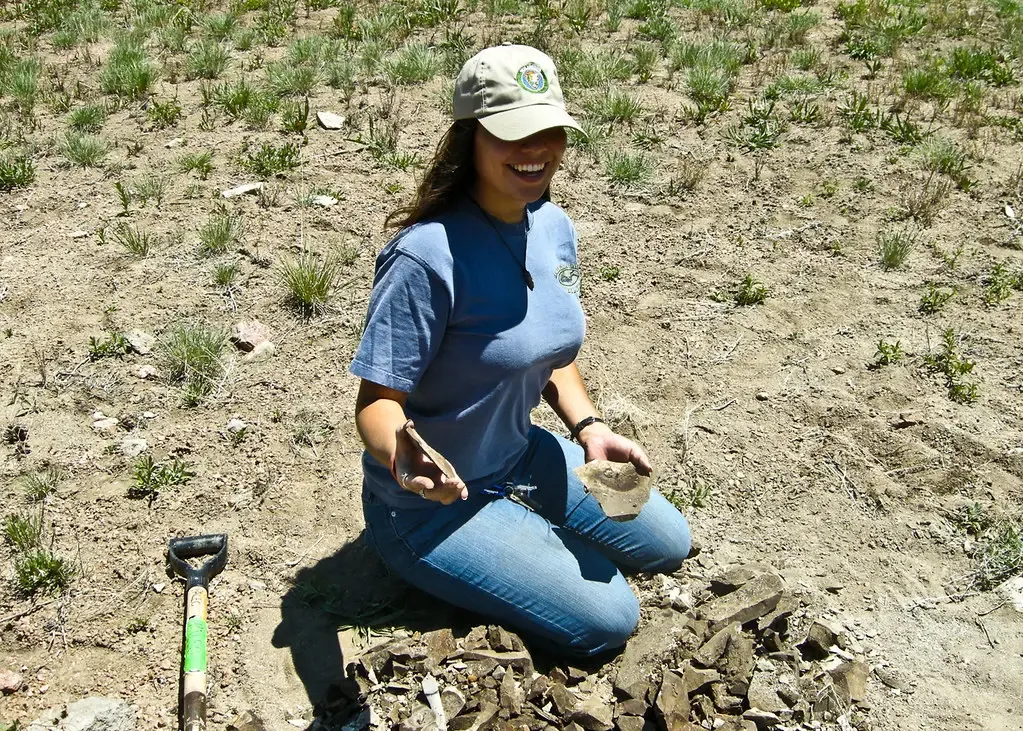
When you look closely, each sign’s “destined” discovery is really just a mirror of its natural style: Aries charging toward danger and drama, Virgo hunting for tiny but crucial details, Aquarius overturning old assumptions with strange new evidence. Nothing mystical has to be going on for this to feel strangely accurate; our personalities genuinely nudge us toward certain kinds of questions, environments, and problems to solve. If you dropped those same tendencies into deep time, it is not hard to see which corner of prehistory you would explore first.
There is a bigger point hiding in this playful exercise: scientific discovery is not reserved for one personality type or one narrow way of thinking. Every style, from the dreamer to the strategist, from the social connector to the lone wanderer, can uncover something the rest of us missed. If anything, that should make you wonder how your existing quirks and passions could help reveal hidden truths in the present, not just in the fossil record. So, if your life were a dig site, what world-changing clues might be sitting right under your feet, waiting for you to notice them?