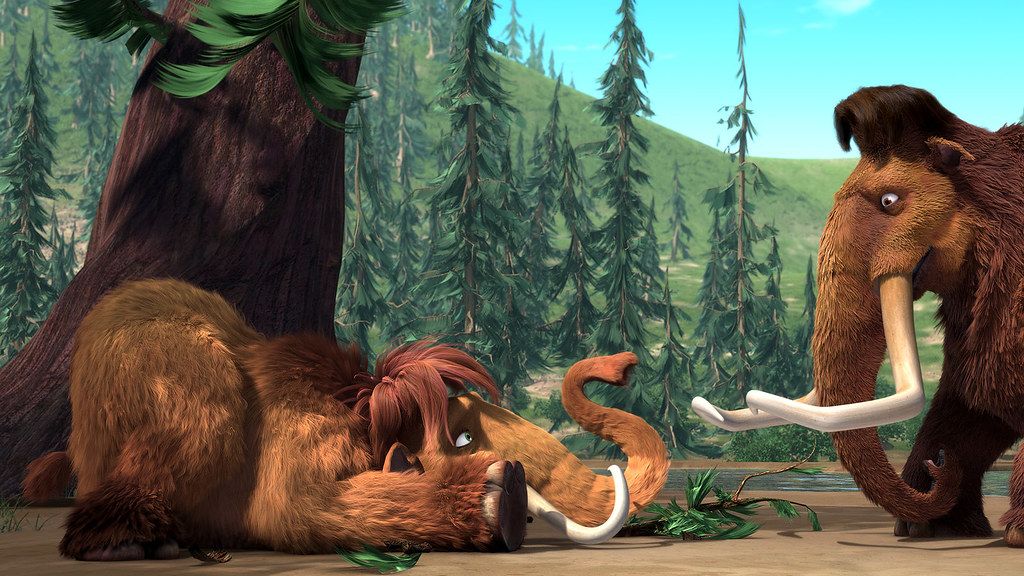
Ice Age looks like a simple, funny prehistoric road trip, but under the surface it is way stranger, riskier, and more influential than most casual viewers realize. Behind Manny’s grumpiness, Sid’s chaos, and Scrat’s doomed acorn chase is a movie that nearly fell apart more than once, changed tone in radical ways, and helped reshape the early 2000s animation landscape. If you grew up quoting Sid or humming that haunting snow‑covered score, there is a good chance you have no idea how close this film came to being something completely different.
When I revisited Ice Age as an adult, I expected pure nostalgia and background noise. Instead, I fell down a rabbit hole of production stories, creative compromises, and odd little scientific details hiding in plain sight. It feels a bit like digging through permafrost and suddenly finding a full skeleton instead of a random bone. Once you know these lesser‑known facts, it is almost impossible to watch the movie the same way again.
1. Ice Age was almost a dark, emotional drama instead of a family comedy

Most fans assume Ice Age was always meant to be a goofy, kid‑friendly adventure, but the earliest versions were surprisingly grim. The original concept leaned much more into the harshness of the prehistoric world, with a heavier focus on survival, extinction, and loss. Studios at the time were still chasing the emotional impact of traditional hand‑drawn dramas, and there was a strong push to make Ice Age more serious and even a little bleak. In early story drafts, jokes were rare, and the tone was closer to a somber epic than the punchline‑packed movie we know now.
What changed everything was the realization that audiences were starting to embrace a different kind of animated film, one that balanced heart with sharp, modern humor. The creative team started layering in more comedic set pieces, personality clashes, and absurd physical gags, especially through Sid and Scrat. Instead of a slow, brooding survival story, Ice Age became a character‑driven buddy film that still touched heavy themes like grief and sacrifice but never drowned in them. That balance is a big reason the movie still feels watchable today rather than dated and depressing.
2. Manny’s story was originally much darker, including his family’s fate
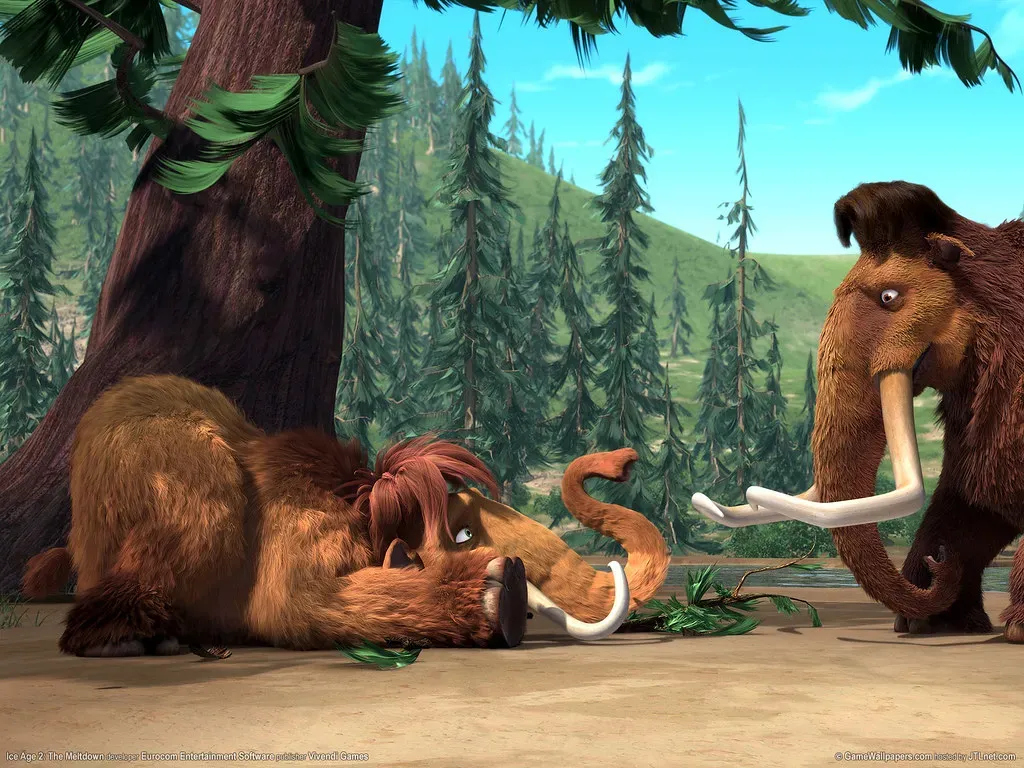
Even if you watched Ice Age as a kid, you probably felt something was off about Manny from the very beginning. He is not just cranky; he is emotionally shut down, haunted, and weirdly comfortable with being alone. That is not an accident. The film strongly implies a tragic backstory, and early versions of the script went into even more detail about what happened to his mate and child. The creative team ultimately decided to hold back on explicit flashbacks, letting viewers piece things together through Manny’s behavior instead.
This choice keeps Ice Age emotionally powerful without turning into trauma porn. You sense the weight of what Manny lost, but you are not forced to relive it in graphic detail. As someone who rewatched the movie after going through my own losses, I was shocked by how much his arc lands beneath the jokes. The adoption of the human baby is not just “cute”; it is his second chance at protecting a family he could not save the first time. That is heavy material for a kids’ film, and yet it is handled with surprising restraint.
3. Sid the sloth was almost an annoying side extra instead of the heart of the film
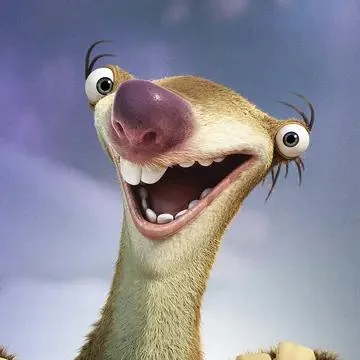
Sid feels so central to Ice Age that it is hard to imagine the movie without his nonstop chatter, clumsiness, and oddly sincere loyalty. But in early development, the sloth character was more of a throwaway comic relief, a bit player orbiting around Manny’s serious storyline. The production team discovered during tests that audiences instinctively latched onto Sid’s chaos and vulnerability. He is lazy and irritating, sure, but he is also the only one brave or naive enough to push through Manny’s emotional walls and keep the group together.
Over time, his role was expanded, his dialogue sharpened, and his physical comedy amplified to the point where he became a co‑lead rather than a joke on the sidelines. That shift dramatically lightened the entire movie and made the core trio dynamic work: Manny is the guarded one, Diego is the conflicted one, and Sid is the glue nobody asked for but everyone ends up needing. It is a good reminder that sometimes the “annoying” character is the one that actually makes a story breathe.
4. Diego was scripted to die in one version of the story
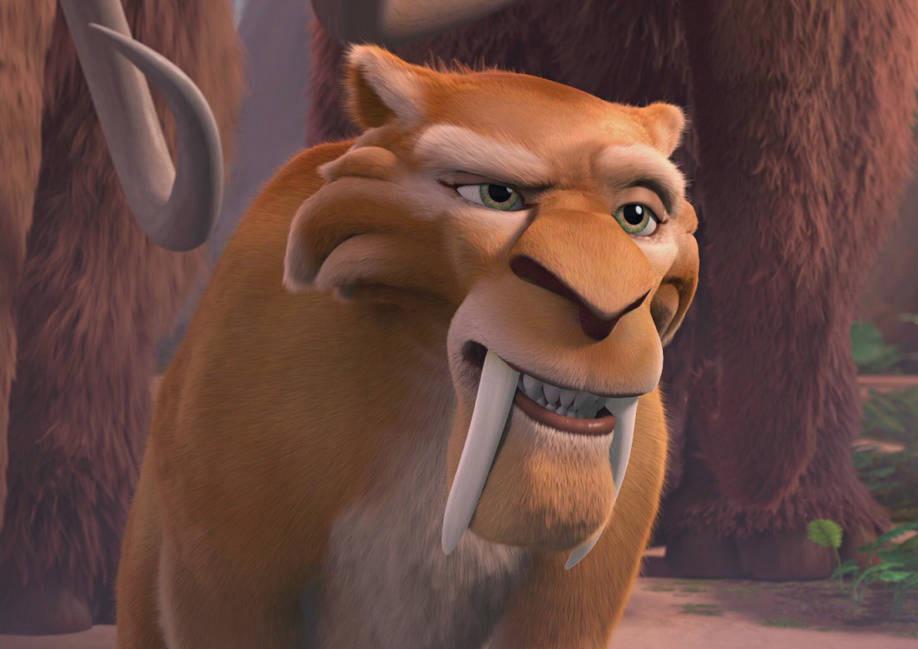
One of the wildest little‑known facts is that Diego, the saber‑toothed tiger, was at one point supposed to die. In that version, his arc would have ended in a final act sacrifice to save the herd, fully paying off his betrayal and redemption storyline with the ultimate price. Creatively, it made sense on paper: a former villain turned ally giving up his life is classic storytelling shorthand for redemption. The problem was that test audiences, including children, found the scene devastating rather than cathartic.
The team realized that killing Diego would lock Ice Age into a much heavier emotional register and might undercut the rewatchability that animated films rely on. So they rewrote his fate, letting him survive and truly join the herd. Personally, I think they made the right call. Knowing he was once marked for death gives his scenes an extra punch, because you can feel that he is walking a razor’s edge between predator and protector. But the final choice to let him live keeps the ending from feeling like a gut punch, especially for younger viewers.
5. Scrat was never supposed to be such a big deal
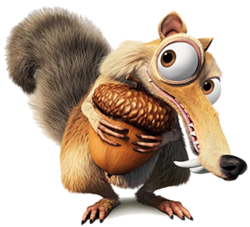
Ask people what they remember most about Ice Age, and a surprising number will mention Scrat, the neurotic saber‑toothed squirrel locked in an eternal battle with his acorn. Ironically, he started as a small, almost throwaway visual gag. Initial plans did not place him at the center of marketing, nor as a recurring structural device linking scenes. But every time the team added a Scrat moment to an early cut, audiences reacted with huge laughs and immediate affection. He became the film’s secret weapon without uttering a single word.
As the movie evolved, Scrat scenes were used to bookend the story, reset pacing, and even serve as a kind of emotional palate cleanser between heavier moments. Structurally, he almost lives in his own mini‑universe, running parallel to the main plot. From a storytelling standpoint, that is fascinating because it shows how a character can be largely disconnected from the narrative and still feel essential. From a fan standpoint, it just means we got one of the most memorable running gags in early 2000s animation.
6. The film takes big liberties with prehistoric accuracy (on purpose)
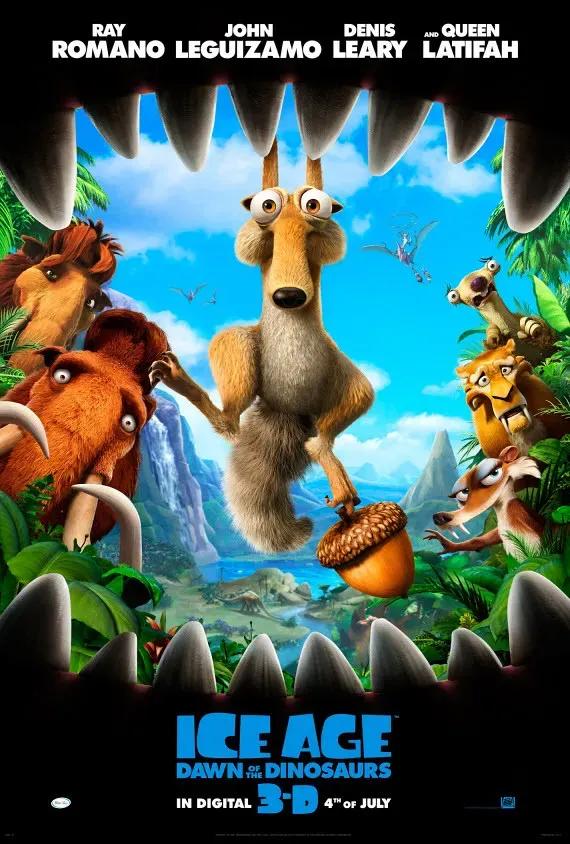
If you watch Ice Age expecting a scientifically precise snapshot of the Pleistocene, you are going to have a rough time. Different species that never coexisted roam side by side, timelines are smashed together, and the geography is wildly compressed. Mammoths, saber‑toothed tigers, sloths, and early humans are all tossed into the same migratory crisis. Paleontologists could (and did) nitpick almost every detail, from climate patterns to behavior. But the filmmakers were never trying to make a museum exhibit; they were trying to tell a story people would actually care about.
Instead of chasing exact accuracy, they chose emotional truth: the sense of a world in transition, animals struggling to adapt, and the looming threat of extinction. In that way, the film is more metaphorically than literally accurate. It captures how fragile ecosystems can be when the climate changes rapidly, a theme that feels eerily relevant today. Personally, I prefer that approach. I would rather have a slightly “wrong” mammoth that makes me care than a perfectly reconstructed one that leaves me cold.
7. Early CGI limitations shaped the film’s visual style in surprising ways
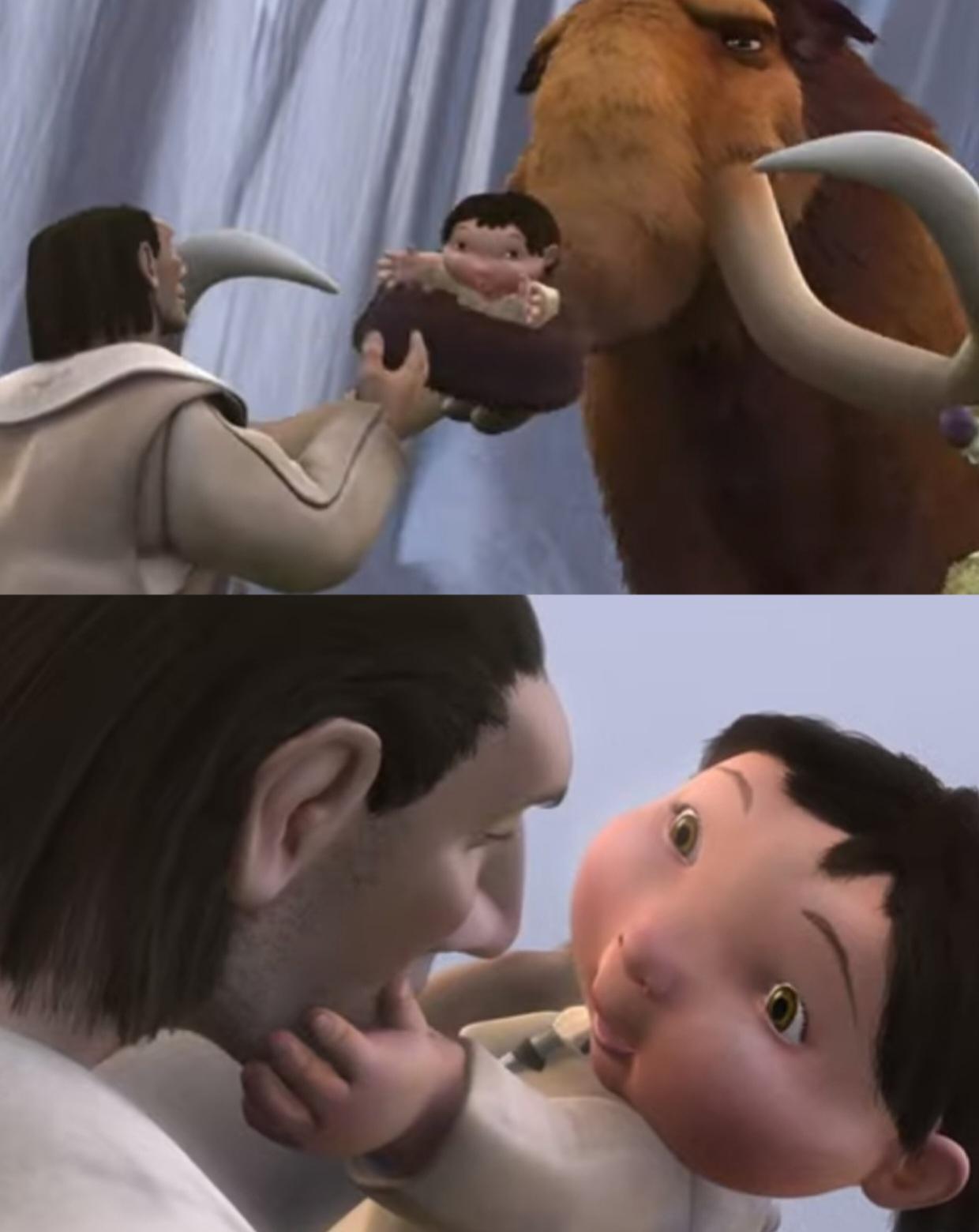
Ice Age came out when fully computer‑animated movies were still a relatively new experiment, and the technology was nowhere near as flexible as it is in 2026. Rendering convincing fur, snow, and atmospheric effects was incredibly expensive and time‑consuming. Those constraints forced the team to make bold stylistic choices instead of chasing hyper‑realism. The chunky character designs, stylized landscapes, and simplified textures were not just an aesthetic decision; they were also practical moves to keep the film finishable and affordable.
What is fascinating is how those limitations accidentally gave Ice Age a distinct visual identity that still holds up. The angular cliffs, exaggerated snouts, and almost sculpted snow fields feel more like a storybook than a simulation. It is a reminder that constraints can push creativity into more memorable directions. Watching the movie now, the slightly “dated” CGI feels less like a flaw and more like a signature, the way older 2D films have their own hand‑drawn charm.
8. The emotional core depends heavily on nonverbal animation
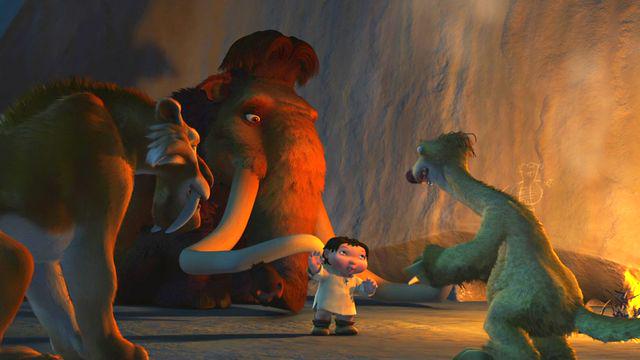
For a movie packed with jokes, some of the most powerful moments in Ice Age happen in complete silence or with almost no dialogue. Manny’s flashback memories, the quiet beats when he watches the human mother with her baby, or the way Diego hesitates before attacking all rely on facial animation and body language rather than words. The animators had to nail micro‑expressions with characters who have elongated muzzles, heavy fur, and stylized proportions, which is not an easy task technically or artistically.
Those moments are a big part of why the movie hits harder than people expect. Kids might not consciously register the nuance, but adults can see the weight behind a slight change in Manny’s eyes or the way he stiffens when someone mentions families. Personally, when I rewatched the film, I realized how often I had remembered the jokes but completely forgotten these subtle choices. The emotional spine of Ice Age is carried just as much by what the characters do not say as by the lines we all quote.
9. The film quietly smuggles in themes of chosen family and empathy across species
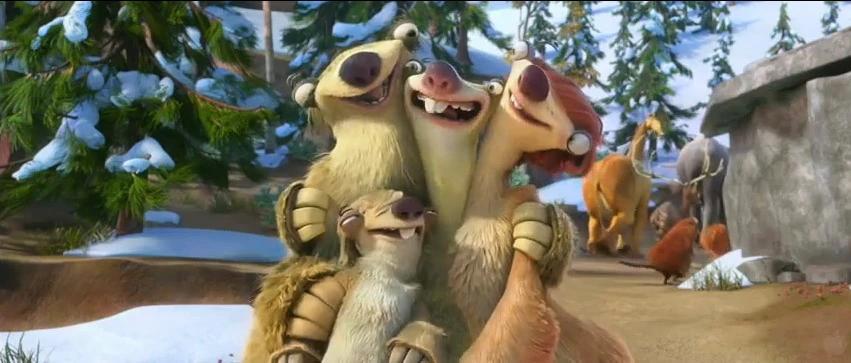
On the surface, Ice Age is about a mismatched group trying to return a human baby to its tribe before the glaciers close in. Beneath that, it is exploring a surprisingly modern idea: that family is often chosen, not just inherited. Manny, Sid, and Diego have no biological or social reason to stay together. In fact, their instincts and backgrounds push them apart. But through shared hardship, small acts of trust, and repeated chances to bail on each other, they slowly build a new kind of herd that crosses species lines.
This matters because it subtly challenges the idea that we are stuck with whatever group we are born into. In a time when many people feel disconnected from traditional structures, the idea of assembling your own “herd” out of broken, weird, or unexpected companions hits home. It is also a gentle call to empathy: if a bitter mammoth, a failed sloth, and a conflicted predator can figure out how not to tear each other apart, maybe we can manage the same with the people who clash with us in everyday life.
10. Ice Age helped prove non‑Disney studios could build long‑lasting animated franchises
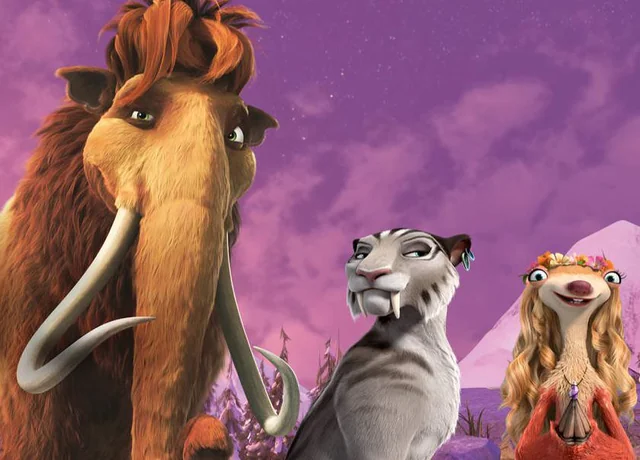
When Ice Age arrived, the animation world was still dominated by a handful of big names, and there was skepticism about whether other studios could launch films that would actually stick in pop culture. The success of Ice Age, especially given its rough‑around‑the‑edges tech and oddball tone, surprised a lot of people. It showed that audiences were open to fresh settings, unconventional character designs, and humor that did not feel like a copy of what came before. Crucially, it helped cement the idea that animated movies could spawn entire franchises outside the usual giants.
Whether you love or roll your eyes at the later sequels, their very existence proves how durable the core concept was. A grumpy mammoth, a hyper sloth, a morally torn tiger, and a cursed squirrel turned into a universe that lasted for years and shaped what studios were willing to green‑light afterward. From my perspective, Ice Age’s legacy is not just the laughs or the memes; it is the door it opened for weirder, riskier animated projects. It showed that an offbeat prehistoric road movie could carve out its own space in a crowded, icy landscape.
Conclusion: A strangely fragile little classic hiding in plain sight
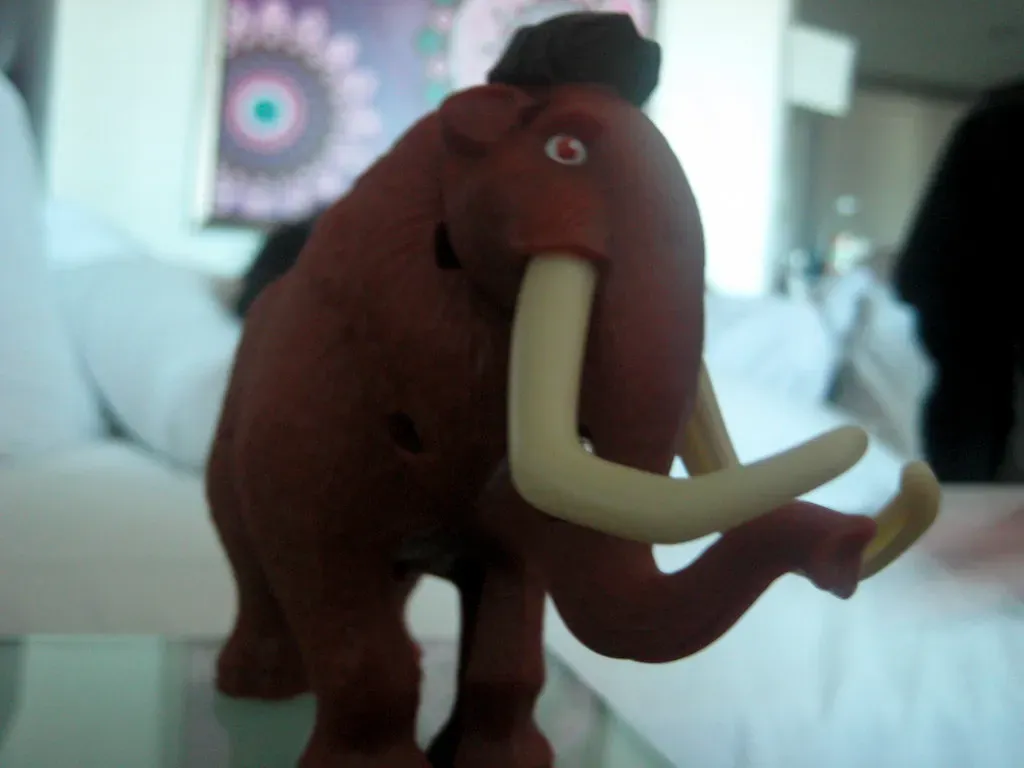
When you strip away the slapstick and the talking animals, what remains of Ice Age is surprisingly delicate: a story about grief, loyalty, and second chances that almost turned out much darker than it did. Knowing that Diego was once meant to die, that Sid was nearly sidelined, and that Scrat started as a small gag makes the finished film feel like a lucky accident that just barely landed in the sweet spot between funny and heartbreaking. It is not perfect, and some of the science is wildly off, but there is an honesty in how it lets damaged characters slowly earn their way back to connection.
In an era where animated films often feel calculated within an inch of their lives, Ice Age comes across as rough‑edged but sincere, shaped as much by limitations and guesswork as by design. Maybe that is why it still resonates: it feels a bit like the characters themselves, flawed but stubbornly hanging on. The next time you watch Manny trudge through the snow or Scrat lose that acorn yet again, it is worth remembering how many things had to go right for this odd little film to exist at all. Did you ever expect that such a simple prehistoric road trip was carrying so much under the ice?