Paleontology sounds like a slow, dusty science. You picture someone on their knees in the desert, scraping at rocks with a tiny brush. Honestly, that image is not entirely wrong. Yet beneath that quiet surface lies one of the most electrifying fields in all of science, a discipline where a single discovery can rewrite millions of years of history overnight.
The real significance of paleontology lies in how its discoveries illuminate the grand history of life on Earth, because from life’s beginnings more than three billion years ago to the present day, fossils record how living things adapted or perished in the face of major environmental challenges. That’s not just prehistory. That’s the story of you. Of us. Of every creature that ever breathed.
Over the centuries, certain breakthroughs have hit so hard, so unexpectedly, that they didn’t just add a chapter to science. They tore out the old chapters and started over. Let’s dive in.
1. The Discovery of Archaeopteryx: The Missing Link That Rewrote the Bird-Dinosaur Debate
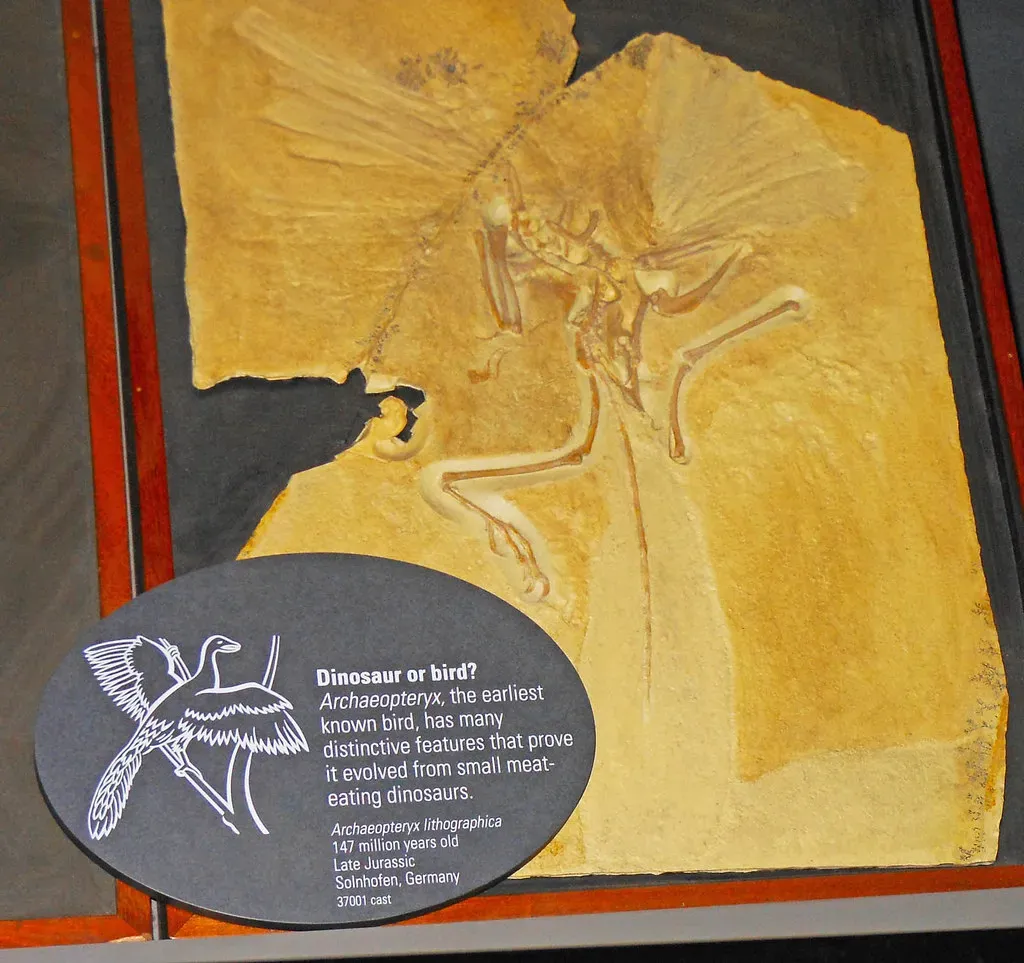
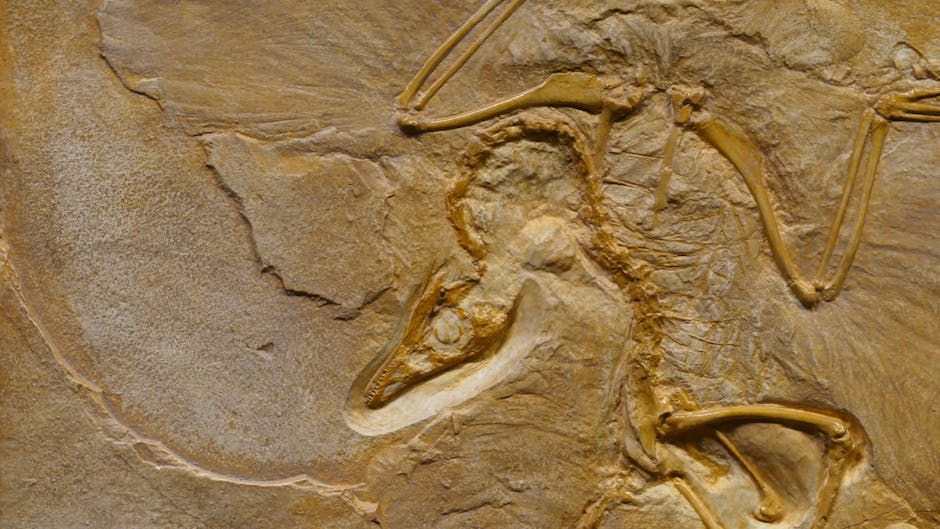
Few discoveries have shaken science quite like Archaeopteryx. It is widely regarded as one of the world’s most famous fossils, considered the missing link between dinosaurs and birds, displaying a perfect blend of avian and reptilian features. Think about how radical that idea was. Before this fossil arrived, nobody seriously believed birds had anything to do with the terrifying reptiles that dominated the Mesozoic.
The first Archaeopteryx skeleton was uncovered in Germany in 1861, and this extraordinary find had clear impressions of feathers around its skeleton. Birds weren’t known from this long ago, so it was initially described as one of the first birds. Then scientists slowly realized it was something far more astonishing. Before Archaeopteryx was discovered, birds were seen as a completely separate group in the scientific world. Dinosaurs were reptiles, birds were something completely different, and the idea of a connection between them was considered a baseless guess. That one fossil in a Bavarian limestone quarry changed everything.
2. The Burgess Shale: A Window Into the Dawn of Complex Life
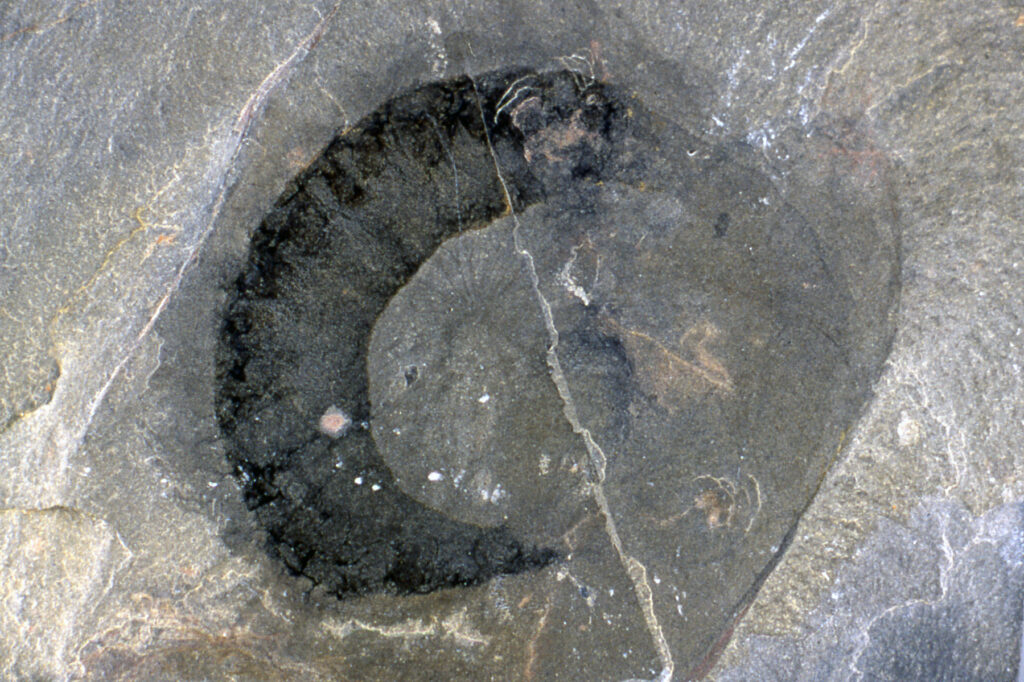
If you want to understand where complex animal life actually came from, you need to visit the Burgess Shale. Located in British Columbia, Canada, it offers an impressive fossil record from the Cambrian explosion, around 508 million years ago, and includes a diverse range of well-preserved soft-bodied organisms that reveal the dramatic rise of complex life forms during this period. This is the moment in history when life essentially went from simple to spectacular.
Some of the most famous Burgess Shale organisms include Anomalocaris, Hallucigenia, and Opabinia, which have unusual and sometimes bizarre body plans that challenge our ideas about what early animals looked like. The exceptional preservation of these fossils is due to the unusual conditions in which they were buried, including rapid burial by sediment and a lack of oxygen that prevented decay. Until the Burgess Shale fossils were found, there was a massive gap in the fossil record, because soft-bodied creatures were almost never preserved. Here, however, even brains, digestive systems, and muscle structures had fossilized. It’s honestly breathtaking when you think about it.
3. Tiktaalik: The Day a Fish Tried to Walk on Land
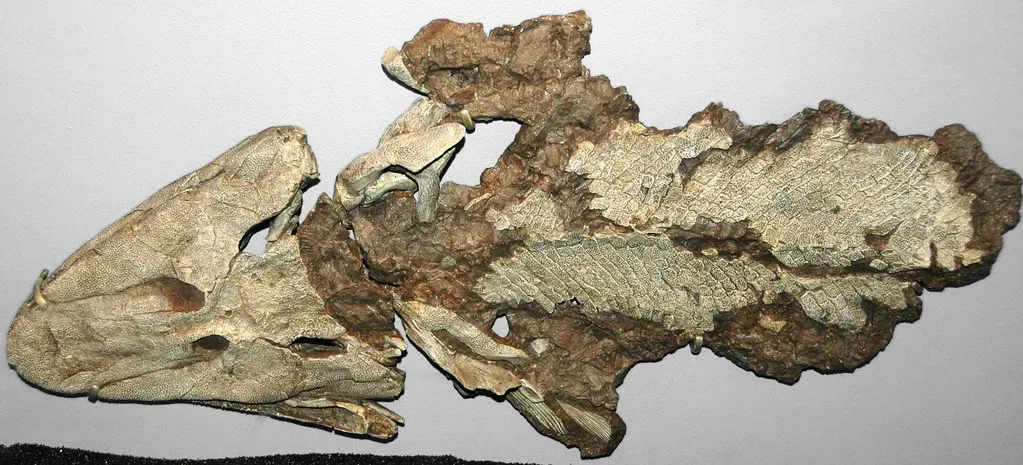
Here’s a discovery that sounds almost too perfect to be real. Tiktaalik is a genus of extinct fish that lived during the Late Devonian period, approximately 375 million years ago, and its fossilized remains were discovered in 2004 in the Canadian Arctic by a team of paleontologists led by Neil Shubin and Ted Daeschler. What makes this story even more remarkable is that scientists actually predicted where such a fossil might exist, and then went looking for it on purpose.
Tiktaalik had a number of anatomical features intermediate between fish and tetrapods, including a flattened head, a neck, and robust forelimbs with wrist-like joints capable of supporting its weight on land. The discovery provided strong evidence to support the idea that tetrapods evolved from fish that began to venture onto land in search of food or to escape predators. Tiktaalik was a creature that could lift its head in shallow waters and look around, and could push itself from the bottom, clearly revealing that the transition from water to land was not a sudden event but a gradual adaptation lasting millions of years. Think of Tiktaalik as the ancestor of every creature that ever walked, ran, slithered, or climbed on land. That includes you.
4. Feathered Dinosaurs from China: Repainting the Prehistoric World
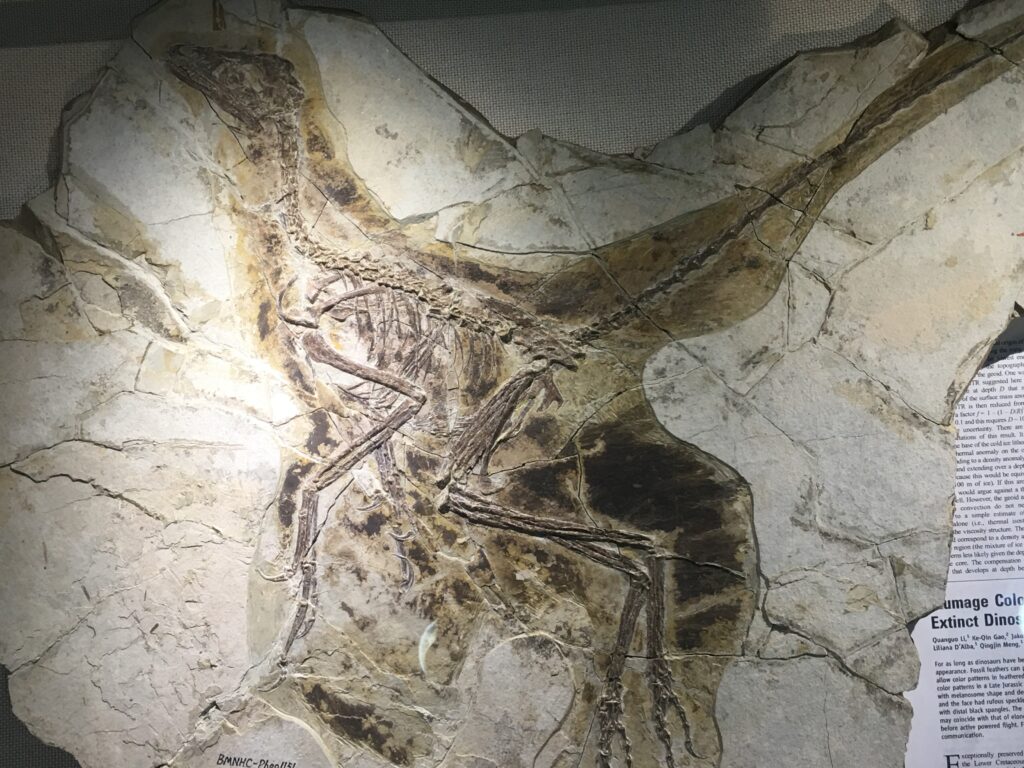
For generations, we pictured dinosaurs as scaly, cold-blooded, plodding giants. Then China changed everything. The Jehol Biota refers to a remarkable assemblage of exceptionally well-preserved fossils from northeastern China dating to approximately 120 to 130 million years ago during the Early Cretaceous period, and beginning in the 1990s this fossil treasure trove yielded numerous feathered dinosaur specimens that fundamentally transformed our understanding of dinosaur appearance. Suddenly the prehistoric world looked a lot more like a wild bird sanctuary than a monster movie set.
Paleontological discoveries in Liaoning, China, have yielded a myriad of feathered dinosaur fossils that provide compelling evidence of the evolutionary connections between dinosaurs and birds, supporting the hypothesis that feathers were not exclusive to avians. The feathered dinosaurs found in China effectively ended the bird-dinosaur debate. Some species were four-winged, some glided, and flight didn’t emerge in a single moment but developed gradually. I think this is one of the most visually stunning shifts in our entire understanding of prehistoric life. The monsters we feared were, in many ways, gloriously feathered.
5. The Discovery of Soft Tissue Inside a T. rex Bone
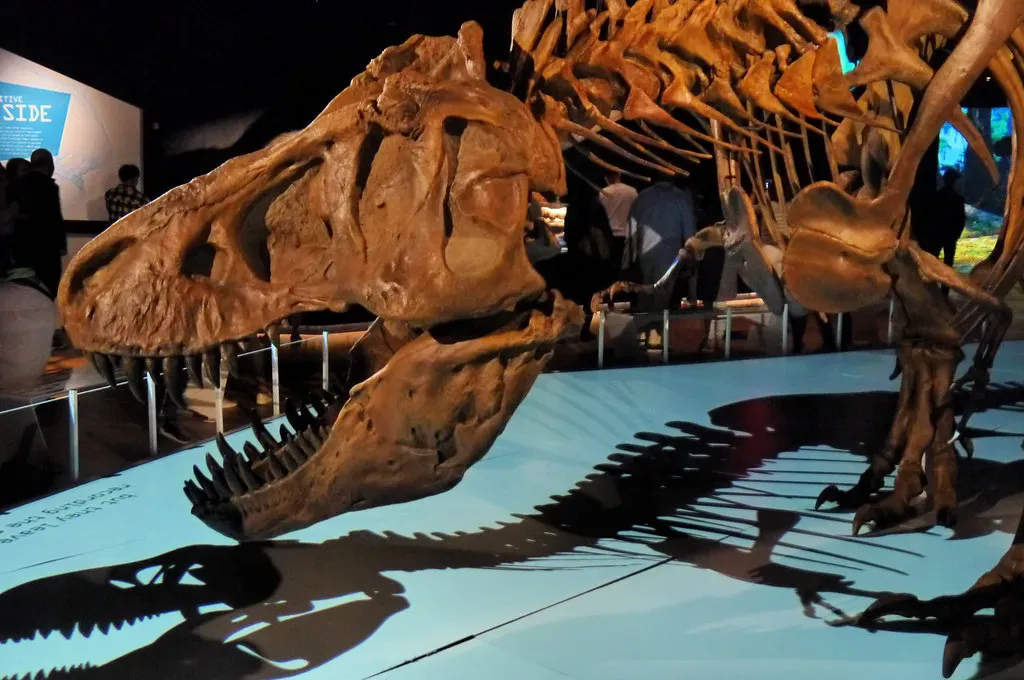
Let’s be real, nobody was supposed to find this. The research, headed by Mary Schweitzer, a molecular paleontologist at North Carolina State University, explains how proteins and possibly even DNA can survive through deep time. Schweitzer and her colleagues first raised this question in 2005 when they found the seemingly impossible: soft tissue preserved inside the leg of an adolescent T. rex unearthed in Montana. The scientific world collectively dropped its jaw. Soft tissue. Inside a 68-million-year-old dinosaur bone.
After all, as any textbook will tell you, when an animal dies, soft tissues such as blood vessels, muscle, and skin decay and disappear over time, while hard tissues like bone may gradually acquire minerals and become fossils. Schweitzer, one of the first scientists to use the tools of modern cell biology to study dinosaurs, upended the conventional wisdom by showing that some rock-hard fossils tens of millions of years old may have remnants of soft tissues hidden away in their interiors. The presence of collagen, a protein found in connective tissue, suggests that T. rex had a complex vascular system that supported its massive body size. This single discovery cracked open an entirely new field of science called molecular paleontology.
6. CT Scanning Fossils: Seeing Inside the Past Without Breaking It
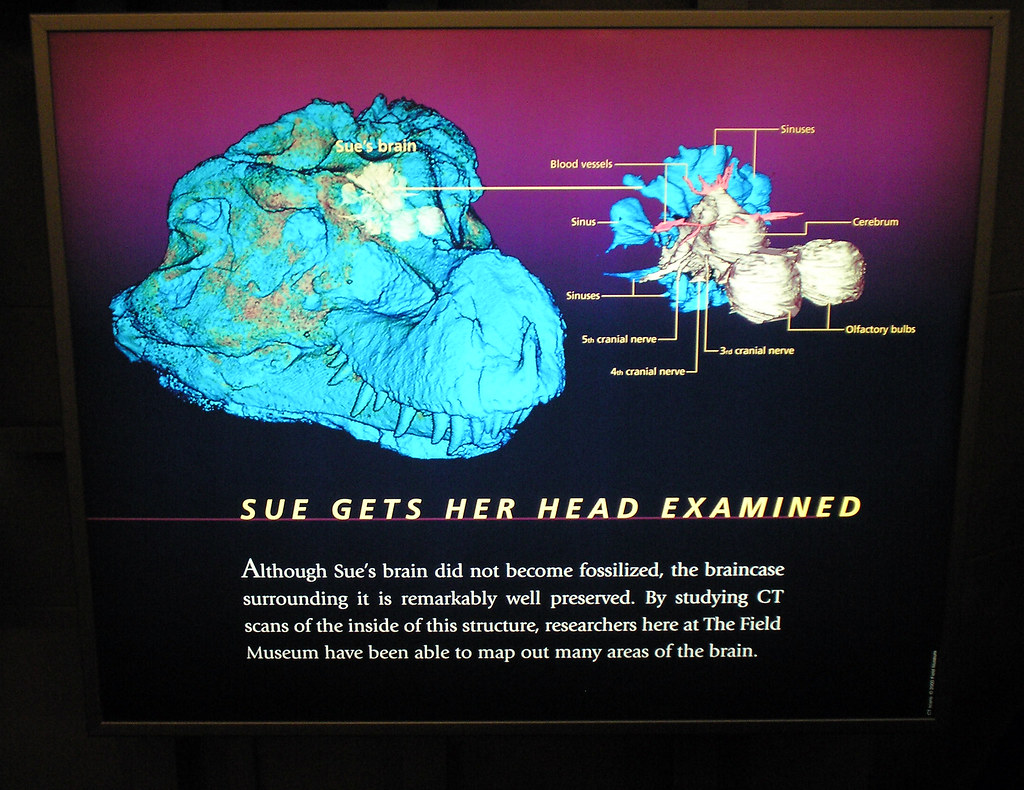
For most of paleontology’s history, if you wanted to know what was inside a fossil, you had to break it open. That meant destroying priceless, irreplaceable objects just to satisfy scientific curiosity. Then CT scanning arrived, and everything changed. Paleontology, the science of studying ancient life through fossil records, has undergone a revolution in recent years thanks to advancements in imaging technology, and among these, X-ray computed tomography (CT) has emerged as a transformative tool, allowing researchers to peer into the depths of fossils without damaging these precious remnants of the past.
Traditionally, researchers used destructive thin sectioning to reveal interior structures, which totally destroyed the fossils. With the application of non-destructive 3D imaging techniques like CT scanning and synchrotron radiation scanning, paleontologists can now observe and interact with previously hidden structures without making any damage, greatly facilitating the development of vertebrate paleontology not only in revealing hidden structures but also providing 3D models for teaching and exhibition. By placing skulls into industrial-sized CT scanners, researchers can map the internal cavities of a dinosaur’s head, and this data is then processed through 3D rendering software to create an endocast of the brain. It’s like giving a 70-million-year-old creature an MRI, and what scientists are finding inside is stunning.
7. Lucy: The Ancient Human Ancestor Who Made Us Question Everything
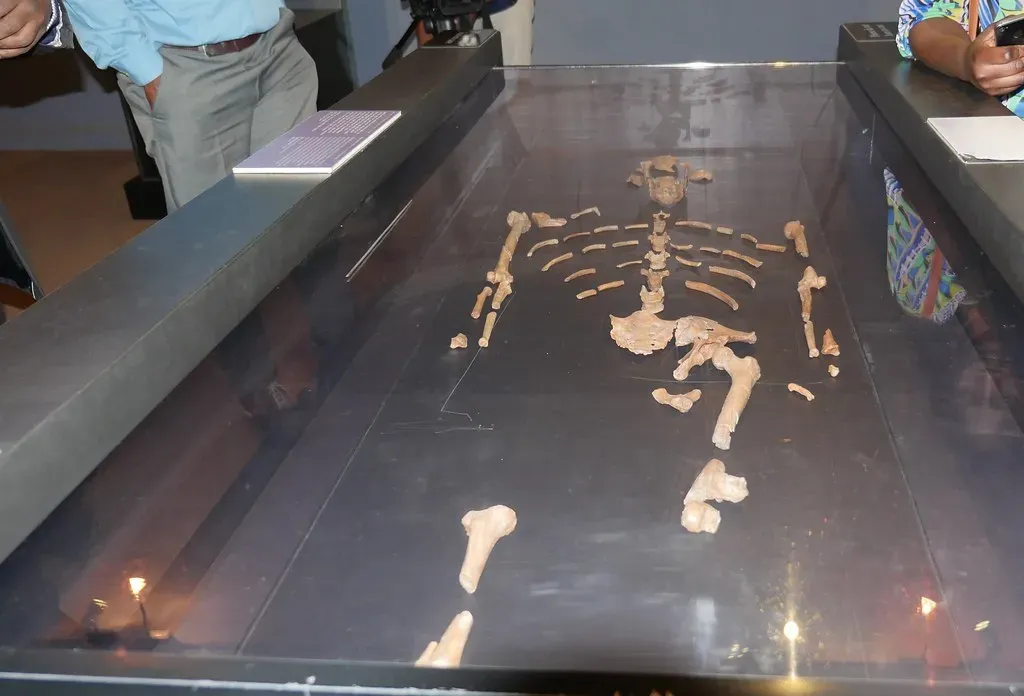
In 1974, a team of scientists working in Ethiopia stumbled upon fragments of bone that would permanently reshape our understanding of human origins. Lucy is one of the most famous human ancestor fossils ever discovered. Found in Ethiopia in 1974, she is estimated to be about 3.2 million years old and belongs to the species Australopithecus afarensis. She was tiny, her brain was modest, yet she carried within her bones the blueprint for everything that came after.
Her fossilized bones revealed that she walked upright, a key step in human evolution. This discovery helped highlight the relationship between modern humans and their ancestors while also raising profound questions about the traits that define humanity. The fossil record provides a chronological sequence of hominin fossils, allowing scientists to trace the evolutionary changes in our ancestors’ anatomy, brain size, and tool use, and helps us understand the environmental contexts in which humans evolved and the factors that shaped our species. When you look at a photo of Lucy’s reconstructed skeleton, it’s hard not to feel a deep, almost uncomfortable sense of recognition.
8. The Chicxulub Impact Discovery: Solving the Dinosaur Extinction Mystery
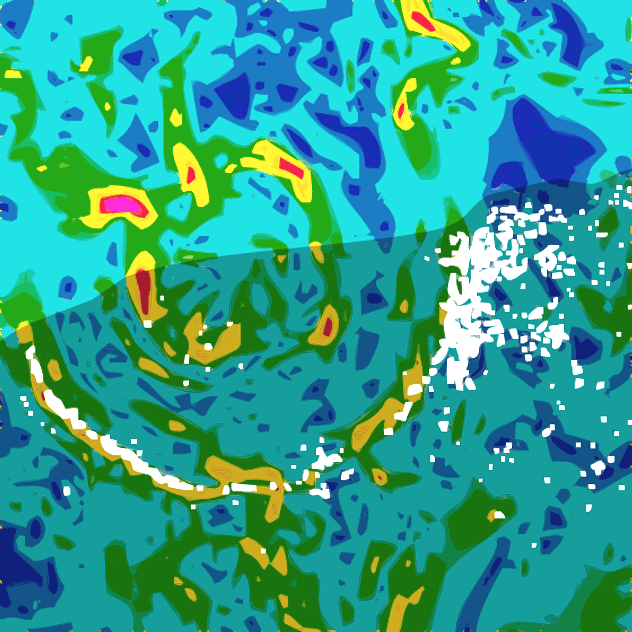
For a very long time, the question of what killed the dinosaurs was genuinely unanswered. Then a landmark scientific convergence in the late 1970s and 1980s pointed to something almost too cinematic to believe. In documenting the history of life, paleontologists recognized that many extinction episodes could occur suddenly, such as the event 66 million years ago that ended the dinosaurs and allowed their avian descendants and mammals to diversify. The search for the causes of past mass extinctions sparked pioneering studies from across the scientific spectrum.
New fossil evidence has since confirmed that dinosaurs weren’t dying out before the asteroid hit. They were thriving in vibrant, diverse habitats across North America, and fossil evidence from New Mexico shows that distinct groups of dinosaurs existed until the very end. Consideration of the impact of nuclear winter or searching for possible Earth-impacting asteroids would not have occurred if we were ignorant of past biological catastrophes. This discovery didn’t just solve a mystery. It fundamentally changed how humanity understands planetary threats, giving rise to entire fields of research aimed at protecting life on Earth today.
9. Dinosaur Eggs and Nesting Behavior: Discovering the Parenting Side of Prehistoric Giants
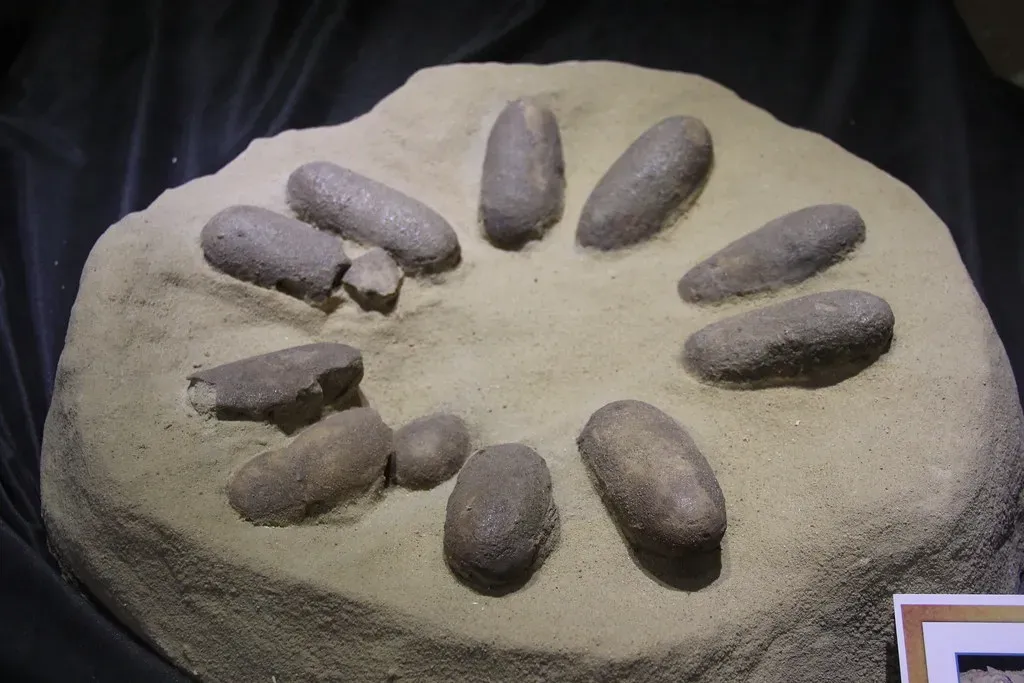
You might not think of a Tyrannosaurus as a caring parent. Most of us picture teeth, claws, and chaos. So the discovery that dinosaurs actually built nests and raised their young was, to put it mildly, a bit of a shock. In 1923, scientists from the American Museum of Natural History unearthed the first fossils to be widely regarded as dinosaur eggs. Found in the Gobi Desert in Mongolia, the eggs were initially thought to belong to Protoceratops, whose remains were frequently found in the area.
The Maiasaura fossils, interestingly found in a large nesting colony in Montana in 1978 with eggs, embryos, and young animals all discovered inside nests, provided evidence for the first time that some giant dinosaurs raised and fed their young in the nest. The idea of dinosaurs building nests and feeding their young emerged with these fossil discoveries, which showed that dinosaurs were creatures with complex social and parental behaviors. It’s a reminder that even the most fearsome creatures in Earth’s history could have a gentler, more surprising side. And honestly, there’s something deeply touching about that.
10. Amber-Preserved Fossils: Ancient Life Frozen in Time
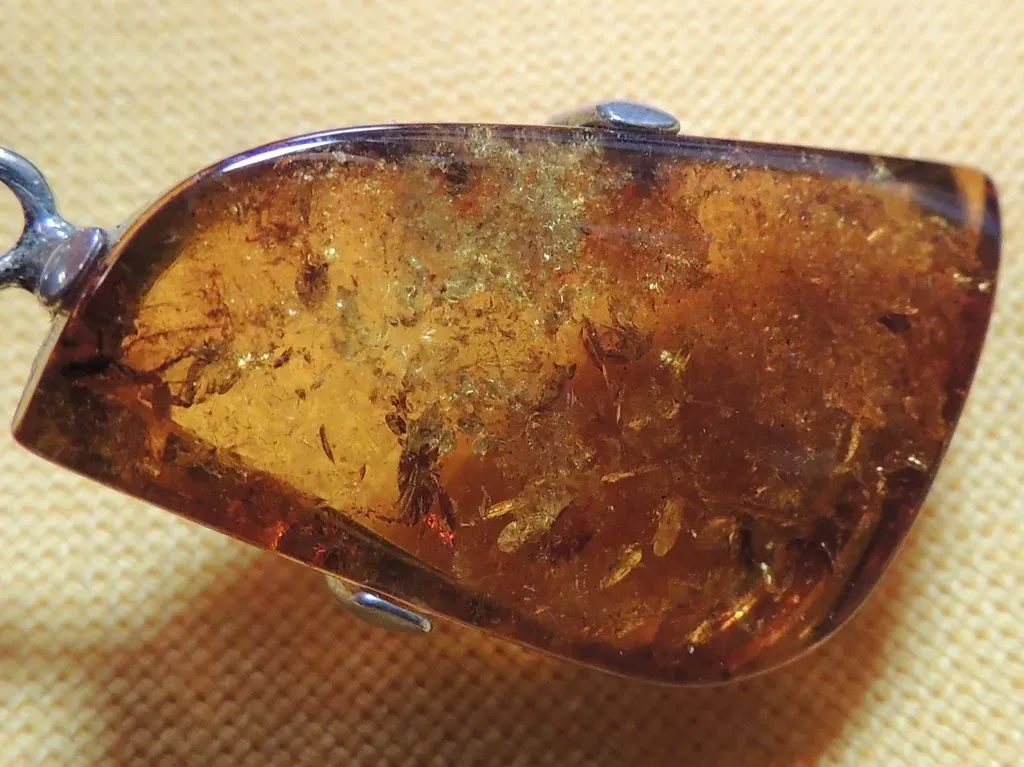
Nature, it turns out, has been running its own preservation laboratory for over 100 million years. Amber, the hardened resin of ancient trees, has captured some of the most extraordinary snapshots of prehistoric life ever found. Scientists have discovered hatchlings of primitive birds, the feathered tail of a dinosaur, lizards, frogs, snakes, snails, and a host of insects all preserved within amber. These are not impressions in rock. These are three-dimensional, color-retaining windows into a world that vanished tens of millions of years ago.
While individual dinosaur-era feathers had been found in amber before, and evidence for feathered dinosaurs was captured in fossil impressions, one key discovery allowed scientists for the first time to clearly associate well-preserved feathers with a dinosaur and in turn gain a better understanding of the evolution and structure of dinosaur feathers. The semitranslucent mid-Cretaceous amber sample captures one of the earliest moments of differentiation between the feathers of birds of flight and the feathers of dinosaurs. Molecular paleontology using fossil molecules and biomarkers, chemical imaging of fossils, and physical scanning instruments have all been adapted in paleontological research, and amber fossils sit right at the heart of all three. They are, without doubt, some of the most exciting objects ever pulled from the Earth.
Conclusion: The Past Is Still Being Written
What you’ve just read through is really just the beginning. Just as technology in the life sciences has expanded at a record pace, the application of new technologies to paleontological specimens is resulting in an explosion in the type of data recoverable from fossils, as well as the type and age of fossils to which these can be applied. We are living through a golden era of discovery, one where tools that didn’t exist a generation ago are now unlocking secrets buried for hundreds of millions of years.
Great ebbs and flows of biological diversity, appearances of new life forms, and the extinctions of long-existing ones would go undiscovered without these efforts. At a time when instruction in biology can be increasingly reductive, paleontologists teach us the astonishing breadth of past and present life on Earth. Every single breakthrough on this list began with someone who refused to accept that the story was already finished. And the most astonishing part? The next world-changing discovery could be sitting right now in a piece of rock nobody has thought to look at yet.
So here’s something to sit with: if a fish trying to walk on land could rewrite our understanding of all vertebrate life, what might the next fossil tell us about ourselves? What do you think? Drop your thoughts in the comments below.