
For all our satellites, particle colliders, and AI tools, there are still huge blank spaces in the story of us. The deeper scientists dig into caves, seabeds, genetic data, and forgotten ruins, the more it feels like we’re discovering a book where the middle chapters are missing. We can see where we came from and roughly where we are now, but vast stretches in between are full of strange clues that stubbornly refuse to line up.
That’s what makes ancient human mysteries so addictive: they’re close enough to touch, yet just out of reach. We are not staring at distant galaxies here; we’re looking at bones, tools, and sites left by people who would have recognized fear, love, and curiosity exactly like we do. Below are ten of the biggest puzzles still driving arguments in lecture halls and late-night YouTube rabbit holes alike – and none of them are truly settled, no matter how confident the loudest voices might sound.
The Sudden Rise of Homo sapiens
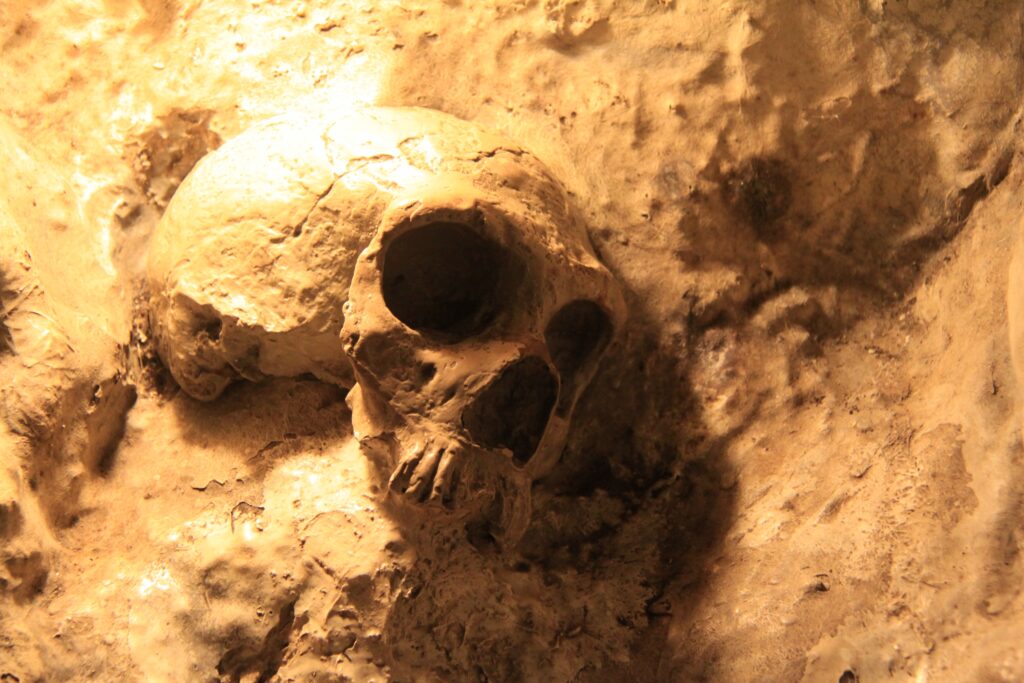
One of the most unsettling questions in human history is why our species, Homo sapiens, suddenly became so dominant. Fossils and genetic evidence suggest that for a long stretch, we were just one clever ape among several, sharing the planet with Neanderthals, Denisovans, and maybe others we have barely glimpsed in DNA. Then, in what looks like a relatively short flash of time on evolutionary scales, our kind spread across continents, created complex cultures, and pushed everyone else to the margins – or to extinction.
Researchers argue over what triggered that leap. Some point to a gradual build-up of cognitive abilities that finally crossed a tipping point, while others see cultural innovations – like more sophisticated language, teaching, or symbolic thinking – as the real accelerator. From the outside, it is tempting to imagine a single “switch” being flipped in the human brain, but the evidence reads more like a patchwork: changing climates, shifting food sources, social cooperation, and plain old luck. The mystery is not just how we got smarter, but why we turned out to be the branch that survived when so many others did not.
What Really Happened to the Neanderthals?
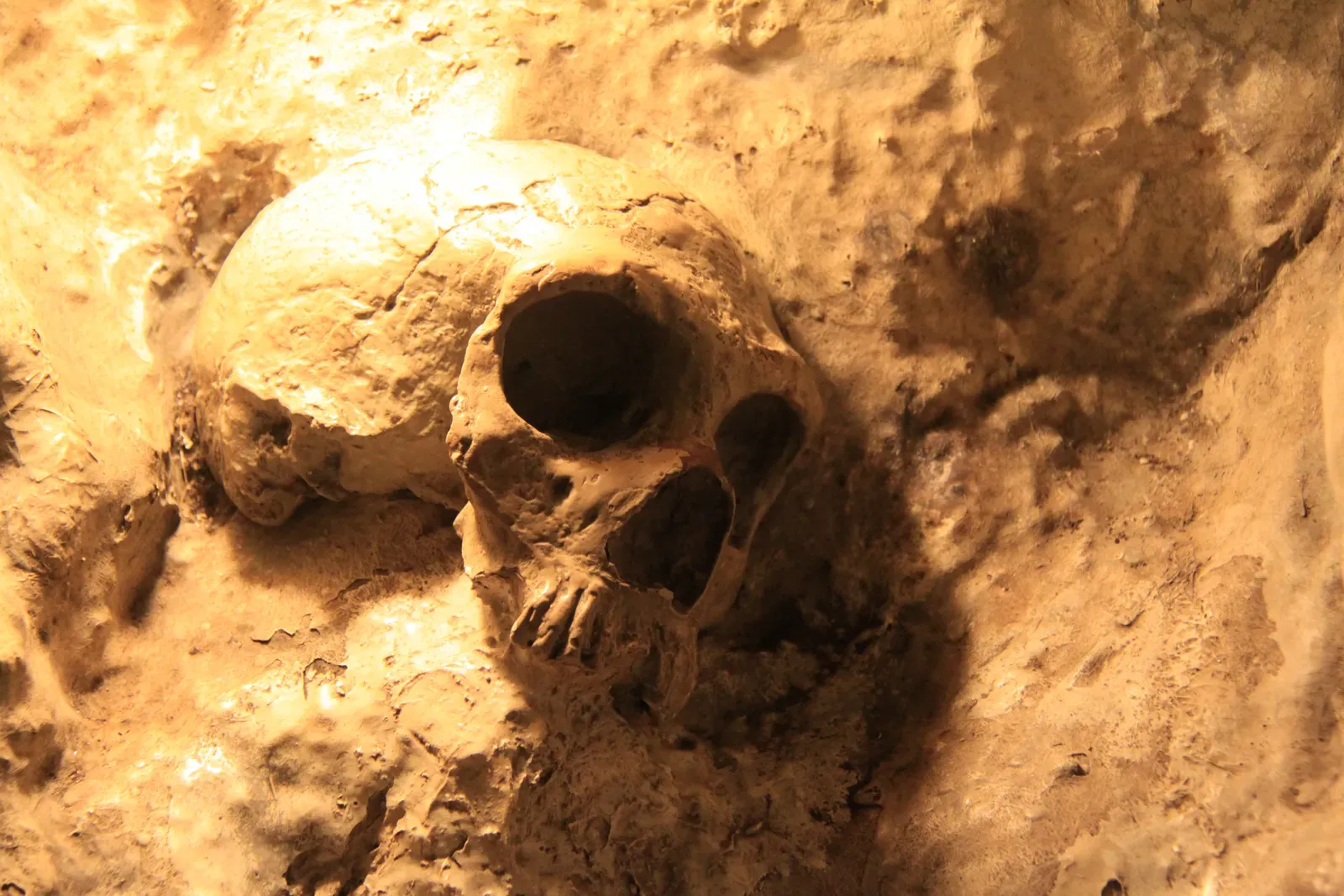
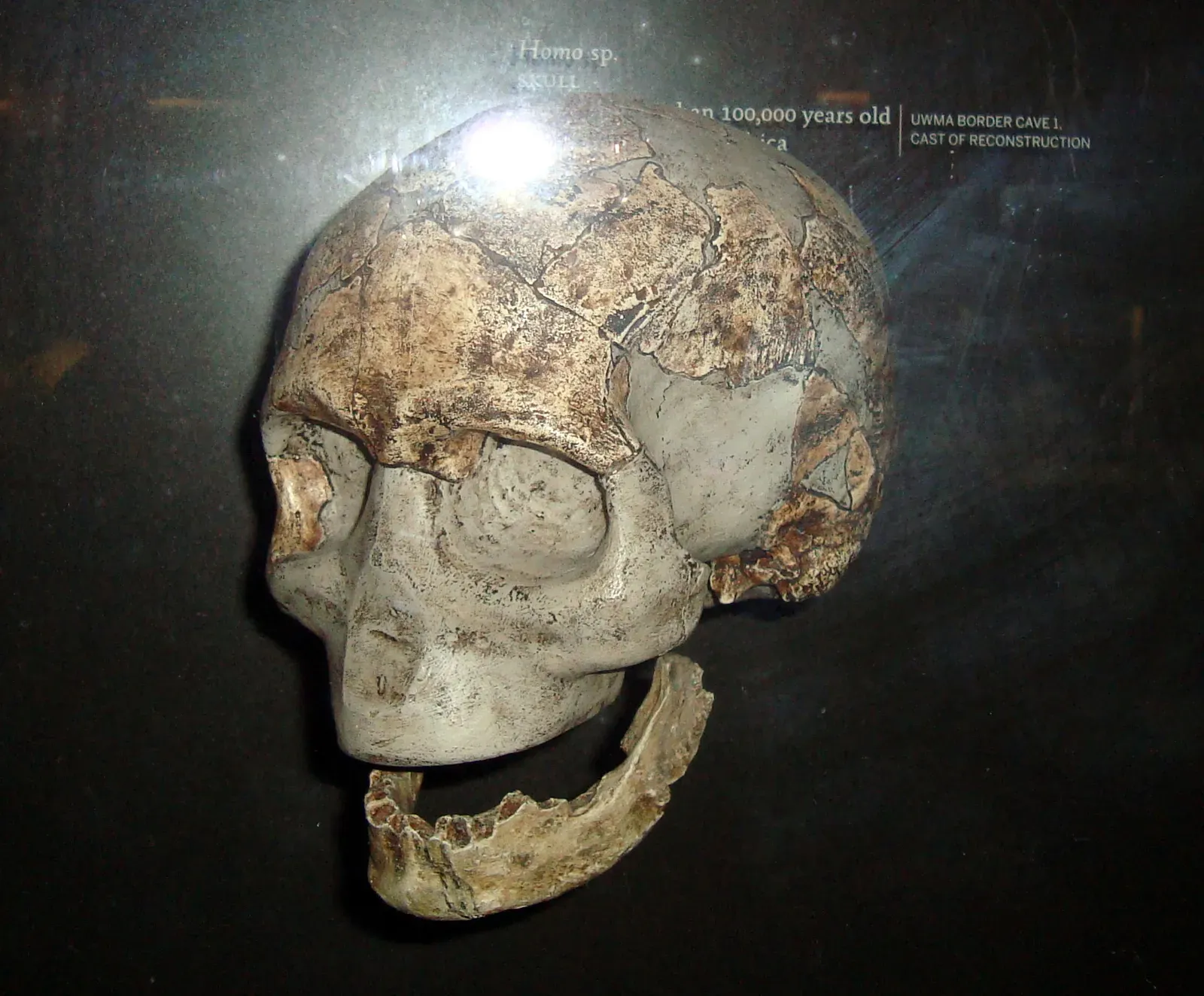
Neanderthals used to be the punchline of human evolution, portrayed as slow, clumsy cave dwellers. That cartoon image has collapsed. We now know they made tools, used fire skillfully, likely cared for injured group members, and may have created symbolic objects. Genetic studies show that most people with ancestry outside Africa still carry a bit of Neanderthal DNA, meaning our ancestors did not just compete with them – they also had children together.
Yet even with all that nuance, the core question remains: why are Neanderthals gone and we are not? Climate swings probably hit them hard, especially in Europe and western Asia, and competition with expanding Homo sapiens groups would have made life tougher. But “climate plus competition” is more of a loose outline than a satisfying explanation. Were they outnumbered, out-innovated, or just unlucky in a series of bad centuries? The fact that part of them literally lives on in our genomes makes their disappearance feel less like a clean ending and more like a story that was absorbed into ours, with crucial pages missing.
The Mystery of the Denisovans
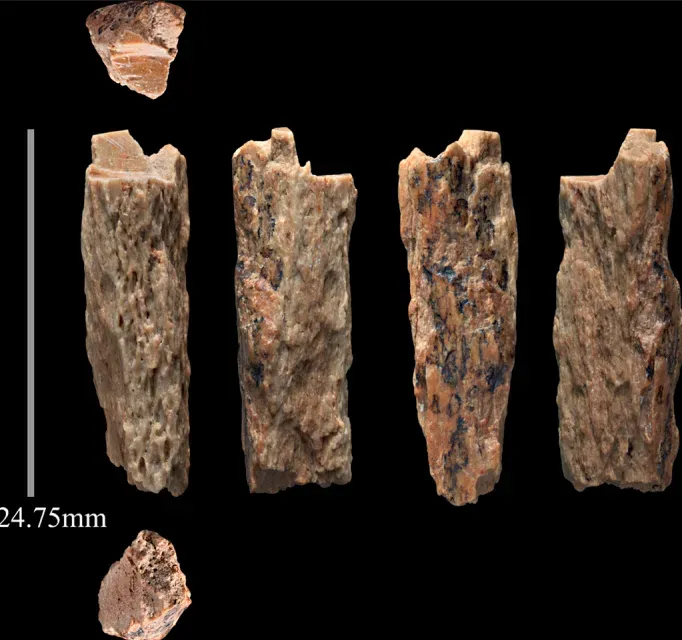
If Neanderthals feel like long-lost cousins, Denisovans are more like shadow relatives we barely know. Discovered through a few bones and teeth in a Siberian cave and identified by their unique DNA, they turned out to be a distinct group of ancient humans who left a genetic imprint across parts of Asia and Oceania. Some present-day populations in places like Tibet and Melanesia carry notable Denisovan ancestry, including gene variants that seem to help with high-altitude living.
The weird part is how little we actually see of them in the physical record. We have genomes, but barely any skeletons. We have genetic hints of multiple Denisovan populations, but almost no clear idea of where they lived, what they looked like in full, or how they organized their societies. It is like finding a thumb drive full of family photos from someone you have never met, without ever seeing their house or hearing their voice. Until more sites are uncovered, the Denisovans will remain one of the most tantalizing ghosts in our own family tree.
The First Footsteps into the Americas
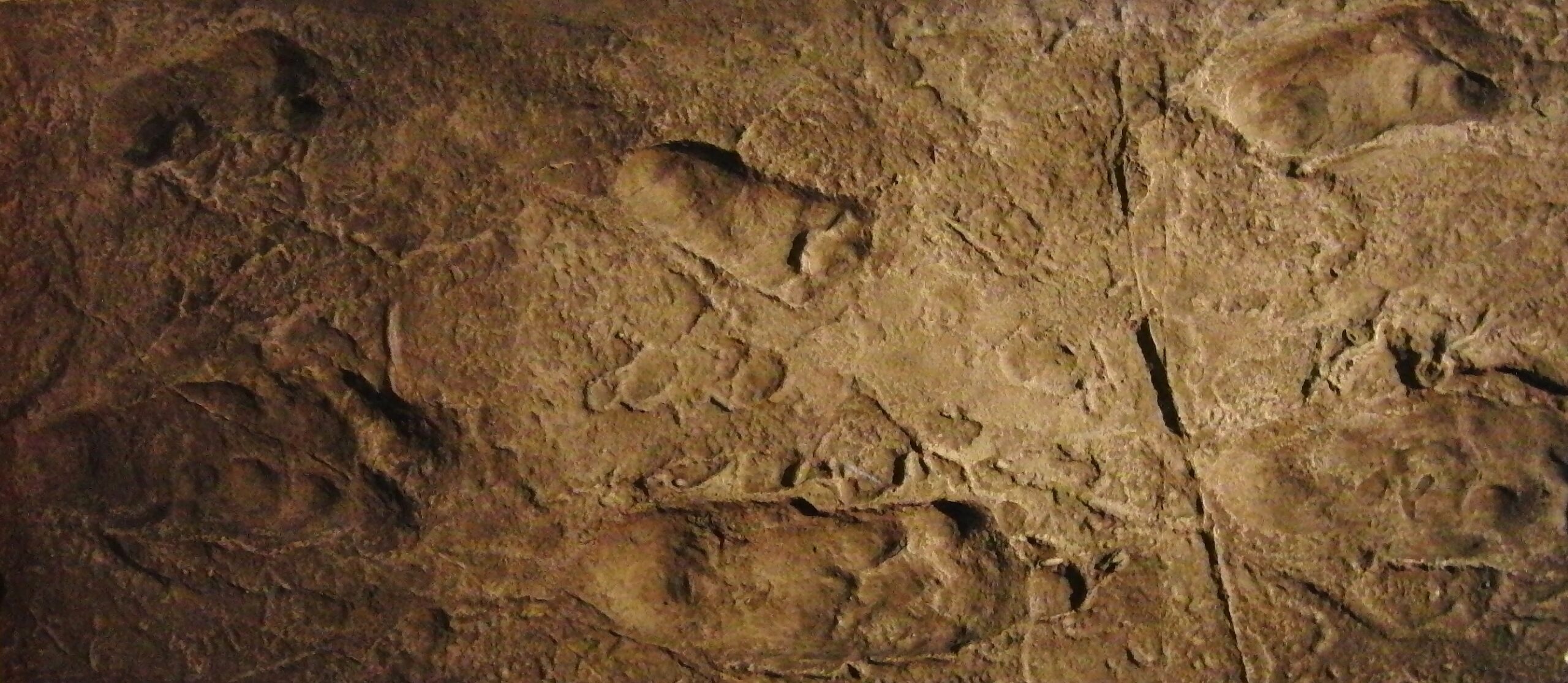
Now the debate is far livelier – and messier. Some evidence points to humans being present earlier than once thought, maybe moving along coastlines in boats or exploiting narrow ice-free corridors. Other claims of extremely ancient sites spark fierce arguments over whether the marks on bones or stones are truly human-made. For people living in the Americas today, especially Indigenous communities, the story is also personal and cultural, not just academic. Untangling when and how those first journeys happened is not only an intellectual puzzle; it is a question about deep identity and belonging.
The True Age of Human Culture
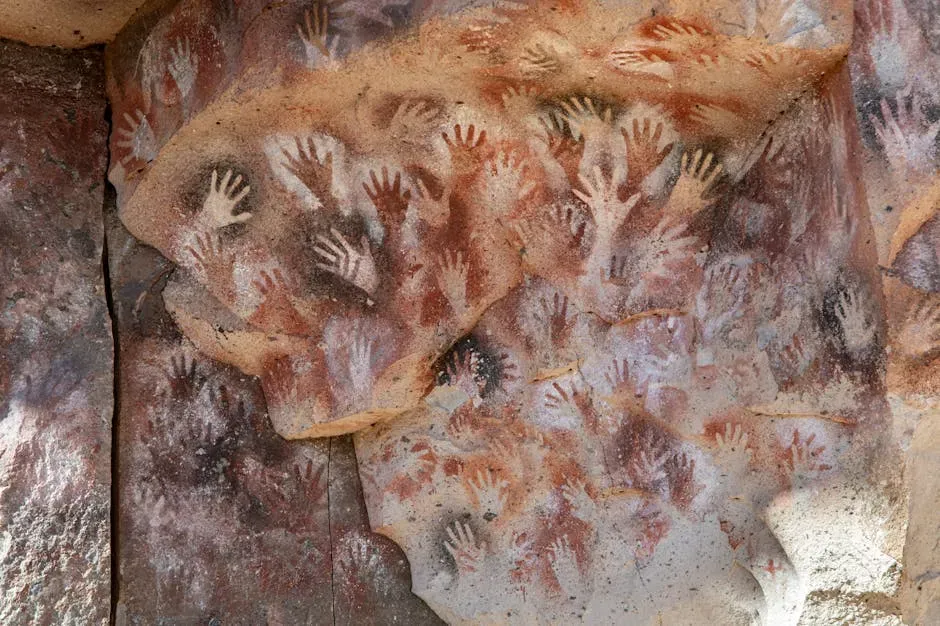
When did humans first start behaving “like us” – telling stories, making art, sharing rituals? Archaeologists often point to symbolic objects, cave paintings, ornaments, and musical instruments as signs of fully modern minds. Some of the earliest known examples of this kind of creativity stretch back tens of thousands of years, with carved figures, decorated tools, and astonishing rock art in places such as Europe, Africa, Asia, and Australia. Each new find seems to push the timeline for complex culture a little further into the past.
The trouble is that culture does not fossilize neatly. A bead or a painted wall can survive, but a myth told around a fire or a dance honoring the dead usually cannot. That makes it hard to know whether we are seeing the true beginning of symbolic thought or just the earliest traces that happened to endure. There is a growing sense that our ancestors may have been thinking and communicating in rich, abstract ways long before the surviving artifacts suggest. The gap between what must have been happening in their minds and what we can actually see in the ground is one of the most frustrating and fascinating gaps in human history.
The Purpose of Megalithic Monuments
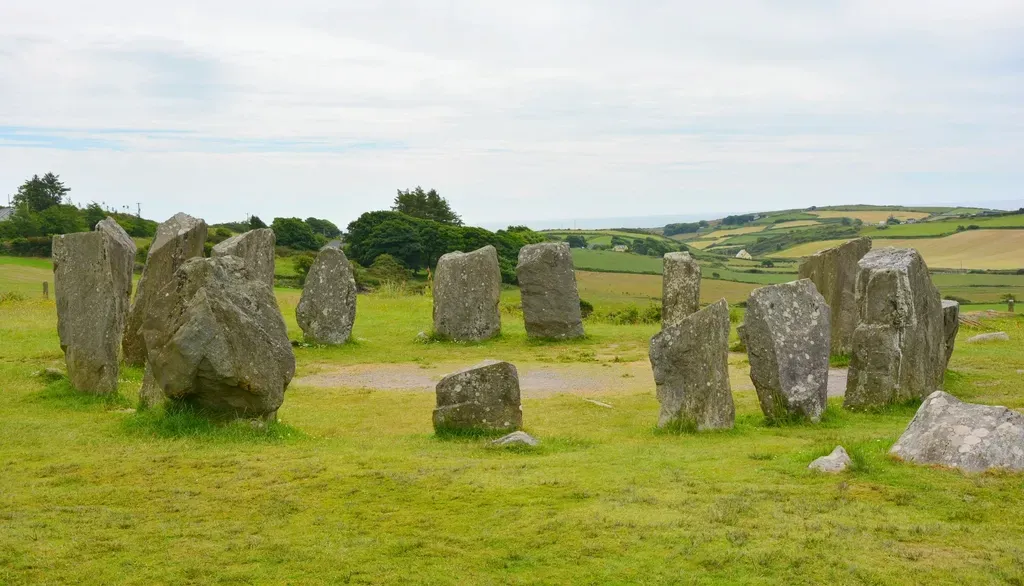
From Stonehenge to the aligned stones of Brittany, from vast stone circles in Africa to ceremonial sites in the Americas, people across different continents raised enormous blocks of rock using muscle, ingenuity, and staggering amounts of time. Many of these megalithic structures line up with the movements of the sun, moon, or stars, hinting at ancient skywatchers carefully tracking the heavens. Others are linked with burials or communal gathering spaces, turning the landscape itself into a kind of sacred architecture.
Yet we still argue about their main purpose. Were they calendars, temples, power symbols, or social glue binding communities together through shared labor? Maybe they were all of those things at once. What we can say is that building them required cooperation on a scale that reshaped early societies. When I first stood at a stone circle myself, it struck me how unnecessary it was for basic survival – and how deeply human it felt to spend precious energy on meaning, not just on food and shelter. That drive to make something that outlasts us may be as mysterious, and as central, as the stones themselves.
Lost Civilizations or Missing Context?
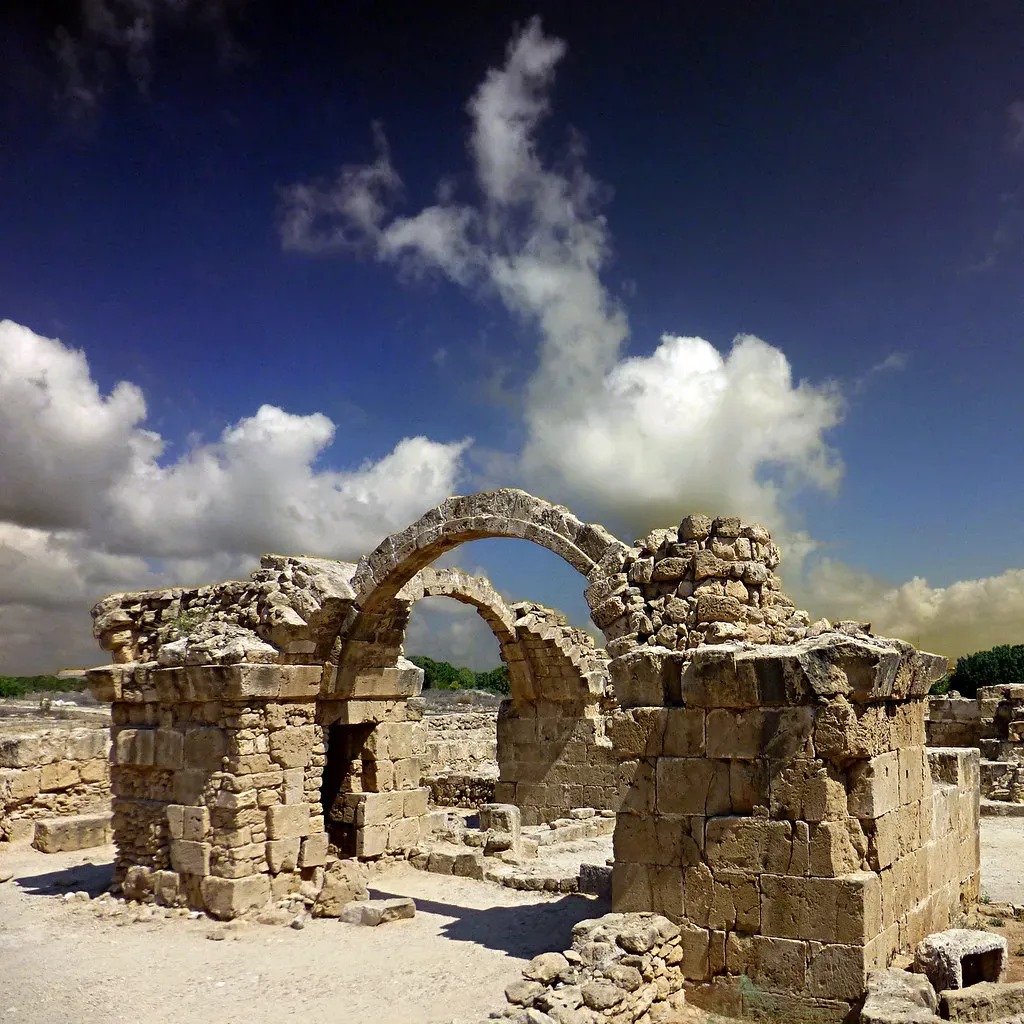
Every few months, a headline or video pops up hinting that advanced civilizations might have risen and fallen thousands of years earlier than mainstream archaeology accepts. Massive earthworks, submerged ruins, and surprisingly complex artifacts make some people wonder whether an earlier chapter of human history has been wiped almost clean, leaving only confusing fragments behind. It is an appealing idea: a forgotten global culture erased by catastrophe, hiding in plain sight.
Most researchers push back hard on the most dramatic versions of that story, pointing out that impressive construction and organization do not automatically mean high technology or global empires. Often, better dating methods and more careful excavation show that structures fit into known timelines of regional cultures. Still, there are cases where dating is difficult or evidence is thin, and honest uncertainty remains. The tension here is between healthy skepticism and open-minded curiosity: how do we respect the work of decades while also admitting that some pieces genuinely do not fit yet?
The Enigma of Human Language Origins
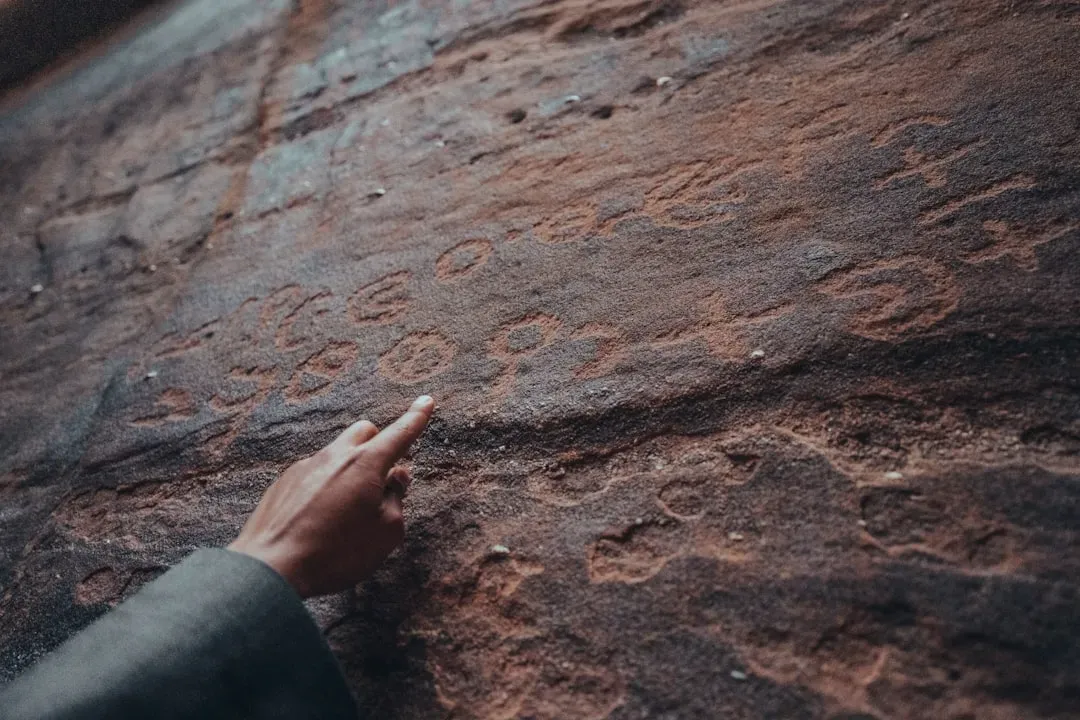
Language is probably the single most powerful tool humans ever evolved, yet we have no physical fossil of its starting point. Vocal cords and tongues do not preserve the way bones do, and early speech left no written traces. At some point, our ancestors went from basic calls and gestures to rich, layered languages that could carry stories, instructions, gossip, and abstract ideas. That transition might be the biggest leap in human cognition, but no one can pin down when it truly happened.
Different theories try to fill that void. Some imagine language emerging gradually as social groups grew more complex, needing better ways to coordinate and share knowledge. Others suggest a relatively quick shift, perhaps tied to changes in the brain or vocal tract. We can compare modern languages, study how children learn to speak, and look for clues in brain anatomy, yet the first true conversations are lost forever. For me, the wildest thought is that the earliest fully modern language might have sounded utterly alien to our ears, even though it was spoken by people whose minds worked very much like ours.
Why Did We Start Burying Our Dead?
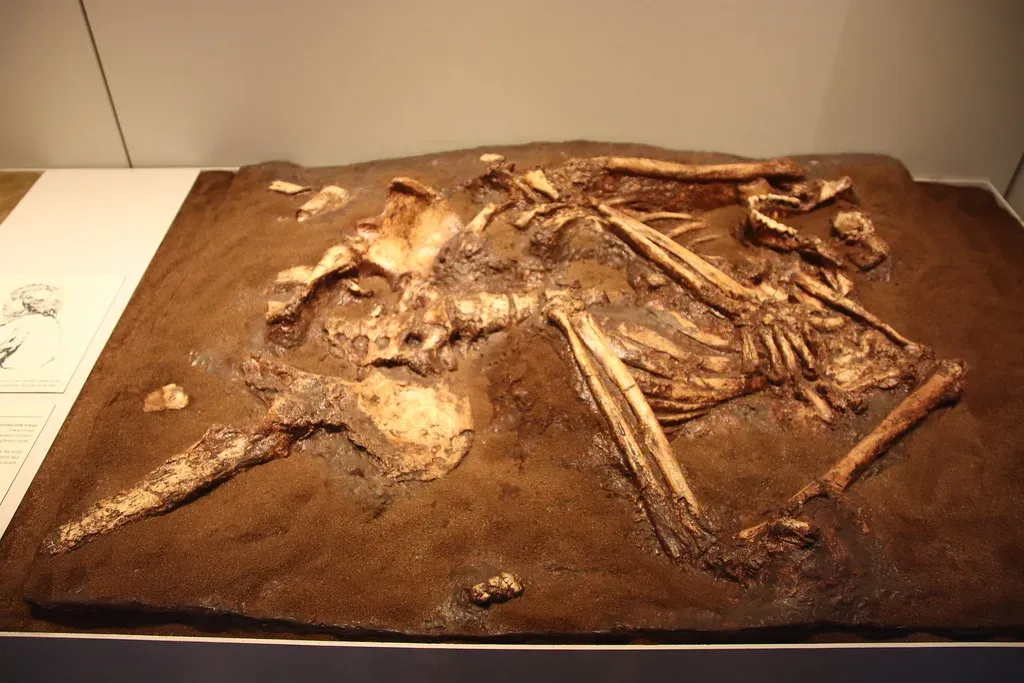
At some point, humans began treating their dead in ways that went far beyond basic disposal. We see graves with carefully arranged bodies, grave goods like tools or ornaments, and signs that people returned to burial sites over time. There are even older hints that other human species, such as Neanderthals, may have engaged in some kind of intentional treatment of the dead, though interpretations there are controversial. Whatever the exact timeline, the shift from simply leaving a body to deliberately burying it marks a profound change in how we saw one another.
Was this about hygiene, predator control, and practicality, or was it about belief, grief, and memory? The presence of objects and repeated rituals points strongly toward emotional and symbolic motives. It suggests our ancestors were grappling with questions of identity, continuity, and what might lie beyond life. As someone who has stood in front of ancient graves in museums, I am always struck by how intimate they feel: someone cared enough to do this. We do not know exactly what they believed, but we can feel the weight of their love and fear echoing right into our present.
The Origins of Agriculture and Settled Life
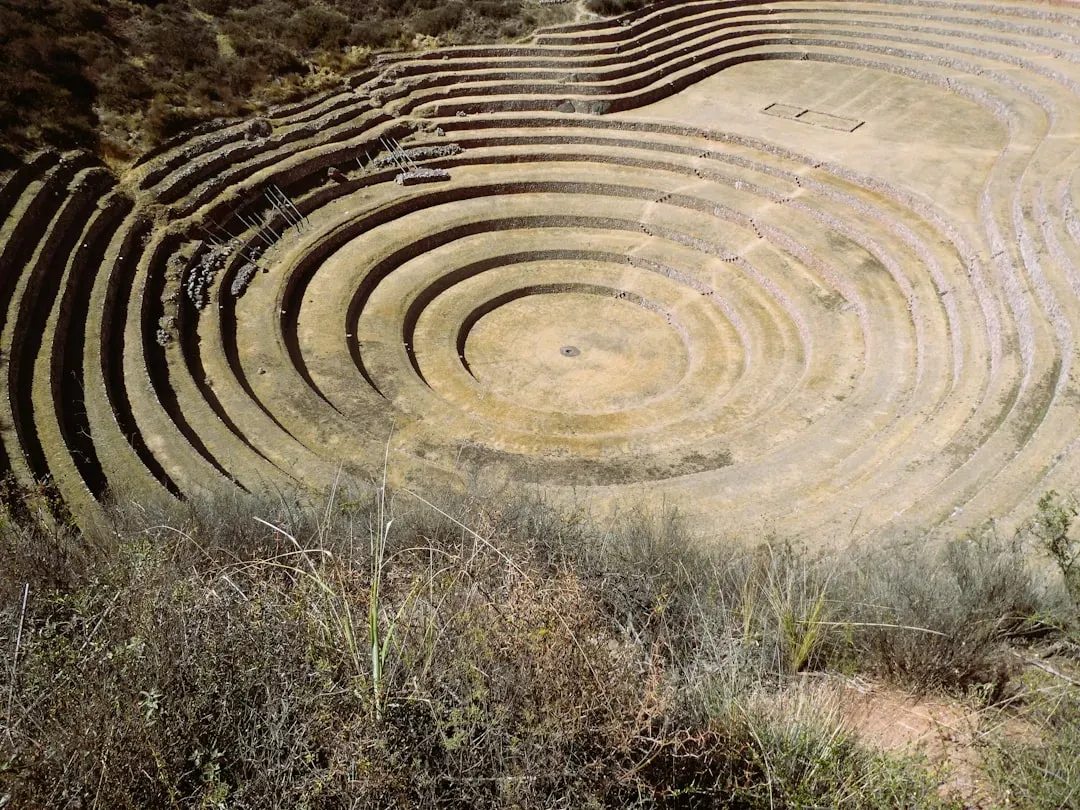
Farming looks like an obvious upgrade from hunting and gathering, but the archaeological record tells a more complicated story. Early agricultural communities often worked harder, faced new diseases, and ate less varied diets than their foraging neighbors. So why did so many groups across different regions eventually settle into farming and village life? In the so-called Fertile Crescent, in parts of China, in Mesoamerica, and elsewhere, people began domesticating plants and animals within overlapping but not identical time frames.
Some explanations focus on climate shifts making wild foods less predictable, nudging groups toward managed crops. Others emphasize social and political factors: farming can support larger populations, store wealth, and allow elites to emerge. There is a strong chance that different regions followed slightly different paths, mixing environmental pressure with cultural choices. The mystery is not simply how we learned to plant seeds, but why we collectively decided that staying put, building permanent communities, and shouldering all the new problems that came with them was worth it.
The Deep Genetic Shadows in Our DNA
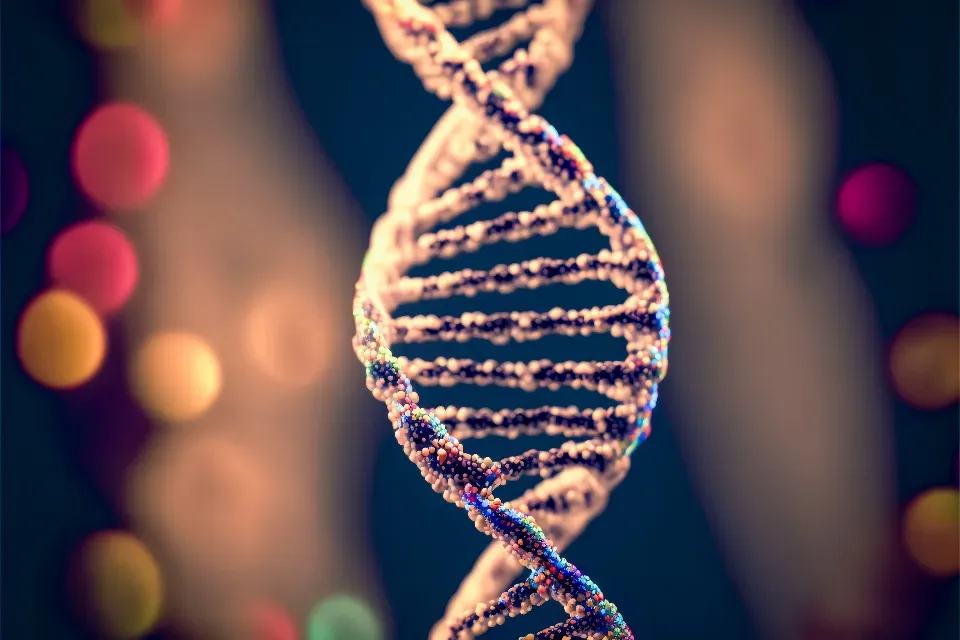
As genetic technology has improved, scientists have started finding faint traces of ancient humans in our DNA that do not clearly match any known fossil group. These so-called “ghost lineages” hint that we may have interbred with multiple populations that have left little or no physical trace behind. The Denisovans were essentially discovered through this kind of genetic detective work, and there may be more hidden branches of humanity waiting to be identified in the code we all carry.
This raises a radical possibility: the number of distinct human groups that once walked the Earth could be higher than anything we have confidently named so far. It also makes our neat diagrams of human evolution look far too simple, with one tidy trunk and a few obvious branches. Instead, the picture emerging is more like a tangled forest of populations splitting, merging, and sometimes disappearing almost without a trace. Our genomes are history books written in a language we are still learning to read – and the most intriguing chapters might be the ones that only show up as faint genetic whispers.
Conclusion: A Story That Refuses to Stay Finished
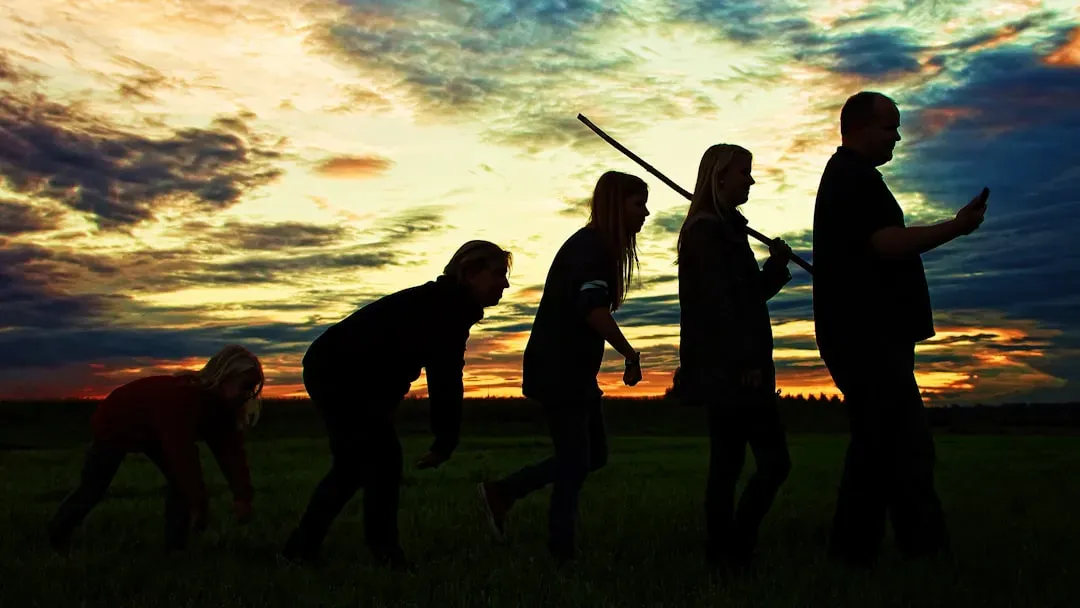
If there is one honest takeaway from all these mysteries, it is that the story of humanity is still under construction. Every confident answer from a few decades ago – about where we came from, when we spread, who we shared the planet with – has been softened, revised, or overturned as new evidence arrived. Personally, I think that is a strength rather than a weakness: a science that admits uncertainty, changes its mind, and keeps digging is far more trustworthy than one that pretends to have everything nailed down.
At the same time, we should resist the urge to fill every gap with wishful thinking or dramatic hidden-civilization fantasies. The real, evidence-based story is already astonishing enough: multiple human species overlapping in time, unknown ancestors hiding in our DNA, cultures blooming and vanishing, and minds like ours wrestling with love, death, and meaning for tens of thousands of years. We are not the end point of a neat march of progress; we are one surviving thread in a messy, beautiful tapestry we barely understand. Looking at that, you have to wonder: which of today’s certainties about ourselves will future humans find mysterious, or even laughable?