
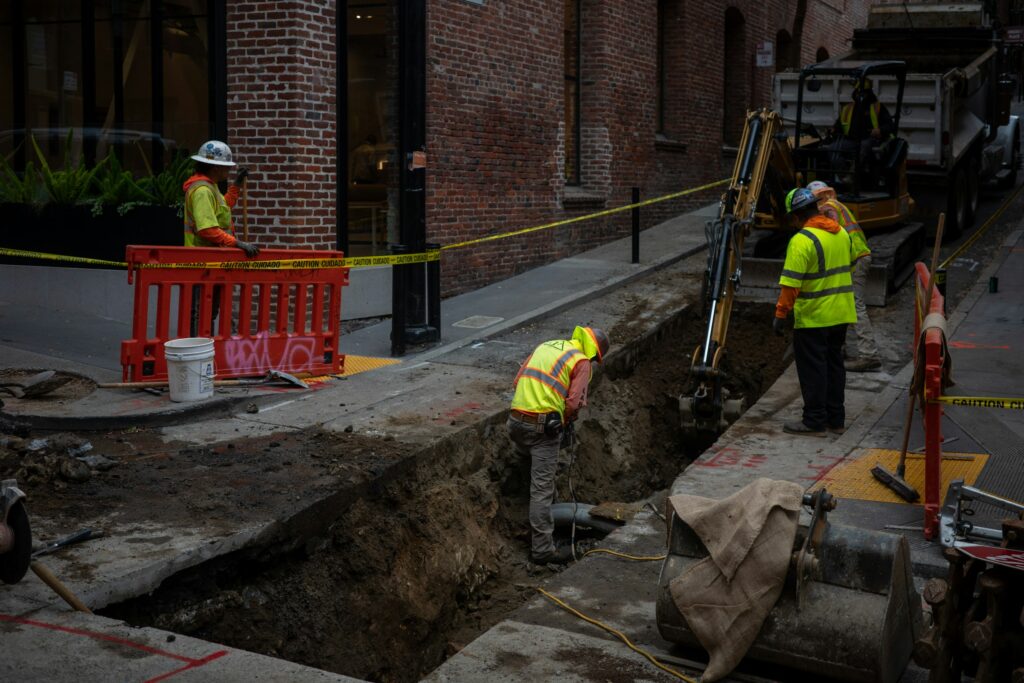
Some of the strangest discoveries in archaeology do not come from deserts, jungles, or ancient temples. They turn up when someone lifts a boring old pavement slab outside a café, or when a town finally replaces pipes that should have been retired decades ago. Ordinary streets, the ones you’ve walked a thousand times without a second thought, often sit directly on top of other people’s lives, forgotten disasters, lost money, and even small-scale mysteries.
I still remember seeing a town square being resurfaced and watching workers casually dig through what looked like a perfect layer cake of history: cobbles under tarmac, ash under cobbles, and then, suddenly, a line of bricks from a building long gone. It hit me that our “modern” streets are really just the top line in a long-running story. Once you start looking at it that way, you can’t walk over a manhole cover without wondering what’s really underneath.
From medieval shoes to unexploded bombs, what turns up under old paving is often surprising, sometimes unsettling, and occasionally hilarious. Let’s pull back the asphalt and take a tour through fourteen of the most fascinating types of things that tend to appear when ordinary towns peel back their surfaces.
#1 Buried Streets and Older Road Surfaces
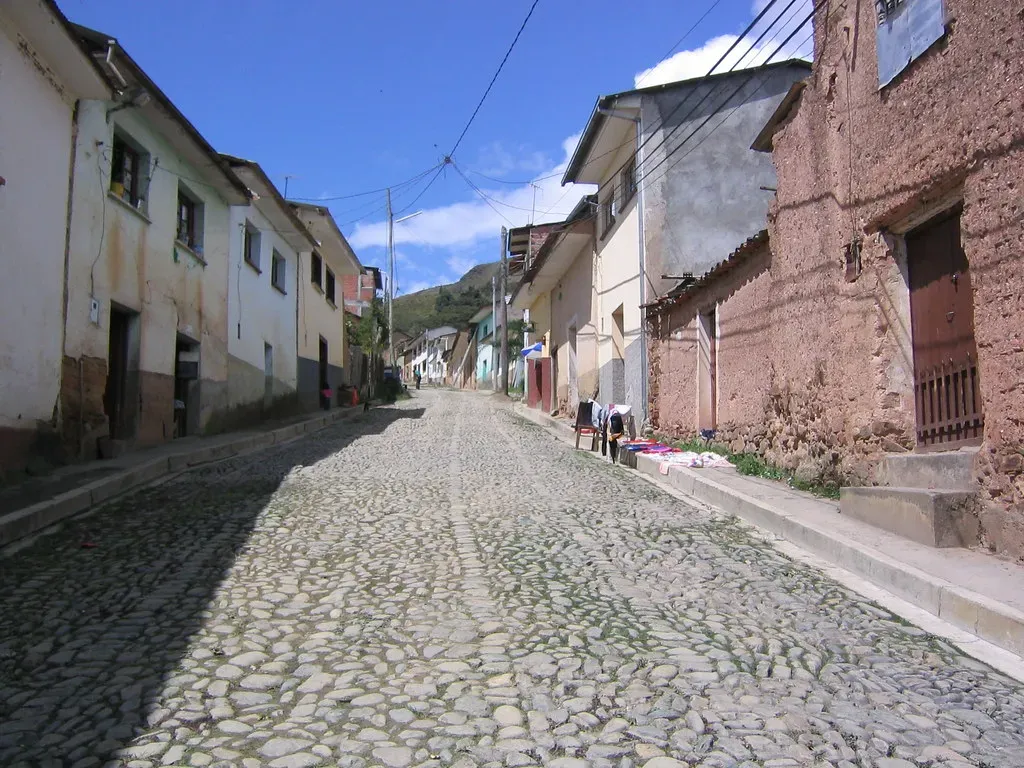
One of the most common and mind-bending finds under modern paving is… more paving. Towns rarely grow in a straight, tidy line. Instead, they build on top of themselves, layer after layer, over centuries. When roadworks begin in a historic center, it’s almost routine to uncover older cobbled streets beneath the current asphalt, sometimes several generations of road surfaces stacked together.
Urban archaeologists use these layers like tree rings. Each surface tells a slightly different story: the early stone setts from when carts and horses ruled, the later concrete patching from the car era, maybe even rutted tracks preserved in compacted soil below. In flood-prone towns, some streets were deliberately raised, so the “ground floor” of a building two hundred years ago is now more like a basement, still connected to a street that no longer officially exists.
For planners and engineers, these ghost streets can be both a headache and a treasure. They complicate utility work and foundation design, but they also offer ready-made walkable surfaces, clear alignments, and clues to how traffic and trade moved centuries earlier. It is a quiet reminder that when you stroll down a high street today, you might actually be walking a meter or two above where your great-great-grandparents once stood.
#2 Forgotten Cellars, Tunnels, and Secret Passages
Every town with a long enough history seems to have rumors of secret tunnels: smugglers’ routes to the river, priest holes connecting churches and houses, or hidden passages to old city walls. Most of those stories are wildly exaggerated, but not all of them are completely wrong. When paving is lifted in older districts, construction teams do occasionally break through into long-forgotten cellars and vaulted spaces.
Often, these are not grand conspiracy-level tunnels but very practical structures: storage cellars for food and drink, coal holes, or simple crawlspaces that were sealed up when street levels rose or buildings were remodeled. Over time, owners changed, the entrances were bricked over, and then everyone forgot they were there. When a road collapse suddenly reveals a brick arch under the sidewalk, it’s usually one of these lost spaces finally giving way.
These voids are fascinating to explore but can be dangerous. Voids under pavements sometimes cause sinkholes; when a heavy truck passes over a weakened area, a ceiling might fail. That’s why modern surveys increasingly use ground-penetrating radar and laser scanning to map hollow spaces. It turns urban legends into something you can point at on a screen: not a romance novel tunnel to a castle, but a web of old basements stitched together under an ordinary shopping street.
#3 Medieval and Early-Modern Trash Pits
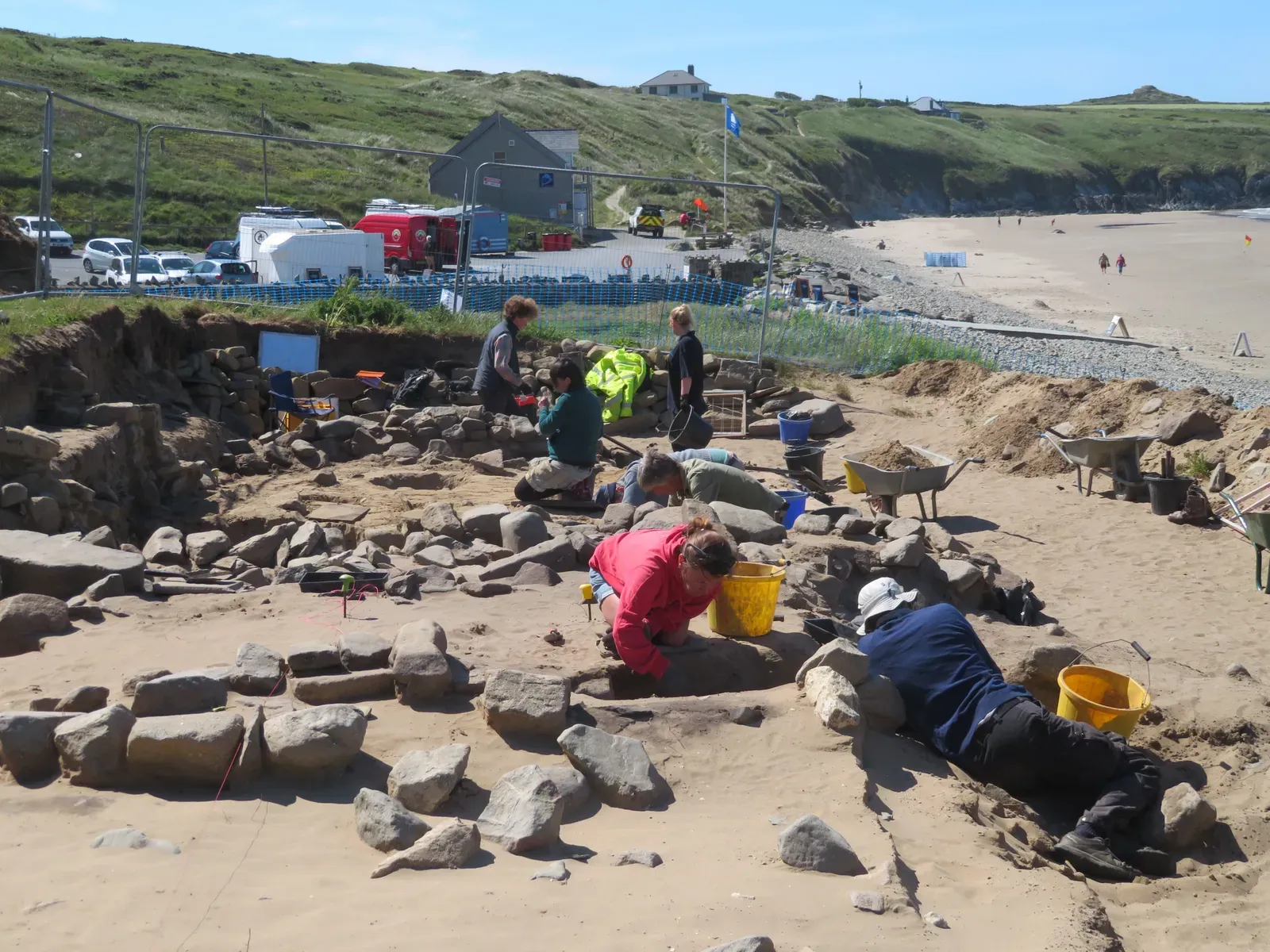
Under many old pavements lie trash pits and rubbish layers, the archaeological goldmines nobody wanted at the time. Before organized waste collection, it was common to dump broken pottery, animal bones, food scraps, and worn-out household objects into pits behind houses or even into open drains running under what later became paved streets. When a town modernized, those areas got paved over, preserving the mess beautifully.
To an archaeologist, these layers are like time capsules of everyday life. You can learn what people ate, what they could afford, how they cooked, what they drank from, and even how often they repaired their belongings instead of throwing them away. A cluster of imported pottery shards under a side street tells you more about trade and status than any grand monument inscription sometimes can.
These pits can be surprisingly deep and complex. In some towns, repeated dumping and levelling created thick “archaeological deposits” several meters high, all beneath what looks like a perfectly ordinary pavement. When modern work cuts a trench, each slice through that trash is a chance to date changes in diet, fashion, and technology almost year by year. It is grimy, smelly work when freshly exposed, but scientifically, it is pure treasure.
#4 Lost Coins, Jewelry, and Everyday Valuables

There is a romantic idea that city streets are full of dropped treasures – and in older parts of town, that is not entirely wrong. Over centuries, people have always lost coins, rings, hairpins, keys, and little charms as they hurried from shop to shop or climbed in and out of carriages. When pavements were relaid or built up, many of those objects ended up trapped between layers, sealed away until someone cuts a trench through them.
Most finds are modest but revealing. A cluster of small copper coins might show where a busy market stall once stood; a single higher-value coin may hint at a person having a very bad day nearly three hundred years ago. Jewellery is rarer but not unheard of: brooches, beads, shoe buckles, and fragments of fine metalwork sometimes appear in the soil under old paving stones, especially near former church entrances or along traditional procession routes.
In practical terms, this is not a jackpot for modern treasure hunters. These items belong to property owners and often fall under local heritage laws. What they do offer, though, is a human-scale connection. Seeing the imprint of a centuries-old boot next to a dropped coin in a compacted street surface feels more intimate than looking at a display case full of crowns. It is the archaeological equivalent of finding a stranger’s shopping list left in your basket, just written in metal instead of ink.
- Small finds like coins and pins tell us where people gathered.
- Valuables usually show up near old entrances, markets, and churches.
- They rarely make anyone rich, but they are rich in human stories.
#5 Human Burials Beneath Everyday Streets
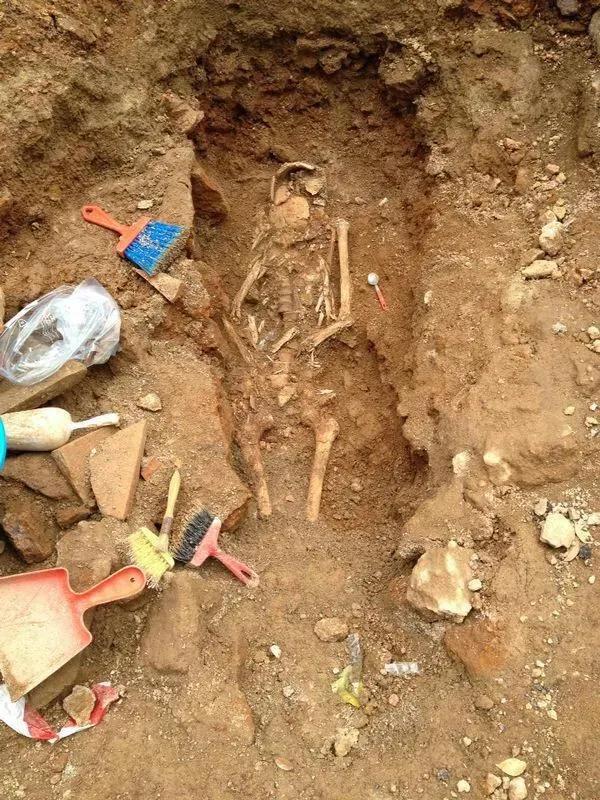
One of the most unsettling discoveries under old paving is also one of the most common in European and some colonial-era towns: human remains. For centuries, churches and their surrounding churchyards were the main burial grounds, and as towns expanded, those once-peripheral cemeteries ended up under shops, cafés, and pavement. When a modern utility trench cuts through what used to be a burial ground, skeletons are unfortunately not unusual.
In many cities, the boundaries of historic churchyards and cemeteries are only approximately known. Records might say “burial ground to the north of the church,” but streets and buildings have shifted so many times that the line between consecrated ground and ordinary real estate is fuzzy. As a result, gas or fiber-optic works sometimes unexpectedly reveal grave cuts, wooden coffin fragments, and carefully arranged remains lying just a meter or so below foot traffic.
These discoveries are usually handled with great care and legal oversight. Specialists document and respectfully remove remains, which can then be analyzed for clues about diet, disease, work patterns, and migration. As grim as it feels, a skeleton under a pavement can tell you about childhood malnutrition, healed injuries, or even past epidemics. It is a stark reminder that the distance between the living and the dead in old towns is often literally just the thickness of a paving slab.
#6 Old Wells, Cisterns, and Water Systems
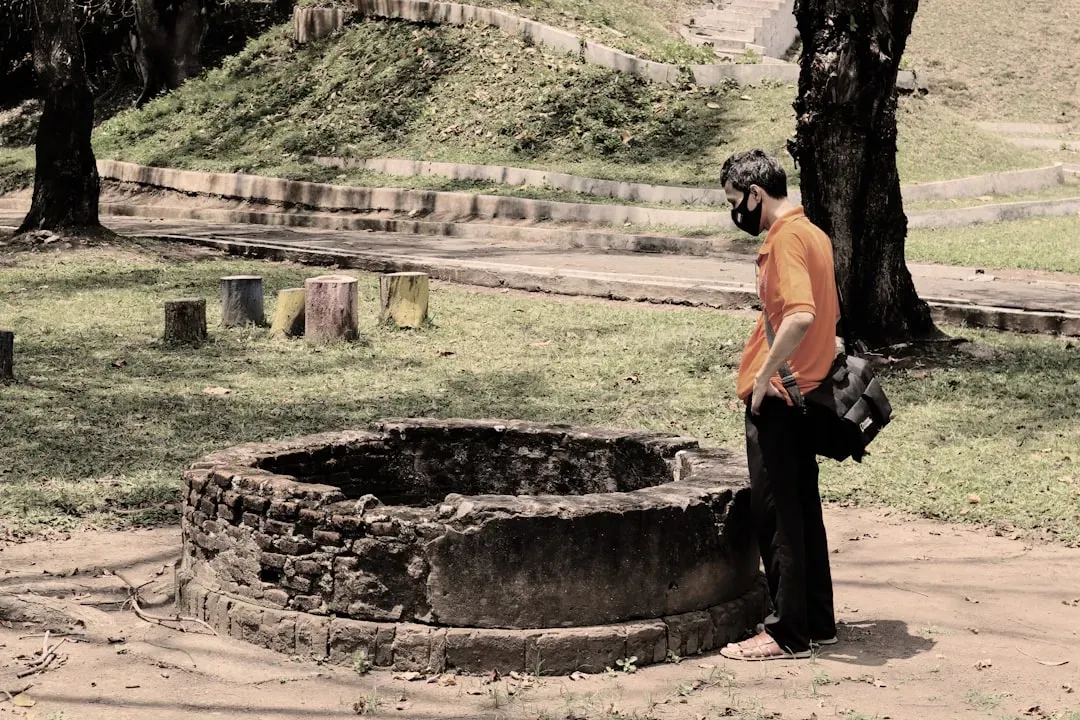
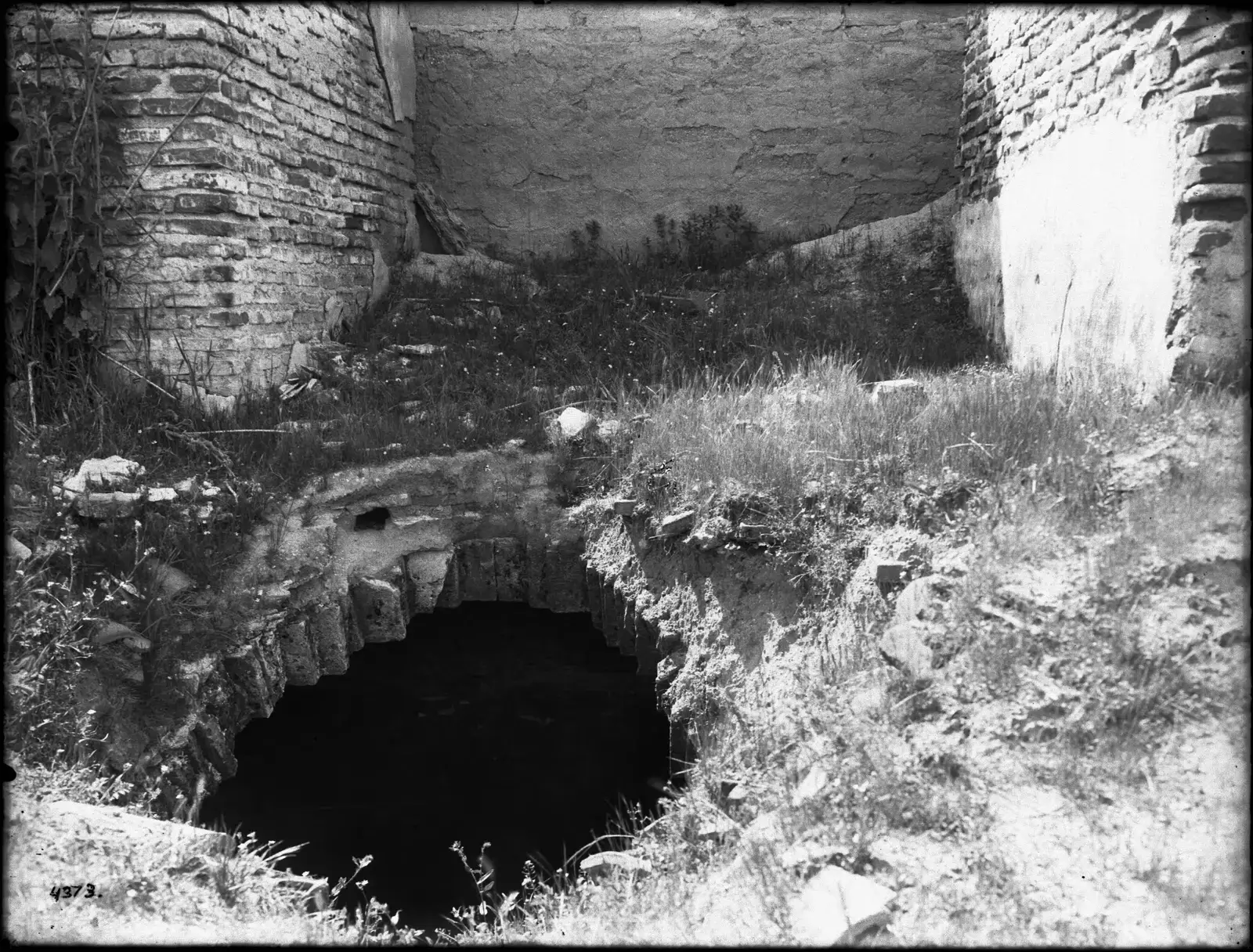
Before modern plumbing, towns survived on a patchwork of wells, cisterns, and open water channels. When those systems were abandoned, they were often simply filled in or capped and then vanished under later paving. Today, roadworks in older districts still sometimes uncover the circular stone or brick rings of forgotten wells, sitting quietly under the tarmac, full of centuries of silt and rubbish.
These features can be more than picturesque. Old wells and cisterns are significant structural hazards because their infill is often less dense than surrounding soil. Over time, that fill can settle, leading to subsidence or sudden collapses in the road above. Some high-profile sinkholes in otherwise stable areas have turned out to be the roofs of historic water structures finally giving way under modern loads.
From a scientific angle, the mud inside an old well is like a layered archive. Pollen trapped in the sediments tells you what plants grew nearby. Insects, seeds, and even microscopic charcoal fragments reveal everything from local agriculture to past fires. Sometimes, people also tossed unwanted objects into wells, turning them into accidental rubbish pits rich in small finds.
- Forgotten wells often lie directly beneath pavements or car parks.
- Their loose infill makes them prime suspects in sudden road collapses.
- The sediments inside store detailed environmental and social history.
#7 Pipes, Cables, and the “Underground Spaghetti” of Modern Infrastructure
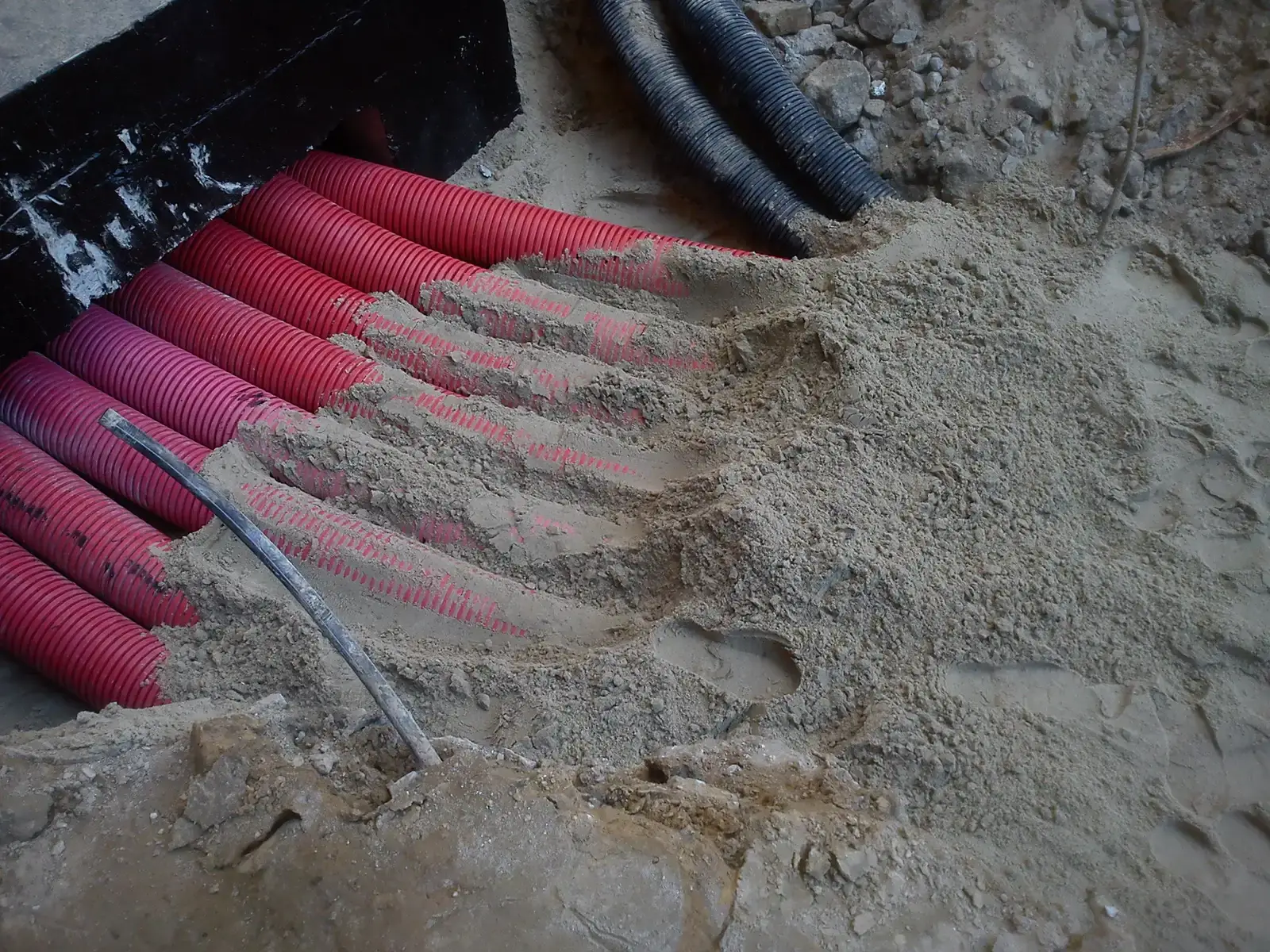
If you could peel back the paving in a busy street right now and look sideways, you would probably see something that looks like a plate of multicoloured spaghetti: pipes, cables, ducts, drains, and conduits, all crossing and looping at different depths. Much of this infrastructure was installed in stages, often with incomplete mapping, so every new set of works tends to rediscover a few forgotten or undocumented lines.
In older towns, this complexity is layered on top of historic drainage systems, culverts, and foundations. Gas pipelines might run just above an old brick sewer, while fiber-optic cables share a narrow trench with water lines dating back to the late nineteenth century. When a road is properly resurfaced, engineers sometimes take the opportunity to tidy some of this chaos, but in many streets, the tangle remains unseen until there is a leak or a failure.
This under-pavement world is a living system rather than a static ruin. Valves are turned, cables upgraded, and new connections spliced in. It is also one of the reasons urban excavations are so tightly controlled: cutting through a single unknown cable can take out power, broadband, or traffic signals for an entire neighborhood. The hidden city under the paving is as modern and vital as the one above, just darker and a lot wetter.
#8 Industrial Remains and Workshop Floors
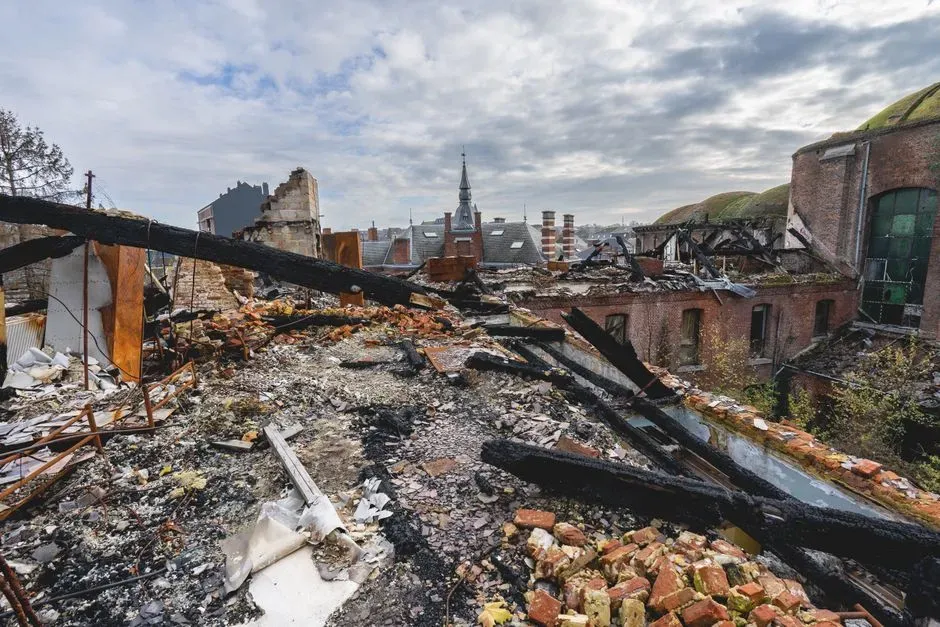
Not every town was a grand capital, but almost every town had industry of some kind – mills, tanneries, workshops, small factories. As these were demolished, the heavy machinery was removed, yet the structural guts often remained: brick-lined pits, culverts for water power, thick concrete pads that once held stamping presses, or channels for molten metal. When streets are moved or widened, these industrial features sometimes show up just under the pavement.
You might find, for example, a dense layer of cinders and slag beneath a row of modern shops, evidence of a long-vanished smithy or foundry. In port towns, buried tram rails and crane bases sometimes emerge from beneath quay-side pavements, silent reminders of earlier cargo systems. Even in residential areas, old workshop floors with distinctive stains, embedded metal fragments, or patterns of post-holes can reveal home-based crafts that left no written trace.
These remains matter because they map out forgotten economies. A town that now brands itself as a tourist destination might once have been dominated by leather tanning or metalwork, industries that shaped both its wealth and its pollution. Buried industrial floors, hidden just below everyday paving, can still carry chemical signatures of dyes, oils, and heavy metals that scientists use to reconstruct those stories – and sometimes to plan soil remediation.
#9 Animal Bones, Butchery Waste, and Food Debris

Alongside the broken pots and lost coins, another very common find under old pavements is animal bone – sometimes an astonishing amount of it. In pre-industrial towns, butcher shops, markets, and kitchens produced constant streams of organic waste. Much of it ended up in pits or open drains later sealed under streets and pavements, where it gradually mineralized and preserved.
For zooarchaeologists, these bone deposits are like ledgers of past diets. You can see which animals were eaten most, how old they were when slaughtered, what parts of the carcass were consumed locally, and which bits might have been exported or turned into other products. Evidence of cut marks and burns reveals butchery techniques and cooking styles, right down to whether meat was roasted whole or chopped into stews.
Beneath what looks like a boring car park, you might find layer after layer of mixed bones, shell, seeds, and charred plant remains. Together, they tell you not just what people ate, but also how trade networks shifted over time as certain fish species decline or new imports appear. It is hardly glamorous, but it is one of the most data-rich kinds of material routinely recovered from under urban paving.
- Bone dumps cluster near former market squares and slaughterhouses.
- Cut marks and burns show butchery and cooking habits in detail.
- Changing bone assemblages chart trade, fashion, and environment.
#10 Historic Roadside Shrines, Foundations, and Small Monuments
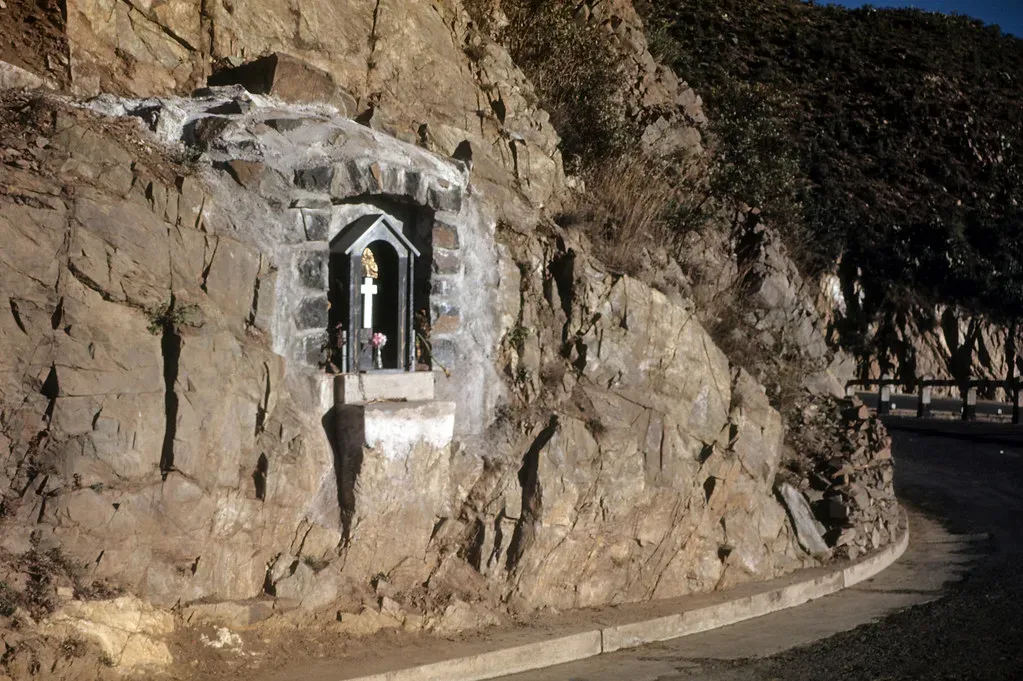
Not every monument survives in a neat, postcard-friendly way. Many of the smallest and most personal structures – roadside shrines, boundary markers, milestone foundations, tiny chapels at crossroads – were dismantled or built over as towns grew. Still, their stone plinths, postholes, and foundation trenches often remain under the paving, waiting to be noticed during repair work.
These remnants can be surprisingly informative. A line of cut-stone footings parallel to a modern street might reveal the base of a long-lost colonnade or covered walkway. A compact patch of carefully laid stones at a junction, with traces of burning or offerings, could point to a former religious or memorial spot where travelers paused. Sometimes these are known from old drawings or maps; other times, the excavation is the first hint they ever existed.
What stands out about these minor monuments is how quickly they can disappear from living memory once removed. A town may spend a lot of energy preserving its big church, while completely forgetting that a much-loved roadside cross once stood where a bus stop is now. When its foundations reappear under the pavement, there is often a brief public debate about whether to mark the spot or quietly record and reseal it. That tension between visible and invisible heritage plays out every time a dig like this happens.
#11 War Debris, Bomb Craters, and Defensive Structures
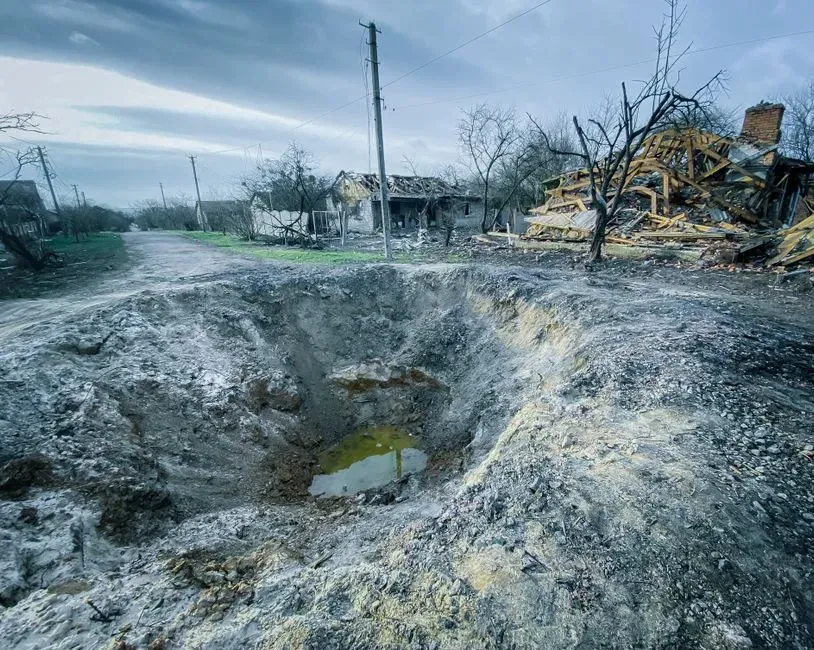
In regions touched by major wars, it is not unusual for roadworks to run into the physical aftershocks decades later. Under apparently calm, well-ordered streets, there might be backfilled bomb craters, fragments of air raid shelters, or the remains of makeshift defensive walls. In some cases, even unexploded ordnance has been discovered during construction, prompting evacuations and dramatic controlled explosions.
Beyond the headline-grabbing bombs, there is a quieter layer of war debris: shrapnel fragments, twisted rebar, scattered personal items, and rapid repair materials. Many bombed streets were patched up in a hurry with whatever rubble was available, then later resurfaced more neatly. When those emergency repairs are exposed, you can see a literal cross-section of destruction and recovery, mixed together in a single trench under the pavement.
Defensive structures can also turn up unexpectedly. Sections of anti-tank obstacles, steel rails embedded as roadblocks, or concrete foundations for barricades might lie just below modern asphalt. They are a physical reminder that the same street where people now queue for coffee once had a very different role in people’s lives – and that cities remember conflict not just in memorial plaques, but in their very ground.
#12 Early Drainage, Culverts, and Hidden Streams
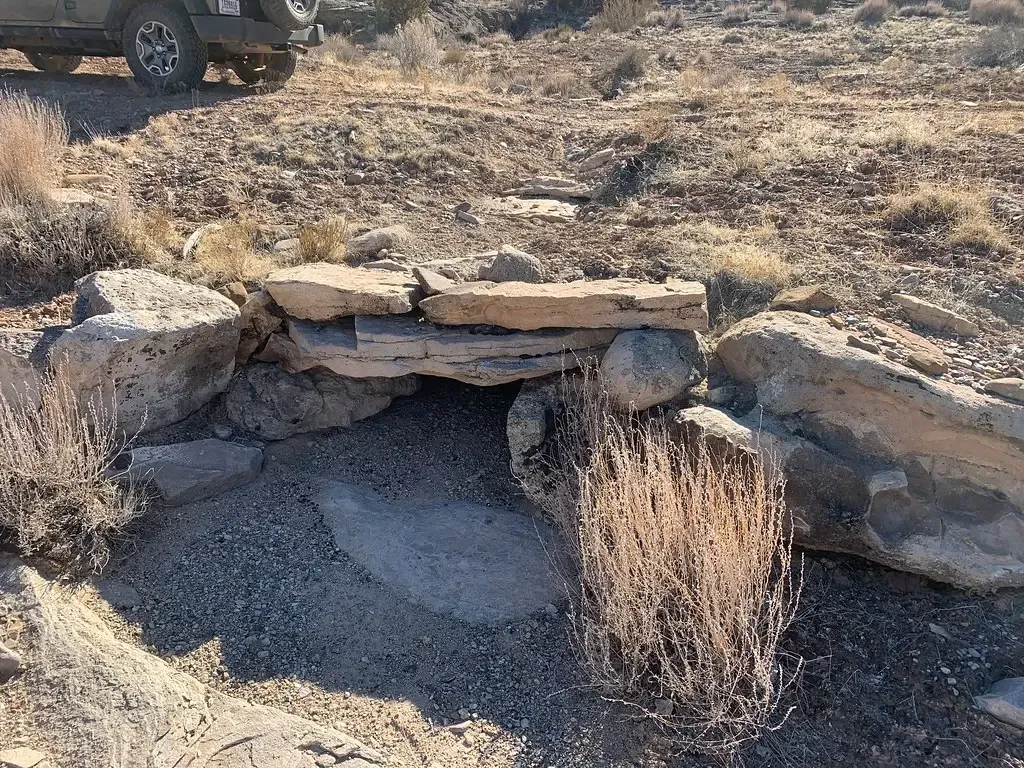
Many towns quietly sit on top of water that has been forced underground. Small rivers and streams that were once open channels often ended up culverted beneath streets to control flooding and smells. Over time, these brick or stone-lined tunnels were forgotten by everyone except a few engineers, until a collapse or a big reconstruction project exposes them again under the paving.
Some of these culverts are unexpectedly beautiful: brick arches large enough to stand in, with worn steps down from long-vanished access points. Others are rougher, just stone slabs over cut channels. Together with early ceramic or wooden drains, they form the hidden skeleton of the town’s sanitation system, built long before modern sewers standardized everything.
On top of this historic network, newer drains and stormwater systems have been patched in. When works expose them all in one view – a Victorian brick tunnel intersected by a twentieth-century concrete pipe, with a plastic storm drain on top – it becomes obvious how many compromises and adjustments lie under any old street. And sometimes, lifting the paving simply reveals that the “solid” road is actually sitting on a thin cap above a still-flowing, half-forgotten stream.
- Hidden culverts often follow the lines of former open streams.
- They can be beautifully built but structurally fragile after centuries.
- Modern drainage frequently piggybacks on or cuts through older systems.
#13 Domestic Traces: Toys, Shoes, and Household Objects
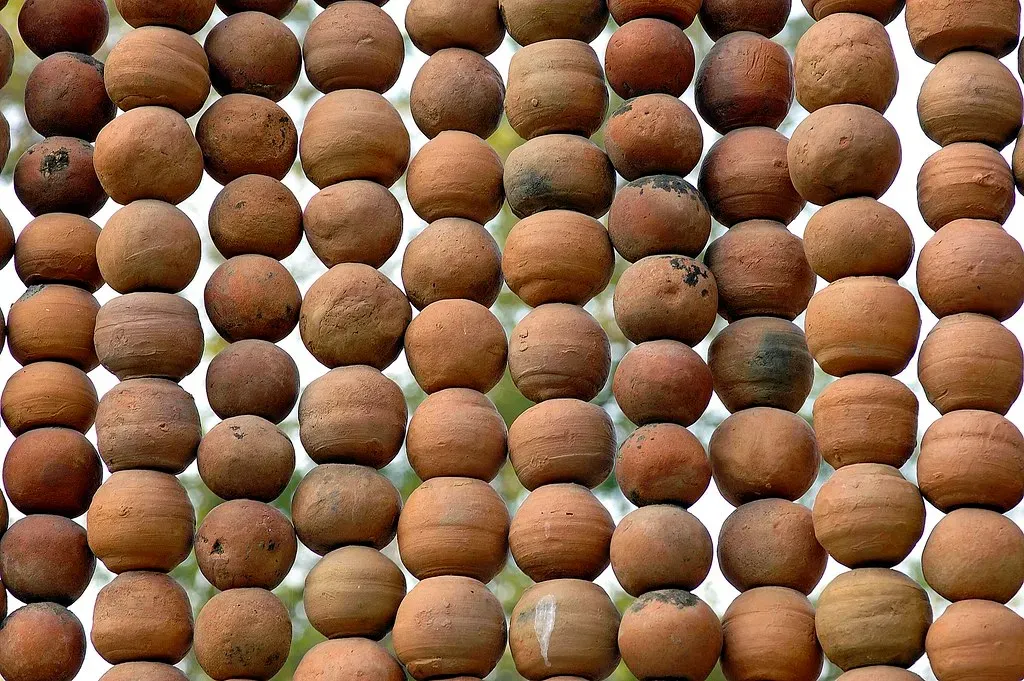
Not everything under the pavement is grand or dramatic. Some of the most affecting finds are small domestic objects once handled by children and ordinary families. Clay marbles, fragments of dolls, lost shoe soles, broken combs, and inexpensive trinkets often turn up in the compacted soils below old paving stones, especially in residential lanes and near former school sites.
Because children’s play often spilled out into the street in earlier eras, toys and small belongings were frequently lost in ruts and gutters. As those surfaces were resurfaced, the objects were trapped, forming thin but evocative layers. A single tiny leather shoe under a cobblestone, for example, says more about the presence of children in a particular alley than any census document ever could.
I find these things oddly moving. Grand narratives focus on kings, wars, and big monuments, but a tiny spinning top or a cheap bead necklace buried under a pavement tells you that kids once raced along that exact line, that parents argued, that neighbors chatted over laundry, all where we now rush past while checking our phones. Urban archaeology at street level is basically proof that ordinary life has always been messy, loud, and full of lost socks.
#14 Pollution Layers, Ash, and Disaster Debris
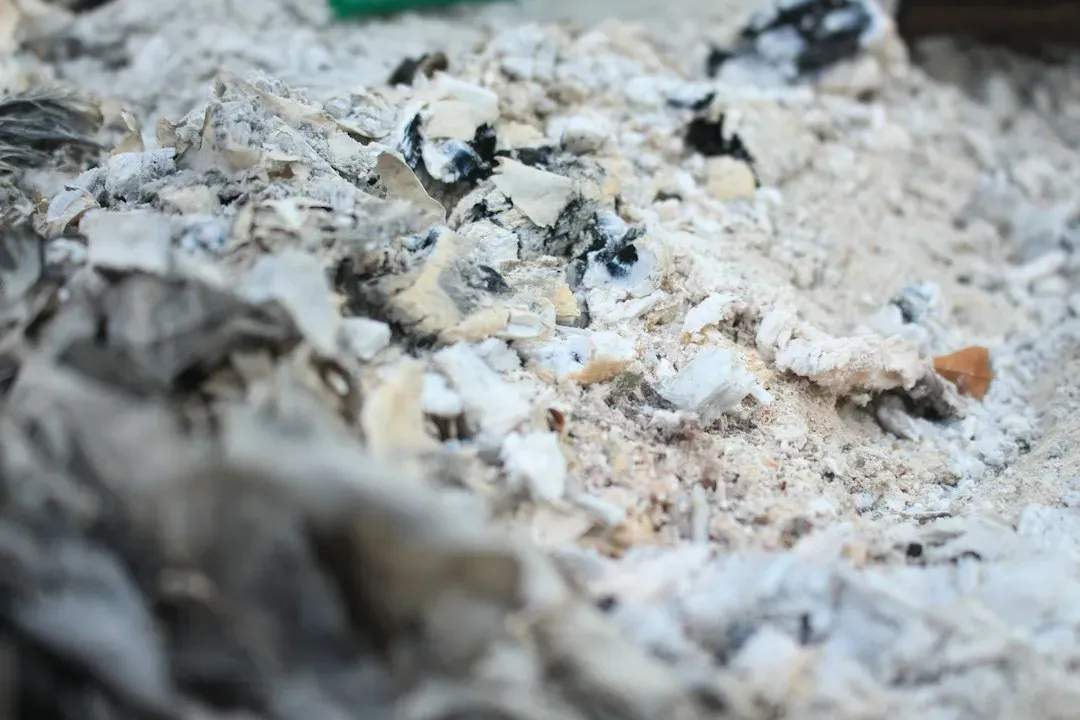
Finally, there is the darker side of what lies beneath: the literal sediment of disasters and pollution. Major fires, floods, industrial spills, and even routine coal burning have left distinct layers of ash, soot, and contaminated soil under many old pavements. These are not always visible at the surface, but in archaeological sections, they stand out as stark black or grey bands between cleaner deposits.
After a big urban fire, streets were often rebuilt quickly on top of debris. Charred beams, melted glass, and warped metal can sit in a rough layer under the current pavement, all compressed during levelling. Flood deposits, by contrast, show up as clean silts and sands full of river material, marking moments when water briefly claimed the street before draining away. Together, these layers form a kind of disaster diary, written in dirt rather than ink.
Modern science pays close attention to these buried pollution horizons. They hold clues about air quality in the coal era, heavy metal contamination from past industries, and how quickly towns recovered after catastrophe. They also raise uncomfortable questions: if so much environmental damage can be tracked in the ground under old paving, what will future archaeologists see when they slice through our own asphalt centuries from now?
Conclusion: Ordinary Streets, Extraordinary Layers
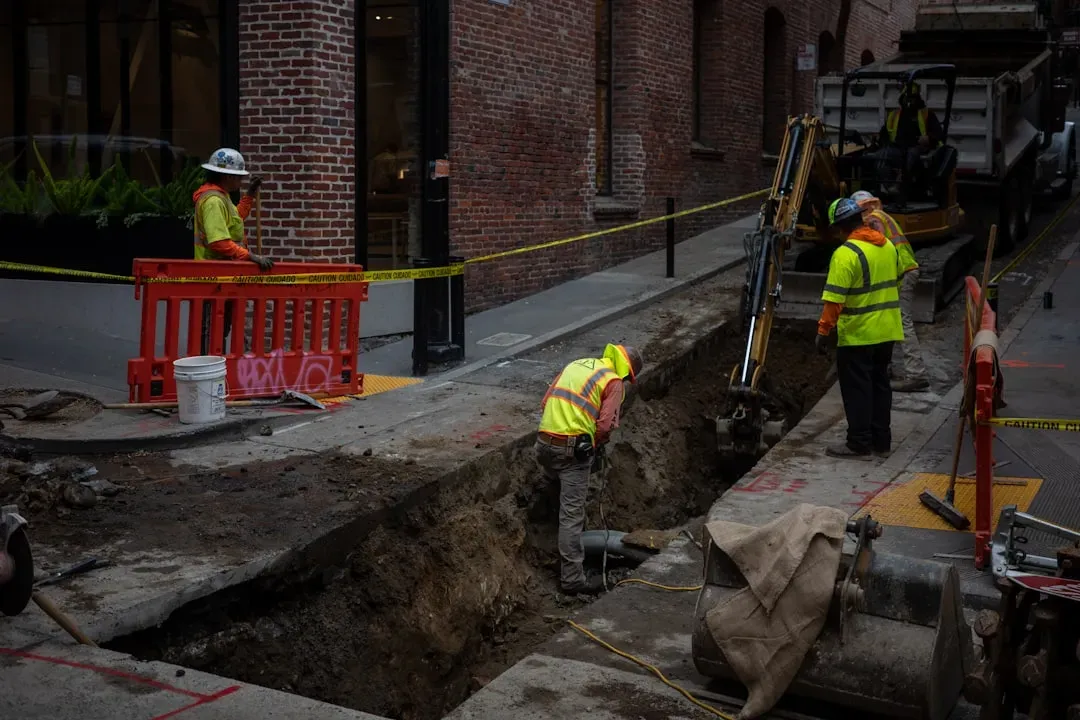
When you zoom out and look at all of this together – buried streets, forgotten wells, coins, bones, toys, tunnels, and pollution – it becomes hard to see any old paved road as truly ordinary. Every layer underfoot is a compromise between what a town chose to remember and what it decided to bury, between tidying up and quietly shoving things out of sight. In my view, that makes roadworks and utility trenches some of the most honest historical documents we have, even if they are muddy, noisy, and held up by traffic cones.
I also think we underestimate how emotionally charged this buried world really is. It is not just about stones and pipes; it is about dropped coins from nervous hands, children’s games cut short, frantic reconstruction after fires, and the quiet forgetting of graveyards and shrines. Each time a section of pavement is lifted and examined properly, another piece of that story flickers back into view before being sealed away again for another generation.
If there is a lesson here, it is that history is rarely somewhere else. It is literally under your shoes when you cross the street to buy milk. So next time you see a trench in the road, instead of just being annoyed at the traffic, maybe take a moment to wonder what layers of lives, disasters, and everyday mess are being exposed and recorded. Under the paving of your own town, what lost stories do you suspect are still waiting to be uncovered?