Ever wonder if there are creatures walking among us that share a direct lineage with the dinosaurs? You know, the massive reptiles that ruled Earth millions of years ago before vanishing into extinction. The truth might surprise you. While dinosaurs as we knew them disappeared roughly 66 million years ago, some of their relatives managed to survive, adapting and evolving into species that still roam our planet .
These animals carry with them echoes of the prehistoric world, living fossils that bridge the vast expanse of time between the age of the dinosaurs and our modern era. Let’s dive in and discover which creatures still hold that ancient connection.
Crocodiles and Alligators: The Ancient Predators
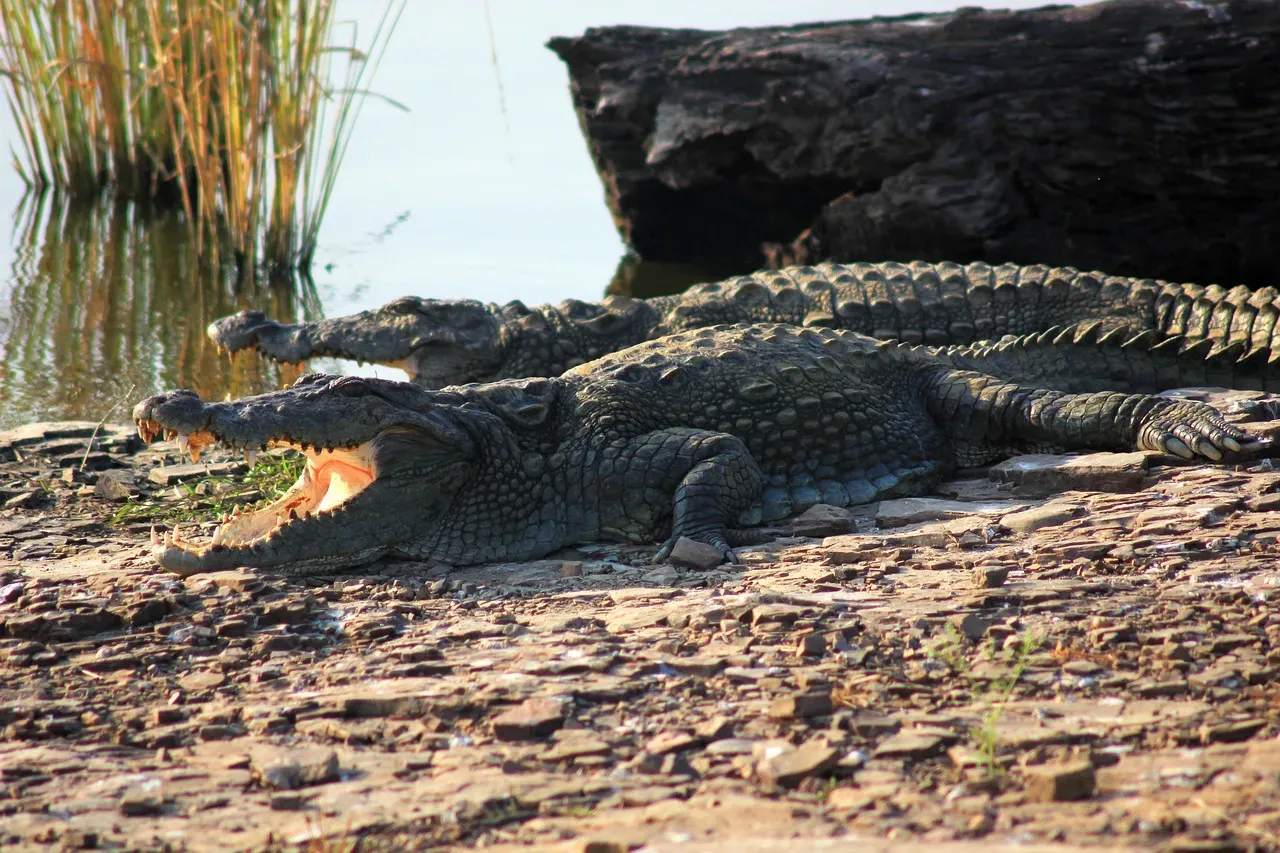
Crocodilians have been on the planet for about 240 million years. That’s right, these armored reptiles were around long before dinosaurs even walked the Earth. When you look at a crocodile basking on a riverbank with its powerful jaws and rugged, scaly skin, you’re looking at a design that has endured through countless millennia.
Crocodilians like crocodiles and alligators share common ancestors with dinosaurs too. They belong to a group called archosaurs, which also includes birds and the extinct dinosaurs themselves. While they may look unchanged after nearly 80 million years, s crocodilians are a far cry from their distant ancestors, having adapted and diversified over time. Still, their prehistoric appearance and predatory prowess make them one of the most fearsome living links to the dinosaur age.
The Tuatara: New Zealand’s Ancient Survivor
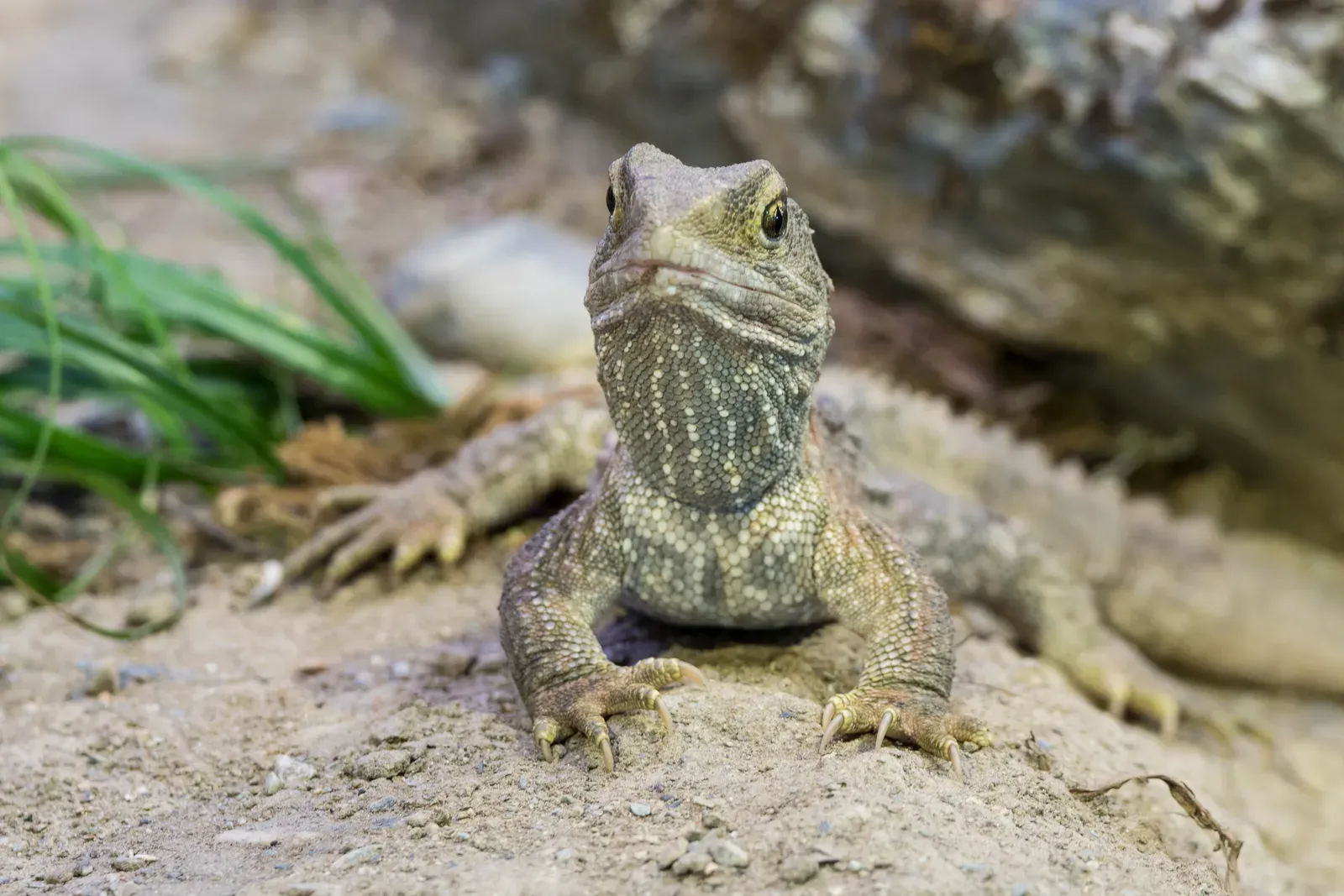
Here’s an animal you might not have heard of, but it’s absolutely fascinating. The last surviving animal within the Sphenodontia family, these lizards, native only to New Zealand, were around when dinosaurs walked the Earth. Despite looking like a lizard, tuataras are actually quite different from their scaly cousins.
These were the Sphenodontids, a once highly diverse family of reptiles now represented by one species, Sphenodon punctatus, or tuatara. They have some unusual features, like a third eye on top of their heads that’s visible in hatchlings. Scientists have found tuatara fossils dating back 150 million years, and they look exactly the same as the animals . Think about that for a moment. While the world around them changed dramatically, tuataras stayed remarkably the same, a true testament to evolutionary success.
Cassowaries: The Dinosaur Birds
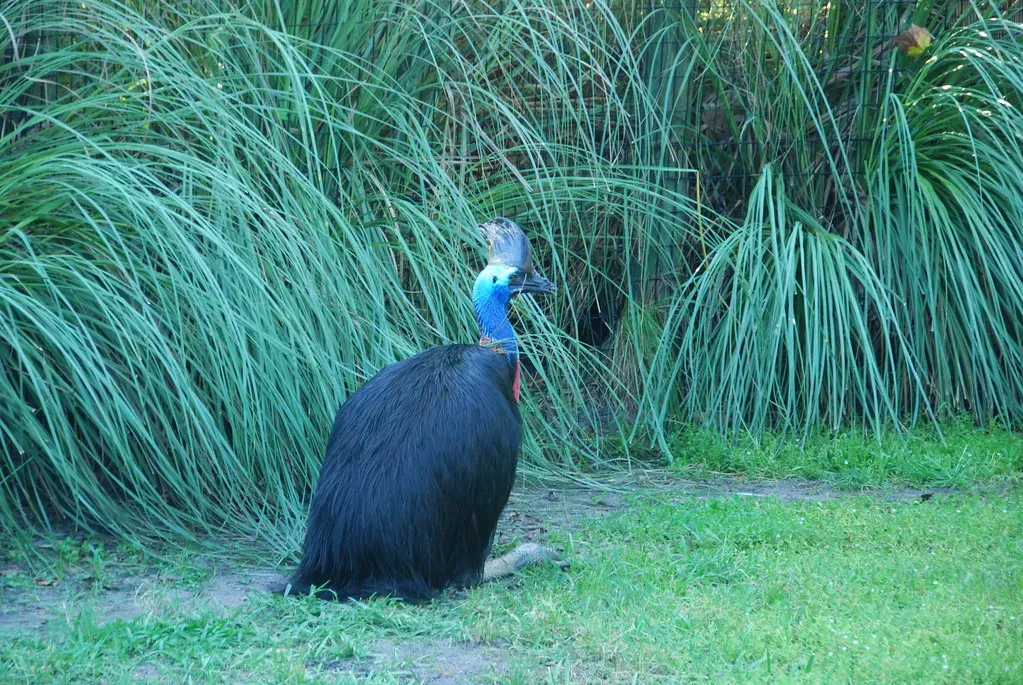
If you ever needed proof that birds are living dinosaurs, look no further than the cassowary. The southern cassowary may be the closest living relative to dinosaurs on Earth. This primitive bird is a descendant of the Corythoraptor jacobsi, a helmeted dinosaur from the Late Cretaceous period. Standing nearly six feet tall with powerful legs, razor-sharp claws, and a helmet-like casque on its head, cassowaries look like they stepped straight out of Jurassic Park.
Scientists believe cassowaries have been around for approximately 50-60 million years, which means the ancestors of ‘s cassowaries were alive in the time of the Triceratops, Tyrannosaurus, and Velociraptor. Their three-toed feet, aggressive behavior when threatened, and deep, rumbling calls that are barely within human hearing range all contribute to their dinosaur-like mystique. Honestly, if you encountered one in the wild, you’d understand why people call them living dinosaurs.
Chickens: The Unexpected T-Rex Relatives
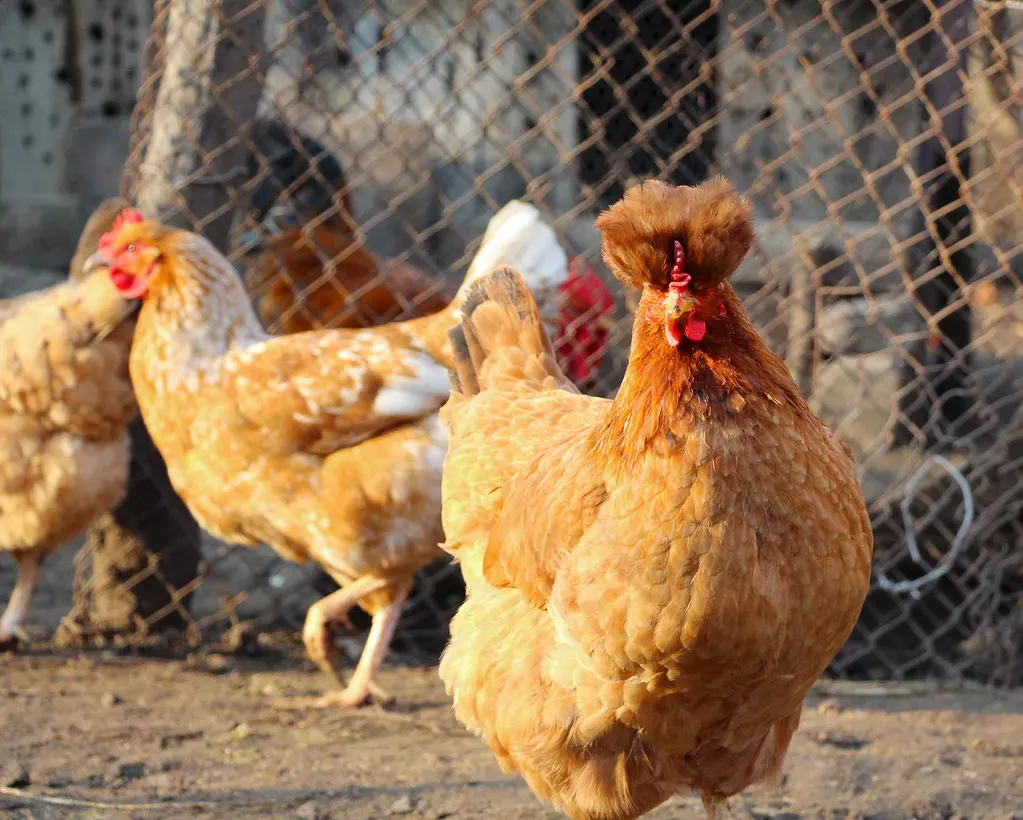
Let’s be real, this one sounds crazy, but stick with me here. Fossil studies have found that the mighty T-rex actually shares quite a considerable amount of DNA with modern-day chickens and, by extension, all birds. Yes, that humble chicken pecking around in a farmyard is a direct descendant of theropod dinosaurs, the same group that included Tyrannosaurus rex and Velociraptors.
Birds descended from a group of two-legged dinosaurs known as theropods, and while they’ve evolved to become smaller and less fearsome, the connection is undeniable. Next time you see a chicken strutting around, imagine it with scales instead of feathers and teeth instead of a beak. Suddenly, that barnyard bird doesn’t seem quite so ordinary, does it?
Komodo Dragons: The Prehistoric Monitors
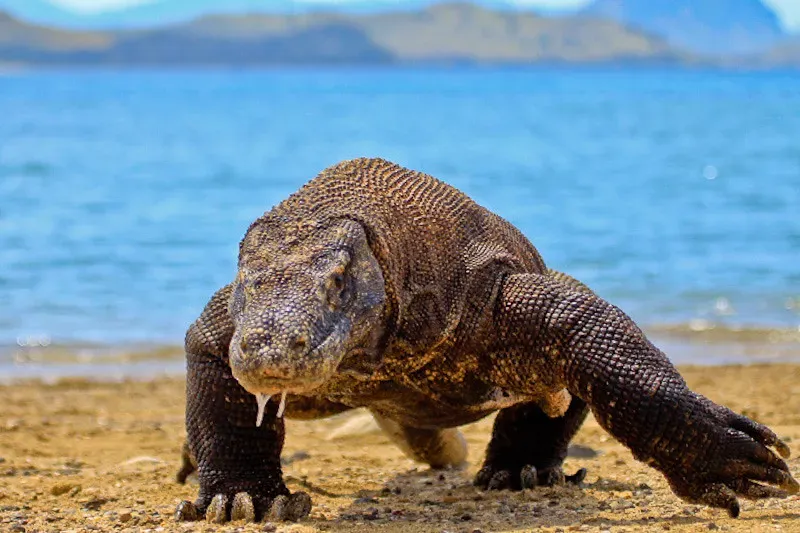
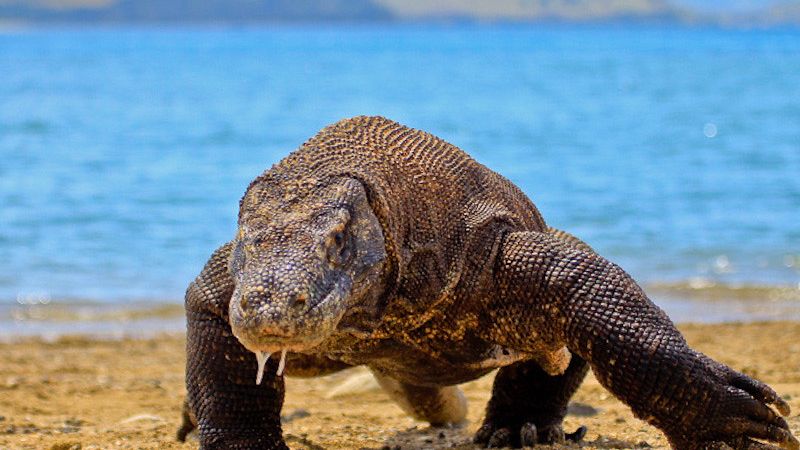
The Komodo dragon (Varanus komodoensis) is the largest extant species of lizard, with the males growing to a maximum length of 3 m (10 ft) and weighing up to 150 kg (330 lb). These massive predators from Indonesia look like they belong in a prehistoric landscape, and in many ways, they do. Fossil evidence suggests that large monitor lizards have existed for millions of years, and the Komodo dragon retains many features associated with prehistoric predators.
Fossils from across Queensland demonstrate that the Komodo dragon was once present in Australia, with fossils spanning from the Early Pliocene (~3.8 million years ago) to the Middle Pleistocene, showing just how ancient this lineage truly is. With their powerful limbs, serrated teeth, and venomous bite, Komodo dragons are apex predators that embody the raw power of the prehistoric world.
Sharks: Older Than Dinosaurs
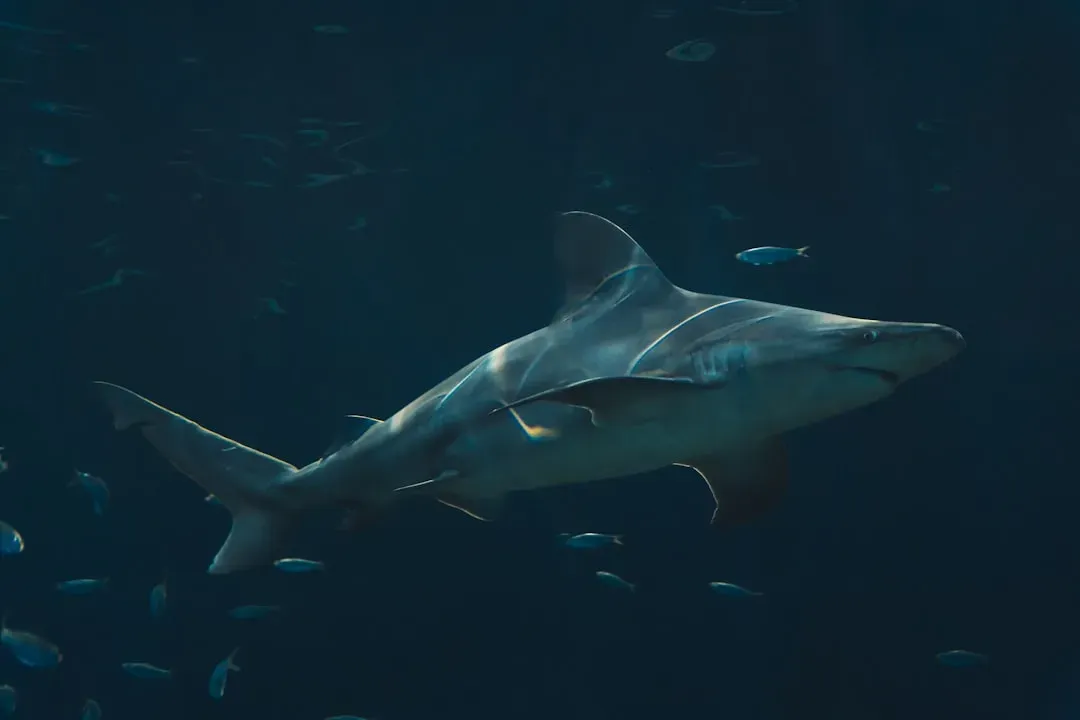
If you thought dinosaurs were ancient, consider this: Sharks have been around longer than almost any other animal on the planet – over 450 million years to be exact. That means sharks existed before dinosaurs even emerged, making them true living fossils. They’ve survived five mass extinction events that wiped out countless other species.
The sharks we know and love are descended from creatures that were around millions of years before dinosaurs were even a concept. Their streamlined bodies, acute senses, and predatory efficiency have made them one of the ocean’s most successful designs. While ancient sharks looked quite different from modern species, the basic blueprint has endured for an almost incomprehensible span of time.
Horseshoe Crabs: The Ultimate Survivors
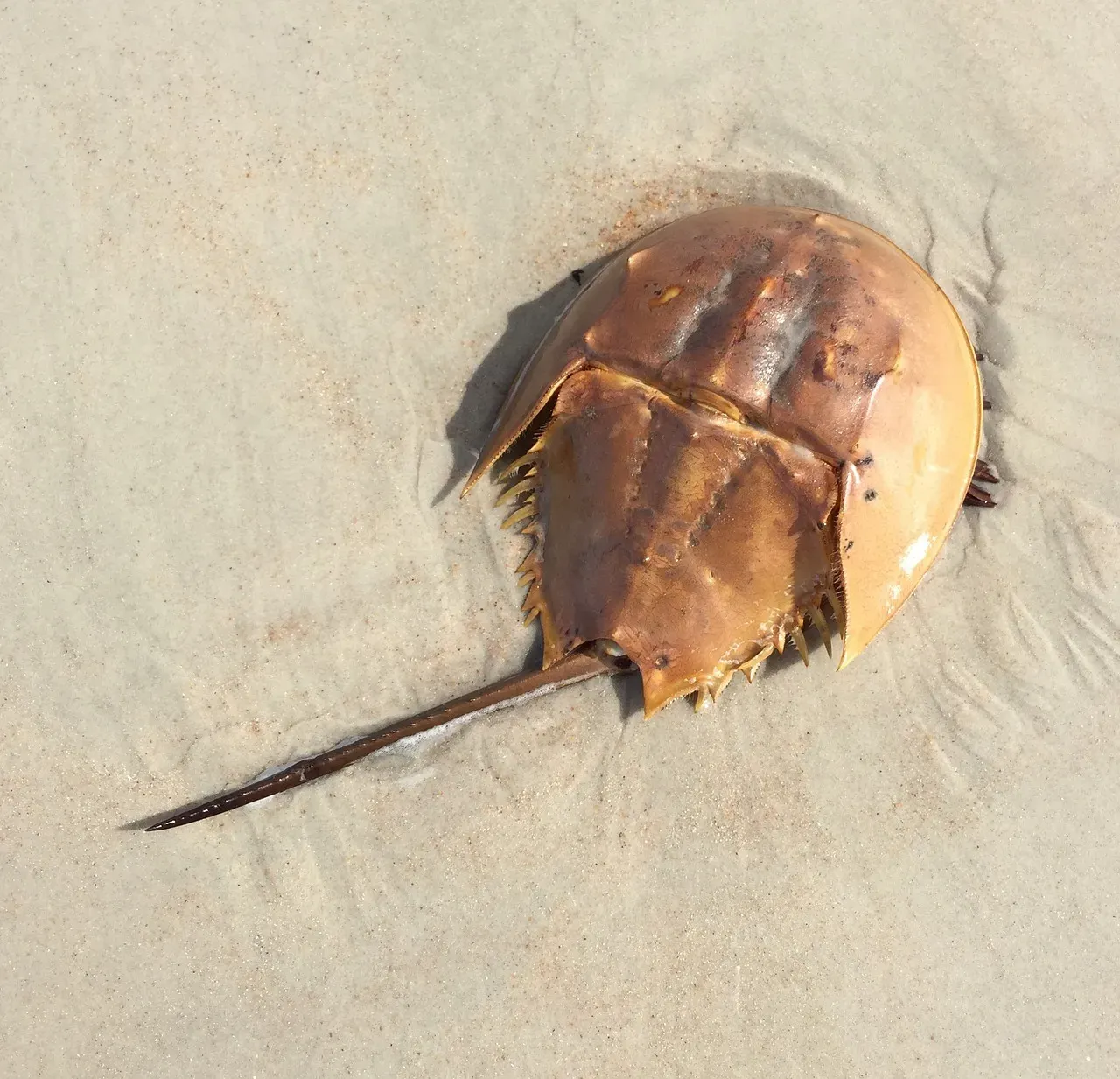
Horseshoe crabs have been described as “living fossils”, having changed little since they first appeared in the Triassic around 250 million years ago, and similar-looking fossil xiphosurans extend back to the Ordovician around 445 million years ago. Despite their name, these creatures aren’t actually crabs at all. They’re more closely related to spiders and scorpions.
Horseshoe crabs have become some of the nature’s most-enduring organisms; much like sharks, they’ve survived at least four of the planet’s biggest extinction events, including the one that killed the dinosaurs. Their blue, copper-based blood has unique properties that make it invaluable to medical research, helping to ensure that medicines and medical devices are safe for humans. These ancient arthropods have played a crucial role in our modern world while maintaining their prehistoric form.
Sea Turtles: Shelled Dinosaur Cousins
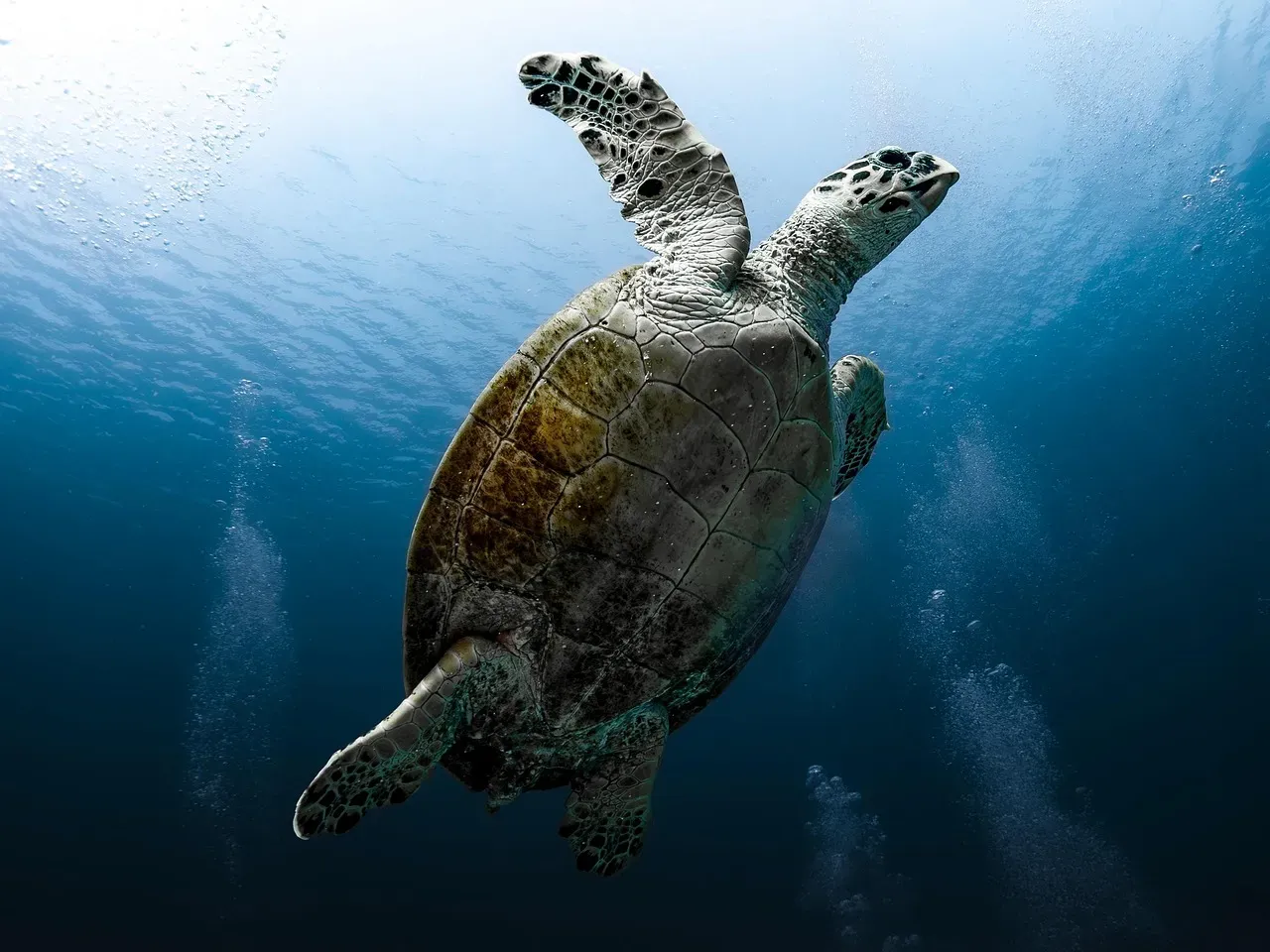
Recent studies have shown that turtles belong in the group Archelosauria, along with relatives like birds, crocodiles, and – you guessed it – dinosaurs. Turtles evolved alongside dinosaurs, with sea turtles emerging as a distinct type about 110 million years ago. These gentle ocean dwellers have been navigating Earth’s seas for an incredibly long time.
All living species of sea turtle have origins that can be traced back to ancient times; about 80 million years ago, a genus of extinct sea turtles called Archelon swam the oceans. Those ancient turtles were massive, reaching over four meters in length. While modern sea turtles are smaller, they still carry that ancient lineage, gliding through the oceans much as their ancestors did when dinosaurs ruled the land.
Ostriches: Feathered Giants With Ancient Roots
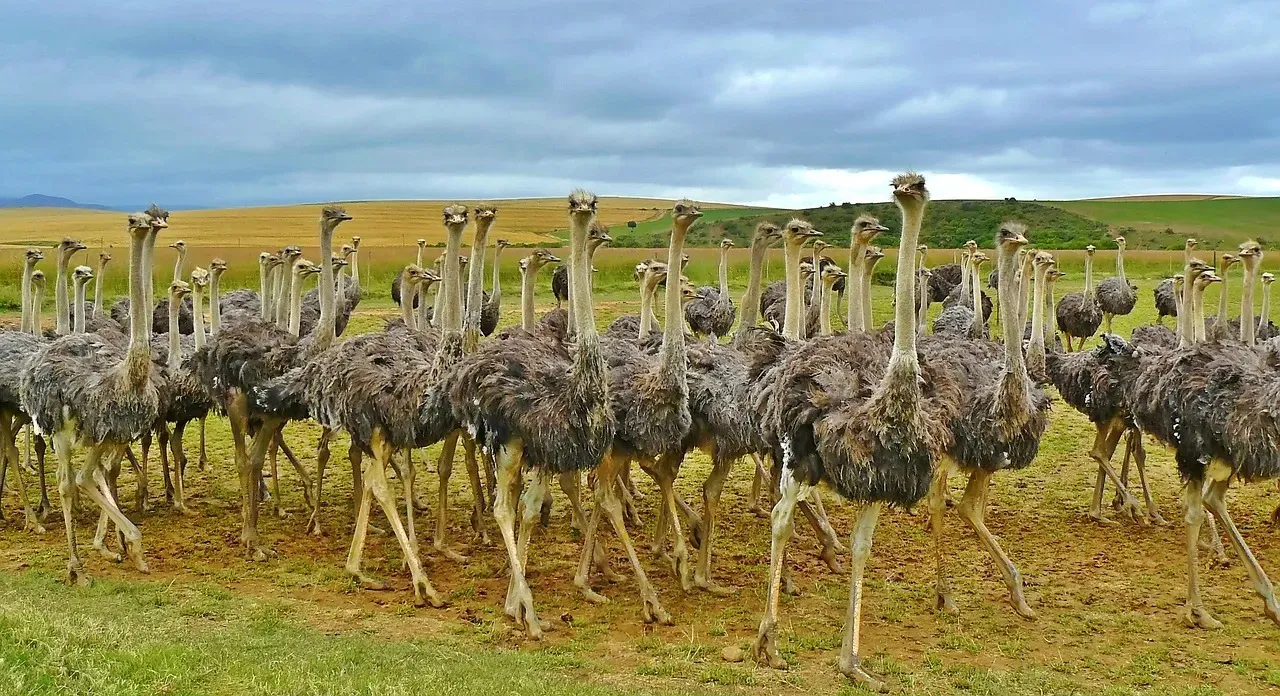
Ostriches are closely related to a species of dinosaur dating back to the late Cretaceous period. When you think about it, this makes sense – because ostriches do have something of a dinosaur look about them. As the largest living birds on Earth, ostriches stand up to nine feet tall and can run at speeds exceeding 40 miles per hour.
Their powerful legs, long necks, and inability to fly connect them to their theropod ancestors. Like cassowaries, ostriches are ratites, a group of flightless birds that evolved from flying ancestors. Their size, speed, and aggressive behavior when threatened all harken back to a time when their dinosaur relatives dominated the landscape.
The Shoebill Stork: Africa’s Prehistoric Sentinel
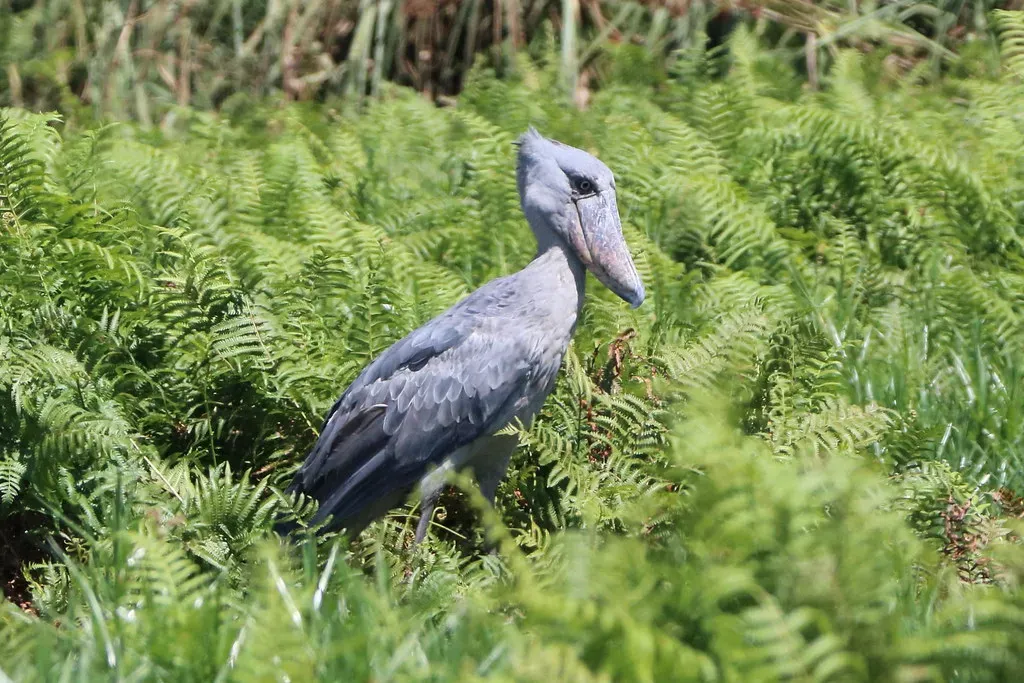
Standing motionless in the swamps of East Africa, the shoebill stork looks like something that time forgot. Fossil evidence suggests that shoebill storks have been around for at least 30 million years, with their earliest ancestors likely living in Africa during the Eocene epoch. With its massive, shoe-shaped bill and piercing stare, this bird seems to belong to another era entirely.
The species has remained almost unchanged for millions of years, making it a true “living fossil.” The shoebill’s hunting technique is remarkable – it can stand absolutely still for hours, waiting for the perfect moment to strike with lightning speed. Its bill is powerful enough to catch large fish and even small crocodiles. Despite its stork-like appearance, genetic evidence places it closer to pelicans, adding another layer of mystery to this prehistoric-looking bird.
The natural world still holds incredible connections to the age of dinosaurs, reminding us that the past isn’t as distant as we might think. These ten animals represent evolutionary success stories, creatures that have endured through mass extinctions, climate changes, and millions of years of evolution while retaining characteristics that link them directly to the dinosaur age. Each one offers us a living window into prehistoric times, allowing us to glimpse what life might have been like when giant reptiles ruled the Earth.
What do you think about these amazing living fossils? Did any of them surprise you?