Every few years, someone digs up a piece of ancient bone and the entire scientific world has to pause, reassess, and rewrite the textbooks. It sounds dramatic, but that’s exactly what keeps happening in paleontology. What we thought we knew about dinosaurs has been overturned, revised, and sometimes completely flipped on its head, not just once, but repeatedly.
From tiny chicken-sized creatures with world-altering implications to enormous titans buried beneath South American farmland, the fossil record keeps delivering surprises that no one saw coming. Some of these finds redrew the map of where dinosaurs lived. Others revealed that the beasts we grew up fearing looked nothing like we imagined. So, prepare to have a few assumptions shattered. Let’s dive in.
1. Ahvaytum bahndooiveche: North America’s Oldest Dinosaur Turns the Origin Story Upside Down
For decades, scientists were fairly confident that dinosaurs originated in the southern hemisphere, on the ancient supercontinent of Gondwana. The northern hemisphere, it was thought, came to the dinosaur party much later. Then a handful of tiny fossils from Wyoming quietly changed everything. With a recent radioisotopic analysis of the fossil specimens dating the remains to around 230 million years old, a tiny creature named Ahvaytum bahndooiveche is now the oldest-known dinosaur from Laurasia, the Northern Hemisphere land mass of the late Paleozoic supercontinent Pangea.
Until this discovery, the origin of dinosaurs was thought to be deeply rooted in the high-latitude southern hemisphere, and the oldest known dinosaur occurrence in the northern hemisphere was separated from Gondwanan faunas by six to ten million years. The newly described Laurasian species, however, lived at the same time as the oldest known southern dinosaurs. What’s also remarkable is the story behind its name. Members of the Eastern Shoshone Tribe, whose ancestral lands include the site where these fossils were found, were involved in conducting the field work and in choosing the species’ name, which translates broadly to “long ago dinosaur” in the Shoshone language. Honestly, that detail alone is worth pausing to appreciate.
2. The Dueling Dinosaurs and the Nanotyrannus Debate That Finally Got Resolved
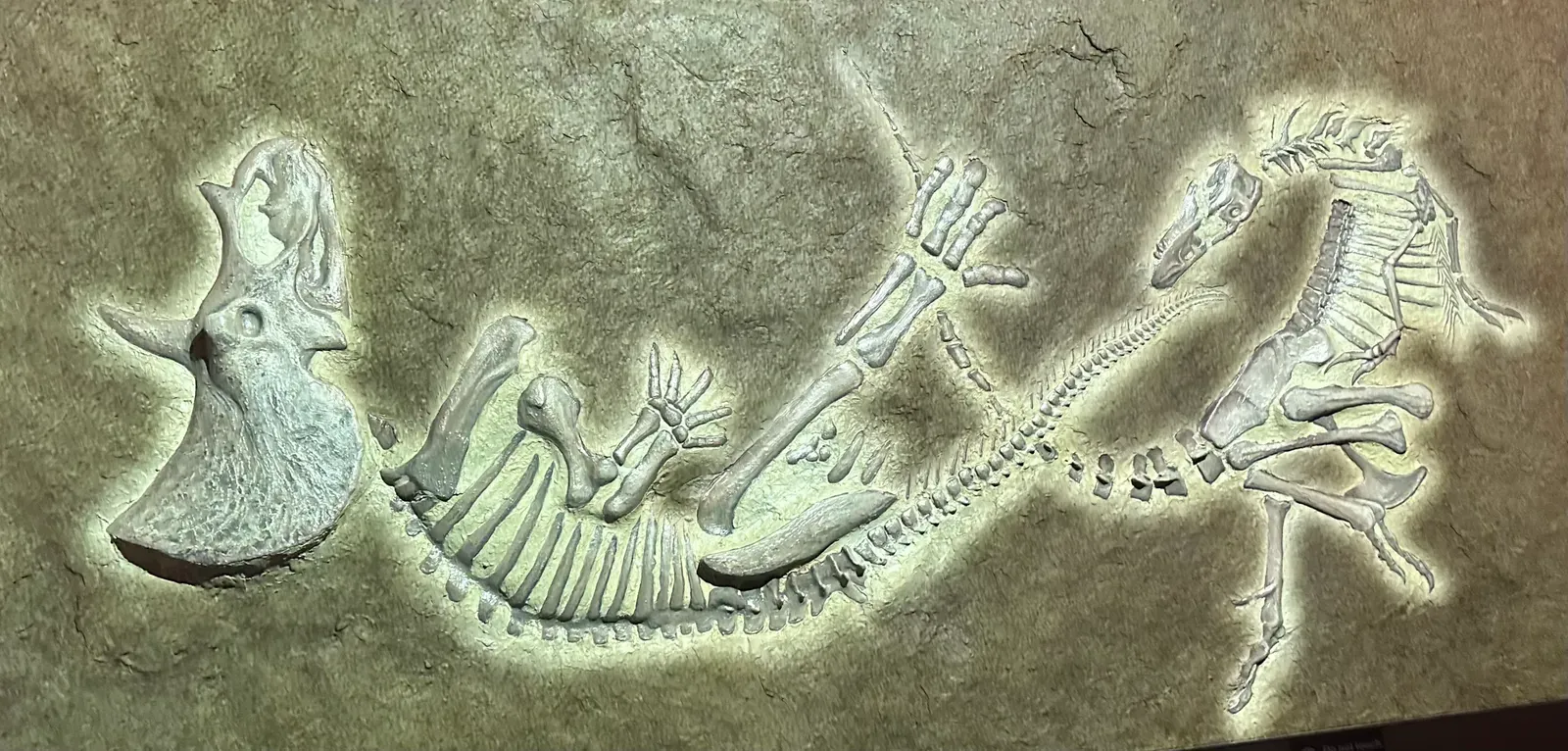
Here’s a controversy that kept paleontologists arguing for over three decades. When medium-sized tyrannosaur fossils were found alongside T. rex remains, the big question was simple but fierce: were they juvenile T. rex individuals, or a completely separate predator? Since the predatory creature was first named in 1988, paleontologists argued over whether medium-sized tyrannosaur fossils found in the same rocks as the iconic Tyrannosaurus rex were juvenile T. rex or a unique and distinct predator, Nanotyrannus. In recent years, the bulk of the evidence appeared to favor the juvenile T. rex hypothesis.
Then came the Dueling Dinosaurs specimen, and the answer finally arrived. The fossil, part of the legendary “Dueling Dinosaurs” specimen unearthed in Montana, contains two dinosaurs locked in prehistoric combat: a Triceratops and a small-bodied tyrannosaur. That tyrannosaur is now confirmed to be a fully grown Nanotyrannus lancensis, not a teenage T. rex, as many scientists once believed. The consequences are massive. This discovery completely reframes the idea that T. rex was the lone predator of its time, and we now know multiple tyrannosaur species coexisted in the last million years before the asteroid impact, suggesting a richer, more competitive ecosystem than previously imagined.
3. Archaeopteryx: The Bird-Dinosaur Bridge That Shook Victorian Science
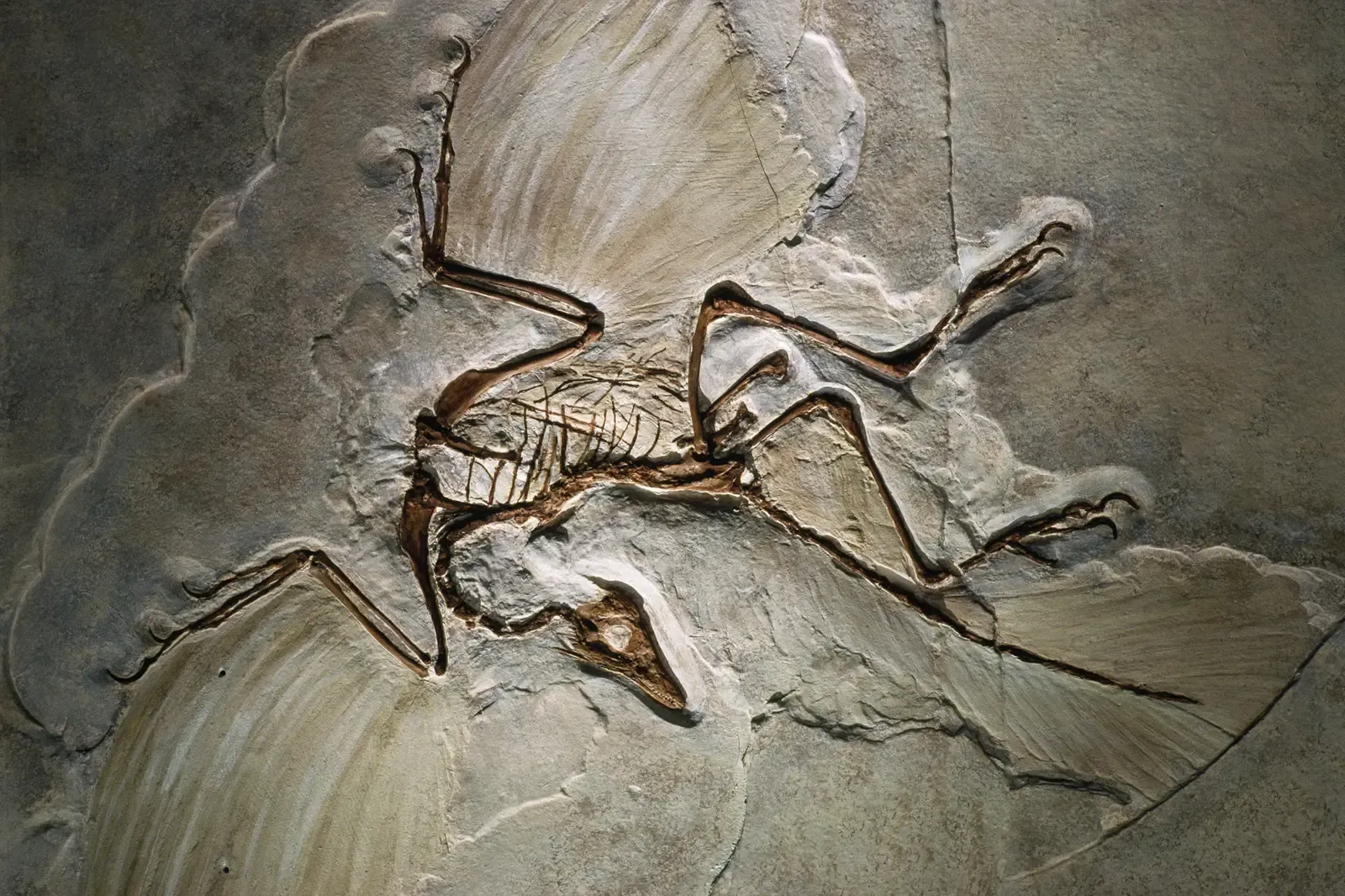
Imagine the timing. The type specimen of Archaeopteryx was discovered just two years after Charles Darwin published On the Origin of Species. Archaeopteryx seemed to confirm Darwin’s theories and has since become a key piece of evidence for the origin of birds, the transitional fossils debate, and confirmation of evolution. You almost couldn’t script it better. A creature with feathers, wings, and a wishbone, yet also possessing a mouth full of sharp teeth and a long, bony tail, appeared right when the world was debating whether species could evolve at all.
Archaeopteryx shared features with the dromaeosaurids and troodontids: jaws with sharp teeth, three fingers with claws, a long bony tail, hyperextensible second toes, feathers, and various features of the skeleton. These features make Archaeopteryx a clear candidate for a transitional fossil between non-avian dinosaurs and avian dinosaurs (birds). Think of it like finding a creature that’s half car, half horse. It doesn’t fit neatly into either category, and that’s precisely what makes it so important. Recent studies have challenged the notion of Archaeopteryx as the definitive “missing link” between dinosaurs and birds, suggesting that other feathered dinosaurs may have predated it, yet Archaeopteryx continues to be a pivotal subject in paleontology, embodying the intricate evolutionary history that connects reptiles and modern birds.
4. Patagotitan mayorum: When a Rancher Found the Largest Animal to Ever Walk the Earth
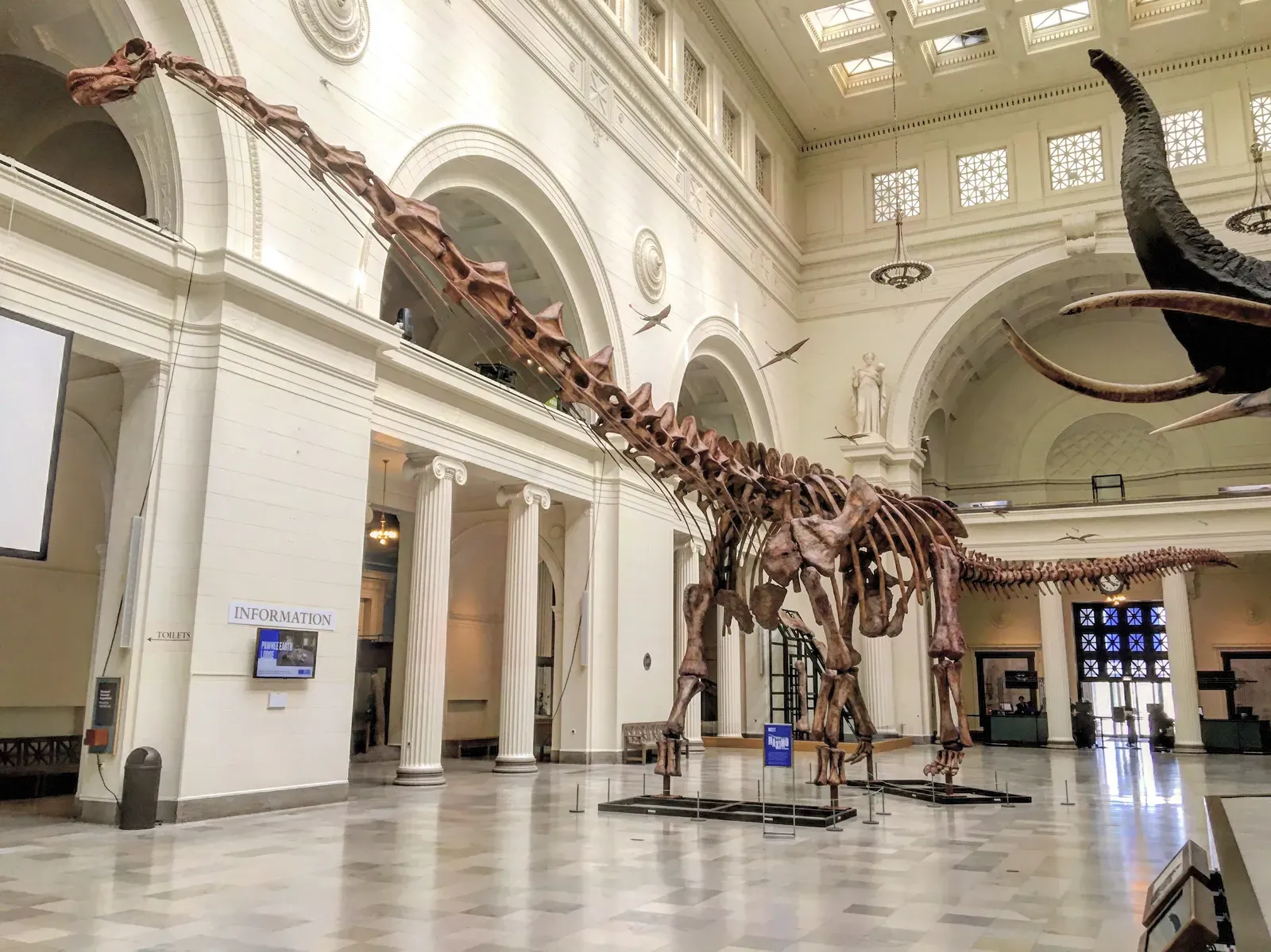
Sometimes the most extraordinary discoveries start with a casual walk across a field. In 2010, a rancher was working on a rural farm in the Argentine desert when he found a huge fossil sticking up from the ground. At first, it was believed the object was a huge piece of wood. It was only when he visited a museum some time later that he recognized the fossil might be something else, and alerted paleontologists. After two weeks of digging, an enormous thigh bone was unearthed.
What followed rewrote the record books entirely. This incredible find was the most complete skeleton of the titanosaur group ever unearthed, and the discovery revealed that the species might be one of the largest land animals to have ever existed. Patagotitan mayorum is estimated to have been about 77 tons and 122 feet long, which would make it the largest dinosaur we know of. To put that in perspective, Patagotitan weighed about 70 tons in life, as much as 10 African elephants. And here’s the kicker. An analysis of five femur bones and one humerus revealed that these individuals “had not stopped growing” when they died. That’s a world-record holder that hadn’t even hit its peak.
5. Maiasaura and Egg Mountain: Dinosaurs Were Actually Caring Parents
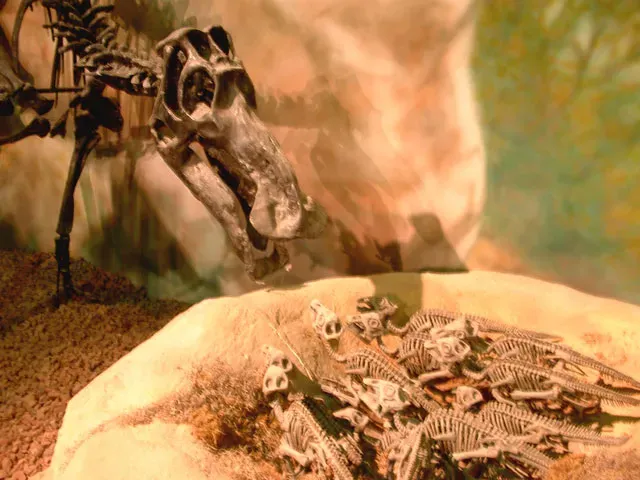
For much of the twentieth century, dinosaurs were painted as cold-blooded, instinct-driven creatures that abandoned their eggs and wandered off without a second glance. Then Montana’s Egg Mountain showed up and flipped that assumption completely. The Maiasaura fossils were found in a large nesting colony in Montana in 1978, with eggs, embryos and young animals all discovered inside nests. This provided evidence for the first time that some giant dinosaurs raised and fed their young in the nest, which informed their name, Maiasaura, from the Greek goddess Maia, the “Good Mother.” It also changed the name of the area where they were found, which became known as “Egg Mountain.”
The implications reached far beyond one species. Evidence suggests that all dinosaurs were egg-laying, and that nest-building was a trait shared by many dinosaurs, both avian and non-avian. Suddenly, the image of dinosaurs as mindless, solitary giants crumbled. They were nurturing. They were attentive. They formed colonies. It’s a bit like finding out your cold, distant neighbor has a whole room dedicated to raising baby kittens. You just never saw that side before.
6. Spicomellus afer: The Punk Rock Dinosaur That Rewrote Ankylosaur Evolution
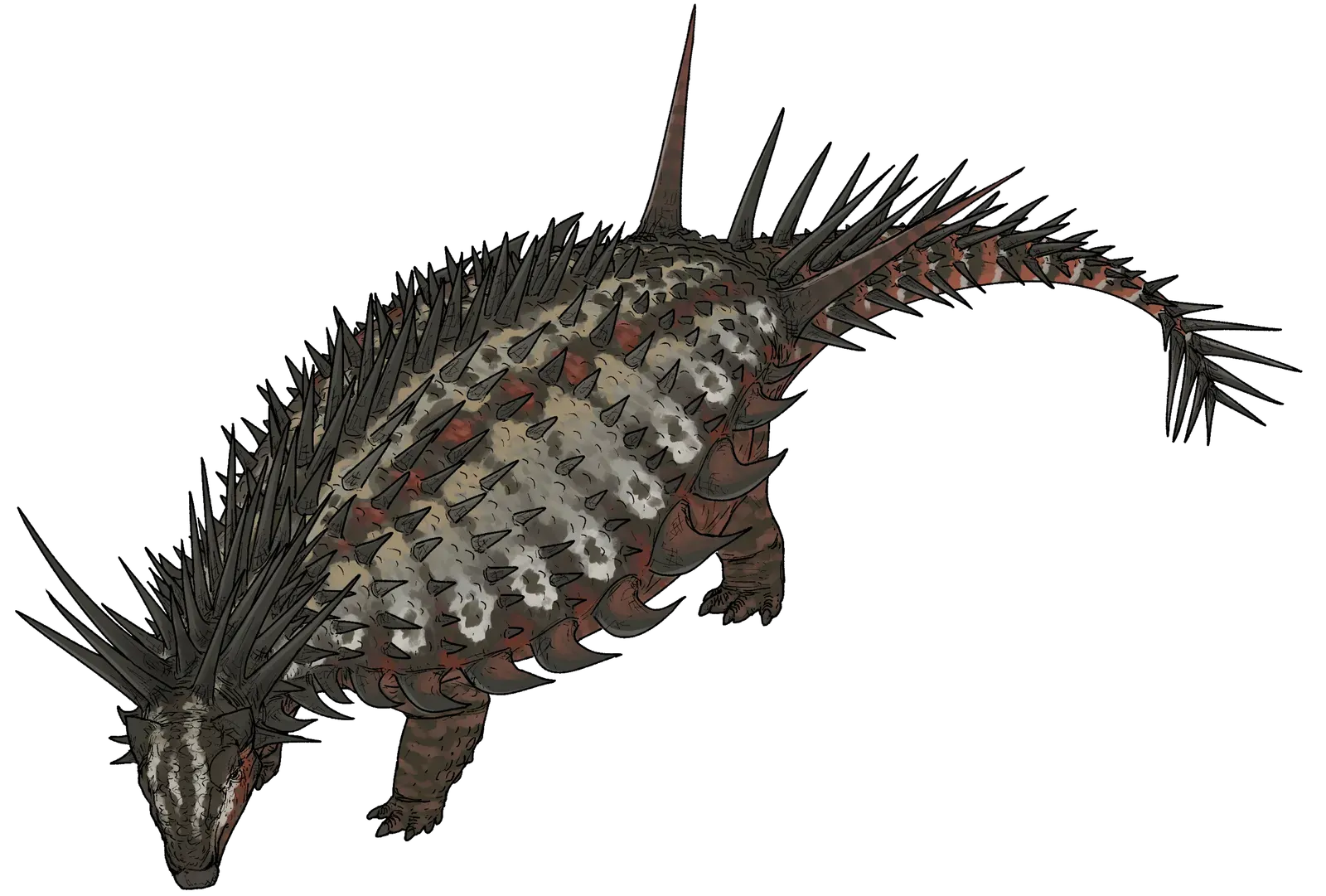
Most people picture armored ankylosaurs as creatures of the late Cretaceous, slowly evolving their defensive weaponry over tens of millions of years. Spicomellus afer, the so-called “punk rock dinosaur,” had other ideas. What makes this all the more astounding is that, at 165 million years old, Spicomellus is the oldest known ankylosaur. That alone would be remarkable, but the full picture is even wilder.
A recent expedition came away with much more of the skeleton than researchers could have hoped for, revealing that the dinosaur’s entire body was covered in spikes. As well as its spiked ribs, Spicomellus had huge spikes projecting out of its hips, a tail weapon, blade-like bones running down its sides and a bony collar ringed with spikes. The longest are believed to have been more than a metre long, sticking out from either side of its neck. The evolutionary timeline here is staggering. The armored dinosaur was more than 165 million years old and yet had large spikes and a tail club normally associated with ankylosaurs that lived tens of millions of years later. The dinosaur’s anatomy demonstrated that ankylosaurs evolved extremely spiky armor very early in their history. The lesson? Never assume an animal needed millions of years to develop its most extreme features.
7. Alnashetri cerropoliciensis: The Patagonian Rosetta Stone for a Mysterious Lineage
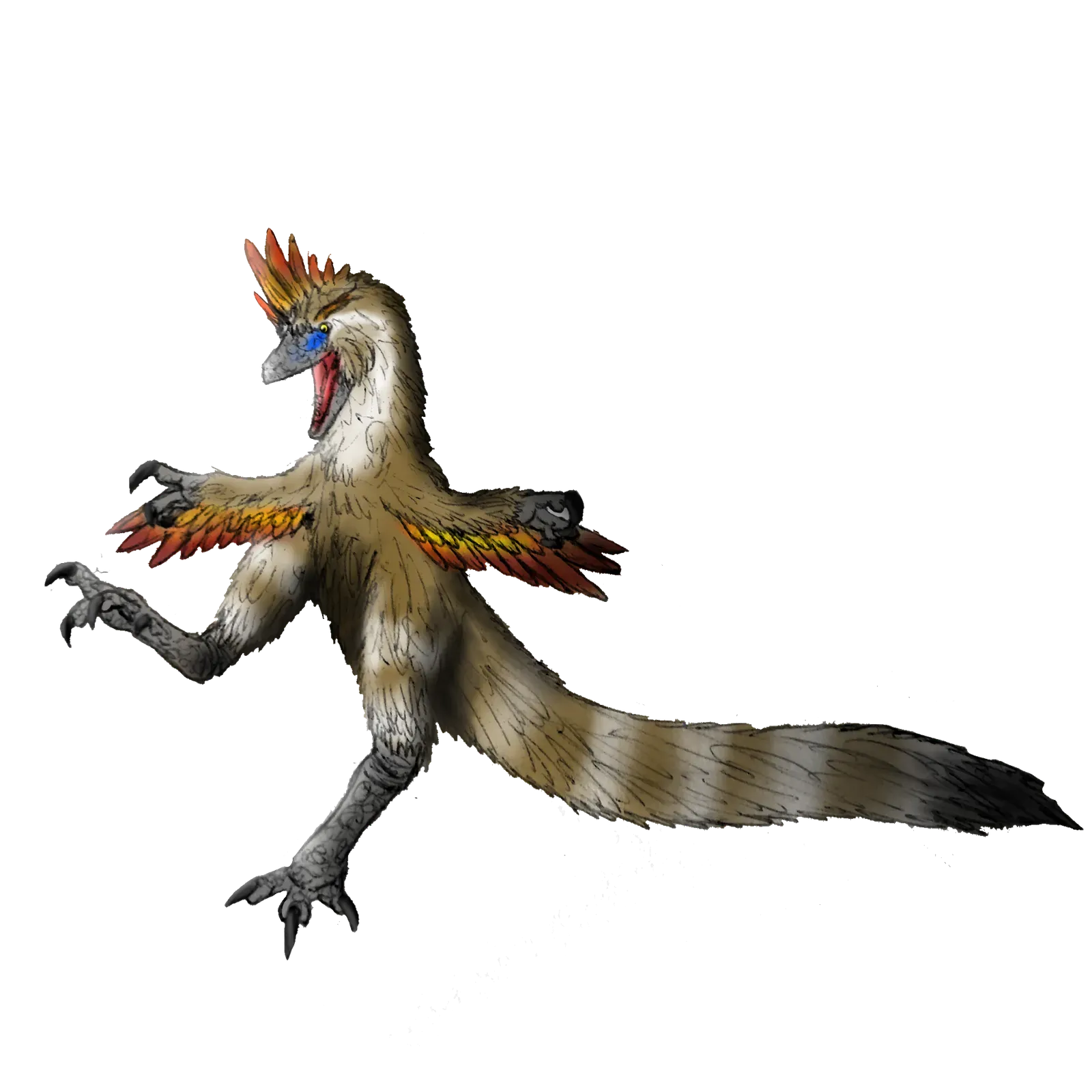
For decades, a group of tiny, bird-like dinosaurs called alvarezsaurs baffled scientists. They had stubby arms ending in a single oversized thumb claw, tiny teeth, and a body plan that didn’t fit neatly into the evolutionary tree. Alnashetri belongs to a group of bird-like dinosaurs known as alvarezsaurs, which are famous for their tiny teeth and stubby arms ending in a single large thumb claw. For decades, they remained a mystery because most of the well-preserved fossils were found in Asia, while records from South America were fragmented and difficult to interpret.
In 2014, the almost complete fossil of Alnashetri was discovered in northern Patagonia, Argentina, at a site world-renowned for its exquisite Cretaceous fossils. The species was originally named a few years prior based on fragmentary remains, but this newer, more complete specimen allowed the team to finally map the group’s strange anatomy. The team spent the last decade carefully preparing and piecing together the fossils to avoid damaging the small bones. What this complete skeleton revealed was transformative. By identifying previously found alvarezsaur fossils in museum collections from North America and Europe, the team proved that these animals originated much earlier than expected when the continents were still connected as the supercontinent Pangaea. Their distribution was caused by the breakup of Earth’s landmasses, not unlikely treks across oceans.
8. Spinosaurus: The Giant That Made Scientists Reconsider What a Dinosaur Could Be
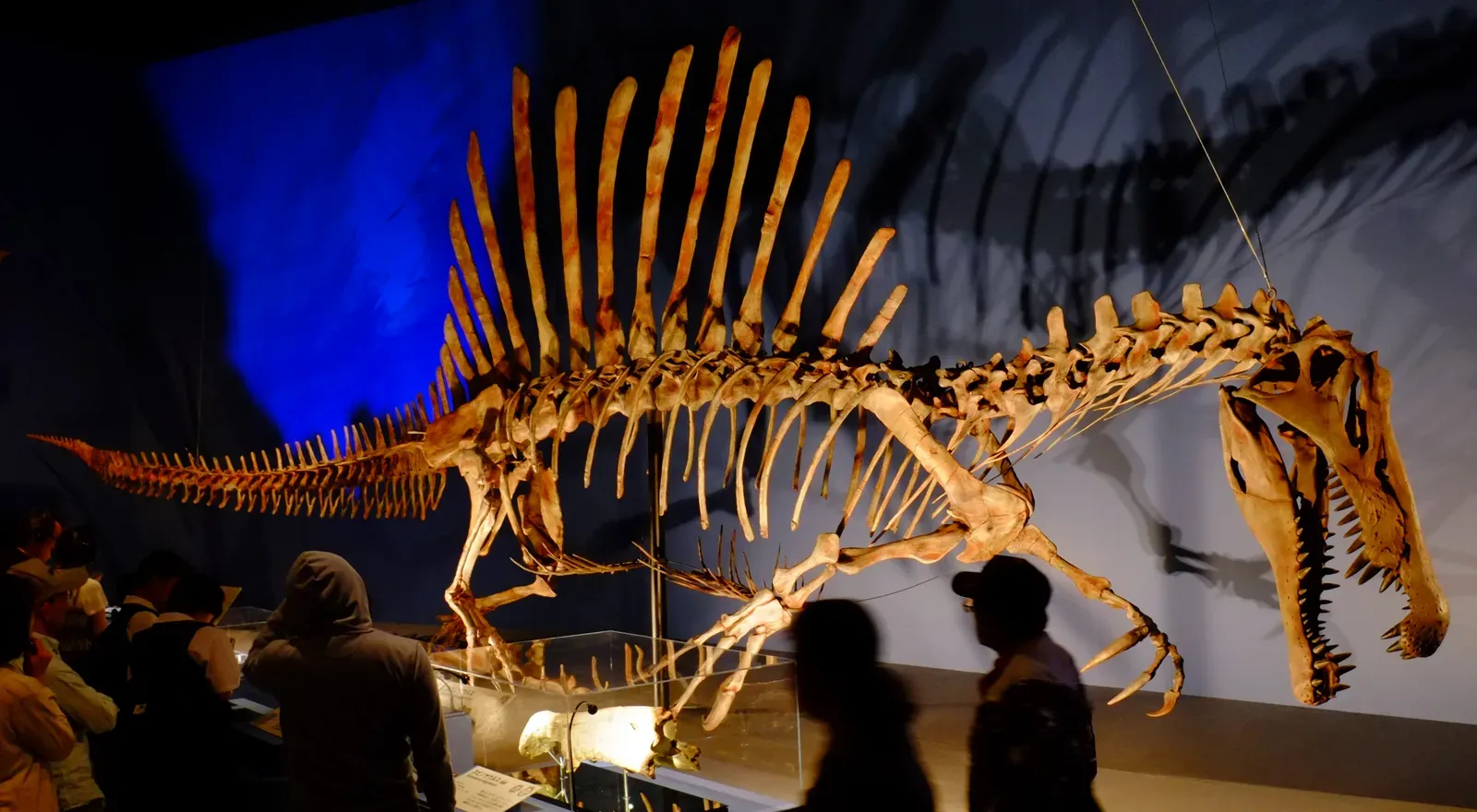
For most of the twentieth century, Spinosaurus was a tantalizing mystery. Originally described from fossils destroyed in World War II bombing raids, it lingered in paleontological limbo until more complete remains were uncovered in North Africa. The hunting habits of Spinosaurus aegyptiacus, the largest known predatory dinosaur to roam the Earth, have been subject to intense scientific debate since detailed descriptions of its most complete fossils to date were published in 2014. At the time, Spinosaurus was described as a “semiaquatic” predator that prowled the shoreline of Cretaceous-era rivers, wading into the muddy banks to ambush fish with its massive, crocodilian jaws and interlocking teeth.
In a 2020 Nature paper, one group proposed that Spinosaurus would have used a fleshy tail to propel itself like an eel through the water column as a fully aquatic predator. That claim sparked fierce debate, with another group publishing a study suggesting the dinosaur had very dense bone walls like penguins, suggesting it actually spent most of its time in water, using the heavier bones for ballast to submerge itself regularly in underwater pursuits. It’s hard to say for sure exactly how aquatic Spinosaurus really was. The debate continues. But at the very least, a predatory dinosaur wading through ancient rivers hunting fish like a prehistoric heron is about as thrilling a mental image as paleontology can offer.
9. Foskeia pelendonum: A Cat-Sized Fossil That Pushed Back European Dinosaur Evolution
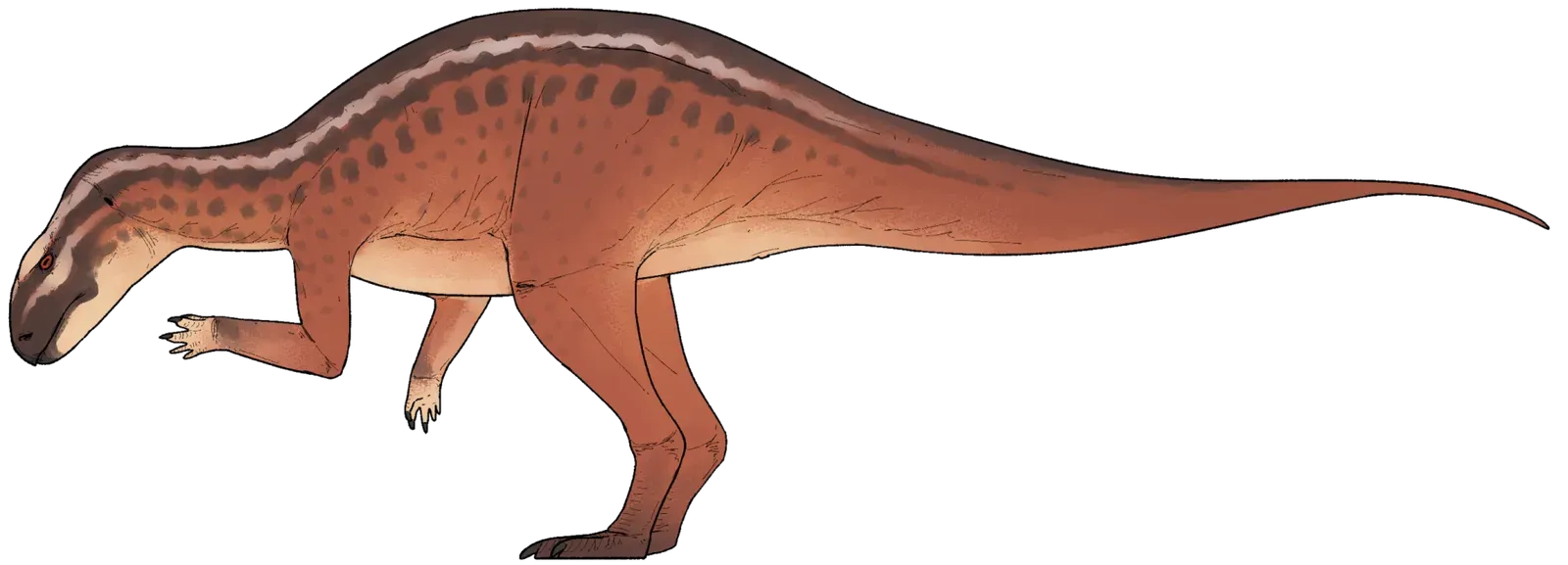
Not every history-changing discovery comes in a spectacular, enormous package. Sometimes it’s a fossil no bigger than a domestic cat, buried in Spanish bedrock, that quietly dismantles assumptions spanning millions of years. The fossil represents a creature no larger than a domestic cat, with fragmentary remains that include portions of the skull and vertebrae. Within these limited clues, scientists found traits that challenge long-standing assumptions about the early diversification of herbivorous dinosaurs in Europe. Described in a peer-reviewed study, the species has been named Foskeia pelendonum.
The skeletal material was recovered from Barremian-aged strata, placing the dinosaur’s existence at approximately 130 million years ago. That timing predates what paleontologists had previously documented for the clade to which it belongs, rhabdodontomorpha, a group of small-to-medium-sized plant-eating dinosaurs traditionally linked to the Late Cretaceous. In other words, a group of dinosaurs was walking around Europe roughly 30 million years earlier than anyone suspected. The Vegagete fossil site, where the remains were found, lies within a formation representing a warm, wet floodplain ecosystem. Alongside Foskeia, the sedimentary layers have yielded small mammals, turtles, and crocodyliforms, suggesting a biodiverse and possibly semi-insular environment.
10. Colorful Dinosaurs: The Diplodocus Skin Discovery That Changed How You Should Picture the Mesozoic
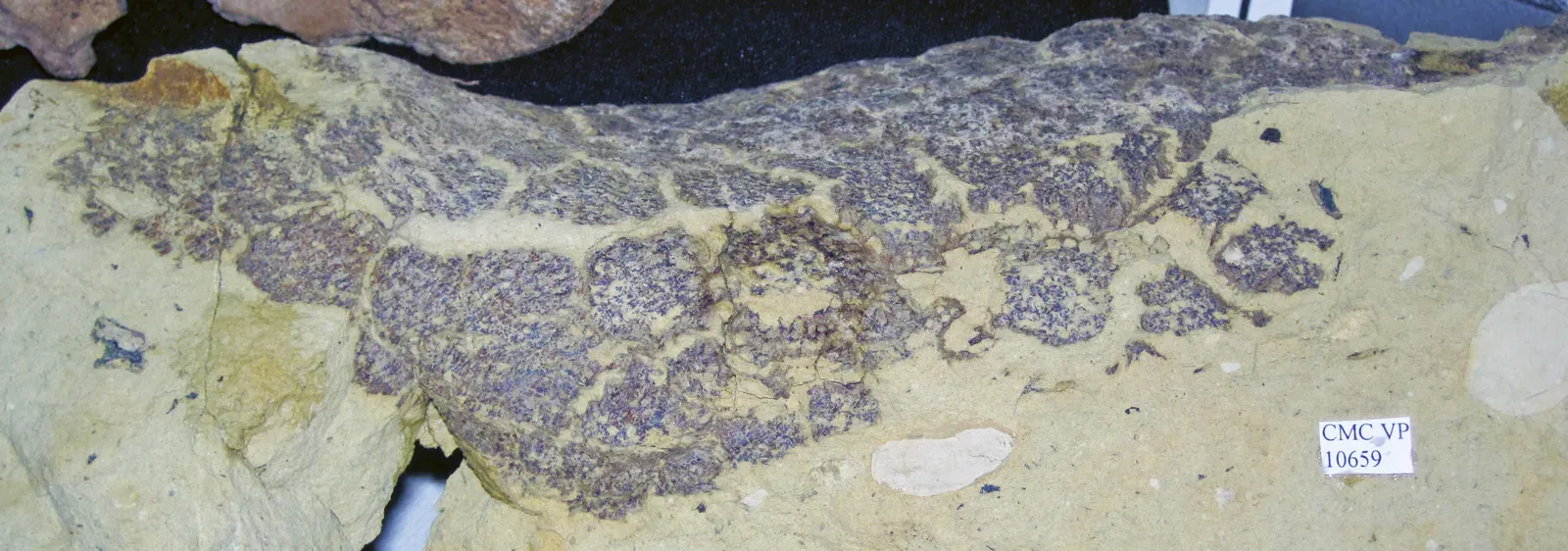
Here’s something most people haven’t fully processed yet. The classic image of dinosaurs as uniformly grey or brown, lumbering and drab, is almost certainly wrong. From the Jurassic rocks of Montana’s Mother’s Day Quarry, paleontologists uncovered fossils of sauropod skin so delicately preserved that they include impressions of pigment-carrying structures called melanosomes. They described the discovery in Royal Society Open Science.
Some other dinosaur fossils with melanosomes preserved in their scales or feathers have been reconstructed in color. While the research team was reluctant to do that fully with the juvenile Diplodocus the skin came from, they detected that the dinosaur would have had conspicuous patterns across its scales. The finding suggests sauropod dinosaurs were not uniformly gray or brown, but had complex color patterns like other dinosaurs, birds and reptiles. Think about that the next time you see a museum display of a plain grey sauropod. The Mesozoic was almost certainly a far more vivid, patterned, visually dazzling world than we ever imagined. Dinosaurs with feathers are just one of the many discoveries that have changed our understanding of these reptiles over the last two centuries. The science keeps evolving, and the picture gets more spectacular with every dig.
Conclusion: The Ground Beneath Our Feet Still Has Secrets to Tell
What’s perhaps most humbling about all ten of these discoveries is how recently they happened. Many of them were unearthed within the last decade or two. Some within the last year. A golden era in dinosaur science is driving this fascination with dinosaurs. Around 1,400 dinosaur species are now known from more than 90 countries, with the rate of discovery accelerating in the last two decades. You are living in what may be the most exciting period in paleontological history.
Every time scientists think they’ve assembled a reliable picture of the Mesozoic world, another fragment of bone turns up in a Patagonian desert, a Wyoming quarry, or a Moroccan mountain, and the whole story shifts again. The dinosaur family tree keeps branching in unexpected directions. Their behaviors, colors, habitats, and origins continue to surprise us. If anything, these ten discoveries prove one thing above all else: the more you dig, the stranger and more wonderful the world turns out to be. What discovery do you think will shake up the dinosaur world next? Drop your thoughts in the comments below.