
Have you ever wondered why you sometimes make choices that don’t quite make sense? Maybe you bought something you didn’t need, or perhaps you stuck with a failing plan longer than you should have. The truth is, your brain is wired to take shortcuts. Every single day, it processes massive amounts of information, and to keep up, it relies on mental patterns that can lead you astray.
These mental shortcuts are irrational errors programmed into your brain that affect how you make decisions. They’re not a sign of weakness or stupidity. They’re universal, automatic, and happen to everyone. Let’s explore the hidden forces shaping your choices, from what you buy to how you judge others. You might be surprised by just how much these biases control your everyday thinking.
Confirmation Bias: Seeing Only What You Want to See
Here’s the thing about confirmation bias. You tend to seek out information that supports something you already believe, while conveniently ignoring anything that contradicts it. Think about the last time you had a strong opinion about something. Did you actively look for evidence that challenged your view, or did you mostly notice facts that confirmed what you already thought?
This bias is particularly sneaky because it feels like you’re being rational. You’re doing research, right? You remember the hits and forget the misses, which creates a distorted view of reality. It’s like wearing glasses that only let you see what you want to see. The danger here is that you can end up in an echo chamber of your own making, where your beliefs become stronger even when they shouldn’t be.
Anchoring Bias: The First Number Sticks

Anchoring bias occurs when you find an initial piece of information and rely heavily on it when making subsequent decisions. Let’s say you’re shopping for a new laptop. The first one you see costs fifteen hundred dollars. Suddenly, anything priced at eight hundred dollars seems like an incredible bargain, even if it’s actually overpriced for what you’re getting.
While your anchor may be irrelevant to your final choice, it exhibits a strong influence on your decision, nonetheless. Retailers and negotiators know this trick well. They’ll throw out a high initial price to set your expectations. Once that number is in your head, everything else gets measured against it. To combat this, try coming up with your own price range before you even start shopping.
Availability Heuristic: If You Can Remember It, It Must Be Common

The availability heuristic is a mental shortcut that allows you to make decisions more quickly by estimating the probability of something happening based on the examples you can think of. Ever notice how after you see news coverage about plane crashes, flying suddenly feels terrifying? That’s this bias at work.
Seeing several television shows or news reports about shark attacks might make you think that this incident is relatively common even though it is not at all. Your brain mistakes what’s memorable or recent for what’s actually frequent. The more dramatic or emotional an event is, the easier it is to recall, which tricks you into overestimating how often it happens. Honestly, this bias explains why so many people are afraid of the wrong things.
Sunk Cost Fallacy: Throwing Good Money After Bad
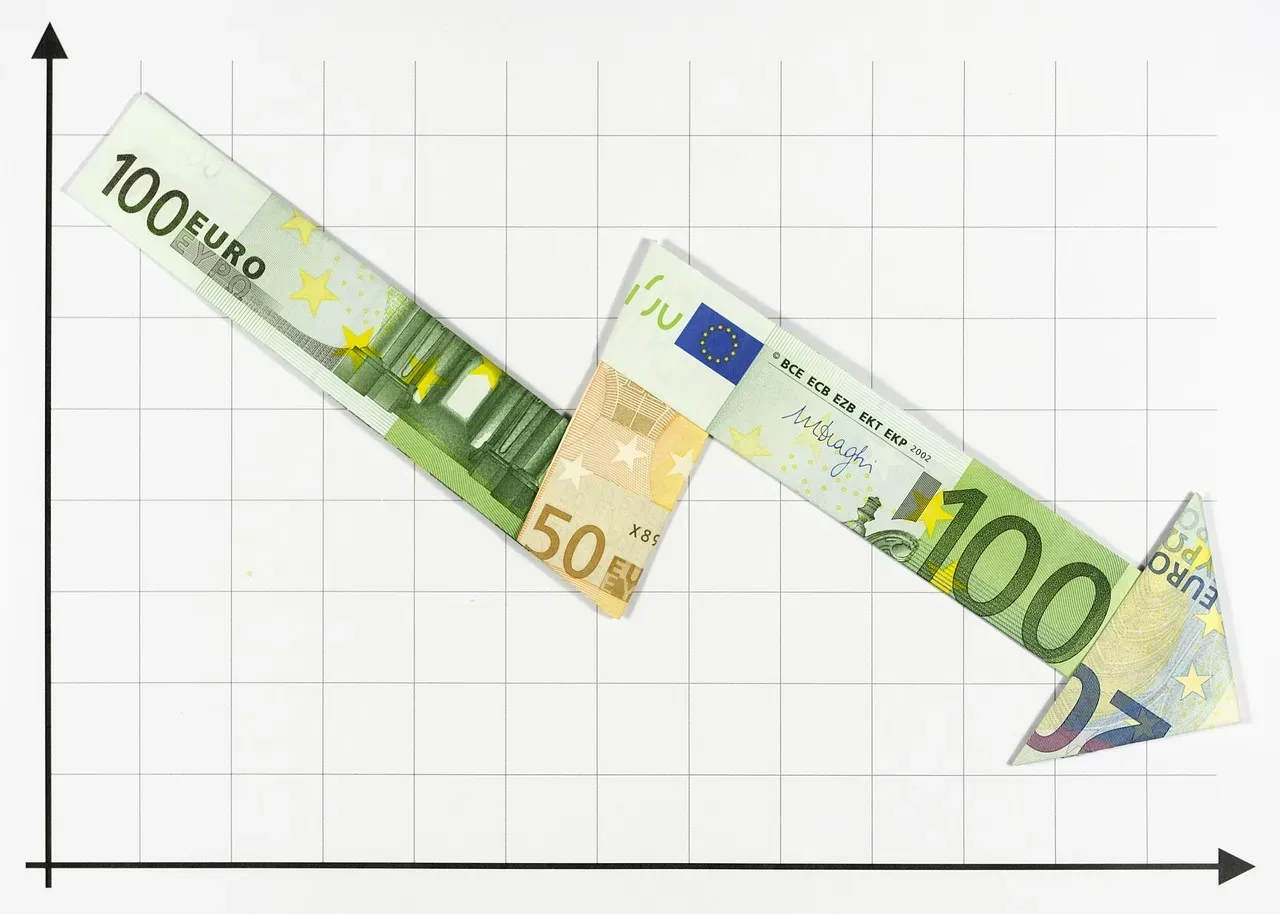
The sunk cost fallacy is a decision-making bias that occurs when you continue to invest in an endeavor based on the resources you’ve already committed. Maybe you’ve stayed in a terrible movie just because you already bought the ticket. Or perhaps you kept a gym membership you never used because you’d already paid for the year.
The rational move would be to cut your losses and move on. Even if cutting your losses is the more rational decision, you’re more likely to keep investing your time because you’ve committed too much money and effort. This bias can trap you in bad relationships, failing projects, or terrible investments. The key is recognizing that what you’ve already spent is gone, and it shouldn’t dictate what you do next.
Status Quo Bias: Better the Devil You Know

The status quo bias affects your decisions by making you inclined to stick with your current situation because you fear change or have grown used to doing things a certain way. Change is uncomfortable. It requires effort and involves uncertainty. So your brain defaults to keeping things exactly as they are, even when change would clearly benefit you.
Maybe your doctor suggests a new medication that works better, but you resist because your current one is “fine.” Or you stay in a job you hate because it’s familiar. This bias keeps you locked in place, preventing growth and improvement. Sometimes the most dangerous decision is making no decision at all.
Hindsight Bias: The “I Knew It All Along” Effect

The hindsight bias is what makes you think that a particular event was more predictable than it actually was. After something happens, you convince yourself that you saw it coming. It’s hard to say for sure, but I think this is one of the most frustrating biases because it distorts your ability to learn from the past.
You tend to perceive events as being more predictable once they have occurred. This prevents you from accurately evaluating your decision-making process. If you always believe you “knew” what was going to happen, you never honestly assess what went wrong or right. You might say you knew you weren’t going to win after losing a competition, but did you really know beforehand?
Overconfidence Bias: Overestimating Your Own Abilities

Overconfidence bias can lead to overestimating your skills in a particular area, whether it be cooking dinner, renovating the bathroom, or assembling your little one’s new state-of-the-art playset. You watch a few cooking shows and suddenly think you’re ready to prepare a complex dish for dinner guests. How hard could it be?
The problem is that this inflated sense of ability leads you to take on challenges you’re not prepared for. Overconfidence is one of the most recurrent biases affecting professionals’ decisions across multiple fields. It causes you to underestimate risks, skip necessary preparation, and ignore expert advice. A little humility goes a long way in avoiding costly mistakes.
Attentional Bias: You See What You’re Looking For

Of the millions of bits of information that bombard your senses daily, you have to spot the ones that might be important, though this highly-tuned survival skill can become a bias if you begin to focus your attention too much on one kind of information while you disregard other kinds. Ever notice how once you’re thinking about buying a certain car, you suddenly see it everywhere?
You might see food everywhere when you’re hungry, and an attentional bias might make it seem that you’re surrounded by more than the usual stimuli, but you’re probably not. You’re just more aware. Your brain filters reality based on what it thinks is important right now. This can be helpful for survival, but it also means you miss important information that doesn’t fit your current focus.
Actor-Observer Bias: Different Rules for You and Me

Actor-observer bias is the tendency to credit your actions to external causes while attributing others’ actions to their internal characteristics. When you mess up a presentation, it’s because you were tired or the technology failed. When your colleague does the same thing, it’s because they’re unprepared or incompetent.
You might blame a poor presentation on your jet lag, but if a colleague botches theirs, you might think they’re unprepared. This double standard affects your relationships and judgments. You give yourself the benefit of the doubt while being harsh on others. Recognizing this pattern can make you more compassionate and fair in how you evaluate both yourself and those around you.
The Dunning-Kruger Effect: Ignorance Is Confidence

This particular bias refers to how people perceive a concept or event to be simplistic just because their knowledge about it may be simple or lacking. The less you know about something, the less complicated it may appear, though this form of bias limits curiosity. Ironically, the people who know the least are often the most confident in their opinions.
When you’re a beginner, you don’t yet understand how much you don’t know. Everything seems straightforward. It’s only as you gain real expertise that you realize how complex things actually are. This bias explains why some people speak with absolute certainty about topics they barely understand, while actual experts tend to be more cautious and nuanced in their statements.
Conclusion: Awareness Is Your Best Defense

Cognitive biases are inherent in the way you think, and many of them are unconscious, though identifying the biases you experience in your everyday interactions is the first step to understanding how your mental processes work, which can help you make better, more informed decisions. You can’t eliminate these biases completely. They’re built into how your brain functions.
The good news? Simply knowing they exist gives you power over them. Researchers think you can get better at recognizing the situations in which your biases are likely to operate and take steps to uncover and correct them. Slow down when making important decisions. Question your assumptions. Seek out perspectives that challenge your own. These simple steps can dramatically improve your thinking.
What surprised you most about these biases? Did you recognize yourself in any of them? The real question is, what will you do differently now that you know they’re working behind the scenes?