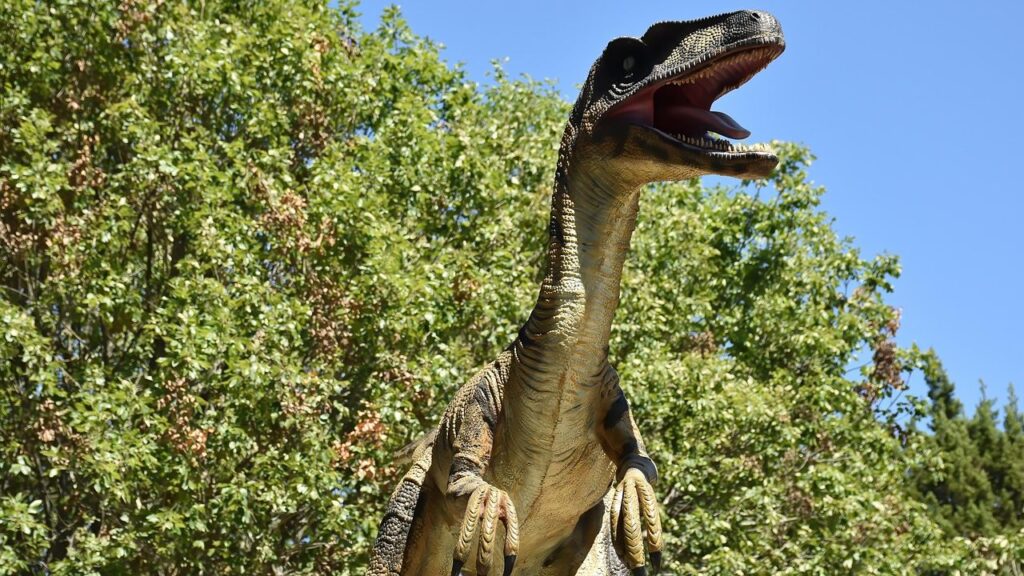
It is genuinely hard to think of any group of animals more beloved, more studied, and yet more consistently misunderstood than dinosaurs. They starred in blockbuster films, fill entire museum wings, and appear on children’s lunchboxes worldwide. Still, despite all that attention, a surprising amount of what most people believe about them is simply wrong.
Some of these myths trace back to outdated science. Others were invented by Hollywood for dramatic effect, then planted so deeply in the public imagination they now feel like facts. Misconceptions about dinosaurs are frequently fuelled by their inaccurate, though entertaining, representations in films. The damage, honestly, has been enormous.
So let’s get into it. You might be surprised just how many things you thought you knew.
Misconception #1: All Dinosaurs Were Enormous
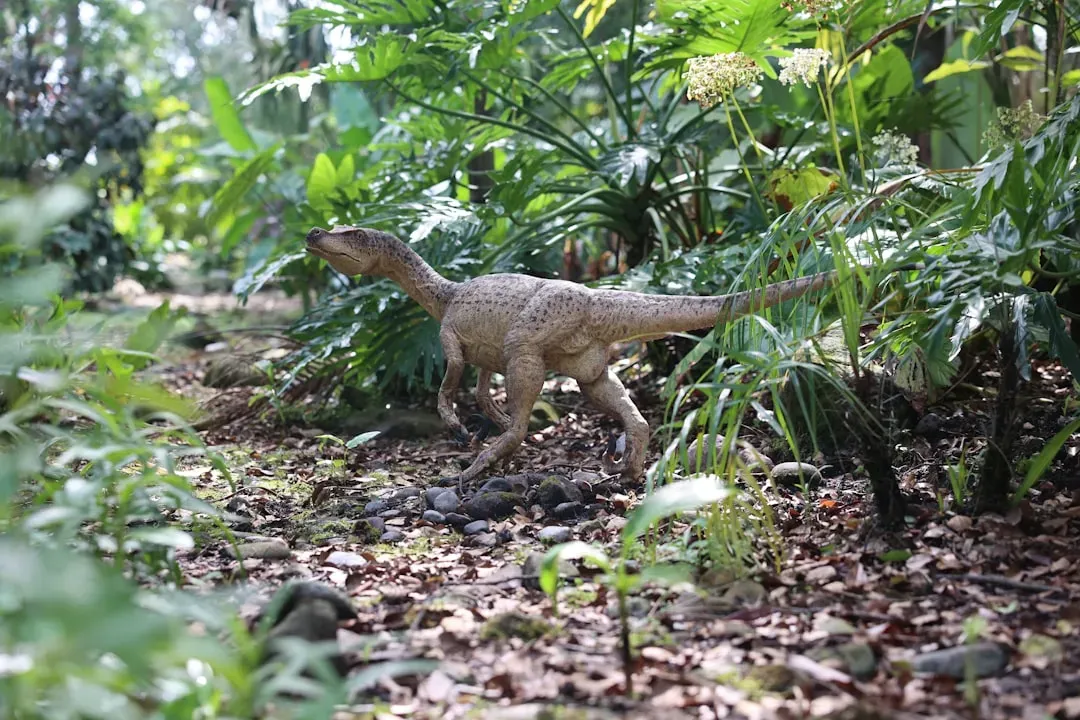
When you picture a dinosaur, chances are you imagine something enormous, lumbering, and capable of flattening a small building. You’re probably conjuring up a T. rex or a Brachiosaurus. That’s fair, because those are the ones we celebrate. But here’s the thing – they were the exception, not the rule.
While some dinosaurs were the largest animals ever to have lived on land, some were smaller than a housecat. There are even tiny living dinosaurs of today, like hummingbirds. Dinosaurs were, in truth, all sizes. Think about that for a second. A hummingbird is technically a descendant of the same lineage as a T. rex. That’s either delightful or deeply unsettling, depending on your perspective.
The horned dinosaur Protoceratops was the size of a sheep. Velociraptor was the size of a golden retriever and had to be scaled up for Jurassic Park to make it more terrifying. Recent years have seen an explosion in the number of small species discovered, such as the cat-sized raptor Hesperonychus, the rabbit-sized plant-eater Tianyulong, and the quail-sized insect-eater Parvicursor.
The smaller species were probably more common than their giant cousins. So the next time you imagine the Mesozoic era as a world of thundering giants, remember it was also a world crawling with dinosaurs no bigger than your pet cat.
Misconception #2: Dinosaurs Were Cold-Blooded Like Modern Reptiles
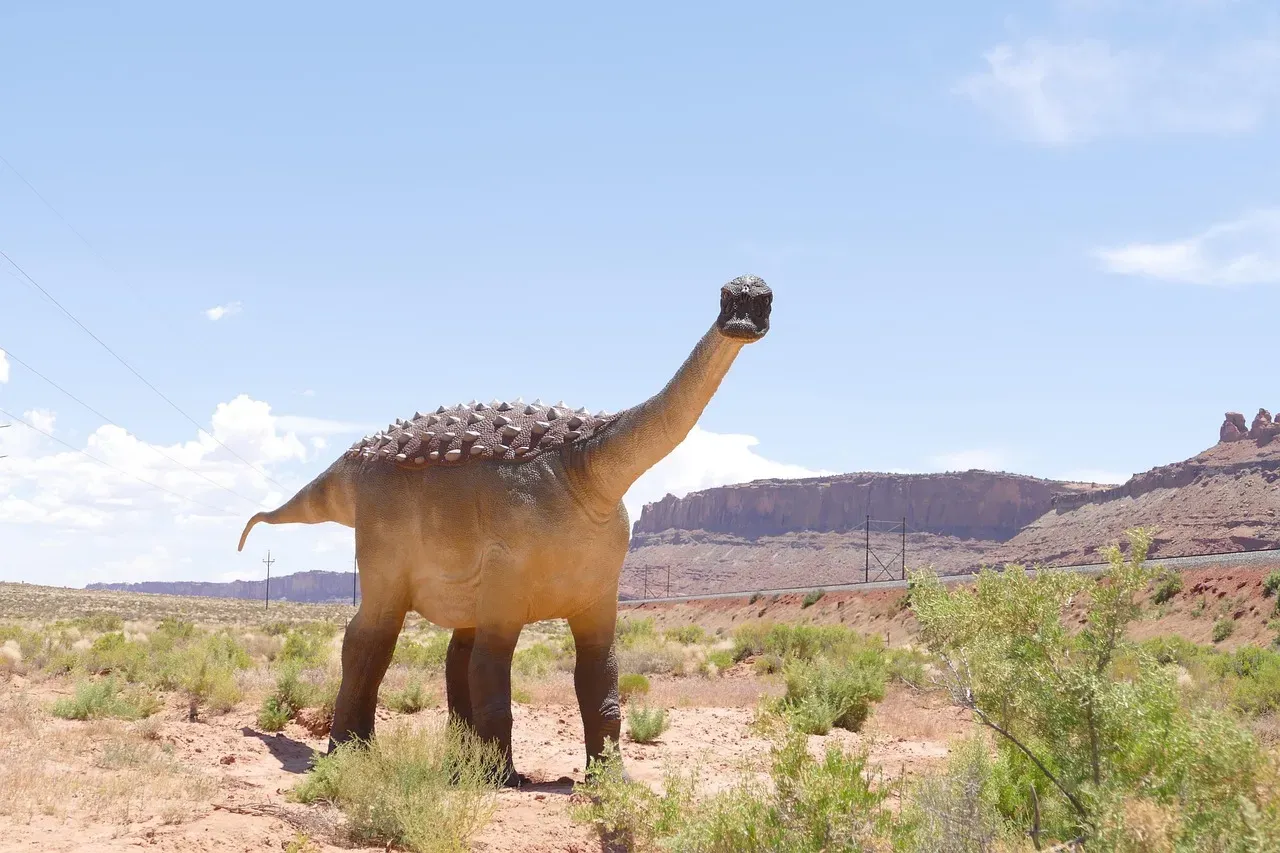
This one feels intuitive, doesn’t it? Dinosaurs look like reptiles. They had scales. They hatched from eggs. So surely they were cold-blooded, slow-moving creatures that sunned themselves on rocks between meals? That image is actually very outdated.
It was generally thought for a long time that dinosaurs were cold-blooded, meaning they relied on outside sources to maintain their body heat. Warm-blooded animals maintain a constant body temperature. Today’s reptiles are cold-blooded, so it was assumed that dinosaurs were, too. When it’s cold, the body processes of cold-blooded animals slow down, making them more sluggish. It is now almost universally believed that dinosaurs were warm-blooded, like mammals and birds.
Scientists can tell from looking at the microscopic structure of dinosaur bones that they grew rapidly, and only animals like birds and mammals, with fast metabolisms and well-regulated body temperatures, do that. There’s also a nuance worth noting here: it explains why dinosaurs evolved to have feathers for insulation, but it’s still not totally clear whether their body temperatures worked exactly like ours do. There are a lot of different ways to be “warm-blooded,” and it is probable that dinosaurs were not exactly like birds or mammals in terms of their metabolism.
Misconception #3: Dinosaurs Were Covered in Scales
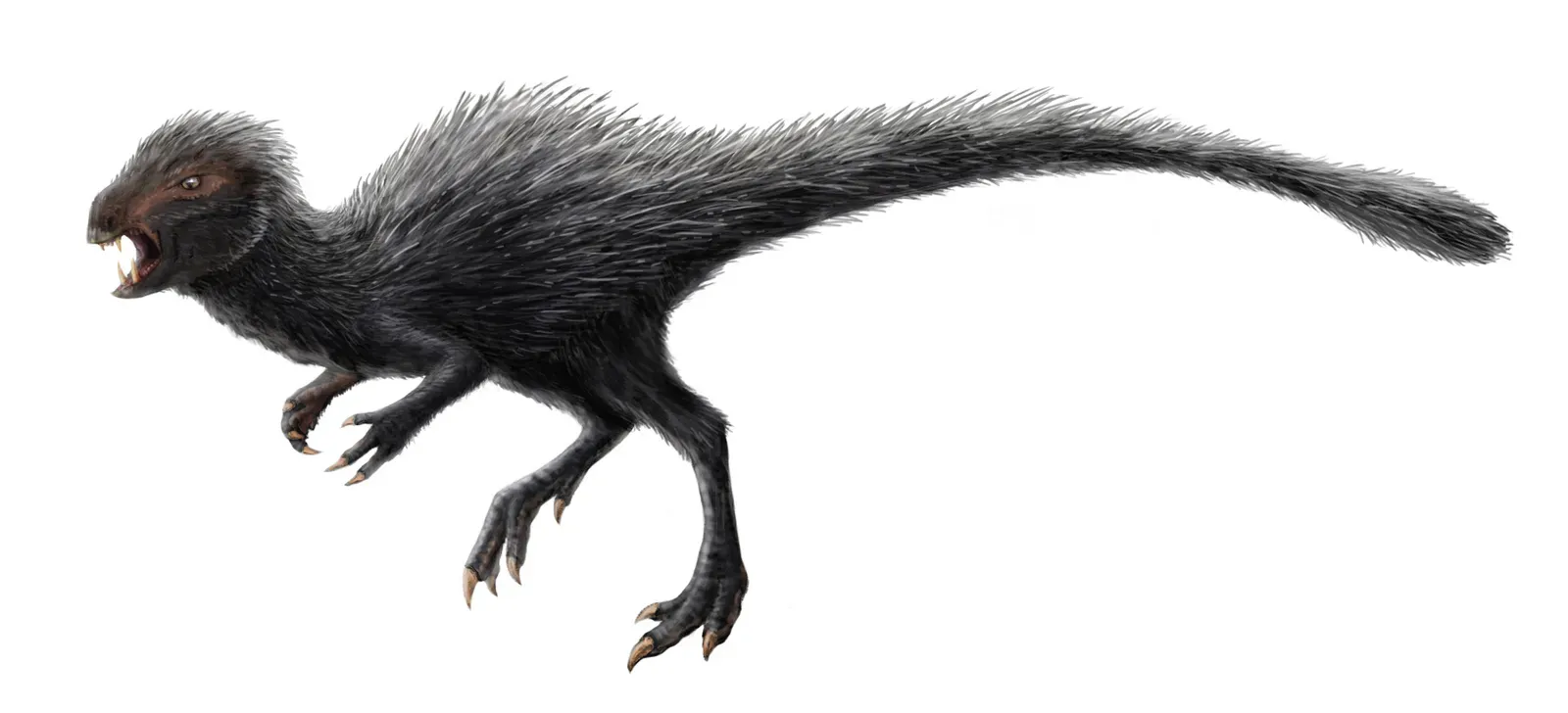
You’ve seen the images your entire life: scaly, grey, lizard-skinned giants stomping through jungle landscapes. It looks authoritative. It looks scientific. It also looks increasingly wrong as new fossil discoveries keep rolling in.
In the 1970s, paleontologists began wondering if some dinosaurs might have been feathered, like their bird relatives. This was considered wild speculation at the time, but in 1997 a small carnivorous dinosaur named Sinosauropteryx was found to be covered not with scales, but a soft, fuzzy down. Since then, feathers have been discovered on plant-eating ornithopods, fanged heterodontosaurs, and many families of carnivorous dinosaurs including Tyrannosauridae, meaning that T. rex was probably covered in feathers, not scales.
There are thousands of fossils of feather-covered dinosaurs that have been found in China over the last two decades. Fossils show that a cousin of the T. rex called Yutyrannus was covered in downy fluff. Feathers would have helped dinosaurs regulate their body temperature, so they would have been particularly helpful to smaller animals such as Velociraptors. Even the biggest plant-eaters might have had a little fuzz, like the tufts of hair on elephants.
Misconception #4: Dinosaurs Were All Dull Grey or Green
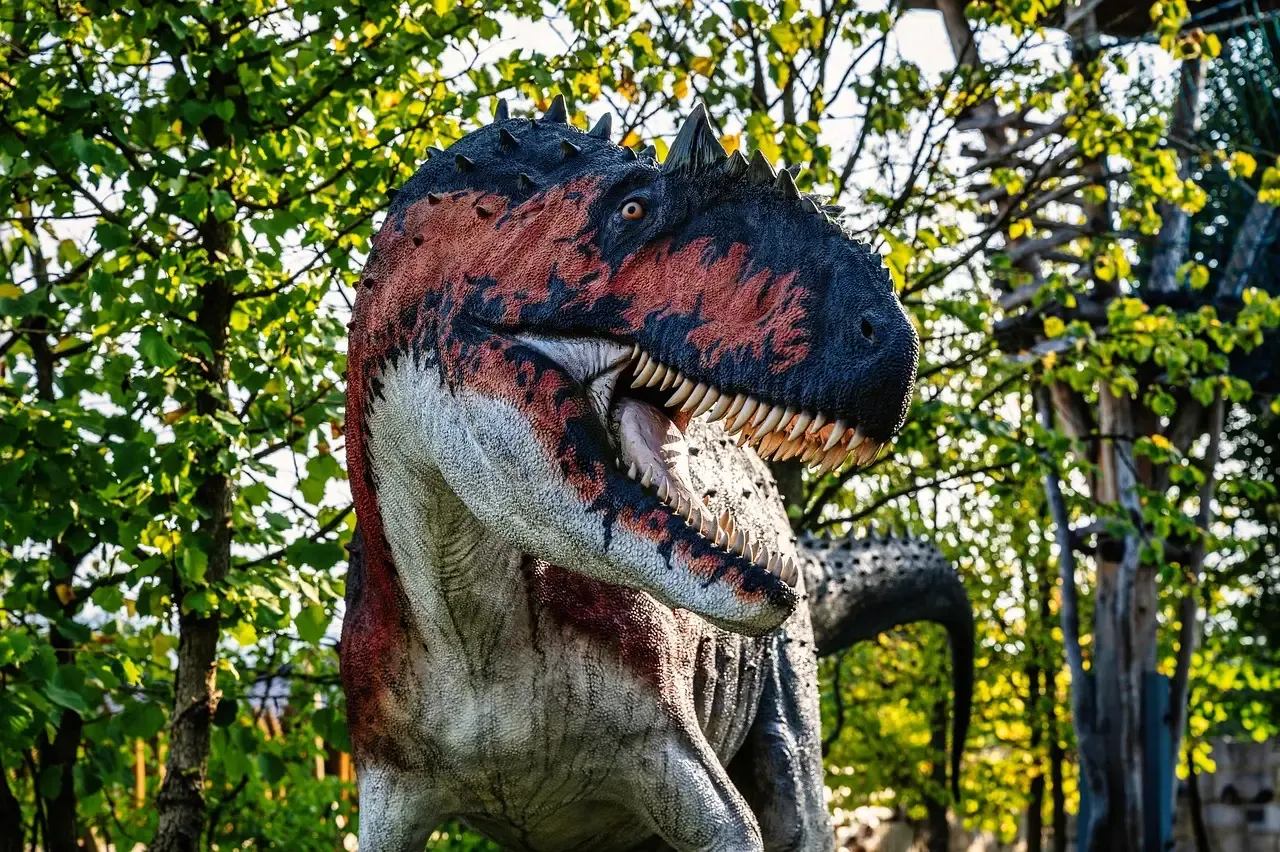
The classic image of a grey, mud-colored dinosaur hulking through a swamp has been burned into the cultural consciousness for generations. In old paintings and textbooks, they always seemed to wear the same palette of gloomy greens and browns. It turns out paleontology has a far more colorful story to tell.
Dinosaurs were actually quite colorful. Amazingly, paleontologists can tell what colors some of them were because they’ve found really well-preserved fossilized feathers containing structures called melanosomes. These held pigments, and their different shapes and arrangements indicate what colors they were.
For example, a small carnivorous dinosaur in northeastern China called a Sinosauropteryx probably had a striped brown tail and a raccoon-like bandit mask. Think of it like a prehistoric raccoon with attitude. Early paintings of dinosaurs favoured a drab palette, with monotone animals dressed in depressing shades of grey, green, and brown. Science has long since moved past that picture, even if pop culture hasn’t fully caught up.
Misconception #5: T. Rex Stood Completely Upright
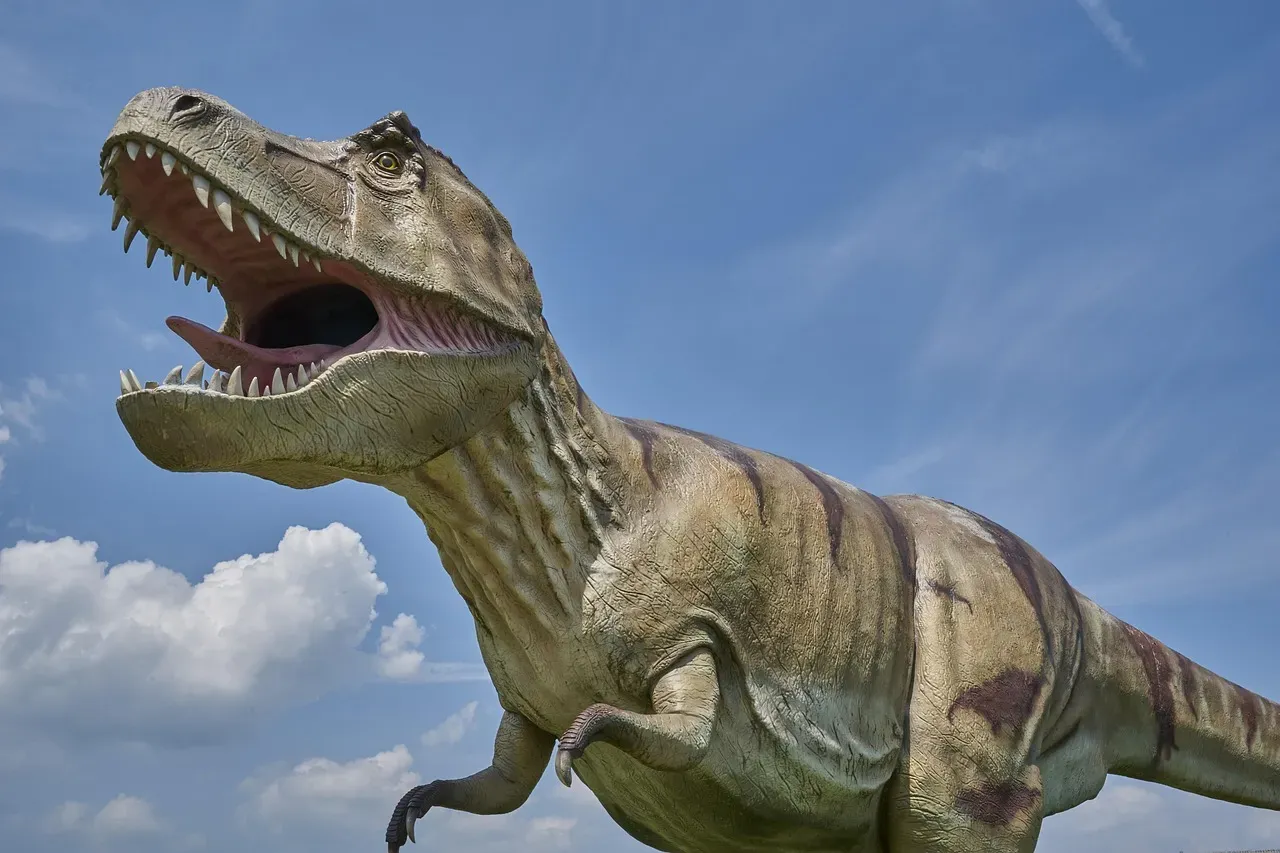
Picture T. rex. Go ahead. Chances are you imagined it rearing up like a scaly skyscraper, arms dangling near its chest, tail touching the ground. That image is so deeply embedded it almost feels like a law of nature. Here’s the uncomfortable truth: it’s completely wrong.
Since the 1960s, scientists have realized that the upright pose could not be correct. In reality, the dinosaur’s body was held more or less horizontal, with its tail balancing out its huge head, both cantilevered out from the huge rear legs. Think of it more like a giant, living seesaw than a standing tower. Scientists realized this pose was incorrect and could not have been maintained by a living animal, as it would have resulted in the dislocation or weakening of several joints, including the hips and the articulation between the head and the spinal column.
The problem is that the wrong image stuck around for decades. In surveys, roughly two thirds of pre-college students and nearly three quarters of college-age students drew the T. rex standing upright with a dragging tail. The average spinal angle in students’ drawings was fifty to sixty degrees, but the correct angle should be much smaller. That’s cultural inertia doing its damage, one childhood poster at a time.
Misconception #6: Velociraptors Were Giant, Featherless Hunters
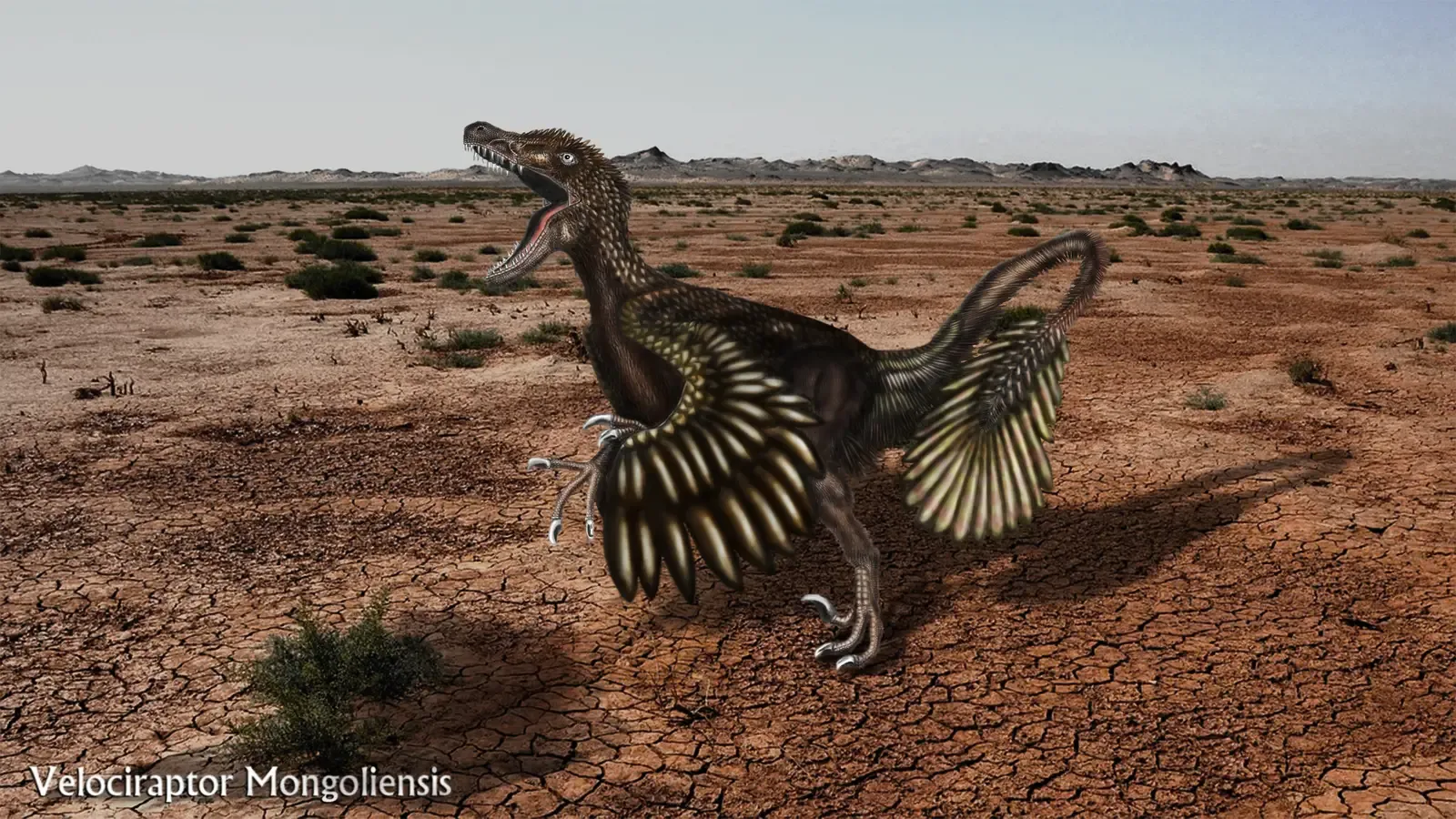
Jurassic Park made the Velociraptor famous. Terrifyingly fast, door-handle smart, and roughly the height of a man. The problem is that version of Velociraptor exists almost entirely in Steven Spielberg’s imagination and nowhere in the actual fossil record.
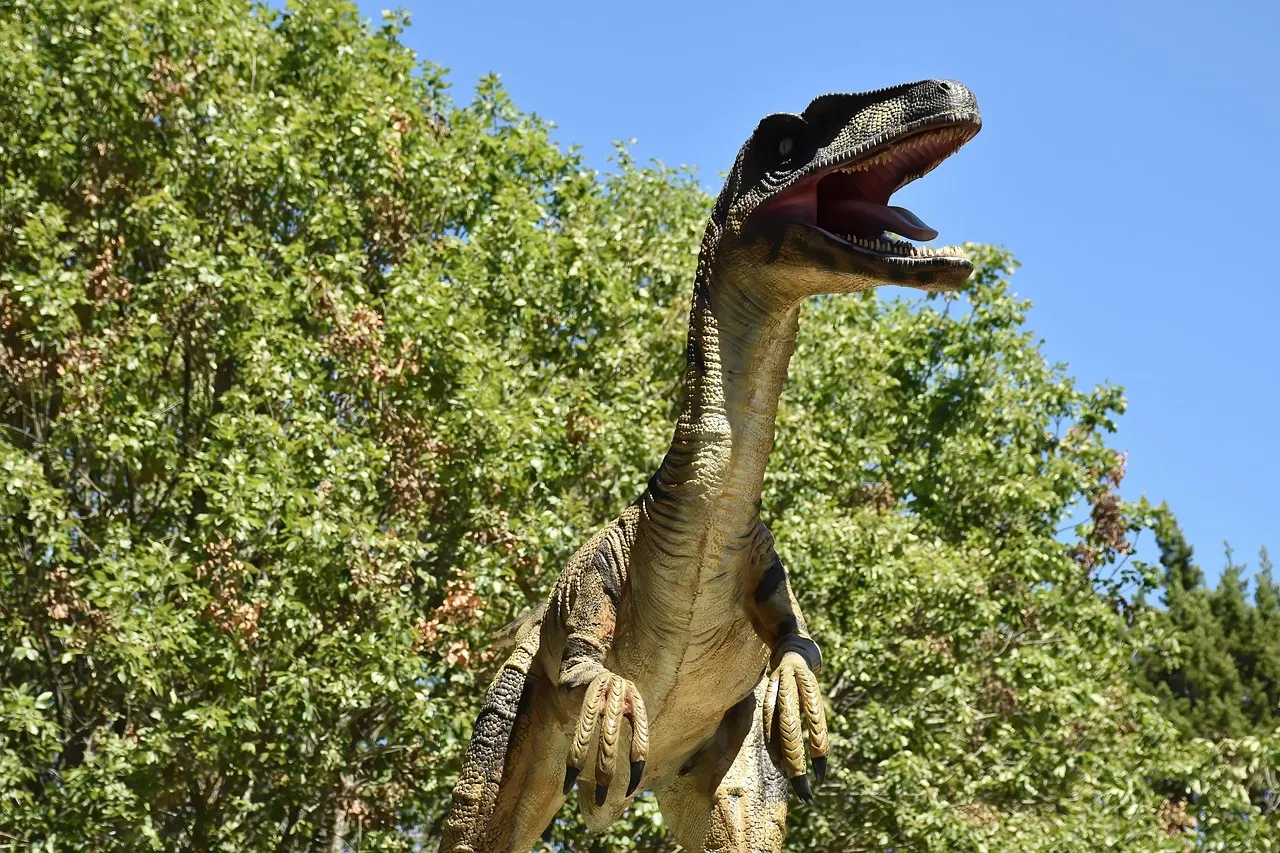
This mistake may be almost 25 years old, but large, featherless Velociraptors remain firmly lodged in many minds. Velociraptor would actually have been around the size of a turkey, and the cinematic star was actually more like the related theropod Deinonychus. So the terrifying movie monster was not only the wrong size, it was essentially a different animal with the same name slapped on it.
The major thing that’s wrong with the movie version is that they were naked. Back in 1993 that’s how scientists thought Velociraptor and Deinonychus would have looked. Starting in the mid-1990s there has been a vast number of discoveries of feathered dinosaurs. It’s absolutely certain that they would have been covered in feathers and they may well have had long, display-type feathers on their forearms.
Misconception #7: All Dinosaurs Lived at the Same Time
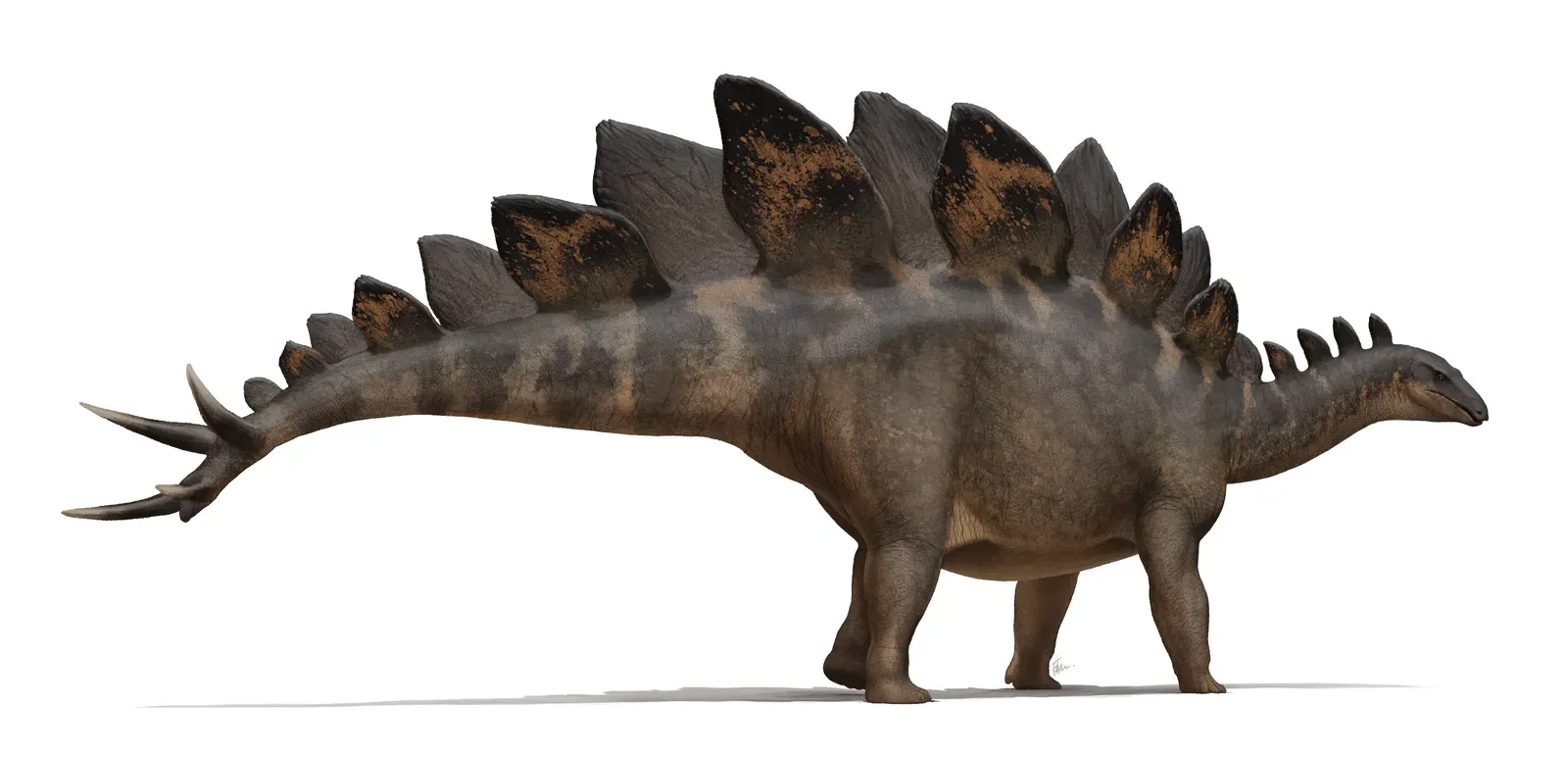
Hollywood loves a good mashup. Stegosaurus and T. rex squaring off, Brachiosaurus wandering past a pack of raptors. It makes for compelling cinema, but it’s about as historically accurate as putting Abraham Lincoln in a room with Julius Caesar and calling it a documentary.
Dinosaurs ruled for over 150 million years and lived on every continent, and the assemblages of dinosaurs evolved constantly. Most of the dinosaurs in the Jurassic Park and Jurassic World movies did not meet each other in the real world, and most lived in the Cretaceous, but author Michael Crichton thought the name “Jurassic” sounded better.
To put this in perspective: Tyrannosaurus rex was closer in time to us than it was to the plate-backed, spike-tailed Stegosaurus, which is frequently shown battling it. Let that sink in. You reading this right now are actually closer in time to the T. rex than the T. rex was to the Stegosaurus. That is an extraordinary fact that almost nobody walking around today knows.
Misconception #8: Pterosaurs and Marine Reptiles Were Dinosaurs
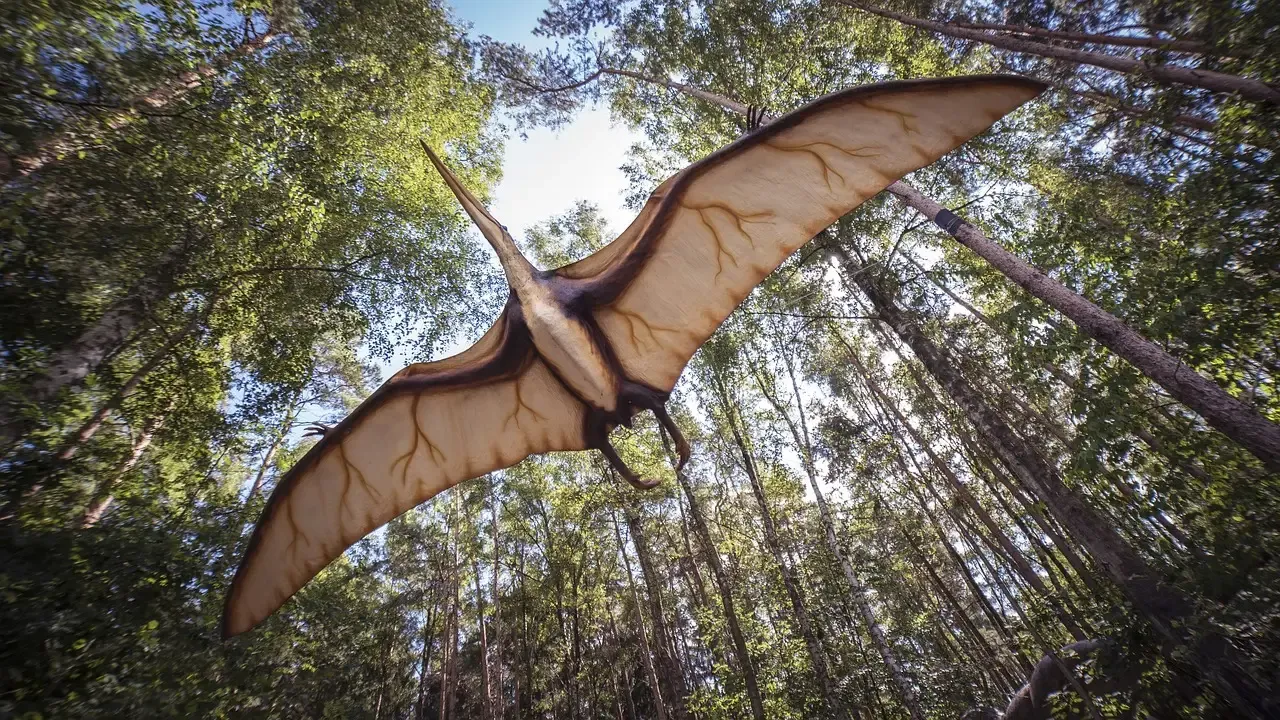
Every dinosaur fan has at some point gazed at a picture of a pterodactyl soaring through the sky or a plesiosaur lurking in murky waters and thought: “Cool dinosaur.” Understandable. Totally wrong, but understandable.
Pterodactyls are not actually dinosaurs. They are flying reptiles. These winged reptiles were the first vertebrates to evolve powered flight and include the biggest flying vertebrates ever to have existed, with wingspans exceeding ten meters. Lift was provided not by feathers, but by a membrane of skin stretched between the ankles and elongated fourth fingers. Spectacular creatures in their own right, but not dinosaurs.
Although some dinosaurs lived near the shores of lakes, rivers, and oceans and sometimes went for a swim, there were none that lived underwater. Animals that did live underwater are collectively called marine reptiles. The biggest tell between dinosaurs and marine reptiles is that dinosaurs have a hole in their hip sockets, whereas all other reptiles have only a depression. It’s a subtle distinction, but it completely changes the family tree.
Misconception #9: The Brontosaurus Was a Real Dinosaur
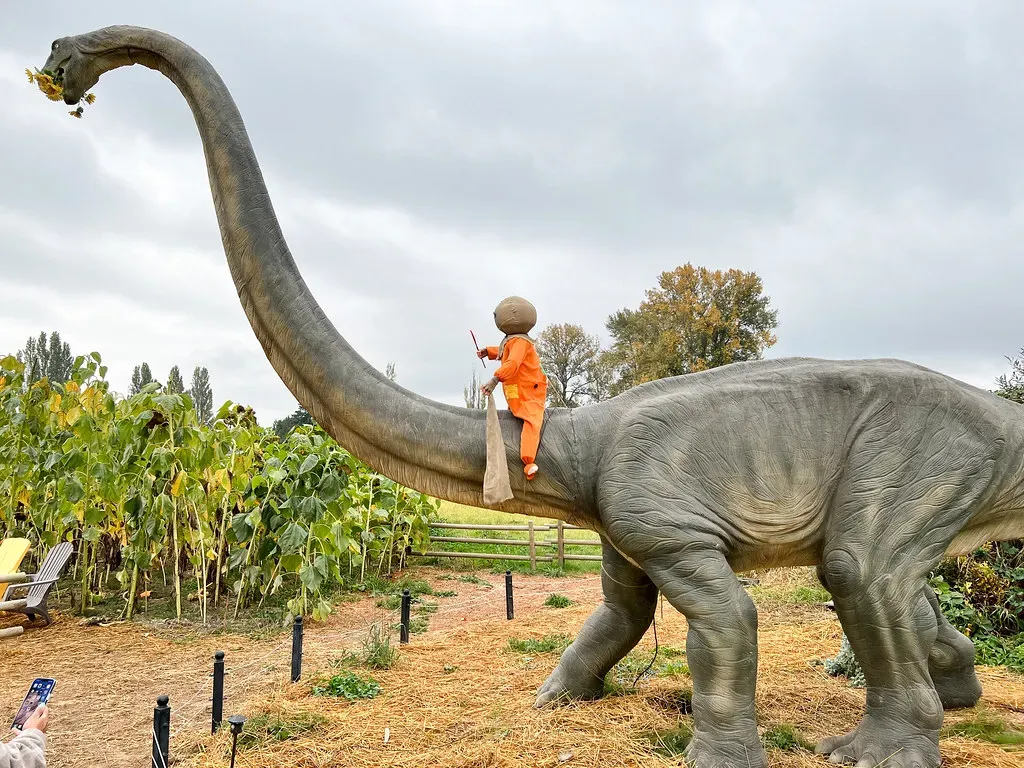
Honestly, this one still stings for a lot of dinosaur lovers. The Brontosaurus – long-necked, enormous, gentle giant – has been a museum staple and a pop-culture icon for over a century. Kids grow up loving it. Toy stores sell it. Movies feature it. It is also, in a strict scientific sense, not a real animal.
The Brontosaurus never actually existed and was in fact an incorrectly identified dinosaur created by putting the body of an Apatosaurus together with the head of a Camarasaurus. It was a product of the infamous “Bone Wars” era of the late 1800s, when rival paleontologists were racing each other to name as many species as possible, sometimes carelessly.
Even though it’s in the literature and paleontologists actually know that the proper name is Apatosaurus, to most everybody it’s still Brontosaurus. The name stuck simply because it was too beloved to quietly retire. To this day, we see mistakes in popular culture. T. rex still stands upright when we now know its posture was nearly horizontal. Two misconceptions for the price of one.
Misconception #10: Humans and Dinosaurs Coexisted
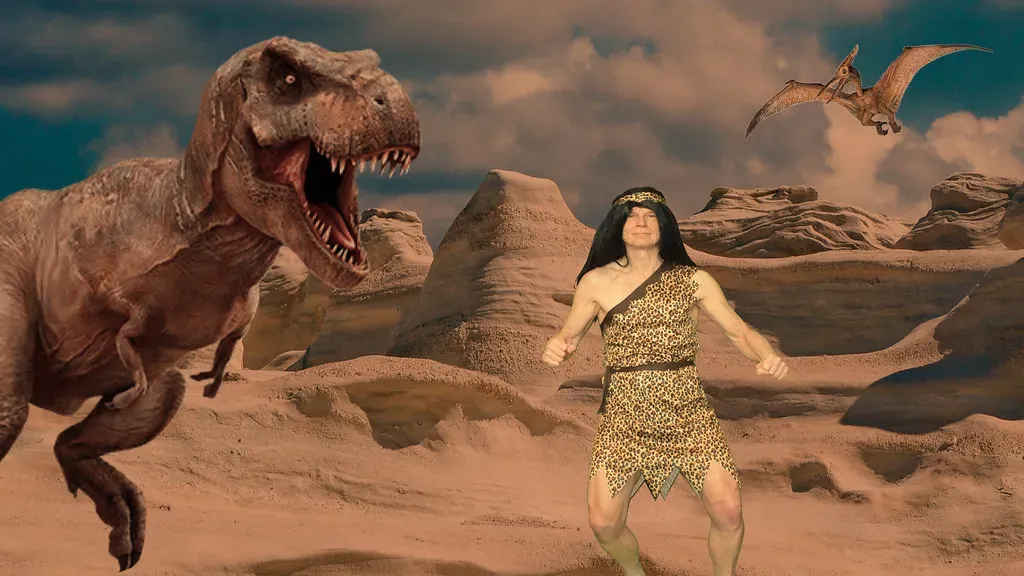
Credit where it’s due – this myth is one of the most persistent of all time. From caveman cartoons to certain religious claims, the idea that early humans once battled or lived alongside non-avian dinosaurs refuses to die. It’s vivid, it’s dramatic, and it makes for great storytelling.
Contrary to popular belief, humans and dinosaurs never coexisted. The last non-avian dinosaurs went extinct around 65 million years ago, while anatomically modern humans have only been around for approximately 300,000 years. The misconception of human and dinosaur coexistence is often perpetuated by movies and television shows that depict humans interacting with these ancient creatures.
Our earliest human ancestors evolved almost 60 million years after non-avian dinosaurs like Tyrannosaurus and Triceratops went extinct. That gap is so staggeringly large that it’s almost impossible to picture. Think of it this way: if all of Earth’s history was compressed into a single 24-hour day, humans and non-avian dinosaurs would not share even a second of that day. The stage was completely reset long before we arrived.
Conclusion: What You Thought You Knew About Dinosaurs Might Need an Update
It’s striking, isn’t it, how much of what we “know” about dinosaurs turns out to be shaped by old science, dramatic films, and cultural inertia rather than actual fossil evidence? Our understanding of these magnificent creatures is often clouded by popular misconceptions and outdated ideas, perpetuated by movies, television shows, and other forms of media. As paleontologists continue to unearth new fossils and refine our knowledge of these ancient reptiles, it is essential to debunk the myths and uncover the truth.
The real story of dinosaurs is, honestly, even more fascinating than the movie versions. Feathered, colorful, warm-blooded, wildly diverse in size, and separated from us by a gulf of time almost too vast to comprehend – these creatures deserve to be understood for what they actually were, not what we imagined them to be. Researchers have identified more than 700 species of extinct dinosaurs, but that’s probably a drop in the bucket. Fossils are being discovered at a rapid pace, with a new dinosaur species being identified every week, on average.
Every new find has the potential to flip another assumption on its head. So which of these ten misconceptions surprised you the most? Drop your thoughts in the comments below.