If you grew up staring at plastic T. rex toys and Saturday morning cartoons, you were probably fed a very specific image of dinosaurs: slow, scaly, dim-witted monsters that lumbered around until a random rock from space took them out. It was dramatic, it was simple, and it was… mostly wrong. Over the last few decades, paleontology has quietly pulled off one of the biggest scientific plot twists of all time, rewriting almost everything people over forty were taught in school about these animals.
What makes this so wild is that the new picture of dinosaurs is not just a minor update; it is closer to swapping out an old black‑and‑white TV for a 4K screen. Dinosaurs turn out to be colorful, complex, fast, and deeply connected to the world we live in right now. As someone who grew up with the “lizard monster” version and then watched science blow it up, I can tell you: unlearning these myths feels a bit like realizing your childhood history books left out half the story. Let’s walk through ten of the biggest dinosaur “facts” boomers and Gen X were taught that modern science has taken apart, piece by piece.
1. Myth: Dinosaurs Were Just Giant Lizards
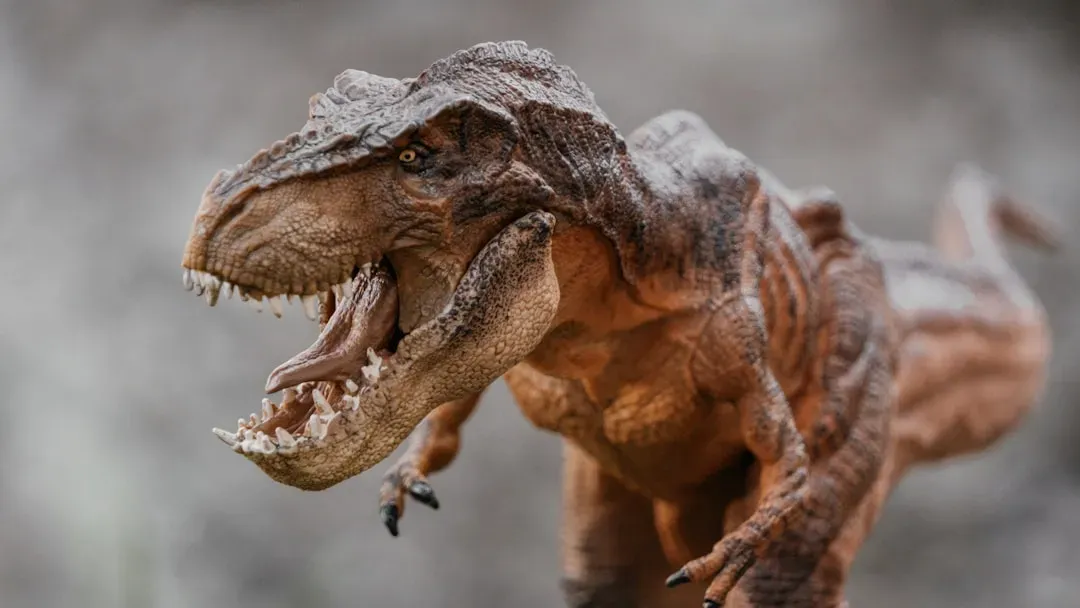
For a long time, schoolbooks and museum signs leaned hard on the idea that dinosaurs were basically supersized lizards. The very word dinosaur was often explained as meaning “terrible lizard,” which only reinforced that image. Kids saw huge reptilian beasts with dragging tails and scaly hides and were told they were simply reptiles, just on a massive scale.
Modern research has flipped that script. Dinosaurs form their own distinct group, more closely related to birds than to modern lizards like iguanas or monitor lizards. Their hips, ankles, skulls, and even microscopic bone structures show unique patterns that separate them from typical reptiles. So while dinosaurs and lizards do share a distant common ancestor, it is misleading to think of a T. rex as just an oversized komodo dragon. A better mental image today is that dinosaurs were their own specialized branch on the tree of life, with birds perched right on top of that branch.
2. Myth: All Dinosaurs Were Slow, Sluggish, and Half-Asleep
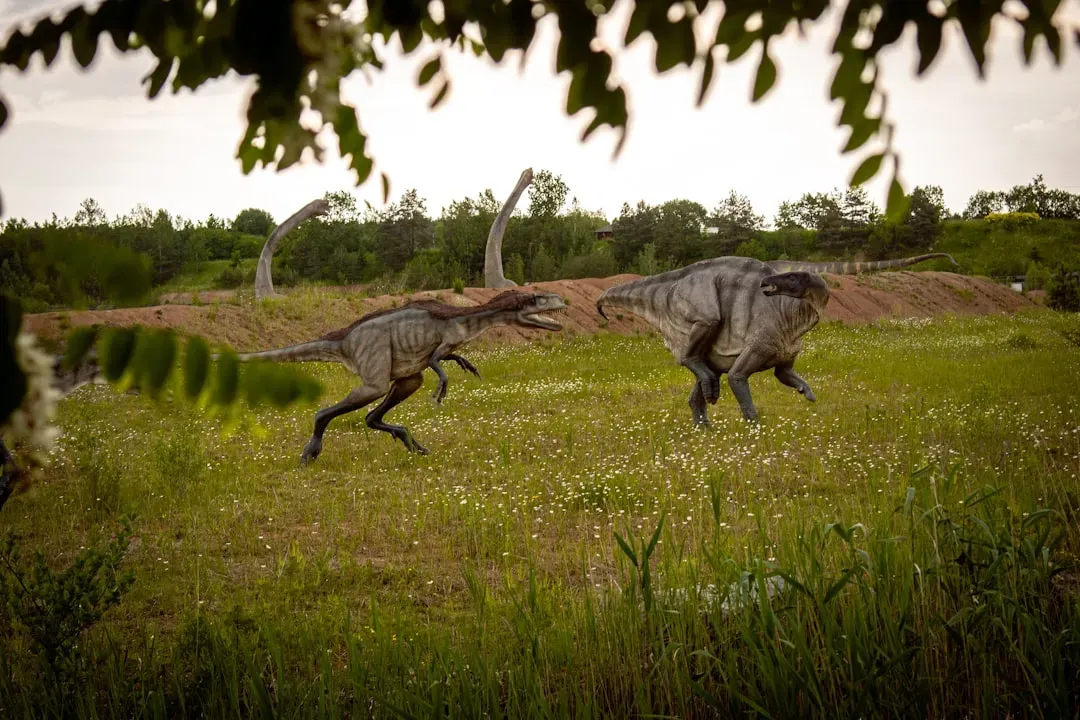
If you were taught dinosaurs in the 1960s, 70s, or even early 80s, you probably heard they were cold-blooded brutes that moved like sleepy crocodiles in winter. Old art showed them sprawling around swamps, barely lifting their feet, sometimes literally dragging their tails behind them. The message was clear: dinosaurs were evolutionary losers waiting to be replaced by smarter, faster mammals.
Then came the so‑called “dinosaur renaissance,” when scientists started re-examining bones, trackways, and growth rings, and realized something was seriously off with that picture. Many dinosaurs had long legs held directly under their bodies, similar to modern mammals and birds, a design that supports active movement and running. Bone evidence suggests high growth rates and possibly elevated metabolisms, more like energetic animals than sluggish reptiles. While not every dinosaur was a sprinting athlete, the idea that they were all lazy, lumbering swamp beasts has been pretty thoroughly demolished. Some of them were built more like marathon runners than couch potatoes.
3. Myth: Dinosaurs Were All Scaly, Gray, and Dull-Looking
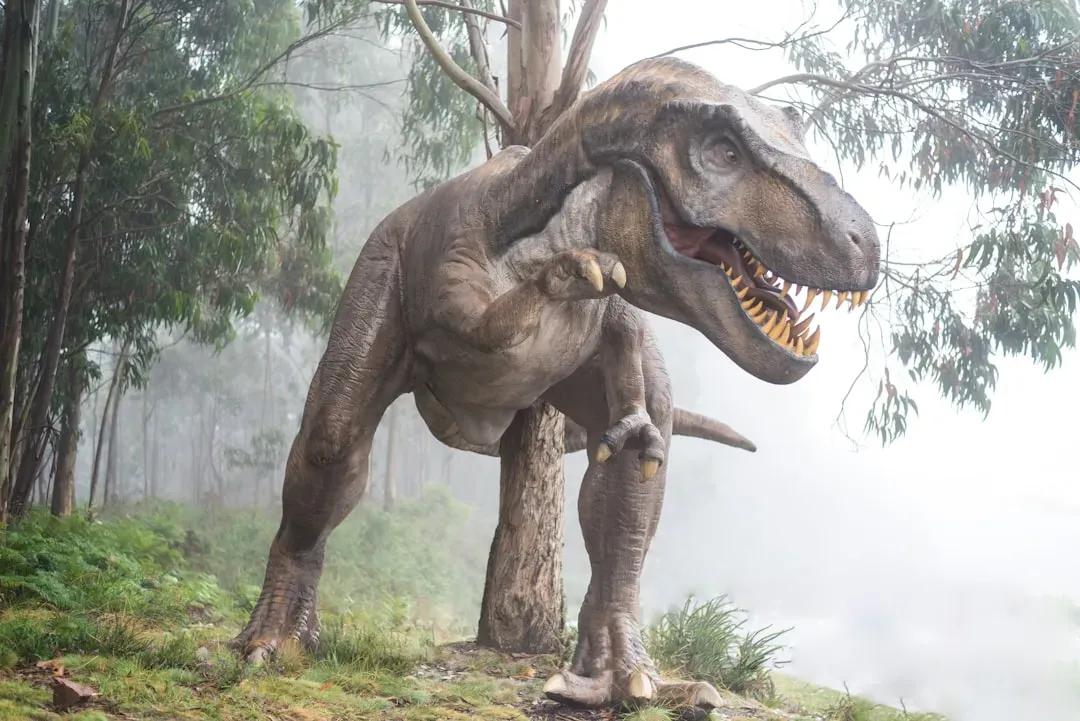
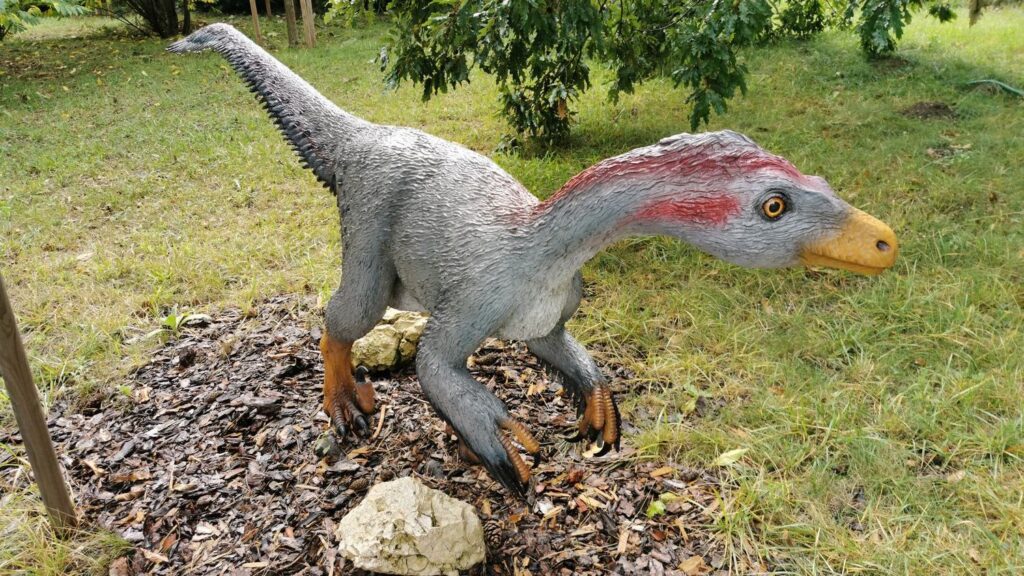
Ask a boomer to describe a dinosaur as a kid, and you will probably get something like “big, green, scaly thing.” Early textbooks and toys almost always depicted dinosaurs with plain, monochrome skin, usually gray, brown, or murky green. It fit with the idea that reptiles are drab and colorless, lurking in muddy environments and blending into the background.
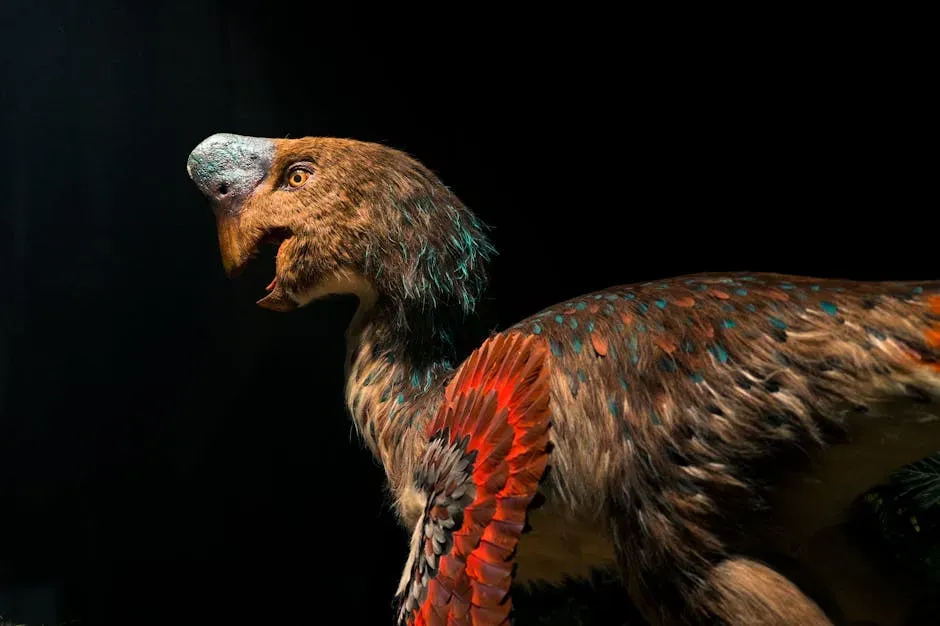
Fast forward to modern fossil discoveries, especially in places like China, and we now have stunning evidence that many dinosaurs had feathers or feather-like coverings, and some even had preserved pigment structures hinting at specific colors and patterns. That means certain species may have been spotted, striped, or even iridescent, more like tropical birds than lifeless statues. Not every dinosaur was feathery or vibrant, but the stereotype of all dinosaurs as colorless, scaly tanks has not survived the evidence. The dinosaur world was likely as visually varied as today’s ecosystems.
4. Myth: Dinosaurs Were Basically Stupid Brutes
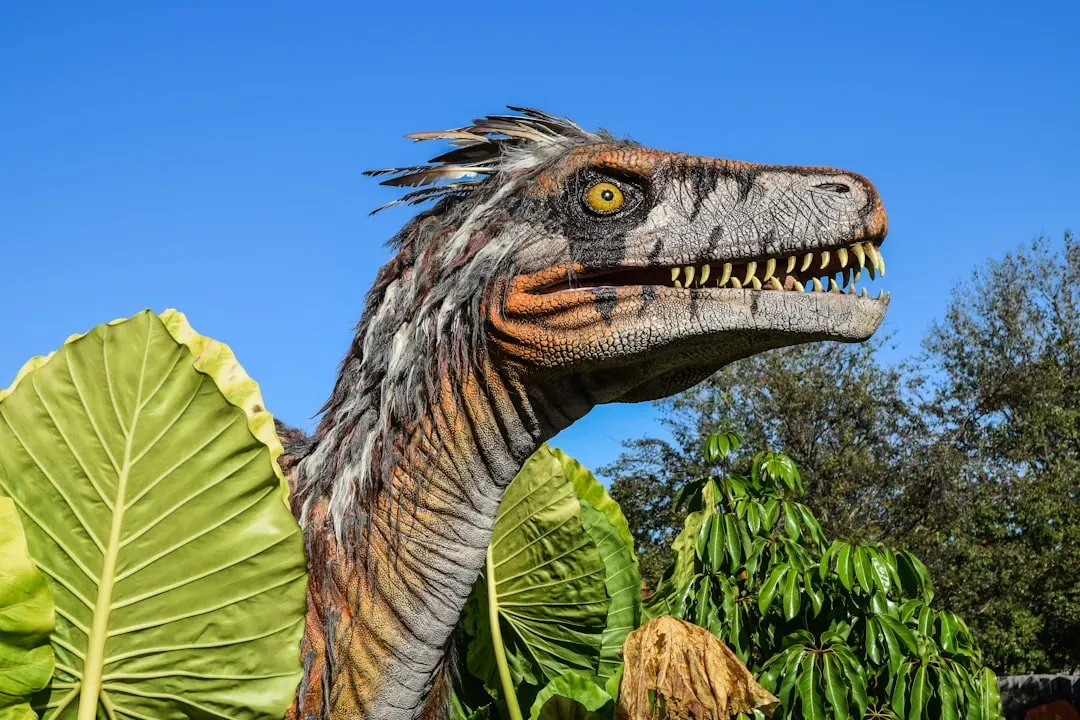
For decades, dinosaurs were sold as the muscle-bound dimwits of prehistory. Charts compared dinosaur brain sizes to their massive bodies and declared them hopelessly stupid, often using insulting metaphors about tiny brains in huge skulls. To a lot of people, that fit the narrative: dinosaurs were big, slow, and dumb, and that is why they “deserved” to go extinct.
Intelligence is more than brain size, though, and even rough estimates show that some dinosaurs had brains proportional to those of modern birds and mammals. Predatory dinosaurs like troodontids and dromaeosaurs (the group that includes Velociraptor) had relatively large brains, good vision, and complex inner ears, hinting at advanced coordination and possibly sophisticated hunting behavior. Even herbivores may have had complex social structures, migrating in herds or caring for their young. These were not cartoon villains stumbling around; many dinosaurs were likely alert, adaptable animals trying to survive in challenging environments, much like wildlife today.
5. Myth: Dinosaurs Lived in Swamps and Dragged Their Tails
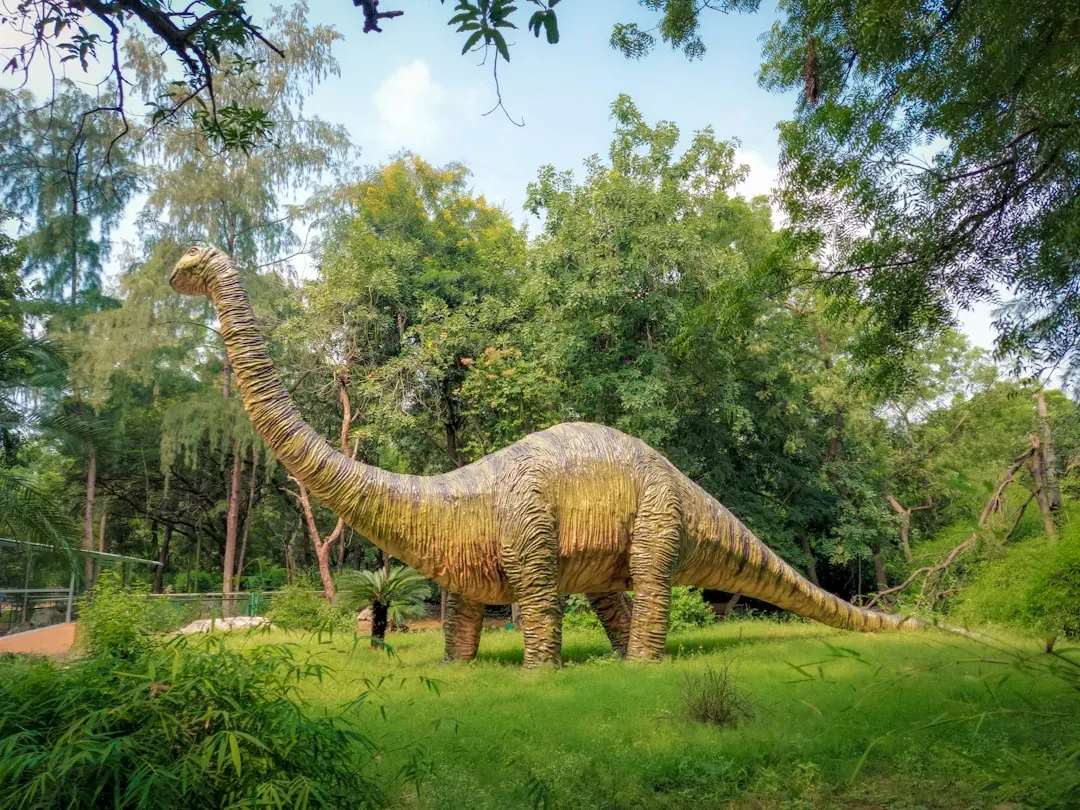
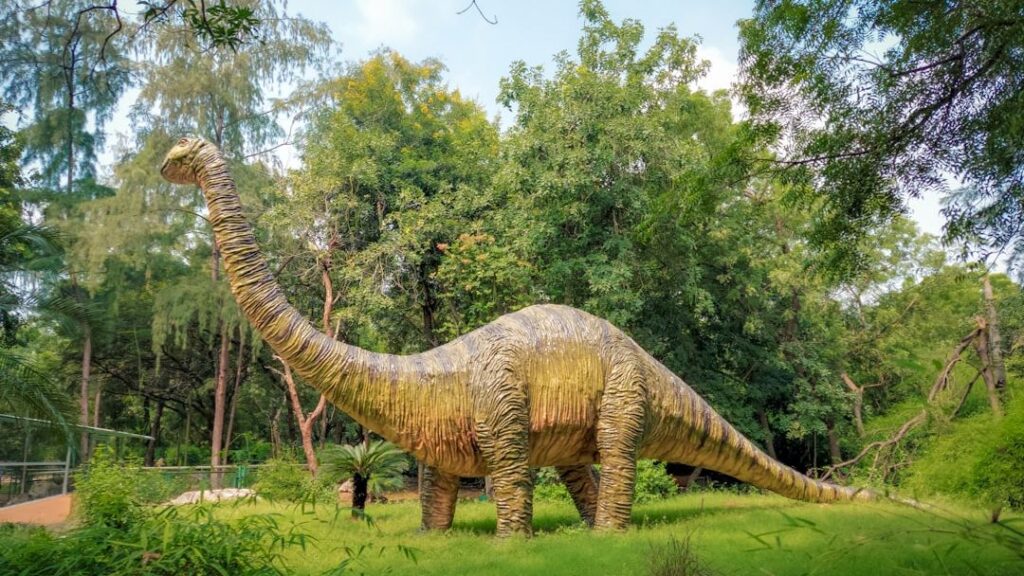
Classic paintings often showed sauropods like Brontosaurus half-submerged in murky water, as if they were too heavy to stand on land. Their tails trailed behind them like dead weights, carving grooves in the mud. Generations of kids memorized that these giants were swamp-dwellers, forced into rivers and lakes to support their immense mass.
Better understanding of dinosaur biomechanics, combined with new fossil trackways, tells a different story. Sauropod footprints are found in environments that were dry land, and their skeletons show strong limb bones and column-like legs designed to support enormous weight on solid ground. Their tails were not useless drags; they acted as dynamic counterbalances and may have been held off the ground in many species. That old swamp-dweller image came partly from underestimating how strong and efficient dinosaur skeletons were. They were land animals built to move, not helpless beasts stuck in prehistoric bogs.
6. Myth: Dinosaurs and Humans Lived Side by Side
Between certain cartoons, toys, and theme-park rides, it is easy to see how some kids got the impression that cave people rode dinosaurs like prehistoric horses. While this was never taught in serious science classes, the idea leaked into popular culture so heavily that a surprising number of adults still quietly wonder if early humans might have glimpsed a T. rex in the distance.
The actual timeline is brutally clear: non-avian dinosaurs died out around sixty‑six million years ago, while our own species, Homo sapiens, has existed for only a tiny fraction of that time. There are tens of millions of years between the last T. rex roaring and the first humans walking upright. So any story, painting, or toy set that puts them together is pure fantasy, like a mash‑up between a nature documentary and a superhero movie. In reality, humans have only ever met the descendants of dinosaurs: birds.
7. Myth: All Dinosaurs Went Extinct and Left No Descendants
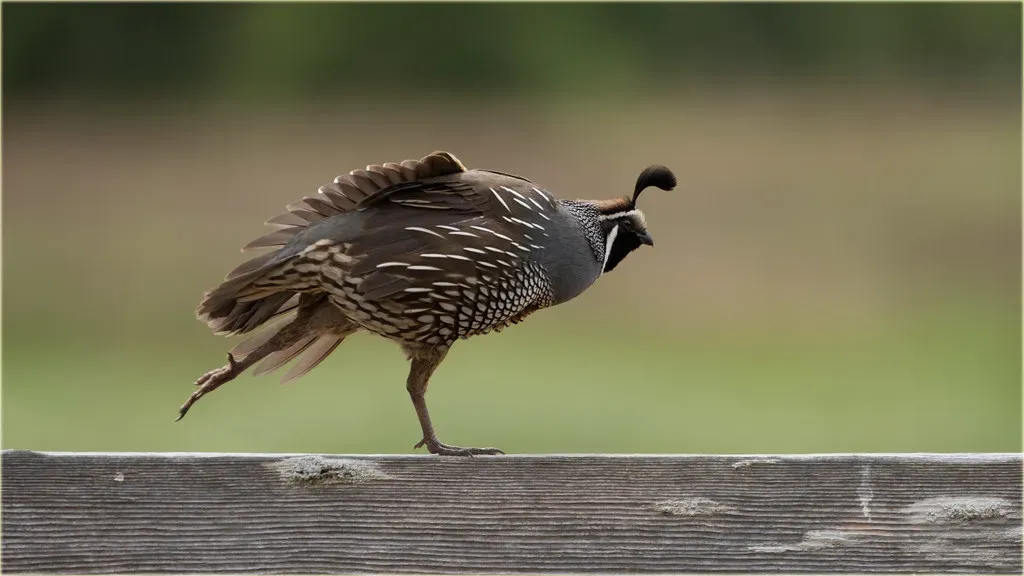
One of the most persistent lines boomers and Gen X were taught is that dinosaurs disappeared completely, wiped out without leaving any descendants. The story usually ended with a dramatic asteroid strike and a bold statement that dinosaurs are gone forever. That made for a satisfying full stop, but it was not quite right.
Modern research now treats birds as living dinosaurs, not just distant relatives. When scientists say that non-avian dinosaurs went extinct, they are drawing a line between big, classic dinosaurs like Triceratops and the lineage that continued and evolved into birds. Feathers, specialized lungs, and certain bone structures link birds directly to theropod dinosaurs, forming an unbroken evolutionary chain. So the next time you see a pigeon scavenging fries in a parking lot, you are technically looking at a tiny, modern dinosaur going about its day.
8. Myth: Dinosaurs Were All Killed Instantly by a Single Event
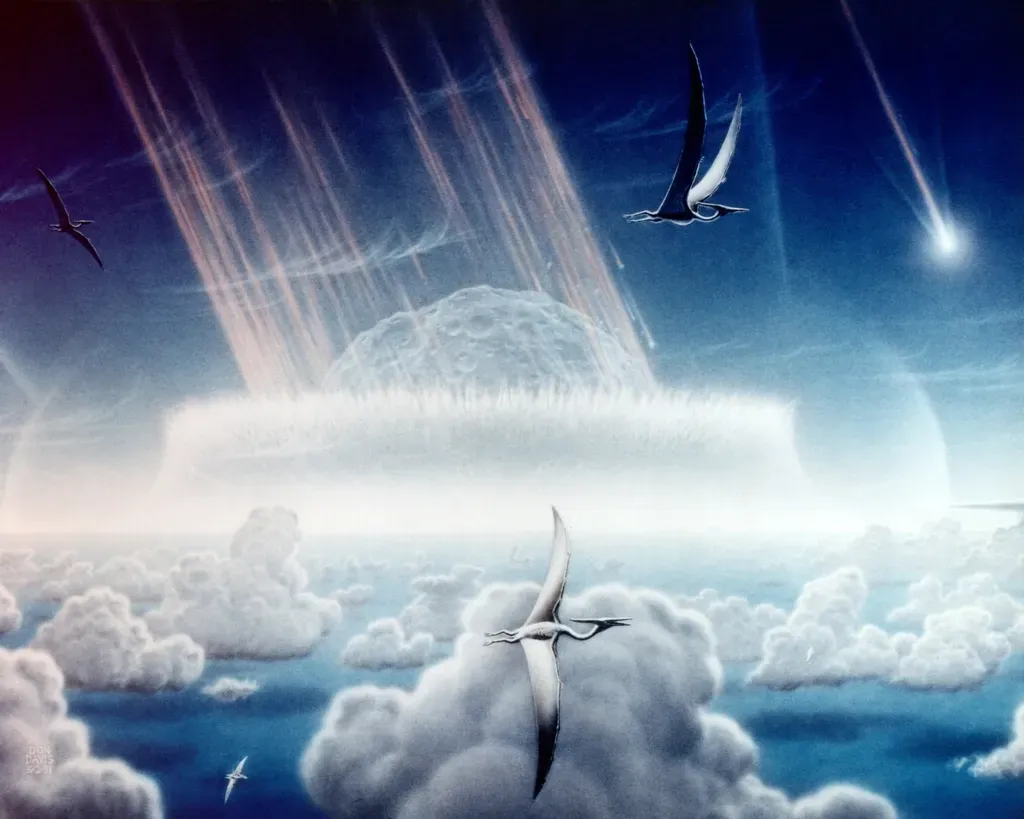
Many people grew up with the story that a massive asteroid smashed into Earth and wiped out dinosaurs overnight in a fiery apocalypse. While the asteroid impact is real and incredibly important, the “instant extinction” version is an oversimplified classroom shortcut that does not match what scientists now think actually happened.
Evidence suggests that the impact triggered a brutal chain reaction: shock waves, tsunamis, wildfires, and then a longer period of darkness and cooling as dust and aerosols blocked sunlight. Plant life collapsed in many regions, food chains unraveled, and ecosystems suffered cascading failures over years to thousands of years. Some groups died out quickly, others hung on a bit longer. Dinosaurs as a group did not vanish in a single afternoon; they were dragged through a catastrophic environmental crisis that unfolded over extended time. The drama is still there, but the real story is more complex and, in some ways, more chilling.
9. Myth: Paleontologists Have Already Found “All the Important Dinosaurs”
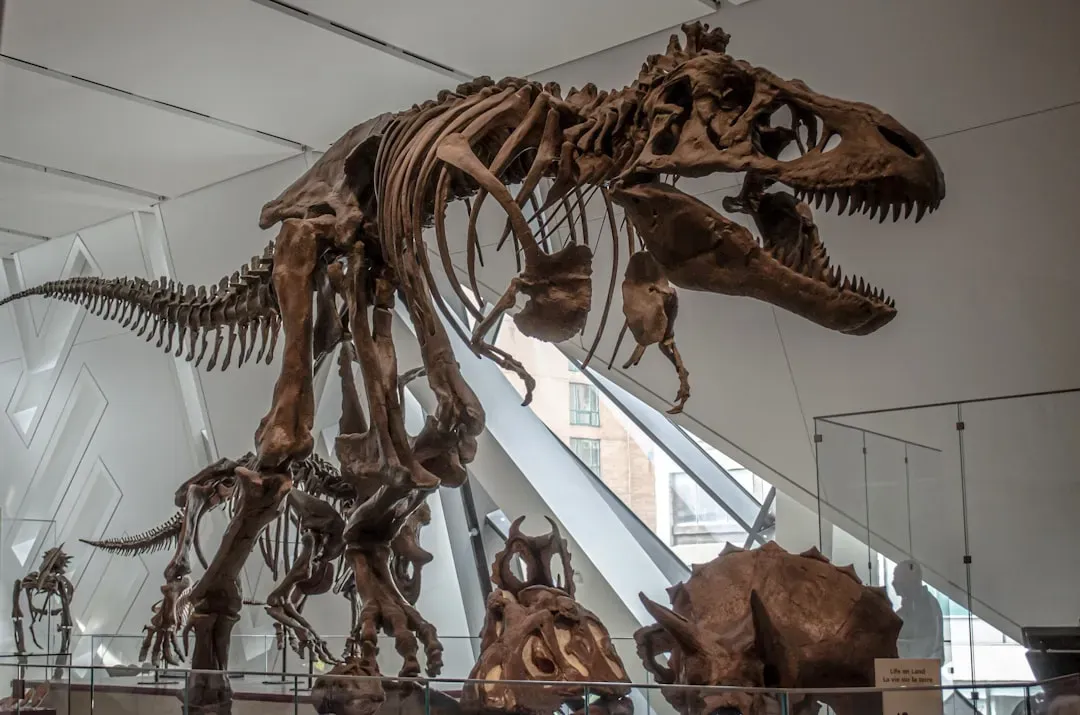
Older generations often absorbed the idea that dinosaur science was basically finished: the big ones were discovered in the early twentieth century, museums were filled, and everything important had already been named. Dinosaurs felt like a closed chapter, something you could sum up on a poster or a single textbook spread without missing much.
The reality is almost the opposite. New dinosaur species are still being discovered every year all around the world, from tiny birdlike creatures to bizarre horned and armored forms nobody predicted. Techniques like CT scanning let scientists peer inside fossils without destroying them, revealing soft-tissue impressions and brain cavities. Even existing museum specimens are being re-examined and sometimes reclassified, meaning our picture of dinosaur diversity is still expanding. Far from being “done,” dinosaur science in 2026 feels more like a constantly shifting jigsaw puzzle where the box lid keeps getting updated.
10. Myth: Dinosaurs Are Just a Kids’ Obsession, Not Serious Science
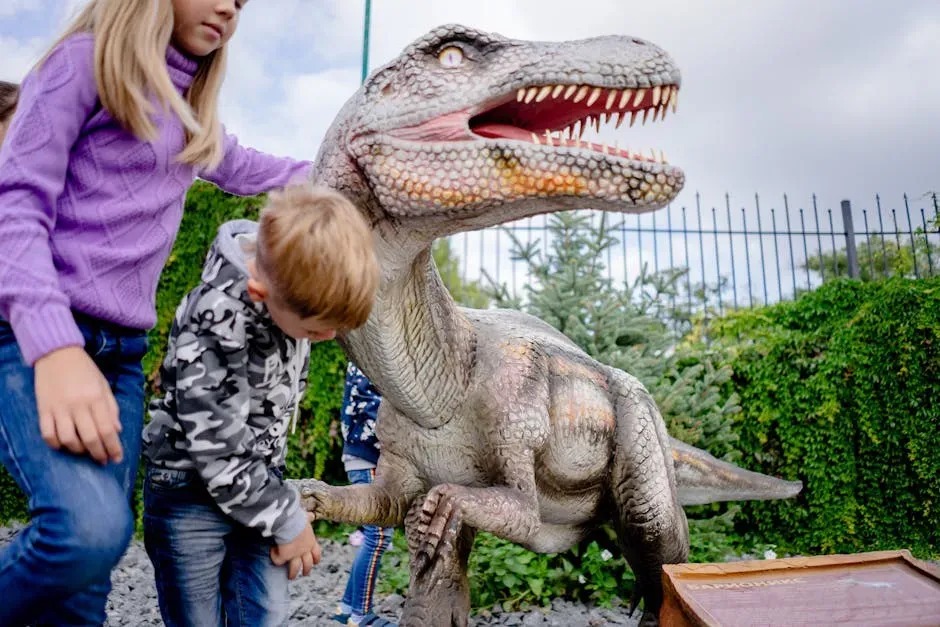
When boomers and Gen Xers were young, dinosaur interest was often written off as a childish phase. Dinosaurs were for plastic toys, Saturday morning shows, and birthday cakes, not for serious adults. Paleontology itself was sometimes portrayed as a dusty, fringe science compared to fields like physics or medicine, more about shovels and guesswork than real data.
Today, dinosaurs sit at the intersection of biology, geology, climate science, and even technology, with advanced imaging, computer modeling, and chemical analysis reshaping what we know. Studying dinosaurs helps scientists understand how ecosystems respond to climate shifts, how mass extinctions unfold, and how major evolutionary innovations like flight and warm‑bloodedness emerge. Personally, I love that something so many kids obsess over turns out to be a doorway into some of the deepest questions about life on Earth. Calling dinosaurs “just for kids” now feels like calling space exploration “just about rockets”: it misses almost everything that makes it powerful.
Conclusion: Letting Go of the Monsters to Meet the Animals
Looking back, it is almost funny how confidently earlier generations were taught so many dinosaur “facts” that turned out to be half-true or flat‑out wrong. But that is the messy beauty of science: it keeps changing its mind when the evidence demands it. The dinosaurs boomers and Gen X met in their childhood were cardboard villains and swamp-dragging monsters. The dinosaurs we see emerging from modern research are complex animals, some feathered, some fast, some surprisingly bright, and some with living descendants hopping around our backyards.
There is a kind of humility in admitting that our childhood picture of the prehistoric world was off, and an even bigger thrill in updating it. We are not losing the magic by letting go of the myths; we are trading in a movie monster for something stranger and more real. The question is whether we are willing to let go of comforting old images and embrace a world where your local crow might be closer to a Velociraptor than your favorite dinosaur toy ever was. Did you expect the truth to be this different from the stories you grew up with?