Imagine standing on the very ground where giant reptiles once thundered across ancient plains. The United States isn’t just home to cowboys and skyscrapers. It’s actually one of the most important dinosaur graveyards on the planet, hiding secrets beneath layers of rock that have been waiting millions of years to tell their stories.
North America has a rich dinosaur fossil record with great diversity of dinosaurs, stretching across vast landscapes from the scorching deserts of Montana to the rugged canyons of Utah. These prehistoric creatures didn’t just exist in faraway lands or on forgotten continents. They walked right here, where you might be standing today. From massive plant eaters that could look over treetops to razor clawed hunters that terrorized their prey, the dinosaurs of prehistoric America were as diverse and fascinating as any ecosystem we see now. Let’s dive in and meet ten incredible dinosaurs that once called the USA home.
Tyrannosaurus Rex: The Undisputed King
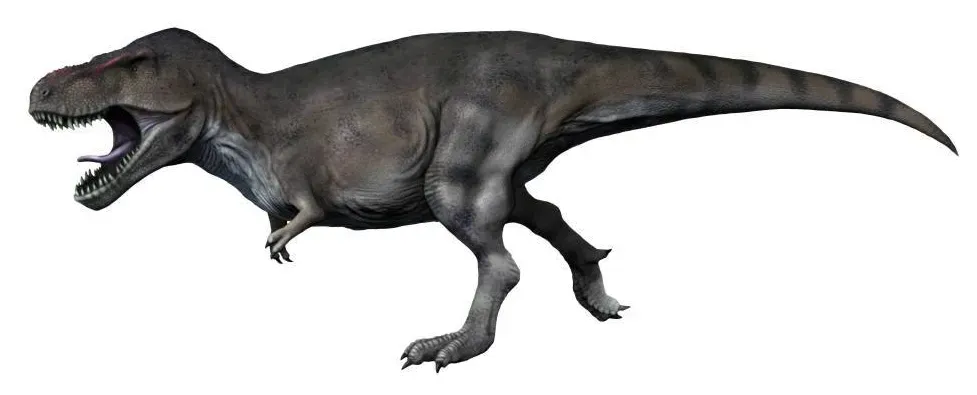
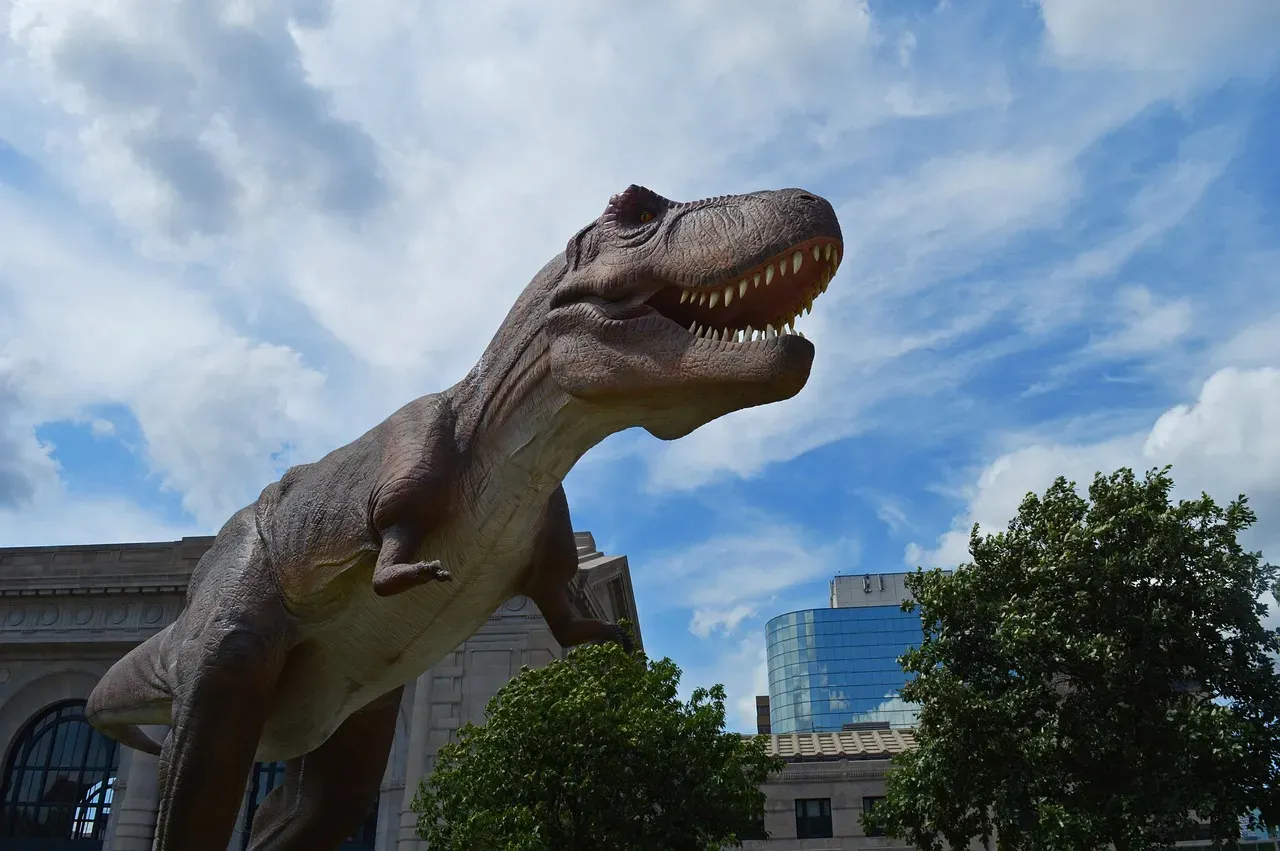
The first skeleton of Tyrannosaurus rex was discovered in 1902 in Hell Creek, Montana, by the Museum’s famous fossil hunter Barnum Brown. Here’s the thing though: this apex predator wasn’t just some Hollywood fantasy. Scientists now know that T. rex lived 69 to 66 million years ago, at the very end of the Late Cretaceous Period, making it one of the last great dinosaurs before extinction wiped them out.
Susan Hendrickson of the Black Hills Institute discovered the best-preserved Tyrannosaurus currently known, in the Hell Creek Formation near Faith, South Dakota, on 12 August 1990. About 90% of the skeleton was recovered, allowing the first complete description of a Tyrannosaurus rex skeleton. This incredible find revolutionized our understanding of these beasts. Think about it: roughly forty feet of pure predatory power, armed with teeth the size of bananas and a bite force that could crush bone like breadsticks.
Triceratops: The Three Horned Tank
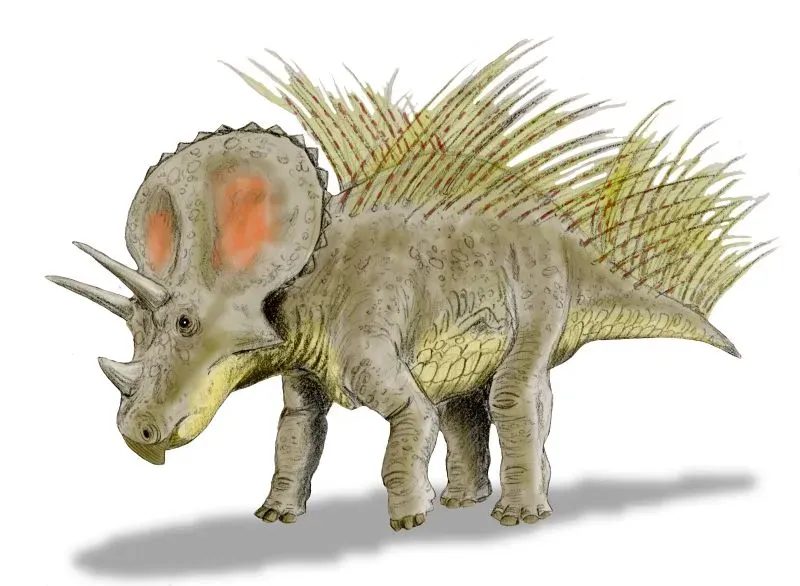
Triceratops is a genus of chasmosaurine ceratopsian dinosaur that lived during the late Maastrichtian age of the Late Cretaceous period, about 68 to 66 million years ago on the island continent of Laramidia, now forming western North America. This armored herbivore wasn’t taking any chances when predators came calling.
Picture a rhinoceros, but cranked up to eleven with three massive horns and a bony shield that could deflect even the most ferocious attacks. Since at least the early 20th century, Triceratops has been among the most famous dinosaurs and an archetypal ceratopsian. It has been popularly displayed at natural history museums due to the abundance of fossils. Scientists have found so many Triceratops remains across Montana, Wyoming, and South Dakota that we know more about this dinosaur than almost any other horned species. It’s hard to say for sure, but fossil evidence suggests these gentle giants might have used their impressive horns for combat with each other, not just defense.
Stegosaurus: The Plated Wonder
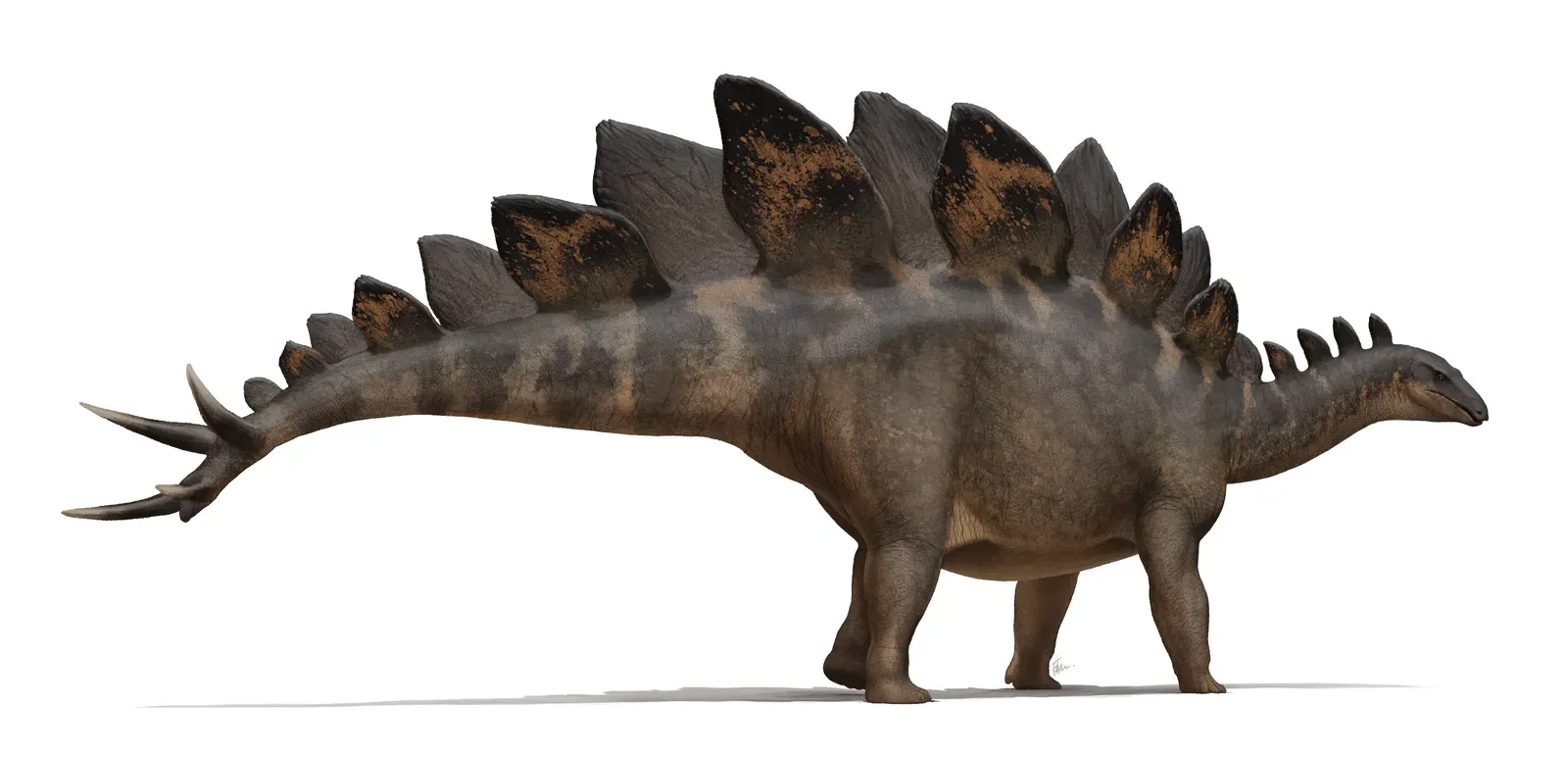
Stegosaurus was made the official state fossil of Colorado in 1982, and honestly, it’s easy to see why this bizarre looking creature captured imaginations. The Late Jurassic Morrison Formation is found in several U.S. states, including Colorado, Utah, Wyoming, Montana, New Mexico, Oklahoma, South Dakota, and Texas. It is notable as being the most fertile single source of dinosaur fossils in the world.
Those distinctive plates running down its back weren’t just for show. Stegosaurus likely used its plates for display, to signal members of its own species or attract mates, though some researchers think they might have helped regulate body temperature. Meanwhile, the four spikes on its tail were definitely weapons. A punctured tail vertebra of an Allosaurus into which a tail spike fits perfectly proves that Stegosaurus knew how to defend itself when push came to shove. Despite having a brain the size of a walnut, this armor plated giant survived for millions of years.
Allosaurus: The Jurassic Apex Predator
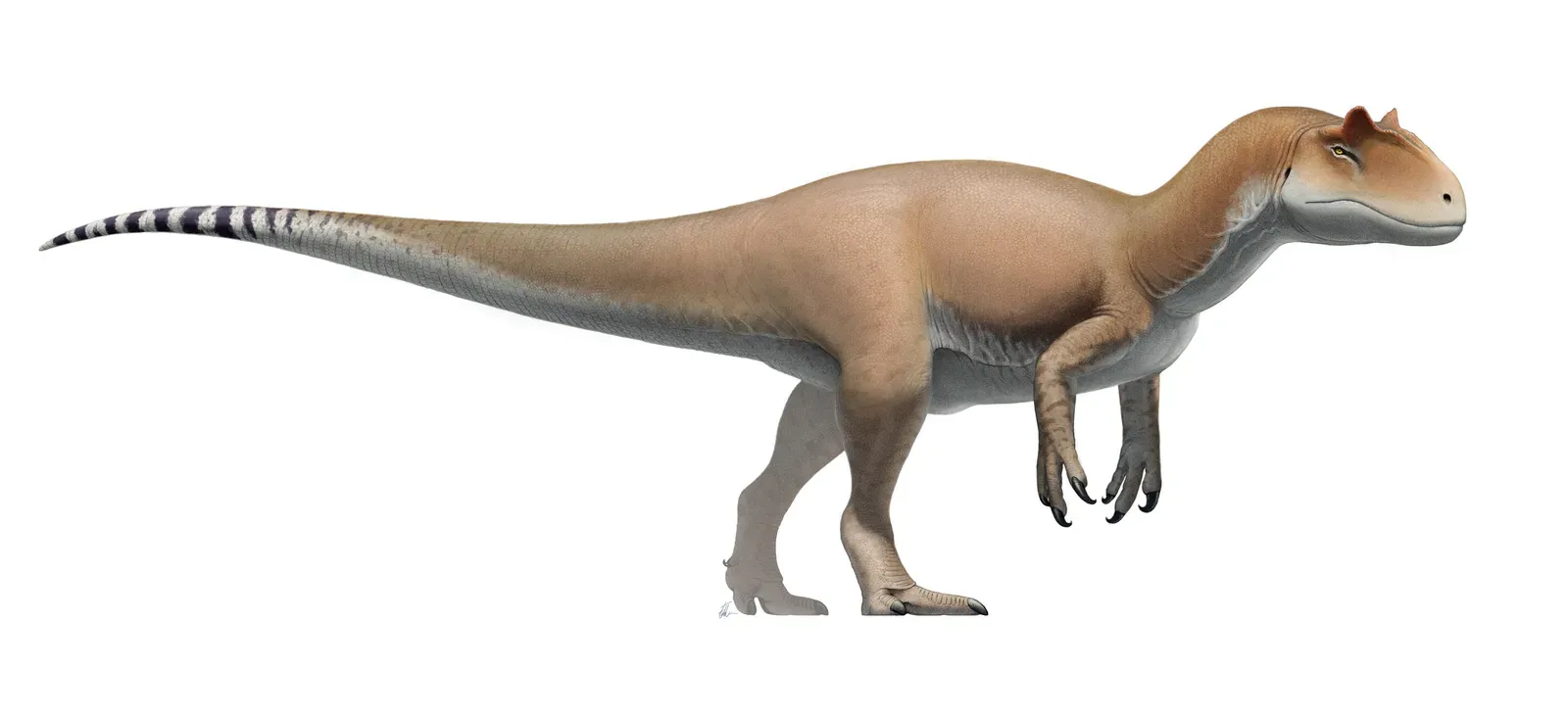
Long before T. rex ruled the land, Allosaurus was the terror of the Late Jurassic. Among the theropods, Allosaurus, Torvosaurus, Ceratosaurus, Coelurus, Ornitholestes, Tanycolagreus, Stokesosaurus, and Marshosaurus are found in the Morrison Formation, but Allosaurus was by far the most common and successful predator of its time.
Allosaurus accounted for 70 to 75% of theropod specimens and was at the top trophic level of the Morrison food web. This roughly thirty foot long carnivore had a massive skull adorned with ridges above its eyes, giving it an almost demonic appearance. Its hunting grounds stretched across what is now the western United States, from Colorado to Wyoming. Unlike the bone crushing T. rex that would come millions of years later, Allosaurus relied on slashing attacks with its sharp teeth and powerful claws to bring down prey like Stegosaurus and massive sauropods.
Diplodocus: The Whip Tailed Giant
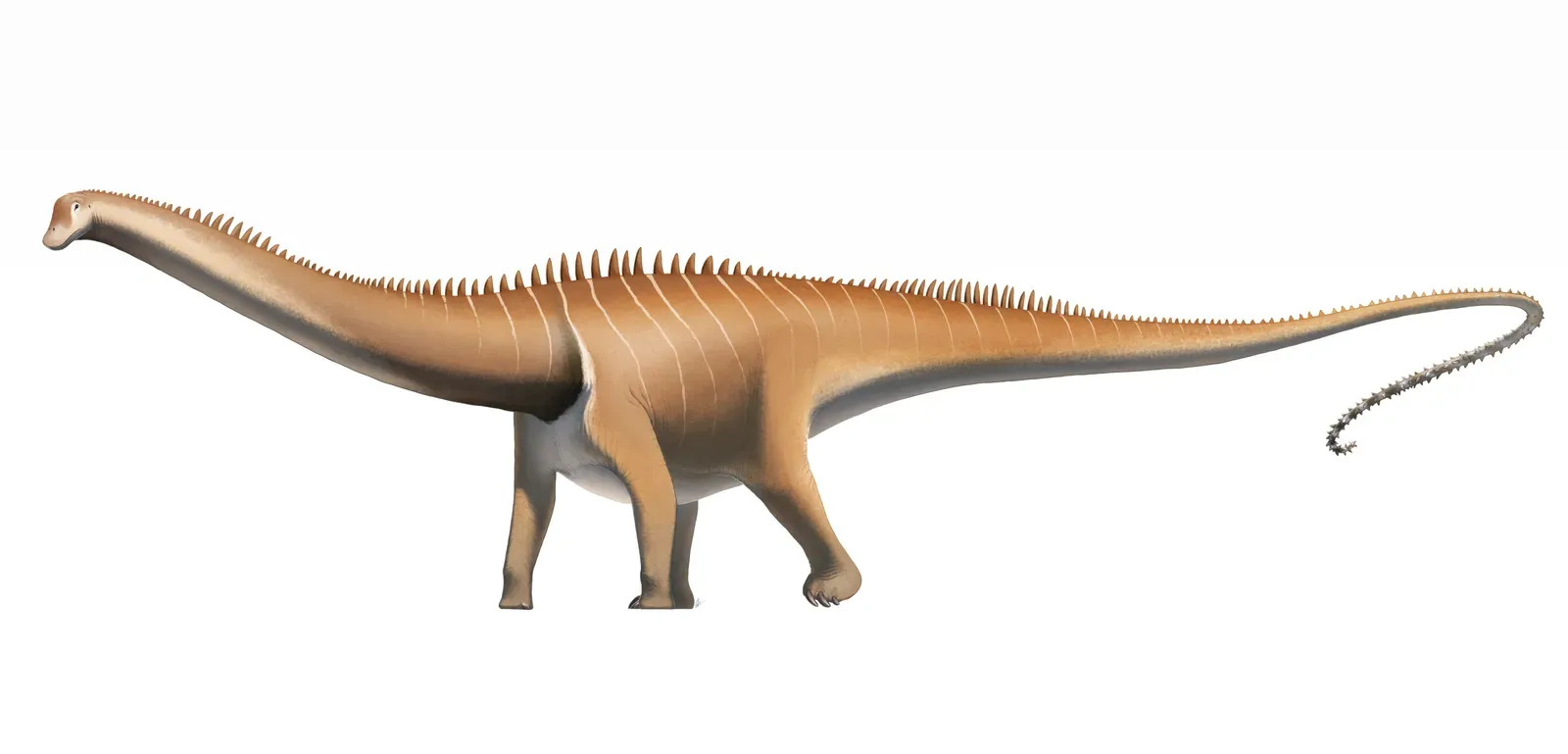
Diplodocus is an extinct genus of diplodocid sauropod dinosaurs known from the Late Jurassic of North America. The first fossils of Diplodocus were discovered in 1877 by S. W. Williston. The genus lived in what is now mid-western North America, at the end of the Jurassic period. Imagine a creature so long that its tail could span the length of a bowling alley.
This sauropod stretched over eighty feet from nose to tail tip, though surprisingly it wasn’t particularly heavy for its length. The Morrison Formation records an environment and time dominated by gigantic sauropod dinosaurs. Diplodocus is commonly found at the same sites as Apatosaurus, Allosaurus, Camarasaurus, and Stegosaurus. Its incredibly long neck allowed it to reach vegetation other herbivores couldn’t touch, while that whip like tail might have been used as a defensive weapon. Let’s be real: you wouldn’t want to be on the receiving end of a tail crack from this giant, which could potentially generate supersonic speeds.
Brachiosaurus: The High Browser
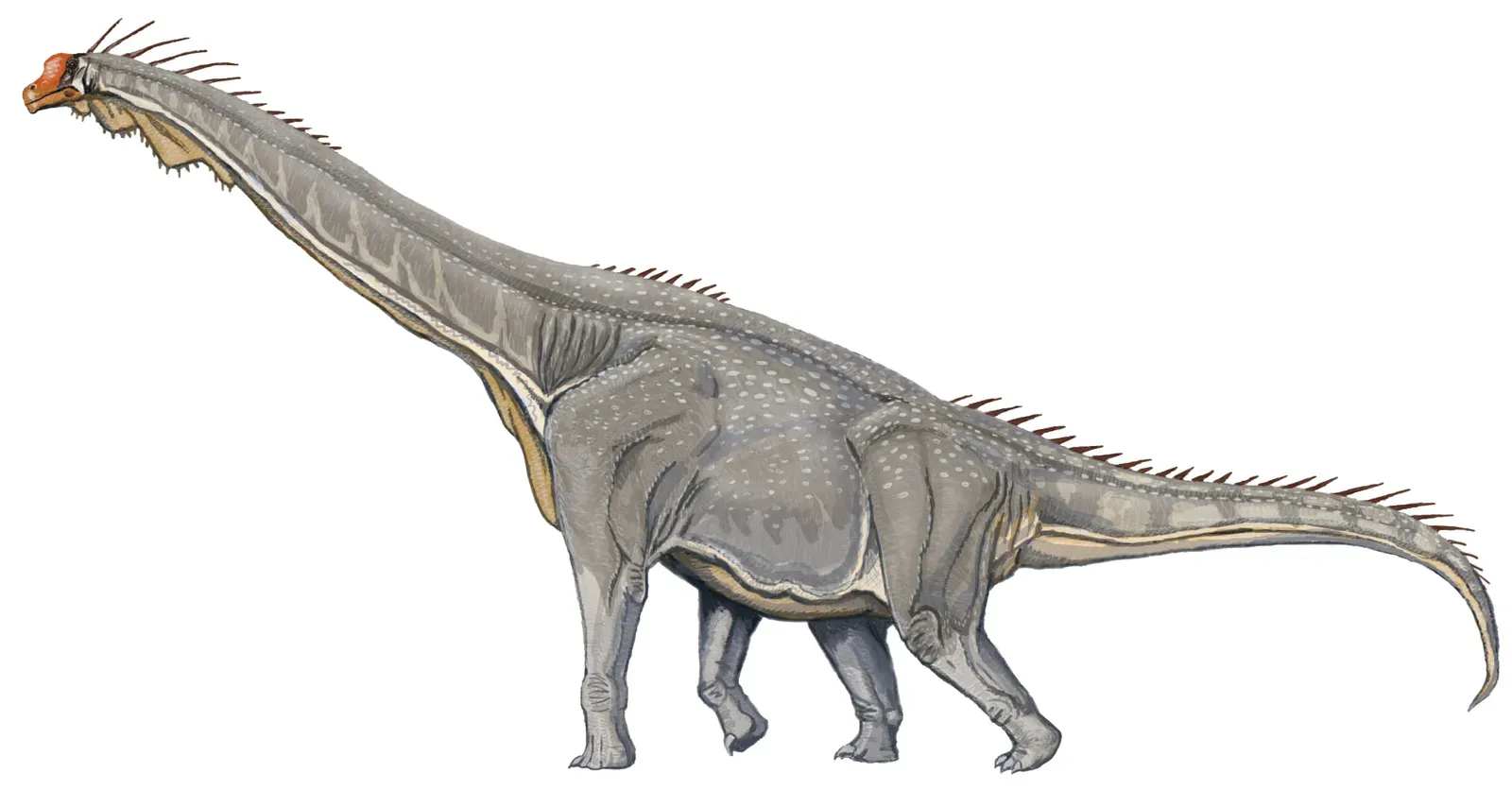
Brachiosaurus is a genus of sauropod dinosaur that lived in North America during the Late Jurassic, about 155.6 to 145.5 million years ago. It was first described by American paleontologist Elmer S. Riggs in 1903 from fossils found in the Colorado River valley in western Colorado, United States. What made Brachiosaurus truly unique was its unusual body plan.
Unlike most sauropods, Brachiosaurus had longer front legs than back legs, giving it a giraffe like stance that allowed it to reach vegetation forty feet off the ground. Think about that for a second: this dinosaur could peer into a fourth story window if buildings had existed back then. Brachiosaurus is estimated to have been between 18 and 22 meters (59 and 72 ft) long; body mass estimates of the subadult holotype specimen range from 28.3 to 46.9 metric tons (31.2 to 51.7 short tons). This gentle giant browsed the treetops of prehistoric Colorado and Utah, sharing its world with Allosaurus and Stegosaurus in what must have been one of the most spectacular ecosystems Earth has ever seen.
Ankylosaurus: The Armored Fortress
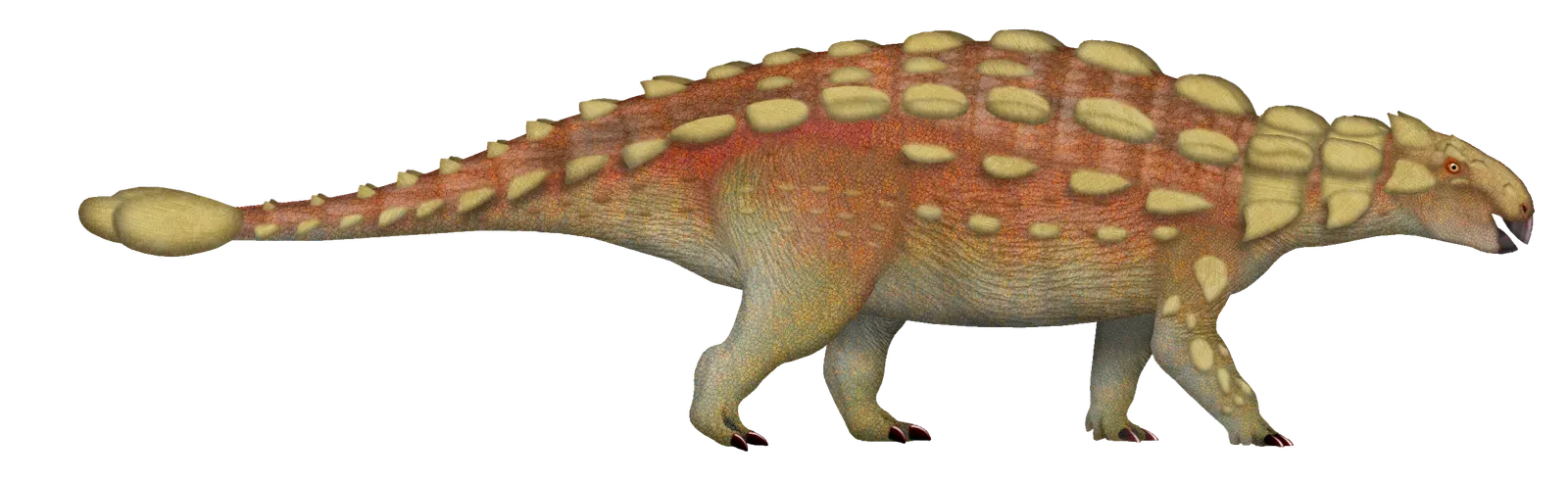
Ankylosaurus fossils have been found in geological formations dating to the very end of the Cretaceous Period, about 68–66 million years ago, in western North America, making it among the last of the non-avian dinosaurs. It was named by Barnum Brown in 1908. If dinosaurs had designed a tank, Ankylosaurus would be the blueprint.
The first Ankylosaurus bones were found in 1906 at the Hell Creek Formation in Montana, USA. Barnum Brown led the fossil hunting trip – the same scientist who led the discovery of Tyrannosaurus rex a few years earlier. This heavily armored herbivore was covered head to tail in thick bony plates and spikes, with a massive club at the end of its tail that could shatter bones. The huge tail could easily have broken the bones of most of its predators, making even T. rex think twice before attacking. Honestly, it’s hard to imagine a more perfectly defended dinosaur.
Deinonychus: The Terrible Claw
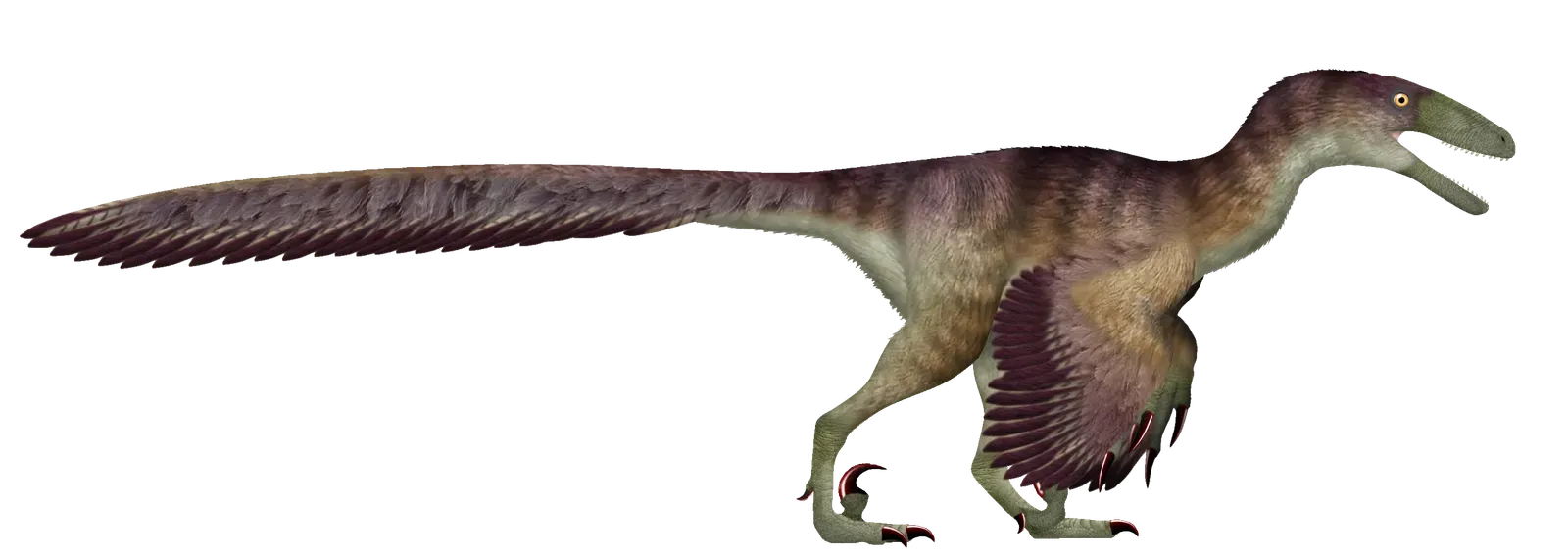
The first Deinonychus fossils were found in southern Montana by John Ostrom and Grant Meyer in 1964. Ostrom published the findings and named the dinosaur five years later. This discovery literally changed everything we thought we knew about dinosaurs.
This species, which could grow up to 3.4 meters (11 ft) long, lived during the Early and Late Cretaceous Period, about 115–93.9 million years ago. Deinonychus was built for speed and lethality, with a massive sickle shaped claw on each foot that it held off the ground while running. In both the Cloverly and Antlers formations, Deinonychus remains have been found closely associated with those of the ornithopod Tenontosaurus. Teeth discovered associated with Tenontosaurus specimens imply they were hunted, or at least scavenged upon, by Deinonychus. This evidence suggests they might have hunted in packs, working together to bring down prey much larger than themselves.
Utahraptor: The Giant Killer
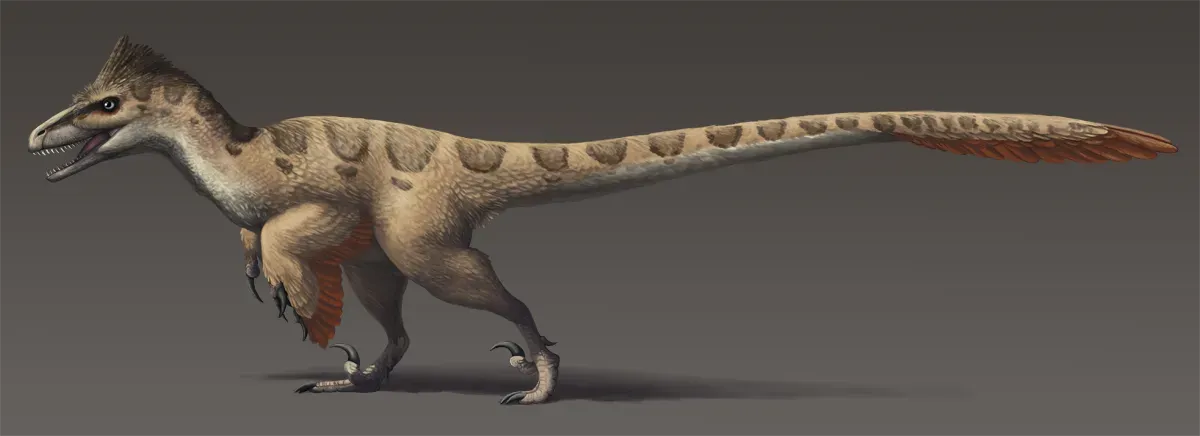
The type species, Utahraptor ostrommaysi, was named by Kirkland, Gaston and Burge in June 1993. The genus name Utahraptor is in reference to Utah, where the remains were found. If Deinonychus seemed dangerous, Utahraptor was its nightmarish big brother.
This Early Cretaceous predator could reach lengths of fifteen to eighteen feet and weigh as much as a grizzly bear. In 2001, Kirkland and colleagues pursued a graduate student’s discovery of a bone protruding from a 9-ton fossil block of sandstone in eastern Utah. It was determined to contain the bones of at least seven individuals, including an adult measuring about 4.8 m (16 ft), four juveniles, and a hatchling about 1 m (3.3 ft) long. This incredible find from Grand County, Utah suggests Utahraptor might have lived in family groups. Armed with foot claws measuring nearly nine inches of bone core, this apex predator was perfectly equipped to take down even the largest herbivores of its time.
Edmontosaurus: The Duck Billed Survivor
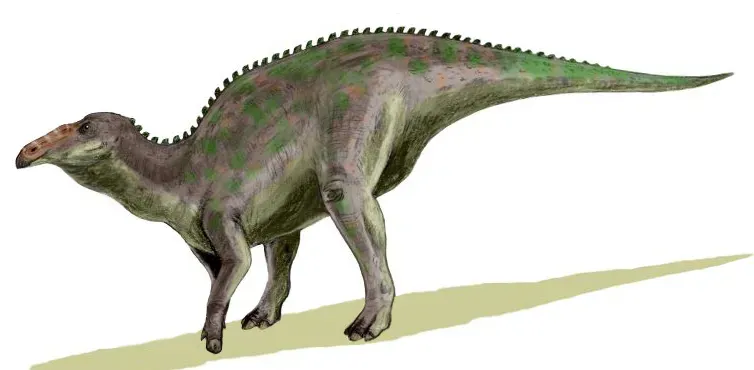
Fossil evidence of Edmontosaurus has been discovered in regions across North America, including Wyoming, Colorado, and Alberta. This duck billed dinosaur might not look as impressive as T. rex or Triceratops, but it was one of the most successful dinosaurs of the Late Cretaceous.
A full-grown Edmontosaurus reached a length between 32 and 42 feet (9 1/2 and 13 meters), a height of up to 10 feet (three meters) tall, and a weight between 3 1/2 and 5 tons. What made Edmontosaurus special wasn’t size or weapons but its incredible adaptability. Edmontosaurus had a horse-like head with a long, narrow beak like that on a duck. Its jaws were lined with hundreds of strong teeth that could grind through the toughest plant material. These herbivores roamed in massive herds across the swampy forests of North America, and their abundance meant they became prey for nearly every large predator of their time.
Conclusion: America’s Prehistoric Heritage
The dinosaurs of prehistoric USA represent some of the most iconic and well studied creatures ever to walk the Earth. From the badlands of Montana to the canyons of Utah, American soil has yielded treasures that have reshaped our entire understanding of these ancient animals. Less time separates us from Tyrannosaurus rex than separated T. rex from Stegosaurus, which puts into perspective just how vast and incredible the age of dinosaurs truly was.
These ten species only scratch the surface of the incredible diversity that once existed across North America. Each fossil discovery adds another piece to the puzzle, helping us reconstruct vanished worlds where giants battled for survival. The legacy of these creatures lives on not just in museums but in the landscape itself, where patient paleontologists continue to unearth new secrets. Pretty amazing when you think about it, isn’t it? What other mysteries might be hiding just beneath your feet, waiting for the right person to discover them?