America is home to some of the most breathtaking wildlife on the planet. From the soaring mountain ranges of the West to the steaming swamplands of the South, this country’s natural landscape is genuinely one of a kind. So it might come as a shock to learn just how many of the creatures that call this land home are quietly disappearing.
Scientists estimate that up to roughly one third of U.S. species are at increased risk of extinction, and more than 1,600 U.S. plants and animals have already been federally listed as threatened or endangered and protected under the Endangered Species Act. That number is staggering. These aren’t distant, far-off animals in some tropical jungle. They’re your neighbors. They share your rivers, your forests, your skies. Let’s dive in and meet them – because understanding them is the very first step to saving them.
1. The North Atlantic Right Whale: A Ghost of the Ocean
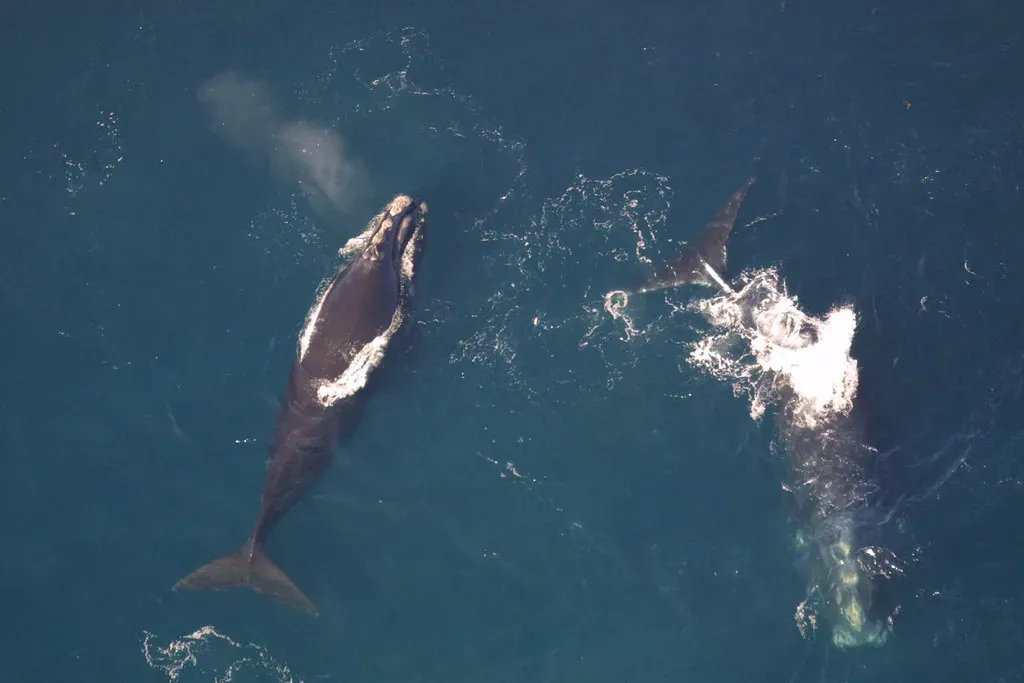
Imagine an animal that survived centuries of commercial whaling, only to now face an even deadlier modern gauntlet. That’s exactly the cruel irony facing the North Atlantic right whale. North Atlantic right whales are among the most endangered whales in the world, with only about 400 individuals and likely fewer than 100 breeding females remaining today, and in 2020, the species was moved from “endangered” to “critically endangered” on the IUCN Red List.
Since 2017, roughly three quarters of the 123 known incidents that killed or seriously injured right whales were due to confirmed vessel strikes or gear entanglements. The deaths of female right whales carry the greatest implications for the long-term survival of the population, because right whale females are not sexually reproductive until the age of ten and produce one calf every six to ten years – meaning the loss of a single female is a significant blow for the species. You can help by supporting organizations pushing for ropeless fishing gear, which uses inflatable devices rather than ropes to bring catch to the surface, and by advocating for slower vessel speeds in whale habitats.
2. The Florida Panther: King of the Everglades, on Life Support
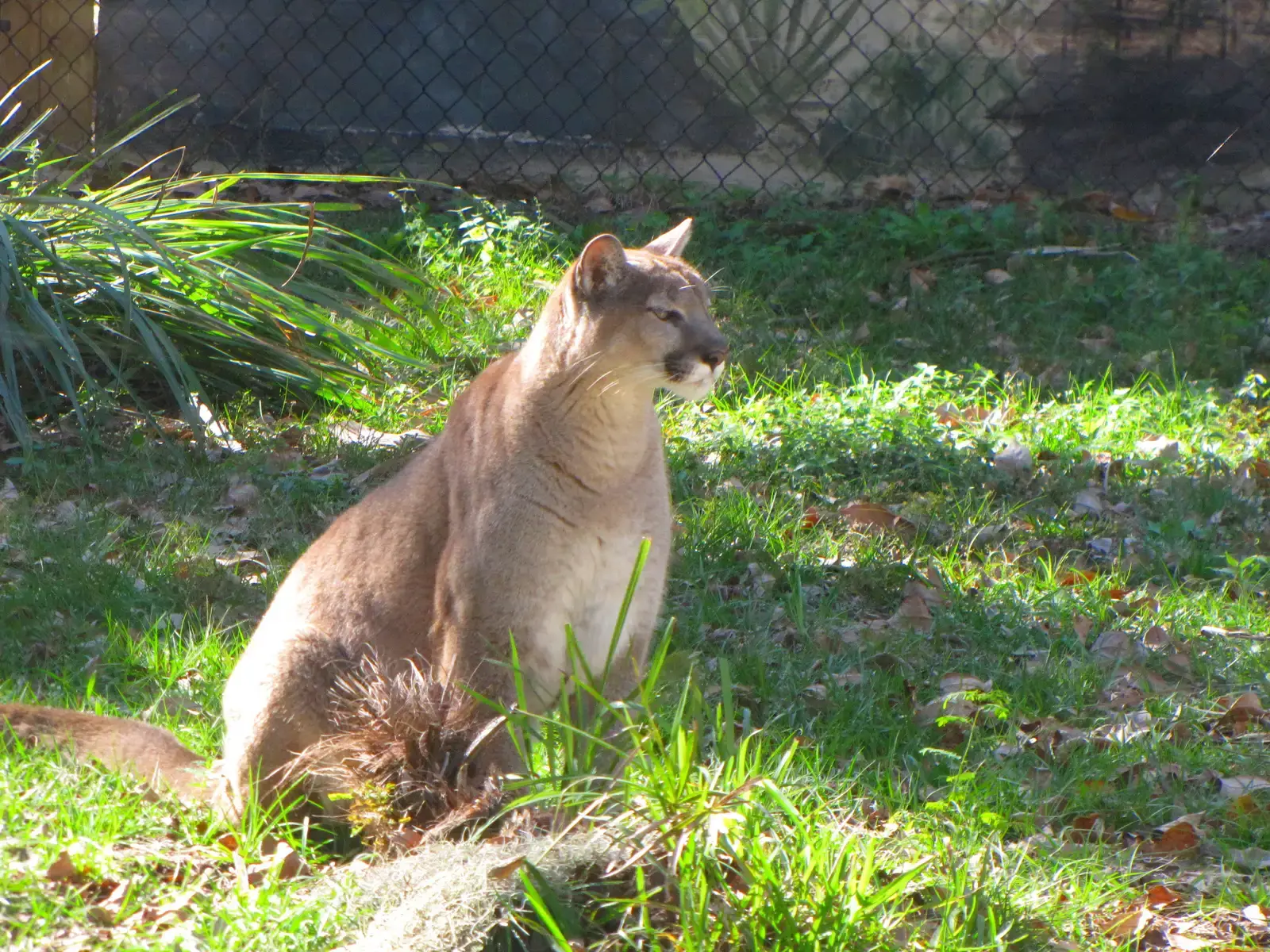
Honestly, it’s hard to believe that a creature this powerful is in such desperate trouble. The Florida panther is basically fighting two battles simultaneously – one against habitat loss and another against speeding vehicles – and current estimates indicate that only 200 to 260 adult panthers remain in the wild. These magnificent tan-colored cougars represent the only breeding population of mountain lions east of the Mississippi River.
The wildcat, once ranging throughout the southeastern U.S., now survives only in a tiny area of South Florida, where habitat destruction and widespread urbanization have pushed it to the edge. Inland development such as roads and highways also pose a serious danger to panthers attempting to cross the land. You can help by supporting wildlife corridor initiatives that allow panthers safe passage, and by slowing down when driving through Florida’s rural areas. Roads divide habitat and present a constant hazard to any animal attempting to cross from one side to the other, so when you’re out and about, slowing down and keeping an eye out for wildlife genuinely matters.
3. The California Condor: Back From Six Birds to Hundreds
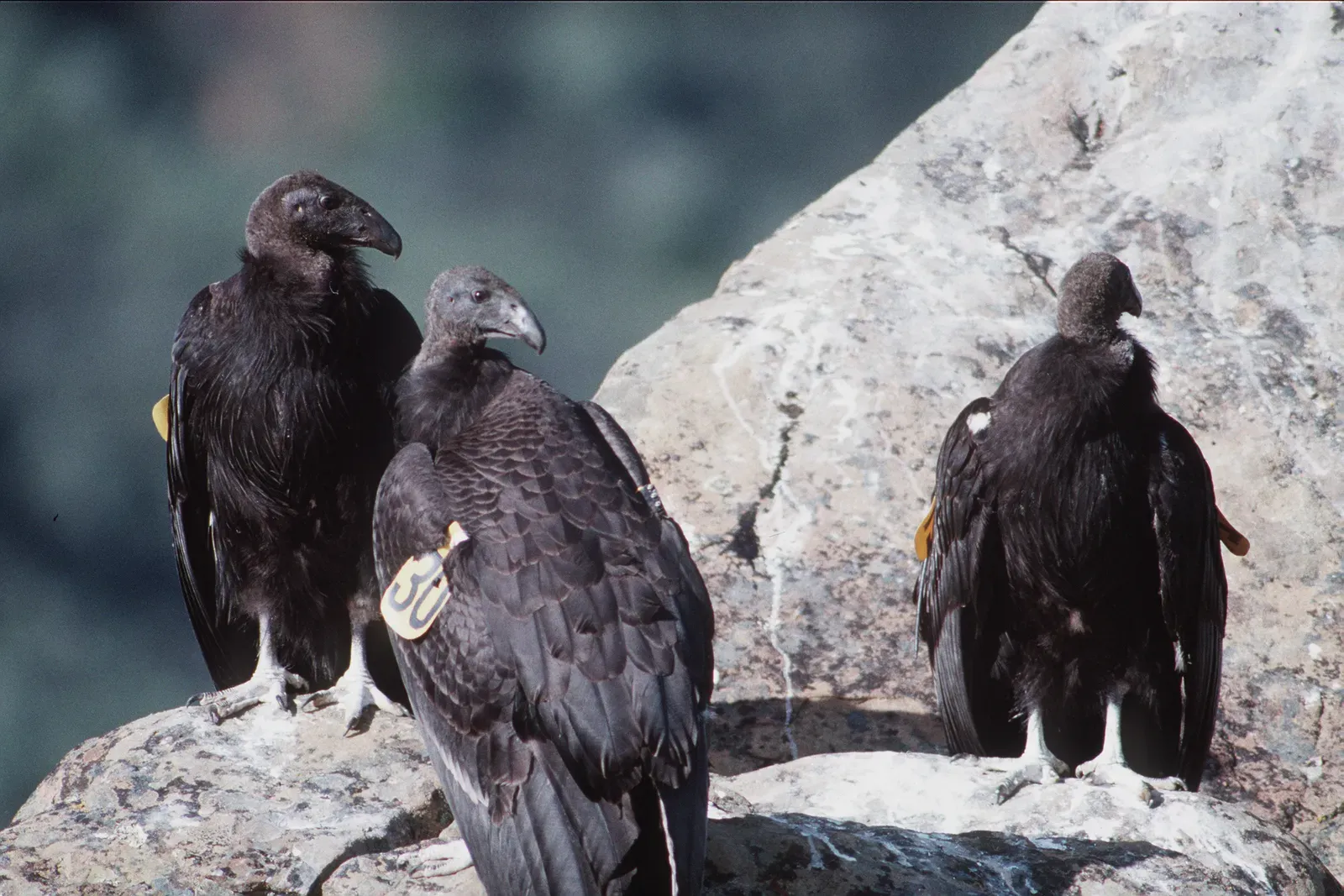
Here’s the thing – this story is both terrifying and genuinely inspiring. Though the bald eagle is the most recognizable bird of prey in the U.S., the California condor is the largest known wild bird in North America. By the 1980s, only about six individuals were left in the wild – the result of lead poisoning, where birds accidentally ingest bullet fragments left in animal carcasses, and reduced eggshell thickness from ingesting the synthetic insecticide DDT.
The remaining six condors were captured for an intensive breeding recovery programme, which helped boost population numbers up to 223 by 2003. The species remains listed as critically endangered, with some 93 mature individuals left in the wild according to the IUCN. You can help this incredible bird by advocating for lead-free ammunition in hunting, since proposals to allow lead ammunition on federal lands could devastate condors alongside other wildlife including bald eagles, golden eagles, and mountain lions. Spreading this message in your community could literally save lives – condor lives.
4. The Red Wolf: The World’s Most Endangered Wolf
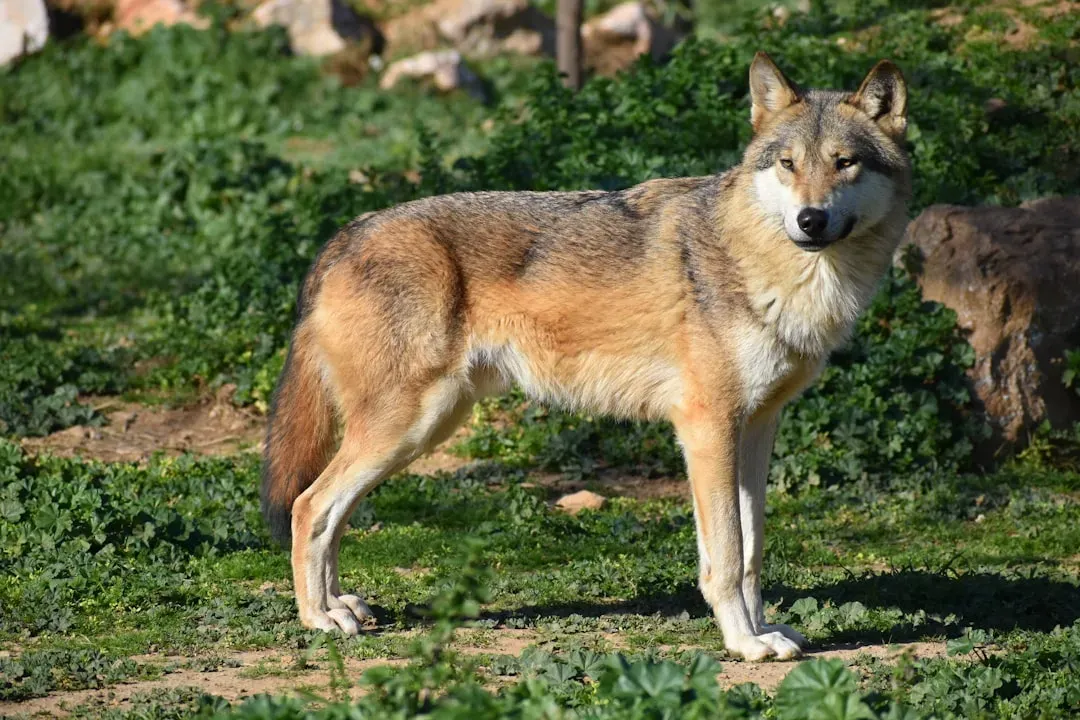
If you’ve never heard of the red wolf, you’re not alone – and that obscurity is part of the problem. Identifiable by its reddish fur behind the ears, neck and legs, the red wolf is the world’s most endangered wolf, and the IUCN now categorizes red wolves as critically endangered. Think about that for a moment. Not just endangered in the U.S. – the most endangered wolf on Earth, right here on American soil.
Once common in eastern and south central regions of the U.S., the red wolf was listed as a species threatened with extinction in 1967, after population numbers dropped significantly due to decades of human activity including gunshots and vehicle collisions. The U.S. Fish and Wildlife Service reintroduced them in eastern North Carolina in the late 1980s to help conserve and recover the rare species, though the species remains highly threatened with only 20 to 30 individuals left. You can help by staying informed about the Red Wolf Recovery Program, as the U.S. Fish and Wildlife Service continues to hold public meetings to update communities on revitalized recovery efforts for the species in eastern North Carolina.
5. The Whooping Crane: America’s Tallest Bird Makes a Comeback
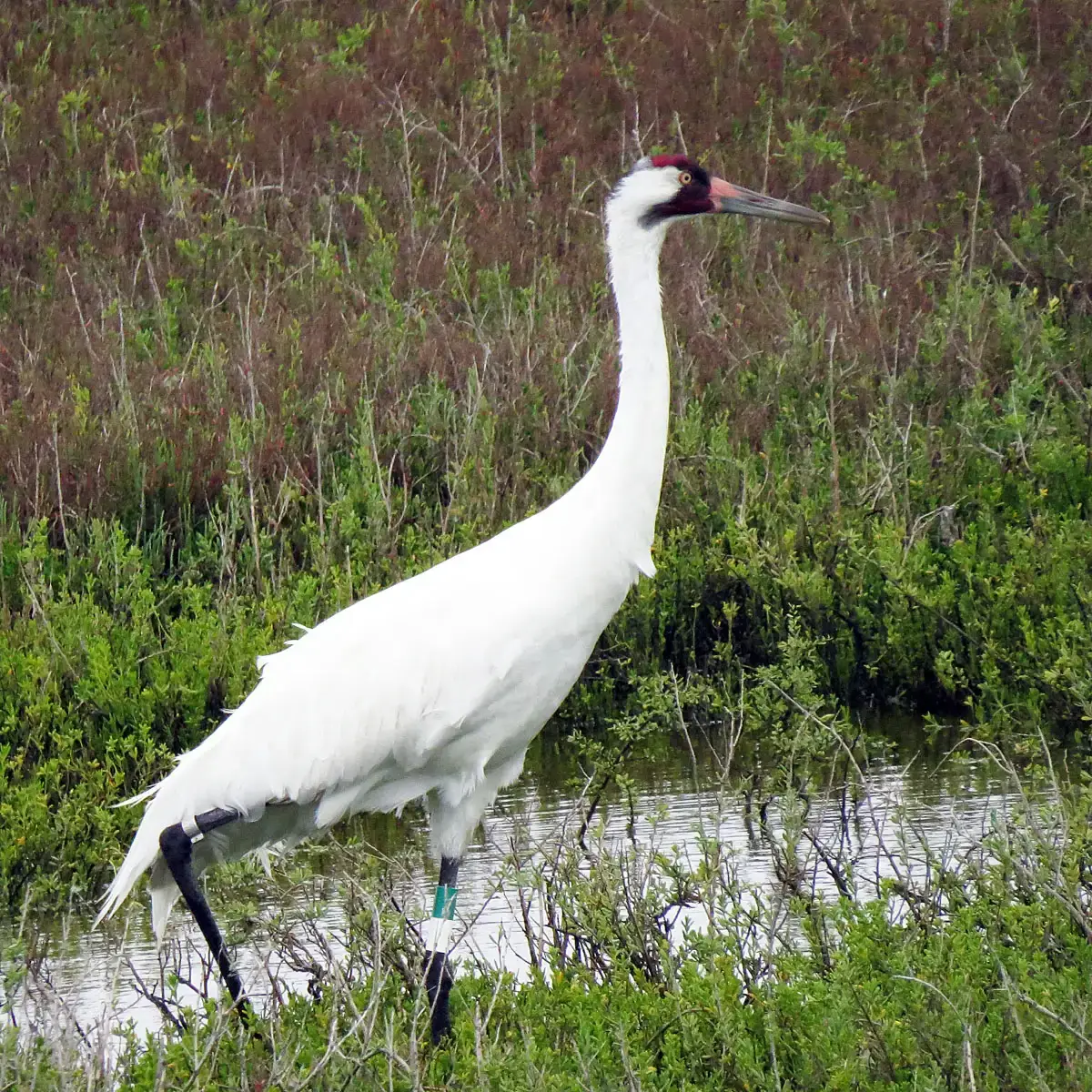
There’s something almost mythical about the whooping crane. Tall, brilliant white, and deeply ancient in spirit, this bird has been on the edge of oblivion and somehow refused to go quietly. After being pushed to the brink of extinction by unregulated hunting and loss of habitat that left just 21 wild and two captive cranes by 1941, the whooping crane made a partial recovery through conservation efforts.
The total number of cranes in the surviving migratory population, plus three reintroduced flocks and those in captivity, only slightly exceeds 830 birds as of 2025. Progress, yes – but still fragile. These cranes migrate between Canada and the southern U.S., offering birdwatchers a chance to witness their majestic flights. You can support their survival by protecting wetland habitats in your community, joining bird-monitoring citizen science programs, and donating to organizations actively involved in captive breeding and reintroduction efforts. Every bird counts – literally.
6. The Florida Manatee: The Gentle Giant in Troubled Waters
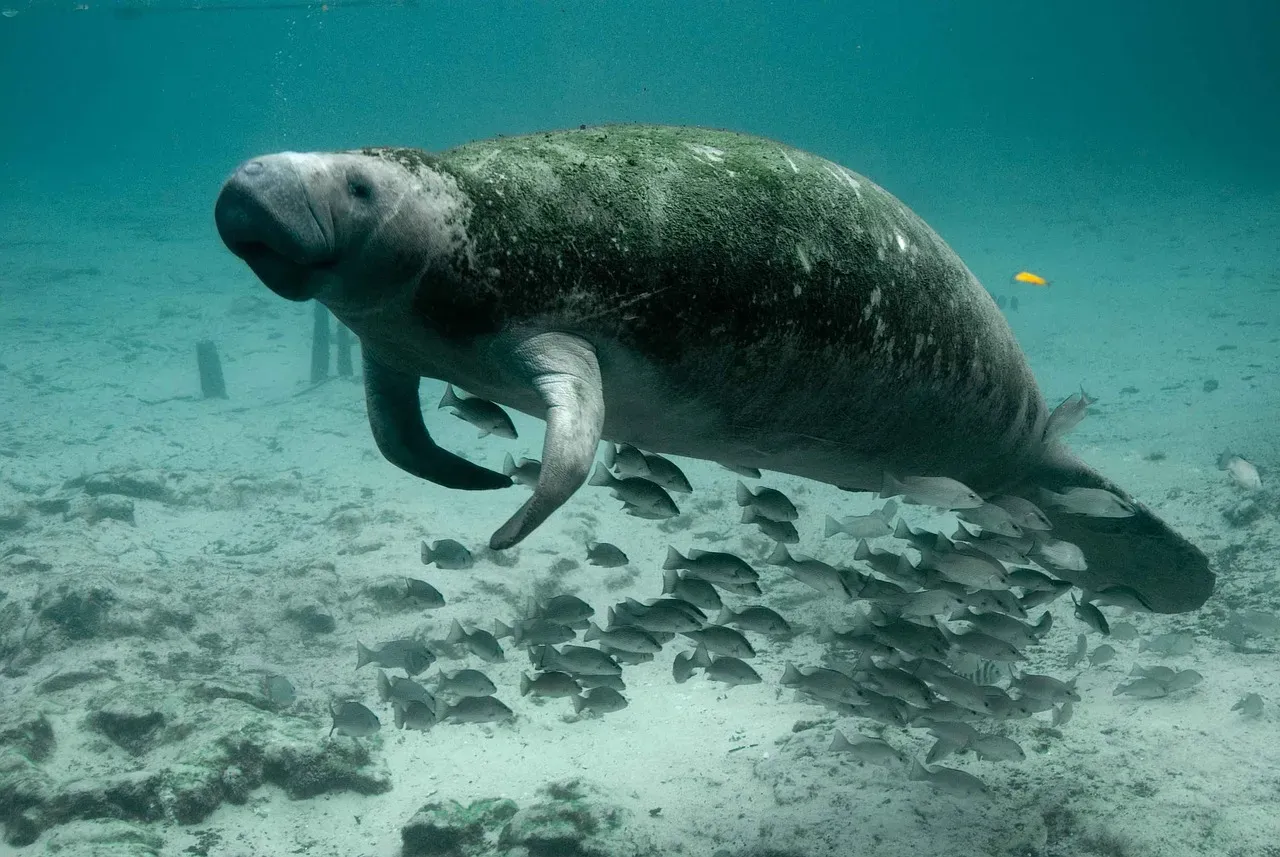
Few animals in America are as immediately lovable as the manatee. Slow, round, and thoroughly unbothered by most things in life, these “sea cows” have won the hearts of millions. Yet behind that serene exterior lies a species in serious trouble. Fewer than 10,000 manatees survive in the waters of Florida, because the species has experienced a horrific die-off in recent years. Between 2020 and 2022, more than 2,500 manatees died, mostly from starvation because of the decline of seagrass, their favorite food.
The seagrass shortage became so dire that the state at one point had to drop hundreds of tons of lettuce into the water to keep manatees from starving to death en masse. That image alone should stop you in your tracks. You can help by reducing fertilizer runoff from your yard, which causes algae blooms that smother seagrass beds. Saving manatees means reducing the pollution that’s killing Florida’s seagrass, and working to restore the seagrass beds already lost. Boaters can also protect manatees by observing speed zones in Florida waterways.
7. The American Bumblebee: The Pollinator You Can’t Afford to Lose
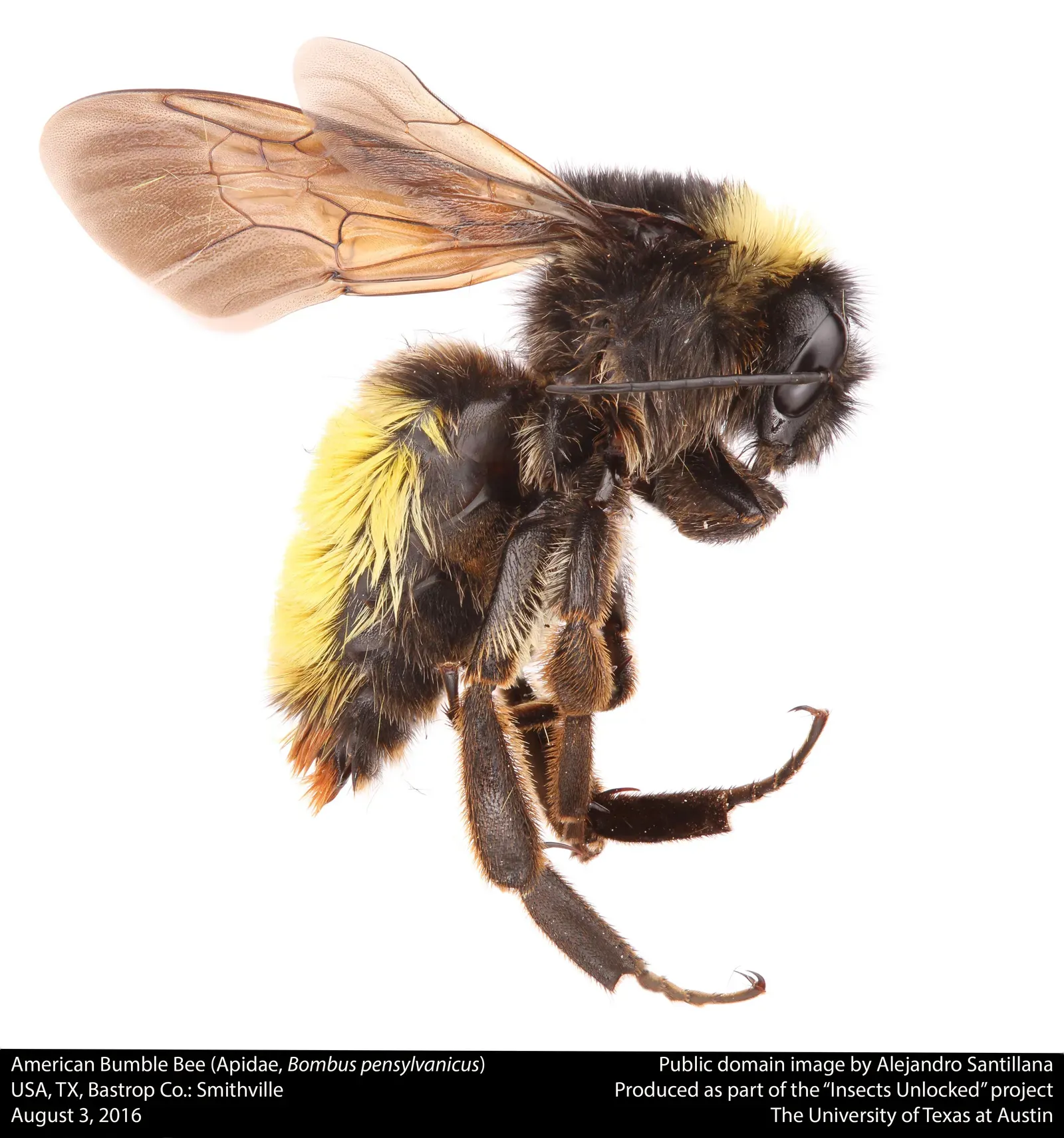
Here’s a fact that should genuinely alarm you: without bees, your grocery store would look very, very empty. The American bumblebee population has declined by roughly nine tenths since 2000. That’s devastating news for the crops and wild plants that depend on bees for pollination, and neonicotinoid pesticides are among the biggest culprits in the deaths of so many bumblebees.
In many areas of the United States, bee populations are rapidly dwindling to the brink of extinction – and bees aren’t the only pollinators at risk, as many types of hummingbirds also make the endangered species list. The good news? This is one species where your everyday choices make a direct, measurable difference. Native plants provide food and shelter for native wildlife, attracting native insects like bees and butterflies that help pollinate your plants, while the spread of non-native species has greatly impacted native populations around the world. Plant a native garden, ditch the chemical pesticides, and let your lawn breathe a little. It’s simpler than you’d think.
8. The Grizzly Bear: Icon of the Wild, Still Under Threat
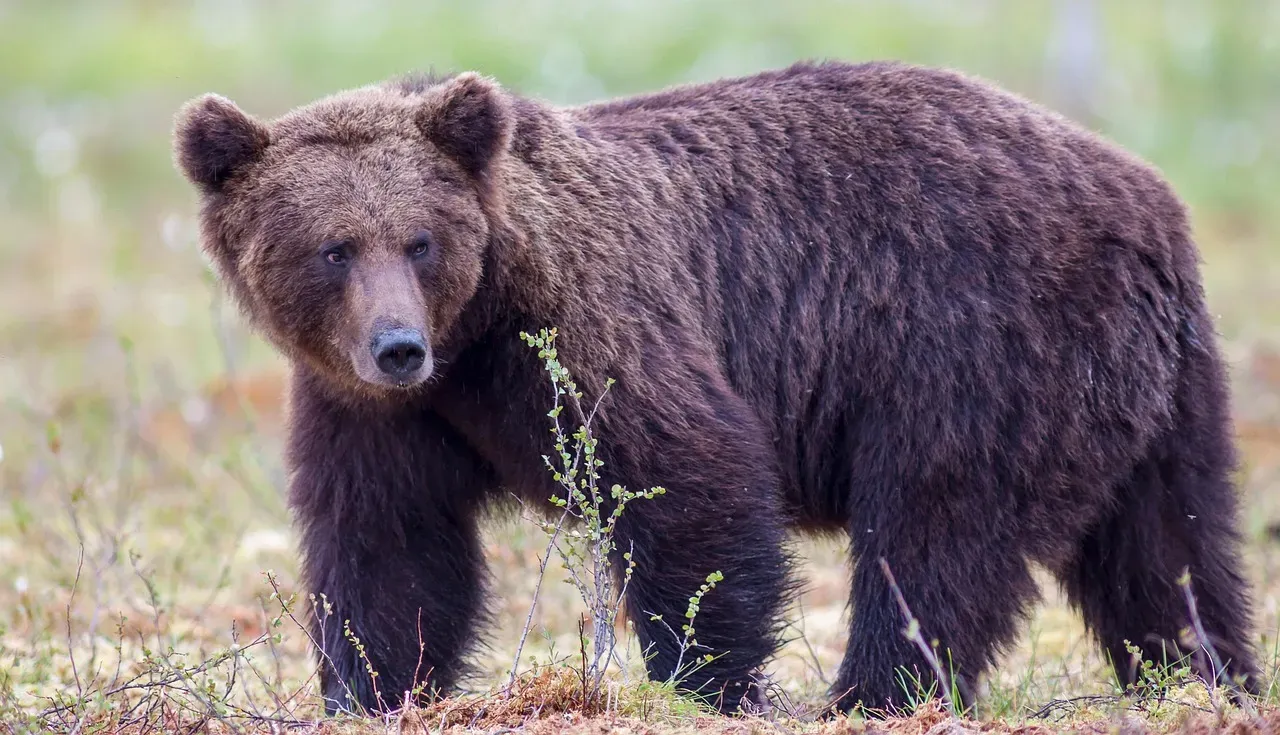
Few animals embody raw, wild America quite like the grizzly bear. Powerful, ancient, and unmistakably magnificent, the grizzly has been a symbol of wilderness for as long as people have wandered the Rocky Mountains. Yet its future remains genuinely uncertain. Both 2024 and 2025 were record-breaking years for grizzly bear mortality in the Greater Yellowstone Ecosystem, even with current protections in place.
In January 2025, the Fish and Wildlife Service proposed a revised listing approach that would shift focus from recovering isolated island populations of grizzlies to working toward recovering the species across the broader West. The proposal would postpone delisting until grizzlies are recovered across suitable habitat spanning Washington, Idaho, Montana, and Wyoming. You can support grizzly recovery by contacting your representatives to maintain science-based protections, opposing bills that would delist grizzly bears in the Greater Yellowstone Ecosystem while ignoring science-based decision-making and barring judicial review. Science, not politics, must guide these decisions.
9. The Loggerhead Sea Turtle: An Ancient Traveler Facing a Modern World
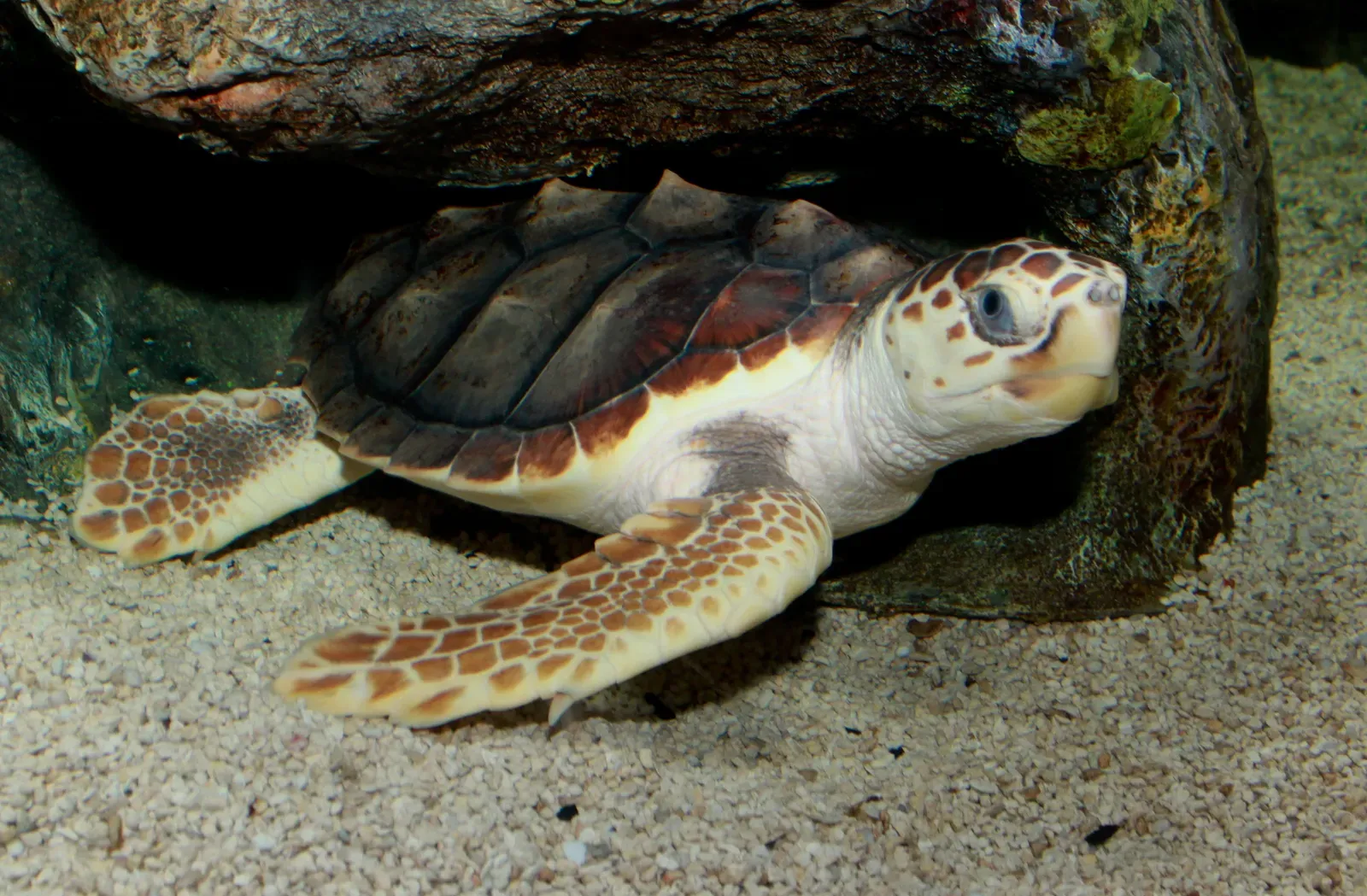
The loggerhead sea turtle has been swimming the world’s oceans for millions of years. It outlasted the dinosaurs. It crossed every ocean. Now it’s struggling to survive a world remade by humans, and that’s a sobering thing to sit with. The loggerhead sea turtle first joined the endangered species list in 1978 following a dramatic population decline caused by the destruction of its beach nesting habitats and overharvesting of its eggs.
The turtle is also a frequent victim of bycatch in commercial fishing and trawling, and as the vast majority of its U.S. breeding population is located in Florida, though they can also be found along the South Carolina, North Carolina, and Alabama coasts in the Gulf of Mexico, they remain highly concentrated and vulnerable. You can help by keeping beaches clean and dark during nesting season, since artificial lights disorient hatchlings trying to find the sea. By protecting habitat, entire communities of animals and plants can be protected together, and parks, wildlife refuges, and other open spaces near your community should be actively supported.
10. The Mexican Gray Wolf: The Southwest’s Rarest Predator
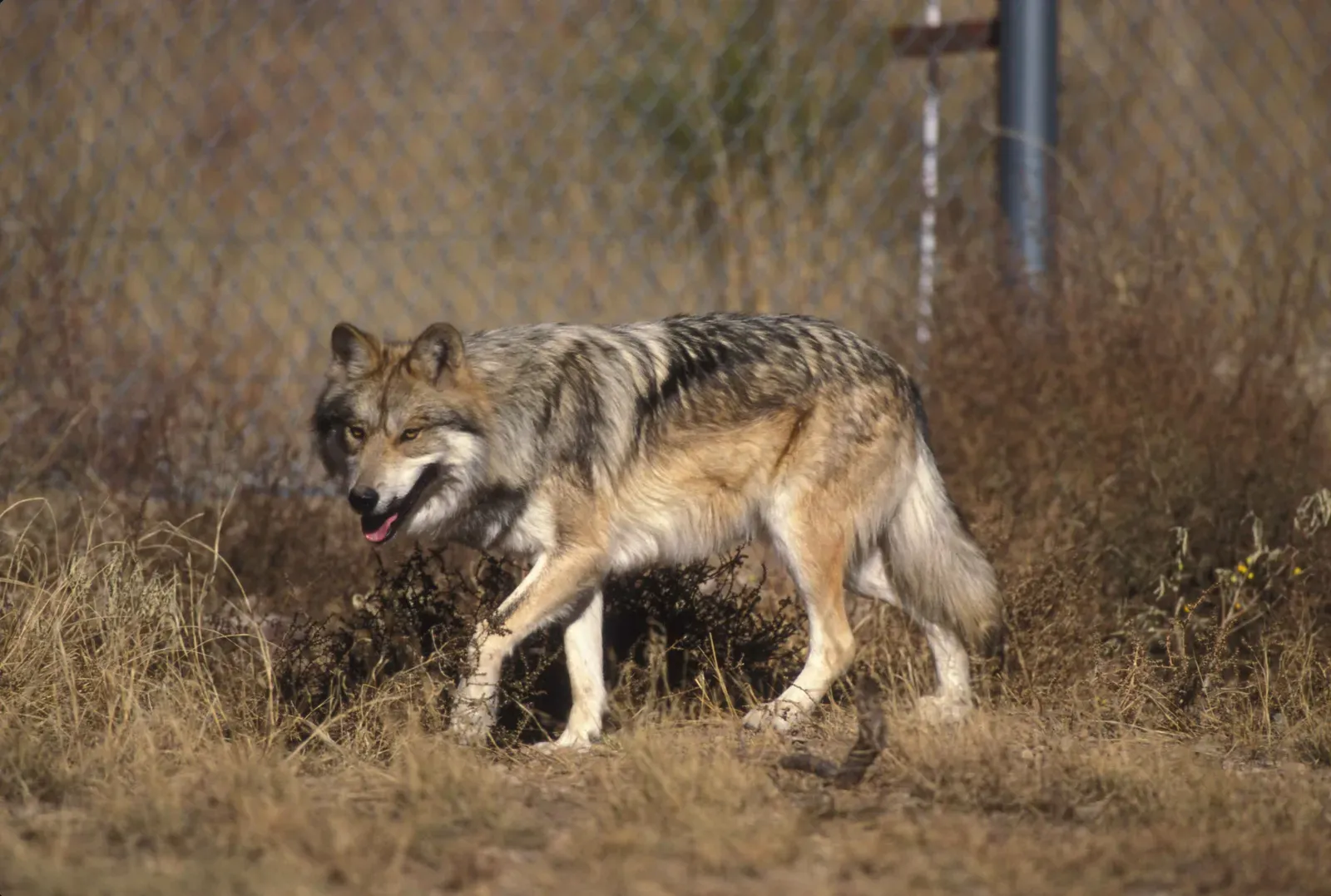
I know it sounds dramatic to say a wolf is basically fighting for its right to exist, but that is exactly the situation facing the Mexican gray wolf. This subspecies of gray wolf is endangered, with just a few wild populations surviving in the southwestern United States and Mexico. These are ancient animals, evolutionarily distinct, and their disappearance would fundamentally alter the ecosystems they inhabit – in the same way that removing a single load-bearing wall can bring a whole building down.
One proposed bill would actually remove the Mexican wolf from the Endangered Species Act’s threatened and endangered list and prohibit future listing processes from considering the population status in Mexico when assessing recovery in the United States. That would be a devastating setback. One of the most effective ways to protect endangered species is through policies that prioritize animal welfare and conservation, and since many animals are already protected by law, you can stay informed about relevant legislation and advocate for stronger protections for endangered species. Write to your senators. Share the story. Make noise.
Conclusion: The Clock Is Ticking, But It’s Not Too Late
The Endangered Species Act has been the backbone of wildlife conservation for more than 50 years, preventing the extinction of the vast majority of listed species and guiding them toward recovery. That’s an incredible track record. These aren’t hopeless cases. They are hard cases, absolutely – but not hopeless ones.
Each plant, animal, and their physical environment is part of a complex web of life, and the extinction of a single species can affect many other species, especially humans, who depend on marine, estuarine, and riverine environments for food, commerce, medicine, and recreation. In other words, saving these animals isn’t just about them. It’s about us, too.
The species on this list aren’t statistics. They’re living, breathing proof that the natural world is still here – still fighting, still magnificent, still worth protecting. Their survival depends entirely on human choices. We’ve created the conditions pushing them toward extinction through habitat destruction, pollution, climate change, and direct persecution. Yet we’ve also demonstrated remarkable capacity for bringing species back from the brink when we commit resources and willpower to conservation. The real question isn’t whether we can save them. It’s whether we’ll choose to. What will your answer be?