
You might think you know yourself pretty well. Most people do. Yet every day you perform dozens of actions without a second thought, subtle behaviors so automatic they barely register on your radar. Here’s the thing, though: those tiny habits, the ones you barely notice, are actually broadcasting signals about who you truly are beneath the surface.
Research by Psychologist Wendy Wood has shown that 43% of our daily actions are performed out of habit while our minds are elsewhere. Think about that. Nearly half of what you do each day runs on autopilot. What does that mean? It means the real you shows up in places you’d never expect. So let’s dive in and explore what your everyday behaviors might be saying about your personality.
How You Walk Down the Street

Ever notice how some people stride confidently while others shuffle along? Your walking style isn’t just about getting from point A to point B. It’s actually revealing something much deeper about your psychological makeup.
Inmates who scored higher on measures of psychopathy were more likely to pick out walkers who had been victimized in the past, and many said they could tell by the way the person walked. That’s a pretty intense finding from a 2013 study. The way you carry yourself, your posture, your gait, even the rhythm of your steps can telegraph confidence or vulnerability to the world around you. If you walk with purpose and steady rhythm, you’re likely showing the world that you’re self-assured and in control.
The Speed at Which You Eat Your Meals

Do you finish your plate before everyone else at the table? Or are you still picking at your food while others have moved on to dessert? Slow eaters are often conscientious people who like to be in control, but fast eaters tend to be ambitious.
Your eating pace reflects more than just hunger levels. It can mirror how you approach life’s challenges and opportunities. Fast eaters might be go-getters who want to maximize every moment, while slow eaters savor experiences and prefer thoughtful deliberation. Neither is better or worse, they’re just different expressions of personality threading through the most basic human need.
Your Handshake Style

A 2000 University of Alabama study showed that a person’s handshake remains constant throughout life and provides a snapshot of their demeanor. That first impression you make when you grip someone’s hand? It’s more revealing than you might imagine.
People with a firm, strong handshake had a more extroverted, less neurotic personality and showed greater openness to new experiences. Meanwhile, those with weaker grips often came across as more shy or anxious. It’s fascinating how something so brief can communicate volumes about your confidence and emotional stability. Next time you meet someone new, pay attention to that grip.
How You Handle Being Late
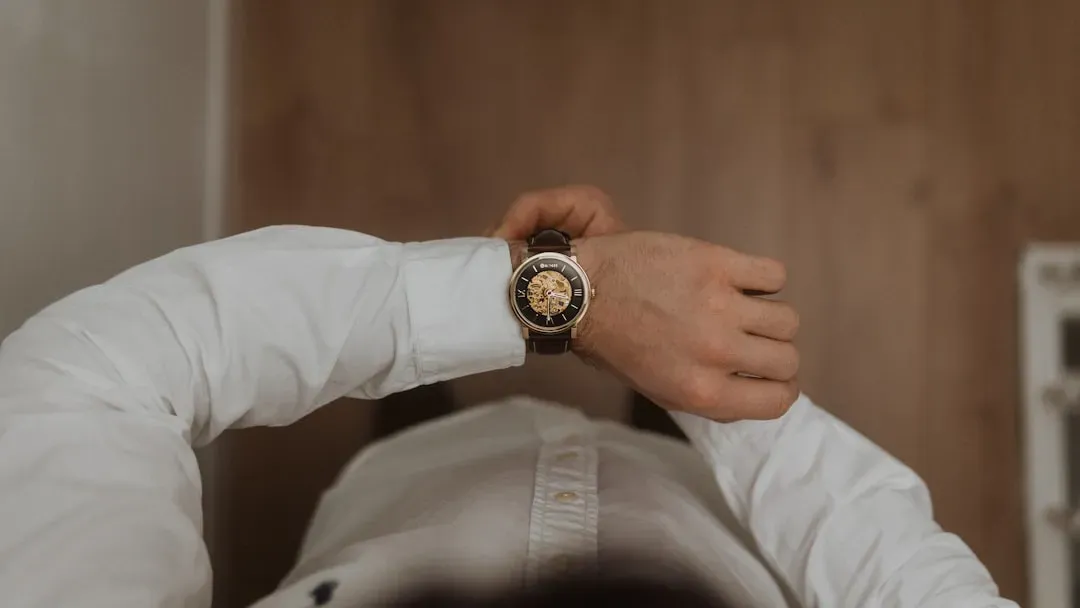
Let’s be real, everyone runs late sometimes. Life happens. Yet the pattern of your lateness, or punctuality, speaks to deeper psychological patterns. Psychologist Linda Sapadin identified four types of personalities who are always late: The perfectionist won’t leave the house until everything is in order, the crisis maker gets a high from racing to meet the deadline, the defier is rebelling against authority and societal norms, and the dreamer is overly optimistic about how much they can get done.
Which one resonates with you? Understanding why you’re chronically late, or why you arrive ten minutes early to everything, can unlock understanding about your relationship with control, authority, and time itself.
The Way You Respond to Compliments

When someone says something nice about you, what’s your first reaction? Do you deflect? Make a joke? Contradict them entirely? If your first instinct when someone compliments you is to deflect, contradict, explain or otherwise negate the sentiment, you may think you’re being humble and that accepting a compliment makes you seem prideful.
Honestly, the inability to accept a compliment gracefully often signals discomfort with yourself rather than humility. People who can simply say thank you and let the kind words land tend to have healthier self-esteem and greater emotional security. It’s a small moment, but it reveals how you fundamentally view yourself.
Your Choice of Footwear

Believe it or not, what you put on your feet each morning tells a story. A study in the Journal of Research in Personality found that footwear, like other articles of clothing and accessories, reveals your inner nature to the world. Researchers asked people to photograph their shoes and then had strangers guess their personalities.
People who wear comfortable, casual shoes had a more pleasant, easygoing personality, those who preferred ankle boots had a more aggressive nature, and people who wore uncomfortable shoes had a calm disposition. Your shoe choice might seem trivial, but it reflects your priorities, whether that’s comfort, style, or projecting a certain image.
How You Spend and Save Money

Your financial habits reveal your values in surprisingly transparent ways. A study published in Psychological Science found a positive association between openness and money spent on flights, while extroverted people tended to dine out and drink more often, and those with more agreeableness frequently donated to charity.
What you prioritize with your wallet speaks louder than words. Do you invest in experiences or hoard your savings for some distant rainy day? The research found that people who showed greater self-control spent less on overdraft fees. Your spending patterns create a financial fingerprint that maps directly onto your personality structure.
Your Texting Patterns and Email Style

The digital age has given personality psychologists a whole new playground. Psychologist Tomas Chamorro-Premuzic writes that there is a strong connection between our email persona and our real-life character, noting that narcissists will generally use words such as “I,” “me,” and “mine” frequently, while extroverts tend to be more casual and talk about fun-related things, like music and parties.
Do you fire off quick, typo-filled messages or craft careful, grammatically perfect responses? An absence of typos is a sign of someone’s conscientiousness, perfectionism, and potential obsessions, whereas poor grammar indicates lower levels of IQ and academic intelligence. Even the emojis you choose carry meaning about your emotional expressiveness.
Nervous Habits Like Nail Biting or Hair Pulling

Those fidgety behaviors you barely notice yourself doing? They’re revealing something important. In a 2015 study, researchers analyzed people’s personalities and then filmed while they were in situations that were extremely frustrating, relaxing, or boring. People who compulsively tugged on their hair or bit their nails tended toward perfectionism, and their actions are a result of trying to soothe boredom, irritation, and dissatisfaction.
These body-focused repetitive behaviors aren’t just bad habits. They’re coping mechanisms that surface when you’re understimulated or stressed. Perfectionists are particularly prone to them because doing something, anything, feels better than the discomfort of imperfection or inaction.
How You Wind Down Before Bed

Your nighttime routine might be the most honest reflection of your inner world. Nighttime habits reveal a great deal about how you unwind and decompress. If you wind down with reading or journaling, you likely prioritize mindfulness and reflection.
Are you someone who scrolls endlessly through social media until your eyes close, or do you have a structured bedtime ritual involving meditation and skincare? Sleep researchers say consistency in bedtime routines correlates with lower anxiety and better emotional regulation. The way you end your day quietly reveals how you process emotions, manage stress, and prepare yourself to face another tomorrow.
Conclusion

The truth is, you’re constantly broadcasting signals about your personality through these seemingly insignificant daily behaviors. From your morning walk to your nighttime routine, every habit forms part of a larger pattern that defines who you are at your core. Almost half of daily behaviours can be classed as being habitual, and individual habits and routines may be deliberately constructed within specific time-periods where individuals can exhibit strong tendencies towards routine in their daily lives.
The beauty of understanding these connections is that you’re not stuck with your habits. If you don’t like what your behaviors are saying about you, you have the power to change them. Small shifts in daily routines can gradually reshape your personality over time. What do your everyday habits say about you? Take a moment to notice them today.