
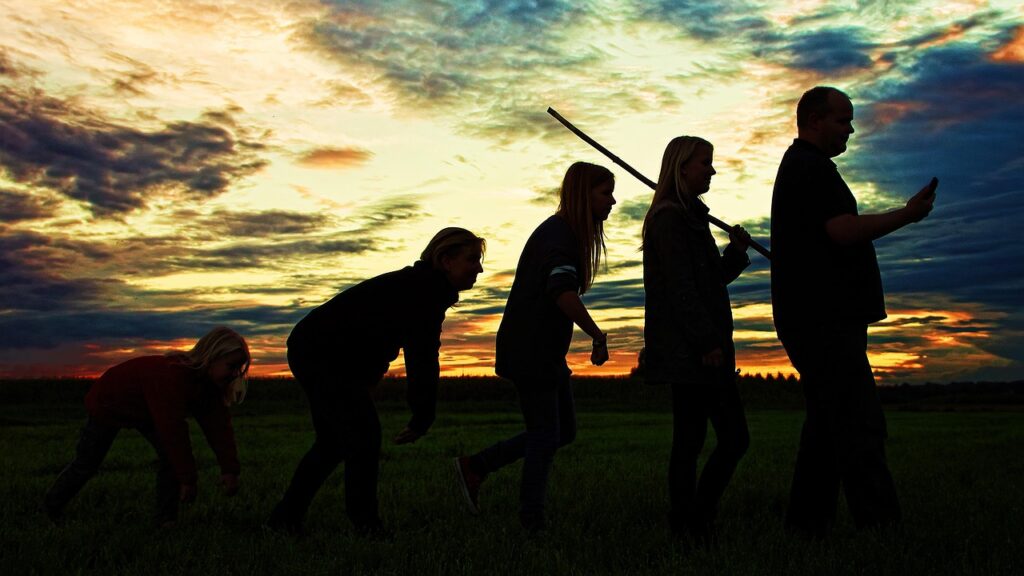
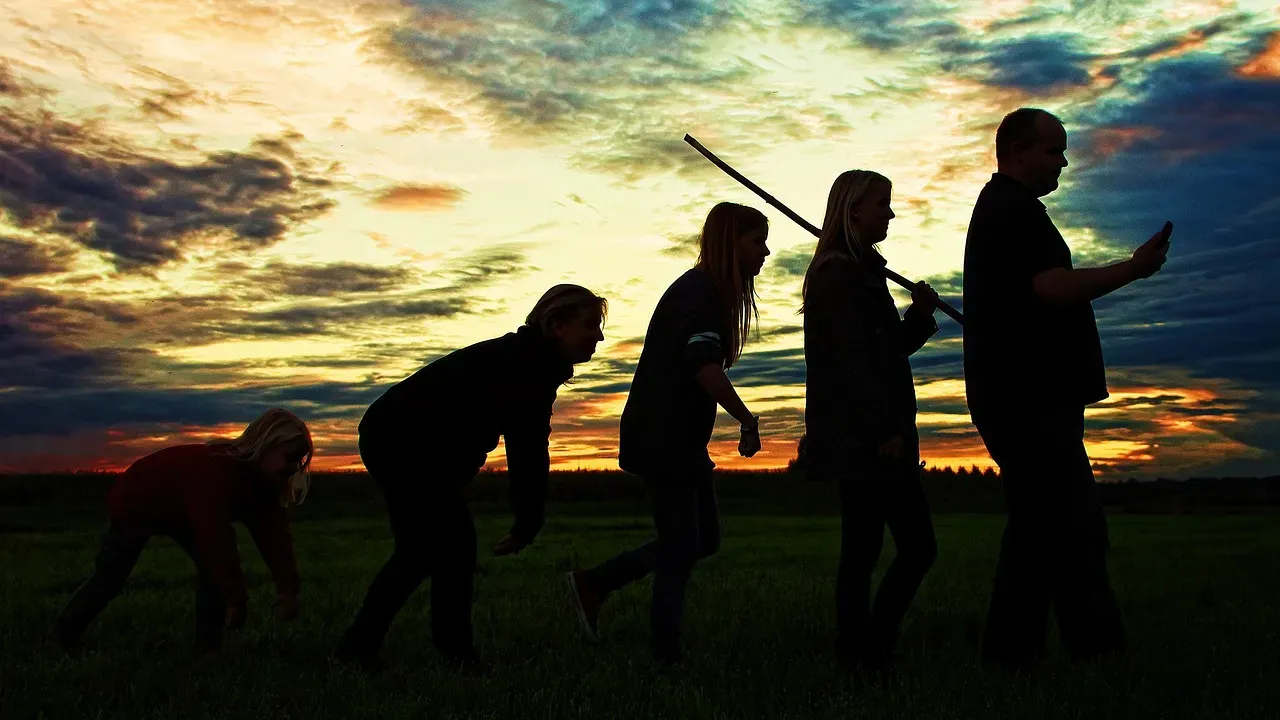
When most of us hear the word evolution, we picture a neat little diagram of an ape slowly straightening into a modern human. It is simple, tidy… and wildly misleading. Real evolution is far stranger, more creative, and more counterintuitive than that school textbook image ever hinted at.
Once you start to really understand how evolution works, everyday things start to look different: your hands, your immune system, even your fear of spiders. The story of life turns into a twisting, branching epic full of dead ends, brilliant hacks, and surprising second chances. These ten facts do not just explain evolution; they flip the way you see yourself and every living thing around you.
1. You Are A Walking Time Capsule Of Ancient Life

Here is a wild thought: your body is basically a museum of ancient creatures layered on top of each other. The bones in your arm, wrist, and fingers follow the same basic pattern as a bat’s wing or a whale’s flipper, because all of them trace back to a shared, fish-like ancestor with paired fins. When you look at your hand, you are looking at an old evolutionary design that has been tweaked for climbing, tool use, and typing instead of swimming.
Even deep in your DNA, you are carrying genetic echoes of organisms that lived hundreds of millions of years ago. Some of the core genes that help your cells divide, repair damage, or read DNA are shared with yeast and bacteria. Evolution does not throw away a working part if it can be repurposed; it stacks new features on top of old ones, like renovations built over the foundations of a very, very old house.
2. Evolution Is Not A Straight Line – It Is A Messy Bush
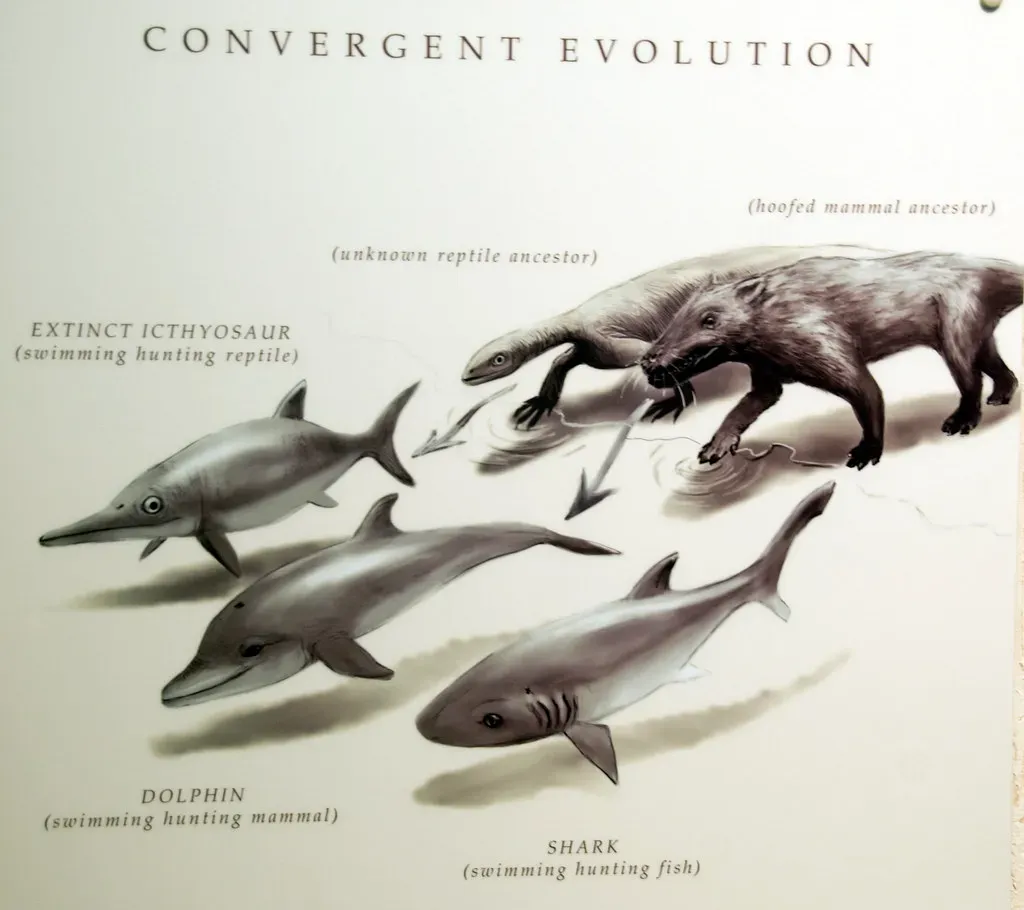
The classic image of evolution as a ladder, with “lower” forms at the bottom and humans at the top, is one of the most stubbornly wrong ideas in science. In reality, life looks more like a tangled bush or a branching coral reef, with lineages splitting, shrinking, dying out, or sometimes hybridizing in ways that are anything but neat. Humans did not evolve from chimps; we share a common ancestor with them, and both lineages have been evolving in parallel for millions of years.
Once you swap the ladder for the bush, the idea of “more evolved” or “less evolved” stops making sense. A beetle, an oak tree, and a human have all survived the same amount of time since life first appeared. Evolution is not aiming an arrow at us; it is constantly experimenting with what works right here, right now in a particular environment. We are not the final product of evolution – just one twig on a constantly shifting tree.
3. Random Mutations Plus Non-Random Selection Create Stunning Order
A lot of people hear that mutations are random and assume evolution must be pure chaos, like shaking a box of parts and hoping a smartphone falls out. The twist is that while mutations do arise in a mostly random way, natural selection is brutally non-random. The combinations that help organisms survive and reproduce tend to spread, while the ones that do not quietly disappear. Over many generations, this filtering process sculpts complex features that can look eerily designed.
Think of it like millions of tiny A/B tests running in parallel across every living thing. Each mutation is a new variant; the environment is the ruthless product manager deciding what stays. You do not need a plan or a blueprint when you have countless experiments and a relentless judge. That is how random noise plus consistent filtering can create a hummingbird’s wing, an eagle’s eye, or your brain’s ability to read these words.
4. You Are Also A Colony Of Other Species
It is unsettling, but also kind of beautiful: you are not just you. Your body is home to trillions of microbes that live in your gut, on your skin, in your mouth, and basically anywhere they can comfortably survive. Taken together, this microbiome behaves almost like an extra organ, influencing your digestion, your immune system, and even aspects of your mood and brain chemistry.
From an evolutionary perspective, you and your microbes have been co-adapting for ages. Some bacteria help you digest foods you otherwise could not, and in return they get a warm, nutrient-rich home. If you wiped them all out, you would not be “more human” – you would be sick. The line between organism and ecosystem gets blurry fast once you realize that “you” is really a complex partnership shaped by millions of years of shared evolutionary history.
5. Evolution Recycles Ruthlessly – Nothing Truly New From Scratch
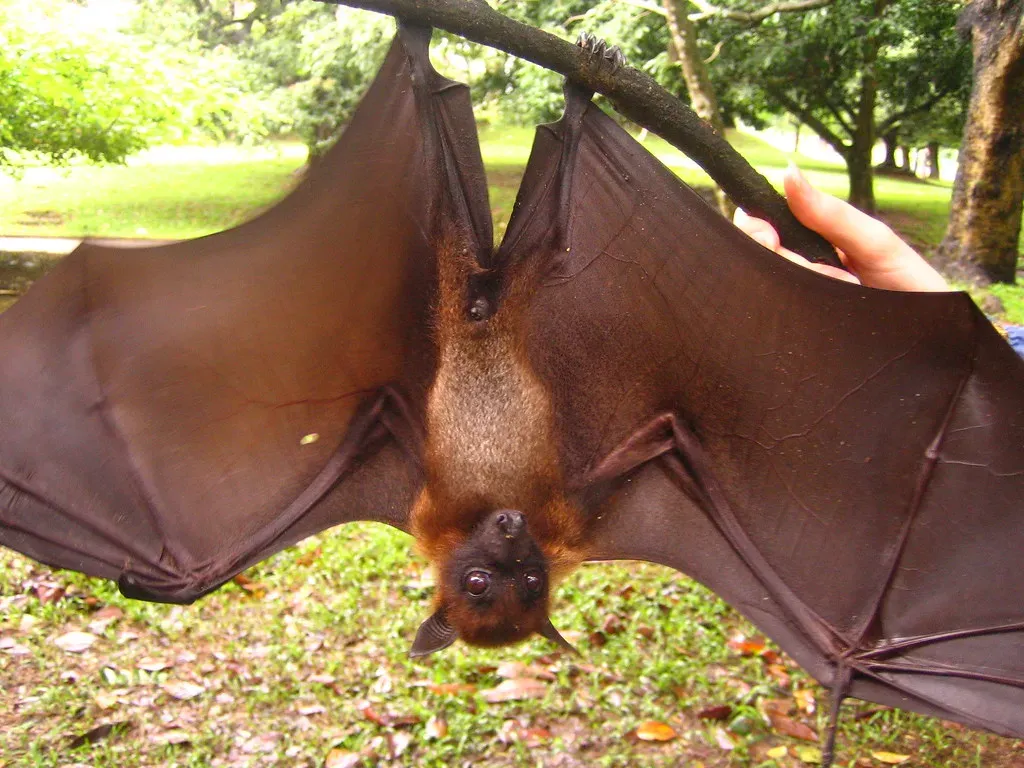
One of the coolest and most humbling facts about evolution is that it almost never invents features from nothing. Instead, it recycles and repurposes what is already there, like a tinkerer turning old bicycle parts into a windmill. The bones in a bat’s wing, a horse’s leg, and your arm are reworked versions of the same ancient template, stretched, fused, or miniaturized for different tasks.
The same thing happens at the molecular level. Genes that originally evolved for one job can be duplicated and shifted into entirely new roles, from sensing light to shaping limbs. When you see a complex feature in nature, you are usually looking at a clever remix of older pieces, not a sudden, miraculous arrival. Once you start noticing this, the whole living world feels like an enormous, ongoing upcycling project.
6. Natural Selection Can Favor Cooperation, Not Just Competition
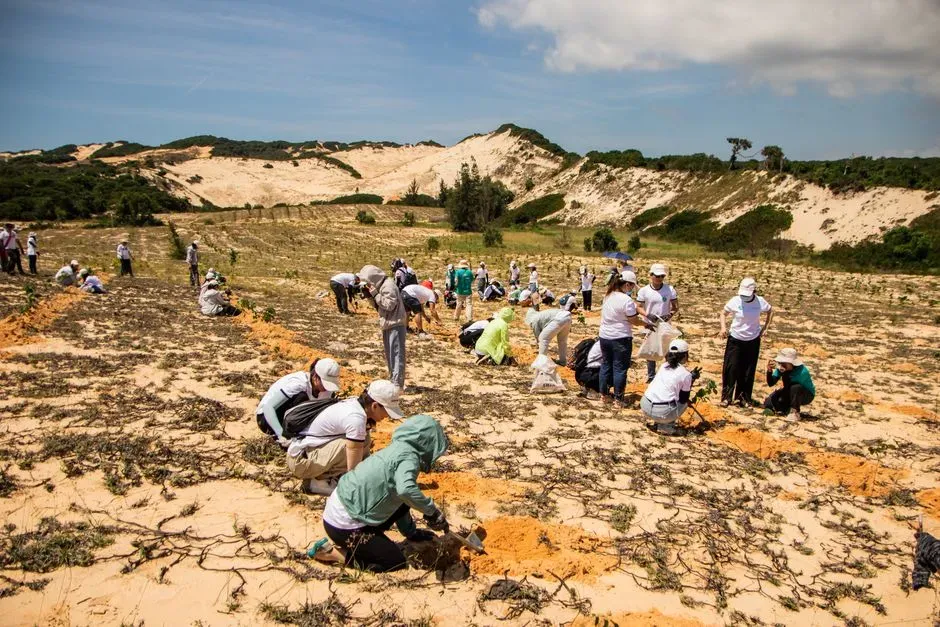
Evolution is often sold as a ruthless war of all against all, but that is only half the story. Natural selection can also strongly favor cooperation, as long as it increases the chances that shared genes make it into the future. Ants and bees sacrifice their own reproduction to help their queen, bacteria form communities and trade resources, and humans build families, friendships, and cultures that lean heavily on mutual help.
From an evolutionary angle, kindness is not some fluffy exception squeezed into a harsh world. It is a powerful strategy that can stabilize groups, reduce conflict, and allow individuals to thrive in ways they could never manage alone. Your instinct to care about siblings, children, or even close friends reflects deep evolutionary logic as much as deep emotion. The survival of the friendliest can matter just as much as the survival of the fittest.
7. Evolution Shapes Your Fears, Cravings, And Bad Habits
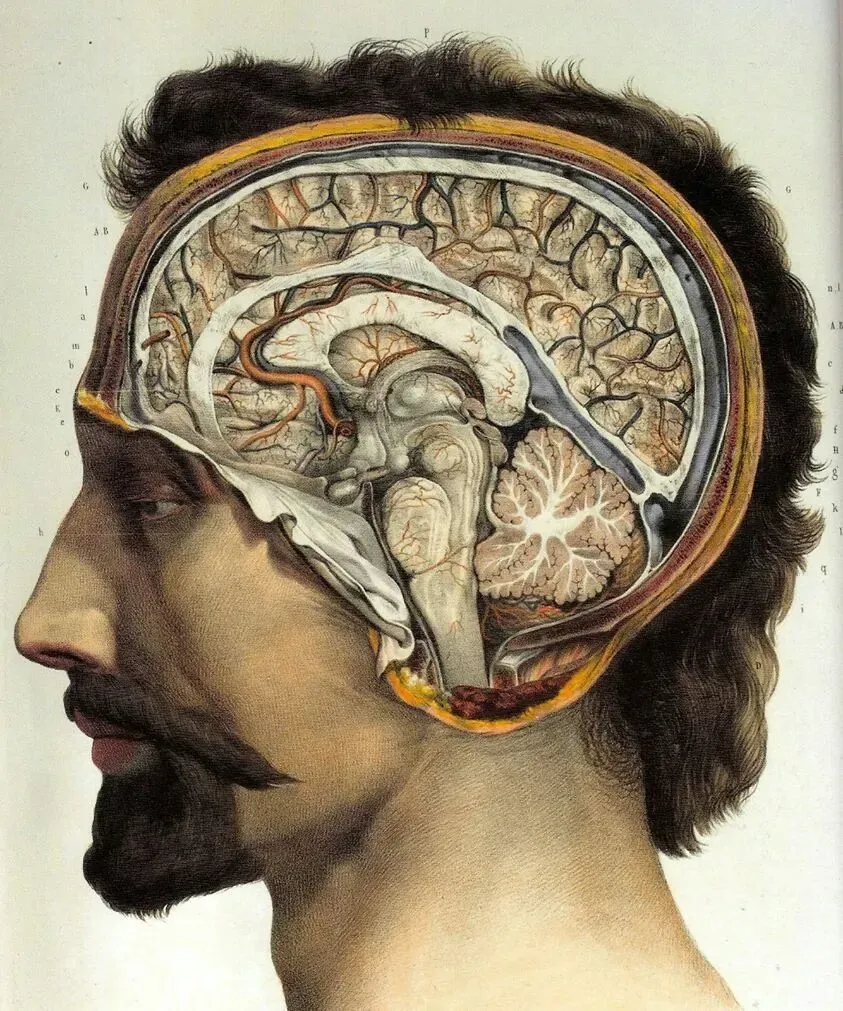
Your brain is not a clean slate; it is an ancient survival tool wired by selection in environments very different from modern life. Our strong responses to snakes and spiders, for example, likely trace back to dangers that haunted our ancestors long before cars, electricity, or social media existed. On the other hand, we have almost no instinctive fear of things like electrical outlets or processed sugar, even though they can absolutely harm us now.
The same mismatch shows up in our cravings. A sweet, fatty, salty food would have been a rare and valuable energy bomb in a world of scarcity, so our reward systems light up for it. In a world of vending machines and delivery apps, that once-useful wiring can drag us toward overeating, addictions, and chronic disease. Understanding evolution does not excuse our bad habits, but it does explain why self-control can feel like using Stone Age software to manage a high-tech world.
8. Evolution Moves Faster Than You Think – Sometimes In Just Decades
There is a common belief that evolution is always painfully slow, playing out over millions of years. While that is true for some big structural changes, smaller shifts can happen surprisingly quickly, especially in organisms with short lifespans. Insects can evolve resistance to a new pesticide within a few years. Viruses can adapt to drugs, immune systems, or new hosts in a matter of months or even weeks.
Even in longer-lived species, there are now documented cases of noticeable evolutionary changes within a human lifetime, like birds shifting wing shapes in response to urban environments or fish changing size under heavy fishing pressure. Evolution is not a distant, ancient process that stopped when humans showed up; it is happening in the weeds in your yard, in the bugs on your windowsill, and in the pathogens adapting to our medicine right now.
9. Extinction Is The Rule, Survival Is The Exception
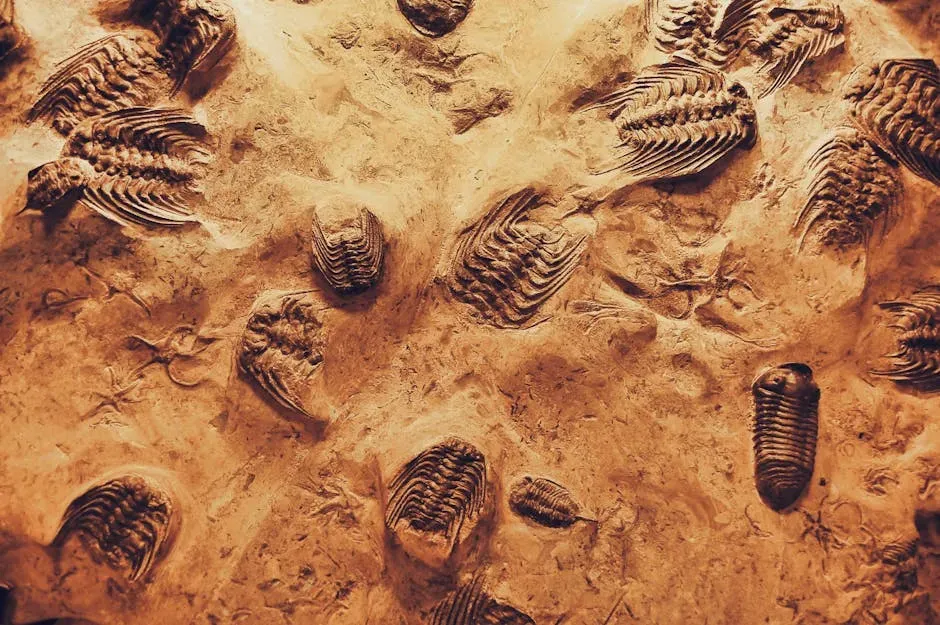
It is a bit dark, but it matters: almost every species that has ever existed is gone. The fossil record is basically a graveyard of once-successful life forms that lost the long-term game, often wiped out by sudden climate shifts, asteroid impacts, volcanoes, or changes in their ecosystems. Evolution does not guarantee progress or permanence; it just tracks what works until it suddenly does not.
For us, that should be a wake-up call and not a doom sentence. Humans are unusual in that we can understand the forces changing our world and, at least in theory, choose how we respond. We are not floating helplessly on evolutionary currents anymore; we are tugging hard on the river itself through technology, agriculture, and industry. Recognizing how fragile survival is should push us toward humility and responsibility, not complacency.
10. You Are Still Evolving – And You Are Now Shaping Evolution Too
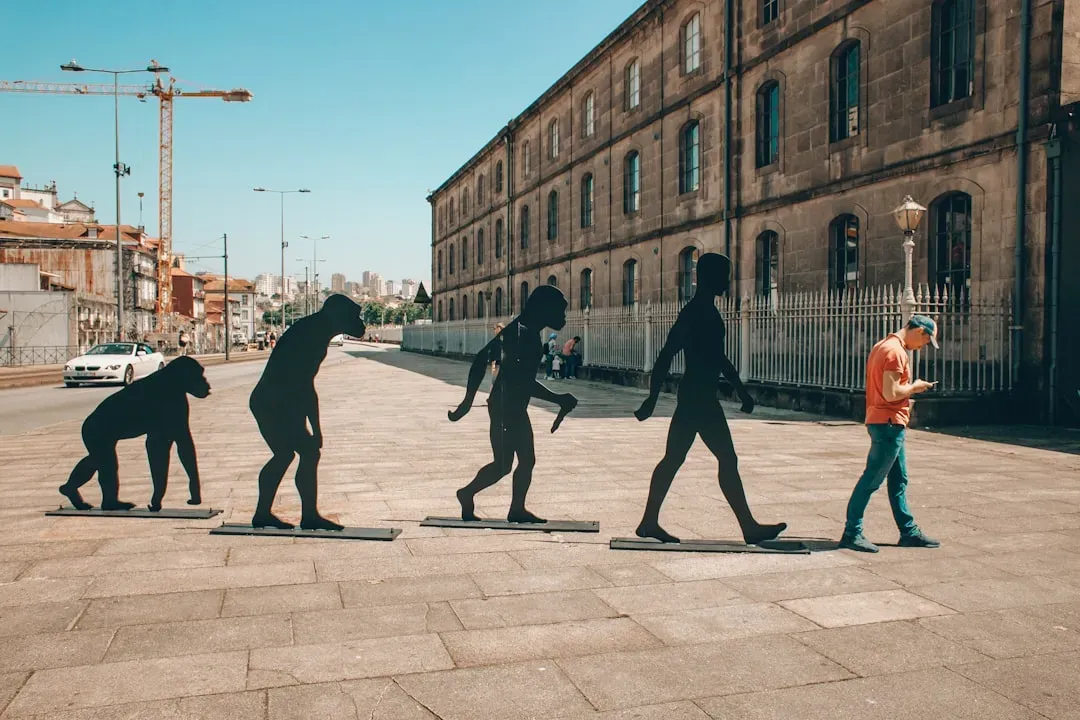
There is a strange myth that human evolution “stopped” once we invented medicine or modern society, but that is not how it works. As long as there is variation, reproduction, and differences in who has children, evolution continues. Changes in diet, cities, education, and healthcare are all new filters that can shift which traits thrive over time. Your body and brain are not frozen; they are part of an ongoing process.
On top of that, humans are now actively steering evolution in other species through breeding, habitat change, pollution, and genetic engineering. We have turned wolves into pugs and great danes, pushed wild animals to adapt to city lights and noise, and started editing genes directly in labs. That puts us in a strange, morally heavy position: we are both products of evolution and its most powerful agents. What we choose to do with that power will say more about us than any fossil ever could.
Conclusion: Evolution Shrinks Your Ego And Expands Your World
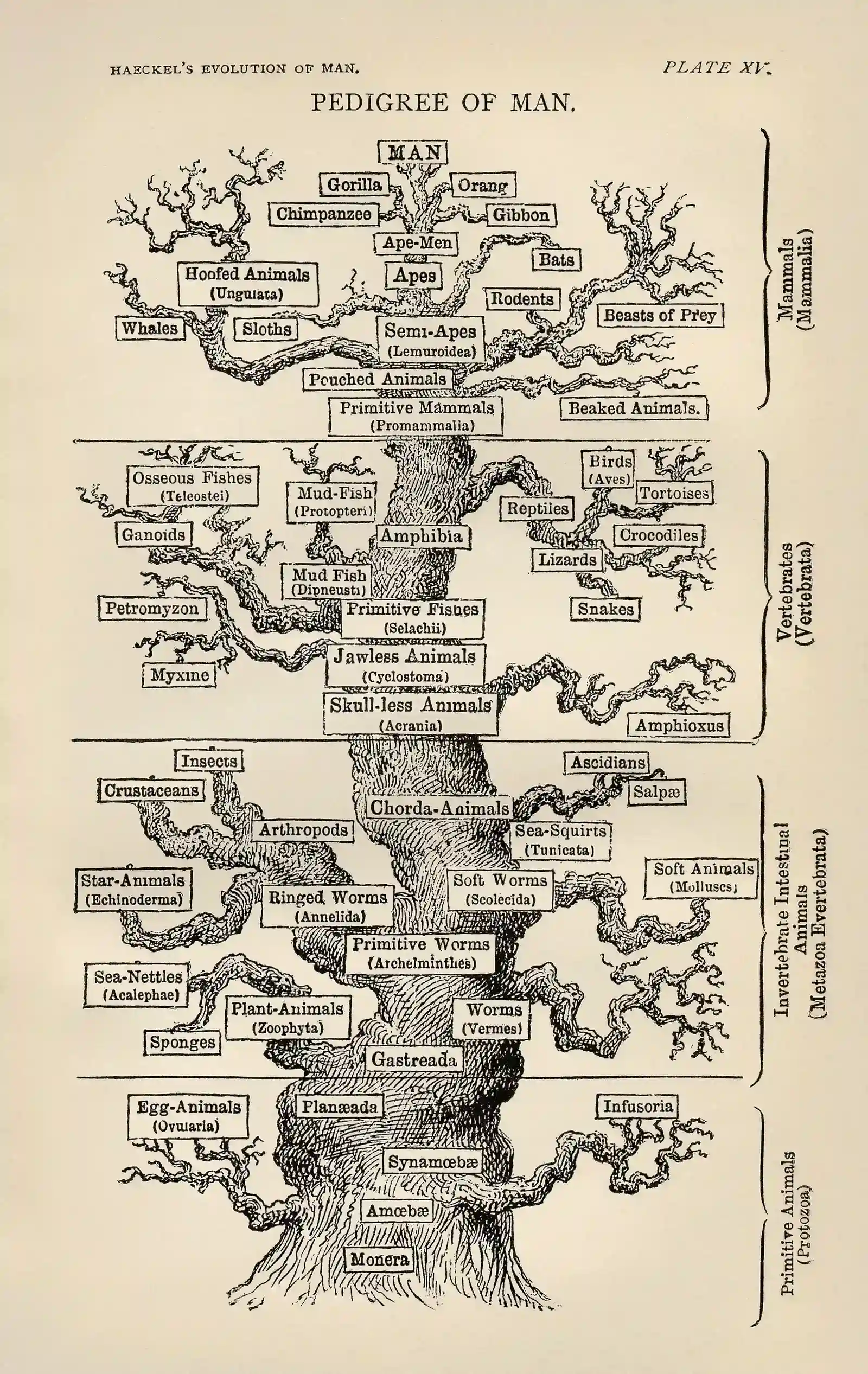
Once you really let these facts sink in, evolution stops being a dry chapter in a biology textbook and starts feeling like a radical shift in identity. You are not a separate, special being dropped into nature from above; you are one more branch on a sprawling, ancient tree, built from reused parts, hosting other life, and still changing. For me, that realization is not depressing at all – it is grounding, a bit humbling, and honestly kind of awe-inspiring.
At the same time, I think it is a mistake to treat evolution as some cold, meaningless machine. Knowing how we got here does not drain life of purpose; it hands the question of purpose directly back to us. If we are the first species that can understand evolution and steer its effects, then we also carry a new kind of responsibility to each other and to the rest of life. The real question is: now that you know this story you are part of, what kind of ancestor do you want to be?