Most people picture dinosaurs as thundering, destructive beasts with no softer side. But what if you discovered that some of these ancient giants were surprisingly devoted parents, carefully tending nests and protecting eggs with what can only be described as genuine dedication? The story of dinosaur reproduction is far more nuanced, surprising, and emotionally compelling than any Hollywood blockbuster has ever shown you.
From eggs with colorful shells to nesting colonies that look eerily like a modern bird sanctuary, the fossil record keeps delivering astonishing revelations. You’re about to see dinosaurs in a completely different light. Let’s dive in.
1. Dinosaurs Have Been Laying Eggs for an Almost Unimaginable Length of Time
Here’s something that will genuinely stop you in your tracks. The oldest dinosaur eggs currently known to science are around 230 million years old, from the Late Triassic. That’s not a typo. These creatures were perfecting egg-laying long before mammals had even figured out what they were doing.
All dinosaurs hatch from eggs, including extinct dinosaurs and modern birds, as do crocodiles, the living group most closely related to dinosaurs. Until the 1980s, discoveries of fossilized eggs and bones of young dinosaurs were extremely rare, but dinosaur eggs have now been discovered on several continents, and fossils of hatchlings, juveniles, and adults have been found for most major groups. In other words, you are now living in the golden age of dinosaur egg discovery. Every decade, the picture gets clearer.
2. Not All Dinosaur Eggs Were Hard-Shelled – And That Changes Everything
You might assume every dinosaur egg was a solid, rock-hard shell. Honestly, that’s what most paleontologists assumed for a very long time too. A study by University of Calgary paleontologist Darla Zelenitsky and colleagues found that some dinosaurs, like the 73 million-year-old horned dinosaur Protoceratops and the 215 million-year-old long-necked dinosaur Mussaurus, laid soft-shelled eggs similar to the leathery eggs of some modern reptiles. By mapping out these findings onto the dinosaur family tree, the paper proposes the unexpected idea that all dinosaurs originally laid soft-shelled eggs.
Think of it like a leathery lizard egg rather than the hard, brittle shell you’d tap at breakfast. This research could help to explain why dinosaur eggs are harder to find than many paleontologists would expect, because softer eggs would be less likely to fossilize. So the fossil gap isn’t just about bad luck. It may be that billions of soft eggs simply dissolved into the earth over millions of years, leaving almost no trace.
3. Egg Shape Told a Story About the Parent’s Lifestyle
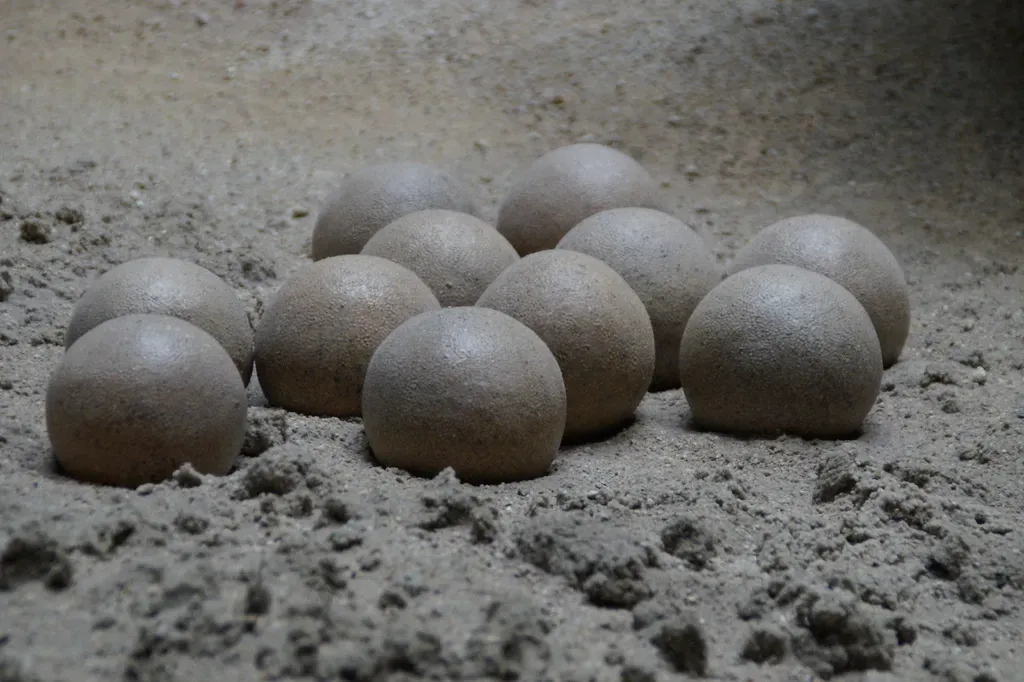
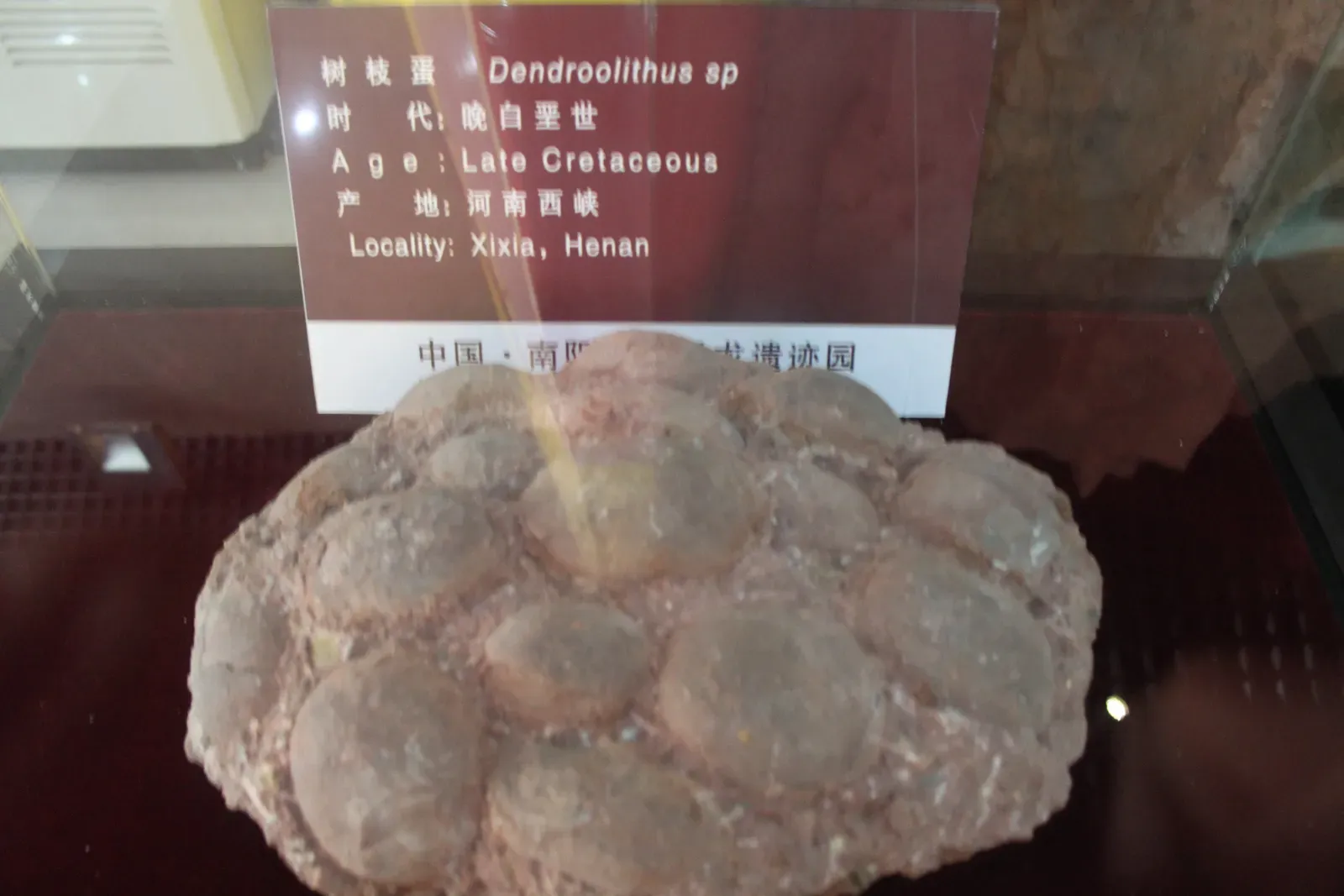
Dinosaur eggs vary greatly in size and shape, but even the largest non-avian dinosaur eggs are smaller than the largest known bird eggs, which were laid by the extinct elephant bird. Dinosaur eggs range in shape from spherical to highly elongated, with some specimens three times longer than they are wide. Some elongated eggs are symmetrical, whereas others have one rounded end and one pointed end, similar to bird eggs.
Here’s the thing – the shape wasn’t random. Most elongated eggs were laid by theropods and have an avian-like eggshell, whereas the spherical eggs typically represent non-theropod dinosaurs. You can almost think of egg shape like a fingerprint for a species’ lifestyle and lineage. Paleontologists can read a great deal from a single egg fragment, which is remarkable when you think about just how much information can survive 70 or 80 million years of geological time.
4. Oviraptor Wasn’t a Thief – It Was a Caring Parent
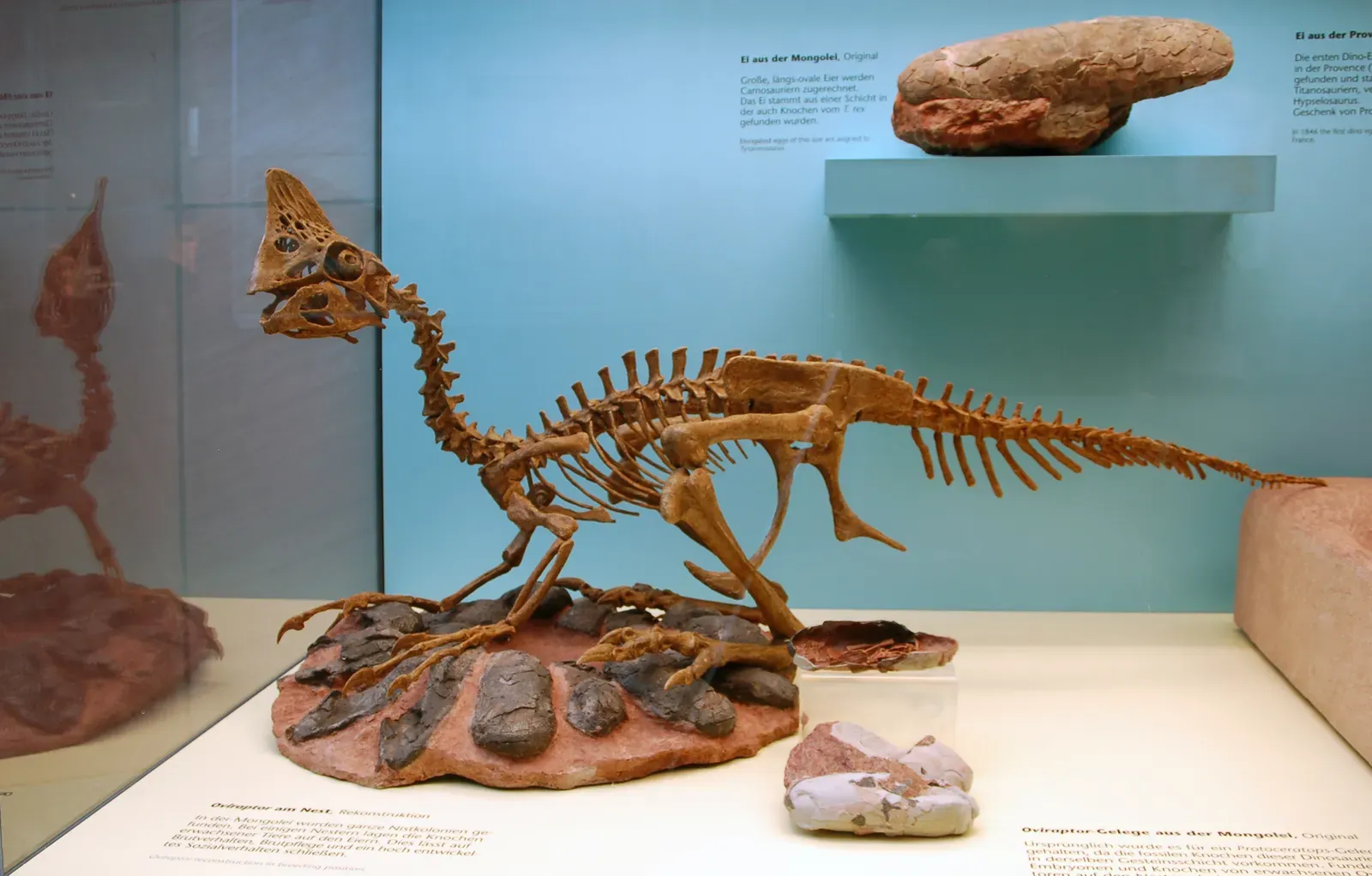
The name “Oviraptor” literally means “egg thief,” and for decades, this poor dinosaur carried that reputation unfairly. Oviraptor was first discovered in the 1920s in association with eggs that were thought to be of the small ceratopsian dinosaur Protoceratops. Based on this find, scientists thought that Oviraptor may have stolen and eaten other dinosaurs’ eggs. But it has now been confirmed that the eggs actually belonged to Oviraptor. There is no other evidence that it stole eggs – in fact, oviraptorids show substantial evidence of putting their lives on the line for their young.
Imagine being misnamed as a criminal for nearly 70 years when you were actually a devoted parent. In the 1990s, Museum expeditions discovered identical eggs, one of which contained the embryo of an Oviraptor-like dinosaur – which changed scientists’ view of which dinosaur laid these eggs. Turns out Oviraptor was a parent, not an egg thief. It’s one of the most satisfying reversals in paleontology history, and it reshaped how scientists think about dinosaur parenting entirely.
5. Some Dinosaurs Brooded Their Eggs Just Like Modern Birds
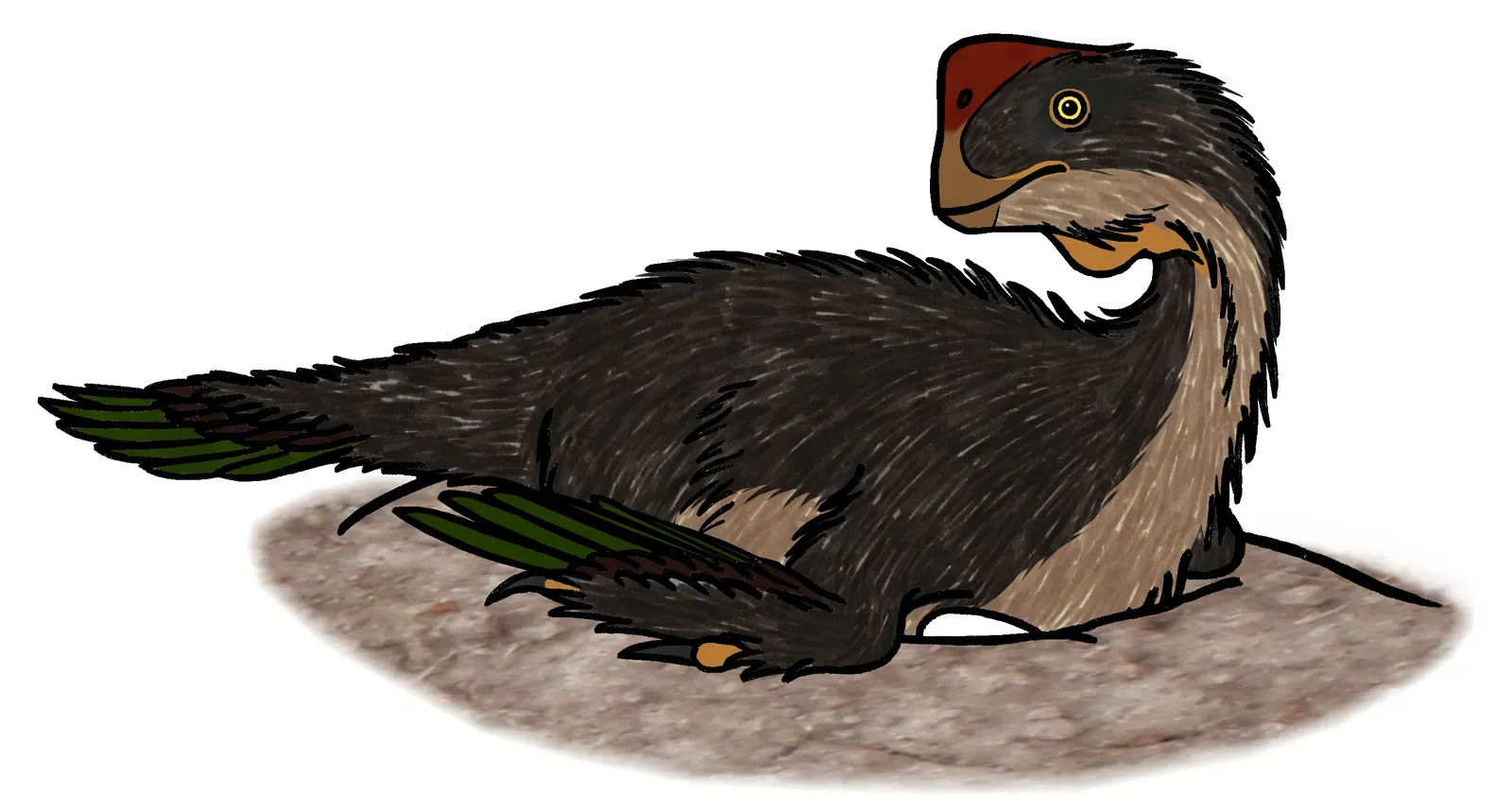
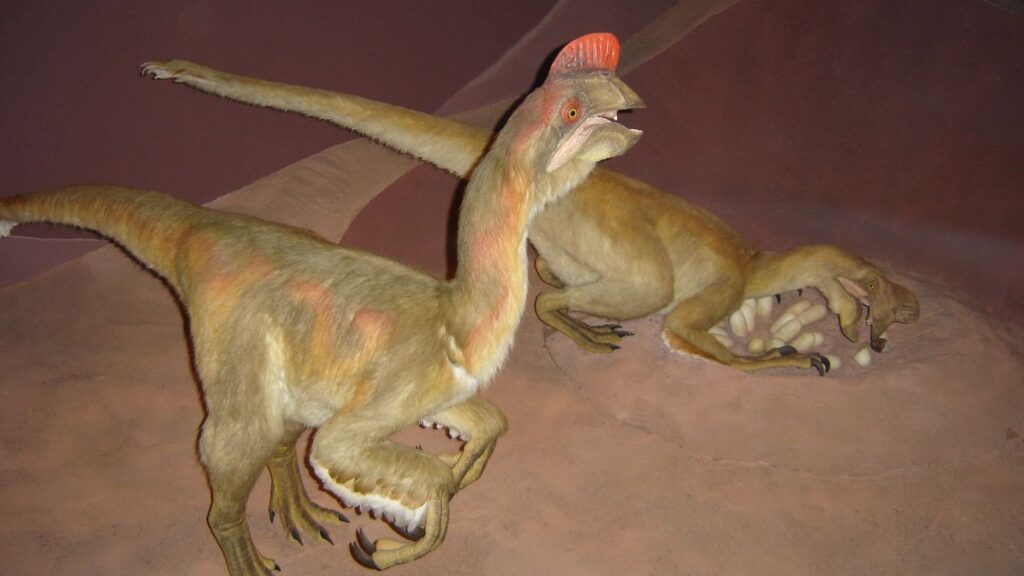
The Citipati osmolskae fossil dubbed “Big Mama” was a discovery that provided substantial evidence for how dinosaurs behaved with their eggs. “Big Mama” is a 75-million-year-old oviraptorid that was uncovered brooding on – meaning sitting on top of – a nest of eggs. The Mongolian dinosaur was revealed to the world in 1995 and named as Citipati in 2001. That’s a parent frozen in time, caught in the act of protecting its clutch.
The spectacular nesting Citipati fossil provides some of the most remarkable evidence of how these dinosaurs incubated their eggs. The large adult skeleton is preserved at the center of a ring of eggs, with its arms wrapped around the precious clutch. This Citipati parent was shielding the eggs when it perished in a sandstorm. The eggs are widely spaced, and it appears the adult avoided sitting directly on top of them, possibly to prevent crushing them. Oviraptorids like Citipati seem to have covered their nests with their feathered arms to insulate them but avoided direct body contact.
6. Bigger Dinosaurs Had to Get Creative to Avoid Crushing Their Own Eggs
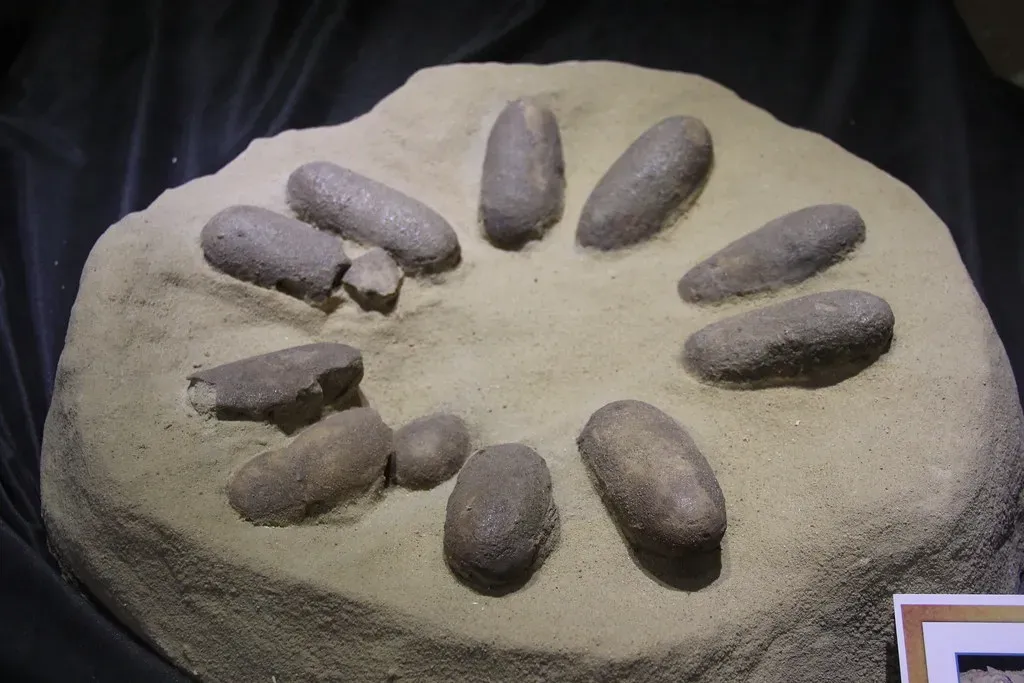
You’d think being a giant would make you a terrible parent to fragile eggs. You’d be right – if these animals hadn’t developed a rather clever solution. Fossils suggest that larger oviraptorosaurs laid their elongated oval eggs in a near-perfect ring shape, with two or three rings stacked on top of one another, leaving a spot in the middle for them to set their weight. The ring size ranges from less than 40 centimeters to well over 2 meters in diameter, and the dinosaur’s body may still have had contact with the eggs.
By laying their eggs in a ring around themselves, heavier dinosaurs could incubate their eggs without having to directly sit on them. Smaller dinosaurs may have left smaller or no gaps in the middle of their nests. It’s a bit like parking a truck in a circle of precious cargo – the solution was architectural, not accidental. The similarities in the eggs and nest shape across oviraptorosaur species indicate that brood-like behavior was practiced by all species, small to giant.
7. Maiasaura – The “Good Mother Lizard” That Proved Dinosaur Parenting Was Real
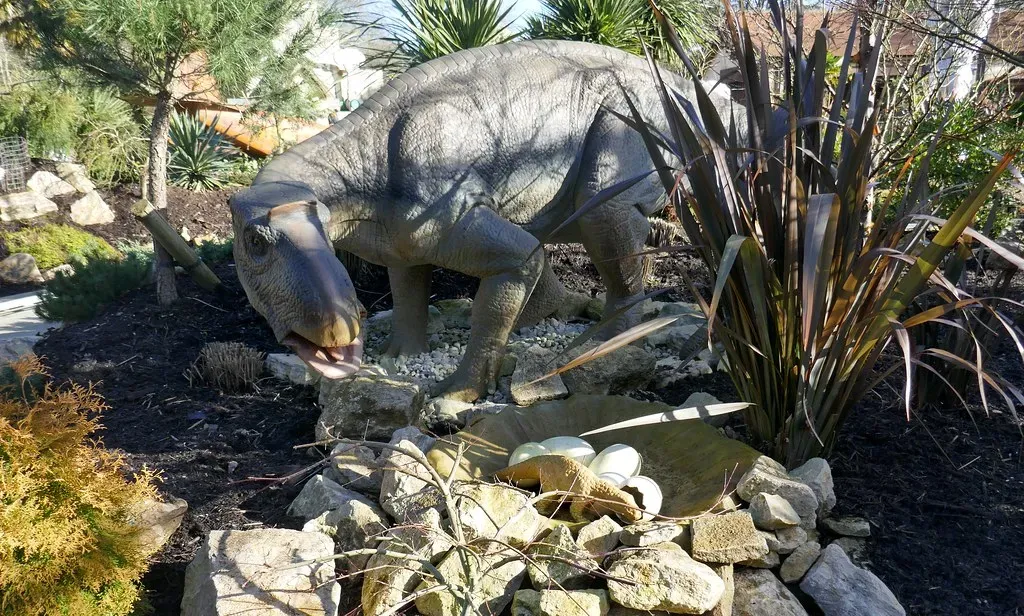
In the 1970s, paleontologist Jack Horner discovered what was later dubbed “Egg Mountain” in Montana – a gigantic fossilized nesting site of hundreds of specimens of duck-billed Maiasaura dinosaurs from up to 80 million years ago. This was one of the first findings that helped researchers learn more about how much some dinosaurs parented, even after their babies hatched. Before this discovery, the idea of dinosaurs as caring parents was largely dismissed.
At Egg Mountain, evidence of trampled eggshells suggests that the hatchlings were in the nest for a while. Along with the shells, there was plant matter in the nests, suggesting parents may have fed the young before they ventured out into the world. That detail – plant matter left in the nest – is extraordinary. You are essentially looking at an ancient lunch delivery service, evidence of parents bringing food back to helpless hatchlings millions of years before birds made it a common practice.
8. Some Sauropods Used Geothermal Heat to Incubate Their Eggs
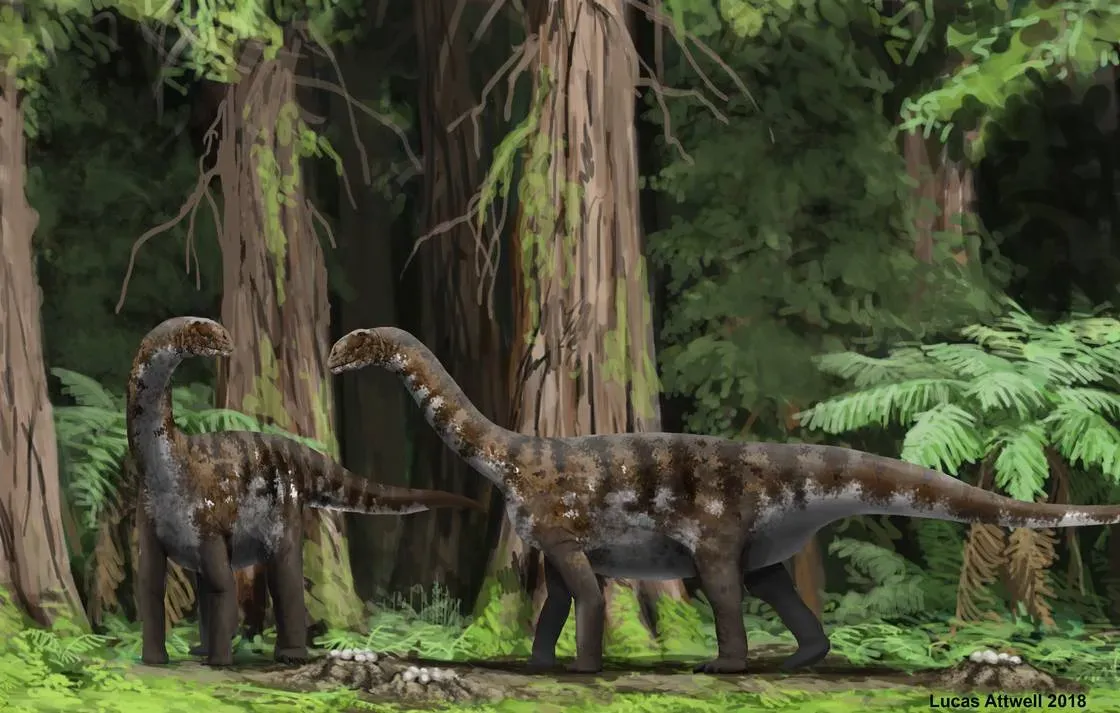
The largest dinosaurs that ever walked the earth faced a parenting challenge that sounds almost impossible to solve. Sauropods, the towering long-necked giants like Brachiosaurus and Apatosaurus, were simply too enormous to sit on their eggs. For some groups, like sauropods, there is no evidence of post-laying care. Paleontologists have found their expansive nesting grounds, including some sites where dinosaurs laid eggs in areas that were warm with geothermal activity, perhaps to incubate the offspring.
Some dinosaur groups, such as the long-necked sauropods, laid small eggs en masse and buried them, leaving them behind like sea turtles. Eumaniraptorans’ eggs, however, are relatively bigger and were laid only a few at a time. Think about what that contrast tells you. The biggest animals chose a hands-off, environmental strategy, while the smaller, more bird-like dinosaurs invested heavily in each individual clutch. It’s the same fundamental trade-off you see playing out across the entire animal kingdom today.
9. Dinosaur Eggs Had Colored Shells – And the Reason Why Is Surprising
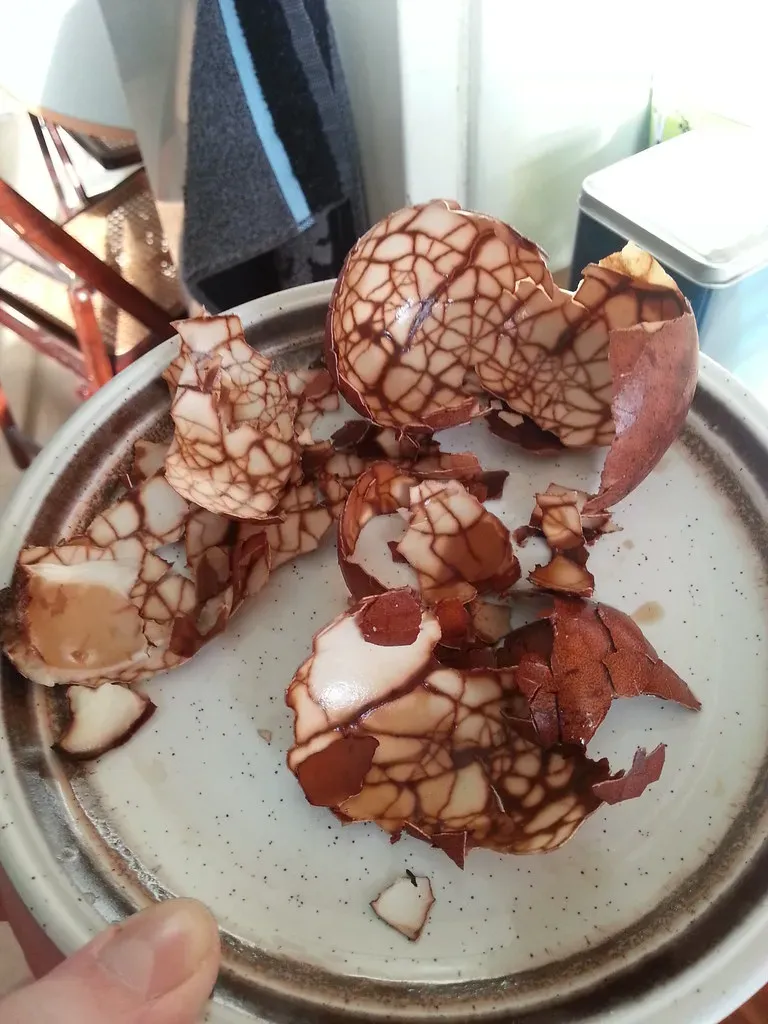
You might not have guessed that a Velociraptor’s eggs could have been a vivid blue-green. Modern birds inherited their knack for vibrant eggshells from their dinosaur ancestors, which first gained the trait more than 145 million years ago, according to a study published in the journal Nature. That is a staggering timeline for a color to persist through evolutionary history.
The new incubation strategies explored by oviraptorids and troodontids required the eggs to be partially exposed at the surface, leaving them visible for the first time in dinosaur evolution. The appearance of colored eggs coincides with the evolution of these partially open nests, and so may have been driven by new selective pressures. Brown speckled eggs, for example, may have been better camouflaged from predators when the parents left the nest to feed. It’s almost like watching the birth of camouflage as a parenting strategy – the same reason a killdeer’s eggs look like gravel today.
10. Communal Nesting May Have Provided Safety in Numbers
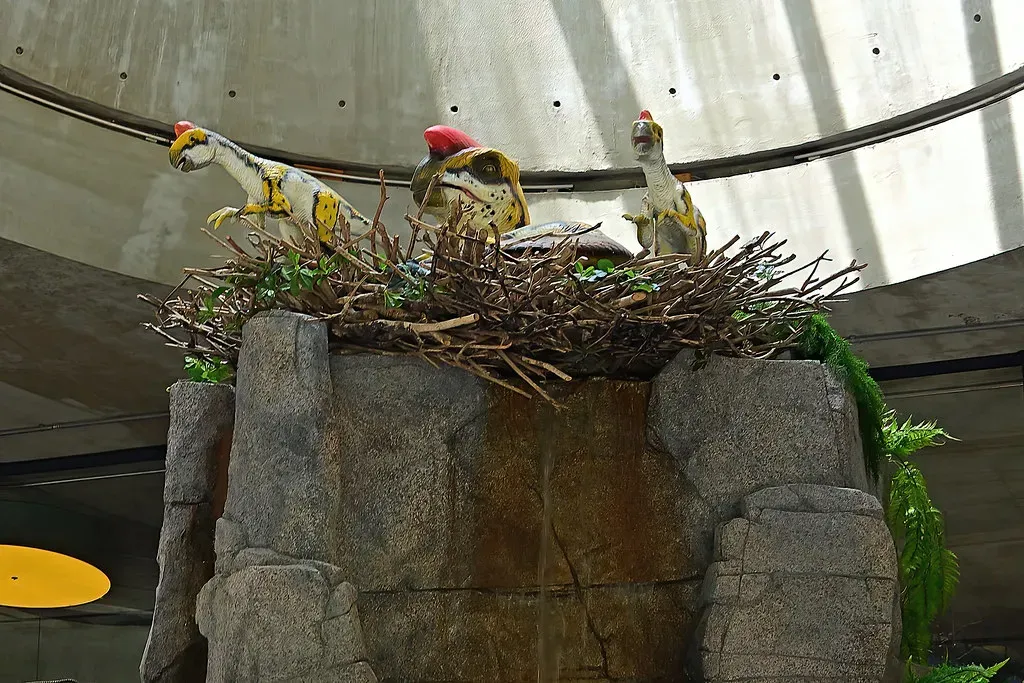
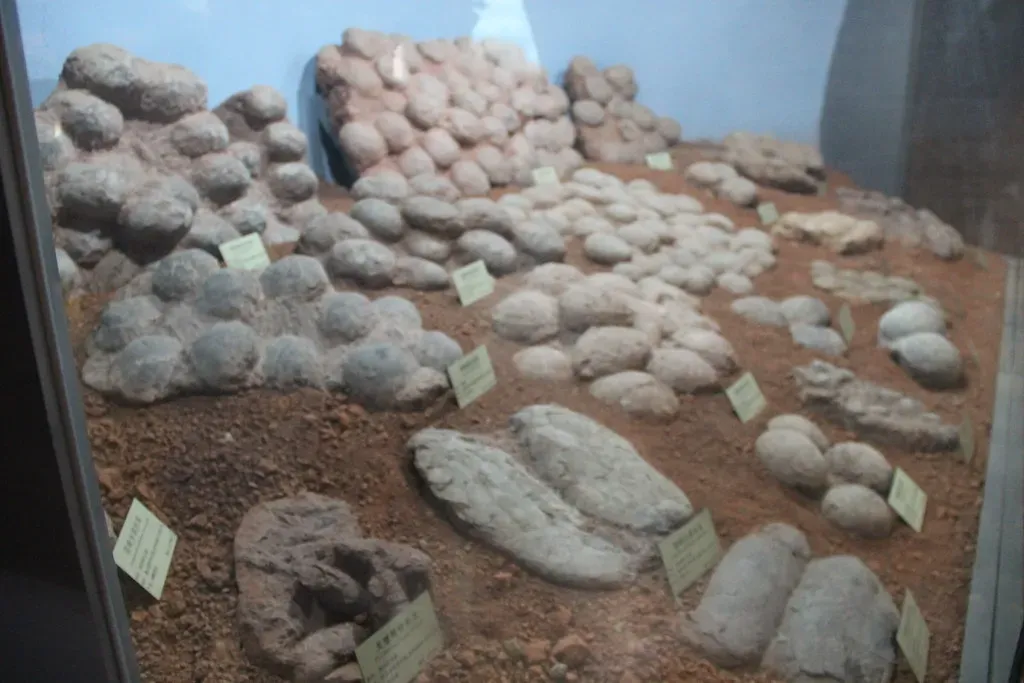
Dinosaur hunters in the Javkhlant region of the Gobi Desert in Mongolia discovered 15 exceptionally well-preserved clutches of eggs that came from a species of theropod dinosaur. Through some fantastic detective work, the researchers argue that this fossil site provides the strongest evidence yet that such dinosaurs nested in colonies and protected their eggs. Nesting in communities is not just a bird thing – it may well have deep dinosaur roots.
The fossils also indicated that all the eggs were laid and hatched in the same nesting season, providing evidence that the dinosaurs nested in colonies. About 60 percent of them hatched successfully, a relatively high hatching rate similar to that of modern birds and crocodilians that protect their eggs. This supports the argument that these dinosaurs also looked after their nests. A six-in-ten hatching success rate is genuinely impressive for an open environment full of predators, and it strongly suggests these communities were actively defending their eggs together – something almost social, almost tender, in creatures we once thought of as cold and indifferent.
Conclusion: Ancient Parents, Timeless Instincts
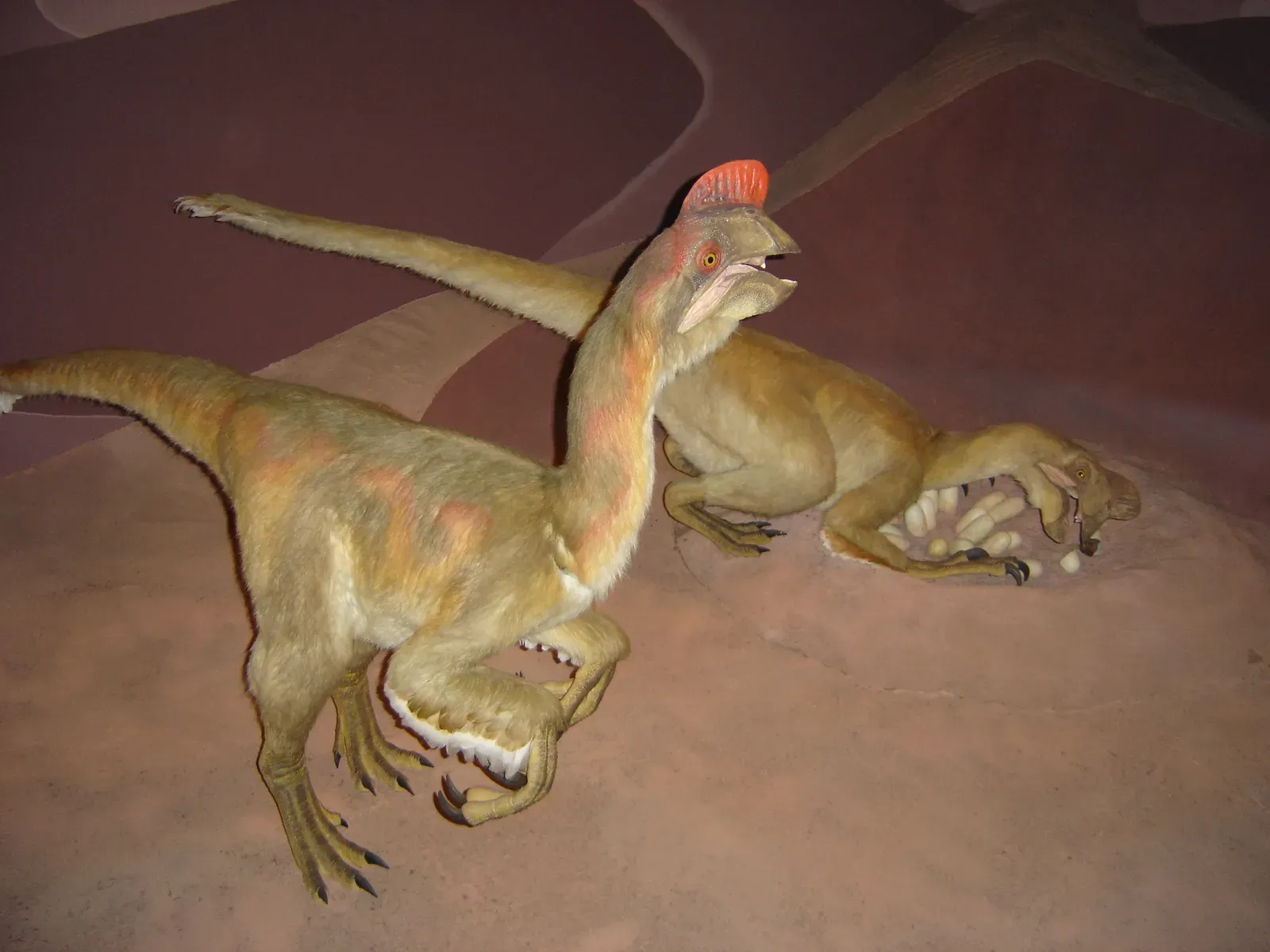
The deeper science digs into , the more these ancient creatures begin to look like distant relatives rather than alien monsters. You can now picture a feathered Citipati wrapping its arms around a nest as a sandstorm rolls in, or Maiasaura parents hauling vegetation back to a squealing hatchling. These aren’t just fossil curiosities – they are windows into some of the most fundamental instincts life has ever developed.
What’s particularly striking is how much variation existed. Some dinosaurs abandoned their eggs like sea turtles. Others were fierce, present, and engaged parents. The main theory is that just like living animals exhibit a variety of behaviors from species to species, it’s likely that dinosaurs were also variable in their parenting. Some were neglectful and buried their eggs, while others caringly tended to their nest. Sound familiar? Parenting strategies across the spectrum of commitment are not some modern invention.
The fossil record will keep surprising you. Every new egg unearthed somewhere in Mongolia, China, Montana, or Argentina is another page in a story that began 230 million years ago. What fascinates you most – that some of these giants were devoted parents, or that we’re still only beginning to understand them? Tell us in the comments.