Have you ever wondered what it would be like to see a living, breathing mammoth walking through a frozen tundra? These incredible creatures still capture our imagination thousands of years after their disappearance. Sure, you might have seen them in movies or museums, but the real story behind these Ice Age giants is far more remarkable than any Hollywood recreation could ever be.
The woolly mammoth roamed our planet for hundreds of thousands of years, surviving through harsh climatic conditions that would challenge even the toughest modern animals. From their remarkable adaptations to their mysterious extinction, these ancient elephants have left behind clues that continue to surprise scientists today. Let’s be real, these weren’t just big hairy elephants wandering around aimlessly. They were sophisticated survivors with unique abilities, complex social structures, and a profound impact on their ecosystem. So let’s dive in and discover what made these creatures so extraordinary.
They Were Built Like Living Fortresses
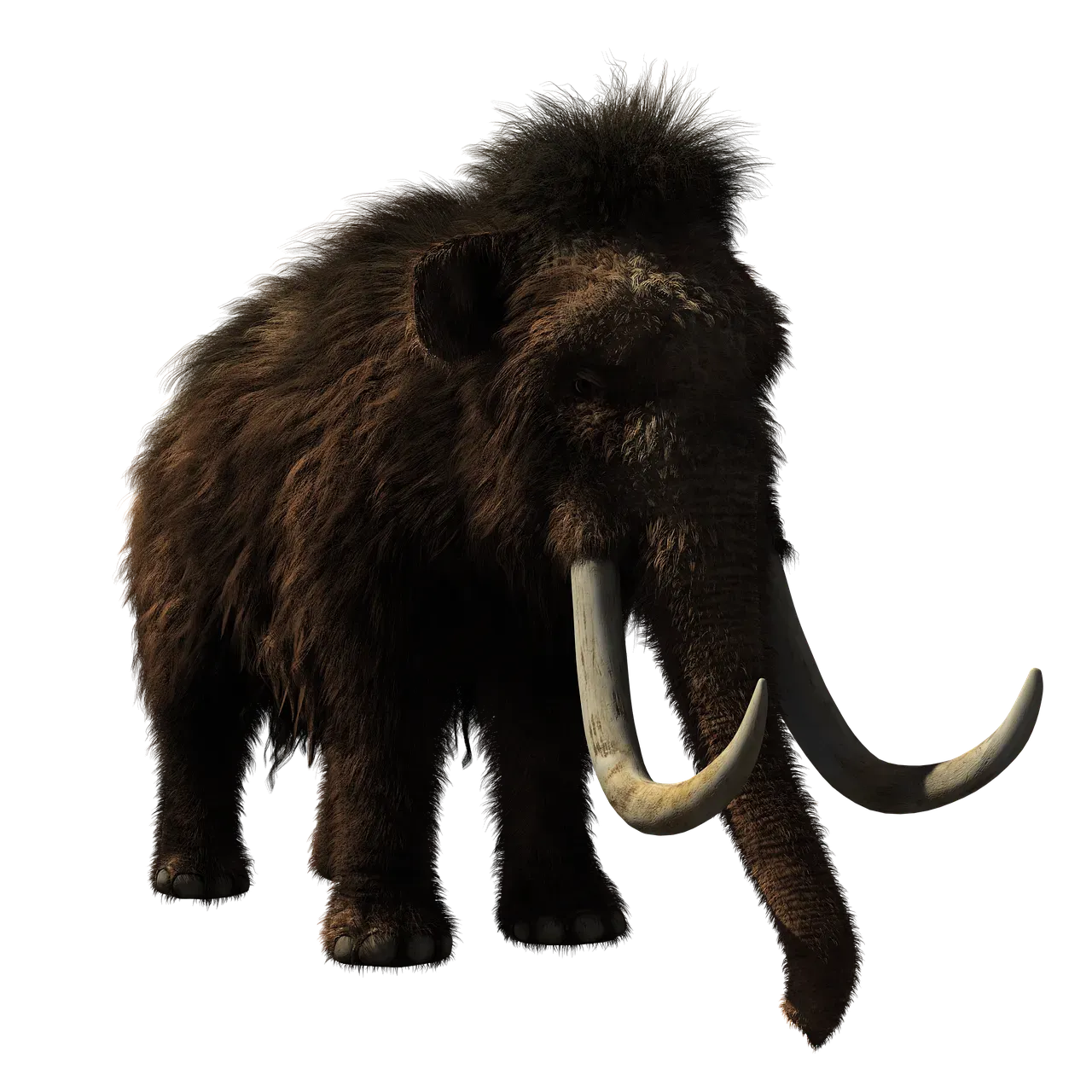
Woolly mammoths stood roughly between 10 and 12 feet tall at the shoulder and weighed between 5,500 and 7,300 kilograms, which is comparable to modern elephants. Yet size varied significantly depending on where they lived. European mammoths were considerably larger than their Siberian cousins, with some individuals reaching impressive proportions.
One of the largest recorded specimens was discovered in Germany, estimated to be around 50 years old with a shoulder height of about 11 and a half feet. The females were noticeably smaller than males, creating a distinct size difference within herds. Adult males could weigh as much as 6 tonnes, while females typically stood between 8 and a half to 9 and a half feet tall and weighed up to 4 tonnes.
Their Tusks Were Engineering Marvels
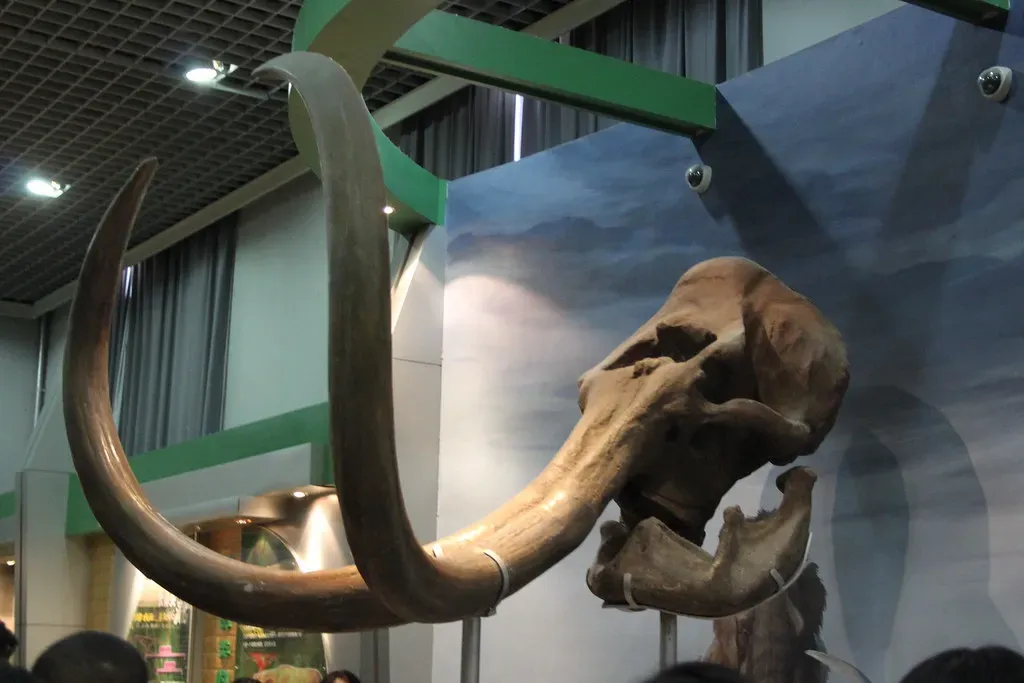
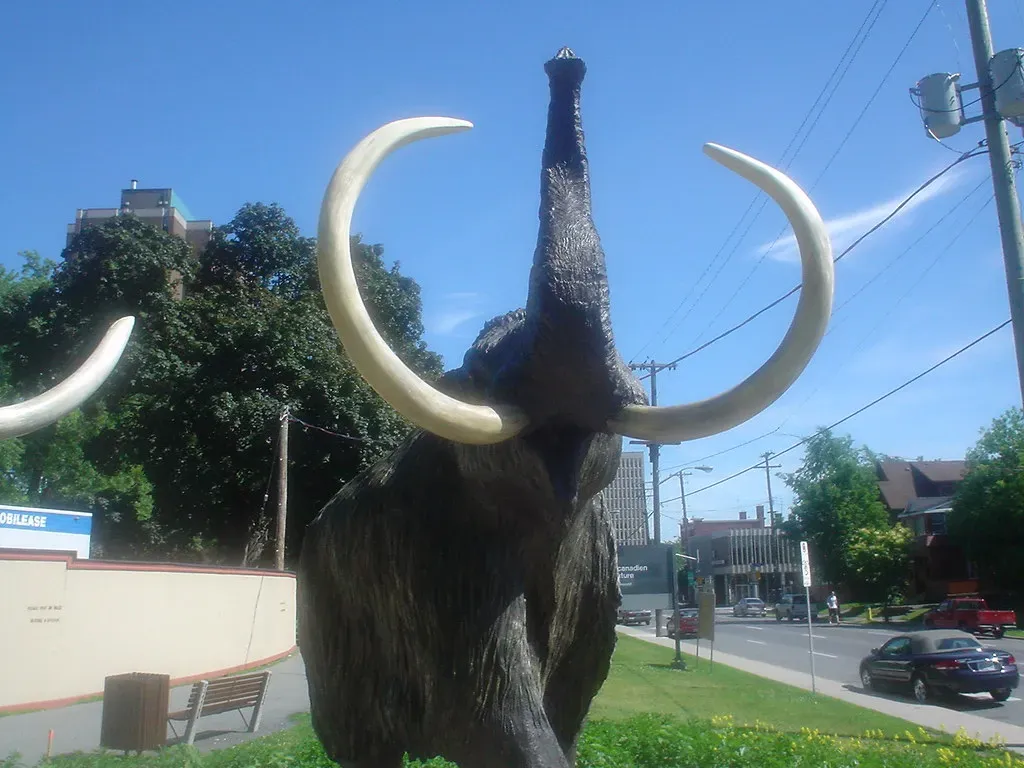
Picture tusks so long they could stretch across your living room. For large adults, tusks reached more than 4 metres in length and weighed over 100 kilograms each. These weren’t just for show either.
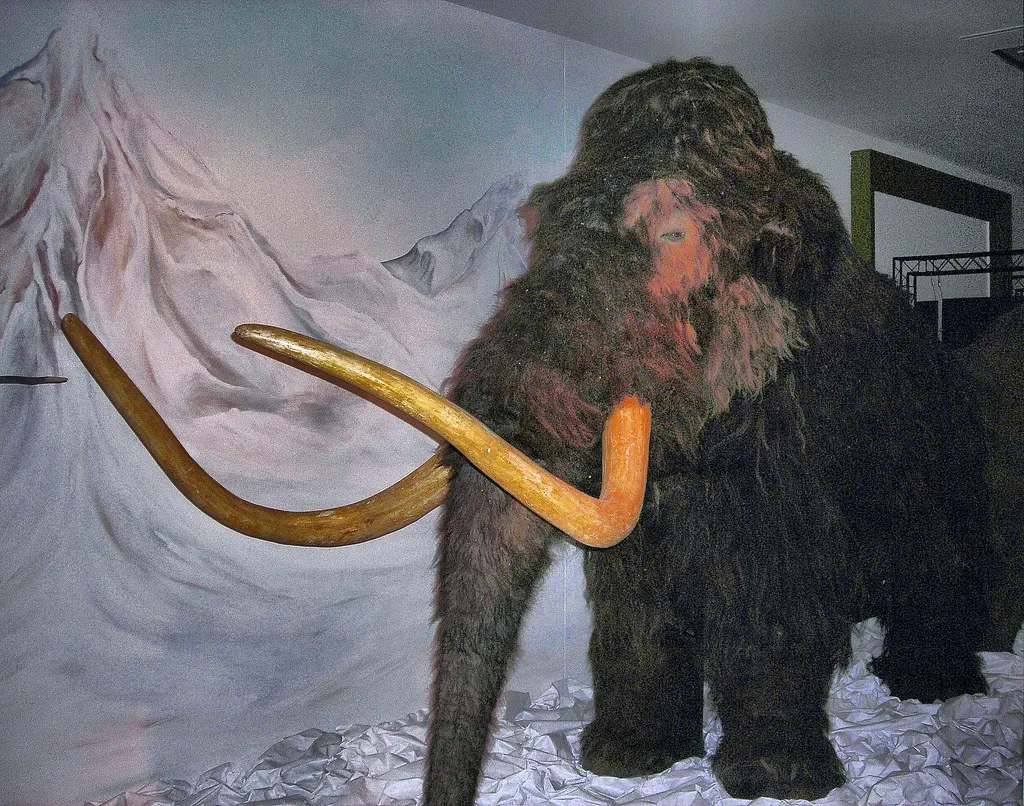
The tusks grew spirally in opposite directions from the base and curved until the tips sometimes pointed toward each other, a design that kept most of the weight close to the skull and reduced strain. They likely used their tusks as shovels to clear snow from the ground and reach vegetation below, as evidenced by flat, polished sections up to 30 centimeters long found on many preserved tusks. Like tree rings, tusks preserved a wealth of information about a mammoth’s life, with layer upon layer of growth rings forming over time that scientists can study to learn about health, climate, and migration patterns.
They Had a Wardrobe for Survival
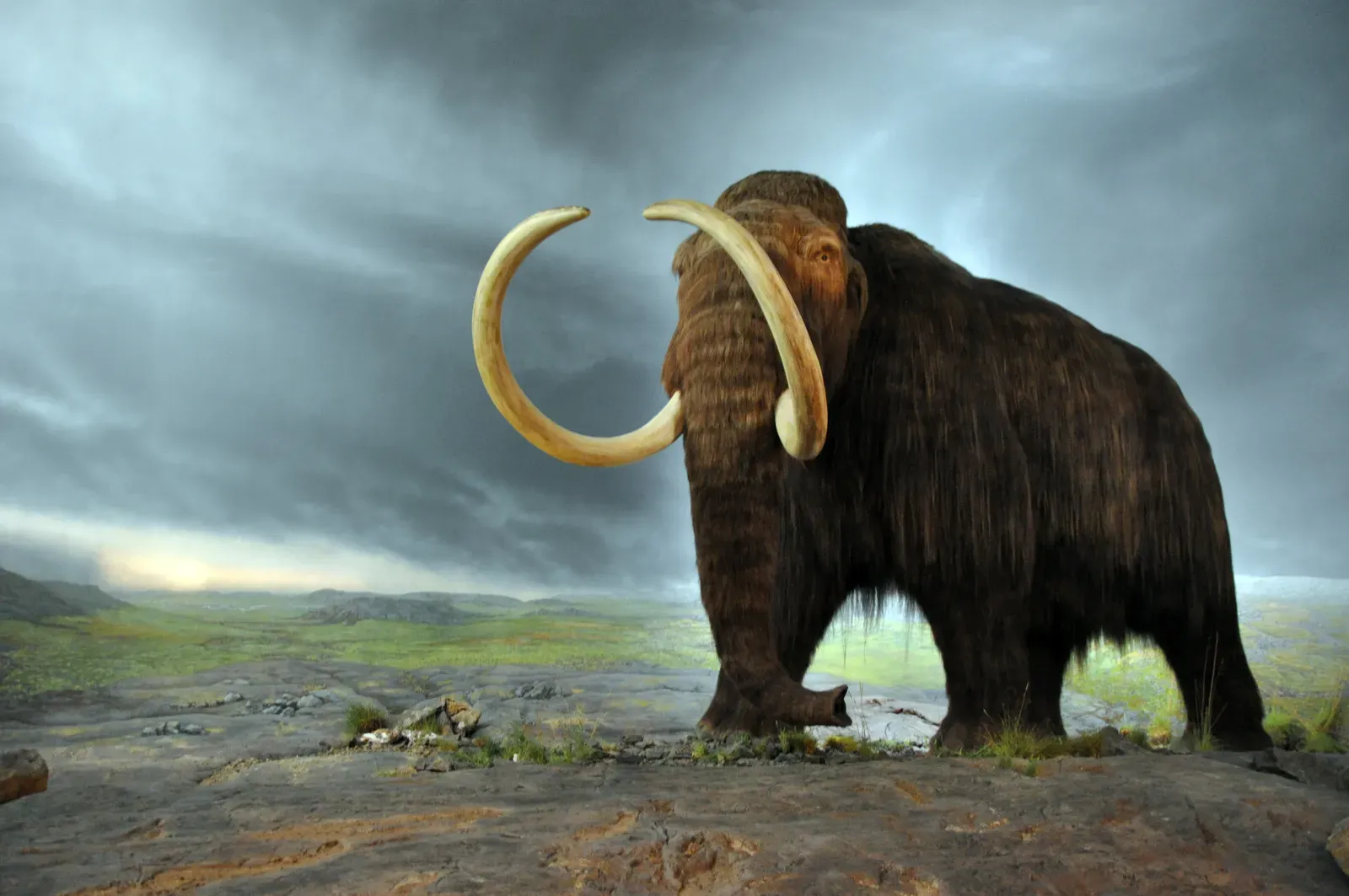
Woolly mammoths had a yellowish brown undercoat roughly one inch thick beneath a coarser outer covering of dark brown hair that grew more than 70 centimeters long in some individuals. This wasn’t just fluffy decoration. The dual-layer system worked like an advanced insulation suit designed specifically for Ice Age conditions.
They also had a layer of fat up to 10 centimeters thick under the skin, which helped keep them warm. Their ears and tail were remarkably short to minimize heat loss and prevent frostbite. The tail was only 36 centimeters long, a stark contrast to modern elephants with their longer appendages. Honestly, every aspect of their body seemed purpose-built for surviving brutal winters.
They Were Grass-Eating Machines
An adult weighing 6 tonnes would need to eat 180 kilograms daily and may have foraged as long as 20 hours every day. Think about that for a moment. Nearly an entire day spent eating. Woolly mammoths sustained themselves on plant food, mainly grasses and sedges, supplemented with herbaceous plants, flowering plants, shrubs, mosses, and tree matter.
Their teeth were specially designed for this grinding work. The woolly mammoth chewed its food using powerful jaw muscles, with sharp enamel ridges cutting across each other to grind food, and these ridges were wear-resistant, enabling the animal to chew large quantities of food that often contained grit. The two-fingered tip of the trunk was probably adapted for picking up short grasses by wrapping around them, quite different from modern elephants that curl their trunks around longer tropical grass.
They Called the Mammoth Steppe Home
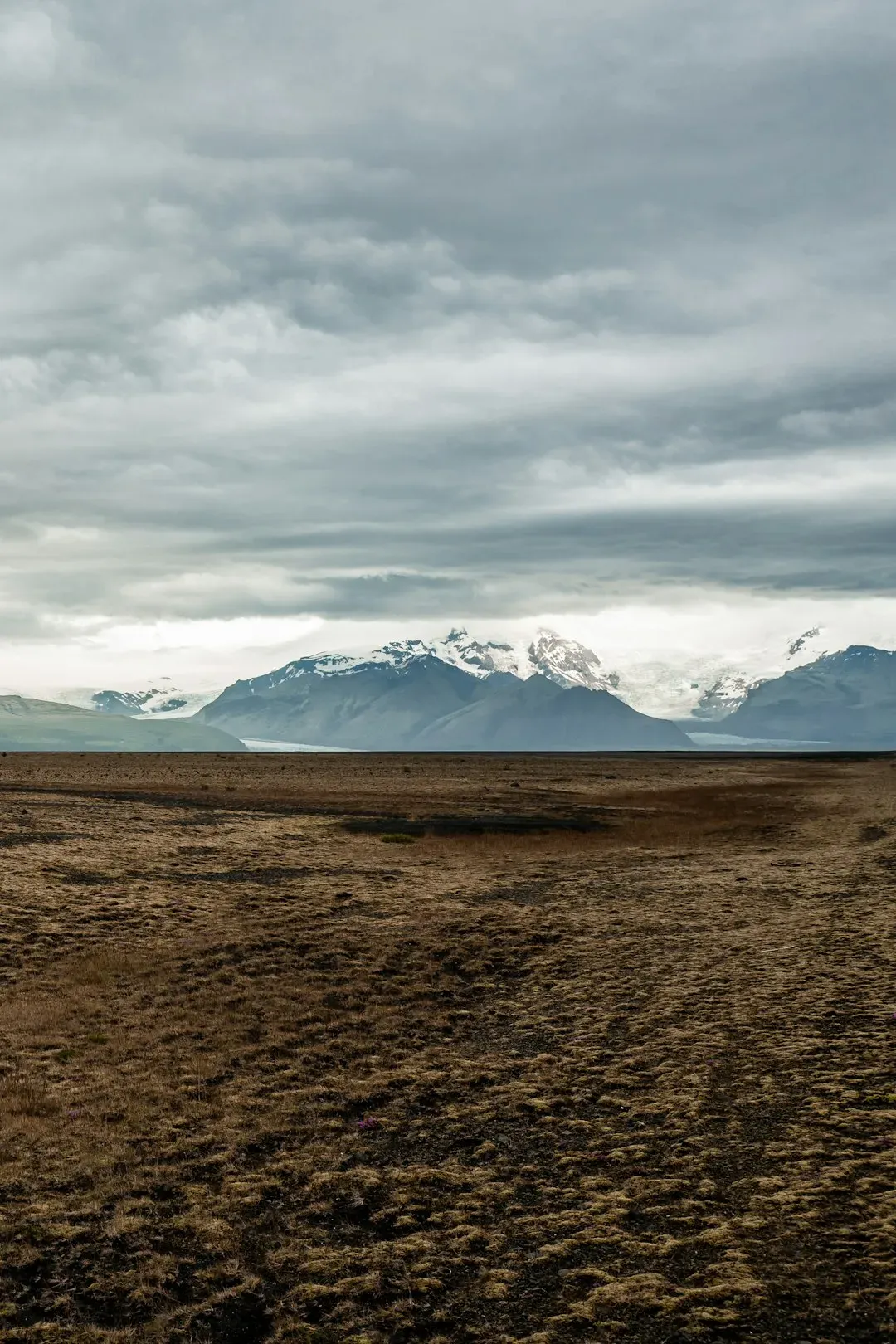
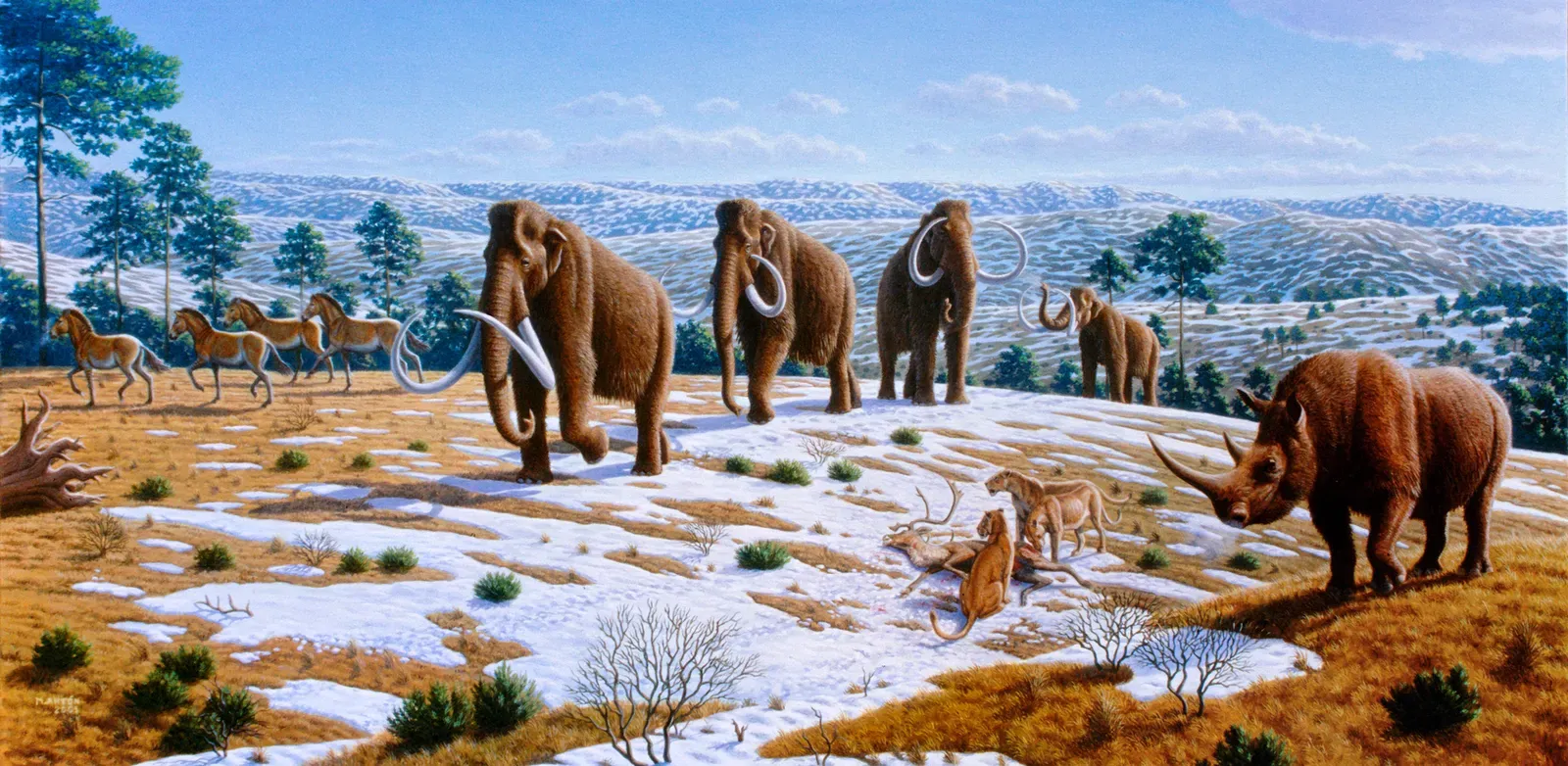
The habitat of woolly mammoths, known as mammoth steppe or tundra steppe, stretched across northern Asia, many parts of Europe, and the northern part of North America during the last ice age. Here’s the thing though – it wasn’t the frozen wasteland many people imagine. It was similar to the grassy steppes of modern Russia, but the flora was more diverse, abundant, and grew faster.
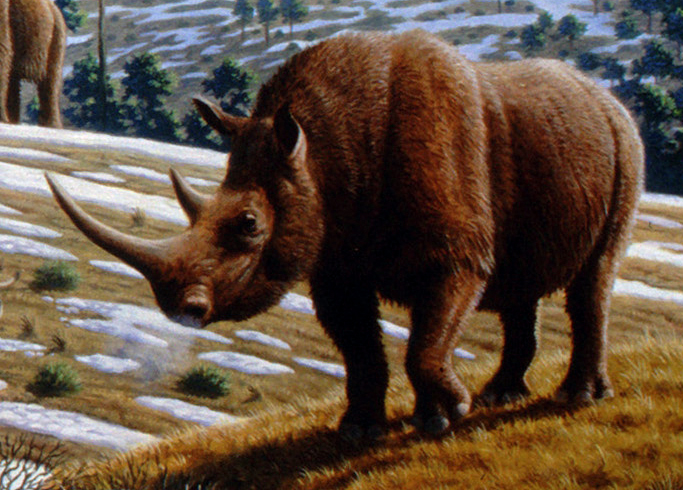
This habitat was not dominated by ice and snow, as is popularly believed, since these regions are thought to have been high-pressure areas at the time. They shared this landscape with other remarkable creatures. The habitat supported other grazing herbivores such as the woolly rhinoceros, wild horses, and bison, creating a cold-weather version of the African savanna.
They Lived Surprisingly Long Lives
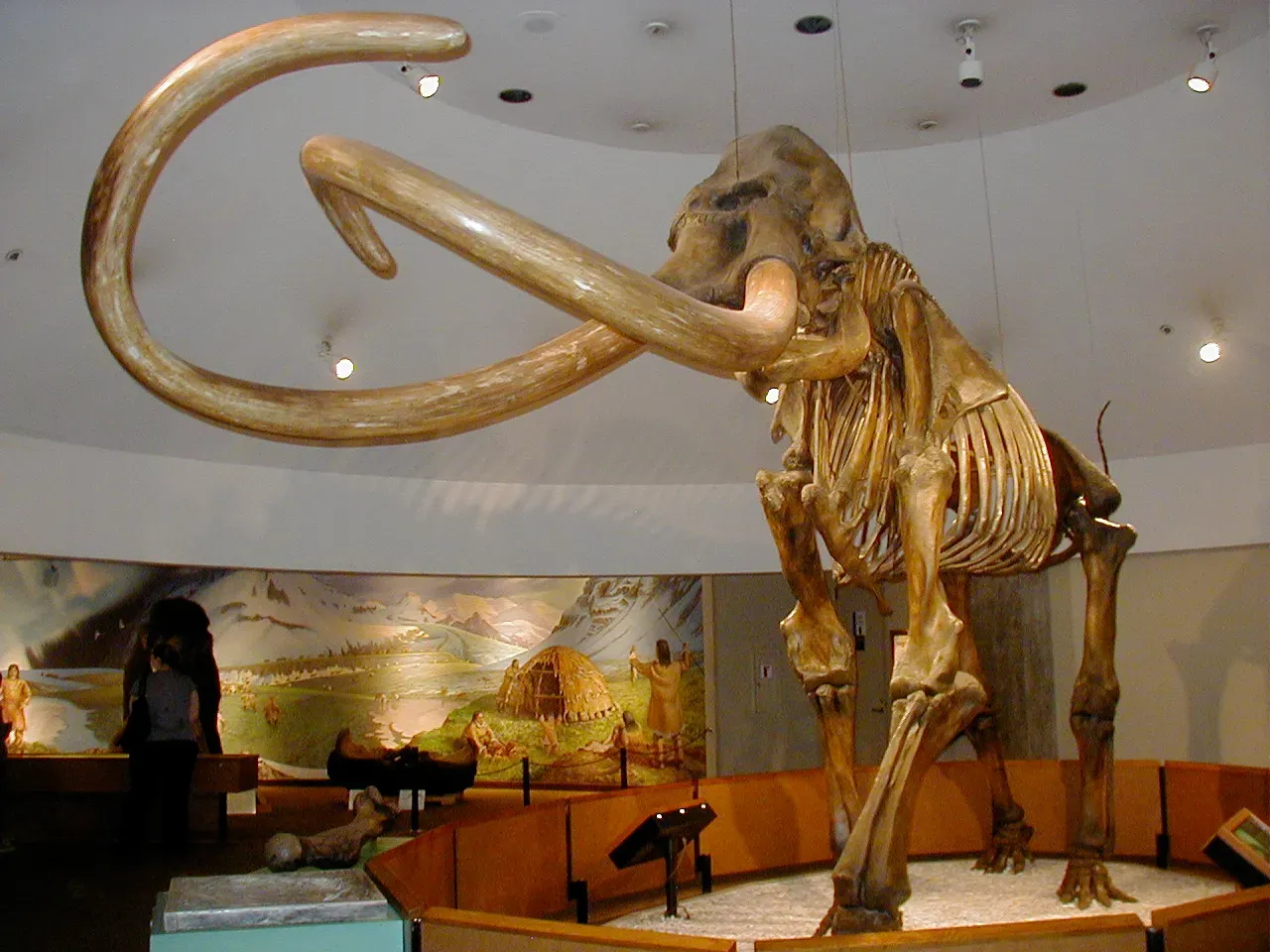
Since modern elephants can reach the age of 60 years, the same is thought to be true for woolly mammoths, which were of a similar size. Six decades is a substantial lifespan for any animal, allowing these creatures to accumulate vast experience and knowledge about their environment.
Like elephants, mammoths likely lived in matriarchal family groups where older females passed down critical survival information to younger generations. The lengthy lifespan meant that herds contained individuals who remembered migration routes, water sources, and feeding grounds across decades of changing seasons. You can imagine how valuable that institutional knowledge would have been for survival.
Some Survived Until the Age of Pyramids

Most people think mammoths vanished shortly after the Ice Age ended, but that’s not the complete story. The woolly mammoth evolved about 700,000 to 400,000 years ago in Siberia, with some surviving on Russia’s Wrangel Island in the Arctic Ocean until as recently as 4,000 years ago. Let that sink in for a second.
The last known group of woolly mammoths survived until roughly 1650 BC, which was over a thousand years after the Pyramids at Giza were built. While ancient Egyptians were constructing monumental architecture, a small population of mammoths still roamed an isolated Arctic island. Wrangel Island had no predators, including humans, and no other grazing animals, which gave the woolly mammoths freedom to munch and reproduce.
Their Extinction Remains a Scientific Mystery
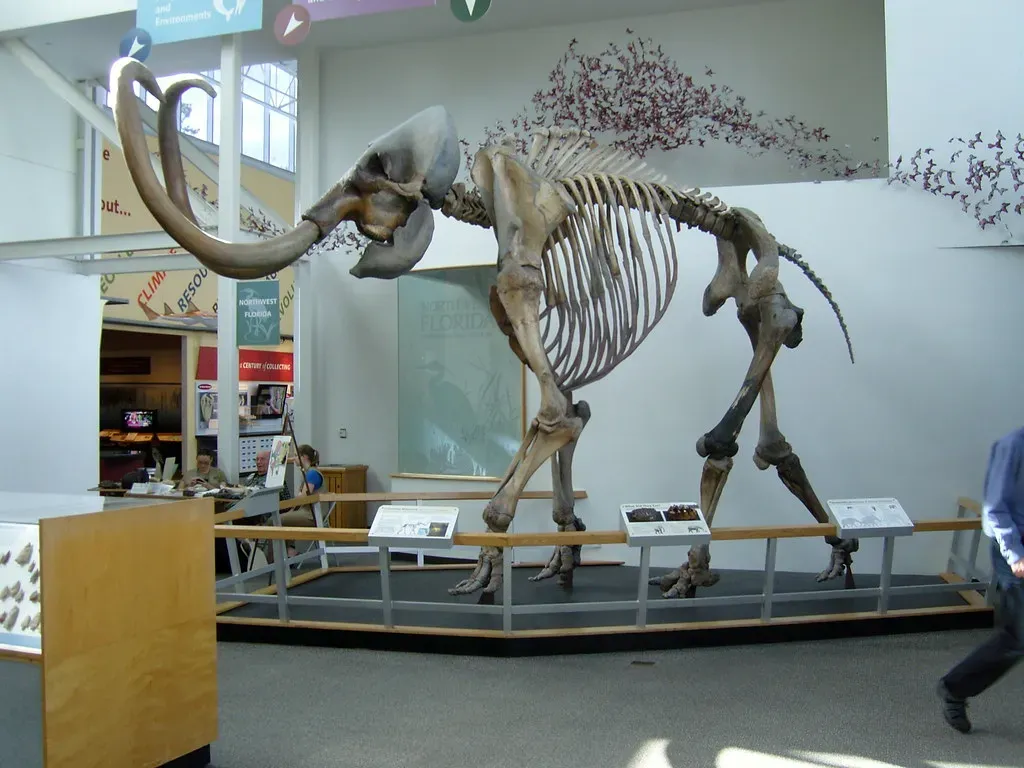
Scientists are divided over whether hunting or climate change, which led to the shrinkage of habitat, was the main factor that contributed to extinction, or whether it was due to a combination of the two. The debate continues to this day. As the last glaciers retreated and the planet warmed, roughly 90 percent of the animals’ former habitat disappeared.
The remaining mammoth herds faced a foe that hadn’t existed 126,000 years ago: human hunters who evolved to their modern form during the Pleistocene and migrated north with the final retreat of glaciers. For the Wrangel Island population specifically, researchers suggest the creatures died in an unlucky incident, perhaps because of a novel virus or natural disaster like an Arctic volcano eruption or a tundra fire. It wasn’t gradual decline but possibly something sudden and catastrophic.
Frozen Specimens Revealed Their Secrets
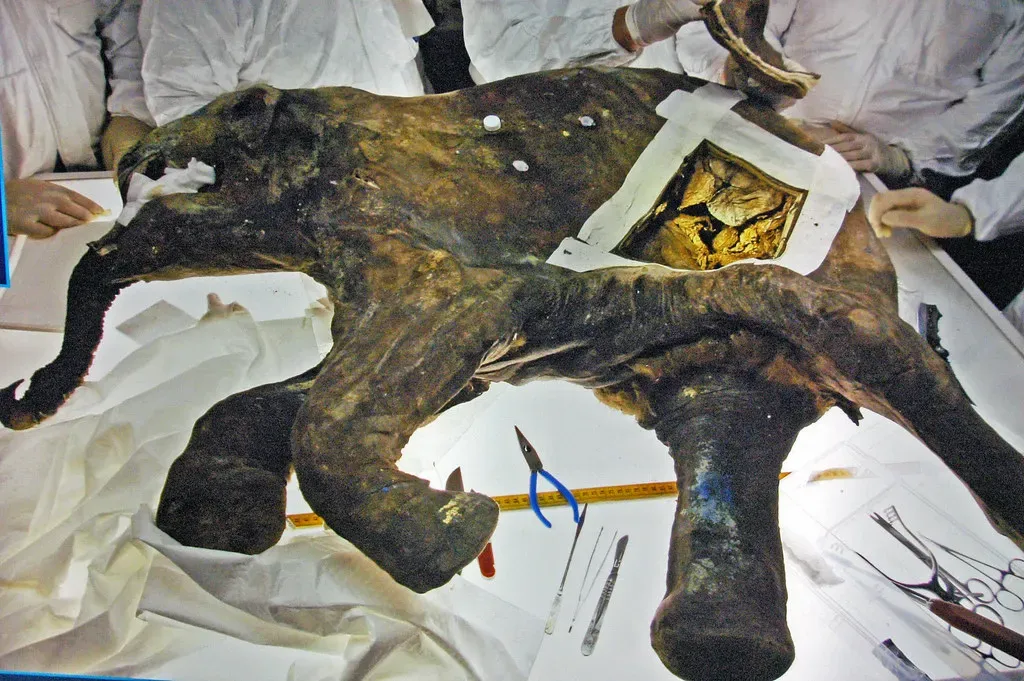
The appearance and behavior of woolly mammoths are among the best studied of any prehistoric animal because of the discovery of frozen carcasses in Siberia and North America, as well as skeletons, teeth, stomach contents, dung, and depictions from life in prehistoric cave paintings. These discoveries were nothing short of miraculous for science.
The best preserved remains come from areas of permafrost in Siberia and Alaska, sometimes complete with fur, released by melting permafrost as largely intact animals, with an estimated 25,000 carcasses found in Siberia since 1808. Food at various stages of digestion has been found in the intestines of several woolly mammoths, giving a good picture of their diet. Scientists even know what their last meals consisted of, providing intimate details about these creatures’ final moments.
Scientists Are Trying to Bring Them Back
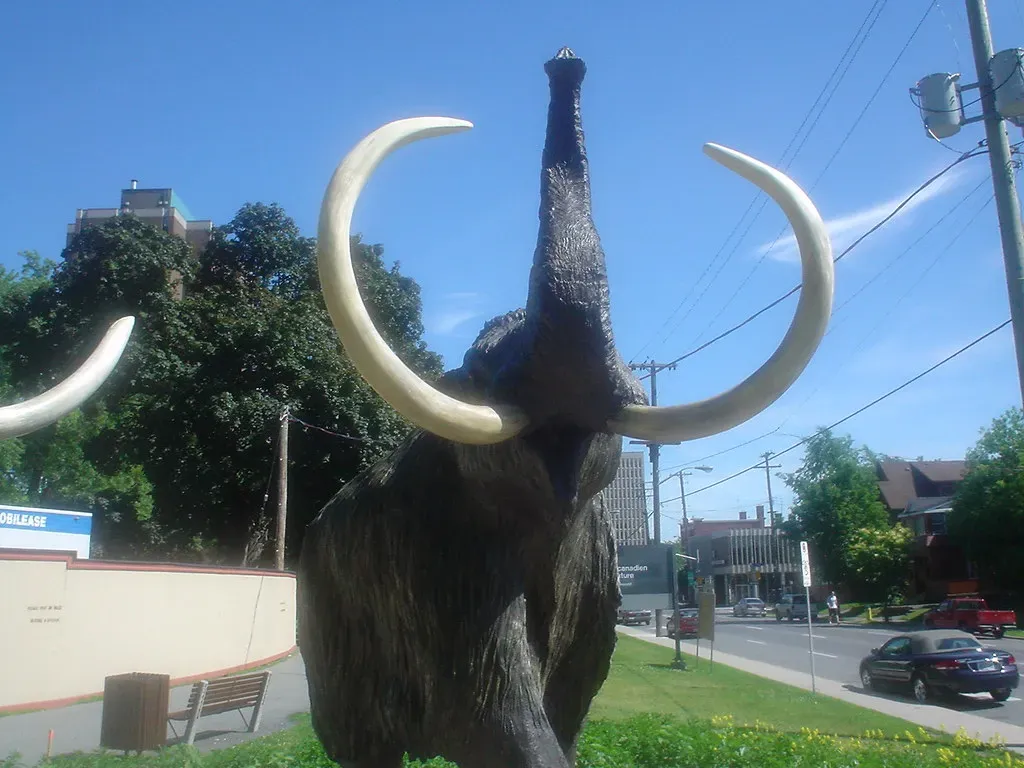
In 2021, Harvard scientist George Church received $15 million in funding and spun off a company called Colossal Biosciences, which in 2025 showcased three mice with woolly mammoth-inspired traits such as cold tolerance, woolly coats, golden-brown fur, and curly whiskers as proof of concept. The goal isn’t exactly cloning in the traditional sense.
The process involves extracting DNA from well-preserved mammoth remains and using CRISPR gene-editing technology to modify Asian elephant embryos, editing DNA to include woolly mammoth traits such as thick fur, fat deposits, and cold resistance. The company has stated it wants to have woolly mammoth hybrid calves by 2028 and wants to reintroduce them to Arctic tundra habitat. Whether this bold scientific endeavor succeeds remains to be seen, but the technology being developed could revolutionize conservation efforts for endangered species today.
Conclusion
These remarkable creatures dominated the Ice Age landscape for hundreds of thousands of years, adapting brilliantly to one of Earth’s harshest environments. From their specialized coats and massive tusks to their complex social structures and extensive lifespans, woolly mammoths were far more than just oversized elephants.
Their story reminds us how fragile even the most successful species can be when faced with rapid environmental change and new pressures. The ongoing efforts to resurrect mammoth traits through genetic engineering raise fascinating questions about our relationship with extinct species and our responsibility to current biodiversity. What do you think – should scientists bring back the mammoth, or should we focus on protecting the endangered species we still have? The answer might not be as simple as it seems.