Sixty-six million years ago, the most dominant creatures to ever walk the face of the Earth simply vanished. No slow fade, no warning signs visible from the fossil record’s finest pages. Just one catastrophic chapter in Earth’s story slamming shut with terrifying speed. It’s the kind of event that makes you stop and genuinely wonder how life on this planet even survived at all.
What followed that day – and the centuries, millennia, and millions of years after it – shaped everything you see when you look out the window today. Every bird perched on a branch, every mammal wandering through a forest, including you reading this right now, owes its existence to the chaos of that single moment. So let’s dive into what science has uncovered about one of the most dramatic turning points in all of natural history.
1. Nearly Three Quarters of All Life on Earth Was Wiped Out
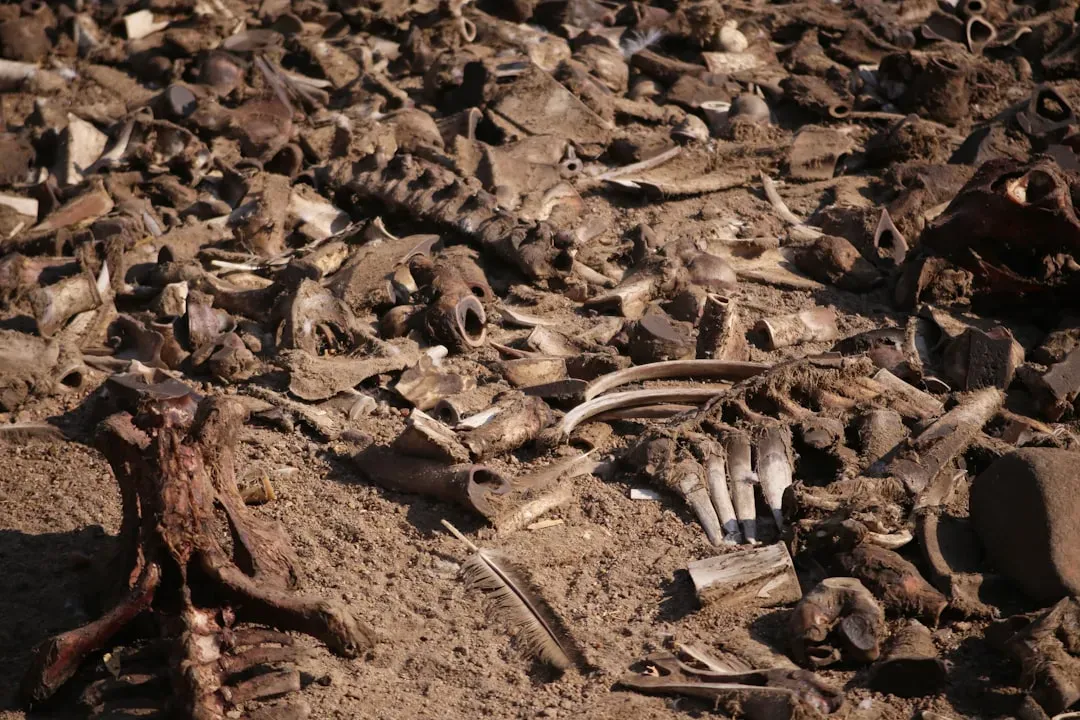
Let’s be real: when most people think about the extinction event that killed the dinosaurs, they picture a world with fewer giant lizards and more room for mammals to roam. The reality is so much more staggering than that. The Cretaceous-Paleogene extinction event was a mass extinction of three-quarters of the plant and animal species on Earth, which occurred approximately 66 million years ago. Think about that for a moment. Three quarters. Gone.
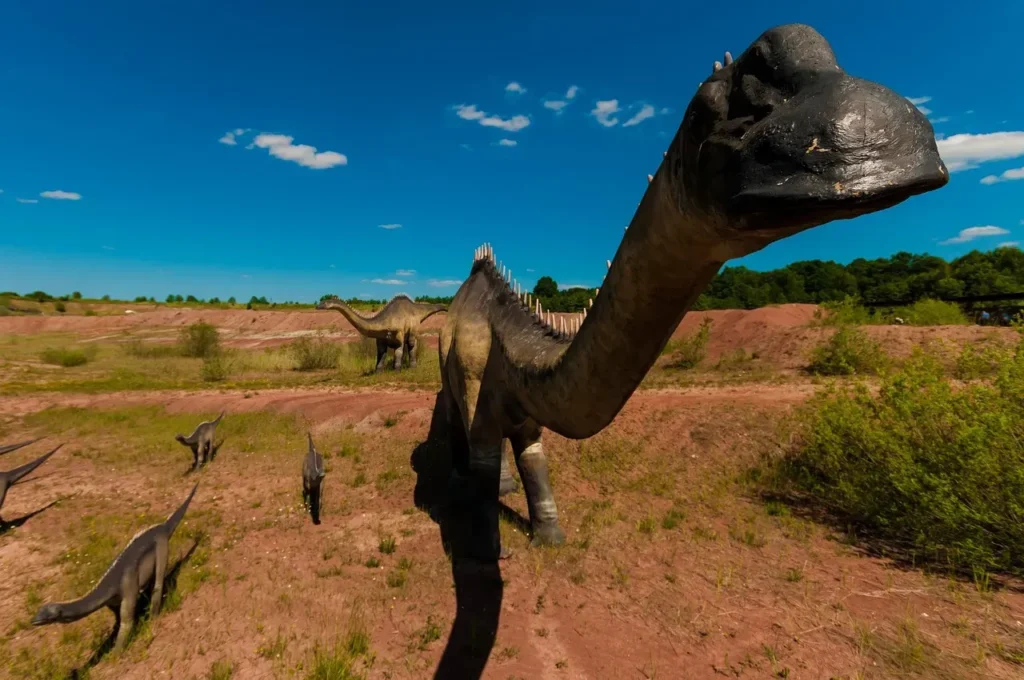
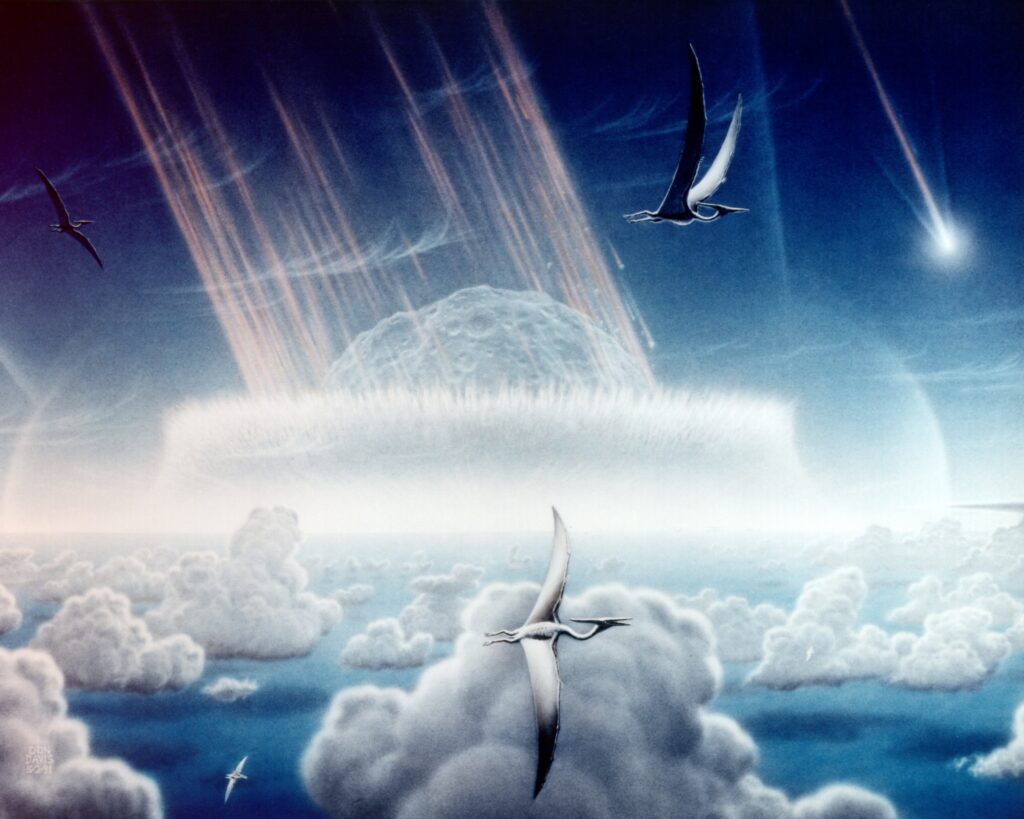
The impact generated immense energy equivalent to about 100 million megatons of dynamite, leading to catastrophic consequences including massive tsunamis, firestorms, and drastic climate changes. The environmental upheaval caused the extinction of roughly 75% of all species on Earth, notably including all non-avian dinosaurs, which had dominated terrestrial ecosystems for approximately 160 million years. It wasn’t just the dinosaurs losing their reign; it was a near total collapse of everything complex life had built up over eons.
2. The Culprit Was a Rock the Size of a City Traveling at Unimaginable Speed
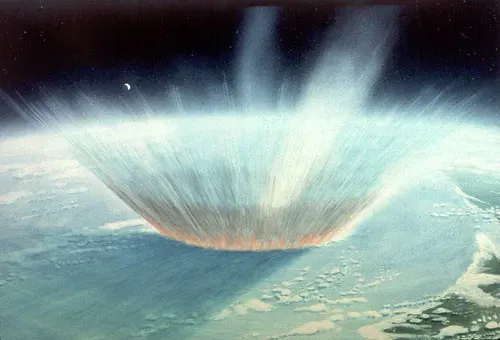
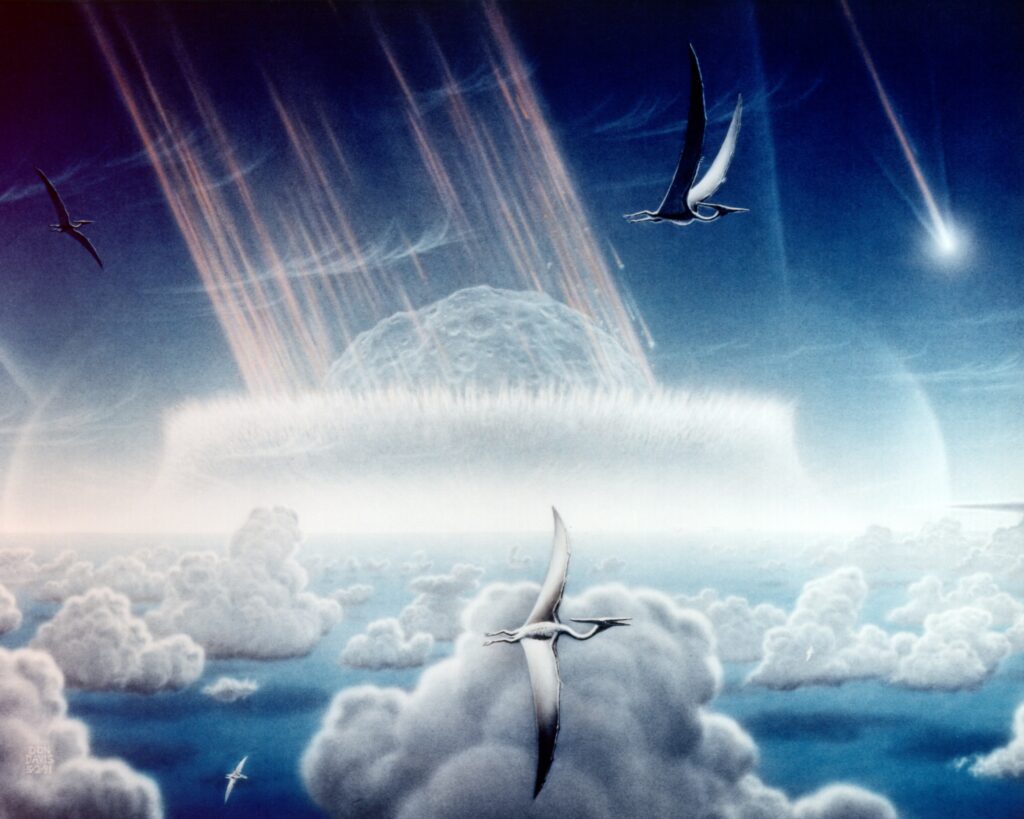
You’ve probably heard the story, but the raw physics of it never gets old. Approximately 66 million years ago, an asteroid nearly 10 kilometers across hit the Earth near what is now the Yucatan Peninsula. The asteroid hit at an estimated speed of 20 kilometers per second, more than 58 times the speed of sound, at a relatively steep angle of between 45 and 60 degrees to the Earth’s surface. Honestly, it’s almost impossible to picture something that big, moving that fast.
The impact produced as much explosive energy as 100 teratons of TNT, 4.5 billion times the explosive power of the Hiroshima atomic bomb. The asteroid was huge, likely between 6 and 9 miles in diameter. For context, that’s roughly the height of Mount Everest hurtling through the atmosphere in seconds. The devastation at the impact site was, quite literally, total.
3. The Crater Is Still There – Hidden Beneath Mexico
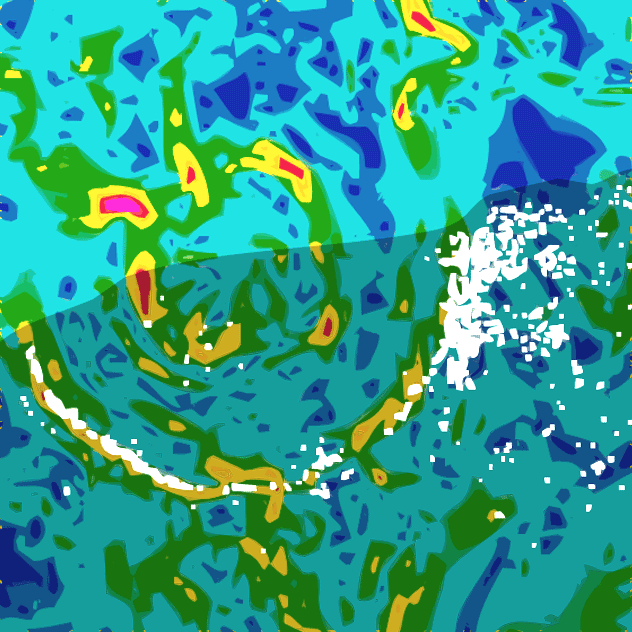
Here’s something that surprises a lot of people: the scar left by this planet-altering impact is actually still physically present on Earth, just not where you’d easily find it. The Chicxulub crater is an impact crater buried underneath the Yucatán Peninsula in Mexico. Its center is offshore, but the crater is named after the onshore community of Chicxulub Pueblo. It was formed slightly over 66 million years ago when an asteroid, about ten kilometers in diameter, struck Earth.
The crater is estimated to be 200 kilometers in diameter and is buried to a depth of about 1 kilometer beneath younger sedimentary rocks. It is one of the largest impact structures on Earth, alongside the much older Sudbury and Vredefort impact structures, and the only one whose peak ring is intact and directly accessible for scientific research. Scientists have drilled into this peak ring to study exactly what happened in the chaos of those first terrifying minutes after impact. What they found was extraordinary.
4. A Global “Nuclear Winter” Followed the Impact
The asteroid impact itself, however catastrophic, wasn’t actually what killed the dinosaurs directly. It was what came next. The impact would have produced an enormous dust cloud that rose up into the atmosphere and encircled the planet. The dust cloud greatly reduced the amount of sunlight reaching the Earth’s surface and prevented photosynthesis by plants on land and plankton in the oceans. As plants and plankton died, extinctions expanded up the food chain, eliminating herbivores and carnivores.
Think of it like pulling the plug on the entire planet’s food supply all at once. Fine particles kicked up from the impact may have blocked the sun and prevented photosynthesis for up to two years. It took nearly 4.5 years for solar radiation to recover its pre-impact value, during the first year practically no solar radiation reached the surface. Recovery of the temperature took more than 45 years. The lowest temperatures occurred between 1.5 and 5 years after the impact, being the coldest at 14 degrees Celsius below the pre-impact temperature. That’s a cold, dark world that very little could endure.
5. The Oceans Turned Acidic Almost Instantly
You might assume the seas offered some form of refuge from the inferno raging across the continents. They didn’t – at least not for most ocean creatures. In October 2019, researchers proposed a mechanism of the mass extinction, arguing that the Chicxulub asteroid impact event rapidly acidified the oceans and produced long-lasting effects on the climate. This ocean acidification was like throwing acid into a vast aquarium that had taken millions of years to carefully balance.
Previous K-Pg research had shown that some marine calcifiers, animal species that develop shells and skeletons from calcium carbonate, were disproportionately wiped out in the mass extinction. Higher ocean acidity may have prevented these calcifiers from creating their shells. This was important because these calcifiers made up an important part of the first rung on the ocean food chain, supporting the rest of the ecosystem. The release of large quantities of sulphur aerosols into the atmosphere as a consequence of the impact would also have caused acid rain. Oceans acidified as a result. This decrease in ocean pH would kill many organisms that grow shells of calcium carbonate. The seas became a very hostile place, very fast.
6. The Iridium Clue That Cracked the Case Open
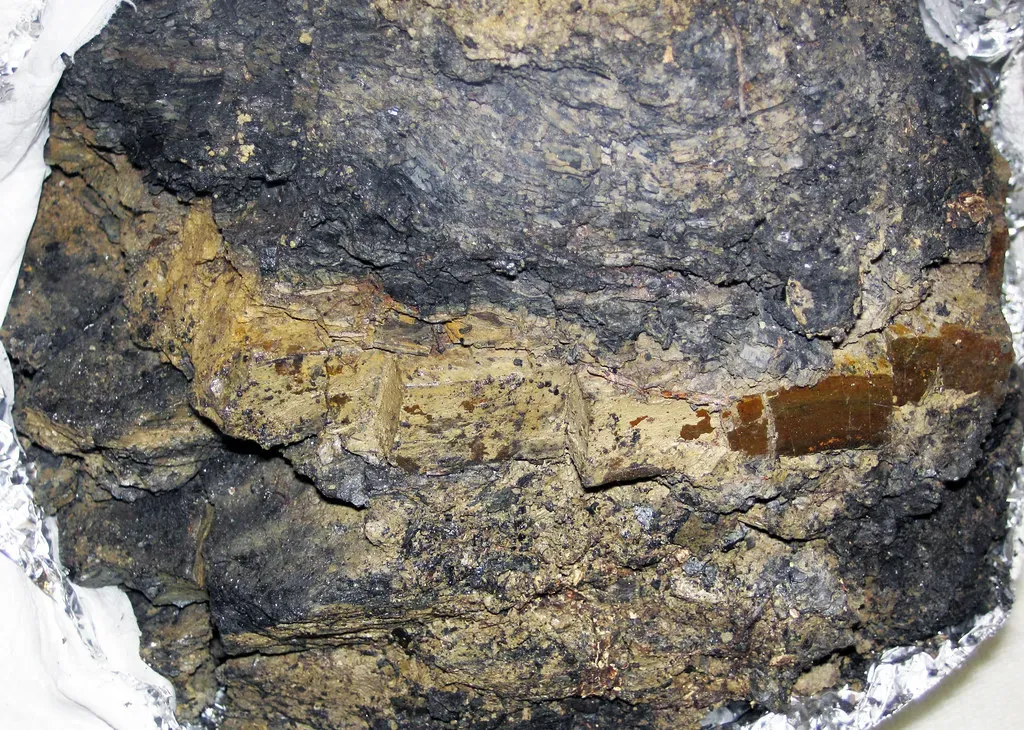
For most of human history, the fate of the dinosaurs was a mystery wrapped in guesswork. It wasn’t until 1980 that a landmark discovery changed everything. In 1980, a team of researchers led by Nobel prize-winning physicist Luis Alvarez, his son, geologist Walter Alvarez, and chemists Frank Asaro and Helen Vaughn Michel discovered that sedimentary layers found all over the world at the Cretaceous-Paleogene boundary contain a concentration of iridium hundreds of times greater than normal.
The researchers didn’t find the asteroid itself; instead, they found a thin layer of the metal iridium in rocks around the world from 66 million years ago. Iridium is rare within the Earth’s crust but abundant in some asteroids and meteorites. In the geologic record, the K-Pg event is marked by a thin layer of sediment called the K-Pg boundary, which can be found throughout the world in marine and terrestrial rocks. The boundary clay shows unusually high levels of the metal iridium, which is more common in asteroids than in the Earth’s crust. It was like finding a cosmic fingerprint left behind at the scene of the greatest crime in natural history.
7. Volcanoes Were Already Stressing the Planet Before the Rock Hit
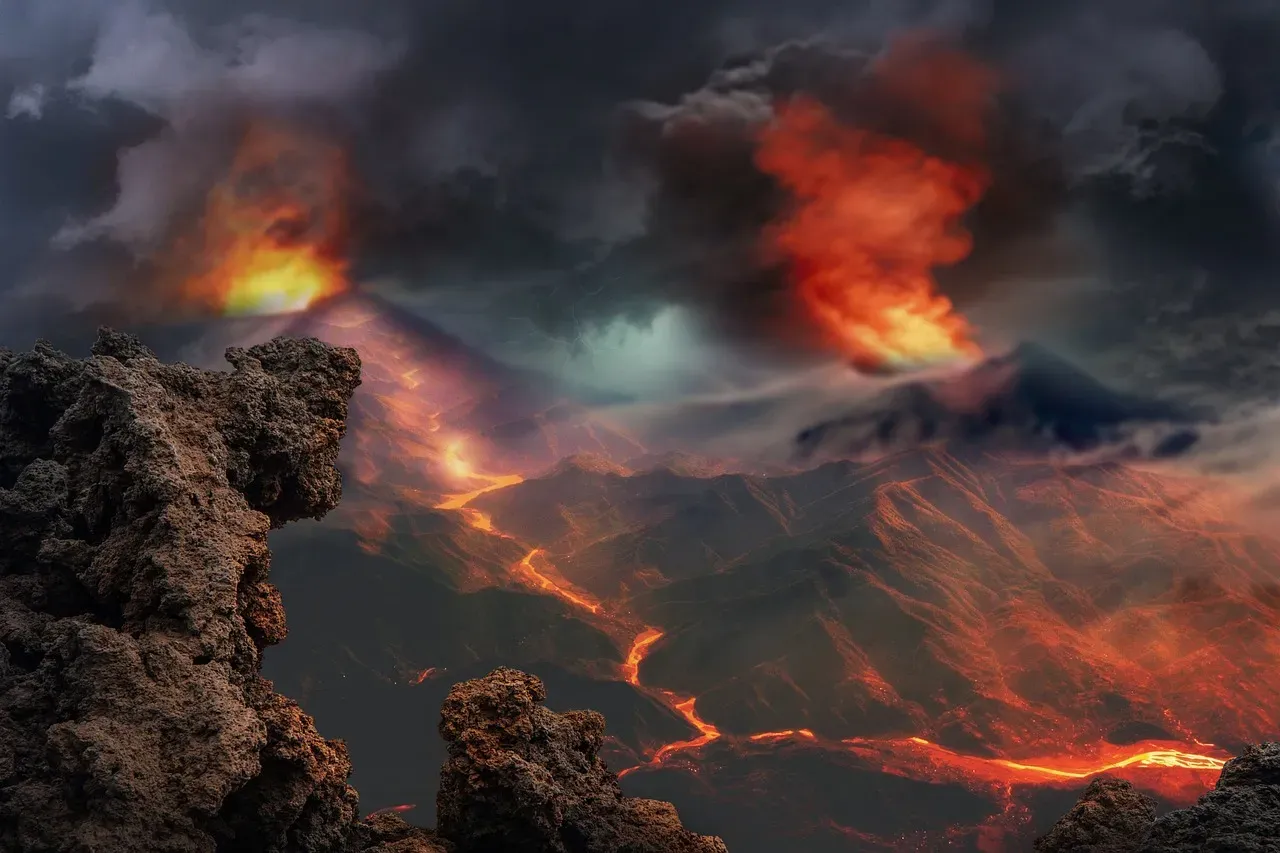
Here’s the thing about this extinction event: it wasn’t necessarily just one bad day. The Earth was already under considerable strain before that fateful asteroid arrived. While the impact is often seen as the primary cause, another contender is the Deccan Traps in modern-day India. These are massive flood basalts, layers of lava thousands of feet thick, that erupted over several hundred thousand years leading up to and following the K-Pg boundary. The sheer volume of sulfur and CO2 released could have caused extreme climate instability, ocean acidification, and mercury poisoning long before the asteroid arrived.
The Deccan Traps could have caused extinction through several mechanisms, including the release of dust and sulfuric aerosols into the air, which might have blocked sunlight and thereby reduced photosynthesis in plants. In addition, Deccan Traps volcanism resulted in carbon dioxide emissions that increased the greenhouse effect when the dust and aerosols cleared from the atmosphere. I think of it like the asteroid striking a body that was already sick. The results support the asteroid impact as the main driver of the non-avian dinosaur extinction. By contrast, induced warming from volcanism mitigated the most extreme effects of asteroid impact, potentially reducing the extinction severity. So the volcanic activity might have actually softened the final blow – slightly.
8. Not Everything Died: The Surprising Survivors
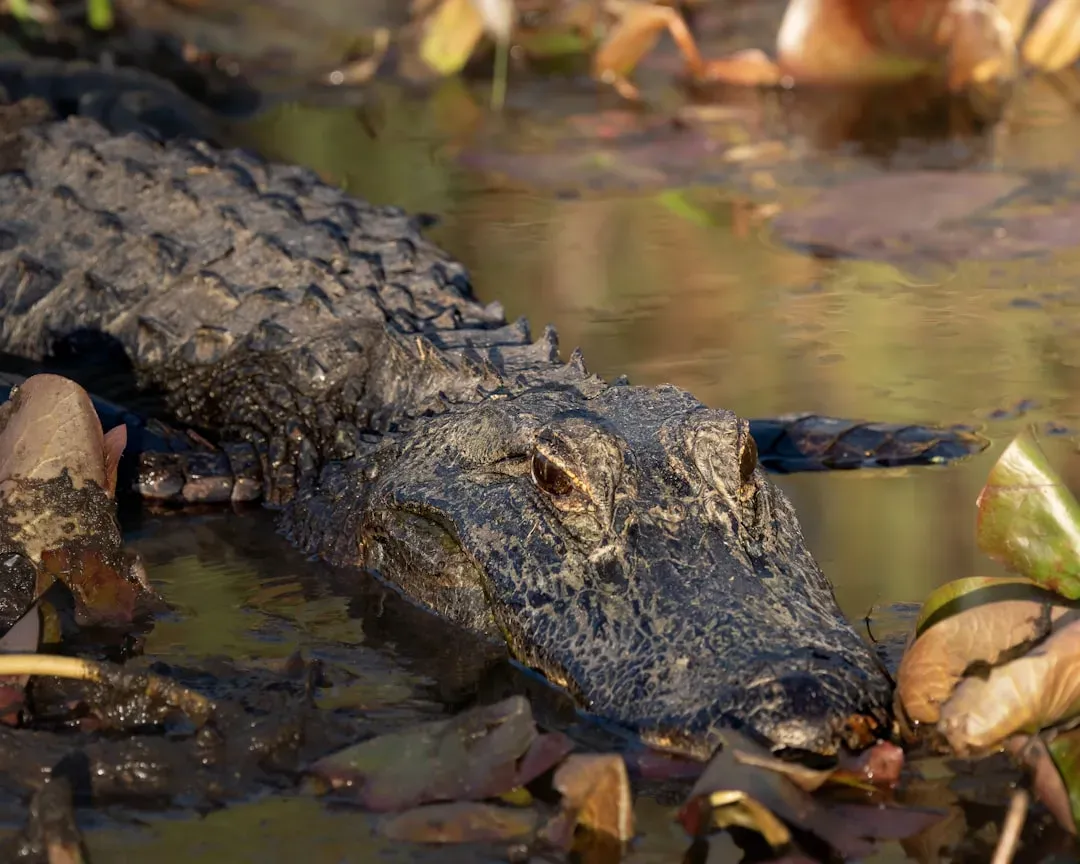
Against all odds, life didn’t give up. Some creatures made it through the apocalypse, and their survival is one of the most fascinating puzzles in paleontology. The event caused the extinction of all of the non-avian dinosaurs and most other tetrapods weighing more than 25 kg, with the exception of some ectothermic species such as sea turtles and crocodilians. Crocodilians, in particular, are remarkable survivors – the original tough customers of the animal kingdom.
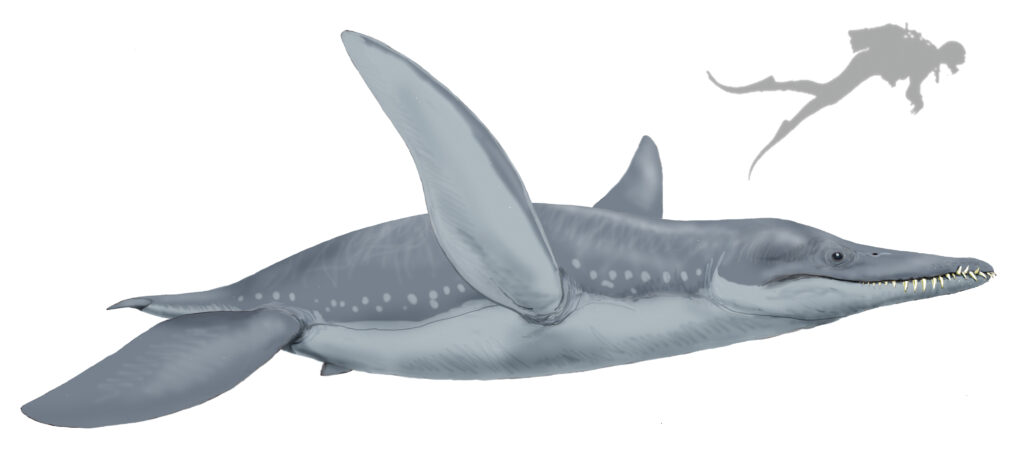
The extinction was selective. Groups like the pterosaurs, mosasaurs, and non-avian dinosaurs had no survivors. However, mammals, crocodilians, and modern birds made it through. Survival often came down to size, diet, and habitat. Small, generalist feeders that could burrow or live in freshwater environments fared better than large, specialized land-dwellers. Modern crocodilians can live as scavengers and survive for months without food, and their young are small, grow slowly, and feed largely on invertebrates and dead organisms for their first few years. These characteristics have been linked to crocodilian survival at the end of the Cretaceous. Adaptability, it turns out, was the ultimate survival advantage.
9. Birds Are Living Dinosaurs – and They Survived Because of It
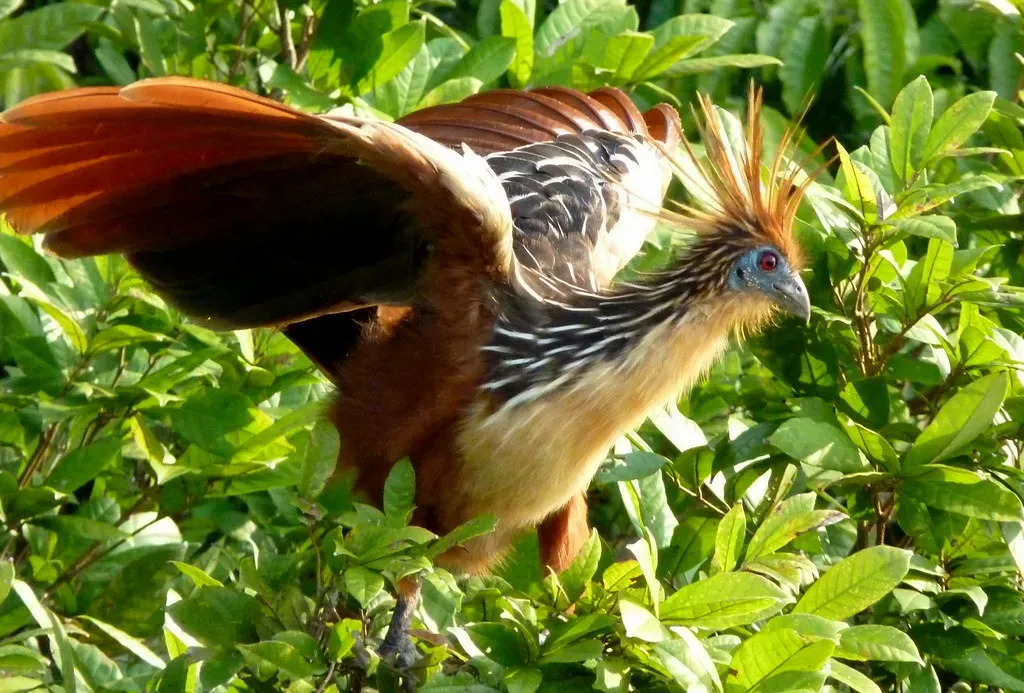
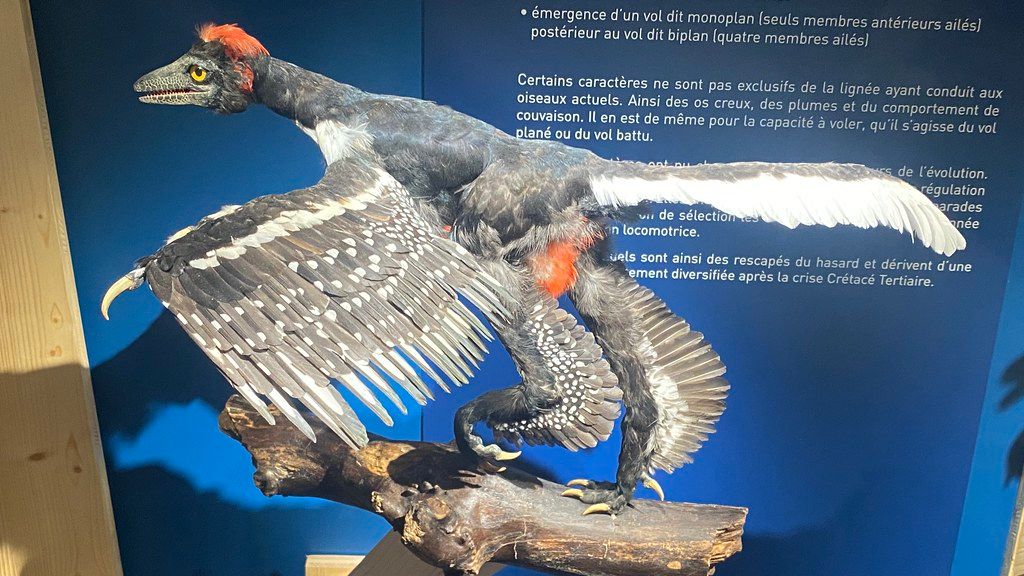
You’ve probably heard the claim that birds are technically dinosaurs. It sounds like something out of a pub quiz night, but the science backs it up completely. Although all non-avian dinosaurs were eliminated, one type of feathered theropod made it into the Cenozoic era: the birds. Following the asteroid impact, birds immediately underwent a radiation in species and diversified into new forms, including the ancestors of owls, flamingos, hummingbirds, and more.
Only a small fraction of ground and water-dwelling Cretaceous bird species survived the impact, giving rise to today’s birds. Based on molecular sequencing and fossil dating, many species of birds appeared to radiate after the K-Pg boundary. The open niche space and relative scarcity of predators following the K-Pg extinction allowed for adaptive radiation of various avian groups. So every time you watch a sparrow hop along a fence or an eagle circle overhead, you’re watching the direct descendants of creatures that somehow outlasted one of the most devastating events in Earth’s four-billion-year history. That’s genuinely breathtaking.
10. The Extinction Paved the Way for Mammals – Including Us
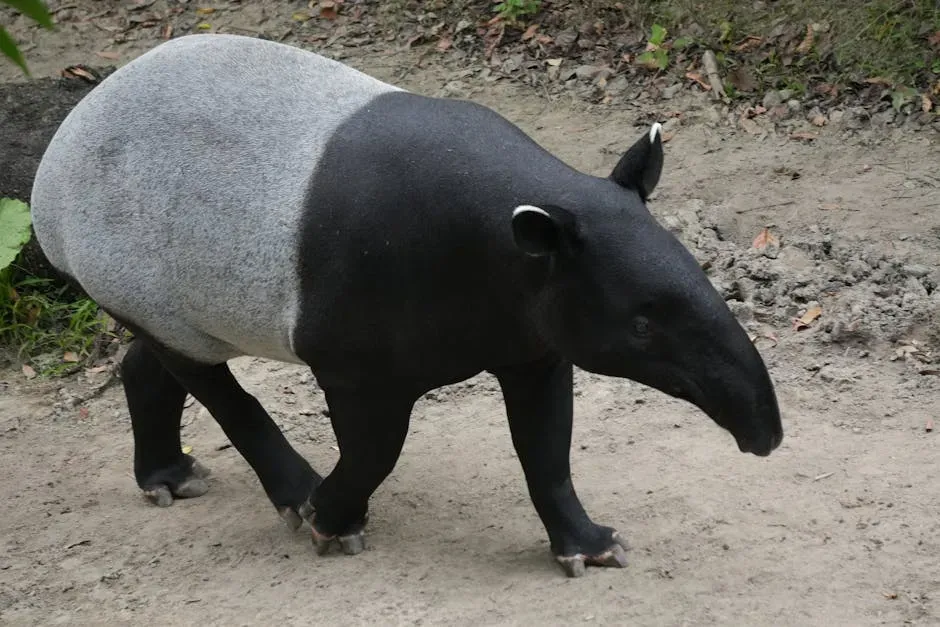
Perhaps the most mind-bending consequence of the entire extinction event is what grew in its aftermath. During the Mesozoic Era, dinosaurs dominated all habitats on land. Mammals remained small, mostly mouse to shrew-sized animals, and some paleontologists have speculated that they might have been nocturnal to avoid dinosaurs. All that changed with the end-Cretaceous extinction. Mammals survived and took over. The following Paleogene Period saw the evolution of everything from bats to whales.
Morphological diversification rates among mammals after the extinction event were three times those before it. Within the mammalian genera, new species were approximately 9.1% larger after the K-Pg boundary. After about 700,000 years, some mammals had reached 50 kilos, a hundred-fold increase over the weight of those which survived the extinction. The extinction provided evolutionary opportunities: in its wake, many groups underwent remarkable adaptive radiation, sudden and prolific divergence into new forms and species. Mammals in particular diversified in the Paleogene, evolving new forms such as horses, whales, bats, and primates. Primates. Which, eventually, became us. It’s hard not to feel a strange, humbling gratitude toward a rock that struck the Earth 66 million years ago.
Conclusion: A Catastrophe That Made Our World
The extinction event that ended the age of the dinosaurs is so much more than a cautionary tale about asteroids. It’s a story about the sheer resilience and adaptability of life on Earth. An event that erased roughly three quarters of all species also quietly cleared the stage for everything that came after – including the 8 billion humans alive today, all of us descended from tiny, shivering mammals that survived the darkest chapter in our planet’s history.
Science continues to refine the details. Researchers are still drilling into the Chicxulub crater, still analyzing ancient rock layers, still debating the relative roles of volcanism and impact. The story isn’t entirely written yet. What we do know is that a combination of immediate catastrophe, relentless impact winter, ocean acidification, and ecological collapse conspired to reshape life on Earth in ways that still echo loudly today.
The next time you see a bird, remember: it’s a survivor of the single worst day this planet has ever had. And you? You’re here because something small, scrappy, and remarkably stubborn refused to give up. What other hidden turning points in Earth’s history might be quietly shaping the future right now? That question, I think, is worth sitting with.