Imagine stumbling into a cave in ancient Europe, torchlight flickering, only to find yourself face to face with a creature the size of a modern car. That creature was the cave bear, and for tens of thousands of years, it was one of the most powerful, mysterious, and widely feared animals on the planet. Even today, long after its disappearance, it continues to captivate scientists, historians, and curious minds alike.
What you might not expect is just how much controversy, myth, and genuine scientific wonder surrounds this ancient giant. From rituals and cave paintings to genetic secrets locked inside fossil bones, the cave bear’s story is stranger and more complex than you could imagine. So buckle up, because you’re about to discover ten facts about cave bears that will genuinely surprise you. Let’s dive in.
1. They Were Colossal – Far Bigger Than Any Bear You Know Today
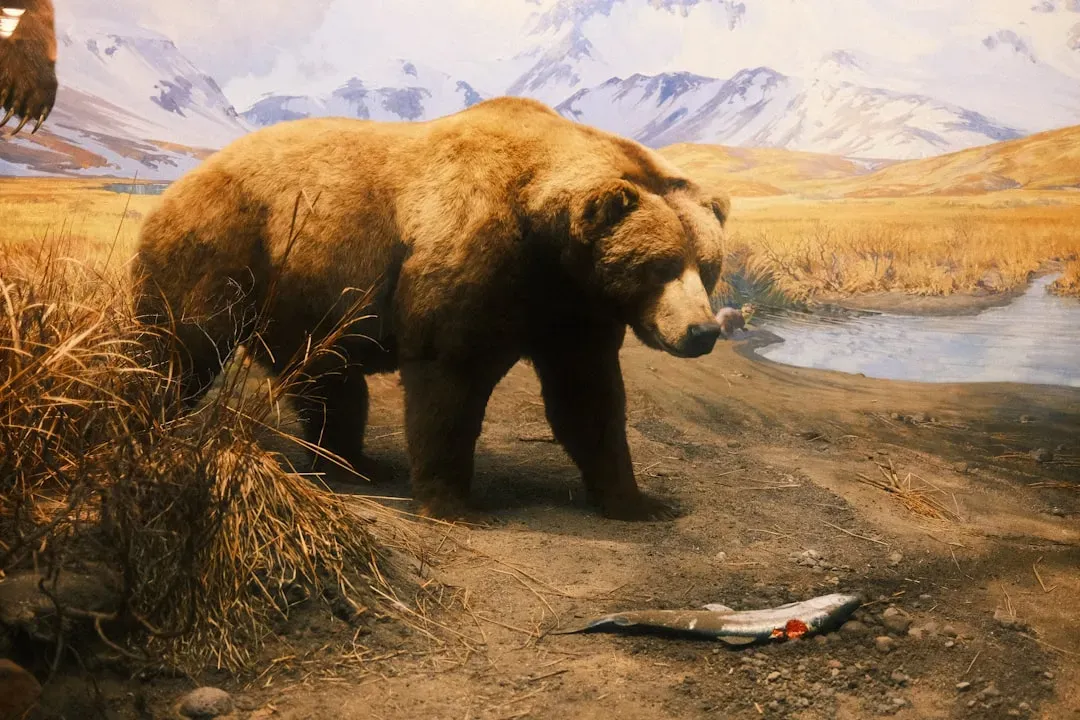
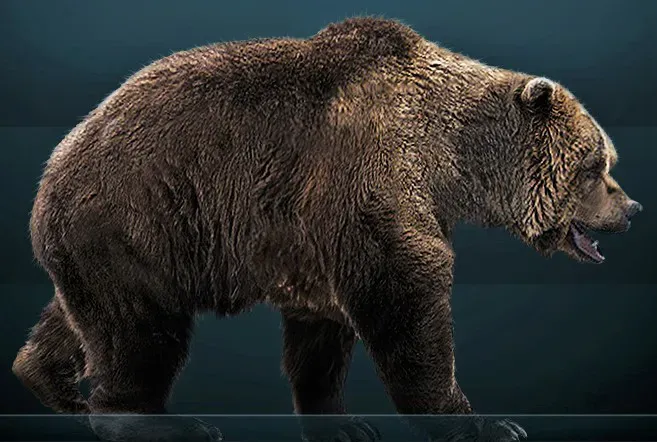
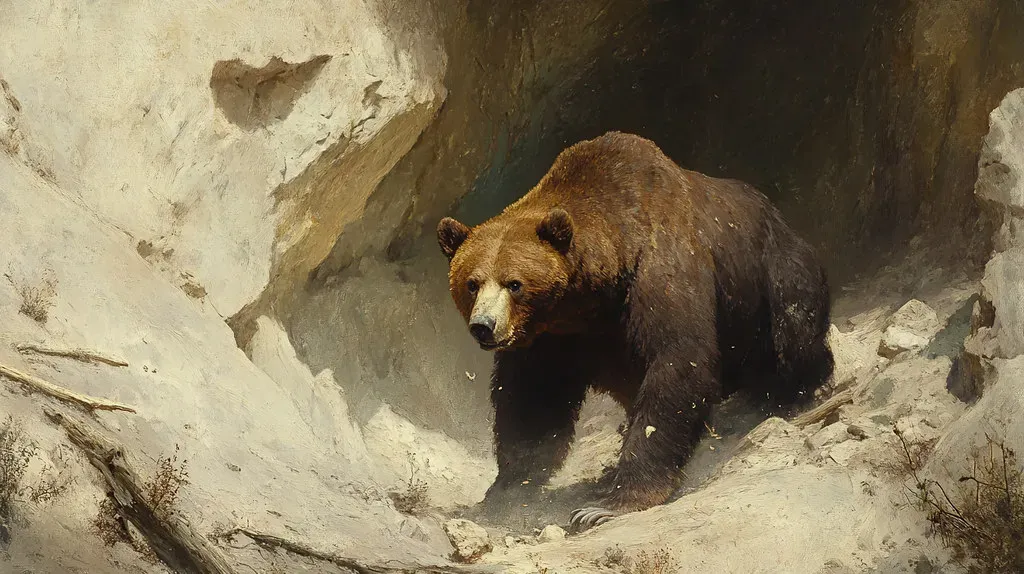
Let’s be real: when you think of a big bear, you probably picture a grizzly. Impressive, right? Well, the cave bear would have made a modern grizzly look like a mid-sized dog. Males weighed up to 1,500 pounds, which is roughly fifty percent more than the largest modern grizzlies. That’s not a subtle size difference – that’s a whole different category of animal.
The body length of the cave bear reached between 2.7 and 3.5 metres, making it about 30 percent larger than the modern brown bear. The front part of the body was more developed than the back legs, which were short and strong, and it also had a massive head. Standing upright, you’re looking at a creature that towered well above most doorframes. Honestly, it’s hard not to feel a little relieved these animals are extinct.
2. Their Name Literally Comes From the Caves They Called Home
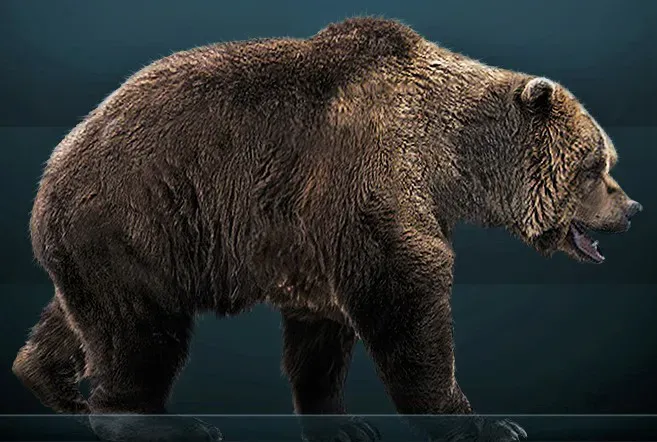
Both the name “cave” and the scientific name spelaeus are derived from the word spelaeum, meaning cave, reflecting the fact that fossils of this species were mostly found in caves, indicating that this species spent more time in caves than the brown bear, which mostly uses caves for hibernation. It’s one of those rare cases in science where the name really does tell the whole story.
Some evidence indicates that the cave bear used only caves for hibernation and was not inclined to use other locations, such as thickets, for this purpose, in contrast to the more versatile brown bear. Think of it this way: while a brown bear might camp out under a pile of branches, the cave bear was an absolute cave loyalist. That dependence, as you’ll see later, may have sealed its fate.
3. You Can Thank a German Scientist for Naming Them – Sort Of
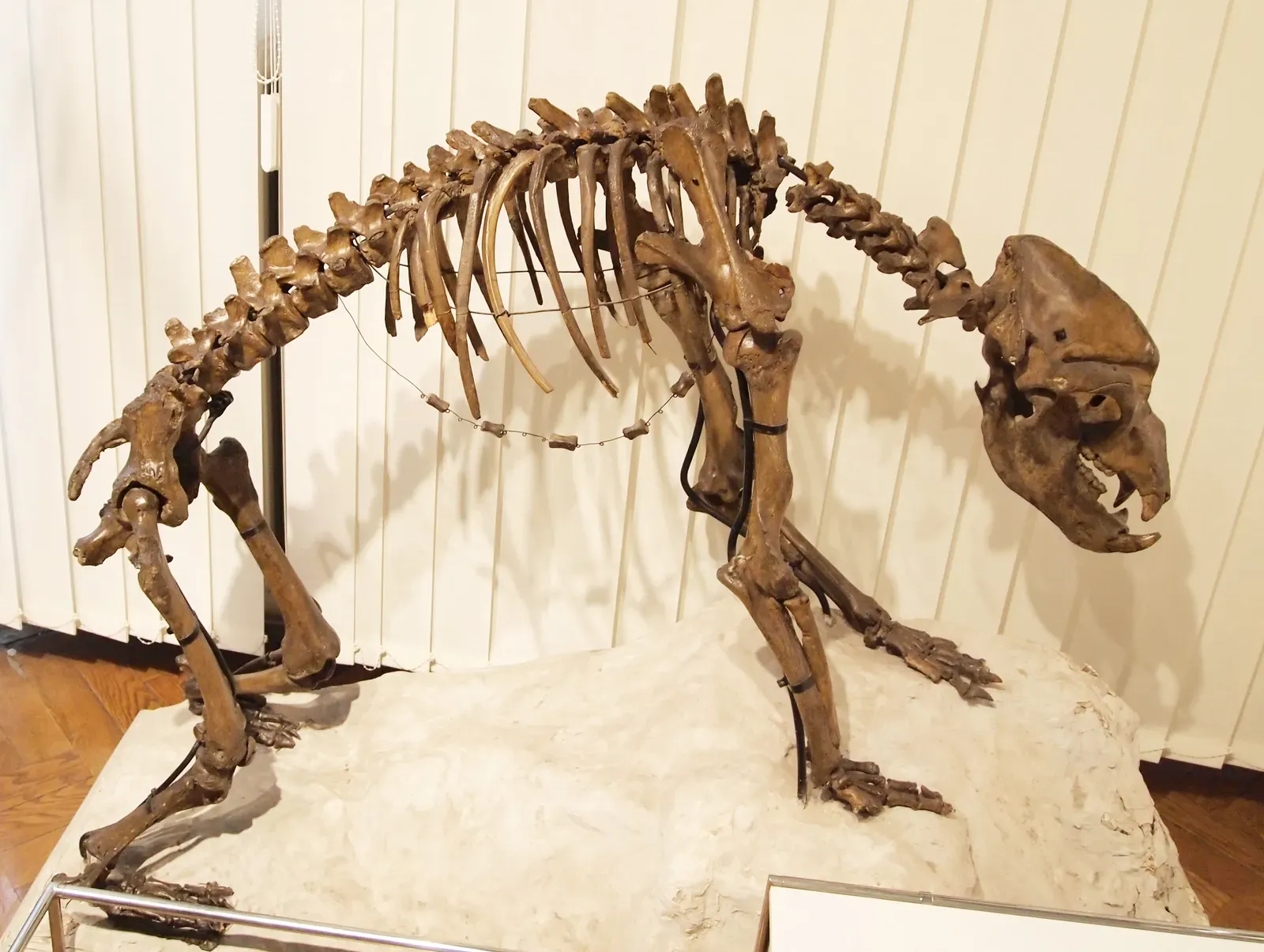
Cave bear skeletons were first described in 1774 by Johann Friedrich Esper, in his book Newly Discovered Zoolites of Unknown Four Footed Animals. While scientists at the time considered that the skeletons could belong to apes, canids, felids, or even dragons or unicorns, Esper postulated that they actually belonged to polar bears. Polar bears! In hindsight, that guess seems both logical and wonderfully off-target.
Twenty years later, Johann Christian Rosenmüller, an anatomist at Leipzig University, gave the species its binomial name. The bones were so numerous that most researchers had little regard for them. You read that right – they were so common that scientists were practically tripping over them without a second thought. Only later did researchers start to understand the rich story those bones were telling.
4. Their Fossils Are Found Across an Enormous Stretch of Europe
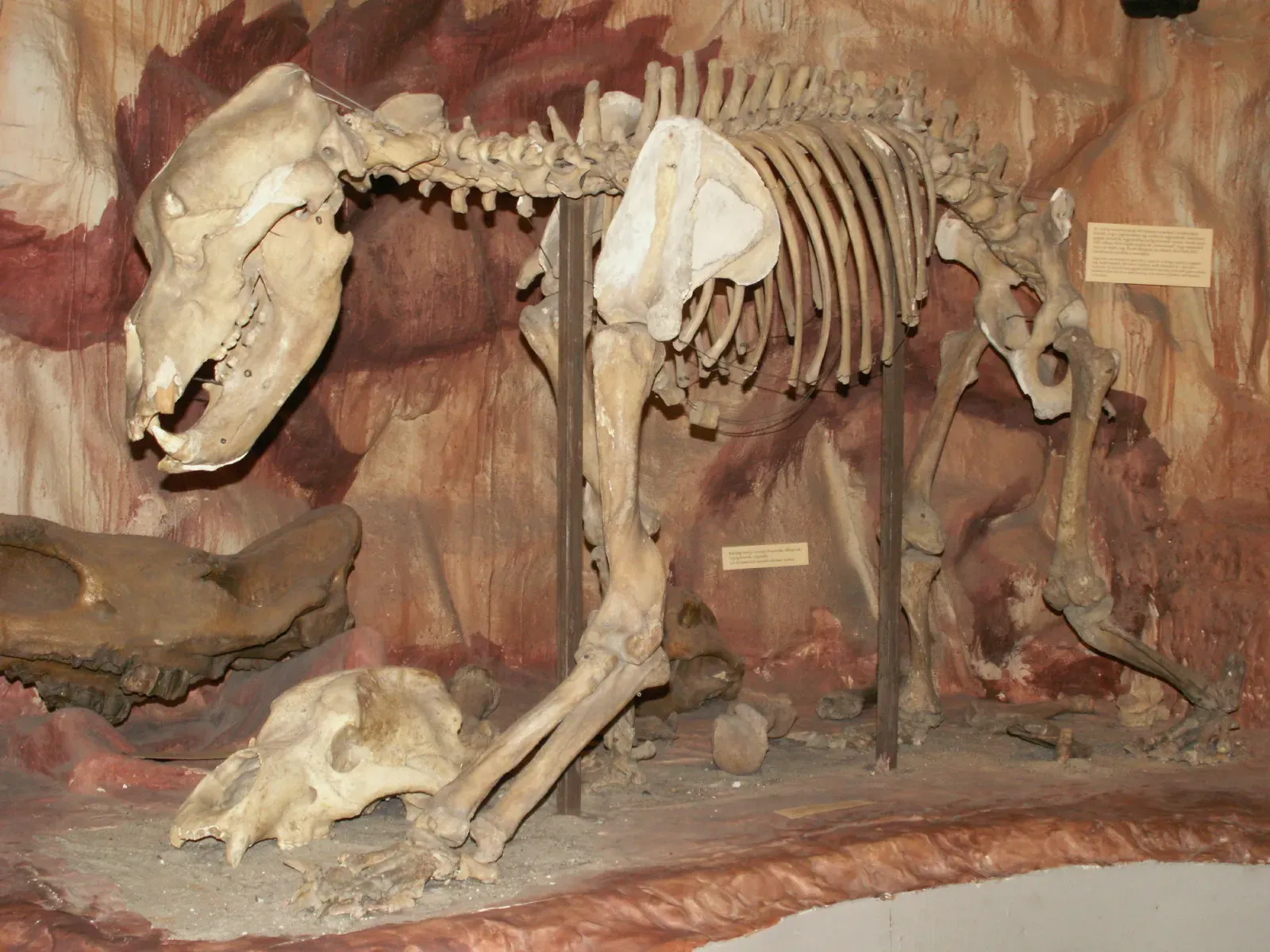
In European cave deposits, the remains of more than 100,000 cave bears have been found. That number is almost hard to wrap your head around. We’re not talking about a handful of scattered bones in one obscure cave – this is a species whose physical legacy spans an entire continent.
Cave bear remains have been found in England, Belgium, Germany, Russia, Spain, Italy, and Greece, and the animal may have reached North Africa. And the discoveries keep stunning researchers. In Romania, in a cave called Bears’ Cave, 140 cave bear skeletons were discovered in 1983. Finding that many in a single location must have felt like walking into a prehistoric graveyard. It’s eerie and extraordinary in equal measure.
5. What They Actually Ate Is Still a Hotly Debated Mystery
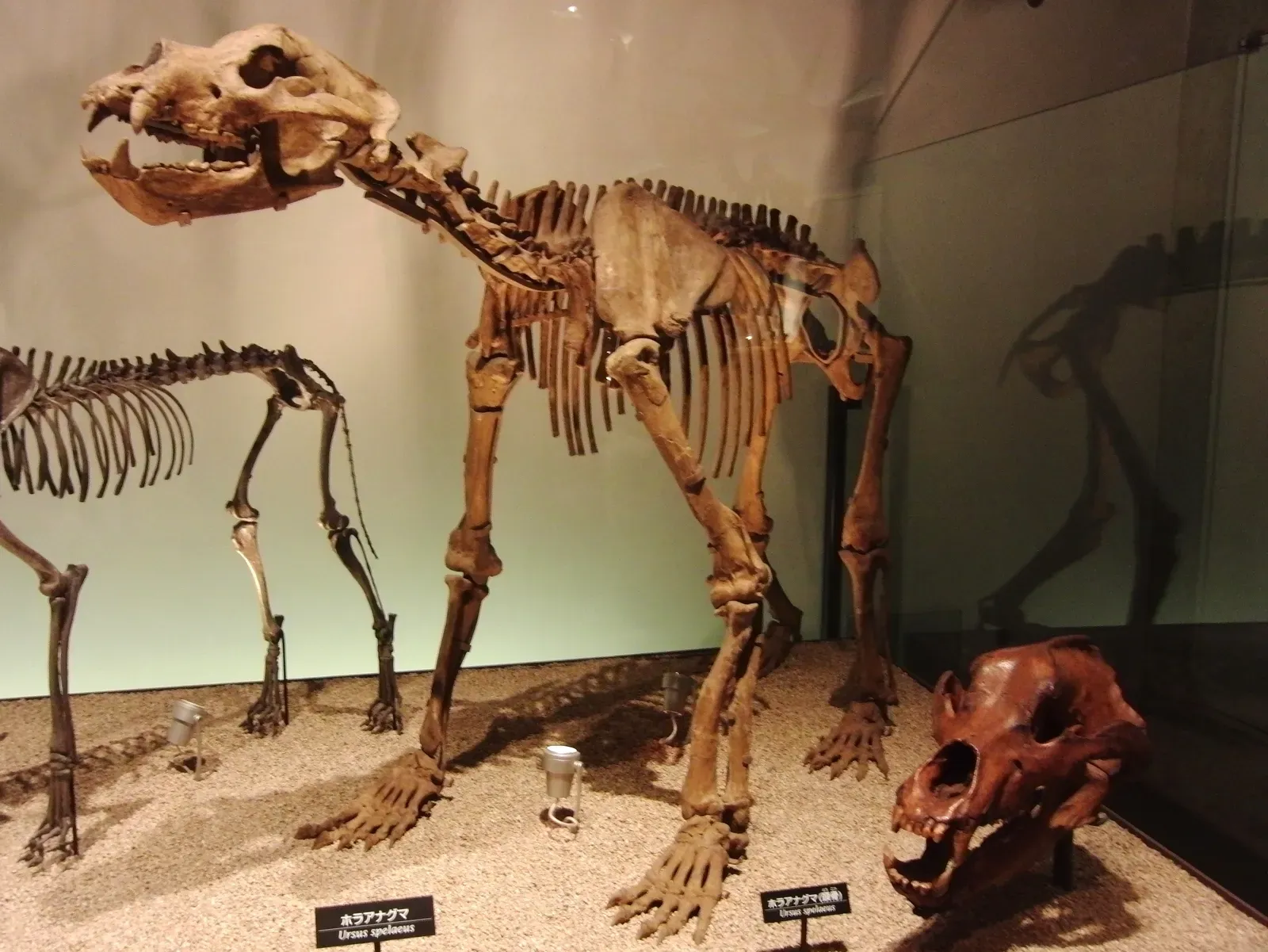
Here’s the thing – you’d think figuring out what an animal ate would be relatively straightforward. Not with the cave bear. Although the current prevailing opinion concludes that cave bears were largely herbivorous, and more so than any modern species of the genus Ursus, increasing evidence points to omnivorous diets, based both on regional variability of isotopic composition of bone remains indicative of dietary plasticity, and on a recent re-evaluation of craniodental morphology that places the cave bear squarely among omnivorous modern bear species with respect to its skull and tooth shapes.
A dental microwear analysis of 43 young and adult individuals demonstrated that, during the predormancy period, cave bears from Goyet in Late Pleistocene Belgium were not strictly herbivorous, but had a mixed diet composed of hard items, invertebrates such as insects, meat from ungulates and small vertebrates, and plant matter including hard mast, seeds, herbaceous vegetation, and fruits. So depending on the season and the region, the cave bear may have been far more of an opportunist than scientists originally believed. It’s a bit like learning your favorite vegetarian friend occasionally sneaks a burger.
6. Their Skulls Were Shaped in a Way That May Have Doomed Them
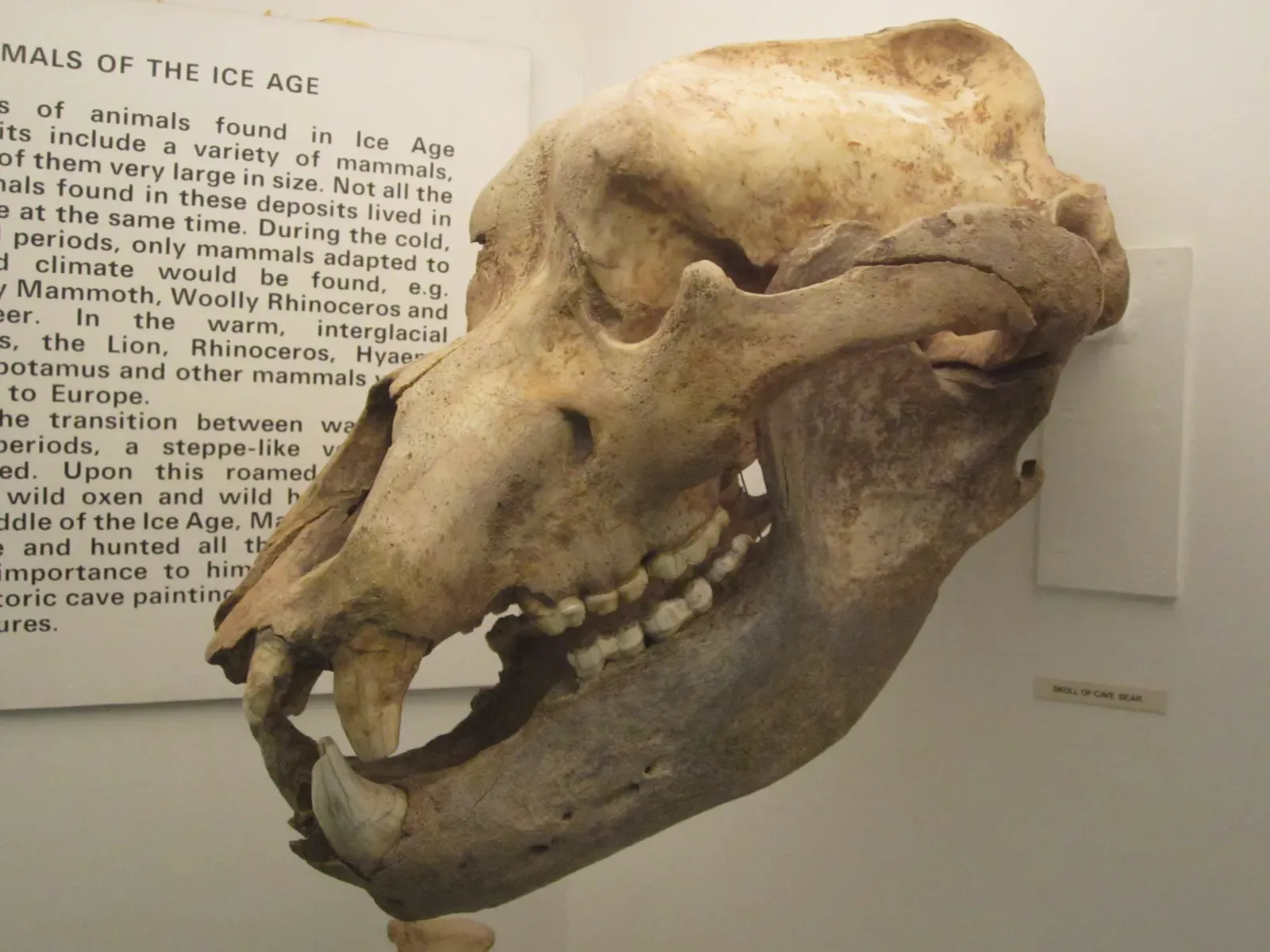
This is one of the more jaw-dropping facts about cave bears, and it’s almost tragic when you understand the full picture. One study suggests that the extinction of Ursus spelaeus may have been related to evolutionary changes in the skull, which resulted in enlarged sinuses that helped the bear survive dormancy at the expense of a thinner skull, which reduced the animal’s biting force and limited its diet to softer, low-value foods.
Research found that the cave bears’ extensive sinus systems resulted in less structural support for chewing, which did not allow them to eat meat properly. During the glacial maximum, when vegetation waned, they could not change their diet to meat. Essentially, their own bodies had become so specialized for one way of living that adapting to a changing world became nearly impossible. Evolution, in this case, was both their greatest tool and their undoing.
7. Ancient Humans Hunted Them – With Stone-Age Weapons
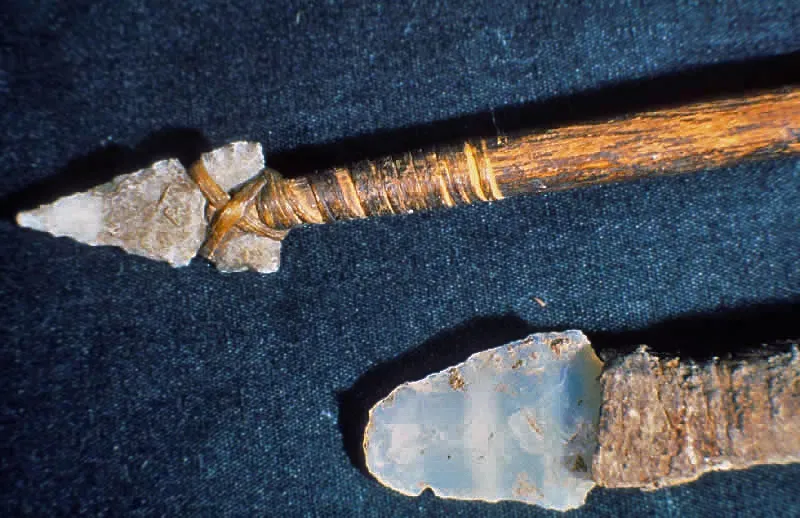
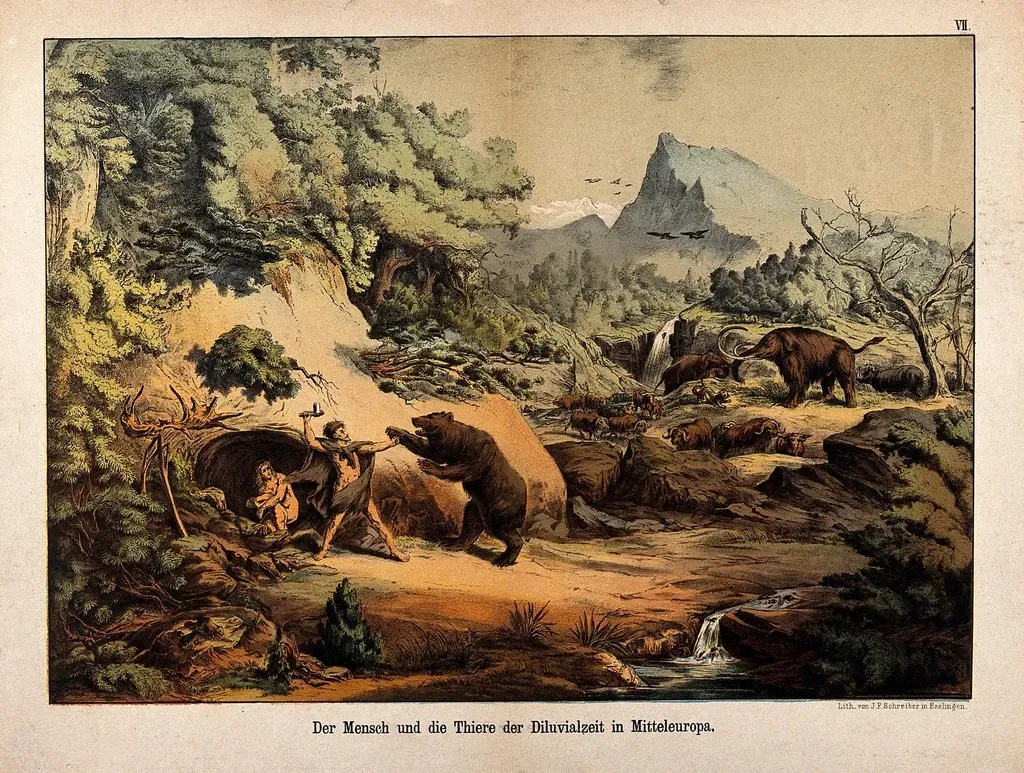
You have to admire the sheer courage – or perhaps the absolute desperation – of early humans who decided to hunt an animal weighing over half a tonne armed with little more than wooden spears. In 2001, paleozoologist Susanne Münzel found a smoking gun at Hohle Fels Cave in southwestern Germany: a stone spear tip embedded in a cave bear vertebra, providing evidence of a hunt 29,000 years ago.
At site after site, beginning about 300,000 years ago, researchers found similar patterns: slice marks on paw bones and skulls where hides would have been cut free, bones cracked open to extract nutritious marrow, and scrapes on long bones showing they were carefully and thoroughly stripped of every last scrap of meat. This wasn’t casual contact. This was systematic, deliberate, and clearly something early humans were willing to risk their lives for. It pushes the relationship between humans and cave bears back much further than most people imagined.
8. They May Have Been the Subject of the World’s First Cult
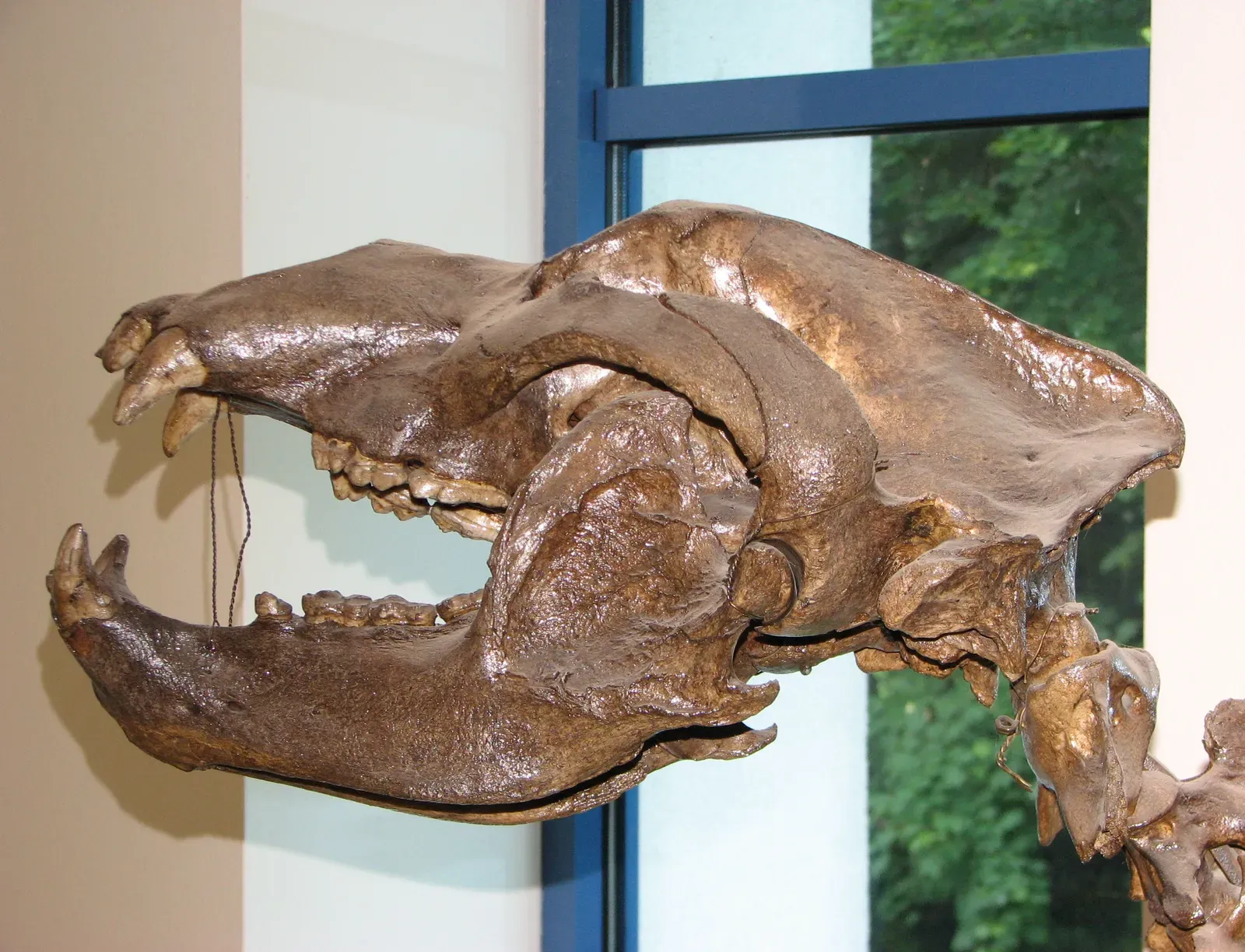
It sounds almost unbelievable, but there is real, physical evidence suggesting that ancient humans may have held cave bears in some form of ceremonial or spiritual regard. There are several burial sites in Europe where the remains of several bears have been assembled in pits and then covered with stone slabs. Perhaps the most famous site is Drachenloch in Switzerland, where seven cave bear skulls are arranged to face the front of the cave, while six more are placed in recessed notches in the cave wall further in.
The floor of France’s Chauvet cave is covered with 150 cave bear skeletons, and its soft clay still holds paw prints as well as indentations where bears apparently slept. Most dramatically, a cave bear skull was perched on a stone slab in the center of one chamber, placed deliberately by some long-gone cave inhabitant with opposable thumbs. Was it worship? Was it art? Was it something purely practical that we’re misreading from a distance of 30,000 years? I think that’s exactly the kind of question that makes prehistoric history so endlessly fascinating.
9. Prehistoric Artists Painted Their Likenesses on Cave Walls
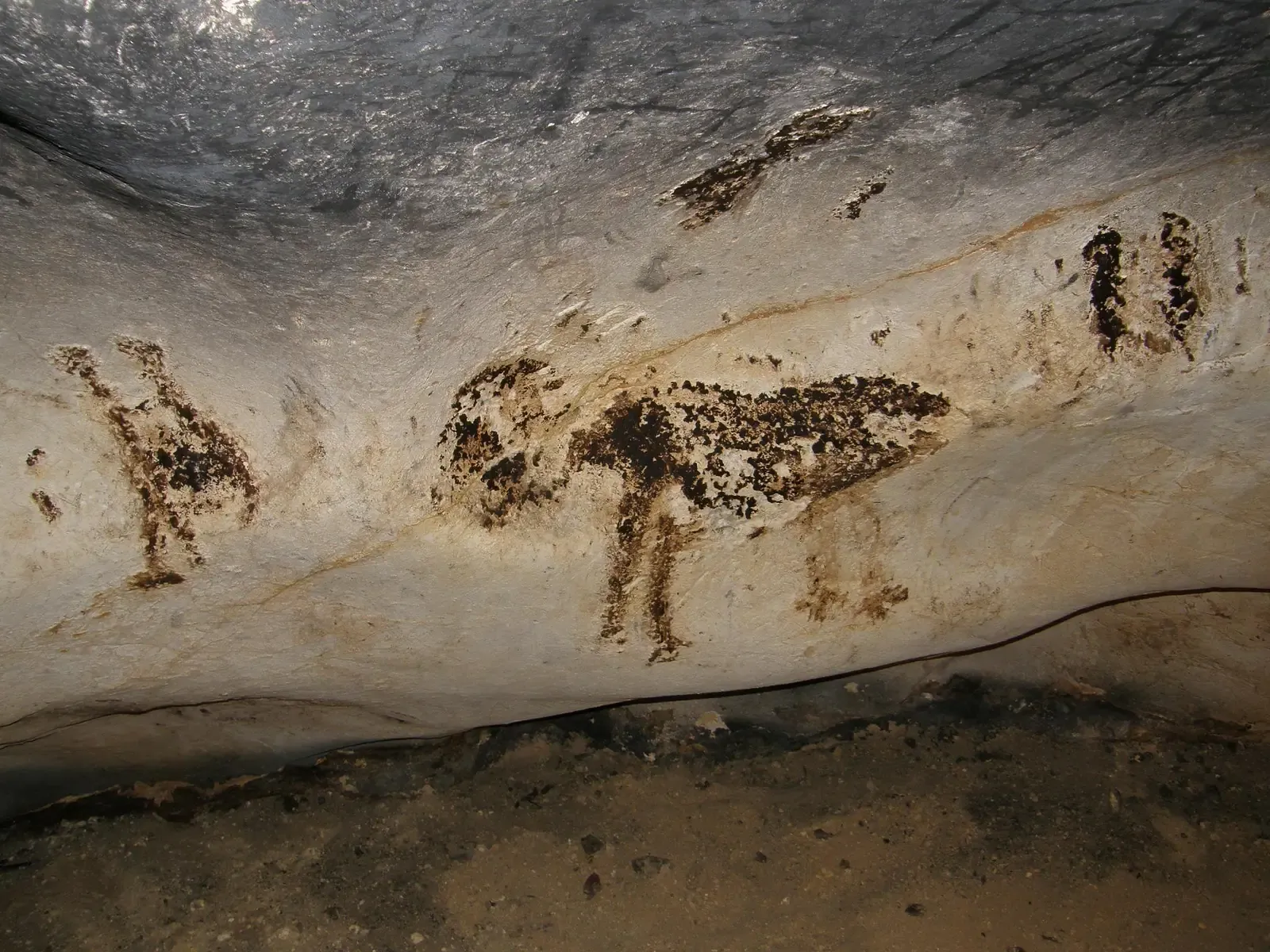
Prehistoric humans painted images of the animals on cave walls and carved their likeness in fragments of mammoth tusk. That tells you something profound: the cave bear wasn’t just a food source or a competitor for shelter. It occupied genuine mental and creative space in the minds of early humans. They looked at these animals and felt compelled to record them.
The walls of France’s Chauvet cave, occupied around 32,000 years ago, are painted with lions, hyenas, and bears – perhaps the oldest paintings in the world. To put that in perspective, those paintings predate the Egyptian pyramids by more than 28,000 years. The cave bear was a muse to some of the earliest artists who ever picked up a tool and made something beautiful. That legacy alone is worth pausing on.
10. Their Extinction Remains One of Science’s Most Debated Cold Cases
Reassessment of fossils in 2019 indicates that the cave bear probably died out around 24,000 years ago. But why? That’s where things get really interesting, because scientists genuinely cannot agree. In 2019, the results of a large-scale study of 81 bone specimens and 64 previously published complete mitochondrial genomes found in Switzerland, Poland, France, Spain, Germany, Italy, and Serbia indicated that the cave bear population drastically declined starting around 40,000 years ago at the onset of the Aurignacian, coinciding with the arrival of anatomically modern humans.
It was concluded that human hunting and competition played a major role in the cave bear’s decline and ultimate disappearance, and that climate change was not likely to have been the dominant factor. Yet other researchers push back on this. The demise of the cave bear falls within the coldest phase of the last glacial period, known as Greenland Stadial 3, and the significant decrease in cave bear records with cooling indicates that drastic climatic changes were responsible for its extinction. Honestly, it was probably both – a perfect storm of climate pressure and human competition that a highly specialized animal simply could not survive.
Conclusion: A Giant Gone, But Never Forgotten
The cave bear is one of those creatures that becomes more fascinating the closer you look. It was enormous, complex, deeply embedded in early human culture, and yet it vanished from the Earth in what amounts to a blink of geological time. Its bones fill European caves by the hundreds of thousands, its image graces the oldest art in human history, and its extinction still sparks genuine scientific argument in 2026.
What makes the cave bear’s story so compelling is that it isn’t just about a prehistoric animal. It’s about the relationship between early humans and the natural world, about how life adapts and sometimes fails to adapt, and about how even the mightiest creatures are never truly invincible. The cave bear lived for hundreds of thousands of years. Then it was gone in what seems like an evolutionary heartbeat.
Next time you see a grizzly or a polar bear, take a moment to consider that once, a far larger cousin of theirs ruled the caves of ancient Europe. What would you have done if you met one face to face? Something tells me the answer would have made a very good cave painting.