Dinosaurs ruled this planet for over 160 million years, and yet for most of modern history, you probably imagined them as solitary, lumbering giants – mindless killing machines or simple plant-eaters wandering alone across prehistoric landscapes. Honestly, that picture couldn’t be more wrong. The more fossils scientists dig up, the more a surprisingly complex social world begins to emerge.
We now have bone beds, trackways, embryo clusters, and chemical tooth analysis all pointing toward the same conclusion: dinosaurs had rich, layered social lives. Some guarded their young fiercely. Some moved in massive multigenerational herds. Some were so competitive they may have killed each other for food. It’s a world far more dramatic than any Hollywood film has ever captured. Let’s dive in.
The Oldest Evidence of Herd Living Ever Found
You might assume that herd behavior in dinosaurs is something scientists figured out decades ago. The truth is far more recent and far more surprising. In a paper published in Scientific Reports, researchers from MIT, Argentina, and South Africa detailed their discovery of an exceptionally preserved group of early dinosaurs showing signs of complex herd behavior as early as 193 million years ago, which is 40 million years earlier than other records of dinosaur herding.
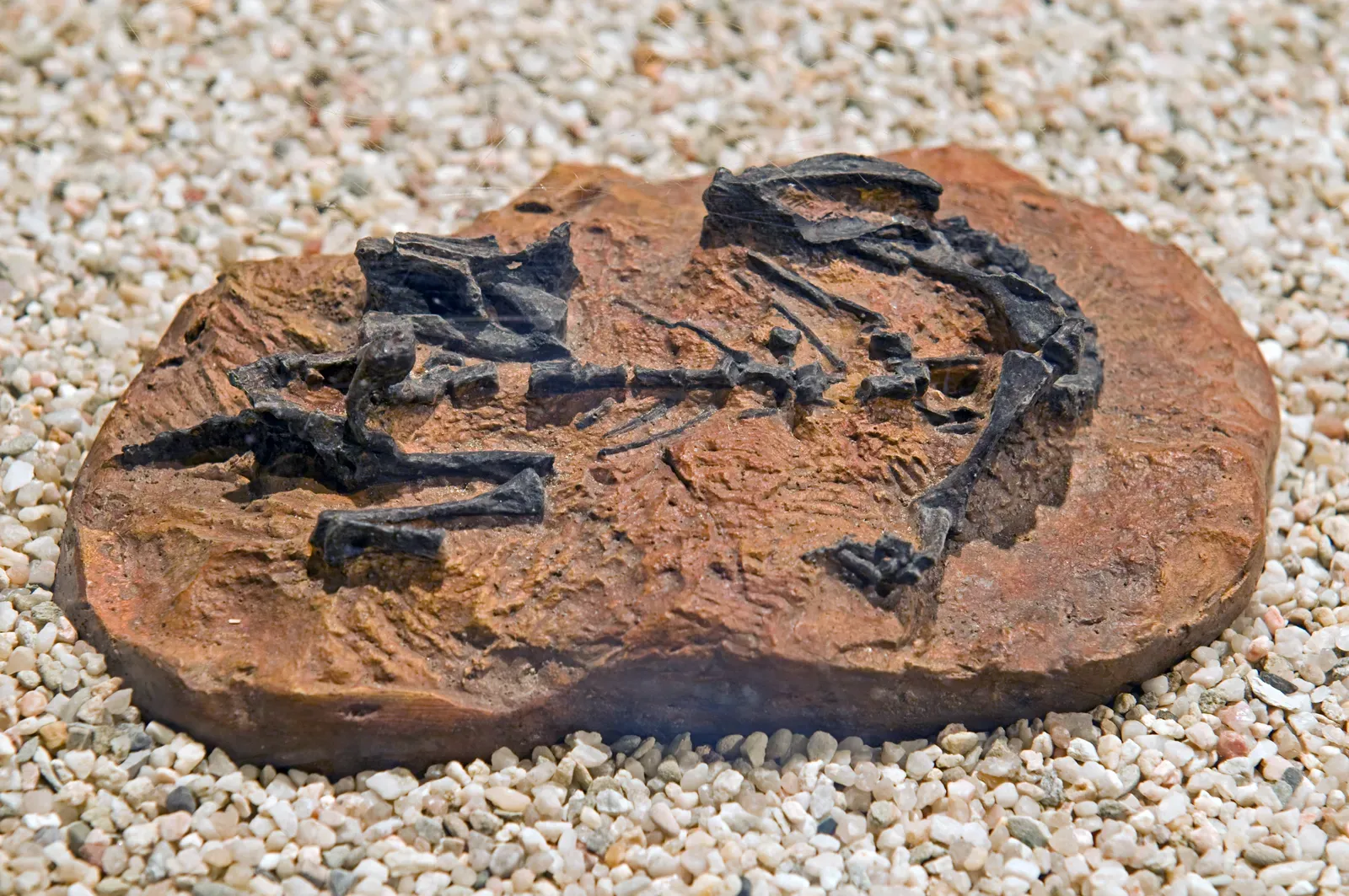
This exceptional fossil occurrence from Patagonia includes over 100 eggs and skeletal specimens of 80 individuals of the early sauropodomorph Mussaurus patagonicus, ranging from embryos to fully-grown adults, with an Early Jurassic age confirmed by high-precision uranium-lead zircon geochronology. Think about that for a moment. You are looking at an entire community of dinosaurs, frozen in time, showing us exactly how they organized themselves socially. It’s like stumbling across a prehistoric neighborhood.
Age Segregation Within the Herd: Not Just Living Together, But Organized
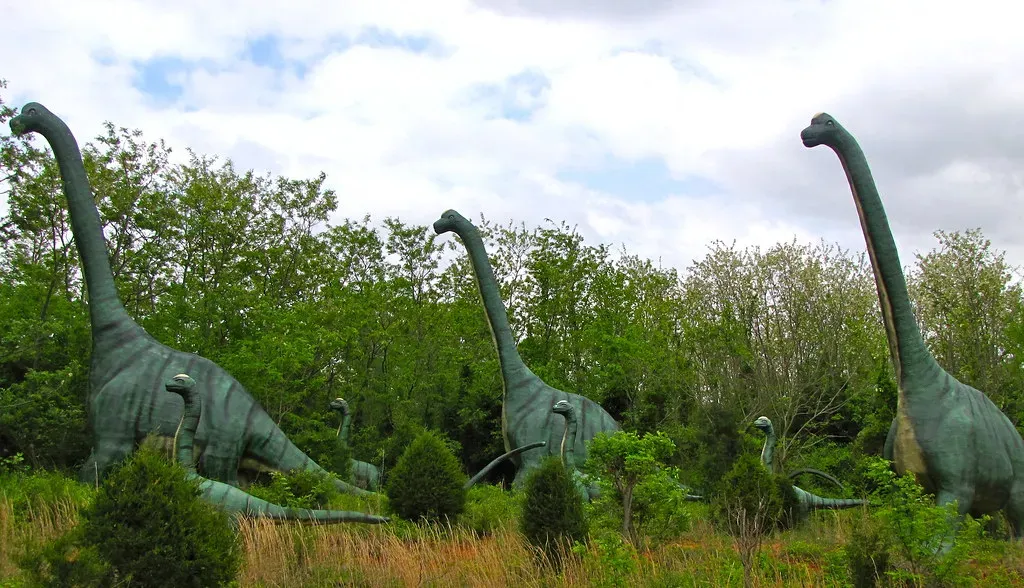
Here is the thing that really sets this Mussaurus discovery apart from everything before it. These animals weren’t just gathered in one place by coincidence. What scientists discovered was evidence of a separation in the deposition of different age groups of dinosaurs. Embryonic eggs were separate from the juveniles, and the juveniles were separated from older individuals. This physical evidence points to a stratified group or herd, much like a troop of elephants today.
The dinosaurs likely worked as a community, laying their eggs in a common nesting ground, while juveniles congregated in what researchers describe as “schools” and adults roamed and foraged for the herd. It’s remarkably similar to how you see wildebeest or bison organized today, with the young protected in the center and the adults on the perimeter. The parallels to modern animal societies are genuinely striking.
Mixed-Species Herding: When Different Dinosaurs Traveled Together
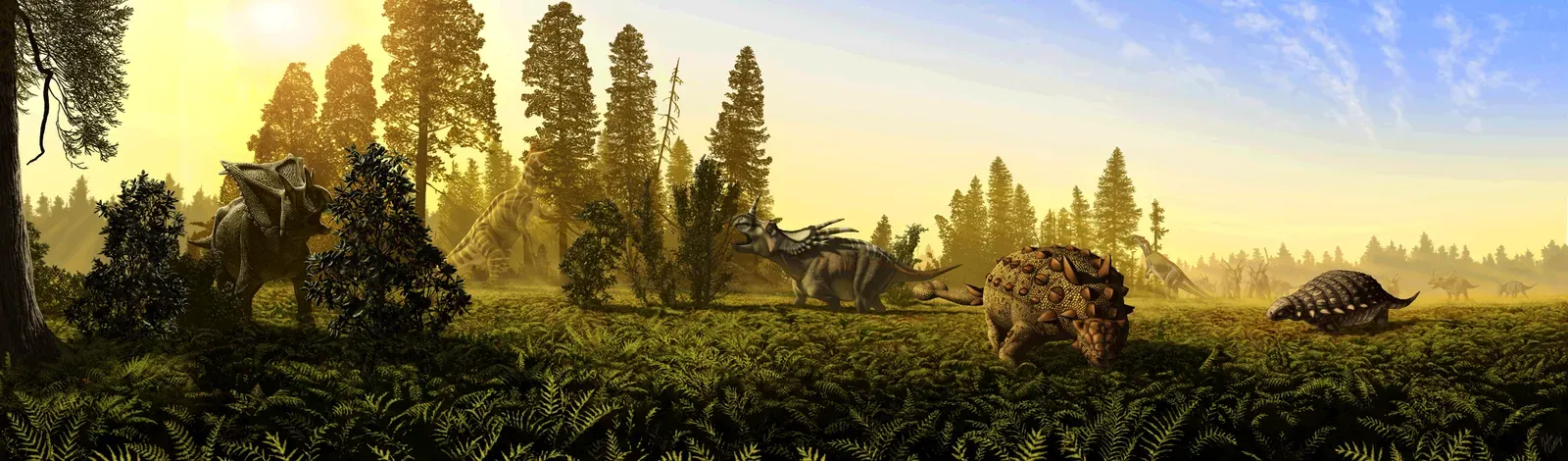
If same-species herding surprised you, wait until you hear about this. Footprints of a multispecies herd of dinosaurs discovered in Canada demonstrate the social interaction between different dinosaur species 76 million years ago, according to findings published in the journal PLOS One. This is genuinely groundbreaking stuff. Imagine different types of dinosaurs actively choosing to travel together, just like zebras and wildebeest share the same grassland routes across Africa today.
At the site, paleontologists unearthed 13 ceratopsian horned dinosaur tracks from at least five animals walking side by side, with a probable ankylosaurid armored dinosaur walking in the midst of the others. They were also surprised to find the tracks of two large tyrannosaurs walking side-by-side and perpendicular to the herd, raising the prospect that multispecies herding may have been a defense strategy against common apex predators. The idea of a horned dinosaur and an armored tank of an ankylosaur choosing each other as travel companions is honestly kind of wonderful.
The Velociraptor Pack-Hunting Myth: Hollywood Got It Very Wrong
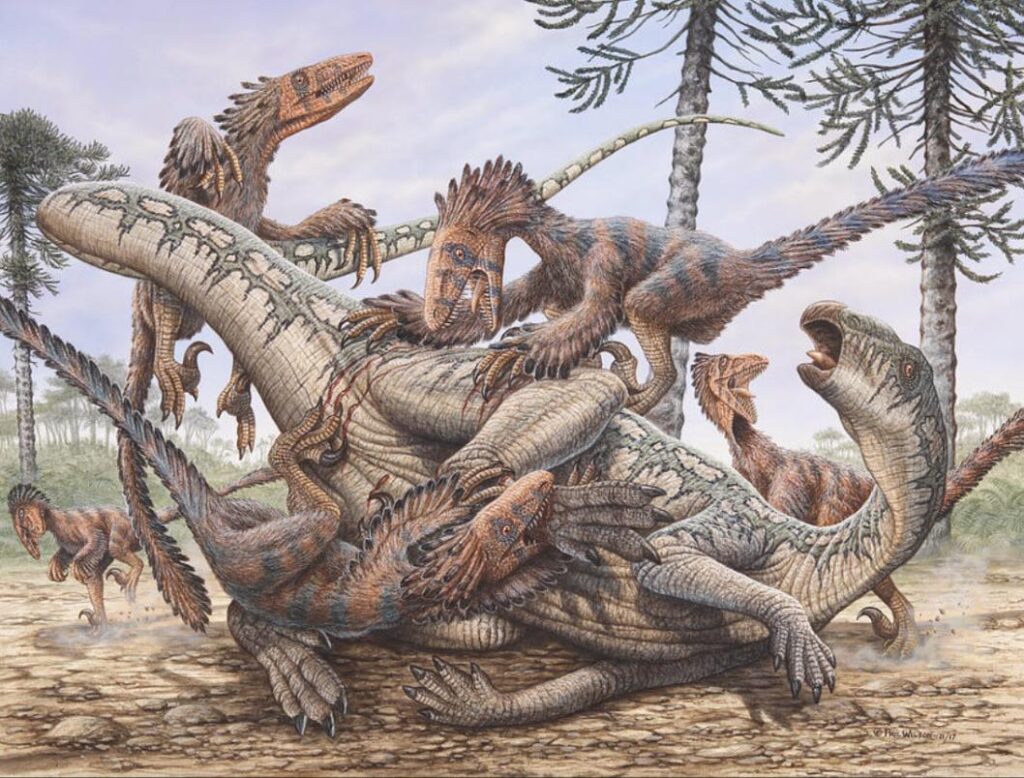
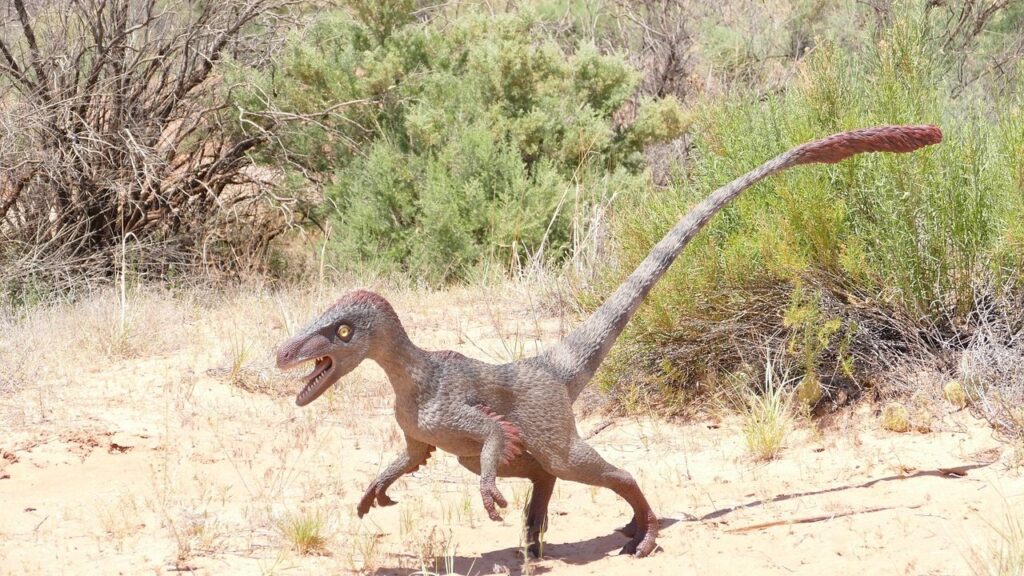
Let’s be real. Jurassic Park gave you a very specific image of raptors: intelligent, coordinated pack hunters working together like wolves. It’s one of cinema’s most iconic ideas. It’s also probably not true. Through phylogenetic inference and character optimization, researchers concluded that the hypothesis of mammal-like cooperative pack hunting is both unparsimonious and unlikely for these taxa, and that the null hypothesis should therefore be that nonavian theropod dinosaurs were solitary hunters or, at most, foraged in loose associations.
In order to test the likelihood of Deinonychus being a social pack hunter, researchers looked at evidence for dietary changes preserved in the stable carbon isotopes found in fossilized Deinonychus teeth of various sizes. These results suggest that juvenile Deinonychus consumed different prey than older members of this species. In true cooperative hunters, young and old eat the same food because the elders bring food to the young. The isotope evidence says Deinonychus simply did not do this, which is a pretty compelling argument against coordinated pack behavior.
Cannibalism and Intraspecific Aggression: The Dark Side of Dinosaur Social Life
I know it sounds shocking, but paleontologists believe some predatory dinosaurs were downright brutal toward their own kind. Researchers presented new evidence from the Deinonychus type locality of probable intraspecific aggression in this species, and suggest that some evidence previously proposed in support of highly gregarious behavior may alternatively be interpreted as evidence that nonavian theropod behavior was more agonistic, cannibalistic, and diapsid-like than has been widely believed.
During later research, paleontologists Brinkman and Roach reexamined original fossil evidence and posited that the incident at a famous Deinonychus site was altogether more frenzied and less cooperative. There is some evidence that one of the raptors killed another, and that they engaged in cannibalism, suggesting they fought over Tenontosaurus remains. It’s a far cry from the heroic team hunters you see in the movies. Think less “wolf pack” and more “unruly mob at a carcass.” Still terrifying, just in a very different way.
Tyrannosaurs Moving Together: Lone Giants or Social Predators?
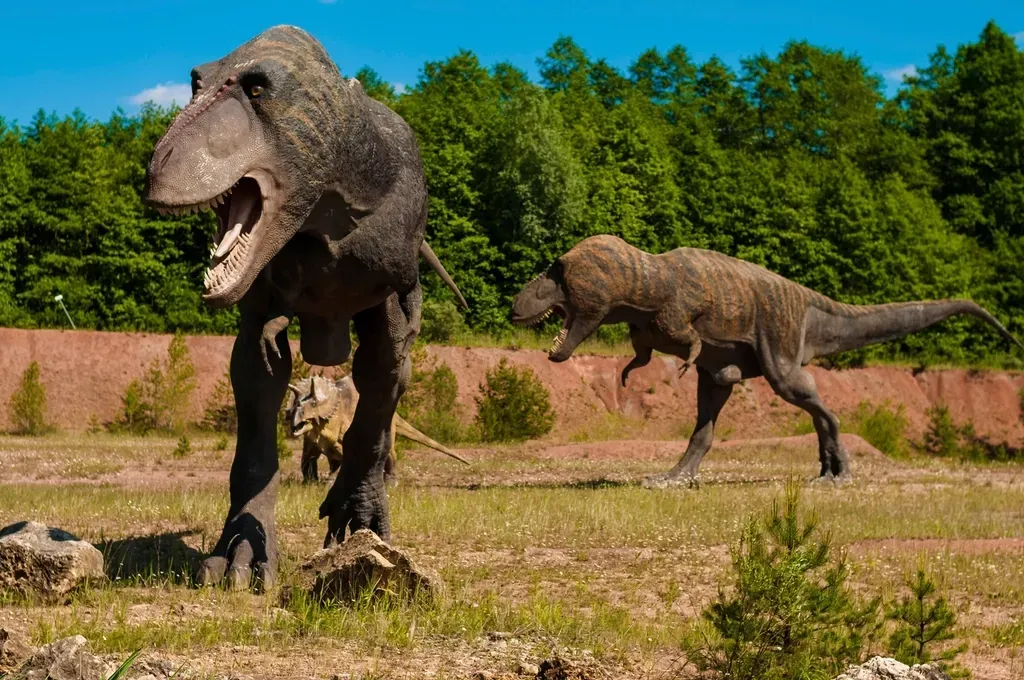
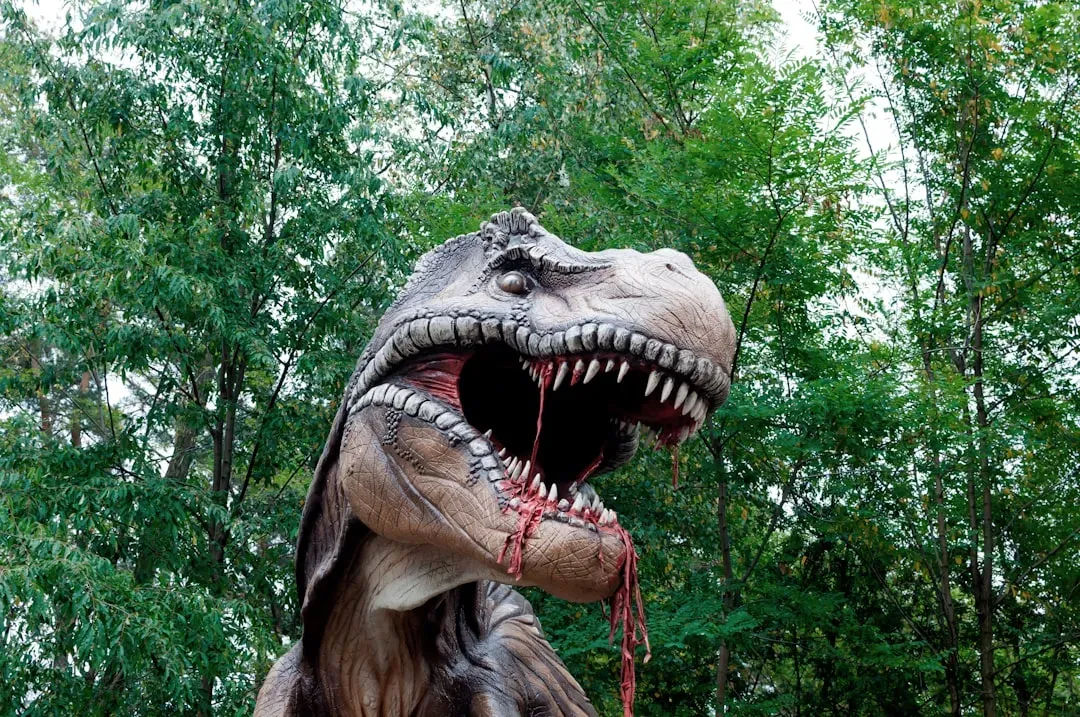
Some fossil evidence suggests that tyrannosaurids and similar dinosaurs did live in groups. Several fossil leg bones were discovered from different individuals of Albertosaurus sarcophagus in the same fossil quarry. This is one of those discoveries that quietly rewrites everything you thought you knew about the biggest predators that ever lived. Tyrannosaurs were already the undisputed apex predators of their ecosystems. The idea that they might also have been social animals makes them even more formidable.
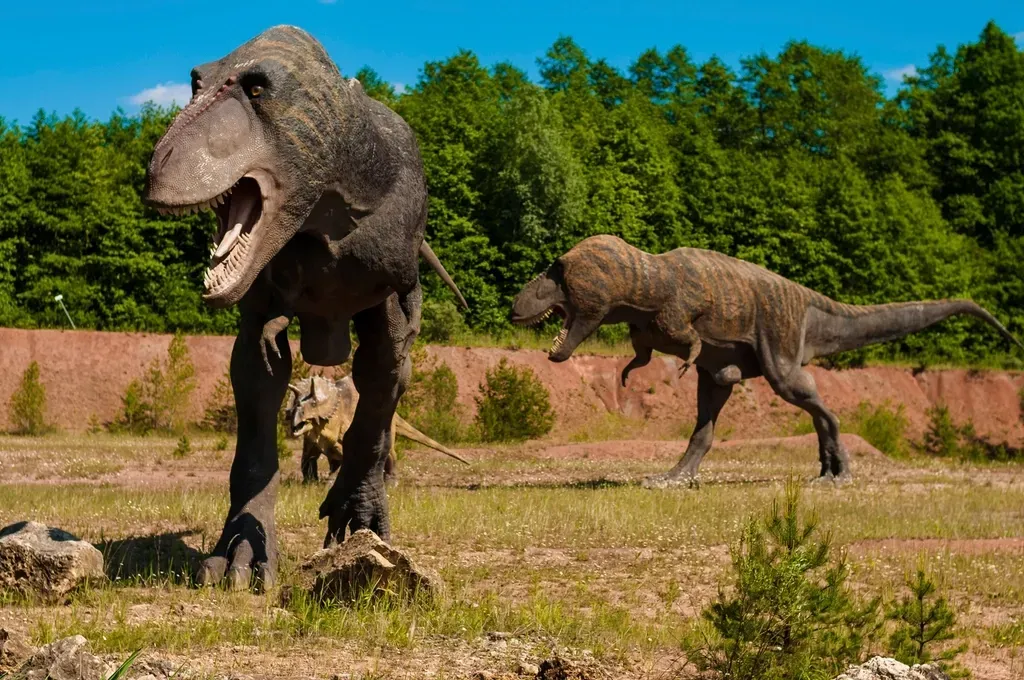
Two large Tyrannosaurus rex trackways were discovered walking side-by-side and perpendicular to a mixed-species herbivore herd, which has also raised questions about whether these huge predators were stalking the group. Paleobiological studies and fossil evidence provide insights into the social organization of predatory dinosaurs, and these fascinating creatures may have employed group hunting strategies, with alpha predators taking on leadership roles within the pack. It’s hard to say for sure, but the possibility of coordinated tyrannosaurs is as thrilling as it is unsettling.
Parental Care in Dinosaurs: The “Good Mother Lizard” and Beyond
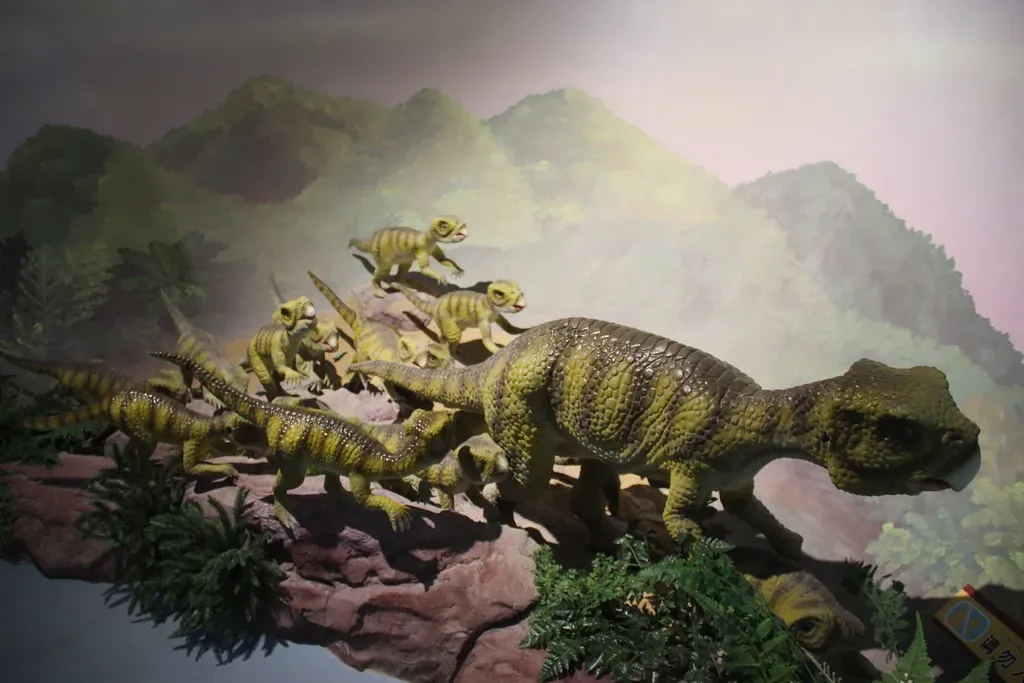
One of the most emotionally resonant discoveries in all of paleontology is the evidence that many dinosaurs were genuinely caring, attentive parents. The Maiasaura, commonly known as the “good mother lizard,” is a prime example of dinosaur parental care. These dinosaurs lived during the Late Cretaceous period, around 80 to 75 million years ago, and exhibited remarkable nurturing behaviors. Fossil evidence suggests that Maiasaura parents nested in large colonies, creating a social structure similar to modern-day birds, and this communal nesting behavior provided several advantages in terms of protection and care for their hatchlings.
The Citipati osmolskae fossil dubbed “Big Mama” was a discovery that provided substantial evidence for how dinosaurs behaved with their eggs. “Big Mama” is a 75-million-year-old oviraptorid that was uncovered brooding on, meaning sitting on top of, a nest of eggs. It could have been caught up in a sandstorm or a mudslide and was buried with its eggs, which is definitely protective behavior to the detriment of the parent. There is something deeply moving about an animal choosing to shield its eggs even in the face of death. That kind of instinct feels very much alive even millions of years later.
Colonial Nesting Grounds: Community Nurseries Millions of Years in the Making
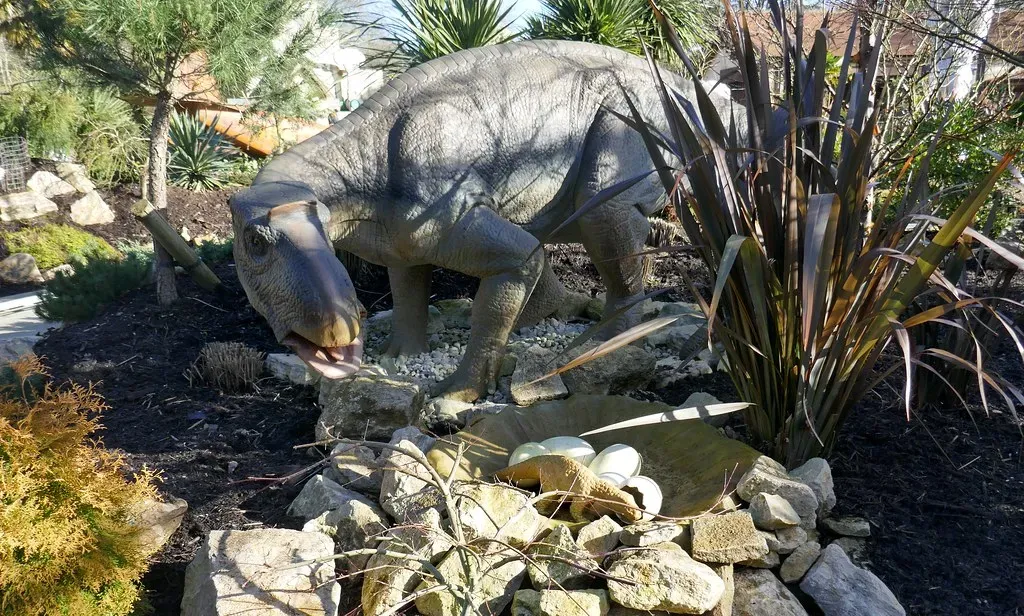
Nesting sites discovered in the late 20th century established herding among dinosaurs. Nests and eggs numbering from dozens to thousands are preserved at sites that were possibly used for thousands of years by the same evolving populations of dinosaurs. When you think about that scale, it becomes clear you are not looking at random behaviors. You are looking at deeply ingrained, generationally transmitted social traditions. That’s a level of behavioral complexity that most people never associate with dinosaurs.
Researchers found that most of the eggs belonging to Mussaurus patagonicus were arranged into clusters of between eight and 30 eggs, and X-ray imaging of five of these clusters revealed that the eggs contained embryos arranged in two to three layers in trenches, suggesting these were nests in a breeding ground. Researchers speculate that the evolution of complex social behavior among sauropodomorphs may have coincided with increases in body size. Meeting the increased energy requirements associated with larger body sizes may have required them to coordinate their behavior and form herds to forage over long distances.
Dinosaur Communication: How Did They Actually Signal Each Other?
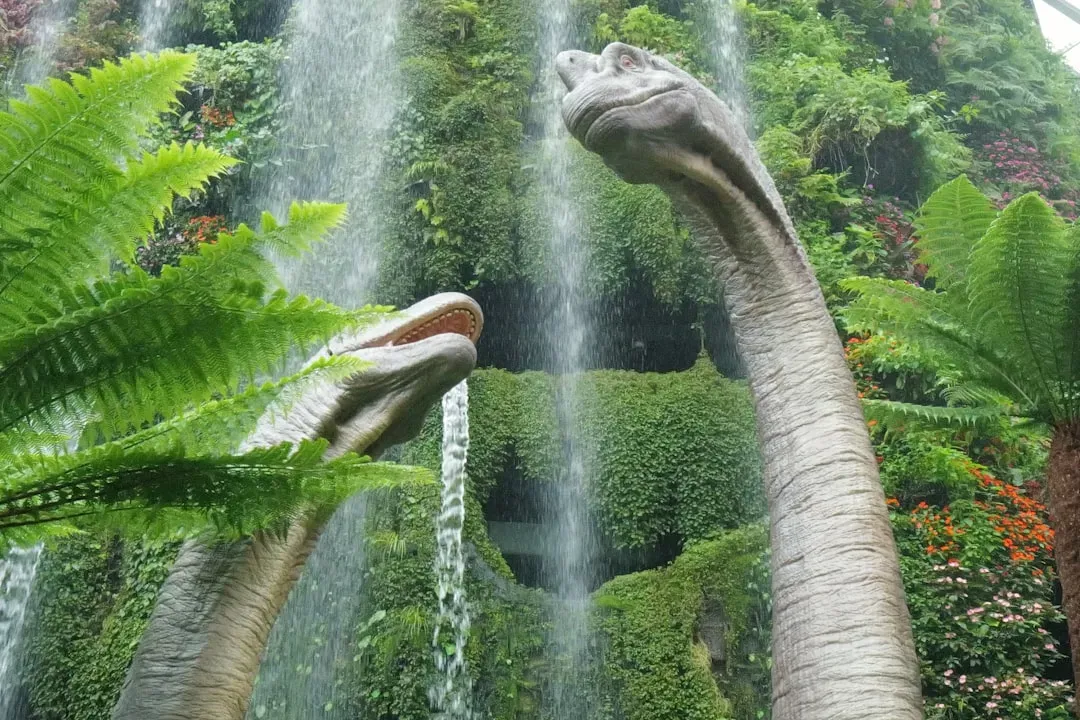
Any social group needs a way to communicate, and dinosaurs were no exception. The challenge is that most communication is soft tissue, which simply doesn’t fossilize. There is no direct evidence that dinosaurs vocalized, but features in some fossils suggest they may have communicated in other ways. Some scientists hypothesize that dinosaurs could have used other forms of communication, such as visual signals, body movements, or even producing sounds through resonance in their nasal cavities or crests, as seen in some dinosaur fossils like Parasaurolophus.
Many dinosaur species evolved elaborate display organs, such as crests, frills, and horns, which were used to attract mates and compete with rivals. According to paleontological studies, dinosaurs likely employed a combination of visual displays, movements, and vocalizations during courtship. Think of it a bit like peacock feathers but scaled up to the size of a school bus. The sheer evolutionary investment in these display structures tells you that social signaling was not a minor detail in the lives of these animals. It was central to who they were.
Sociality as a Key to Evolutionary Success
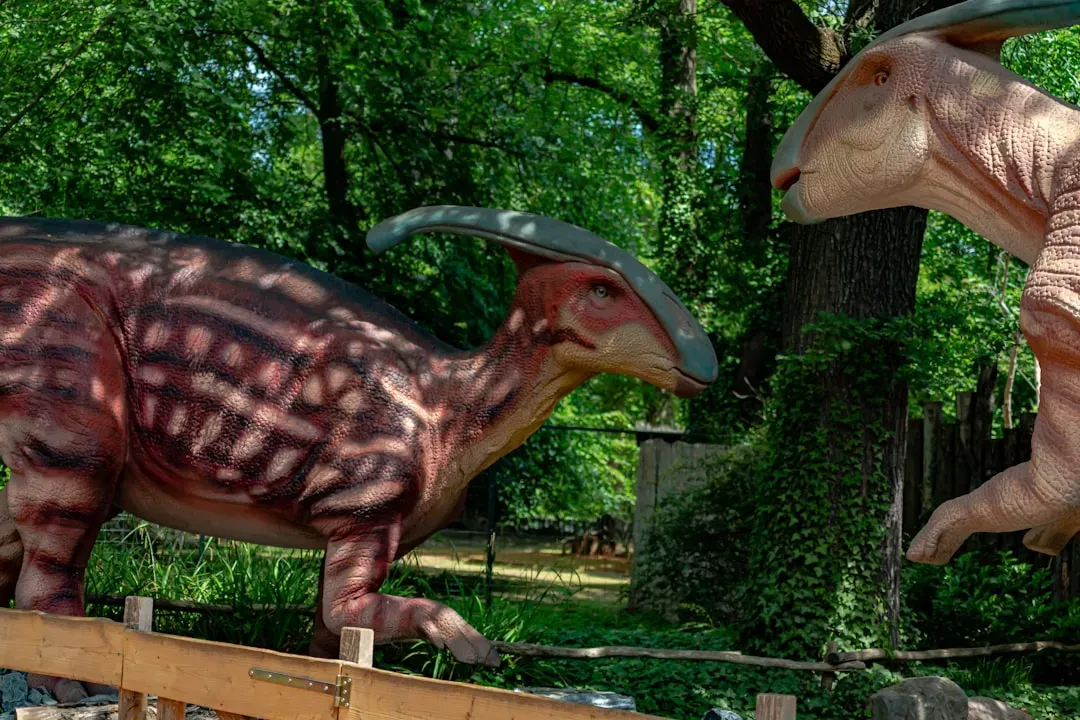
Here is what ties all of this together in the most profound way. Dinosaur sociality wasn’t just interesting behavior. It may have been the single most important factor in the survival and global dominance of entire dinosaur lineages. Researchers postulate that the exceptional case of Mussaurus, in which data shows herd behavior and age-segregation structure, indicates that sociality may have influenced the early success of the first global radiation of large-bodied herbivorous dinosaurs.
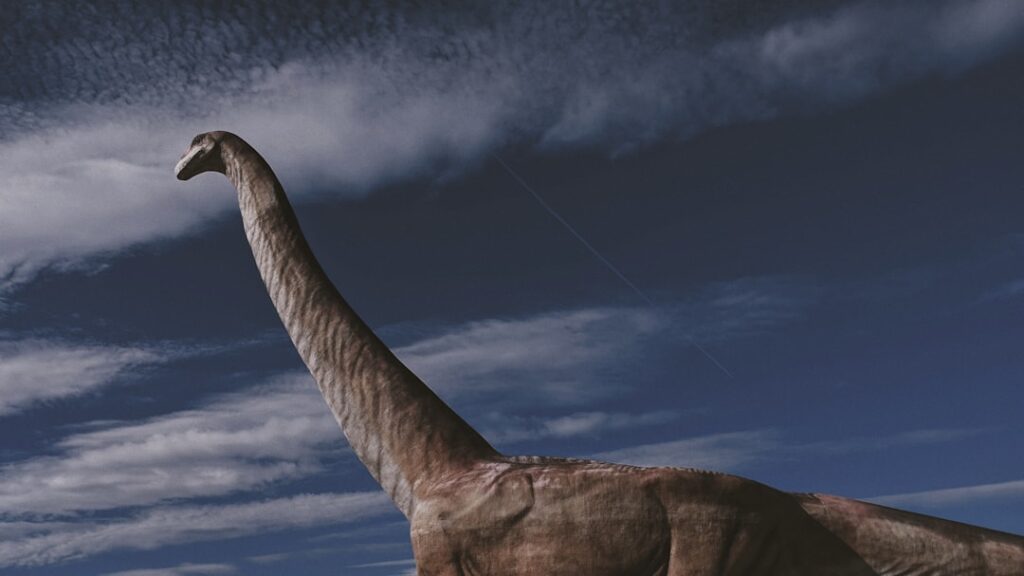
The presence of sociality in different sauropodomorph lineages suggests a possible Triassic origin of this behavior, which may have influenced their early success as large terrestrial herbivores. Mussaurus patagonicus emerged in the late Triassic period, right before a massive extinction event wiped out the vast majority of all species on Earth, but the sauropodomorphs persisted. They eventually dominated land and gave rise to sauropods like the iconic brontosaurus. Insights into their social behaviors could help explain how and why their lineage was so successful. In the end, living together, raising young together, and protecting one another may have been the evolutionary edge that helped some dinosaurs survive when so many others did not.
Conclusion: Rewriting Everything You Thought You Knew
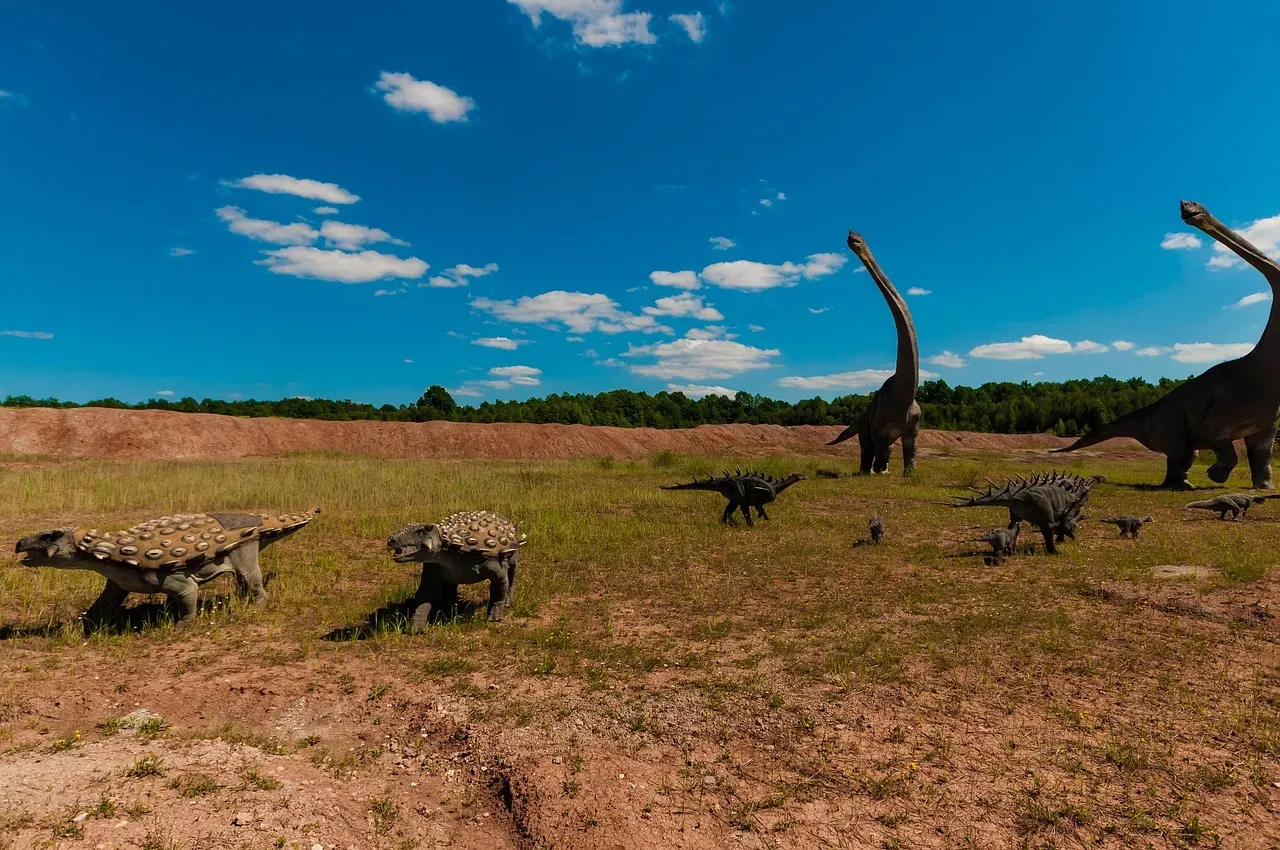
The picture of dinosaurs as solitary, simple creatures has been quietly dismantled by decades of extraordinary fossil discoveries. What you now understand is that these ancient animals lived in complex, organized communities. They cared for their young, separated by age within their herds, and in some cases may have even traveled alongside entirely different species. Their social world was more sophisticated than most people ever imagined.
Every new trackway uncovered, every nest analyzed, every fossilized tooth put through chemical testing adds another piece to this remarkable puzzle. As new technologies and analytical methods emerge, paleontologists continue to uncover the secrets of these ancient creatures, shedding light on their complex social structures, communication systems, and cognitive abilities. The science is moving fast, and it keeps rewriting the story.
There is something genuinely humbling about realizing that 200 million years ago, creatures were already navigating the same social challenges we face today: how to protect your children, how to cooperate with others, and how to survive a world that is always trying to take you down. Which insight surprised you the most? Drop your thoughts in the comments below.