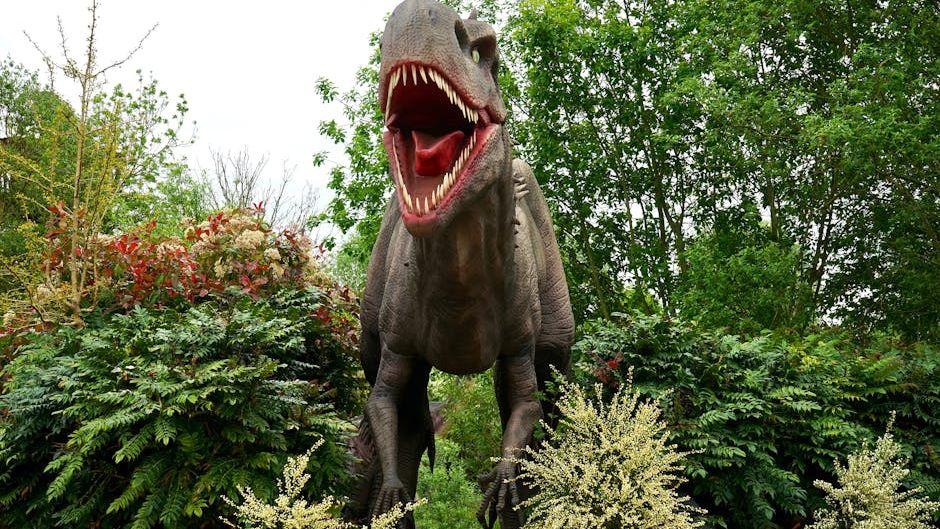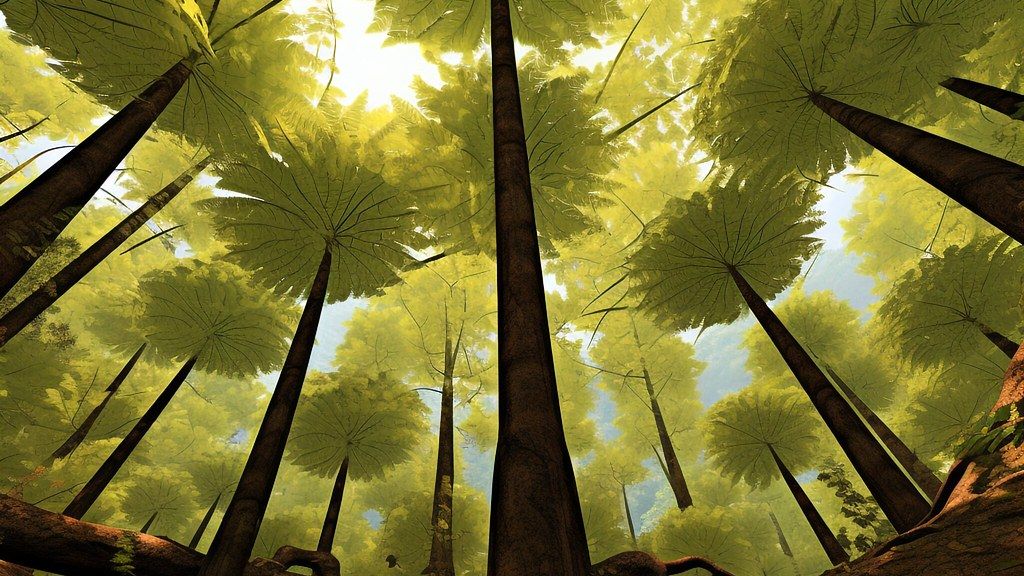
Imagine wandering through a forest where there is not a single flower in sight. No roses. No dandelions. Not even a patch of grass underfoot. Just towering conifers, strange palm-like trees bearing enormous cones, and sprawling mats of ancient ferns stretching as far as the eye can see. That is exactly the world dinosaurs called home for millions upon millions of years.
The Mesozoic Era lasted from about 252 to 66 million years ago, spanning the Triassic, Jurassic, and Cretaceous periods. During all that time, it was not just the animals that were extraordinary. The plants were doing something equally spectacular, quietly building the foundations of some of the most complex ecosystems Earth has ever known. You might be surprised by just how much of that ancient green world is still alive around you today. Let’s dive in.
Cycads: The Palm-Like Powerhouses of the Jurassic
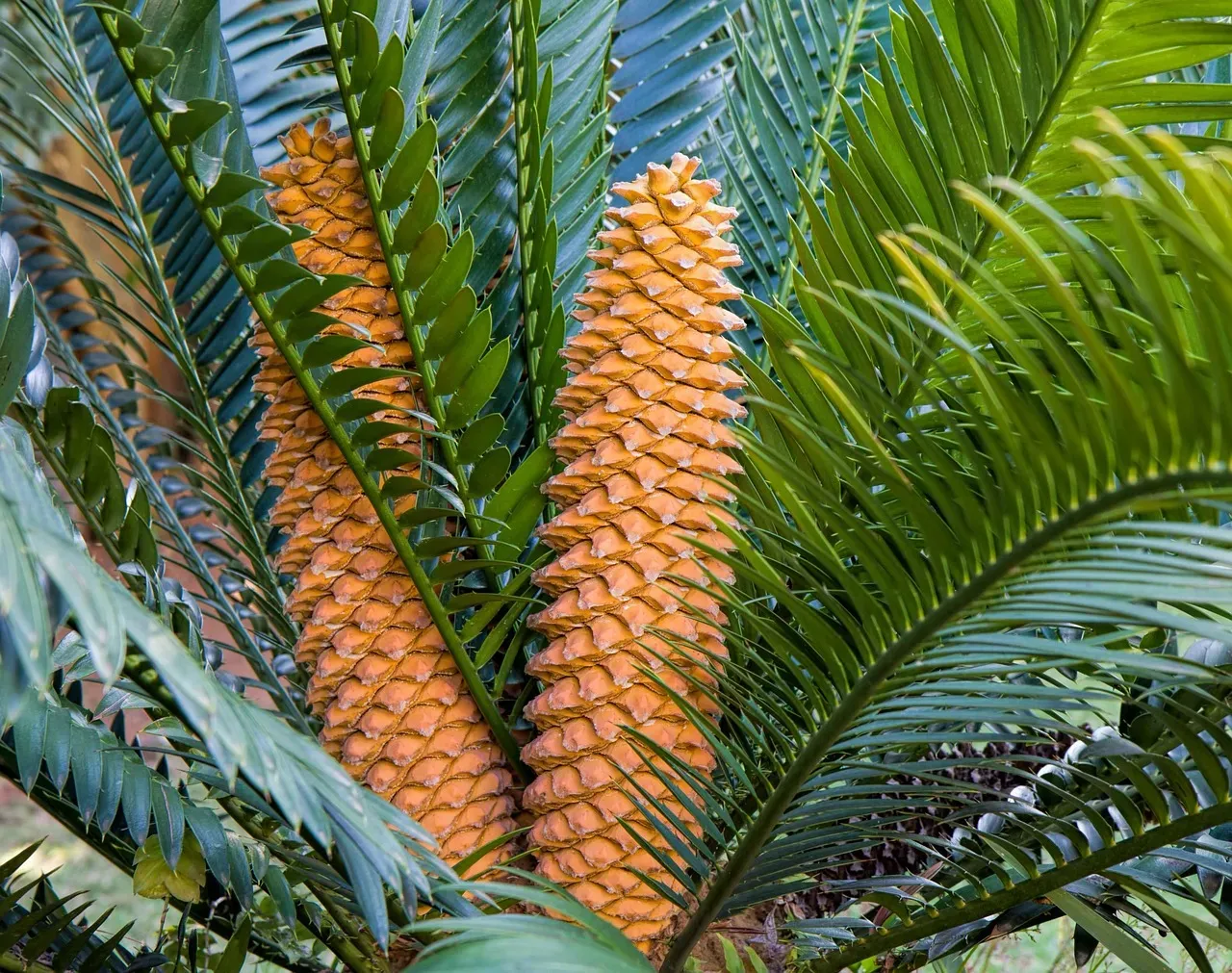
If you have ever walked past a sago palm in a garden center and thought it looked somehow ancient and otherworldly, well, you were onto something. Cycads are the survivors of a plant group that was abundant in the Mesozoic flora and reached its zenith in the Jurassic Period, some 160 million years ago. They were so dominant during that era that paleobotanists sometimes refer to it as the “Age of Cycads.”
Cycads are seeded plants physically recognized by the presence of a thick and wooded trunk and a crown of stiff evergreen leaves. Dinosaurs would have eaten cycads, plants that produce cones in the very centre of their trunk. Think of them as the prehistoric equivalent of a salad bar, always open and always stocked for hungry herbivores like Stegosaurus and sauropods. Without flowers to attract pollinators, cycads evolved clever ways to get their seeds pollinated, including symbiotic relationships with certain beetles.
Conifers: The Towering Giants That Fed the Largest Animals Ever
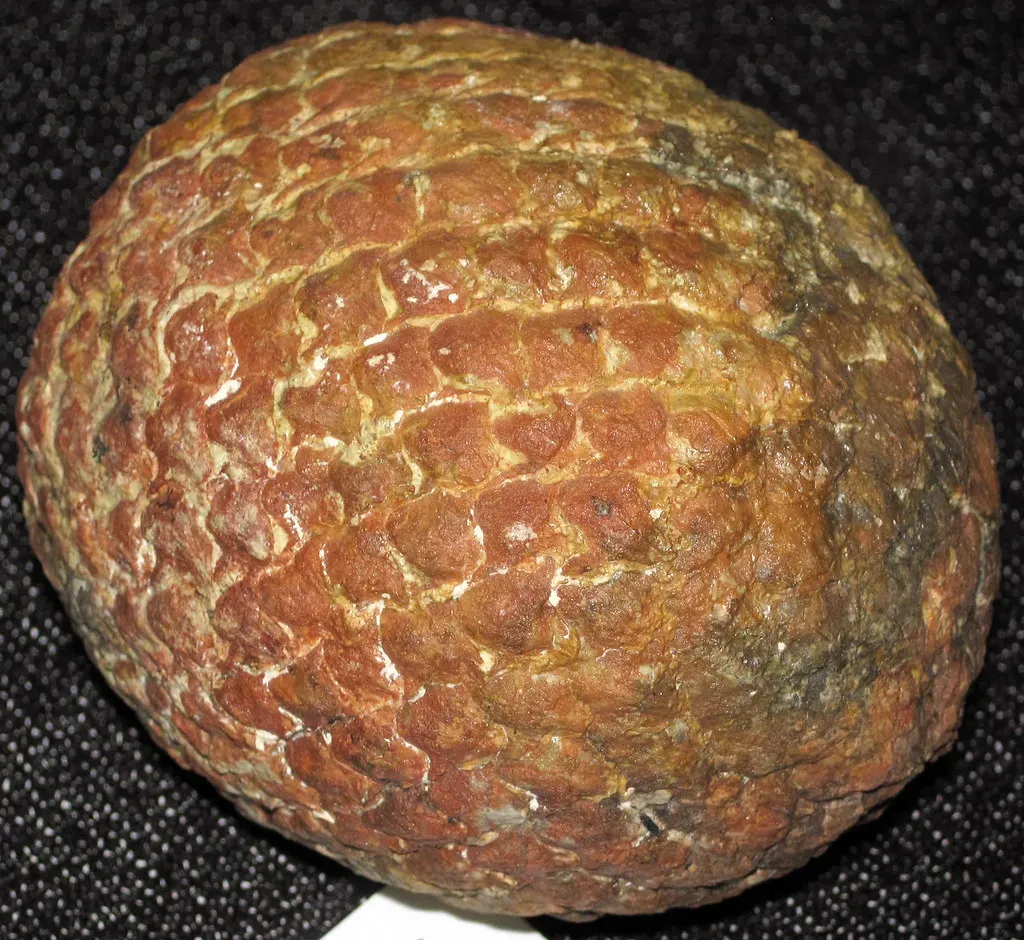
Here is the thing about conifers: they were absolutely everywhere during the Mesozoic. During the Mesozoic Era, when the dinosaurs lived, conifers dominated the landscape, and these slow-growing evergreen trees and shrubs probably constituted the majority of the herbivorous dinosaurs’ diets. Every time you picture a long-necked Brachiosaurus or a massive sauropod stretching its neck toward a treetop, those trees were almost certainly conifers.
Ancient relatives of today’s sequoia and araucaria were widespread, with some araucaria species reaching 100 meters tall. That is roughly the height of a 30-story building, which is honestly hard to wrap your head around. It has been estimated that a warm-blooded Brachiosaurus would have required more than 440 pounds of conifer and cycad plant food each day, and it would have spent most of its time feeding. No wonder these prehistoric giants needed entire forests to sustain themselves.
Ferns: The Oldest Survivors in the Understory
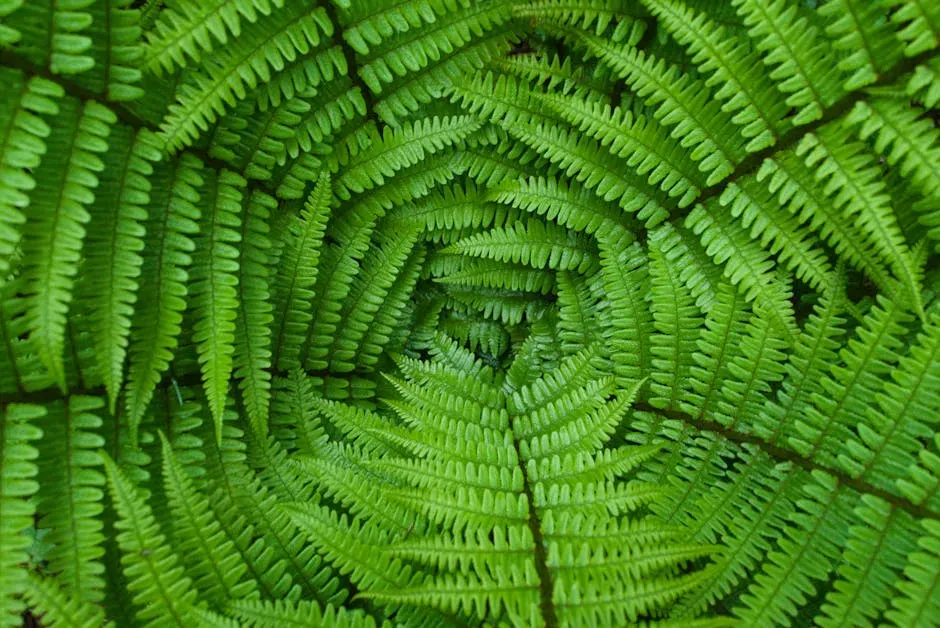
Ferns are one of the oldest groups of plants on Earth, with a fossil record dating back to the middle Devonian, roughly 383 to 393 million years ago. They were thriving long before dinosaurs even showed up, and they have outlasted them too. You have to respect that kind of staying power. Pteridophytes evolved during the Devonian and were mostly low-growing during the Mesozoic Era. These fast-growing, resilient plants were a source of food for plant-eating dinosaurs that lived in moist areas.
Ferns were food for herbivore dinosaurs like Stegosaurus and Triceratops. They carpeted the forest floors and floodplains, creating lush ground cover that smaller dinosaurs and creatures could shelter in. The Early Triassic saw conifer-dominated forests with trees as tall as 30 metres, and drier climates were filled with vast fern prairies as plant life began to recover. Honestly, those fern prairies must have looked like something out of a dream.
Ginkgo: The Living Time Capsule Still Growing in Your City
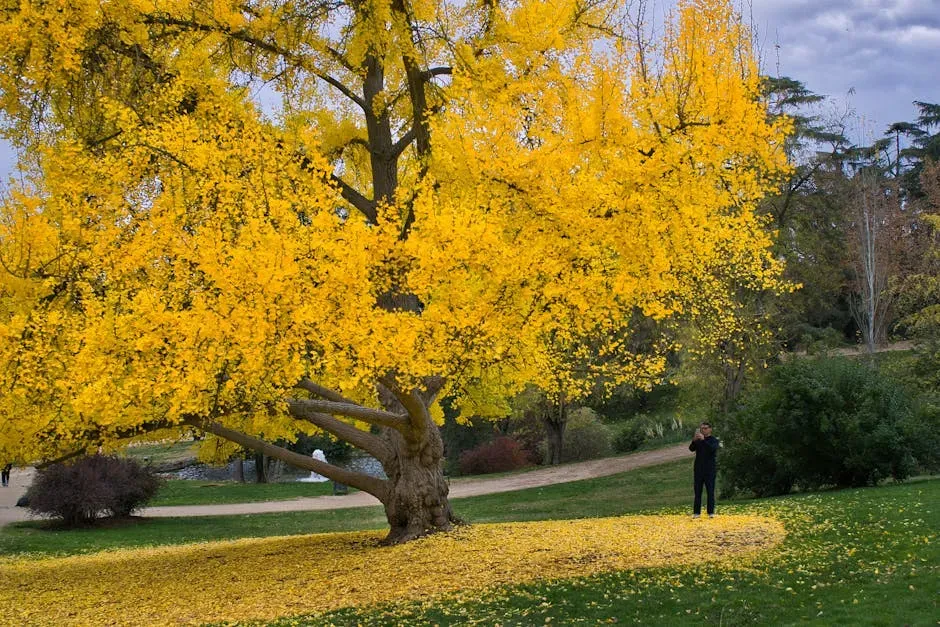
If you have ever walked down a city street and noticed a tree with distinctive fan-shaped leaves, there is a very real chance you have just made eye contact with a genuine time traveler. Modern Maidenhair trees (Ginkgo biloba) are considered “living fossils” because they look almost exactly like Jurassic fossils of ginkgos. That is not a metaphor. The tree has changed so little in hundreds of millions of years that paleontologists can directly compare modern specimens to ancient fossils and find almost no difference.
The ginkgo plant dates back as far as 199.6 million years ago to the beginning of the Jurassic era, and the Jurassic period was particularly beneficial for it because it was able to diversify and spread throughout Laurasia. Today there is only one single species of this plant left living, which was able to survive in China where all other ginkgo plants died out in the rest of the world. It is, without question, one of nature’s most breathtaking stories of survival.
Horsetails: The Hollow-Stemmed Giants of Ancient Wetlands
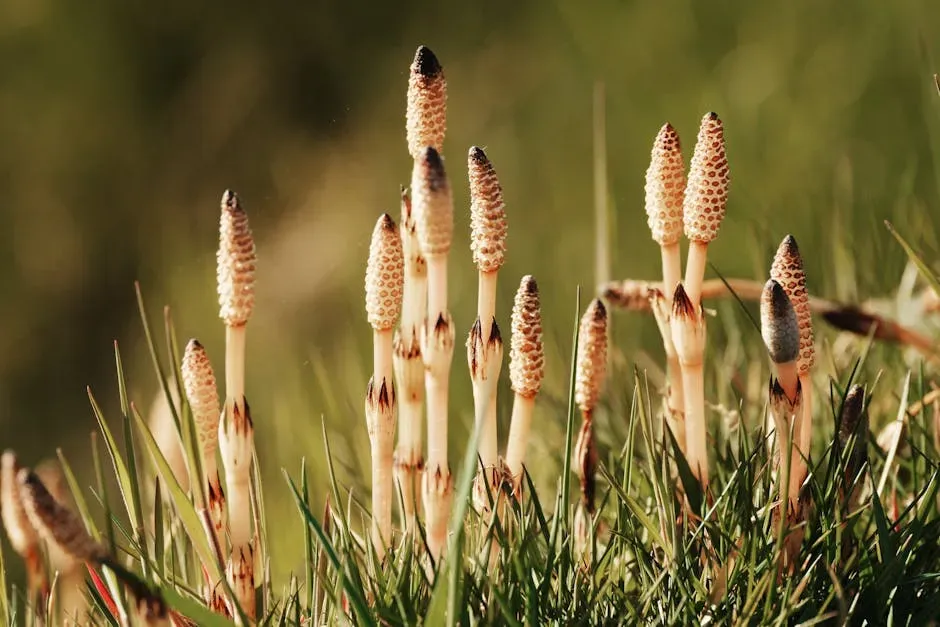
Equisetum is a “living fossil,” the only living genus of the entire subclass Equisetidae, which for over 100 million years was much more diverse and dominated the understory of late Paleozoic forests. Back in the deep past, these plants were not the knee-high rushes you see growing beside modern ponds. Over three hundred million years ago, some Equisetidae like Calamites were large trees, reaching 20 metres tall, higher than today’s oaks and beeches.
The oldest remains of modern horsetails of the genus Equisetum first appear in the Early Jurassic, represented by Equisetum dimorphum from the Early Jurassic of Patagonia. Many modern ferns diversified during the Mesozoic, and horsetails appeared in the Triassic. These low-growing plants contributed significantly to the ecosystem, providing food and shelter for smaller dinosaurs and other creatures, adding to the rich biodiversity of the lower canopy in ancient forests. You might say horsetails were the original wetland architects.
Bennettitales: The Mysterious Extinct Lookalikes
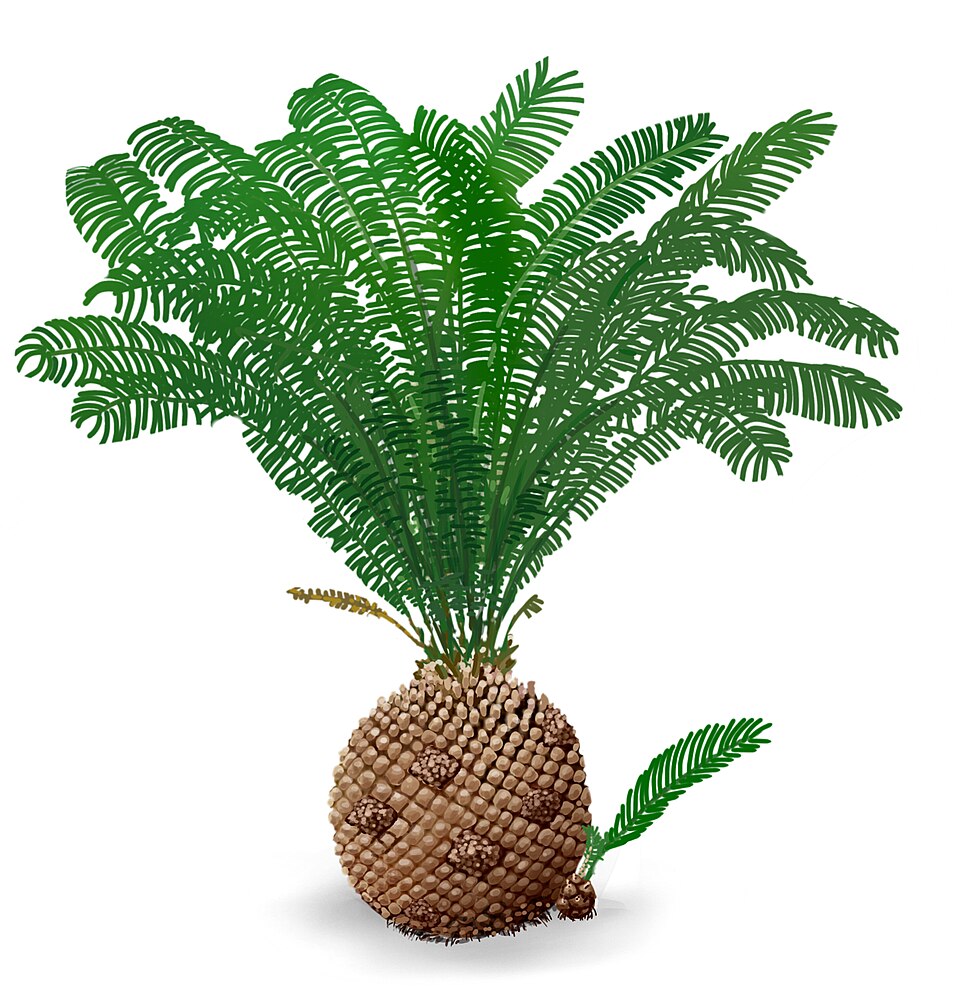
Not every plant from the dinosaur world made it through to today. Bennettitales, sometimes called cycadeoids, are one of the most captivating examples of a group that thrived for an astonishingly long time before eventually disappearing entirely. Bennettitales existed from 66 to 252 million years back. This order of plants became apparent in the Triassic era and is believed to have become extinct in the Cretaceous period. The Cycadeoids were seed plants that generally look much like Cycads in terms of physical appearance.
Here is where it gets interesting. While they looked remarkably like cycads from the outside, Bennettitales were a completely separate lineage. Two major seed plant lineages that are now extinct, Bennettitales and Corystospermales, were around during the Permian and survived the die-off. Bennettitales were probably at least somewhat toxic, and some dinosaur species could feed on them, although scientists are not sure which ones. The thought of a dinosaur nibbling on something potentially poisonous and being completely unfazed by it is, I think, oddly funny.
The Araucaria (Monkey Puzzle Tree): A Forest Builder With a Familiar Face
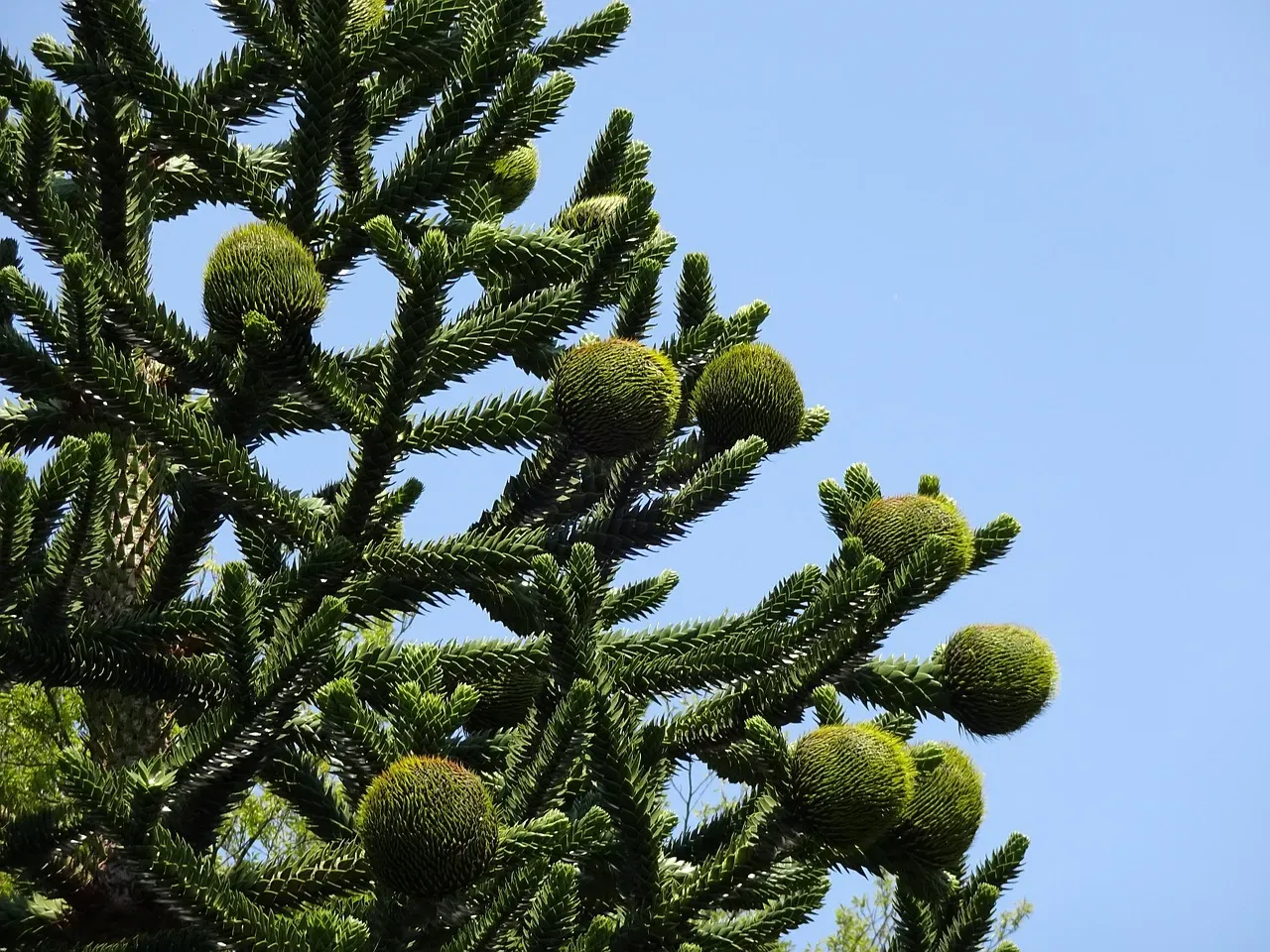
There is something deeply humbling about standing next to a monkey puzzle tree. Monkey puzzle trees, such as Araucaria araucana, have been on Earth for 200 million years and were one of the many woody trees that flourished alongside dinosaurs. Walk through any botanical garden today and you will likely spot one, its spiky, overlapping branches unchanged since the Jurassic period walked the Earth.
Fossil evidence indicates araucaria forests were abundant globally during the Jurassic and Cretaceous periods, shaping the landscape through which dinosaurs roamed. Logs of extinct araucariad trees in Arizona’s Petrified National Forest date back to the late Triassic Period, about 200 million years ago. That petrified wood you can hold in your hands at a museum? It might well be the preserved remains of the very trees that a Stegosaurus once brushed past on an afternoon stroll. Still.
Seed Ferns (Pteridosperms): The Evolutionary Bridge
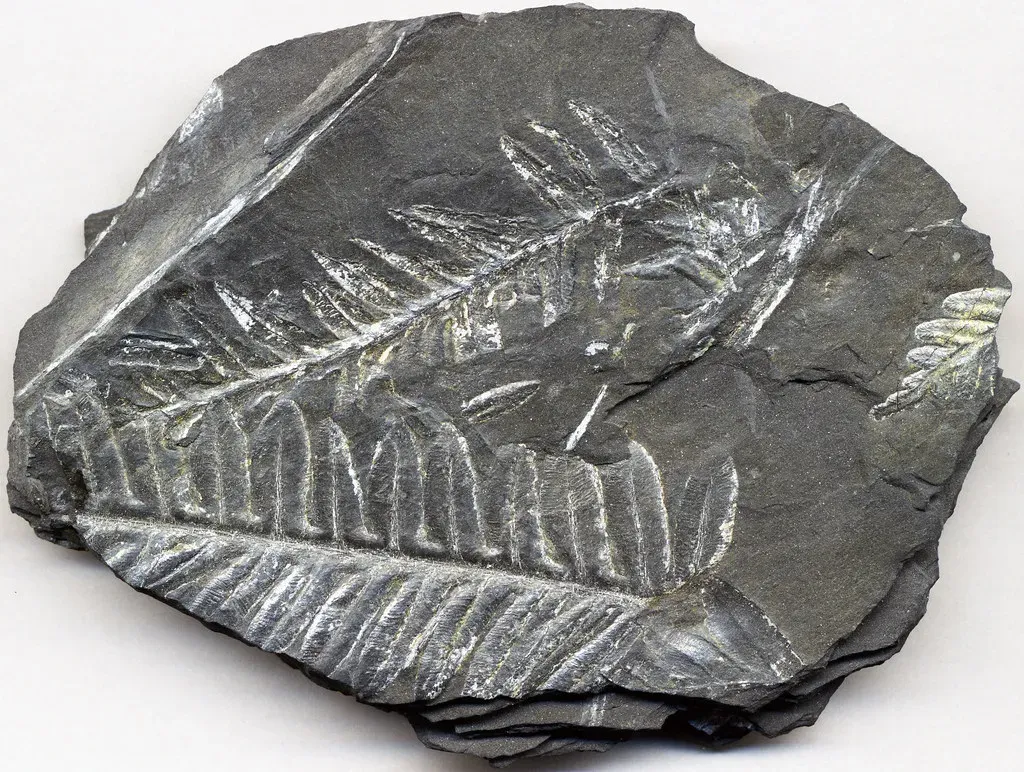
Seed ferns occupy a uniquely fascinating spot in the botanical family tree. Seed ferns (Pteridosperms) had fern-like leaves but bore seeds and not spores, and this group included Glossopteris, Dicroidium, Caytonia, Denkania, and Lidgettonia. Seed ferns dominated southern Pangaea during the Triassic period. Think of them as nature’s prototype, a halfway experiment between the ancient spore-based world and the seed-bearing future.
Whereas seed ferns had predominated in the Triassic, forests of palmlike gymnosperms known as cycads and conifers proliferated under the tropical and temperate conditions that prevailed during the Jurassic. Seed ferns went extinct during early in the Cretaceous period, and Glossopterids went extinct at the end of the Triassic period. Their disappearance was part of a massive reshuffling of plant life, making way for the groups that would dominate the later Mesozoic. They were vital while they lasted, and their fossils tell a remarkable story about how ecosystems transition.
The Wollemi Pine: The “Dinosaur Tree” Rediscovered
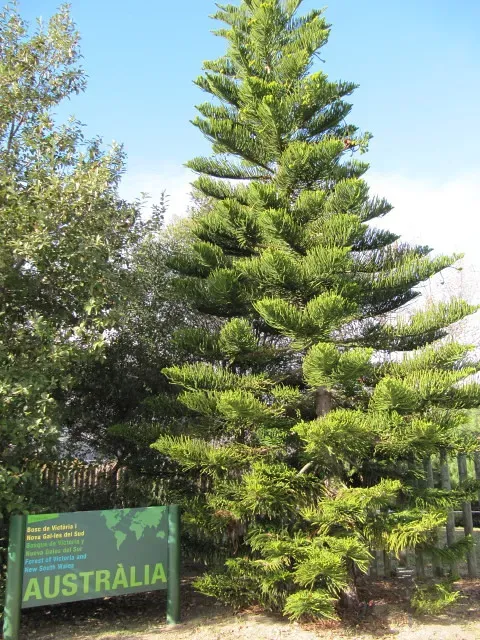
It sounds like the plot of a science fiction novel. Scientists believed a particular ancient tree had been extinct for millions of years. Then, in 1994, a hiker stumbled across a small grove of them hiding in a remote canyon in Australia. Discovered in 1994 in Australia’s Wollemi National Park, the Wollemi Pine is a critically endangered prehistoric plant dating back 200 million years. The scientific community was, to put it mildly, stunned.
Many of its closest living relatives are considered relict or ancient lineages that have changed little since the age of dinosaurs. Only about 100 Wollemi pine trees live in the wild in Australia today. In 1994, a few of these pines were found hidden in a narrow canyon in the Australian Blue Mountains, and since then a project has been started to plant the species at sites across the world to safeguard its survival. It’s hard to say for sure whether “dinosaur tree” is an official scientific title, but it’s undeniably the most evocative one.
Early Flowering Plants (Angiosperms): The Late Arrival That Changed Everything
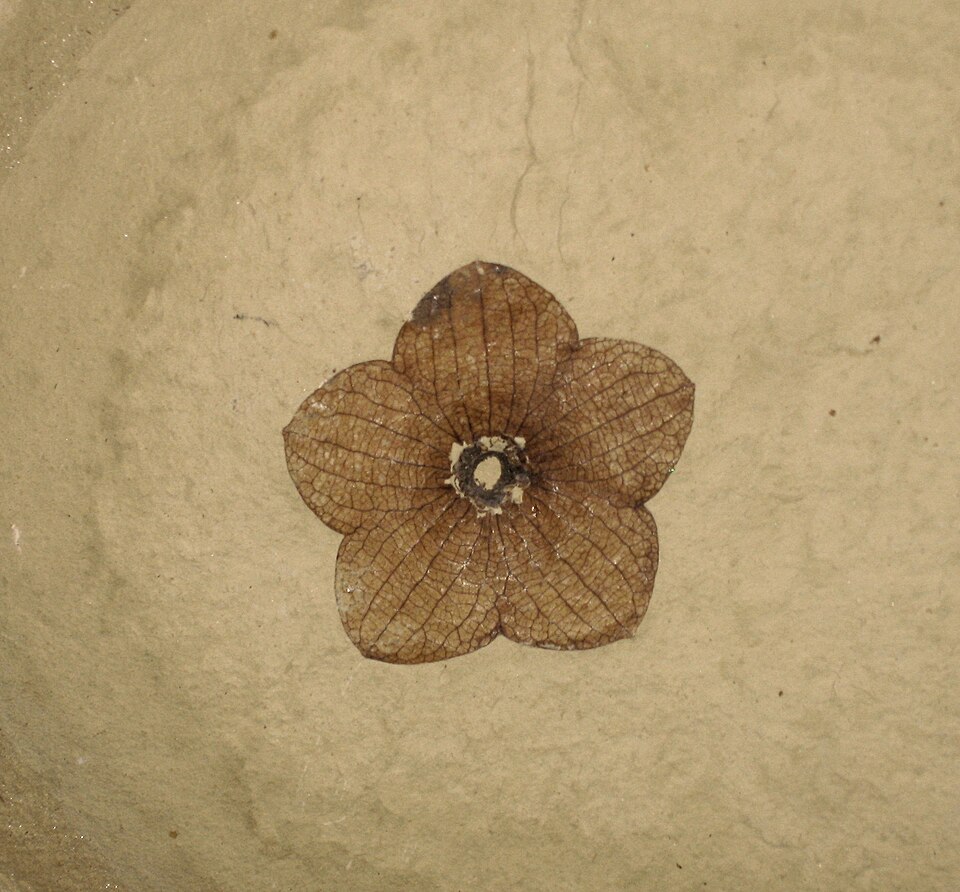
For the vast majority of the dinosaurs’ reign, there were no flowers anywhere on Earth. Not a single bloom. When dinosaurs first evolved 225 million years ago, flowers were nowhere to be found. Then, relatively late in the Cretaceous, everything changed. Flowering plants appeared in the Early Cretaceous and would rapidly diversify through the end of the era, replacing conifers and other gymnosperms as the dominant group of plants.
Most of the dinosaurs that have been found date from the late Cretaceous period, when flowering plants were supplying plant-eating dinosaurs like hadrosaurs with plentiful and nutritious food. Some Mesozoic Era angiosperms included magnolias, laurel, barberry, early sycamores, and palms. The Cretaceous saw the first appearance and initial diversification of flowering plants, and insects and other organisms soon evolved to take advantage of the new food sources and opportunities these plants provided. In a very real sense, flowers did not just brighten the world. They rewired it entirely.
Conclusion: A Green World Worth Remembering
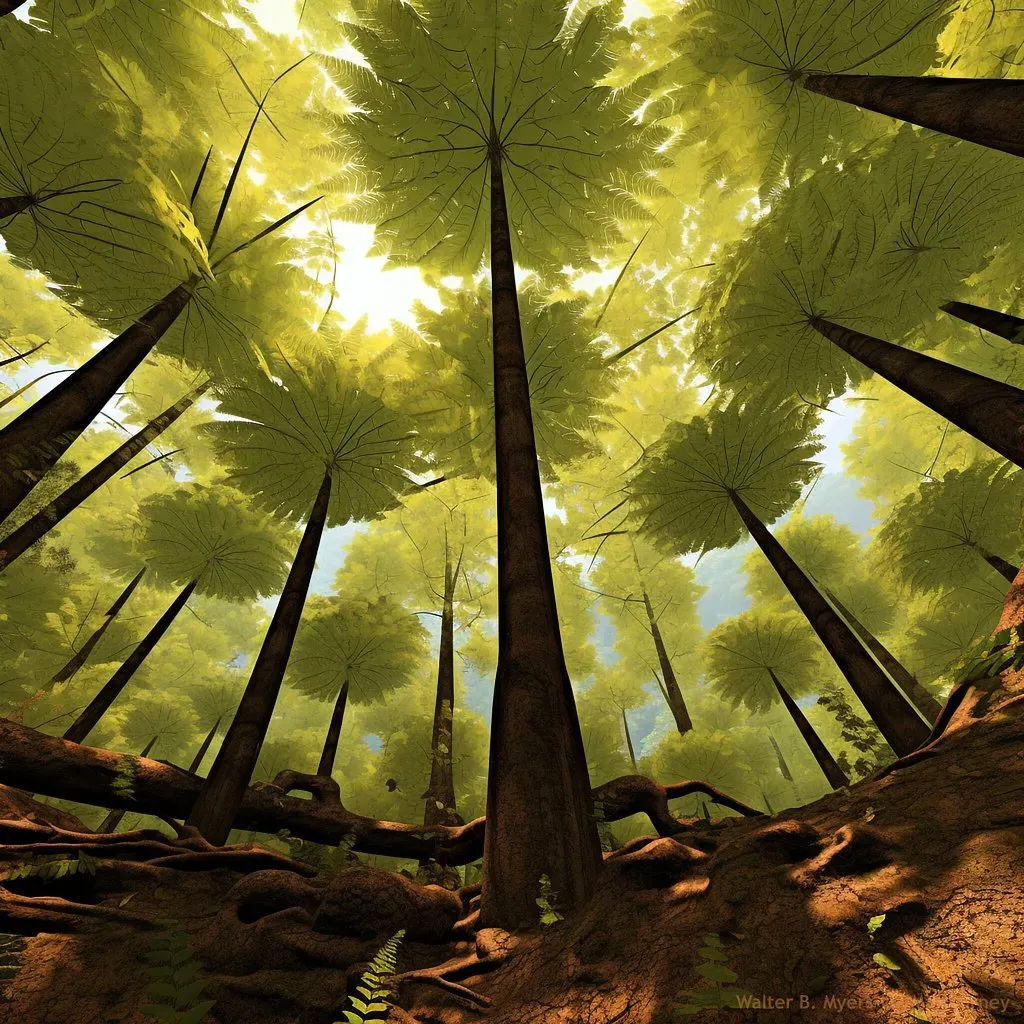
It is easy to focus entirely on the dramatic predators and enormous herbivores when we think about dinosaur ecosystems. Yet the plants were the true architects of it all. They determined where herds could roam, how large animals could grow, and which species would thrive or fade. The plant life at the time of the Mesozoic era offered a lot of food, making it easy for dinosaurs like Argentinosaurus to grow up to the weight of 80 tons.
What makes this story even more extraordinary is that you do not need a time machine to encounter these plants. Ginkgo trees line city boulevards. Ferns fill your local nursery. Cycads sit in garden pots outside coffee shops. All of these existed around 200 million years ago, and still do today. They are quiet, unassuming reminders that the world of the dinosaurs never truly ended. It just changed shape.
Next time you walk past a ginkgo tree or a cycad at a botanical garden, stop for a moment. You are not just looking at a plant. You are looking through a window into deep time. Which of these ten ancient survivors surprises you the most? Tell us in the comments.