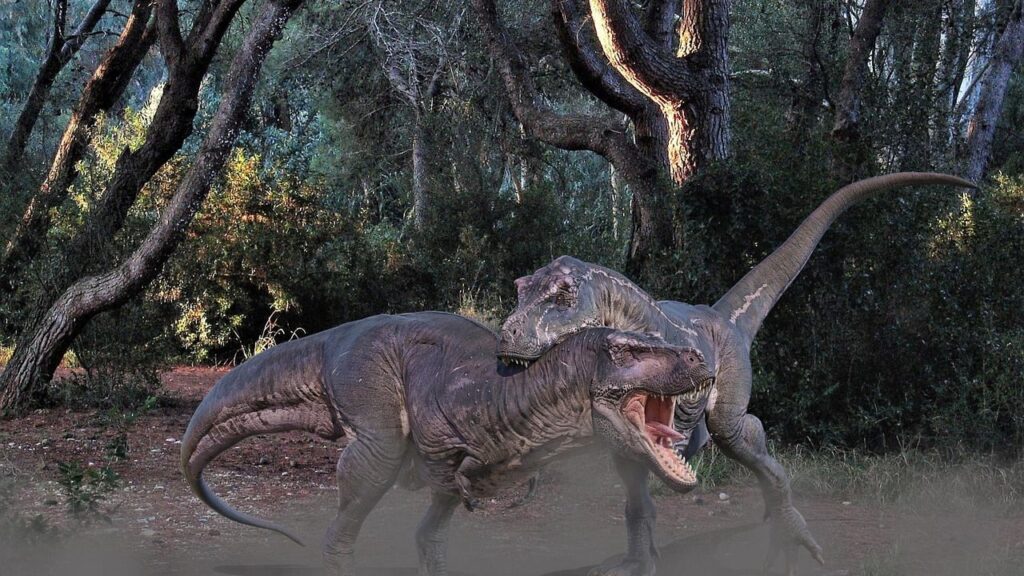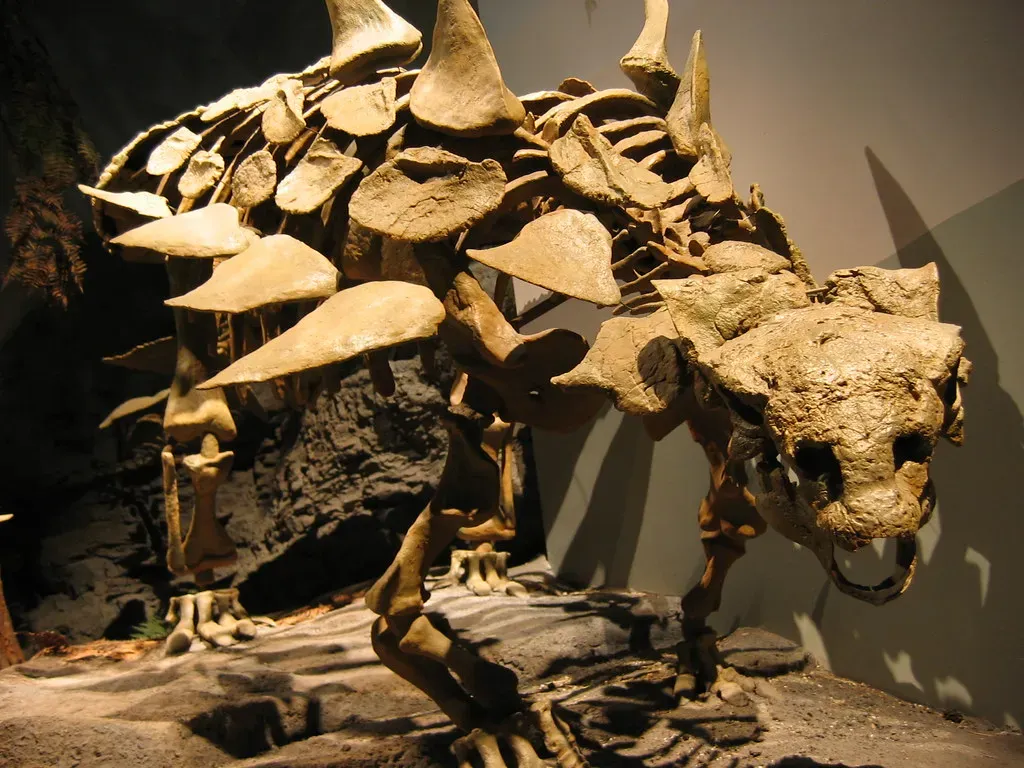
Sixty-six million years ago, the most dominant creatures to ever walk this planet simply vanished. Dinosaurs had ruled Earth for over 165 million years, surviving shifting continents, sea-level changes, and climatic upheavals that would have shattered any lesser lineage. Then, in what amounts to a blink of geological time, it was over.
What actually ended their reign is one of science’s most gripping and fiercely debated questions. You might think we already have the answer, and in some ways we do – but scratch the surface and you will discover a world of competing theories, surprising new discoveries, and jaw-dropping scientific feuds that make the dinosaurs’ story more thrilling than any movie. Let’s dive in.
1. The Chicxulub Asteroid Impact: The Most Famous Theory of All
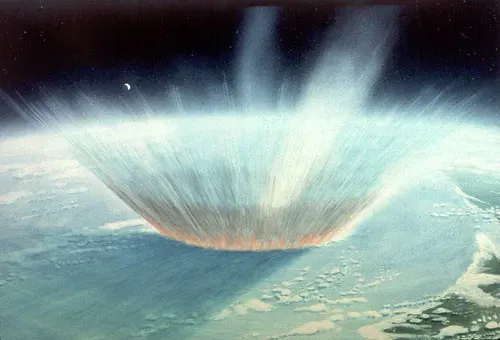
If you’ve ever asked a child what killed the dinosaurs, you already know this theory. The Alvarez hypothesis posits that the mass extinction of non-avian dinosaurs and many other living things during the Cretaceous-Paleogene extinction event was caused by the impact of a large asteroid on Earth. The hypothesis is named after the father-and-son team of scientists Luis and Walter Alvarez, who first suggested it in 1980. It sparked a revolution in how we think about extinction.
The Chicxulub crater was formed slightly over 66 million years ago when an asteroid about ten kilometers in diameter struck Earth. The asteroid hit at an estimated speed of 20 kilometers per second, more than 58 times the speed of sound, at a relatively steep angle between 45 and 60 degrees to Earth’s surface. The impact produced as much explosive energy as 100 teratons of TNT, 4.5 billion times the explosive power of the Hiroshima atomic bomb. Honestly, those numbers are almost impossible to wrap your head around.
2. The Impact Winter: When Darkness Swallowed the World
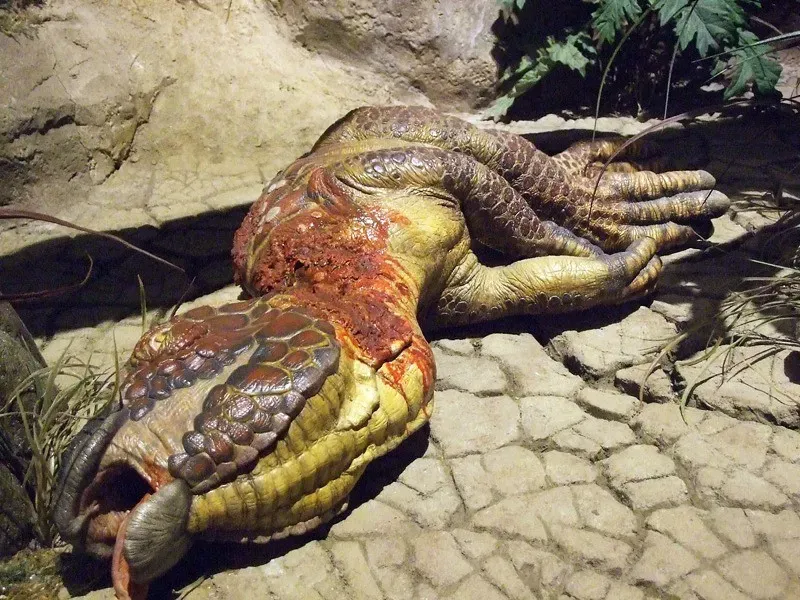
Here is the thing most people get wrong – the asteroid itself didn’t directly kill most of the dinosaurs. It was what came after. The impact triggered a chain reaction of destructive events including a rapid climate change that eventually led to the extinction of the non-avian dinosaurs and about 75% of species on Earth. The main culprit is most likely the “impact winter,” caused by a massive release of dust, soot, and sulfur into the atmosphere, leading to extreme cold, darkness, and a collapse in global photosynthesis, with lasting effects on ecosystems for years to decades after impact.
Research based on particles found at a key fossil site reasserted an earlier hypothesis: that the impact winter was caused by dust kicked up by the asteroid. Fine silicate dust from pulverized rock would have stayed in the atmosphere for 15 years, dropping global temperatures by up to 15 degrees Celsius. Think of it like pulling the sun’s plug for over a decade. Without sunlight, plants died, herbivores starved, and then the predators followed – a total collapse of the food chain, from the bottom all the way up.
3. The Deccan Traps Volcanism: Earth Was Already on Fire
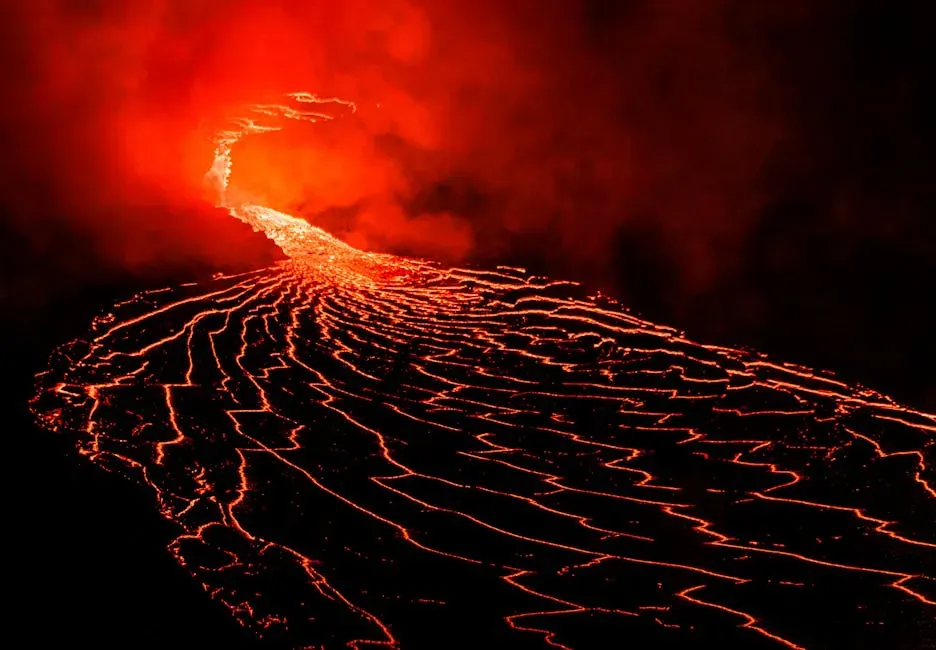
Not everyone buys the single-asteroid story. Princeton geologist Gerta Keller says her research showed that multiple volcanic eruptions in India triggered a climate catastrophe that led to the dinosaurs’ demise. She has spent decades fighting a very uphill battle against the scientific mainstream for this view. The Deccan Traps are an area of volcanic flood basalts in Western India spanning roughly 1.3 million square kilometers that were created by massive volcanic activity during the same time period in which the Chicxulub impact occurred.
In some parts of the Deccan Traps, the volcanic layers are more than two kilometers thick, making this the second-largest volcanic eruption ever on land. Volcanic activity of this magnitude would have spewed out huge amounts of carbon dioxide into the atmosphere, causing greenhouse warming. The eruptions would have also caused levels of toxic gases like sulfur and chlorine to rise, resulting in acid rain and further damaging the global environment. Some scientists take this even further, arguing that the Deccan eruptions made the world so unstable that even a moderately sized asteroid would have been enough to push everything over the edge.
4. The “Press/Pulse” Theory: A Perfect Storm of Catastrophe
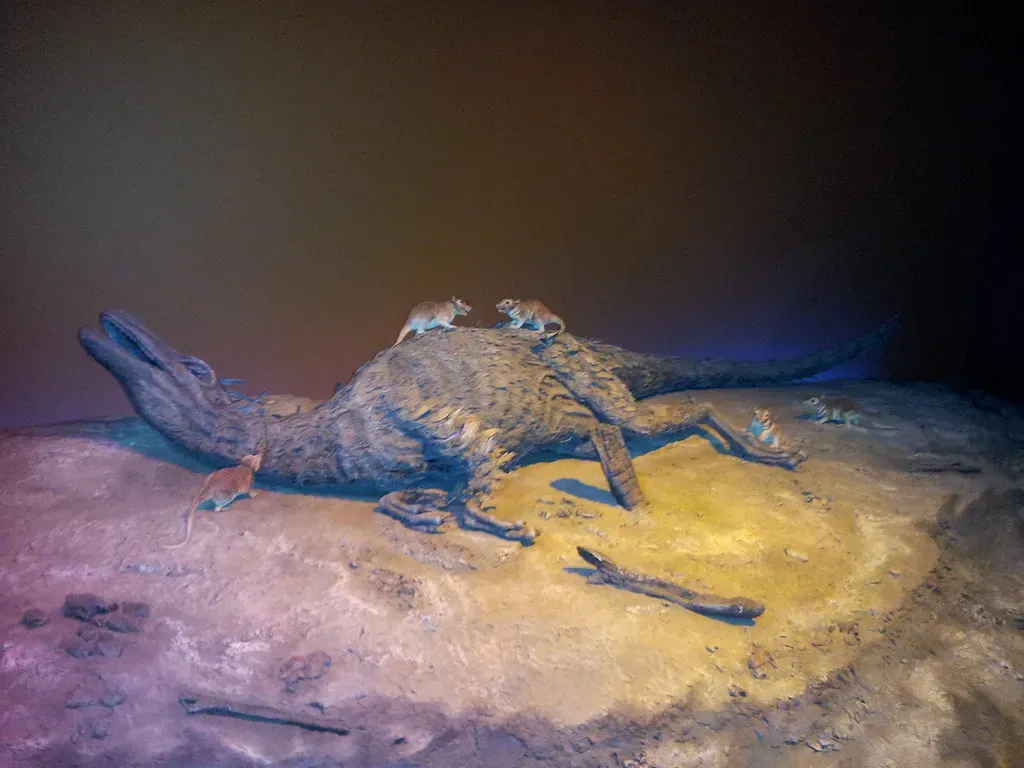
What if neither the asteroid nor the volcanoes alone are the real story? Researchers presented a press/pulse model of extinction, which proposes that mass extinctions result from a combination of gradual factors – the “press” – exacerbated by some major event, the “pulse,” that results in a chain reaction of environmental collapse. The “press” part of the model can involve any variety of environmental changes, slowly putting pressure on the biosphere. Think of it like a building that’s already cracked before the earthquake hits.
Particulate materials from volcanism cooled and dried areas of the globe. Then an impact event occurred, causing collapses in photosynthesis-based food chains, both in the already-stressed terrestrial food chains and in the marine food chains. Based on studies at Seymour Island in Antarctica, researchers argue that there were two separate extinction events near the Cretaceous-Paleogene boundary, with one correlating to Deccan Trap volcanism and one correlated with the Chicxulub impact. Two catastrophes for the price of one – that’s a terrifying thought.
5. The Gradual Decline Theory: Dinosaurs Were Already in Trouble
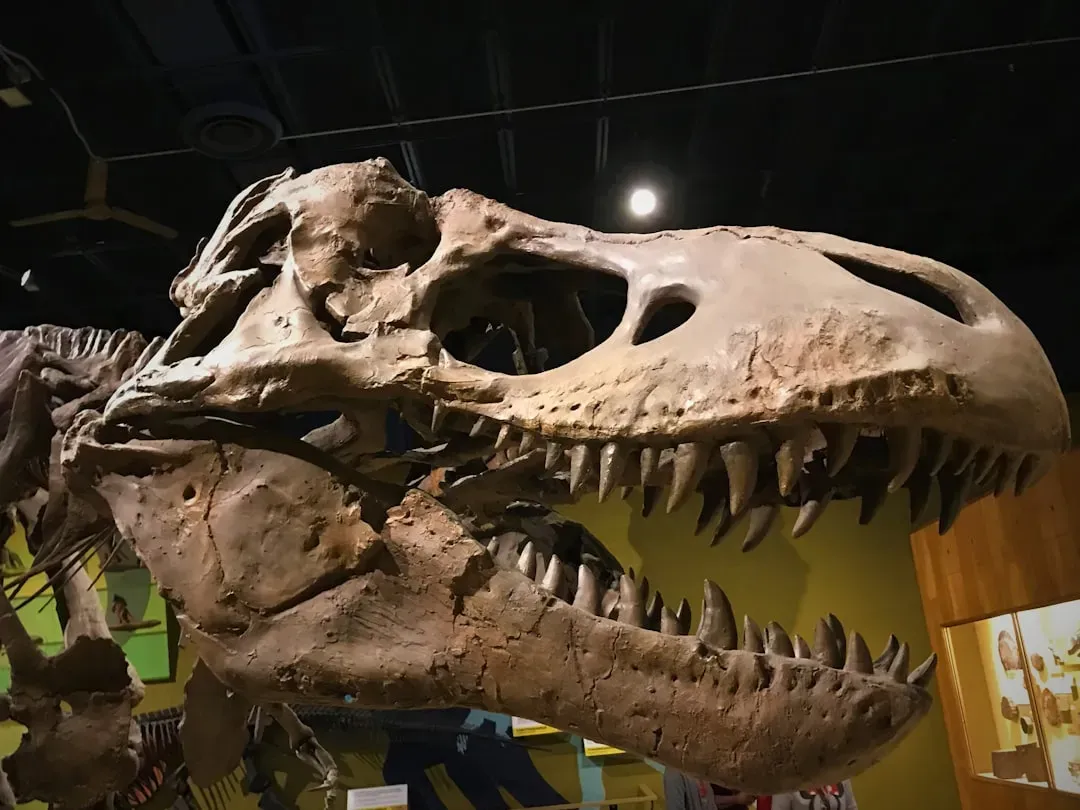
For years, a school of thought held that dinosaurs were already dying out long before any asteroid arrived. The gradual hypothesis supports a decline in diversity over the much longer timescale of hundreds of thousands to even tens of millions of years. Some paleontologists pointed to the fossil record in regions like central China for clues. Analysis indicates a correlation between the abundance of dinosaur fossils in the Shanyang Basin and climatic changes. As precipitation and temperature increased, the presence of dinosaur fossils gradually declined.
However, more recent findings are challenging this idea hard. The idea that dinosaurs were already in decline before an asteroid wiped most of them out 66 million years ago may be explained by a worsening fossil record from that time rather than a genuine dwindling of dinosaur species, suggests a new study. By refining the timeline of the dinosaurs’ last days, researchers showed that their extinction was not a gradual decline but a sudden end to a world full of diversity, abruptly halted by a rare cosmic event. Fossils reveal dinosaurs were flourishing in diverse ecosystems right up until the asteroid impact ended their reign. It turns out history may have been misread all along.
6. The Comet Shower Theory: Not One Strike, but Many
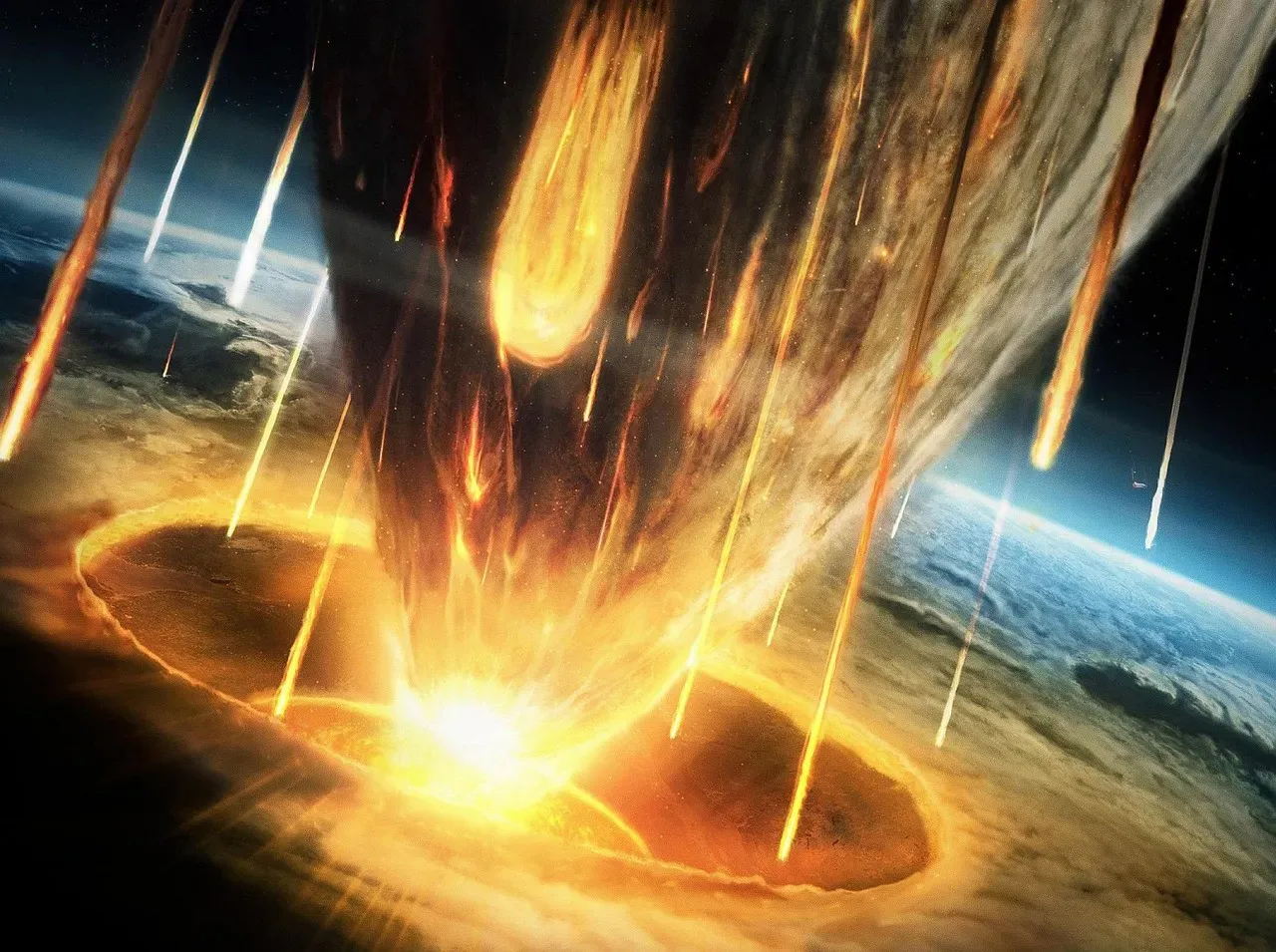
Here’s a wild one that doesn’t get nearly enough attention. Extinction of the dinosaurs may have occurred 65 million years ago as a result of a single asteroid or comet impact, but it is also possible they died out as a result of many comet impacts over one to three million years, a group of scientists has theorized. The idea is that our solar system periodically passes through regions of space that disturb comets and send them hurtling toward Earth in waves.
Scientists pointed out that impacts of Earth-crossing asteroids take place randomly in time, but a significant number of comets could arrive in discrete showers triggered by the relatively close passage of a star or interstellar gas cloud. The showers would last about three million years, with the bulk of the comets arriving within one million years. A major comet shower involving a billion comets with diameters of 3 kilometers would result in about 20 comets striking the Earth over a period ranging from one to three million years. Twenty separate impacts. I know it sounds crazy, but the math is not as far-fetched as it first appears.
7. The Acid Rain and Ocean Acidification Theory: Poisoned From Above and Below

Beyond darkness and cold, the Chicxulub impact unleashed something even more insidious. Clouds of pulverized rock and sulfuric acid from the crash would have darkened skies, cooled global temperatures, produced acid rain, and sparked wildfires. This acid rain scenario is particularly devastating when you think about it from a food chain perspective. Plants, already suffering from blocked sunlight, would have been chemically burned from the sky at the same time.
In 2019, researchers proposed a mechanism of the mass extinction, arguing that the Chicxulub asteroid impact event rapidly acidified the oceans and produced long-lasting effects on the climate. Along with ocean acidification, ozone reduction, acid rain, and a release of harmful gases, conditions were sufficient to have initiated the mass extinction. Marine life, which many assume fared better, was arguably hit just as hard. Ammonites, marine reptiles, and vast communities of ocean plankton were simply dissolved or starved into oblivion.
8. The Global Wildfire Theory: Earth Burned Before It Froze
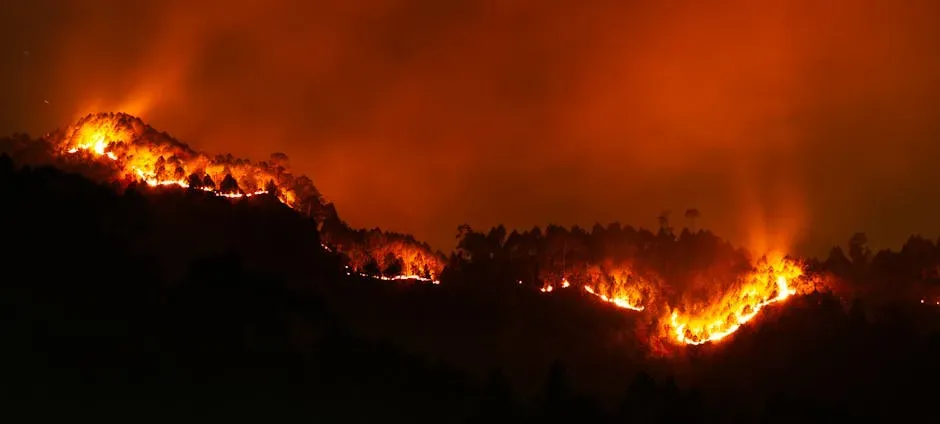
Before the long freeze came a catastrophic burn. When the bolide struck Earth, a huge amount of energy was released. This sudden release of energy severely damaged the global environment, broiling Earth’s surface with intense heat and igniting wildfires across the planet. At the same time, debris clouded the sky, triggering rapid changes in the global climate and plunging the world into darkness. Imagine a scenario where an entire continent is engulfed in flame – then multiply that by every continent simultaneously.
Over the long term, vaporized carbonate rock entering the atmosphere, in addition to the global wildfires, may have increased atmospheric carbon dioxide levels, leading to a post-impact warming due to the greenhouse effect. So Earth went through fire, then darkness and cold, and then warming. Temperatures eventually peaked in this post-impact greenhouse world about 55 million years ago, a period when the polar ice caps had melted and much of the world was covered in shallow seas. The climate essentially went haywire in every direction – and nothing larger than a small dog could survive it.
9. The Supernova Radiation Theory: Death From the Stars
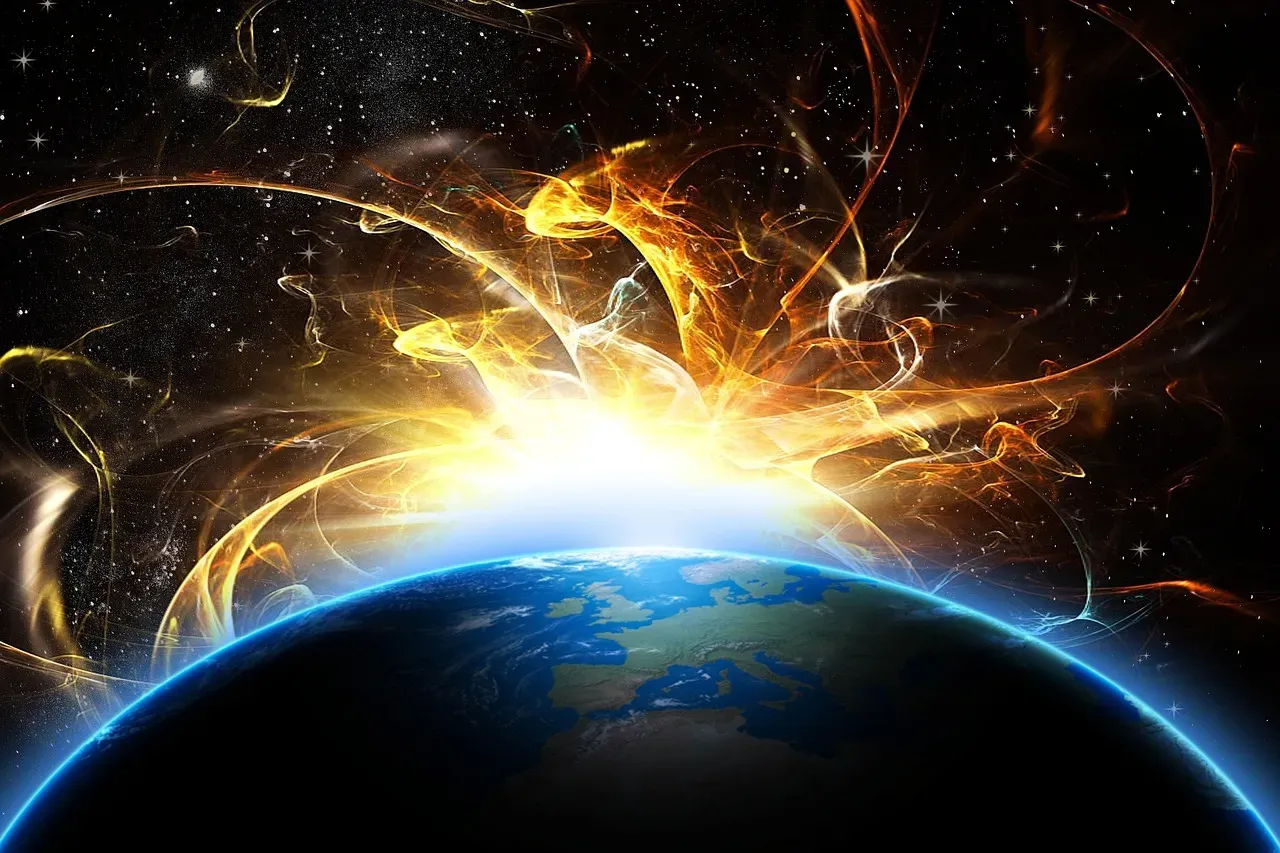
This one sits at the more speculative end of the spectrum, but it’s too fascinating to leave out. In 1956, Soviet astronomer and astrophysicist Joseph Shklovsky linked the extinction of dinosaurs to cosmic rays coming from supernova explosions. While determining what caused the extinction of dinosaurs and life on Earth, Shklovsky theorized that a supernova could have released a huge amount of radiation, killing all the dinosaurs. The idea being that a nearby star exploding would have bathed Earth in lethal radiation, destroying the ozone layer and cooking life on land.
It is hard to say for sure whether this played any role at all in the K-Pg extinction, and most scientists today do not consider it a primary cause. Other researchers proposed a supernova that hit the earth with rays of harsh radiation, changing sea levels. The concept is intriguing, though, and it reminds us that the dinosaurs lived in a universe that is genuinely dangerous in ways we rarely think about. Earth is not a bubble – it exists inside a violent, ever-changing cosmos, and sometimes that cosmos reaches in to rearrange things.
10. The Thriving-Until-the-End Theory: Dinosaurs Never Saw It Coming
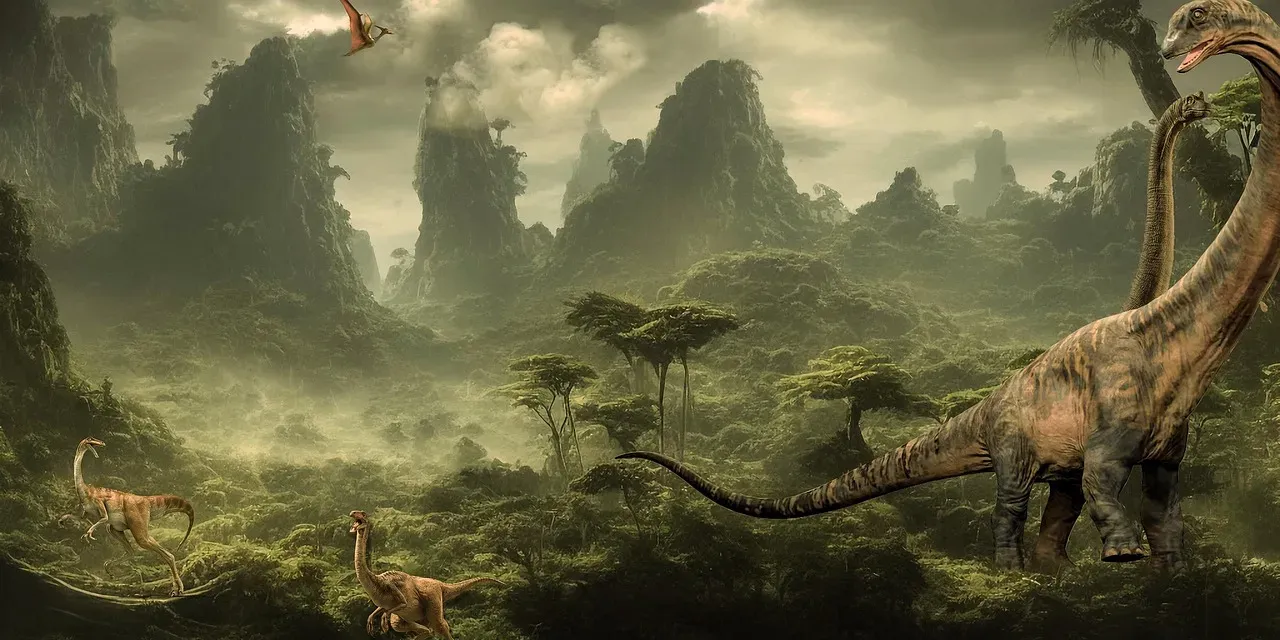
Perhaps the most emotionally striking theory of all is this: the dinosaurs were not failing. They were thriving. For many years, scientists assumed dinosaurs were already declining in both numbers and diversity well before an asteroid impact ended their dominance 66 million years ago. New findings published in the journal Science by researchers from Baylor University, New Mexico State University, the Smithsonian Institution, and an international group now challenge that assumption. Rather than struggling to survive, dinosaurs were still thriving.
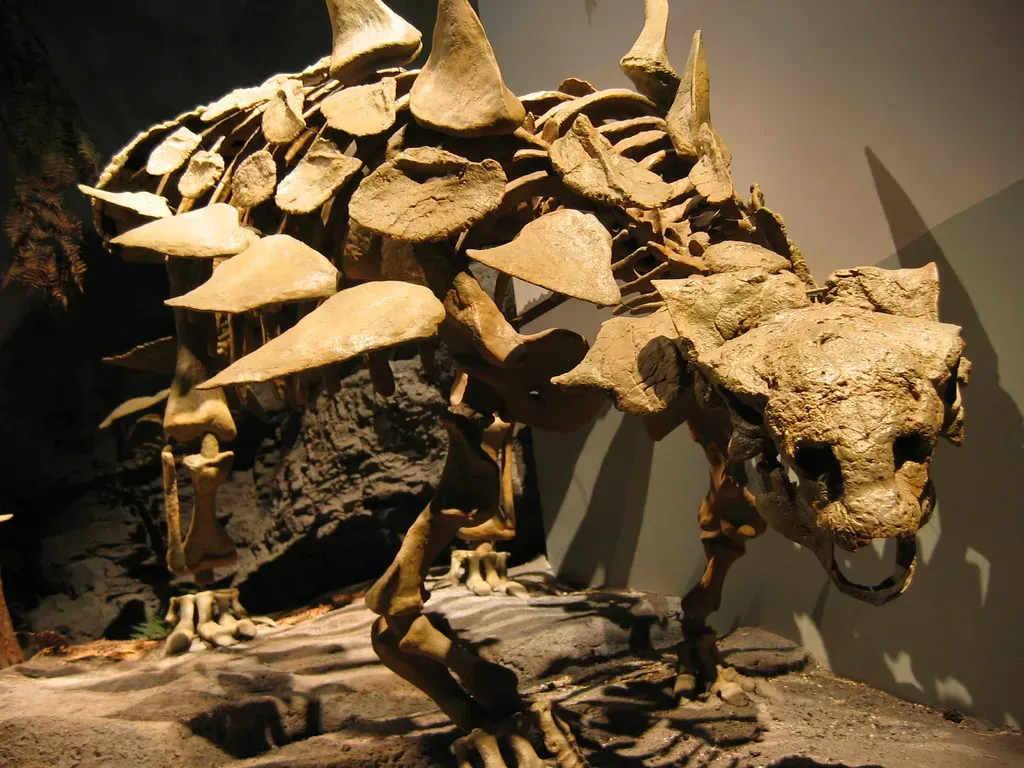
Instead of showing signs of weakness, dinosaur populations across North America were healthy and varied, with clear regional differences. Through ecological and biogeographic analysis, researchers found that dinosaurs in western North America occupied distinct “bioprovinces,” shaped by temperature variations rather than physical barriers like rivers or mountain ranges. The late Maastrichtian rocks contain the largest members of several major clades, including Tyrannosaurus, Ankylosaurus, Pachycephalosaurus, Triceratops, and Torosaurus, which suggests food was plentiful immediately prior to the extinction. They weren’t struggling. They were at the peak of their game. That makes their sudden disappearance all the more haunting.
Conclusion: The Mystery That Keeps Evolving
What makes the story of the dinosaurs’ final days so endlessly compelling is that science keeps rewriting it. Every decade brings a new layer of understanding, a new fossil site, a new chemical analysis, or a bold challenge from a maverick researcher. Paleontologists largely agree that an asteroid dealt the final blow to non-avian dinosaurs, but their susceptibility to annihilation when the asteroid plummeted to Earth remains an open question.
The asteroid impact that wiped out the dinosaurs didn’t keep life down for long. New research shows that microscopic plankton began evolving into new species within just a few thousand years, and possibly in under 2,000 years, after the disaster. Life, it turns out, is astonishingly resilient. The dinosaurs were gone – but the story of life on Earth was far from over.
Ten theories, 66 million years of mystery, and science still does not have a perfectly clean, unified answer. Honestly, that is what makes it so captivating. The dinosaurs ruled this planet with extraordinary success, were stopped in their tracks by forces almost unimaginably vast, and left behind a world that eventually gave rise to us. What would you have guessed caused the end of the dinosaurs’ reign – and does the truth surprise you?