
Have you ever felt a sudden urge to change your plans, only to later discover that decision saved you from something unpleasant? Maybe you’ve met someone new and just knew, without any logical explanation, whether you could trust them or not. These aren’t coincidences or mystical powers at work. They’re glimpses of your intuition trying to guide you through life’s endless maze of choices.
Intuition appears in consciousness without obvious deliberation, generated by the unconscious mind rapidly sifting through past experience and cumulative knowledge. Think of it like an internal compass that’s been quietly collecting data your entire life, waiting for the right moment to point you in a direction. The fascinating part? You already have this ability. Everyone does. Yet so many of us have learned to silence that inner voice in favor of logic, analysis, and what others think we should do. Here’s the thing, though: the most intuitive people among us haven’t been gifted with some supernatural talent. They’ve simply learned to recognize, trust, and nurture their intuitive abilities through specific, repeatable habits. Ready to discover what separates those who tap into their inner wisdom from those who second-guess every decision?
They Create Space for Silence and Solitude

You can’t hear a whisper in a noisy room. Before you can pay attention to your intuition, you first have to be able to hear it amid the cacophony of your busy life, which often requires solitude, even something as brief as going for a walk. Intuitive people understand that their inner voice speaks softly, so they deliberately carve out quiet moments throughout their day.
This doesn’t mean you need to spend hours in meditation on a mountaintop. Sometimes it’s just five minutes of sitting with your morning coffee without scrolling through your phone. Other times it’s choosing to drive without the radio blasting. When your energy is scattered, it’s harder to get in touch with your intuition, and because intuition arises during quieter times, spending time in silence can help you to get more in tune. The modern world bombards us with constant stimulation, making silence feel almost uncomfortable. Learning to sit with that discomfort, though, is where the magic happens.
They Listen to Physical Sensations in Their Bodies

Intuitive people learn to tune into their bodies and heed their gut feelings, understanding that intuitions can cause a physical sensation in the body. Have you ever felt butterflies in your stomach before making a big decision? That queasy feeling when something seems off? These aren’t random. Research suggests that emotion and intuition are very much rooted in the second brain in the gut.
Honestly, this is one of the most underrated skills you can develop. Your body often knows something is wrong before your conscious mind catches up. Intuitive individuals pay attention when their shoulders tense up during a conversation, when their heart races at the mention of a particular opportunity, or when they feel an unexplainable sense of calm about a risky choice. They’ve learned that their physical reactions are valuable data points, not just meaningless biological noise to be ignored.
They Practice Mindful Awareness Daily
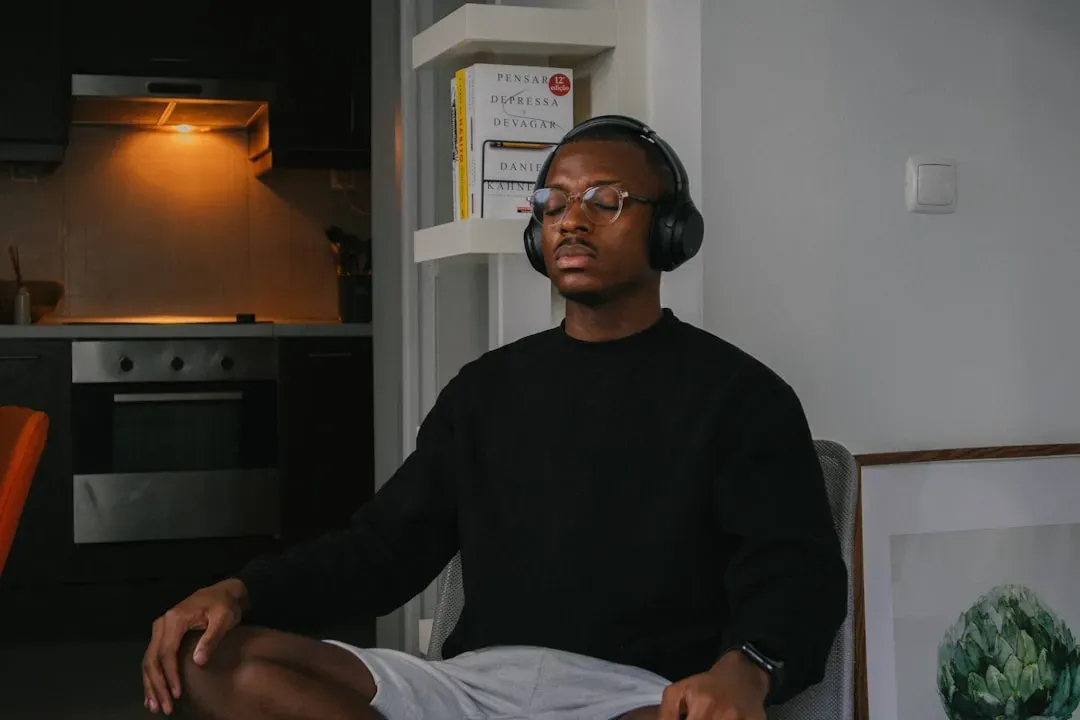
Mindfulness is really just a fancy term for focusing on being in the moment, a great technique to filter out all of the distractions in your environment and your brain, allowing you to hear your intuition loud and clear. When you’re constantly worrying about tomorrow or replaying yesterday’s conversations, you miss the subtle signals happening right now.
It’s like trying to tune into a specific radio station while ten others play at once. Mindful people create mental clarity by bringing their full attention to the present moment. Meditation and other mindfulness practices can be an excellent way to tap into your intuition, helping you filter out mental chatter and tune into your intuition. Start small. Notice the texture of your food, really feel the water during your shower, or focus completely on one task without multitasking. These tiny acts of presence build your intuitive muscles over time.
They Keep an Intuition Journal

Here’s something most people never think to do: write down your hunches. Keeping a little journal where you notice when odd things happen helps you gain a keen sense for how often coincidences, surprising connections and on the dot intuitions occur in your daily life. This practice transforms vague feelings into concrete patterns you can study.
Jot down moments when you had a gut feeling, what action or inaction you took, and over time you’ll begin to recognize these patterns and learn to trust your gut when they show up again. I think this is crucial because memory is notoriously unreliable. We tend to remember the times our intuition was spectacularly right while forgetting all the false alarms. A journal keeps you honest. It shows you when your gut steers you correctly and when it leads you astray, helping you calibrate your internal compass with actual evidence.
They Develop Empathic Accuracy with Others

Highly intuitive people practice empathic accuracy, an intuitive awareness of what other people are thinking and feeling using cues such as body language and tone of voice, helping foster deep connections. This isn’t mind reading in some supernatural sense. It’s about becoming incredibly attuned to the subtle signals people constantly broadcast.
Think about it. Someone says they’re fine, yet their voice cracks slightly. Their words say one thing, but their crossed arms and averted gaze tell a different story. Intuitive people pick up on these micro-expressions and tonal shifts that most of us miss because we’re too focused on the literal words being spoken. This skill grows stronger the more you practice genuinely paying attention to people, not just waiting for your turn to talk.
They Nurture Their Creative Side Regularly

Creative people are highly intuitive, and just as you can increase your creativity through practice, you can boost your intuition, with practicing one building up the other. Creativity and intuition are deeply connected because both involve making unexpected connections between seemingly unrelated things.
This doesn’t mean you need to become a professional artist. Maybe you doodle while thinking through a problem, cook without following recipes exactly, or take a different route home just to see where it leads. Creative activities quiet the analytical part of your brain that always demands logical explanations, giving your intuitive side room to breathe. Some of my best insights have come while doing something completely unrelated to the problem I was trying to solve. That’s not procrastination, that’s your unconscious mind working behind the scenes.
They Ask Specific Questions and Wait for Answers

Receiving wisdom from your intuition shouldn’t be a passive experience, as getting specific about the information you need and what kind of answers you’re looking for leads to clearer answers. Vague questions get vague responses. Intuitive people frame their inquiries with precision.
Instead of wondering “Should I take this job?” they might ask “Will this position allow me to grow in the ways I value most?” Then comes the hard part: waiting. Allowing your unconscious mind to process complex problems in the background enables intuition to surface a solution more effectively than conscious deliberation, where you see the solution in a lightbulb moment. This is why the answer often comes during a shower, a walk, or right before falling asleep. Your conscious mind finally gets out of the way.
They Test Their Intuitive Hunches with Action

Start with the small stuff rather than huge life altering decisions, practicing trusting your gut on small things, making it easier when the stakes are higher, building confidence through experience. Which sandwich sounds better for lunch? Should you call that friend right now or wait? Which project feels most urgent today?
These low stakes decisions become your training ground. Test your intuitions like you’d test a hypothesis by following up on decisions made via gut feeling and assessing them afterward, as the more you reflect, the more calibrated your internal compass becomes. You’ll start noticing patterns. Maybe your afternoon energy slumps align with certain lunch choices, or perhaps that friend always appreciates spontaneous calls more than planned ones. Each small intuitive experiment builds data your unconscious can use.
They Balance Intuition with Analysis Rather Than Choosing One

Let’s be real here: blind faith in every gut feeling can lead you off a cliff. Treating gut feelings as signals rather than instructions creates valuable clues to guide decision making, with the most effective leaders learning to balance intuition with analytic intelligence. Neither intuition nor logic alone gives you the full picture.
Gut feelings will accurately tell someone what is good for them in daily life because intuitions develop over time based on vast experience, and the more experience you have in a particular area, the wiser it is to trust your gut. So use your intuition for areas where you have deep experience, then verify with data when possible. Use analysis to check for blind spots and biases. It’s not either or, it’s both and. The wisdom lies in knowing which tool to emphasize in different situations.
They Expand Their Experiences to Feed Their Pattern Recognition

Your intuition is only as good as the mental database it pulls from, like a pattern recognition machine connecting dots between what you’ve seen, learned, and experienced over time. Want better intuition? Give it more diverse material to work with.
Shake things up by stepping into unfamiliar environments, listening to podcasts on topics you know nothing about, talking to people outside your bubble, expanding the range of patterns your intuition can recognize, as the more diverse the dots, the more interesting the connections. Read that book from a completely different genre. Take a class that has nothing to do with your career. Travel somewhere that challenges your assumptions. Your intuition thrives on variety because it needs a rich library of experiences to draw from when facing new situations.
Conclusion: Your Intuition Is Already There, Waiting

Your intuition is always there, whether you’re aware of it or not, always reading the situation, always trying to steer you the right way. The question isn’t whether you have intuition. You do. The real question is whether you’ll create the conditions for it to flourish. These ten habits aren’t complex or mysterious. They’re simple, practical approaches that anyone can start implementing today.
The beauty of developing your intuition is that it becomes stronger the more you use it. Like any skill or ability, intuition can be developed through deliberate practice, and the more you practice, the more you will refine your ability to draw on and trust your intuition. Start with one or two of these habits. Notice what happens when you create more silence in your life. Pay attention to those subtle body sensations you usually ignore. Keep that journal for just a week and see what patterns emerge. You might be surprised at how quickly your inner wisdom starts speaking louder. What small step will you take today to start listening?