
You know that feeling when something just seems off about someone? Maybe they say all the right things, but your gut keeps whispering warnings. Trust is one of those things we give freely until someone proves they don’t deserve it. The tricky part is, not everyone wears their dishonesty like a badge. Some people are masters at hiding their true nature behind charm, excuses, or even fake vulnerability.
Here’s the thing: untrustworthy people often share certain behaviors. These aren’t always loud, glaring red flags. Sometimes they’re subtle patterns that slowly chip away at your confidence in them. Learning to spot these habits can save you from disappointment, betrayal, or worse. So let’s dive in.
They Tell Stories That Never Quite Add Up

When someone struggles to keep their narratives straight, it’s often because they’re juggling multiple cognitive tasks, and this difficulty introduces inconsistencies in their deception. You’ve probably experienced this yourself. Someone tells you about their weekend plans, and then later, the details shift. Maybe the restaurant changes locations, or suddenly there’s a friend involved who wasn’t mentioned before.
Trust is built on honesty and consistency, and inconsistency in stories may indicate someone is trying to deceive you. The reason is pretty straightforward: maintaining a lie over time is exhausting. Your brain has to remember what you said, to whom, and when. Eventually, something slips. If you notice someone constantly revising their stories or contradicting themselves, take note.
They’re Champions of the Blame Game

Nothing is ever their fault. Seriously, nothing. Untrustworthy individuals tend to point the finger at others and rarely take responsibility for their actions. They deflect blame faster than you can say accountability. When things go wrong, they’ll twist the narrative until somehow, everyone else is responsible for the mess they created.
This behavior is a form of defense mechanism known as projection, where individuals deflect any blame onto others to protect their ego. It’s frustrating, honestly. You end up feeling like you’re the one who messed up, even when you know you didn’t. People who are prone to blaming others often do so to protect their self-esteem and maintain their positive self-image.
Confidentiality Means Nothing to Them

Untrustworthy people relish the opportunity to share juicy nuggets of information that they’ve been told in confidence, believing it will boost their own popularity. They can’t resist the urge to gossip. You share something personal, something you’d rather keep private, and before you know it, it’s making the rounds.
The thing is, once someone breaks your confidence, it’s nearly impossible to trust them again. Confidentiality is a sacred bond, and once someone has broken a pledge of confidentiality, there is no second chance. Watch how people treat other people’s secrets. If they’re dishing dirt about others to you, chances are they’re doing the same with your information when you’re not around.
They Dodge Direct Questions Like It’s an Olympic Sport

Ever asked someone a simple, straightforward question only to receive a rambling, vague answer that tells you absolutely nothing? Untrustworthy people often avoid answering direct questions, and when asked something straightforward, they might dodge, change the subject, or provide vague responses instead of giving a clear answer.
Evasive behaviors, such as avoiding direct answers, are strategies used to manage the cognitive demands of deception and prevent exposure. They’re buying time, trying to figure out what answer will serve them best. It’s also about control. Avoiding direct questions allows them to steer the conversation in a direction that suits their agenda, keeping you in the dark.
Their Empathy Tank Is Running on Empty

A lack of empathy is essential for someone to be able to deceive or hurt other people, and most untrustworthy people are lacking this key emotion. They don’t seem to care how their actions impact you or anyone else. Nearly every untrustworthy person is able to rationalize being untrustworthy by diminishing the impact, pain, damage, or inconvenience they cause others.
When you can’t feel someone else’s pain, it becomes ridiculously easy to lie, cheat, or betray them. An empathetic person would never knowingly cause pain to others because they’re able to feel this pain themselves, and the ability to empathize acts like a brake on hurtful behavior. If someone consistently dismisses your feelings or shows zero remorse when they hurt you, that’s a massive warning sign.
They Break Rules Like It’s Their Personal Hobby

Chronic rule-breaking can signal that you’re dealing with an untrustworthy person, as these people often think the rules don’t apply to them or say they’re too busy to deal with them. It might start small. Running red lights “when no one’s looking,” cutting in line, or pocketing things that aren’t theirs. Transgressions can be smallish, but they can also be larger, more concerning issues, such as cheating on taxes, having affairs and skirting corporate policies at work.
The mindset here is pretty revealing. If someone believes rules are optional for them, what makes you think they’ll respect boundaries or commitments in your relationship? They won’t.
Their Values Change Depending on the Audience

When someone’s values shift depending on who they’re with, it raises questions about their moral core. One minute they’re preaching honesty, the next they’re lying through their teeth if it serves their purpose. People who frequently contradict themselves on moral matters often lack an internalized value system and adapt their values to fit the circumstances.
It’s like watching a chameleon. They morph into whatever version of themselves will gain approval or advantage in the moment. Being congruent, or consistent, across situations and relationships is important. When someone can’t maintain consistent values, they’re showing you they don’t really stand for anything.
They’re Secretive to a Suspicious Degree

While privacy is normal, secretive behavior is a red flag, and untrustworthy people often guard their phones obsessively – flipping them face down, texting in secrecy, or taking calls in another room. There’s a difference between valuing privacy and being secretive. Privacy is healthy. Secrecy, especially when it involves hiding basic information about yourself, is sketchy.
An untrustworthy person often seems to have something to hide, and they might be vague about their history, gloss over details, or outright refuse to discuss certain topics. If someone is consistently evasive about their past or present, chances are there’s something they don’t want you to discover.
They Weaponize Apologies
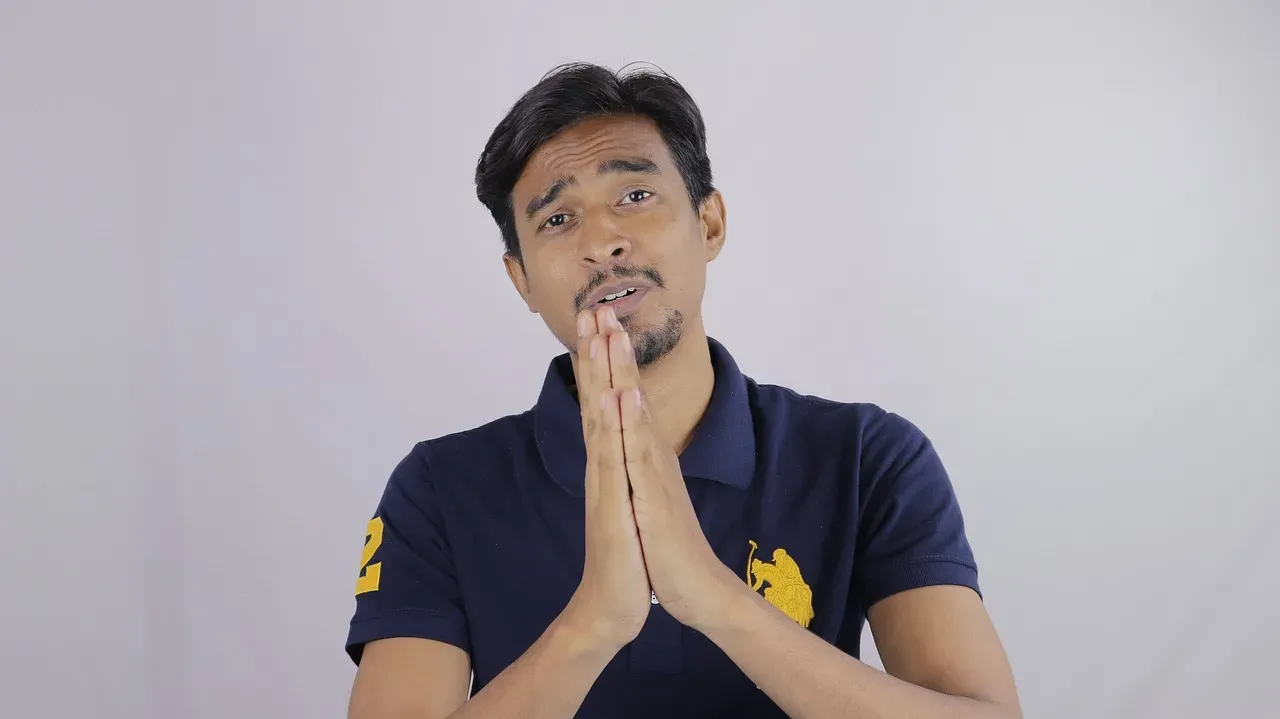
Untrustworthy people are skilled at issuing empty apologies that sound sincere but lack any real intention to change, and the pattern repeats itself: they apologize, get forgiven, and then do the same thing again. You’ve heard it before: “I’m sorry you feel that way.” That’s not an apology. That’s a deflection dressed up in apologetic language.
Genuine remorse leads to change – if they don’t change, they never meant it. Real apologies involve taking responsibility and making an effort not to repeat the behavior. If someone keeps doing the same hurtful thing over and over while offering hollow apologies, they’re manipulating you, not apologizing.
They Accuse Others of What They’re Actually Doing

People who are untrustworthy have an amazingly consistent habit of accusing others of behaviors that they themselves are exhibiting or are contemplating. This one is wild but incredibly common. Someone who’s cheating might constantly accuse their partner of cheating. Someone who lies might obsess over whether everyone else is lying to them.
Someone who is untrustworthy is likely to question how honest others are and is more likely to believe others are deceitful or harp on how others are dishonest. If someone is constantly accusing you of something which you know to be patently false, chances are very good that person is projecting their own untrustworthy behavior and insecurities onto you. It’s a projection game, and it’s exhausting.
Conclusion: Trust Your Instincts and Protect Your Peace

Recognizing these habits doesn’t mean you should become paranoid or assume everyone is out to deceive you. Most people are genuinely good and trustworthy. The key is paying attention to patterns. One isolated incident doesn’t define someone’s character. A consistent pattern of these behaviors? That’s a different story.
Trusting your instincts and previous experiences is an important tool for spotting red flags and choosing whom to spend time with. Your gut feelings exist for a reason. When something feels off, it usually is. Trust is earned, not freely given, and it’s okay to protect yourself by being discerning about who gets access to your life, your secrets, and your heart.
What do you think? Have you encountered people who displayed these habits? How did you handle the situation?