You’ve heard about Tyrannosaurus rex a thousand times. That massive predator dominates museum halls and Hollywood blockbusters, stealing all the attention while countless other prehistoric wonders remain hidden in the shadows. The truth is, T-Rex isn’t even close to being the only extraordinary dinosaur discovery worth talking about.
What you’re about to discover might surprise you. Beyond the celebrity status of that toothy tyrant, there’s a whole world of bizarre, spiky, feathered, and downright peculiar dinosaurs that have been quietly emerging from rock formations across the planet. Some of these creatures are so strange, they’ve left paleontologists scratching their heads. Others are so well preserved that they still retain traces of their original skin, colors, and even blood vessels.
Let’s dig into some of the most remarkable fossil finds that deserve just as much spotlight. Be prepared to meet dinosaurs that challenge everything you thought you knew.
Spicomellus: The Punk Rock Dinosaur From Morocco
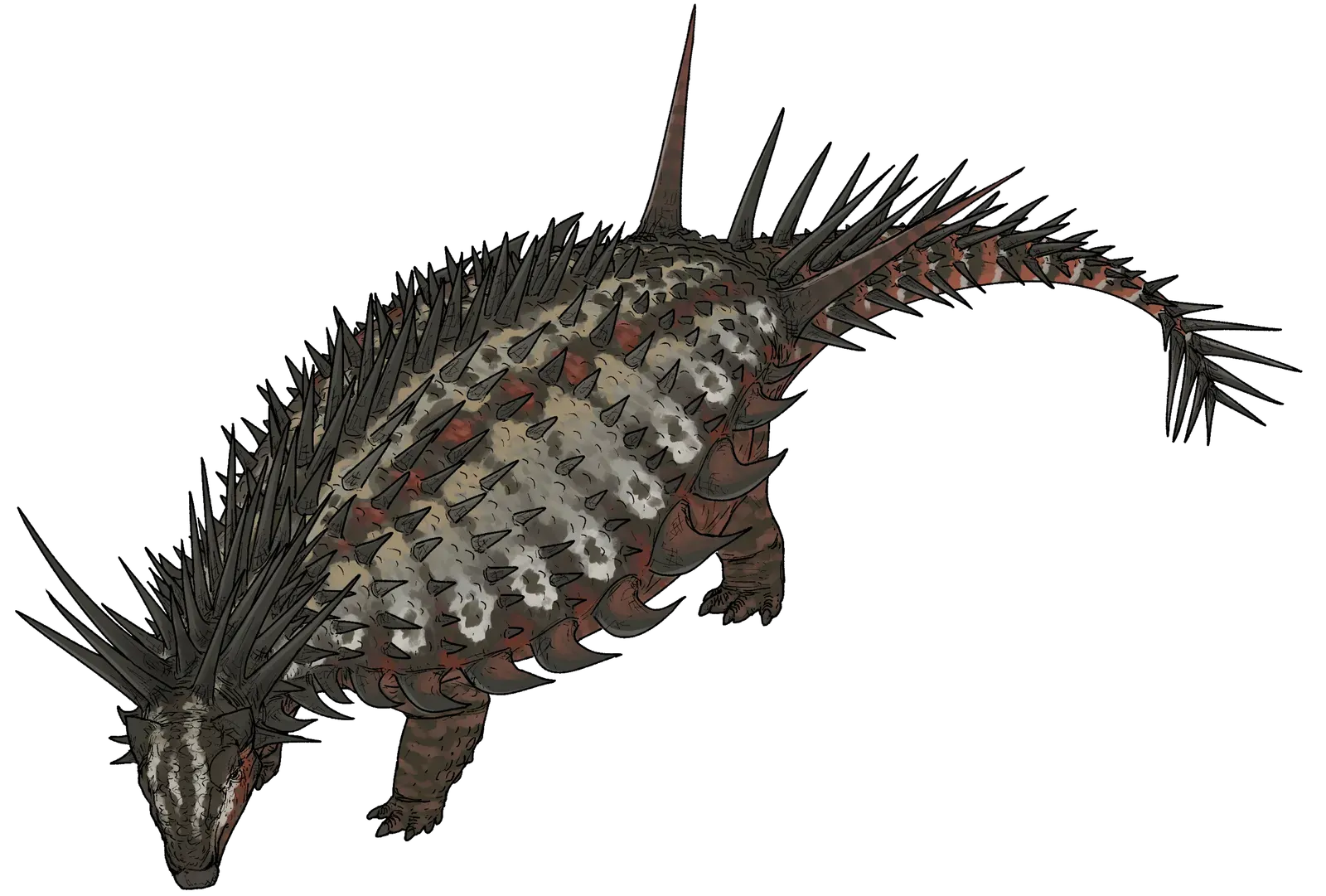
Spicomellus is the oldest known member of the ankylosaurs, resembling walking coffee tables and characterized by bizarre armor bristling with long spines all over the body, including a bony collar around the neck with spines the length of golf clubs sticking out of it. First named in 2021 based on an incomplete rib from 165-million-year-old rocks in Morocco, it featured a rib unlike that in any other animal, alive or extinct, with a series of long spines fused to its surface.
The remarkable thing about this creature is how it upends our understanding of armored dinosaurs. In August 2025, paleontologists published a much more complete look at Spicomellus based largely on another specimen unearthed in 2022 and 2023, revealing that the armored dinosaur was more than 165 million years old and yet had large spikes and a tail club normally associated with ankylosaurs that lived tens of millions of years later. Its discovery in Africa also challenged geographic assumptions about where these heavily armored herbivores originated.
Nanotyrannus: The Tyrannosaur That Refused to Die
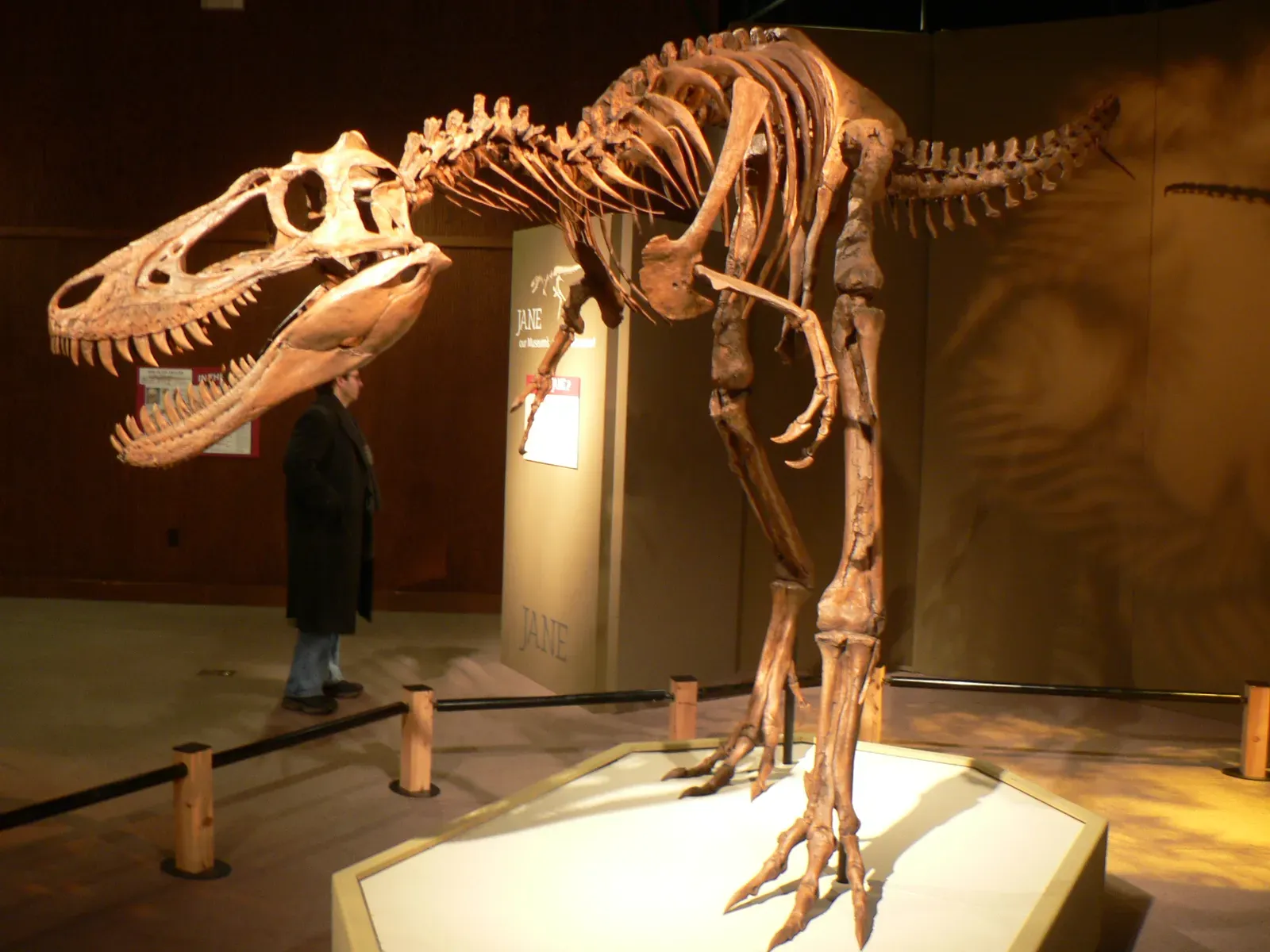
Here’s the thing about paleontology: sometimes the biggest debates are about whether a dinosaur even existed at all. Since the predatory creature was first named in 1988, paleontologists have argued over whether medium-sized tyrannosaur fossils found in the same rocks as T. rex were juvenile T. rex or a unique and distinct predator, Nanotyrannus, with the bulk of evidence appearing to favor the juvenile T. rex hypothesis.
The debate finally shifted dramatically in 2025. An analysis of a specimen nicknamed Bloody Mary, one of two creatures in the Dueling Dinosaurs assemblage, found enough anatomical evidence to support that Nanotyrannus is different from T. rex, including fewer tail vertebrae and more teeth than T. rex, as well as longer and stronger forearms. Let’s be real, discovering that this small tyrannosaur actually existed changes how we think about predator competition during the late Cretaceous period.
Haolong Dongi: The Spiky Dragon With Unprecedented Features
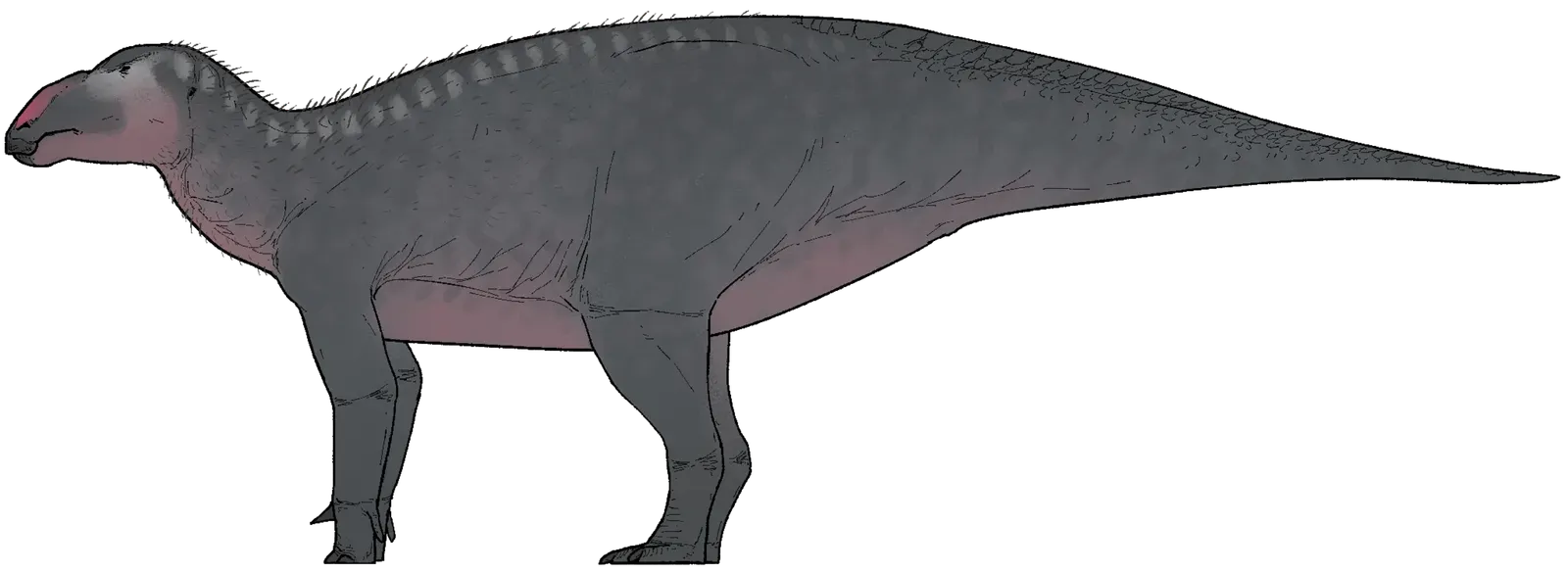
A new iguanodontian dinosaur species discovered in China featured fossilized skin showing hollow, cutaneous spikes, with X-ray scans and high-resolution histological sections revealing skin cells preserved for 125 million years. This discovery, announced in early 2026, represents something paleontologists had never seen before in dinosaur anatomy.
What makes Haolong dongi so extraordinary? This spiny dinosaur was herbivorous and lived under the predation pressure of small carnivorous dinosaurs, with its appendages comparable in their deterrent function to those of porcupines and representing a unique evolutionary innovation. Think about that for a moment: a plant-eating dinosaur essentially evolved porcupine-like defenses completely independently. Nature doesn’t just repeat itself, sometimes it invents entirely new solutions to the same problem.
Zavacephale: Mongolia’s Dome-Headed Dragon Prince
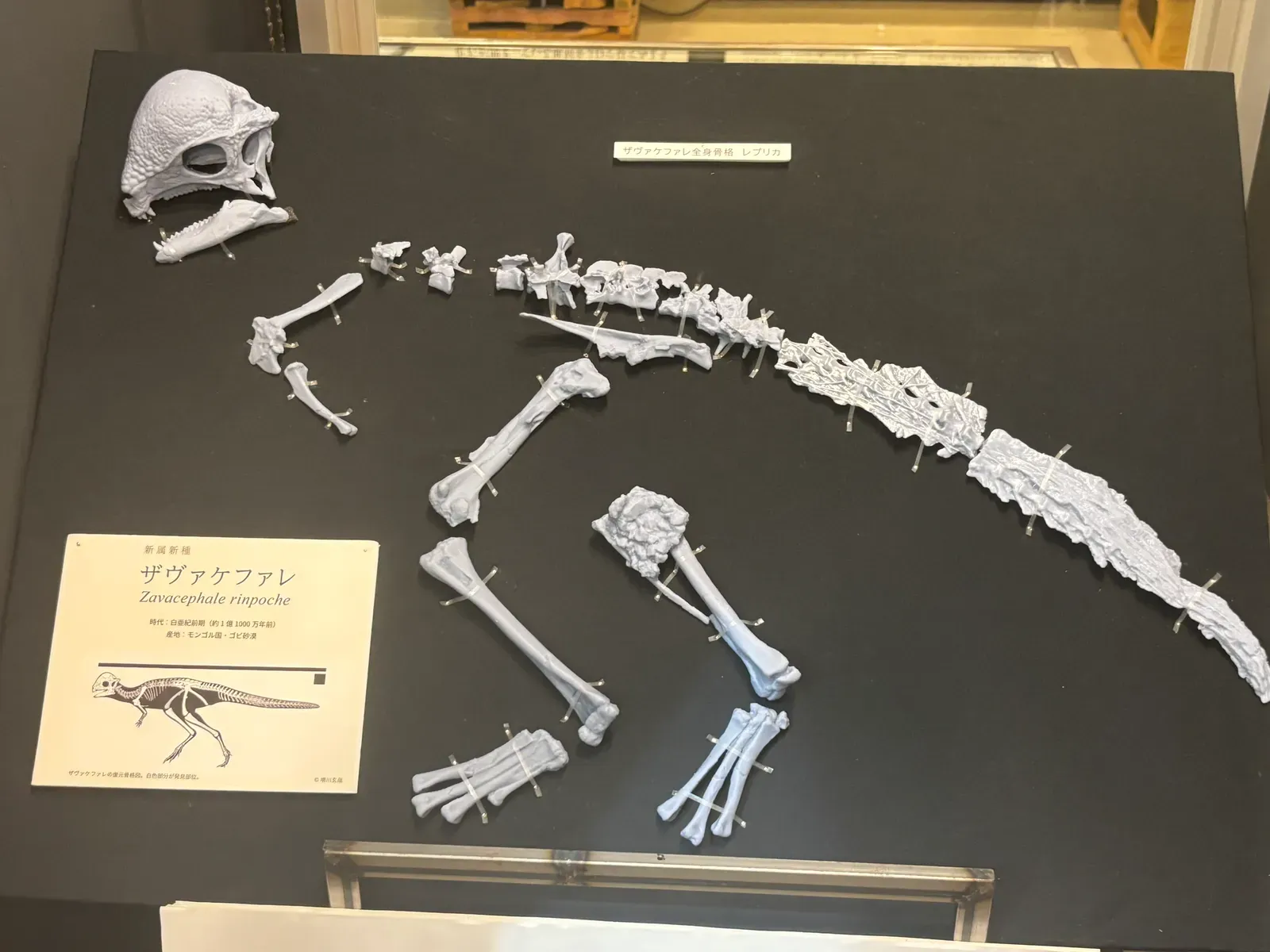
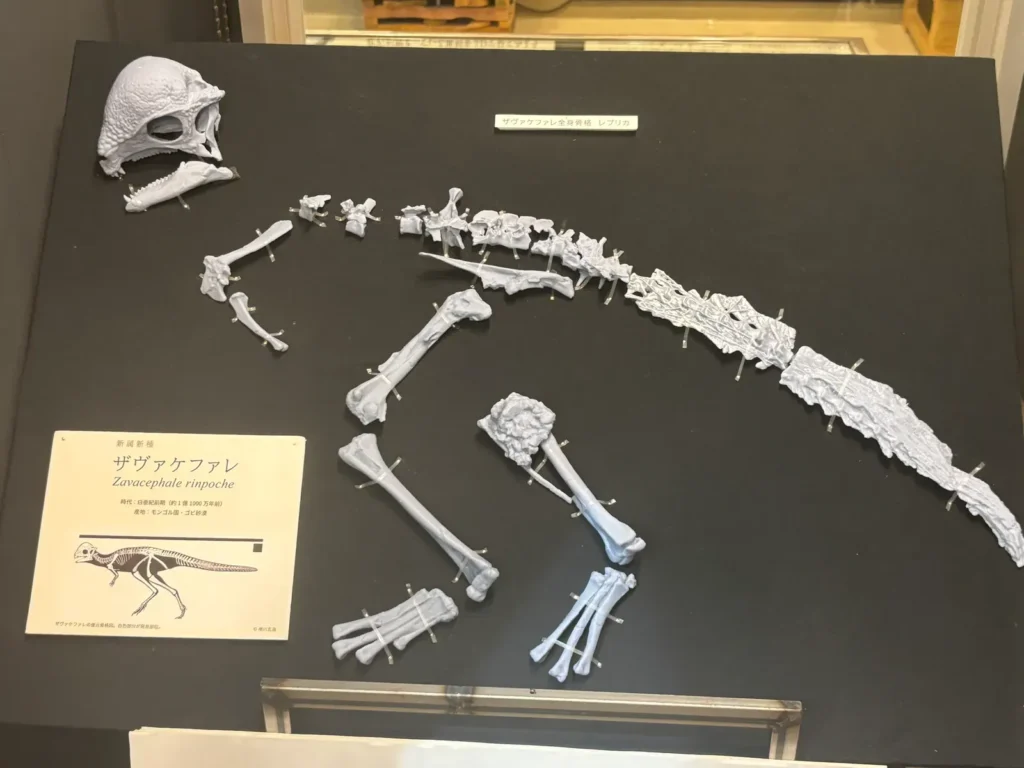
Scientists unearthed the earliest known pachycephalosaur in the Gobi Desert in Mongolia, naming it Zavacephale rinpoche. That date means Zavacephale is the oldest pachycephalosaur yet discovered, making it even more remarkable that it is also the most complete dinosaur of its family ever described, and contrary to expectations, it already had a domed skull, 14 million years before paleontologists thought these dinosaurs evolved the characteristic trait.
The stunning skeleton of this creature would draw audible gasps from experienced paleontologists at conferences. It appears that the dinosaur’s dome developed well before the animal finished growing, suggesting it was important for visual displays to other Zavacephale or perhaps even butting their heads into each other. Honestly, finding a complete specimen of the oldest member of a dinosaur family is like hitting the paleontological jackpot.
The Colorful Diplodocus: When Skin Tells Stories
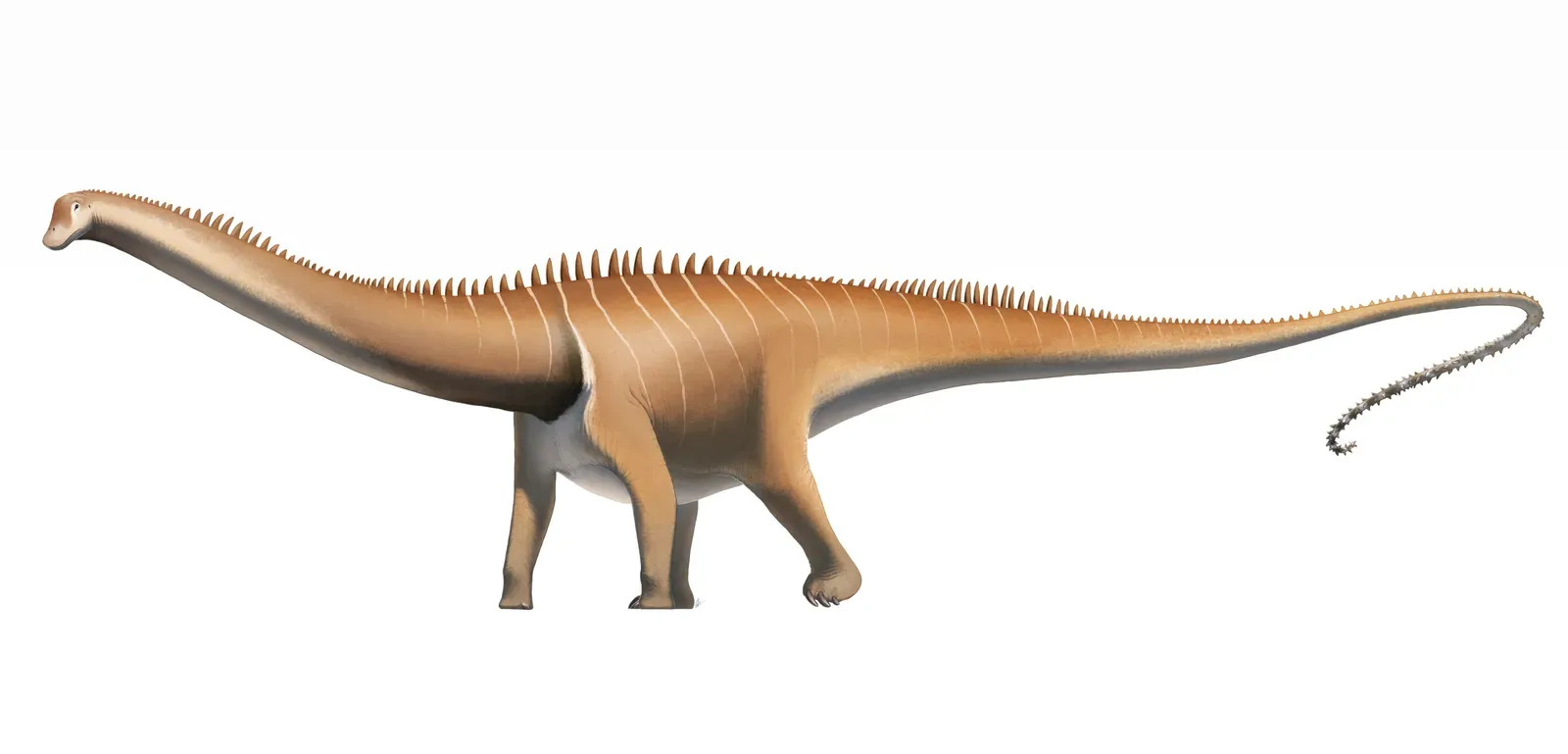
Sauropods are those iconic long-necked giants you’ve definitely seen in picture books. Everyone knows their basic shape, right? Sauropod dinosaurs are iconic herbivores, immediately recognizable by their small heads, long necks and bulky bodies, but beyond their familiar skeletons, the external appearance of these dinosaurs is not as well-known, as sauropod skin impressions and soft tissue fossils are very rare.
Something truly special emerged from Montana in 2025. From the Jurassic rocks of Montana’s Mother’s Day Quarry, paleontologists uncovered fossils of sauropod skin so delicately preserved that they include impressions of pigment-carrying structures called melanosomes, describing the discovery in December in Royal Society Open Science. While researchers were reluctant to reconstruct exact colors, they detected that this juvenile Diplodocus would have had considerable variation in its coloration. Imagine these massive creatures being as varied and vibrant as modern birds.
Istiorachis: The Sail-Backed Mystery of the Isle of Wight
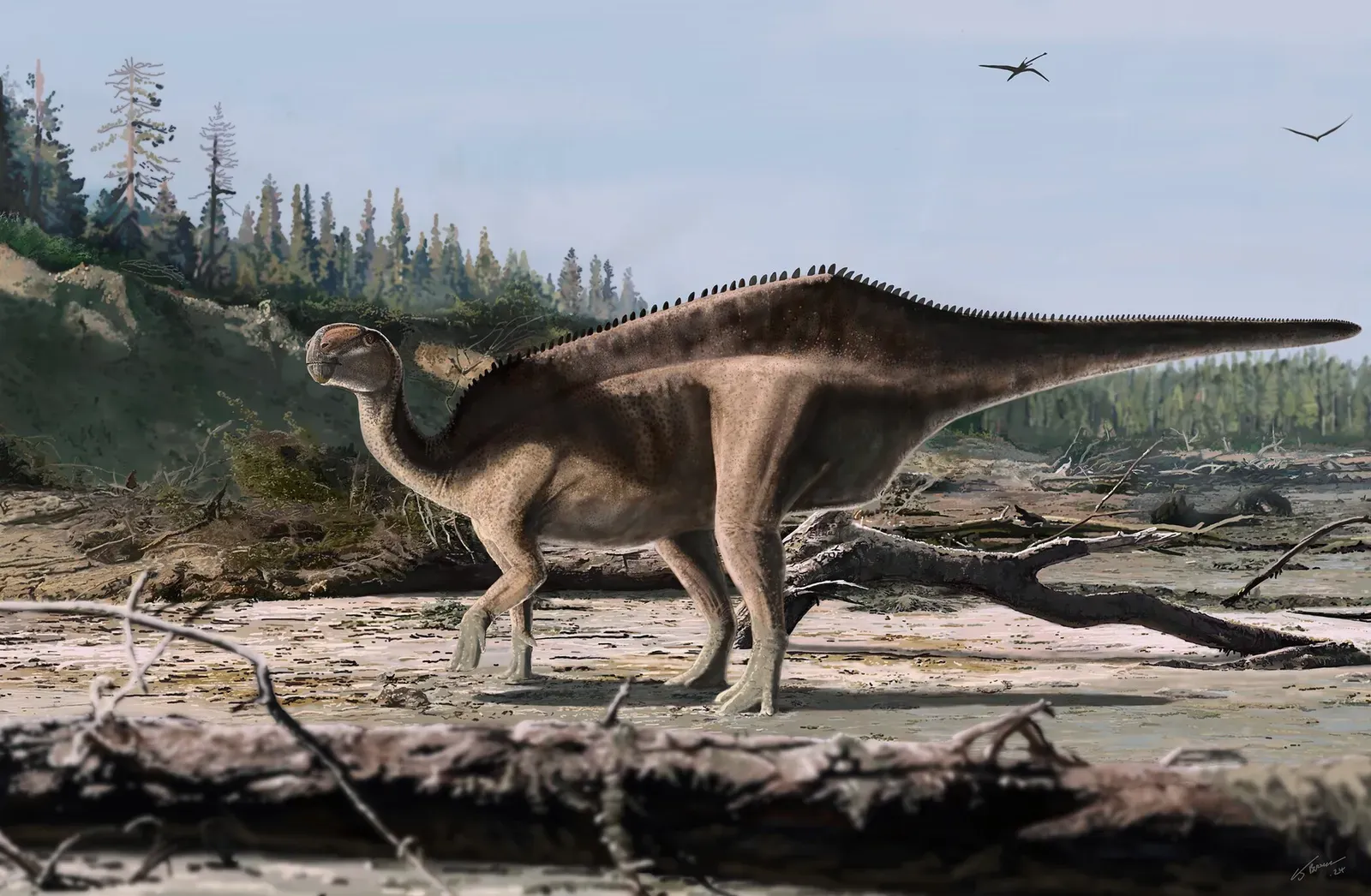
Dinosaur fossils have been common discoveries in the rapidly eroding Cretaceous Period-aged cliffs of the Isle of Wight, off the south coast of England, for nearly two centuries, yet even here there is much to learn, as Jeremy Lockwood, a retired doctor turned dinosaur expert, has since 2021 named three new species of large ornithopods. These are some of the most common groups of plant-eating dinosaurs.
These new species are closely related to Iguanodon, a four-legged ornithopod from Belgium with a very distinctive thumb spike, with Lockwood’s latest discovery, the 6-meter-long Istiorachis, being another herbivorous ornithopod with a striking sail-like structure running along its back. The sail raises fascinating questions about thermoregulation or display in these creatures. Was it for attracting mates? Regulating body temperature? Sometimes the most intriguing fossils are the ones that leave us with more questions than answers.
The Nodosaur of Alberta: Frozen in Time
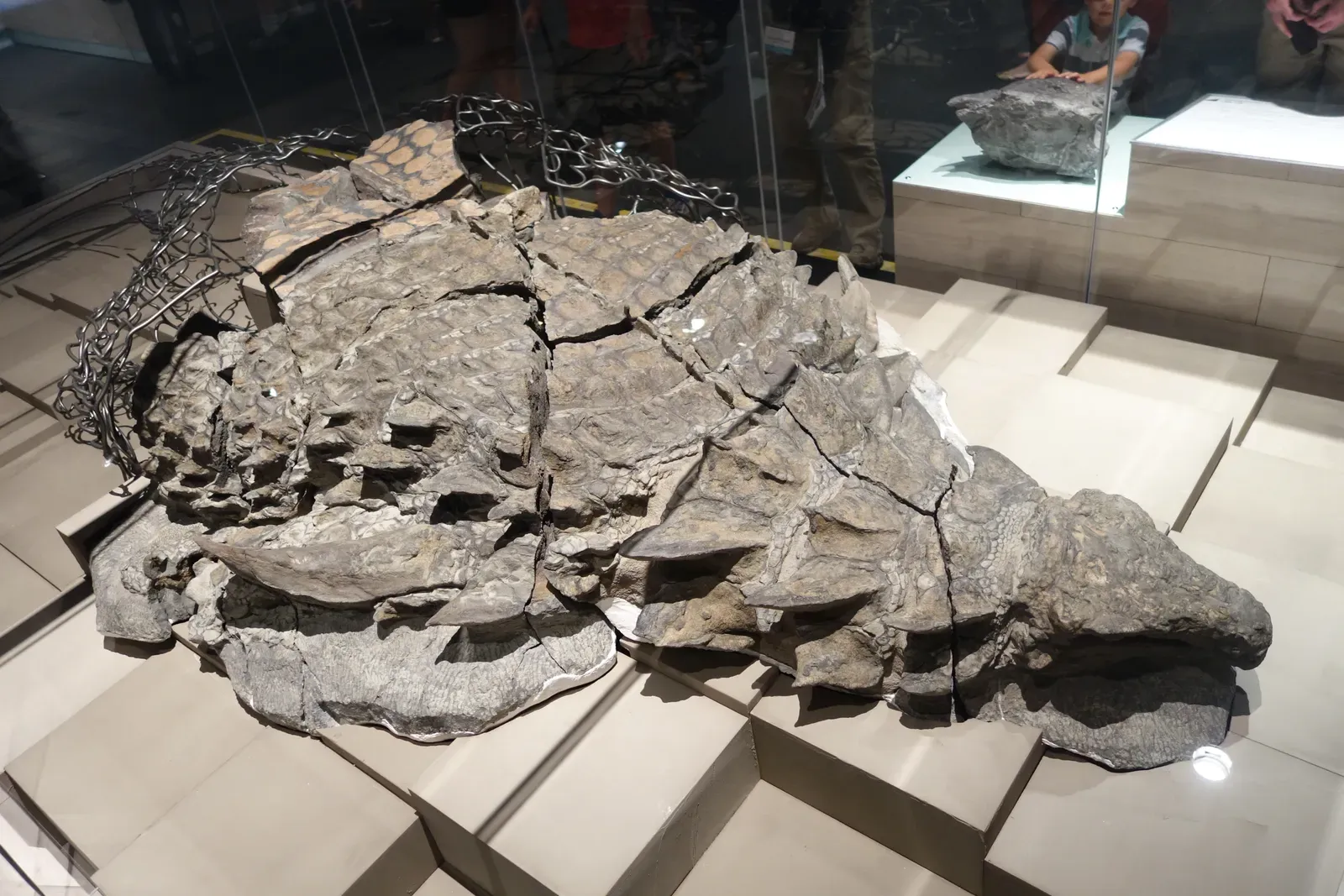
A 110 million-year-old nodosaur is the best preserved fossil of its kind ever found. Some 110 million years ago, this armored plant-eater lumbered through what is now western Canada, until a flooded river swept it into open sea, with the dinosaur’s undersea burial preserving its armor in exquisite detail, its skull still bearing tile-like plates and a gray patina of fossilized skins.
The dinosaur is so well preserved that it might have been walking around a couple of weeks ago, according to one paleobiologist. The remarkable fossil is a newfound species of nodosaur, a type of ankylosaur often overshadowed by its cereal box-famous cousins, with nodosaurs having no shin-splitting tail clubs. It’s hard to say for sure, but this might be the closest thing to seeing a living dinosaur that any of us will ever experience.
The Transylvanian Bone Bed: A Dinosaur Traffic Jam
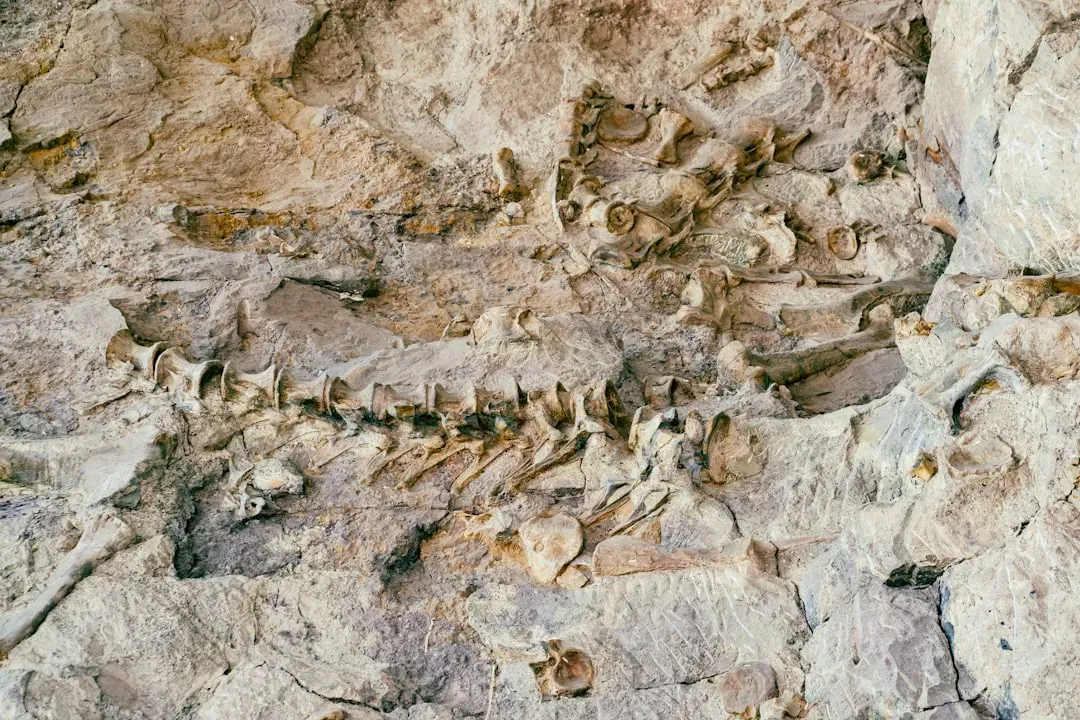
The Hațeg Basin in Transylvania has long been known around the world for its dinosaur fossils, with complete dinosaur discoveries usually uncommon across the region, though that pattern changed with the identification of a newly studied site where scientists documented more than 100 vertebrate fossils per square meter, including large dinosaur bones lying almost directly on top of one another.
This exceptional density of fossils is virtually unprecedented. For more than five years, the Valiora Dinosaur Research Group has been carrying out fieldwork in the western Hațeg Basin, examining rocks that date back to the Upper Cretaceous and capture the final few million years before dinosaurs disappeared, with excavations revealing fossil-rich deposits containing thousands of remains from amphibians, turtles, crocodiles, dinosaurs, pterosaurs, and mammals. It’s like discovering a prehistoric graveyard where multiple ecosystems converged.
Dinosaur Eggs With Radioactive Secrets
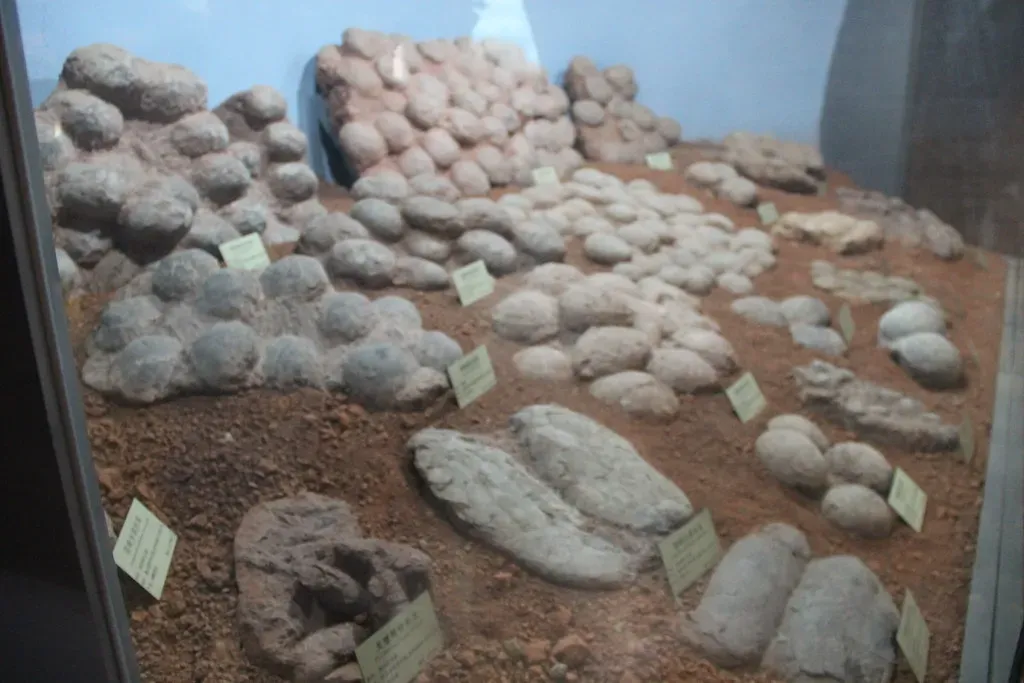
Dating dinosaur fossils has always been tricky business. Telling time has always been a challenge in paleontology, and if dinosaur fossils are found in a geological layer adjacent to volcanic rock, scientists can directly date the surrounding material, but many dinosaur fossils are found in rock layers that can’t be directly dated, so their ages are estimated by other means.
Scientists may have cracked this problem in a surprising way. Two teams of paleontologists may have found a new way to date those difficult layers by getting clues from dinosaur eggs, with one team dating minerals preserved within the space inside a fossil dinosaur eggshell to get a direct age, and the other analyzing radioactive isotopes. This breakthrough means we might finally be able to accurately date thousands of fossils that have remained mysteries for decades.
Blood Vessels Preserved in Scotty’s Ribs
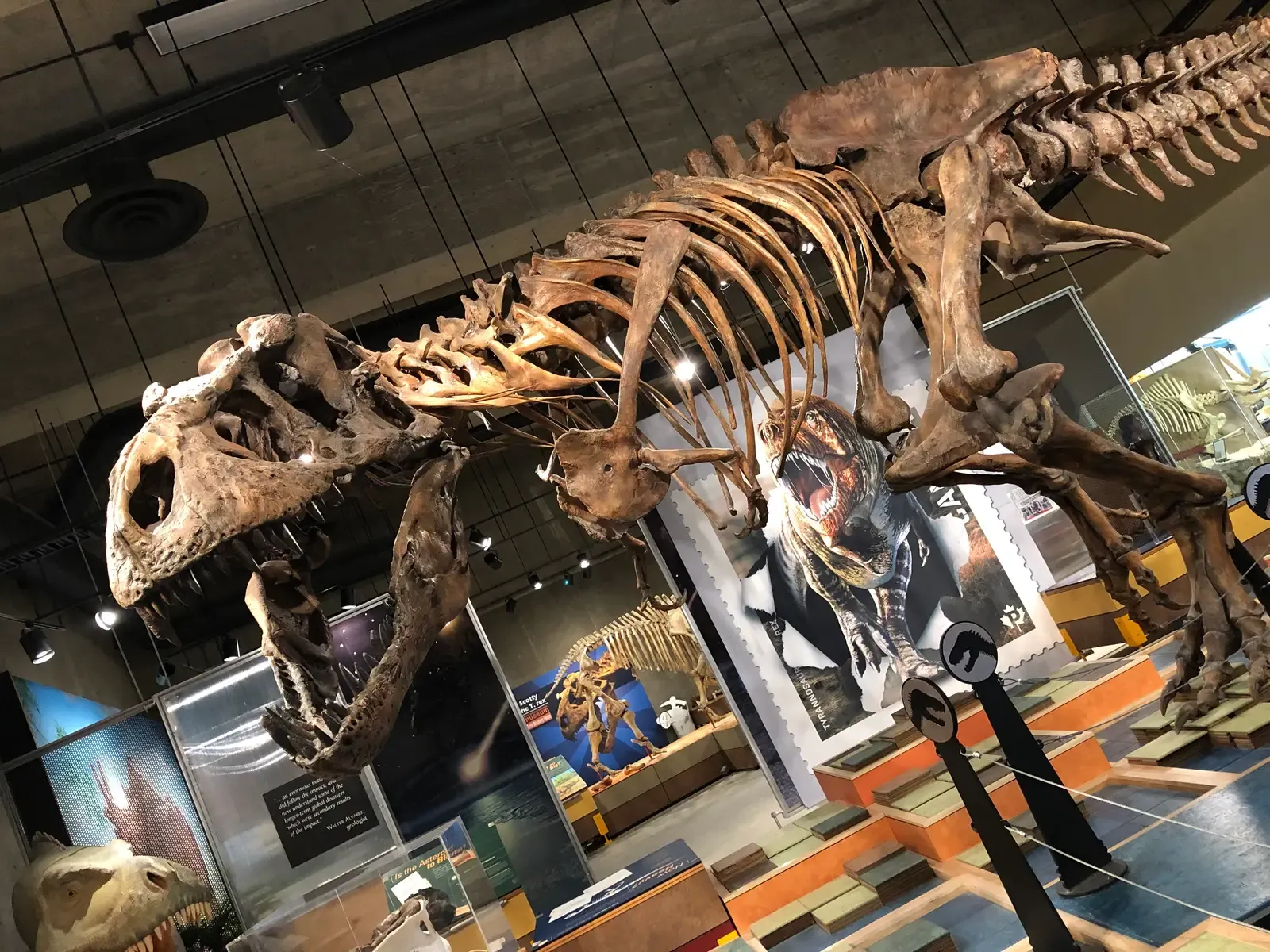
Scotty is one of the largest T-Rex skeletons ever found, rivaling the famous Sue in size. The huge carnivore made the news in 2025 for tiny structures found inside one of its fossilized ribs, with a new study published in Scientific Reports in July reporting the discovery of remnants of blood vessels inside a rib from Scotty’s skeleton.
Let that sink in for a moment. We’re talking about soft tissue structures preserved for tens of millions of years. Researchers have uncovered thousands of preserved metabolic molecules inside fossilized bones millions of years old, offering a surprising new window into prehistoric life. These discoveries suggest that fossils contain far more biological information than we ever imagined possible, potentially unlocking secrets about dinosaur physiology that seemed forever lost to time.
Conclusion: The Golden Age of Dinosaur Discovery
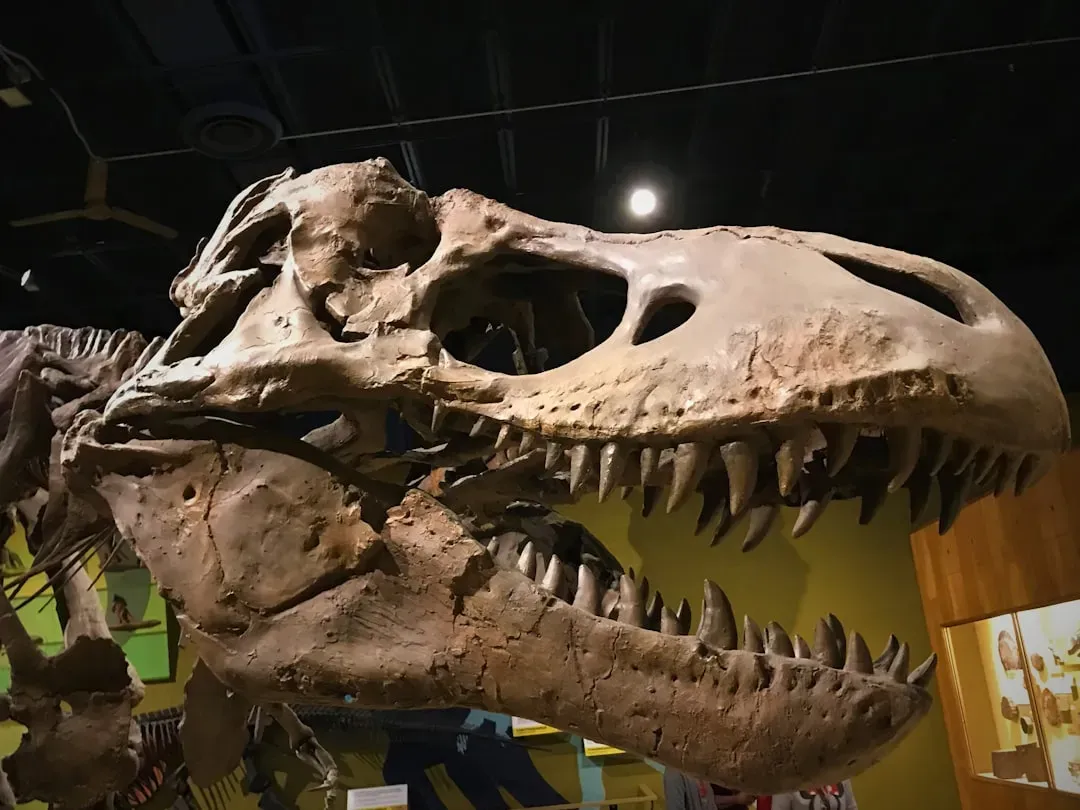
A golden era in dinosaur science is driving fascination with dinosaurs, with around 1,400 dinosaur species now known from more than 90 countries, and the year 2025 has so far seen the discovery of 44 new dinosaur species, nearly one a week. Every single month brings new revelations that fundamentally change how we understand these ancient creatures.
From spiky armor unlike anything else in nature to preserved blood vessels that shouldn’t exist, these hidden gems remind us that the age of dinosaurs was far more diverse, complex, and bizarre than any movie could capture. The next time you visit a museum and everyone crowds around the T-Rex skeleton, take a moment to explore the quieter corners. That’s where the real treasures hide, waiting to blow your mind with their strangeness.
What discoveries do you think are still buried beneath our feet, just waiting to be found? The next revolutionary fossil could be uncovered tomorrow, rewriting everything we thought we knew.