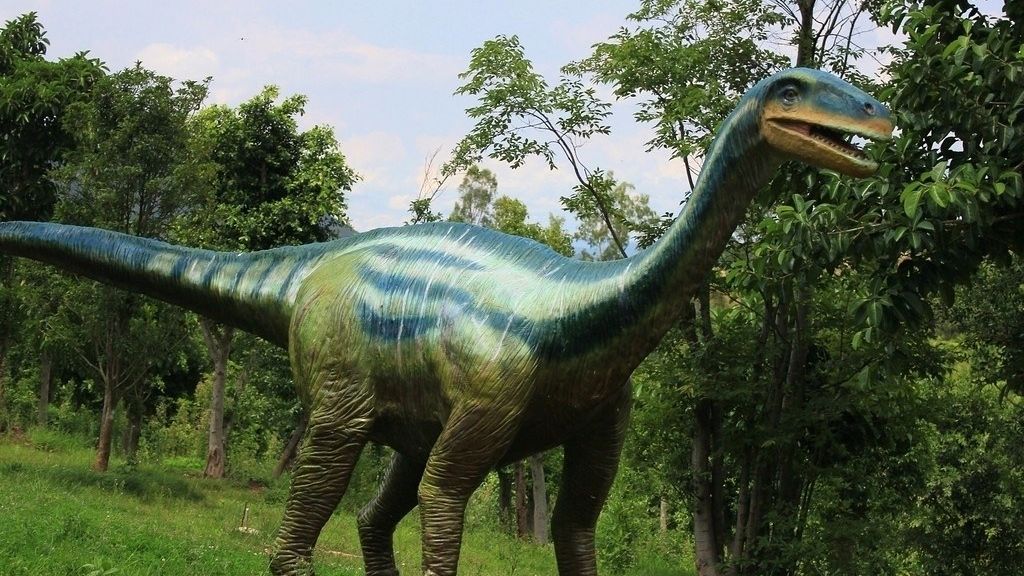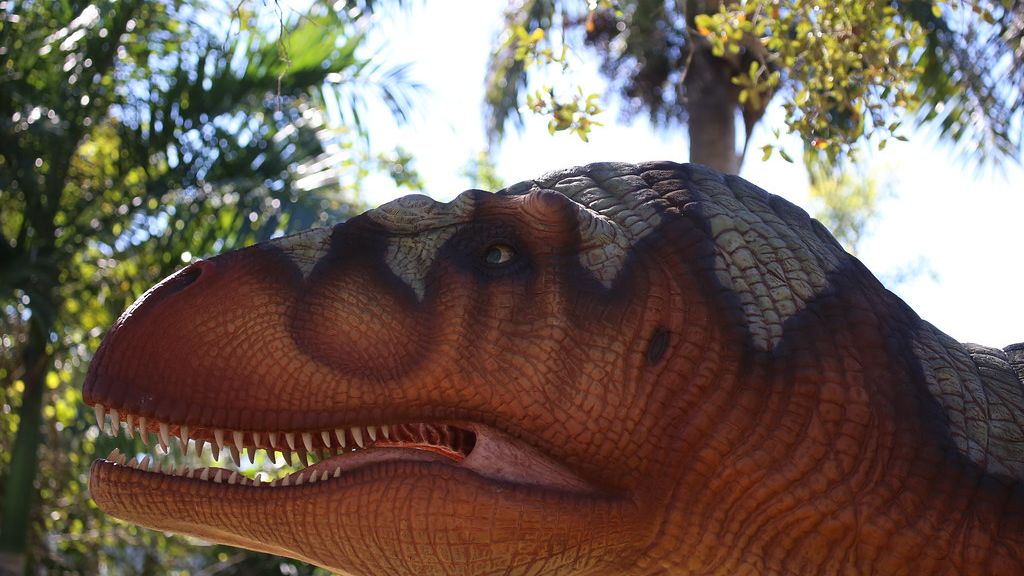
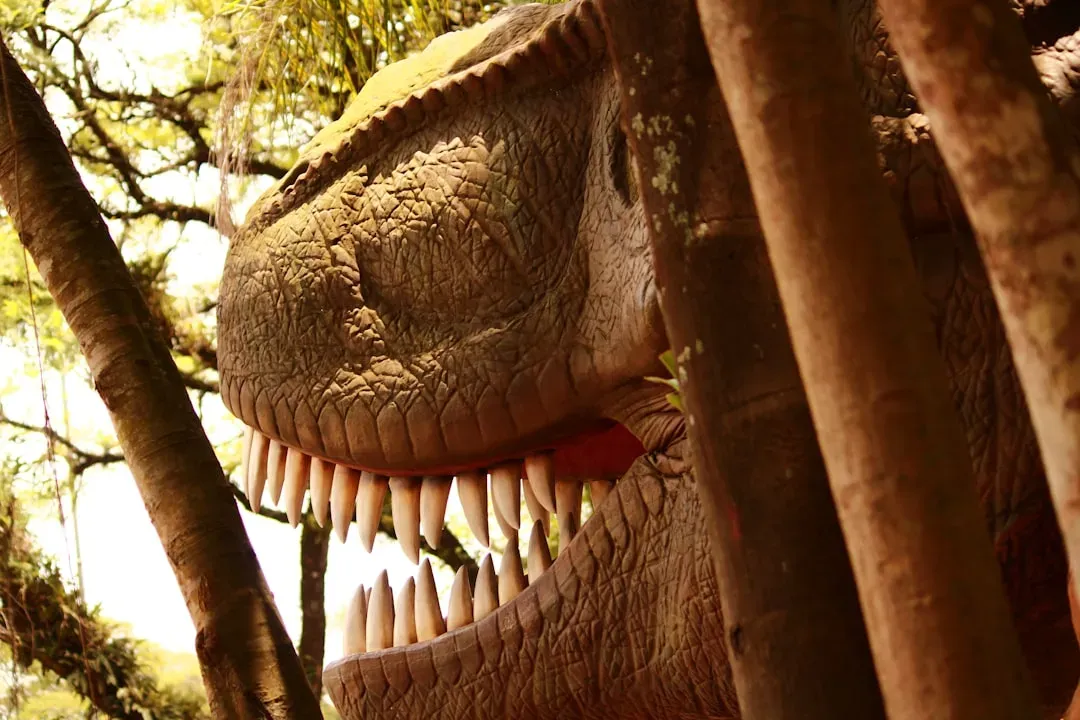
Most people picture dinosaurs as thundering, solitary killing machines – grey-skinned, cold-blooded, and about as emotionally complex as a rock. Honestly, that image couldn’t be further from the truth. Modern paleontology is quietly dismantling that old Hollywood version, one fossil at a time, and what’s replacing it is something far stranger and far more fascinating.
You might be surprised to learn that understanding dinosaur behavior has long been held back by the inevitable absence of evidence from animals that went extinct more than sixty-five million years ago. Today, with new discoveries and cutting-edge techniques, paleontologists are making real advances in reconstructing how dinosaurs actually lived and acted. The science is moving fast. Let’s dive in.
They Were Far More Intelligent Than You’ve Been Told
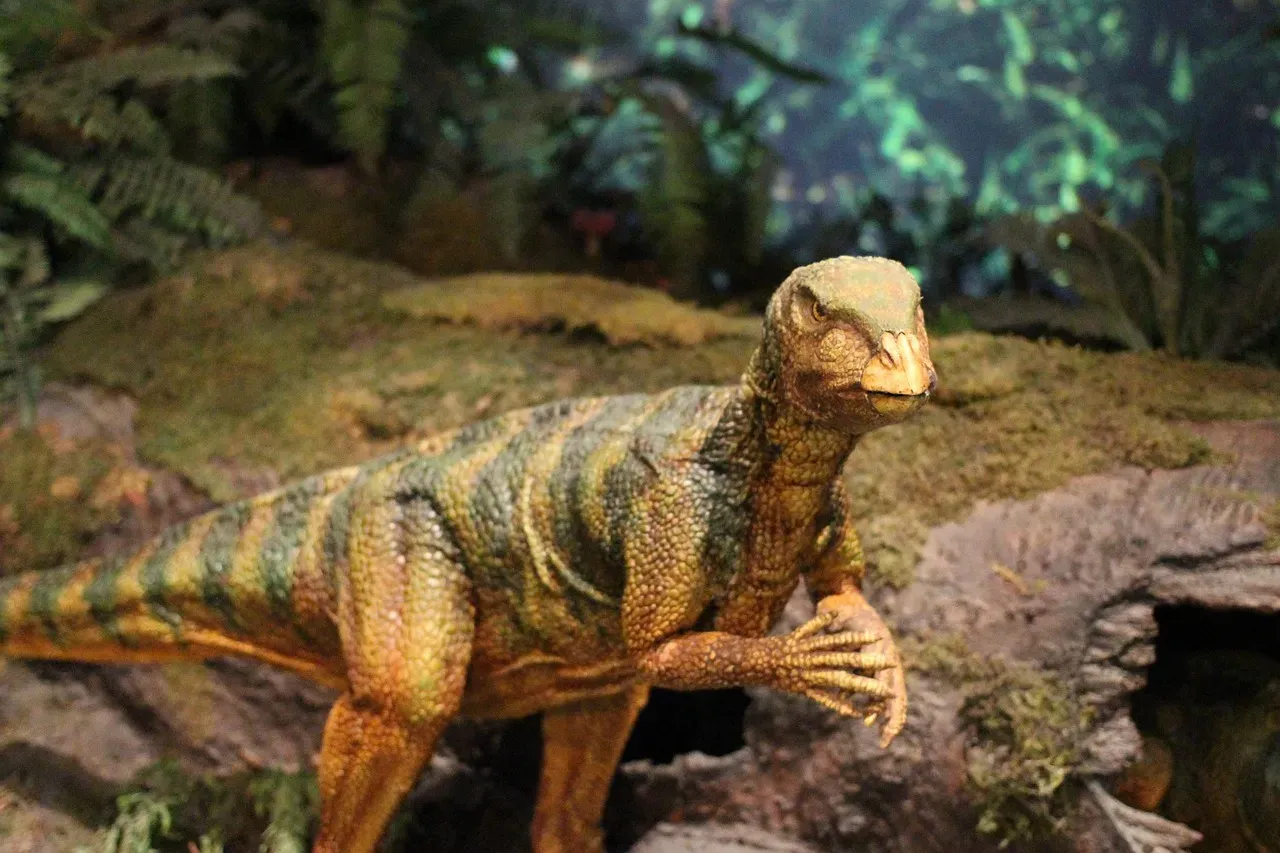
Forget everything you learned from old nature documentaries. Over the past fifty years, the scientific view of dinosaur intelligence has undergone considerable transformation. While they were once considered slow-witted, slow-moving reptiles, many species are now recognized to have functioned at an avian level of behavioral complexity. That’s bird-level smarts – and if you’ve ever watched a crow use a stick as a tool, you know that’s no small thing.
The encephalization quotient, which measures brain size relative to body mass, suggests that some dinosaurs, particularly theropods, might have had intelligence levels comparable to modern birds. Recent research using CT scanning has enabled scientists to create accurate models of dinosaur brains, revealing that theropod dinosaurs may have had higher neuron densities similar to those found in modern primates. Think about that the next time someone calls a dinosaur “dumb.”
Some Had the Cognitive Capacity for Planning and Tool Use
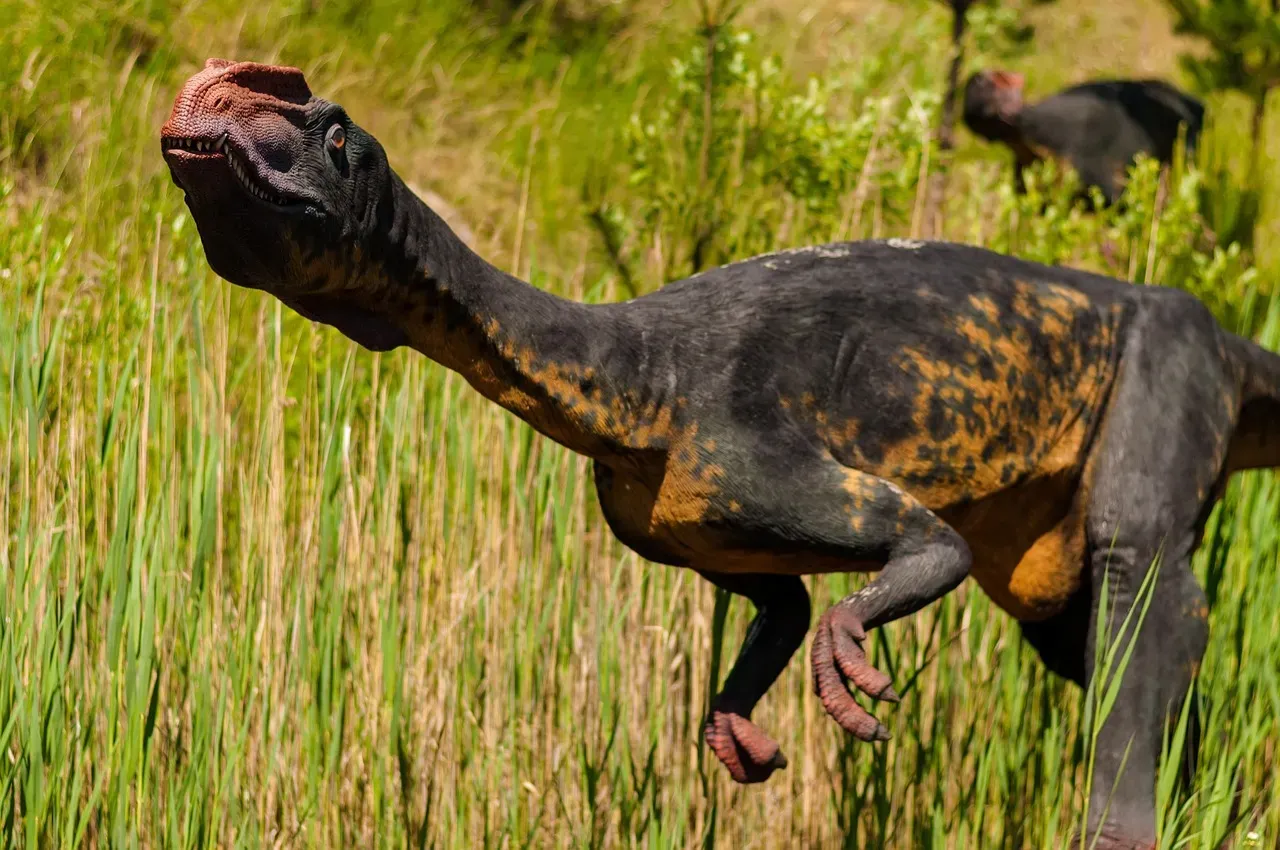
Biologist and neuroscientist Suzana Herculano-Houzel of the Vanderbilt Brain Institute published a study suggesting that theropods had telencephalic neurons similar to modern-day primates, suggesting a higher level of intelligence than previously thought. This is a bold claim, and not everyone in the field agrees – but the conversation is genuinely happening at the highest levels of science.
Herculano-Houzel noted that T. rexes may have had what it takes in terms of neuron count to be as cognitively flexible as animals like macaws, baboons, and whales. That potential brainpower, she argues, means some dinosaurs could have had the capacity for tool use and even planning for the future. Whether you believe that or not, it’s a long way from the brain-dead beast that once stomped across every Saturday morning cartoon.
They Lived in Surprisingly Complex Social Herds
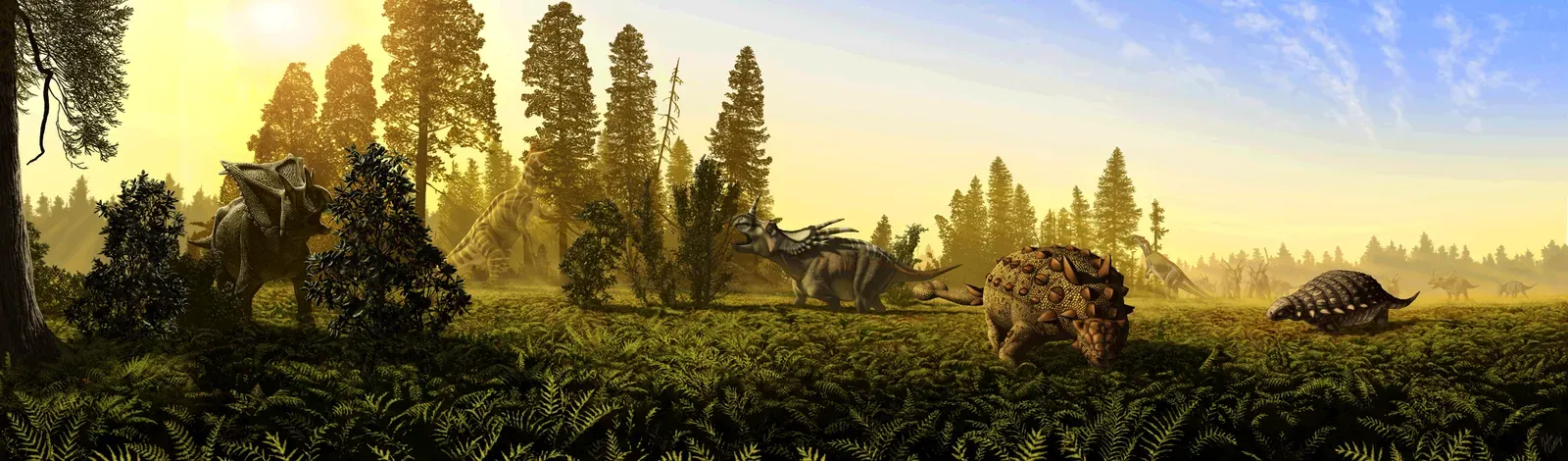
Here’s the thing most people get wrong: dinosaurs were not loners. Paleontologists now believe many dinosaur species may have been highly social animals that lived, migrated, and even raised their young in complex herds, much like many modern mammals and birds do today. From massive fossil beds containing multiple individuals to trackway evidence showing synchronized movement, the case for dinosaur herding behavior continues to strengthen.
In a landmark study, researchers from MIT, Argentina, and South Africa detailed their discovery of an exceptionally preserved group of early dinosaurs showing signs of complex herd behavior as early as 193 million years ago, which is roughly forty million years earlier than other records of dinosaur herding. That’s not a fluke. That’s a pattern. This “age segregation,” researchers believe, is a strong sign of a complex, herd-like social structure. The dinosaurs likely worked as a community, laying their eggs in a common nesting ground, while juveniles congregated in groups and adults foraged for the herd.
They Were Dedicated, Nurturing Parents
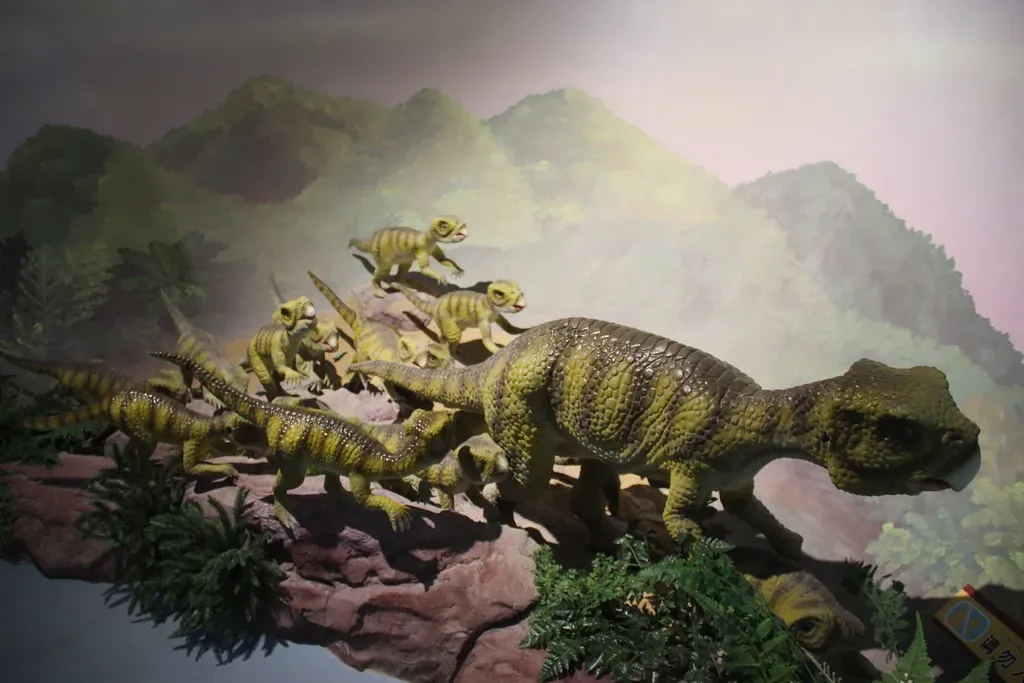
I know it sounds crazy, but some dinosaurs were genuinely caring parents. The main scientific theory is that, just like living animals exhibit a variety of behaviors from species to species, dinosaurs were also variable in their parenting. Some were neglectful and buried their eggs, while others caringly tended to their nests. Some lived alongside their young while others parted ways soon after birth.
In Montana, paleontologist Jack Horner discovered a massive bone bed containing over ten thousand Maiasaura fossils – adults, juveniles, and hatchlings all preserved together. The arrangement suggested these duck-billed dinosaurs lived in large groups, with apparent nursery areas where younger dinosaurs congregated under adult protection. Even more compelling, growth rings in the bones indicated these dinosaurs returned to the same nesting grounds year after year, much like modern migratory birds, suggesting complex social structures that persisted across generations.
They Used Sophisticated Color for Communication and Camouflage
You probably never imagined a dinosaur rocking a raccoon-style face mask. Yet that is exactly what science found. Researchers from the University of Bristol revealed how a small feathered dinosaur used its color patterning, including a bandit mask-like stripe across its eyes, to avoid being detected by its predators and prey. By reconstructing the color patterning of the Chinese dinosaur Sinosauropteryx, researchers showed it had multiple types of camouflage which likely helped it survive in a world full of larger meat-eating dinosaurs.
This research adds significant weight to the idea that dinosaurs first evolved feathers not for flight but for other purposes. A color-patterning function – for example, camouflage or display – must have had a key role in the early evolution of feathers in dinosaurs, and was just as important as evolving flight or improved aerodynamic function. Think of it less like prehistoric armor and more like a social media profile – flashy, deliberate, and sending very specific signals to everyone around them.
Some Dinosaurs Had Vibrant, Iridescent Plumage for Mating Displays
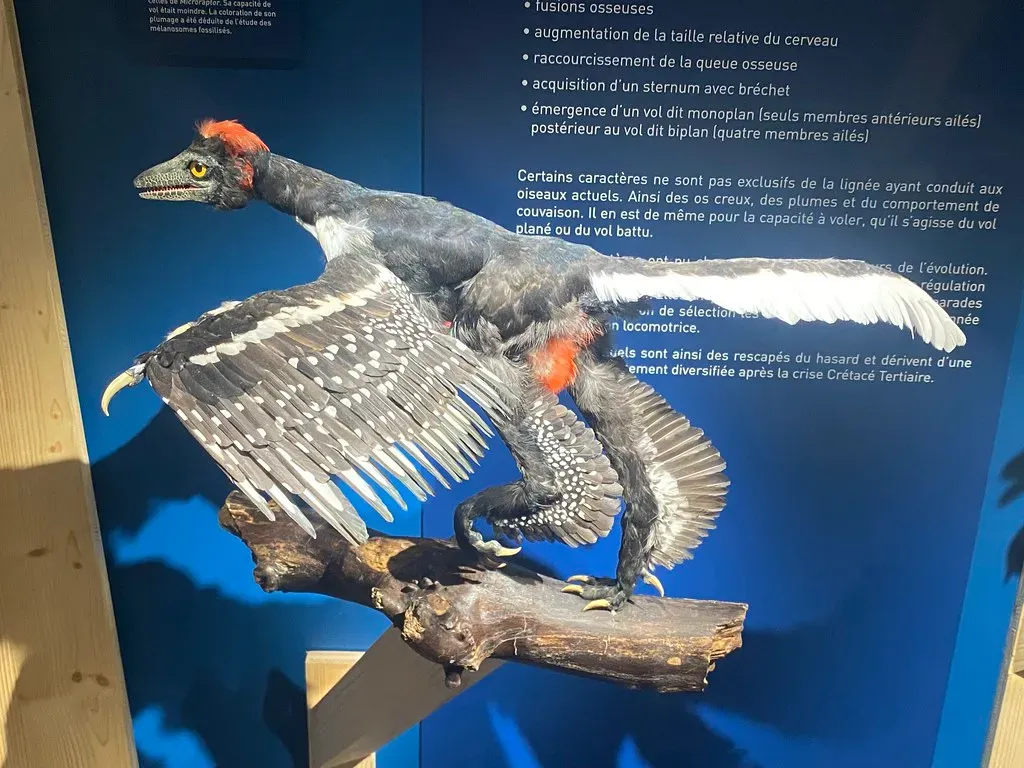
Scientists report that a complicated pattern of reddish brown, black, gray, and white feathers covered the fossilized dinosaur Anchiornis, leading to speculation that this coloration was used for attracting mates or some form of visual communication. The color patterns were decoded after researchers used a scanning electron microscope to study pigment samples taken from fossil feathers across an entire specimen. This is essentially forensic fashion work, performed on a creature that died over a hundred and fifty million years ago.
Beyond camouflage, the vibrant colors of dinosaur feathers might have served as a means of communication. Much like the peacock’s tail or a cardinal’s bright plumage, these colors could have been used to attract mates or signal dominance. In species where visual displays played a critical role in social interactions, feathers would have been an essential tool. This idea is supported by the discovery of elaborate feather patterns in dinosaurs like Microraptor, which may have used its iridescent feathers to entice potential mates or intimidate rivals.
They Displayed Complex Combat and Territorial Behavior
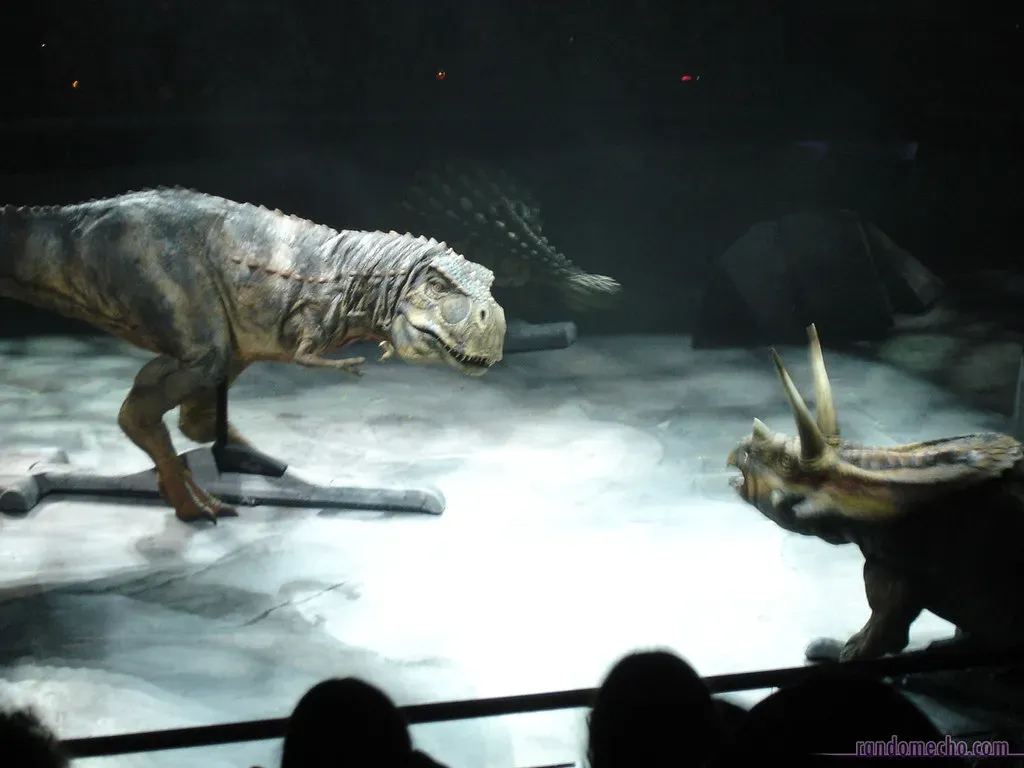
Let’s be real – everyone already assumes dinosaurs were fighters. What’s surprising is how deliberate and structured their aggression appears to have been. One of the most intriguing areas of research involves signaling between dinosaurs, examining how the ontogeny of ceratopsians supports the use of frills and horns as sociosexual signals – not simply as weapons, but as tools of communication between members of the same species. A Triceratops horn wasn’t just a lance. It was also a message.
Emerging evidence suggests that many species of dinosaurs, particularly the more intelligent and social ones, lived in complex social structures akin to modern mammals and birds. Studies of dinosaur fossils and trackways have revealed evidence of herd-like behavior, with individuals cooperating for hunting, defense, and even childcare. Combat, then, wasn’t just about brute force. It was embedded in a broader social framework with rules, hierarchies, and likely some very pointed displays of dominance.
Their Sleeping Habits Mirror Modern Birds Almost Exactly
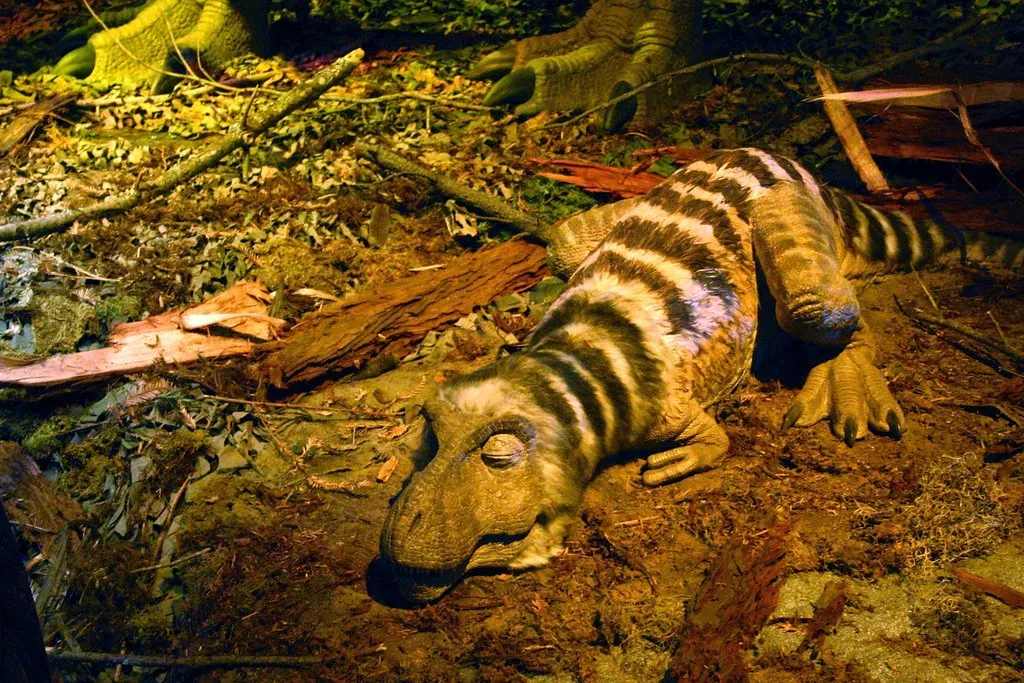
This one genuinely surprises most people. It’s hard to picture a T. rex tucked in for the night, but the science here is strangely compelling. Fossils of the troodonts Mei and Sinornithoides demonstrate that some dinosaurs slept with their heads tucked under their arms. This behavior, which may have helped to keep the head warm, is also characteristic of modern birds.
Several deinonychosaur and oviraptorosaur specimens have also been found preserved on top of their nests, likely brooding in a bird-like manner. Picture a mother hen sitting on her eggs. Now scale that up to a feathered predator from the Cretaceous. The behavior is essentially the same – a personality trait so deeply wired into their biology that it survived across millions of years of evolution and still exists in every bird alive today.
They Communicated Through Sound in Ways We’re Only Beginning to Understand

Another intriguing aspect of dinosaur behavior is their communication and sensory perception. Paleontologists have uncovered evidence suggesting that dinosaurs possessed a diverse array of communication methods, from vocalizations and visual displays to potential chemical signaling. That’s a remarkably modern-sounding toolkit for creatures from a world we can barely imagine.
Some dinosaurs may even have been able to communicate with sounds or even colors. With advancements like CT scans and 3D imaging, scientists are uncovering new insights into dinosaur brains, senses, and vocalizations. Hadrosaurs, for instance, had hollow crests on their skulls that researchers believe may have functioned somewhat like resonating chambers – ancient equivalents of a foghorn. It’s hard to say for sure exactly what sounds they made, but the anatomical evidence is compelling enough that scientists are actively studying it.
Their Personalities Reflected in Behavior Varied Enormously Between Species
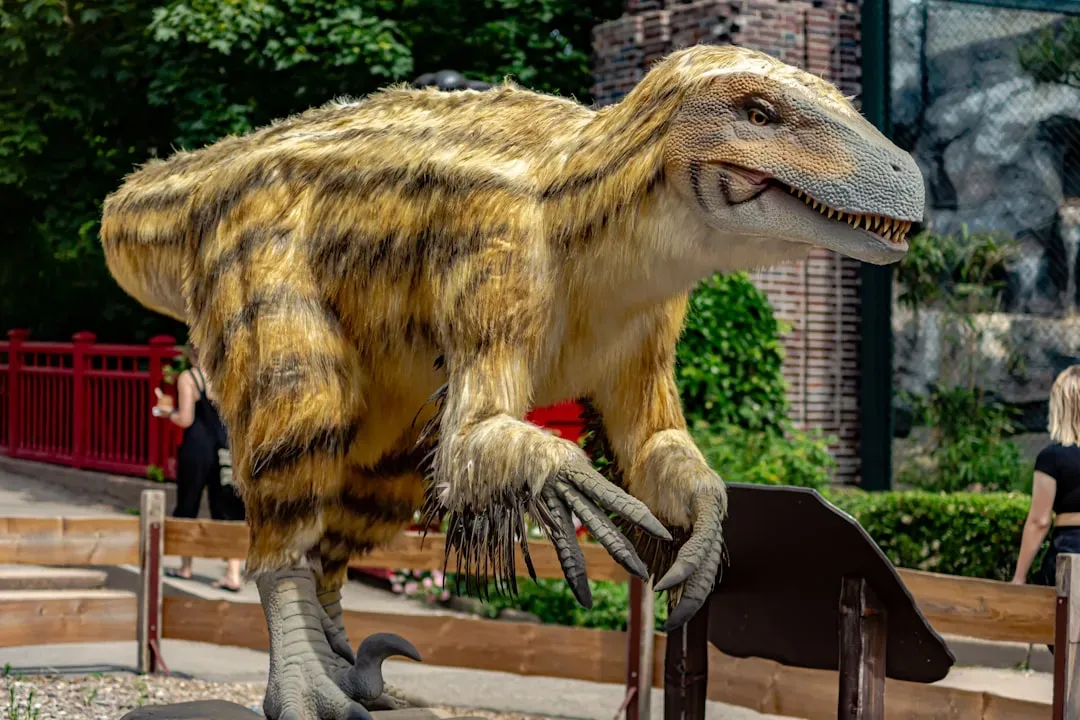
One of the biggest misconceptions about dinosaurs is that they were all roughly the same kind of animal. They weren’t. Not even close. Dinosaurs were among the most successful animals in Earth’s history, with around 1,500 species stretching over 170 million years. That’s more time and diversity than the entire history of mammals on Earth. Of course their personalities and behaviors varied wildly.
Many people write off these fascinating prehistoric animals as dullards or intensely aggressive creatures because of the lack of detailed information on who they were and how they behaved – but this is highly misleading. Research describes behaviors across the whole range of species and groups, from feeding and communication to reproduction, sociality, and combat. Some were cautious and camouflaged, others were bold and brilliantly colored. Some were fiercely independent, others nested in colonies of thousands. Their cognitive strengths and achievements could have been very different from our own, yet equally spectacular.
Conclusion
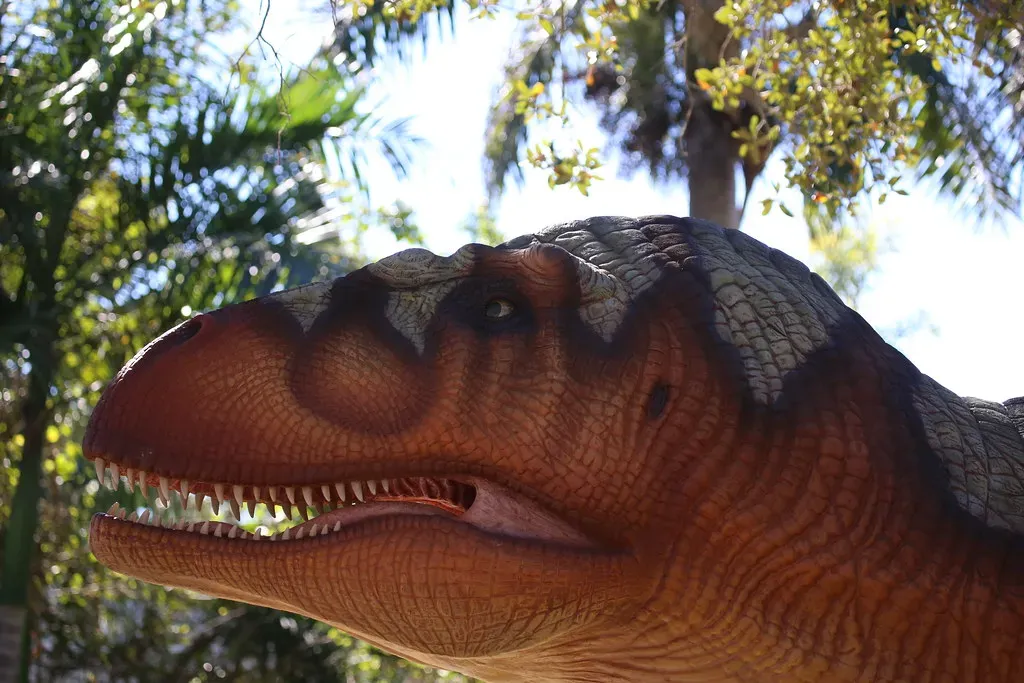
The dinosaur of 2026 looks nothing like the dinosaur of your childhood encyclopedia. Modern science is turning what were once static, grey, emotionally vacant fossils into something much richer: animals with social lives, color-coded personalities, parenting instincts, possible planning abilities, and behavioral complexity that links directly to the birds singing outside your window right now.
Through most of the twentieth century, before birds were recognized as dinosaurs, most of the scientific community believed dinosaurs to have been sluggish and cold-blooded. Most research since the 1970s, however, has indicated that dinosaurs were active animals with elevated metabolisms and numerous adaptations for social interaction. That revolution in thinking is still unfolding, and every new fossil chip away a little more of the old myth.
The truth is, we are closer to dinosaurs than most people realize – not just genetically through birds, but behaviorally. The instinct to care for young, to communicate through color and sound, to live in social groups with complex rules – you can trace a line from a T. rex nursery in Montana all the way to a flock of starlings wheeling over a city skyline. Which raises the real question worth sitting with: how many other “hidden traits” are still waiting to be found? What do you think about it? Share your thoughts in the comments below.