Picture a world where massive sloths towered above forests, saber-toothed predators stalked through icy plains, and elephant-like creatures dug through snow with curved tusks longer than you are tall. This wasn’t a fantasy realm. It was Earth during the age of prehistoric mammals, an era when evolution went wild with creativity.
When you think about prehistoric life, dinosaurs probably steal the spotlight. That’s fair enough. They were spectacular. Yet what came after their extinction might be even more fascinating. Mammals exploded into an astonishing variety of forms, each more bizarre and perfectly adapted than the last. Some developed features so unusual that scientists initially struggled to understand what they were looking at. Ready to dive into a world where nature’s imagination knew no bounds?
The Saber-Toothed Cat with Canines Built for Killing
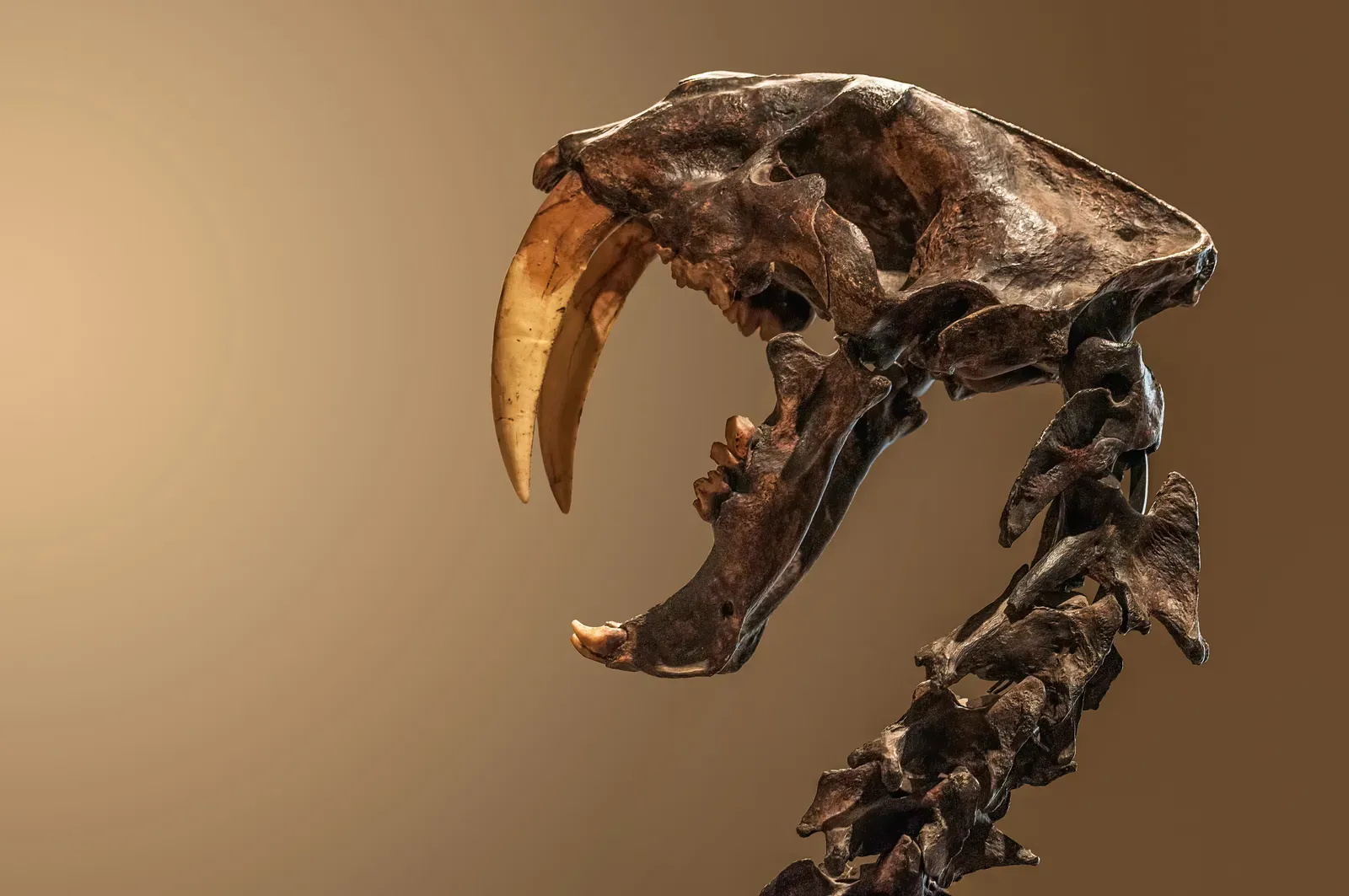
Saber-toothed cats possessed long, dagger-like canine teeth that could grow up to seven inches in length. These weren’t just for show. The teeth were precision instruments designed to deliver fatal bites to large prey. What makes this even more incredible is that fossil evidence reveals something unexpected about these fierce predators.
Despite their fearsome appearance and formidable hunting skills, saber-toothed cats also demonstrated social and nurturing behaviors, with many fossils showing evidence of healing and recovery from injuries and diseases. This suggests they cared for their wounded, a remarkable level of social complexity. They went extinct approximately ten thousand years ago, leaving behind thousands of specimens at sites like the La Brea Tar Pits that continue to reveal secrets about their lives.
The Woolly Mammoth’s Cold-Weather Survival System
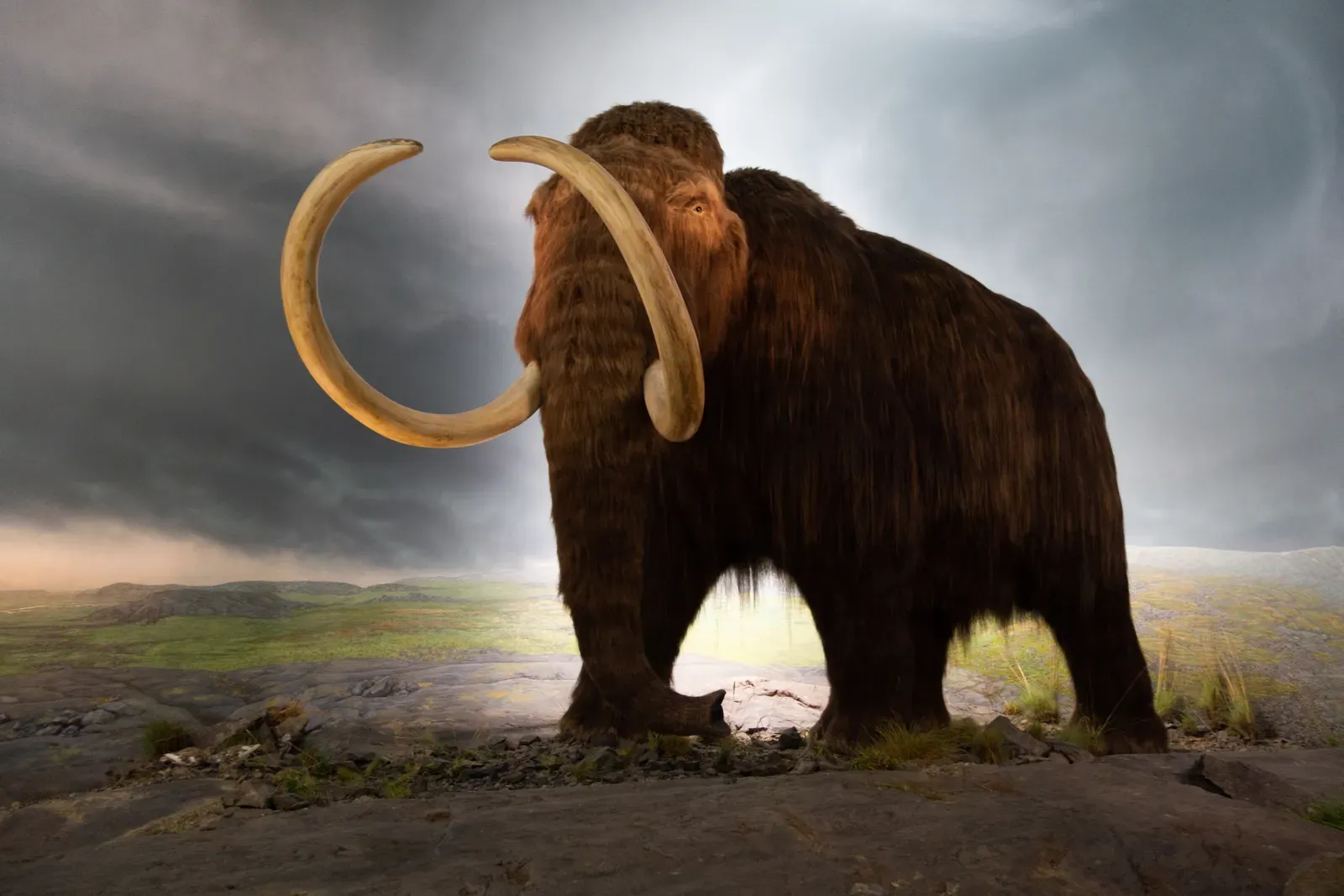
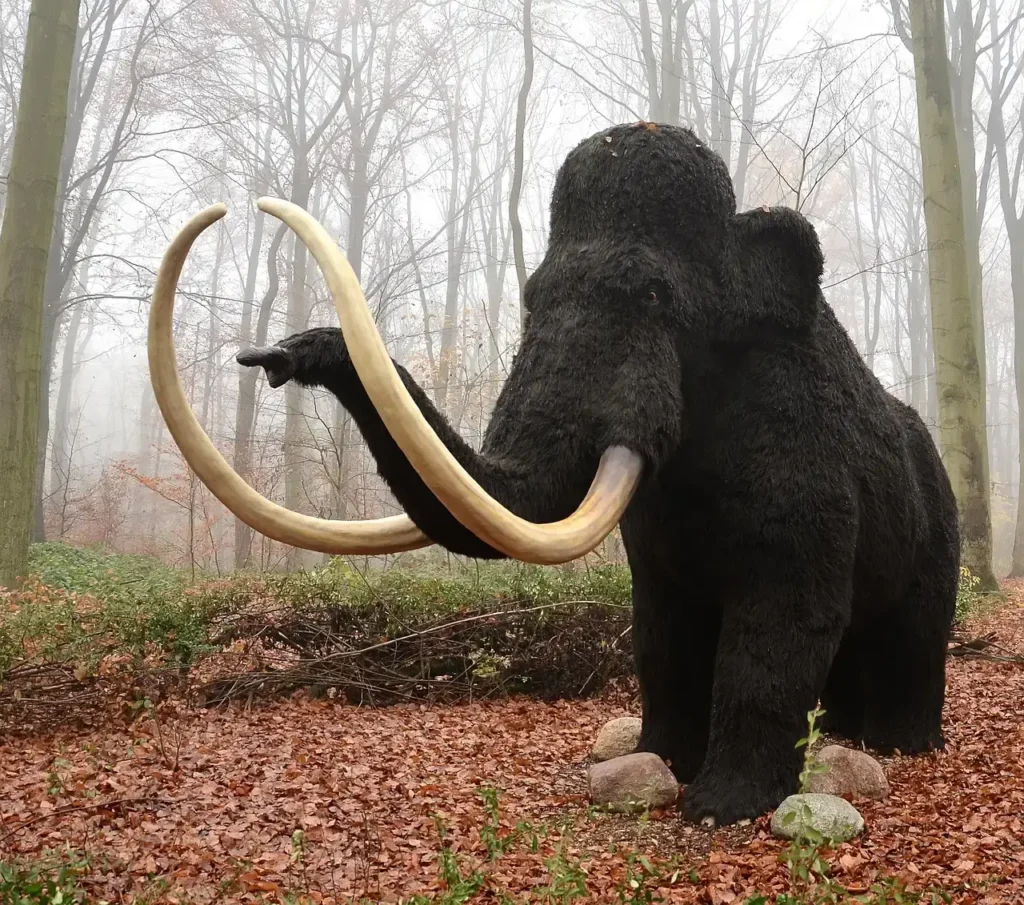
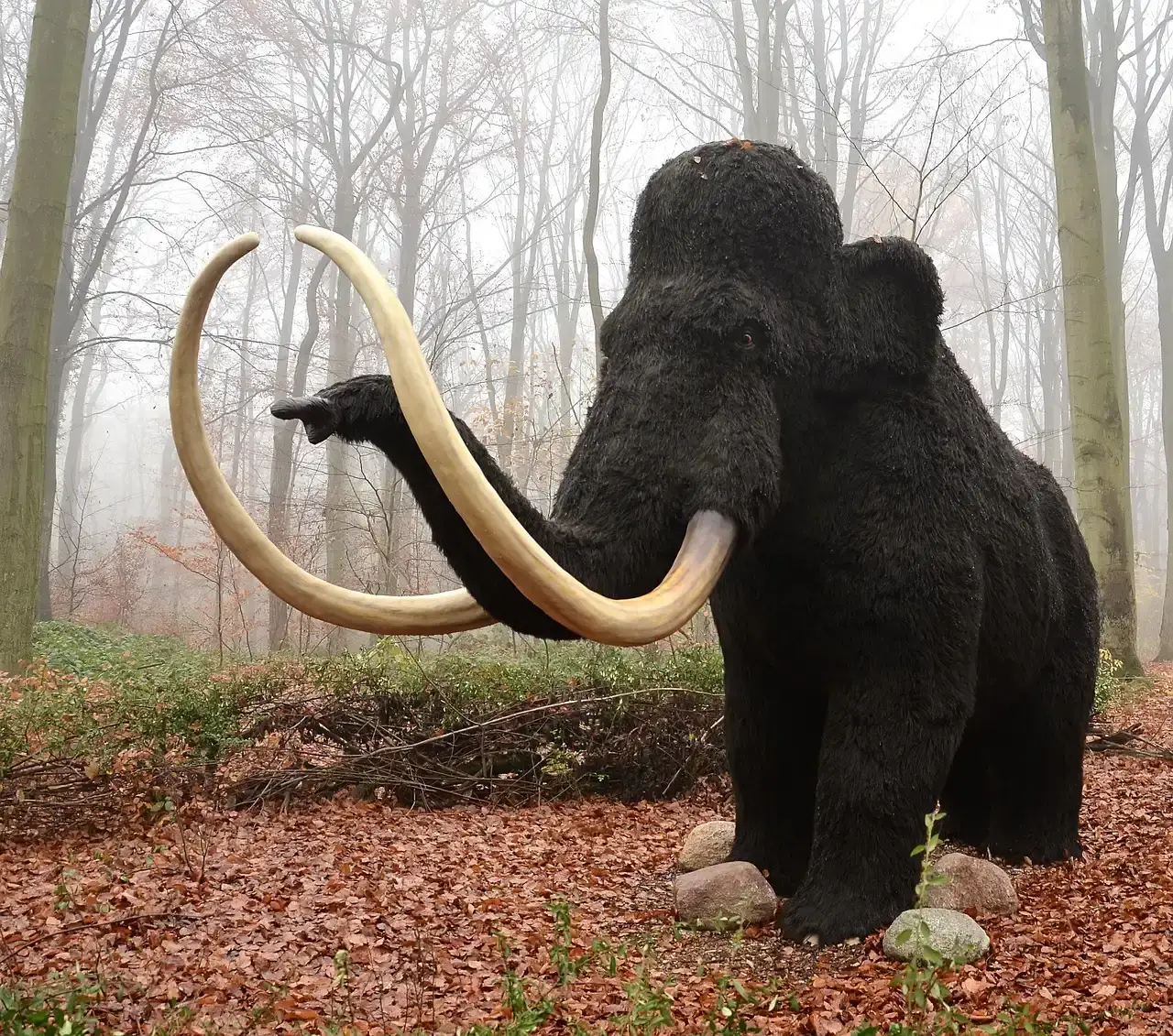
Woolly mammoths lived from about three hundred thousand years ago up until about ten thousand years ago. These elephant-sized giants weren’t just big. They were engineering marvels adapted for survival in brutal Ice Age conditions. Their most famous feature was that thick, shaggy coat, but that was just the beginning.
With their thick coat of hair, large fat reserves, and specially adapted ‘antifreeze’ blood they were very well adapted to the cold, and they were also very important to the survival of ancient humans throughout the Ice Age. Standing twelve feet tall at the shoulders and weighing six to eight tons, the woolly mammoth grazed the northern steppes using its colossal fifteen-foot curved tusks to dig under the snow for food and defend itself against predators. Think about that for a moment. Tusks that could excavate frozen ground like biological snow plows.
The Marsupial Lion That Killed with Claws Instead of Teeth
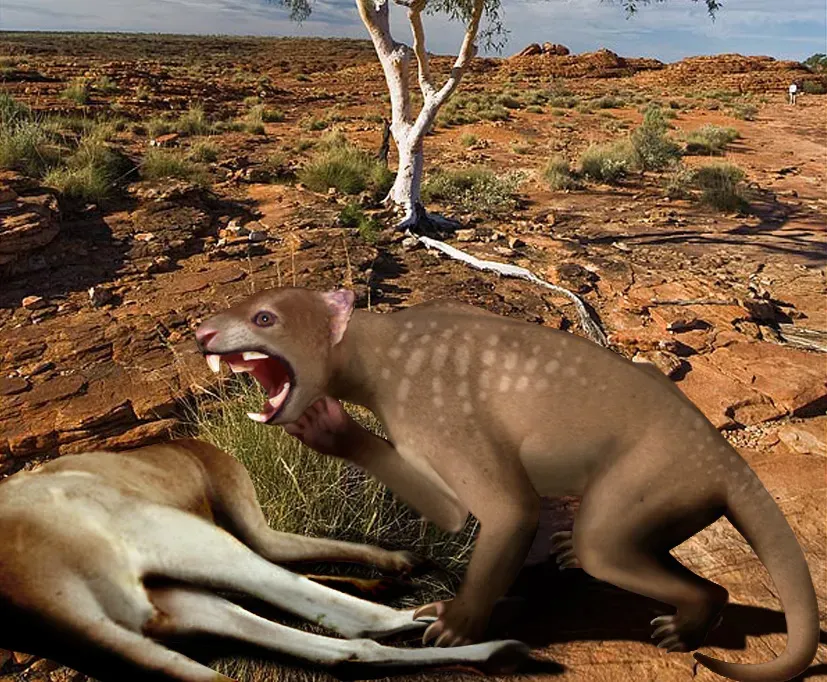
Here’s where things get truly strange. The long extinct marsupial lion hunted in a very unique way by using its teeth to hold prey before dispatching them with its huge claws. This is the complete opposite of how modern big cats hunt. Lions and tigers use claws to hold and teeth to kill.
The marsupial lion sported a very large claw on its hand, similar to the dew claw of cats but of a much bigger size, with a bony sheath foisted on a mobile first digit. It had a unique elbow joint among living predatory mammals that suggested a great deal of rotational capacity of the hand, like an arboreal mammal, but also features that would have stabilized the limb on the ground. Imagine a predator that gripped with its mouth and slashed with specialized thumb claws. Nature really did think outside the box with this one.
The Giant Ground Sloth That Stood Taller Than You
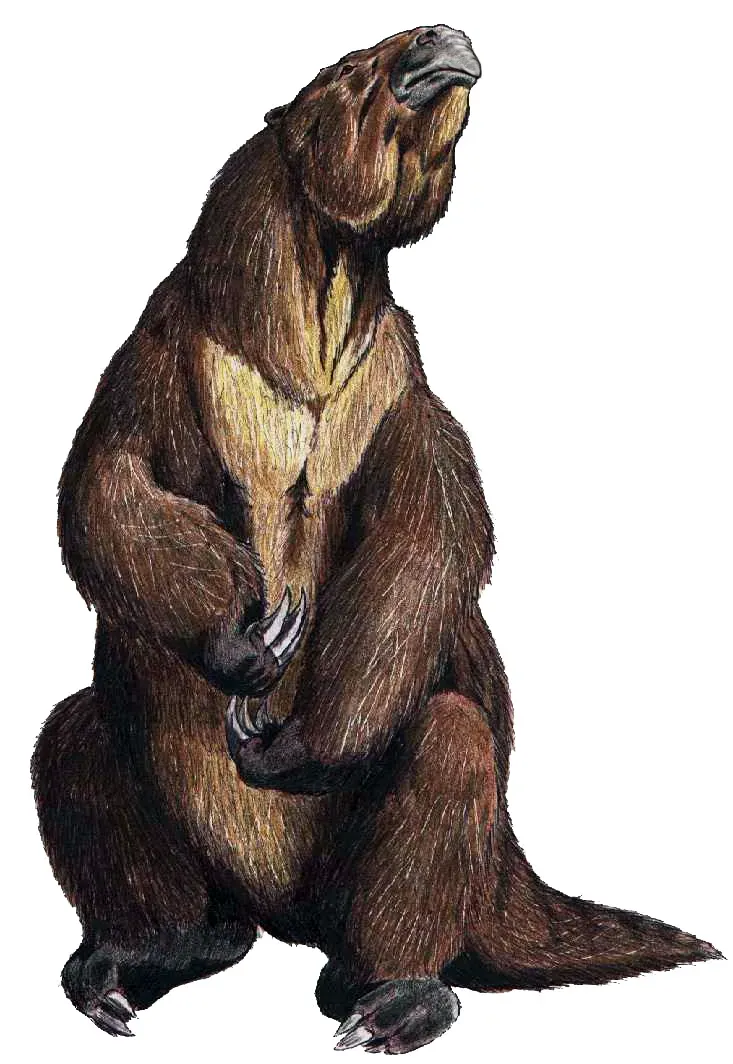
Today, sloths are molasses-moving tree dwellers roughly the size of a dog, but in Ice Age North America, sloths were an entirely different beast, with giant ground sloths that stood twelve feet on their hind legs and weighed up to three thousand pounds. These weren’t the cute, sleepy creatures hanging from branches that we know today.
These bear-sized herbivores were formidable in their own right. One giant sloth species, the Jefferson ground sloth, was named for Thomas Jefferson, who initially believed that sloth fossils were a type of colossal cat that he dubbed the Megalonyx, which means “giant claw.” Even one of America’s founding fathers couldn’t believe what he was looking at. The adaptations that allowed these massive creatures to thrive included powerful limbs and enormous claws used for stripping branches and defending against predators.
The Bizarre Adalatherium with Teeth from Another World
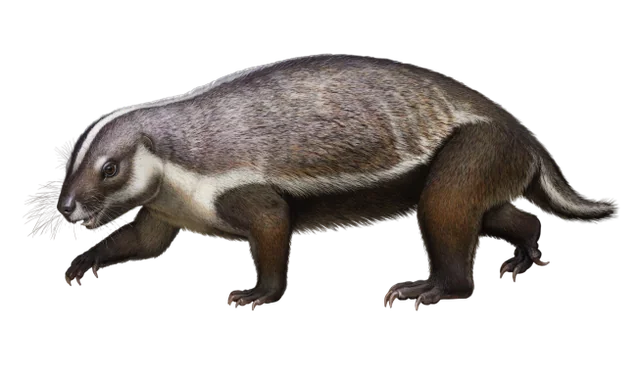
Named Adalatherium, which translated from the Malagasy and Greek languages means “crazy beast,” it is described based on a nearly complete, exquisitely preserved skeleton. This creature lived sixty-six million years ago on Madagascar, and everything about it defied the rules of mammalian anatomy.
Its bizarre features include more trunk vertebrae than most other mammals, muscular hind limbs that were placed in a more sprawling position similar to modern crocodiles coupled with brawny sprinting front legs that were tucked underneath the body, front teeth like a rabbit and back teeth completely unlike those of any other known mammal. Islands are the stuff of weirdness, and there was therefore ample time for Adalatherium to develop its many extraordinarily peculiar features in isolation. Scientists are still scratching their heads trying to understand how this animal functioned.
The Multituberculates with Self-Sharpening Saw Teeth
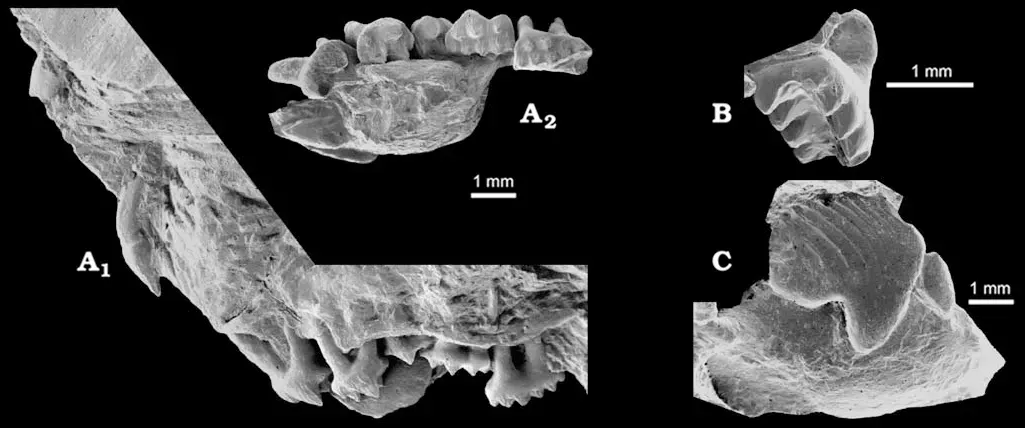
Multituberculates were rodent-like mammals with a fossil record spanning over one hundred thirty million years, first appearing in the Middle Jurassic, and reaching a peak diversity during the Late Cretaceous and Paleocene. These were among the most successful mammals ever, outlasting even the dinosaurs.
The peculiar shape of their last lower premolar is their most outstanding feature, with these teeth being larger and more elongated. Some multituberculates developed saw-blade premolars and intricate molars to cut and grind plants. The teeth had multiple rows of cusps that worked like biological food processors. More than two hundred species are known, ranging from mouse-sized to beaver-sized, occupying ecological niches from burrow-dwelling to squirrel-like arborealism to jerboa-like hoppers. Talk about evolutionary success.
The Deinotherium Elephant with Downward-Curving Tusks
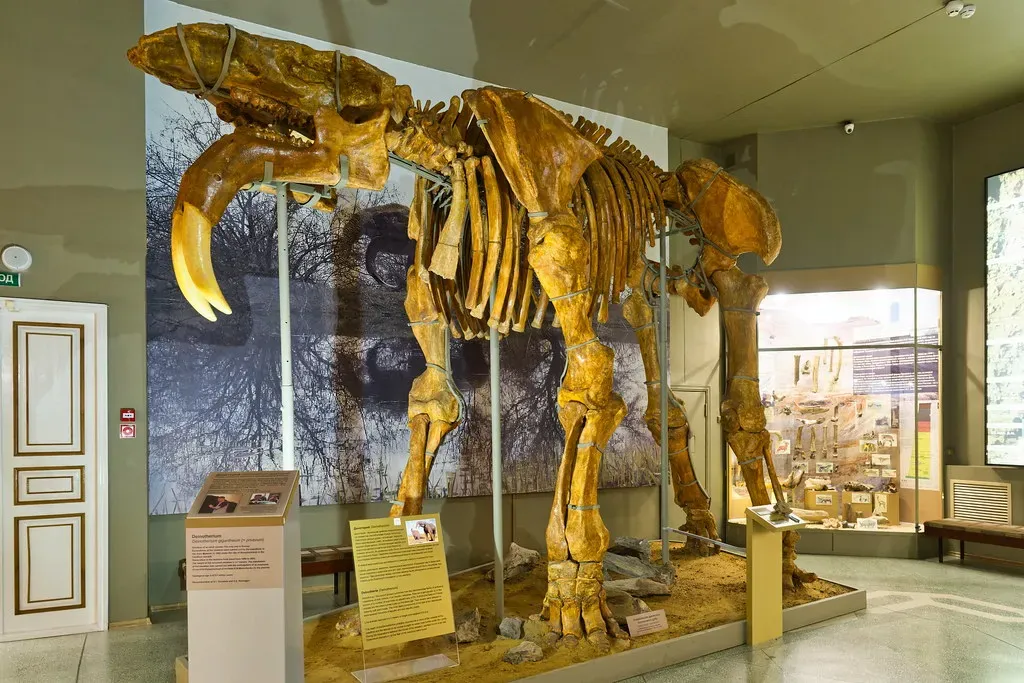
Around twenty million years ago there lived a prehistoric pachyderm named Deinotherium with twin, curved tusks curving down from the jaw, though precisely what the elephant used these tusks for isn’t clear. Unlike modern elephants whose tusks point forward, this creature’s tusks curved downward from the lower jaw in a completely unexpected configuration.
Weighing twice as much as modern relatives, this was a giant among giants. One early and fanciful idea is that Deinotherium used them to anchor itself to riverbanks while sleeping. More likely, they were used for digging up roots, stripping bark, or fighting. The fact that we’re still not entirely sure what these remarkable tusks were for shows just how much mystery remains in the prehistoric world.
The Castorocauda with a Beaver Tail in the Age of Dinosaurs
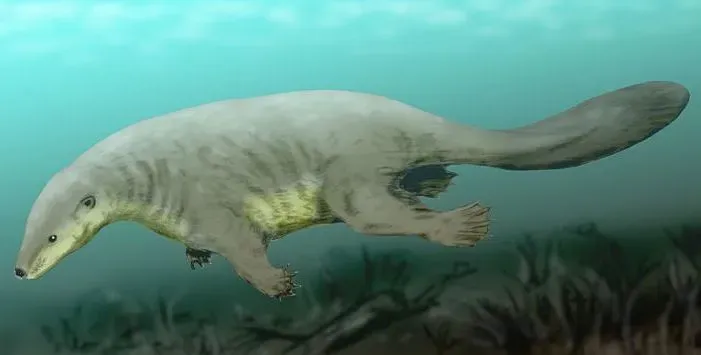
The fish-eating Castorocauda, which lived in the mid-Jurassic about one hundred sixty-four million years ago, was about seventeen inches from its nose to the tip of its five-inch tail, and may have weighed five hundred to eight hundred grams. This breaks the stereotype that all early mammals were tiny, timid insectivores.
It had aquatic adaptations including flattened tail bones and remnants of soft tissue between the toes of the back feet. It provides the earliest absolutely certain evidence of hair and fur. Imagine a semi-aquatic mammal swimming alongside dinosaurs, hunting fish with webbed feet and a paddle-like tail. It’s like finding evidence that mammals were experimenting with diverse lifestyles much earlier than anyone expected.
The Giant Beaver with Hot Dog-Sized Teeth
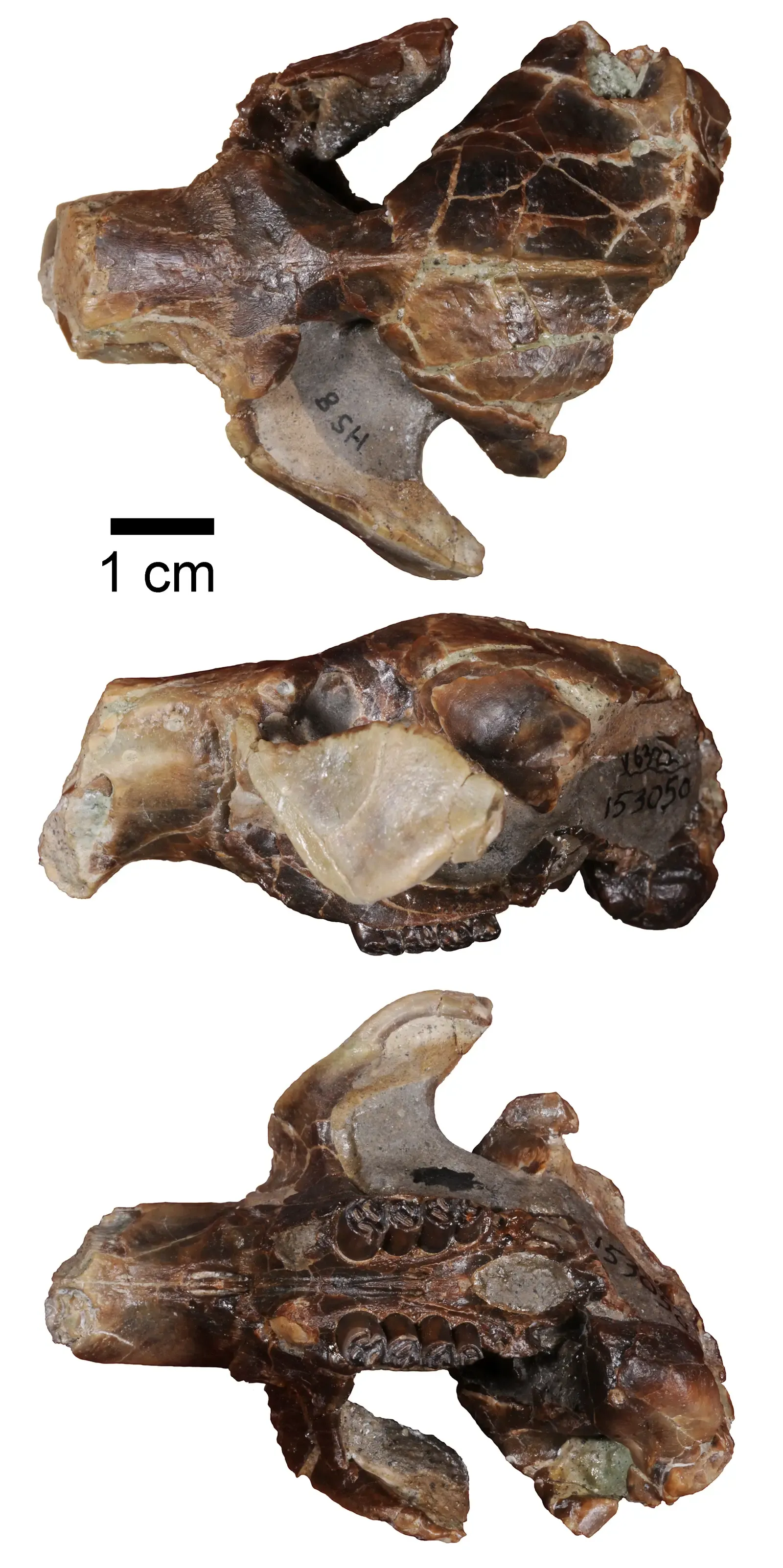
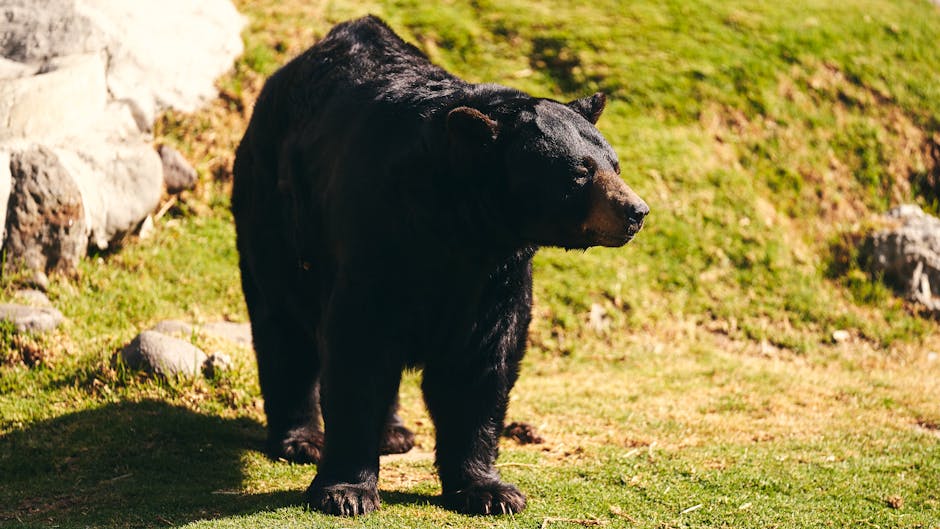
Growing up to two metres long and weighing up to one hundred kilograms, the giant beaver is the largest rodent known from ice age North America. This wasn’t your typical dam-building rodent. It was roughly the size of a modern black bear.
The giant beaver had an average length of about one point eight metres, with teeth that were large to match, with some reaching up to fifteen centimetres, about the size of a hot dog. There is no definitive evidence that they built dams as modern beavers do, but it is plausible that these immense incisors could have been used for woodcutting, though they had smaller, smoother brains than modern-day beavers, which could indicate that they had less behavioural and social complexity. Less intelligent but way more impressive in size.
The Labidolemur with Can Opener Teeth and Elongated Fingers
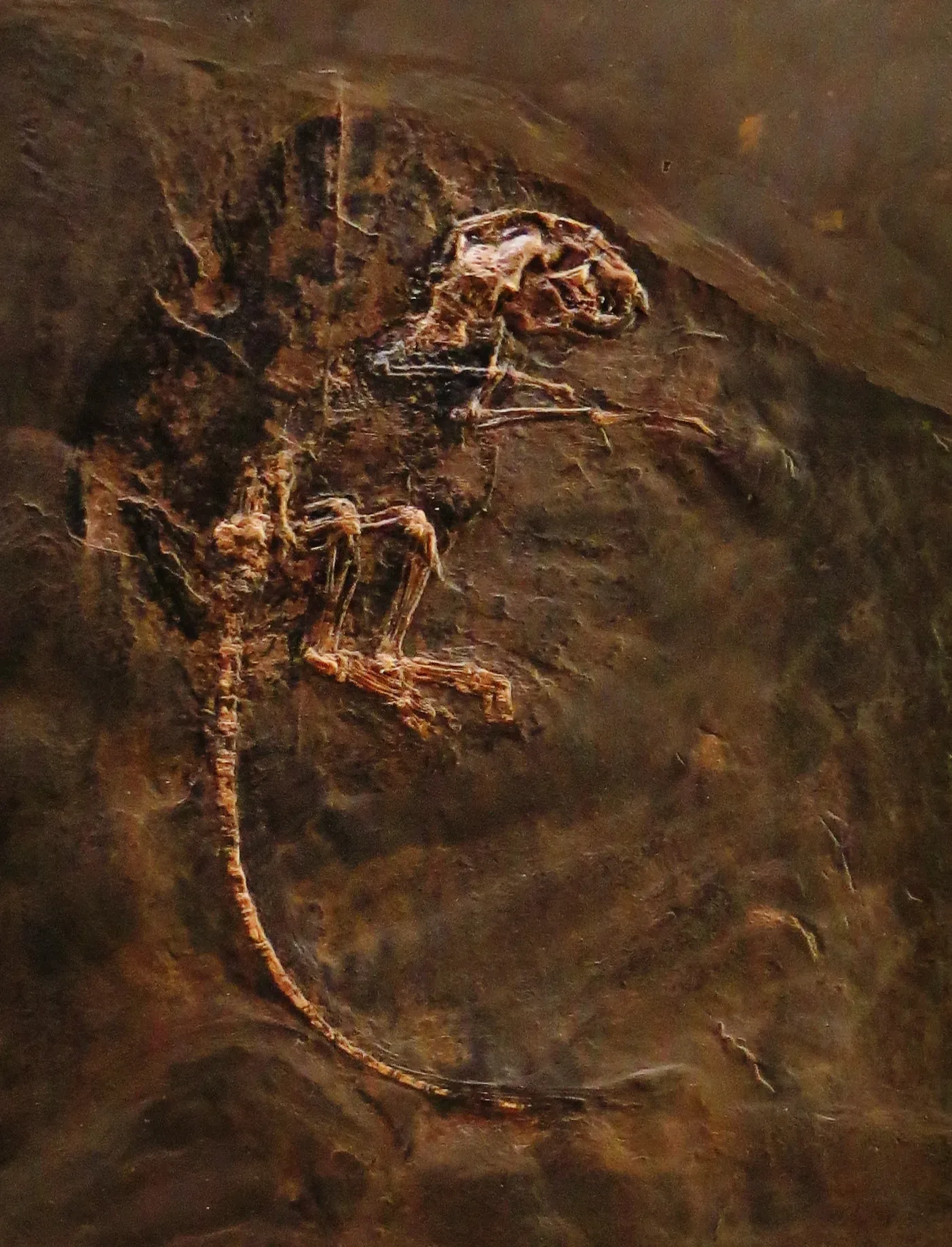
For more than one hundred years, scientists have debated the relationships of a bizarre family of extinct mammals called apatemyids, distinguished by can opener-shaped upper front teeth and two unusually long fingers. These odd features led researchers to compare them with everything from opossums to hedgehogs to woodpeckers.
They just don’t look definitively like anything that’s alive today, with their strange mix of features. The extinction of these creatures may have coincided with the first occurrence of woodpeckers in the fossil record during the Oligocene, potentially suggesting there might have been competition in terms of ecology between woodpeckers and apatemyids. They likely used their elongated fingers to tap on wood and extract insects, much like modern aye-ayes. When woodpeckers evolved to do the same job, these unique mammals may have lost their ecological niche.
Looking Back at Nature’s Wild Experiments
The prehistoric mammals we’ve explored represent just a fraction of the incredible diversity that once roamed our planet. From clawed killers to swimming fish-eaters, from giants with peculiar tusks to rodents the size of bears, evolution created solutions to survival challenges that seem almost too creative to be real. These creatures thrived in their environments through adaptations so specialized that many of them couldn’t survive when conditions changed.
What strikes you most about these ancient animals? The sheer size of some, or perhaps the bizarre features that seem pulled from science fiction? These weren’t mythical beasts. They were real, flesh-and-blood animals that once shared this planet with our ancestors. Their extinction reminds us how fragile even the most successful adaptations can be when environments shift rapidly. What do you think about these incredible creatures? Which adaptation surprised you the most?