Imagine the sky going completely dark in the middle of the day. Not for an hour. Not for a week. For years. That is the kind of nightmare prehistoric life had to survive – repeatedly – across hundreds of millions of years on a planet that seemed determined to erase every living thing on it. At least a handful of times in the last 500 million years, somewhere between three quarters and more than nine-tenths of all species on Earth disappeared in what scientists call mass extinctions.
Here is the jaw-dropping part though: something always survived. Scratching, burrowing, adapting, and outlasting conditions that should have been impossible to endure, prehistoric life found extraordinary ways to hold on. The adaptations that made the difference between extinction and survival are as fascinating as they are instructive. Let’s dive in.
1. Burrowing Underground: Nature’s First Bunker Strategy
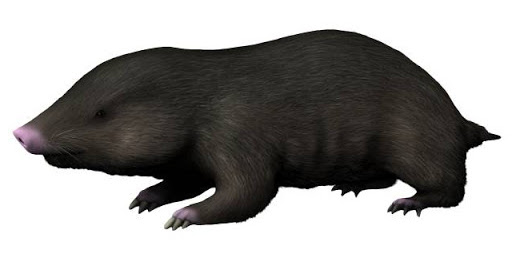
You have probably heard the phrase “wait out the storm.” For many prehistoric creatures, that phrase was quite literally life or death. When asteroids struck and skies filled with soot, the animals that could dig deep had a staggering advantage over those who could not. Underground burrows and aquatic environments protected small mammals from the brief but drastic rise in temperature following the meteor strike. It is almost poetic – the creatures humble enough to live below the surface were rewarded with survival.
Lower extinction rates in burrowing species and their peak diversification at the Cretaceous-Paleogene boundary support the longstanding hypothesis that burrowing behavior promoted survival during the “impact winter” that marked the replacement of non-avian dinosaurs by mammals. Think of it like a natural nuclear shelter – those inside lived, while everything exposed above ground perished in waves of heat and darkness. Burrowing behavior contributes independently and substantially to lower extinction rates, underscoring its evolutionary significance across terrestrial mammals.
2. Small Body Size: Winning by Being the Underdog
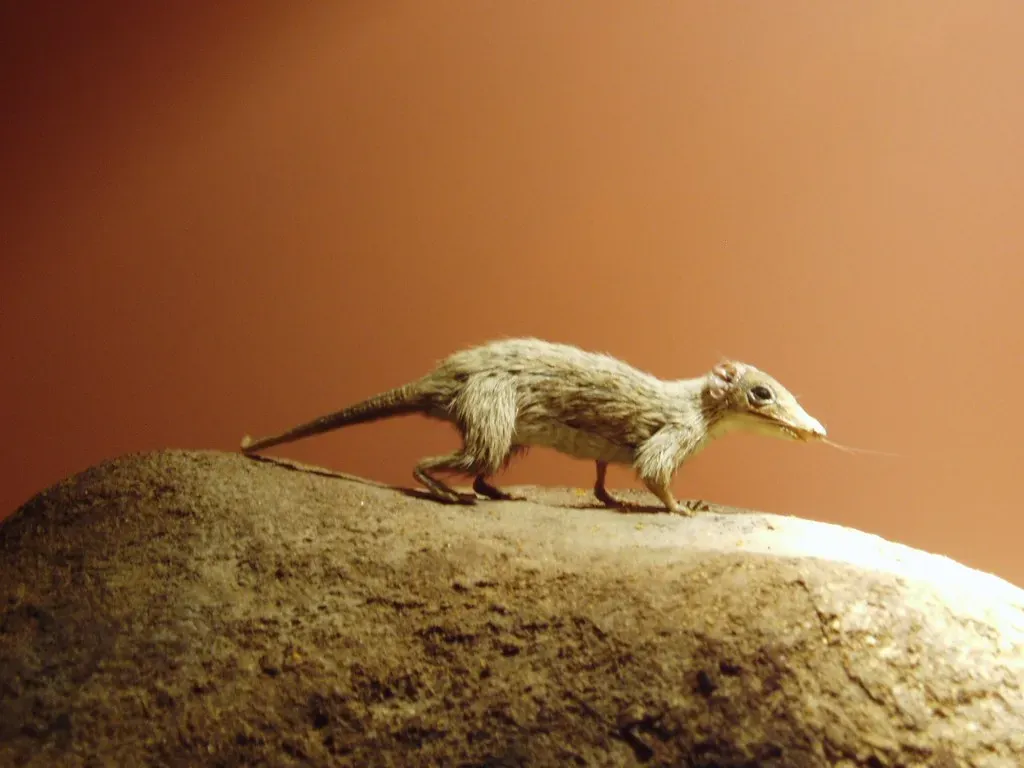
Here is the thing about being small during a catastrophe: you need far less food to survive. When ecosystems collapse and food chains shatter, a tiny body that runs on minimal calories is an extraordinary asset. The mammals alive at the time of the mass extinction event were typically quite small. While towering dinosaurs required enormous quantities of vegetation that simply no longer existed, these compact survivors scraped by on whatever scraps remained.
Traits such as omnivory and small body size may have contributed to the survival of representatives of the primate total group when facing the devastation of forests at the end of the Cretaceous. Honestly, in prehistoric terms, being small was not a weakness – it was a superpower most large creatures never developed. Small body size and burrowing habit probably favored mammalian survival relative to dinosaurs and pterosaurs, and mammal species diversity and body size both increased very quickly after the dust settled and the Cenozoic began.
3. Dietary Flexibility: The Art of Eating Almost Anything
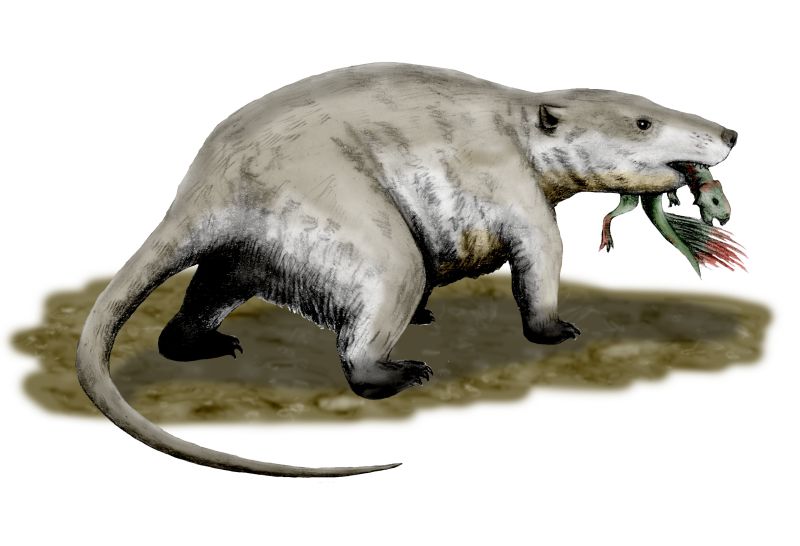
Picky eaters do not survive apocalypses. That is a blunt truth written into the fossil record. When the asteroid wiped out vast swaths of plant life and disrupted food chains from the bottom up, animals locked into specific diets perished along with their food sources. It was their diet which enabled some mammals to survive in habitats nearly devoid of plant life. Even if large herbivorous dinosaurs had managed to survive the initial meteor strike, they would have had nothing to eat, because most of the earth’s above-ground plant material had been destroyed. Mammals, in contrast, could eat insects and aquatic plants, which were relatively abundant after the meteor strike.
Omnivory is essentially nature’s backup plan. When your preferred meal disappears, you improvise. Animals that could switch between plant matter, insects, decaying organic material, and aquatic food sources had an enormous advantage during periods when entire ecosystems were wiped out overnight. The generalist plants and animals do really well during disasters, and that creates the right conditions and enough biomass for other animals to survive off of those animals and push their way back in again. It is the biological equivalent of being a good improviser on a very bad stage.
4. Endothermy: Generating Your Own Heat When the World Turns Cold
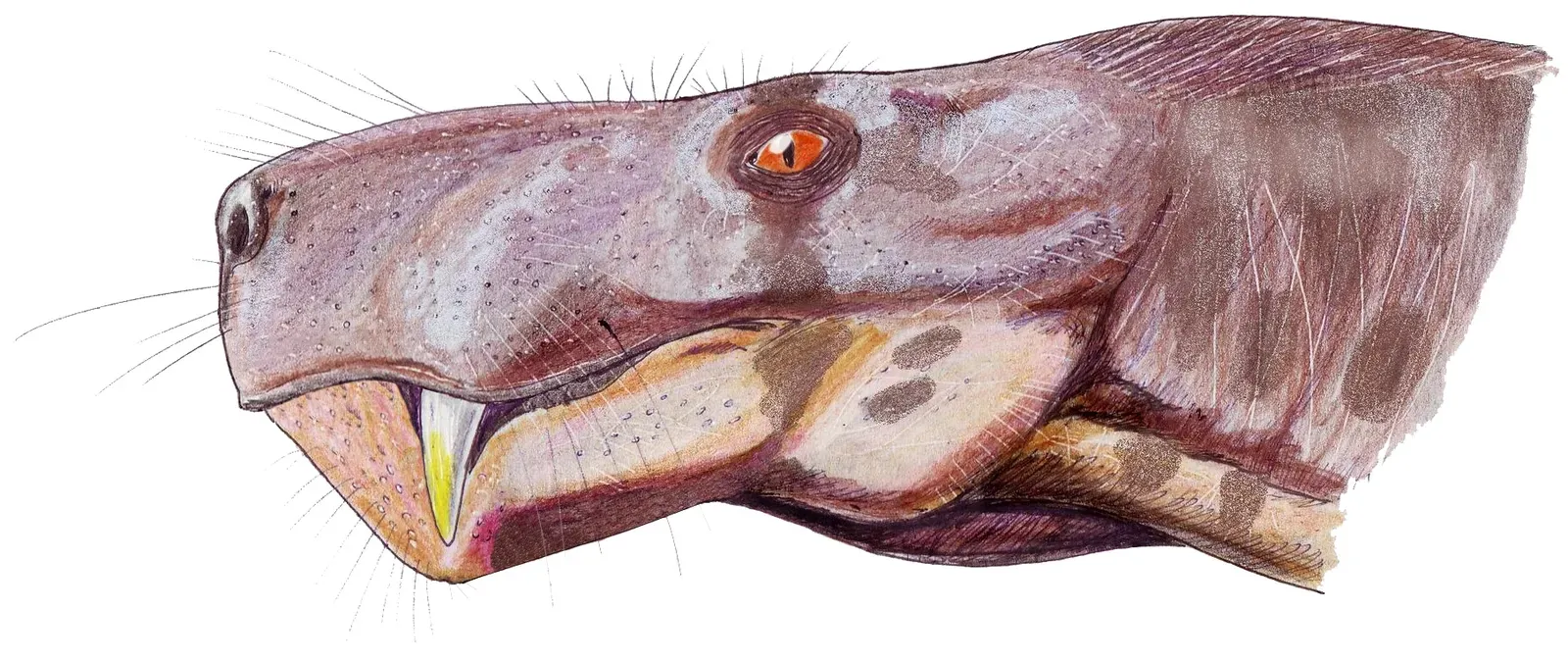
When the skies darkened after massive volcanic eruptions or asteroid impacts, temperatures plummeted. Cold-blooded creatures that depended entirely on external heat sources found themselves in desperate trouble. Skies darkened and temperatures fell as a large meteor impact and tons of volcanic ash blocked incoming sunlight. Plants died, herbivores and carnivores starved, and the mostly cold-blooded dinosaurs ceded their dominance of the landscape to more warm-blooded mammals.
Warm-bloodedness, or endothermy, is metabolically expensive. It requires consuming more calories. Yet during extinction events, that internal furnace proved worth every extra calorie burned. Smaller carnivorous cynodont therapsids survived the Permian-Triassic extinction, a group that included the ancestors of mammals. Selective pressures during this period favored endothermic epicynodonts. Think of endothermy as carrying your own portable heater through a planetary winter – incredibly costly in normal times, but absolutely essential when the world freezes over.
5. Rapid Reproduction: Outrunning Extinction One Generation at a Time
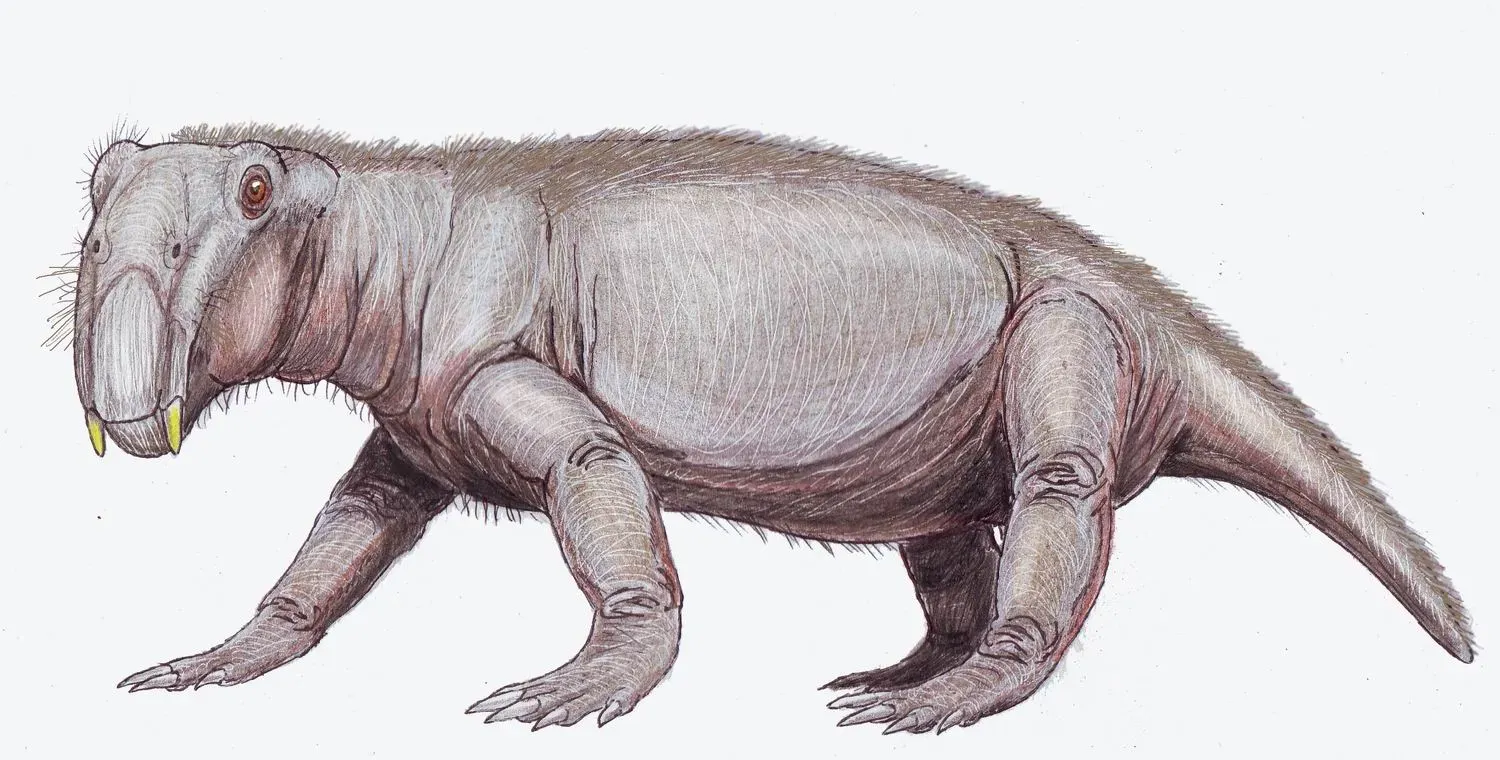
When a catastrophe sweeps across the planet, survival is partly a numbers game. Species that reproduce quickly can recover populations faster, adapt to new conditions sooner, and fill ecological vacancies before competitors do. The evolutionary success of Lystrosaurus in the aftermath of the Permian-Triassic extinction is believed to be attributable to the dicynodont taxon’s grouping behaviour and tolerance for extreme climatic conditions. Other likely factors behind the success of Lystrosaurus included an extremely fast growth rate and an early onset of sexual maturity.
Early sexual maturity is a fascinating adaptation – one that sounds almost reckless but makes brilliant evolutionary sense when your world is crumbling. The faster you reach reproductive age, the faster you can replenish a decimated population. When nonavian dinosaurs went extinct, mammals continued to diversify and take over niche environments that dinosaurs once filled, and some of these mammals got decently large. Getting big fast, reproducing early, and repeating the cycle rapidly was one of the most powerful survival formulas in Earth’s history.
6. Deep-Sea and Aquatic Refuge: Hiding Where Catastrophe Cannot Reach
The surface of the Earth during a mass extinction event is a horrifying place. Fires rage, temperatures spike or plummet, and the air fills with toxic gases. The deep ocean, insulated by vast quantities of water, offered a refuge that land simply could not. The first types of organisms to emerge in the oceans after the Permian-Triassic extinction were animals at the top of the marine food chain, known as nekton, including free-swimming predators like the dolphin-like ichthyosaurs and coiled cephalopods known as ammonoids.
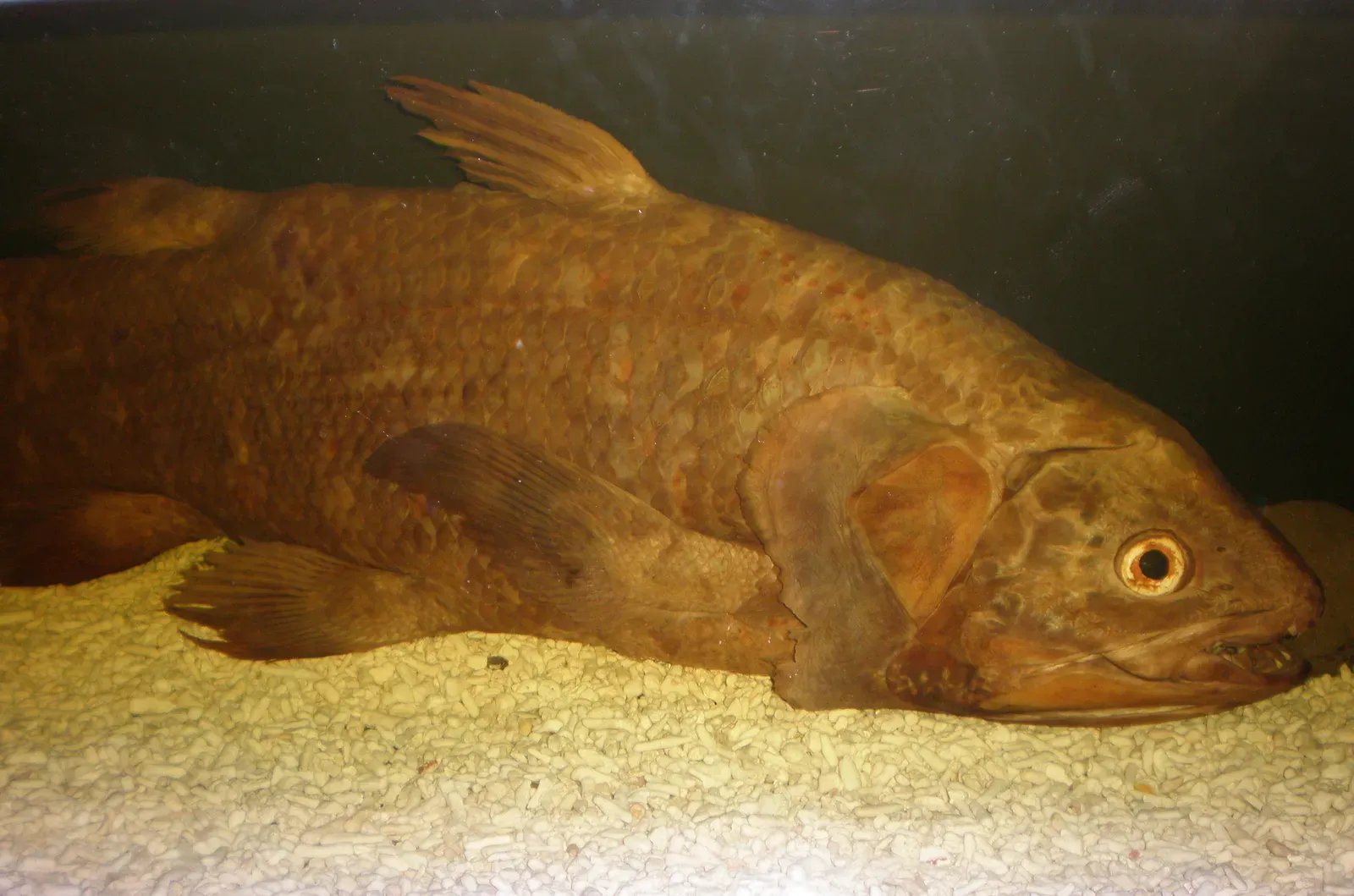
It is thought the Coelacanth adapted to life in the deep, sheltering in caves during the day and only venturing out at night to hunt, and it was probably this adaptation that saved the Coelacanth from annihilation during four of Earth’s “Big Five” mass extinctions. The Coelacanth is honestly one of the most remarkable stories in all of natural history – a fish that outlasted four apocalypses by going deep and staying quiet. That is not luck. That is genius-level survival strategy, even if the fish had no idea what it was doing.
7. Geographic Spread: Surviving Through Sheer Presence Everywhere
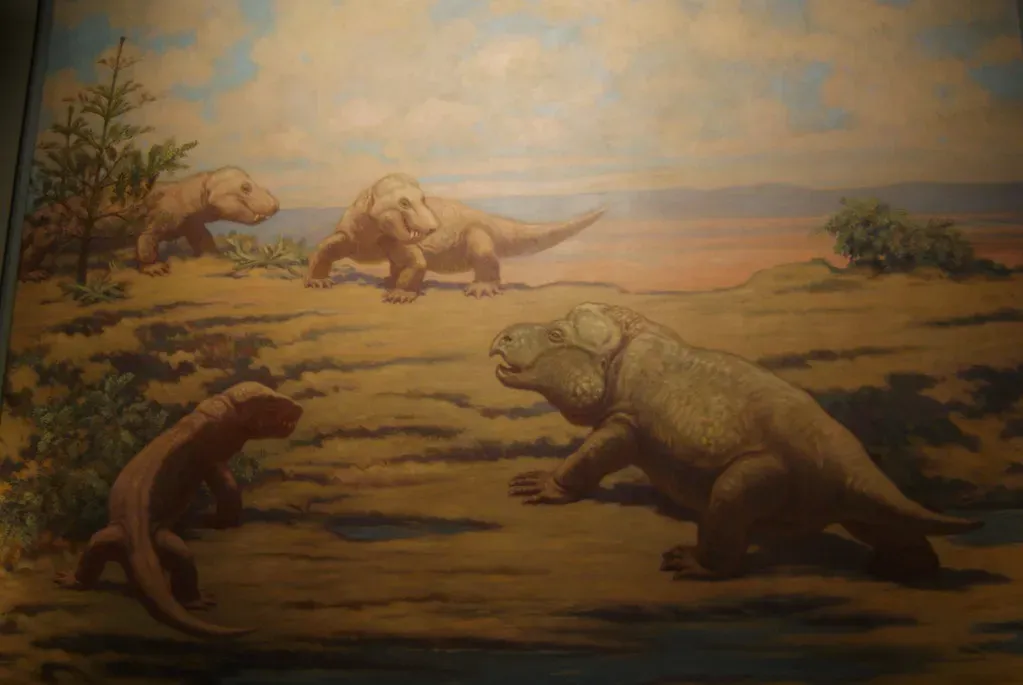
One of the most counterintuitive lessons from the fossil record is that species richness at a local level did not reliably predict which groups survived mass extinctions. What mattered far more was how widely distributed a group was across the planet. Broad geographic distribution at the clade level, regardless of species-level ranges, significantly enhanced survivorship at all of the major extinction events. The more corners of the world you occupied, the better your chances that at least some pocket of your kind would survive.
It is like the old investment wisdom about not keeping all your eggs in one basket – except the stakes are your entire evolutionary lineage. The grouping behaviour and tolerance for extreme climatic conditions helped Lystrosaurus survive, and Antarctica may have served as a refuge for dicynodonts during the Permian-Triassic extinction, from which surviving dicynodonts spread out in its aftermath. A species scattered across multiple continents could lose everything in one region and still have survivors in another. Geographic breadth was, in effect, a biological insurance policy.
8. Vascular Plant Structure: The Adaptation That Accidentally Changed Everything
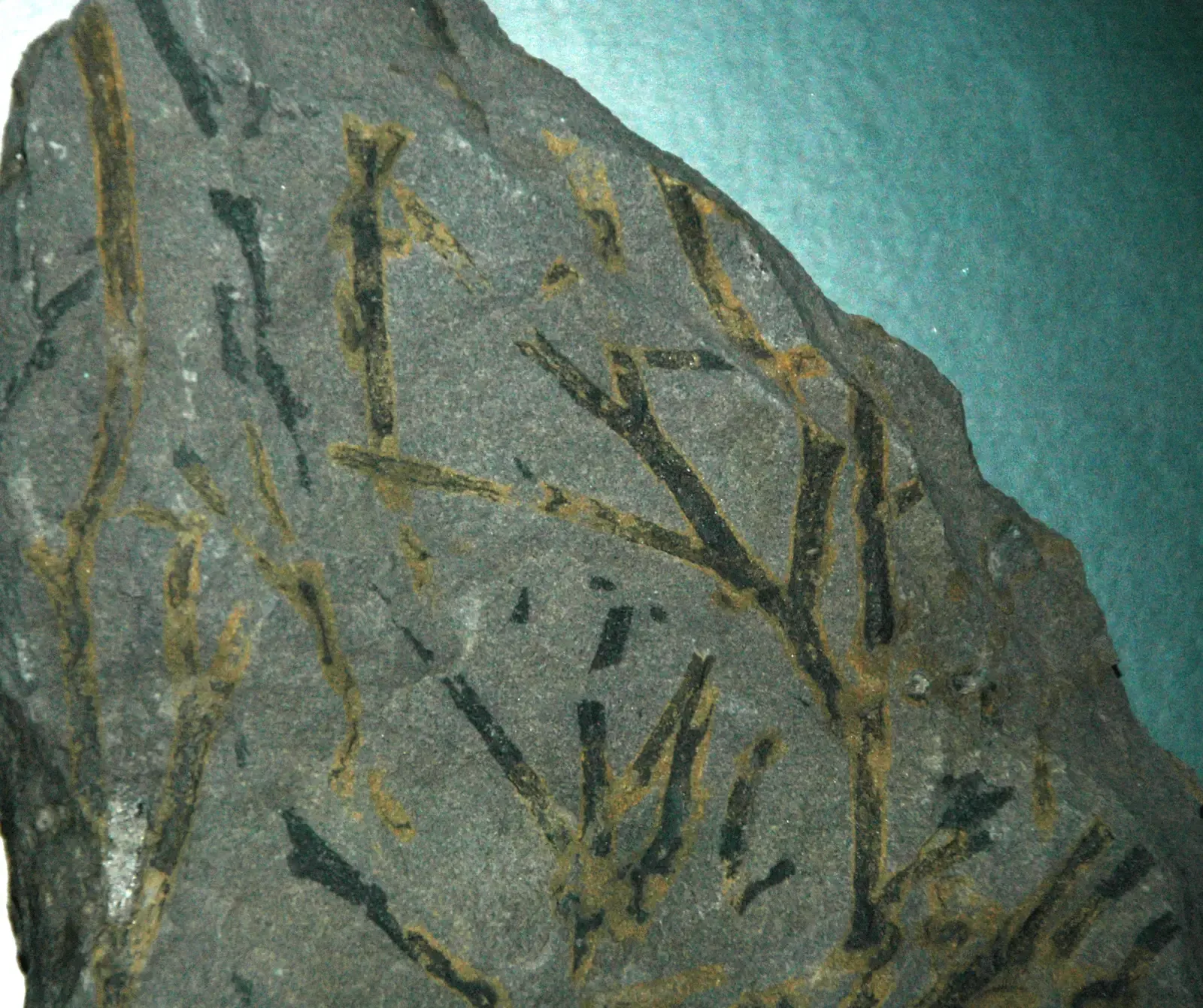
Not all life-changing adaptations were designed to survive catastrophes. Some were developed for completely different reasons – and then turned out to be exactly what was needed when the world fell apart. Plants in the Devonian period developed some of the most consequential structural innovations in the history of life. During the Devonian, plants hit on several winning adaptations, including the stem-strengthening compound lignin and a full-fledged vascular structure. These traits allowed plants to get bigger and for their roots to get deeper than ever before.
A deeper root system means accessing water and nutrients far below the surface – an enormous advantage when topsoil is scorched, flooded, or simply gone. Vascular structure also allowed plants to transport water and nutrients more efficiently throughout their bodies, enabling them to colonize environments that would have been impossible before. Gymnosperms recovered within a few thousand years after the Permian-Triassic boundary, demonstrating the resilience of vascular plant structures during one of Earth’s most devastating events. Without these foundational plant adaptations, the entire food web rebuilding after every catastrophe would have taken far longer – or might not have happened at all.
9. Adaptive Radiation: Filling the Silence After the Storm
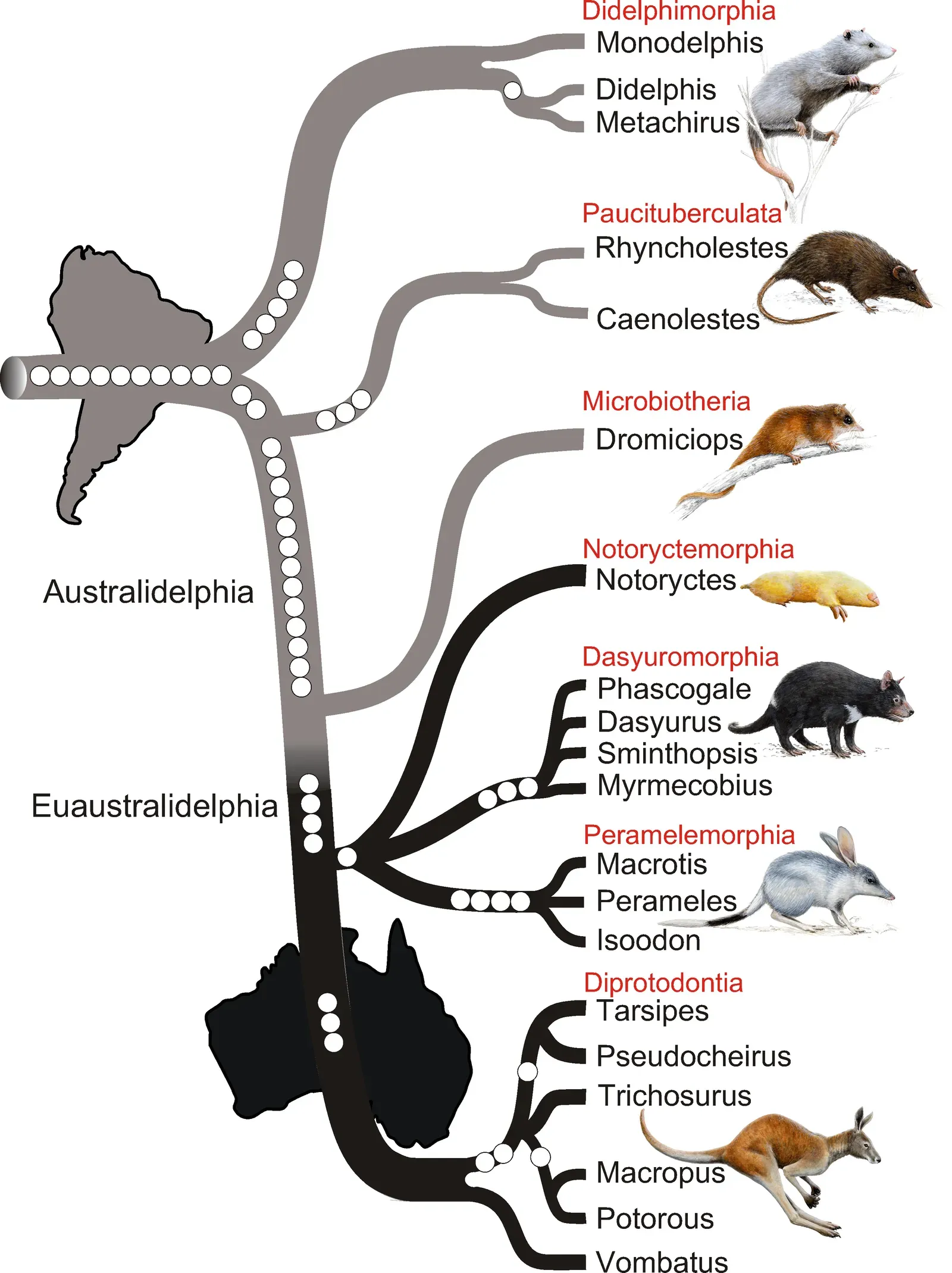
Once a mass extinction clears away the dominant species, the survivors face an extraordinary moment: a world suddenly full of empty ecological niches and no competition to fill them. Those species agile enough to diversify rapidly into those gaps won the post-apocalyptic lottery. Mass extinction can level the evolutionary playing field for a brief time, allowing lineages that were formerly minor players to diversify and become more prevalent. By removing so many species from ecosystems in a short period of time, mass extinctions reduce competition for resources and leave behind many vacant niches, which surviving lineages can evolve into.
Mammals had been around for more than 200 million years – but for most of that time, they remained a small group of rodent-like organisms. It was only when the non-avian dinosaurs went extinct 65 million years ago in the end-Cretaceous mass extinction that mammals really diversified. In less than 20 million years, they evolved into the great variety of mammals we know today. Twenty million years sounds like a long time. In evolutionary terms, it is the blink of an eye. From tiny, burrowing, insect-eating creatures to elephants and whales – that is what happens when the survivors get bold.
10. Shell Miniaturization and Oxygen Adaptation: Surviving a Suffocating Ocean
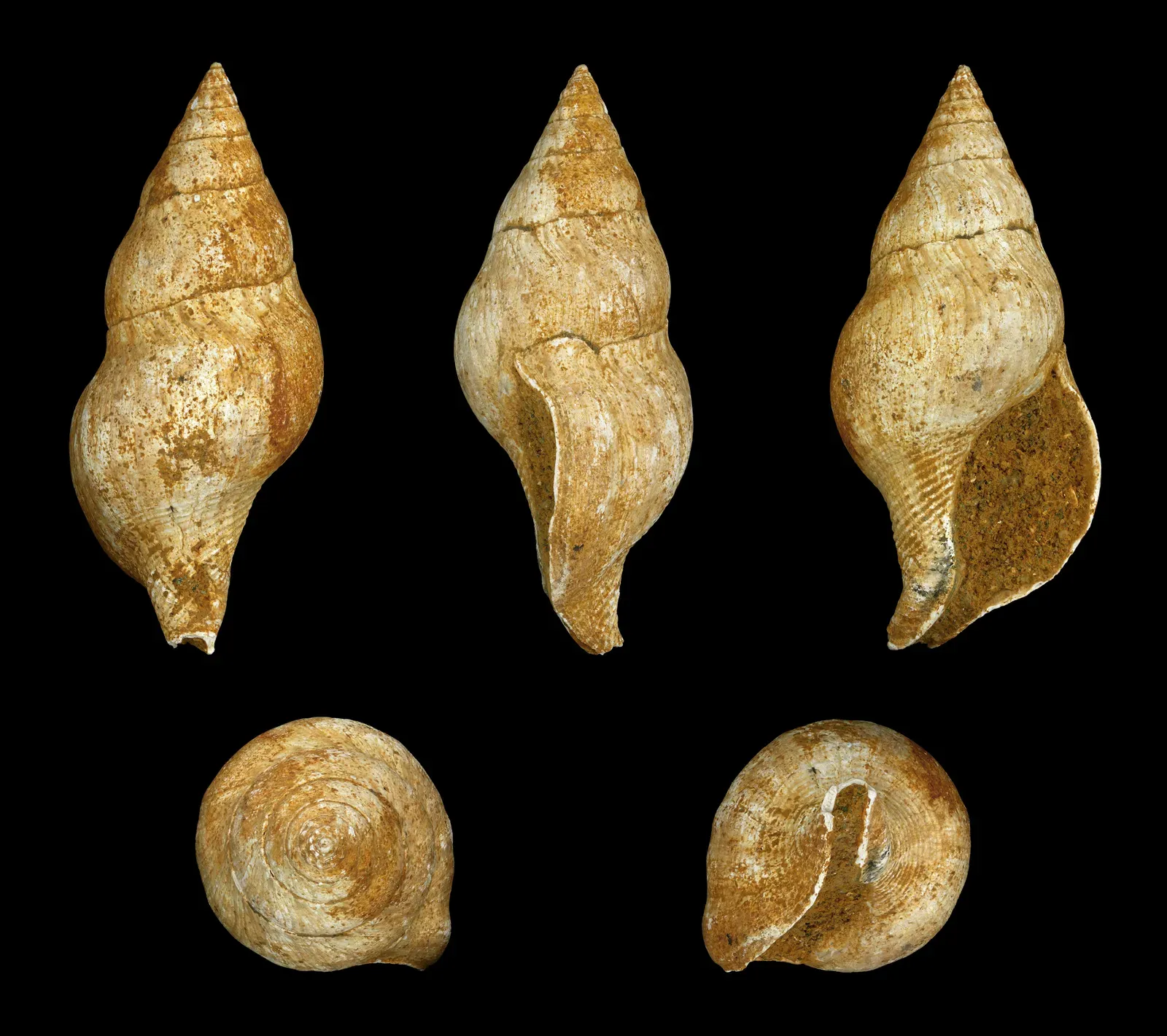
Marine life faced a uniquely brutal challenge during the Permian-Triassic extinction. The oceans became oxygen-starved, toxic, and lethally warm. Most marine creatures simply could not cope. Those that survived did so through remarkable physical changes that allowed them to function in conditions that should have been impossible to endure. Adaptations for oxygen-poor and warm environments, such as increased lophophoral cavity surface, shell width-to-length ratio adjustments, and shell miniaturization, are observed in post-extinction linguliforms.
When Earth warms, its oceans warm as well. Warmer oceans have a tougher time retaining dissolved oxygen in their waters than colder oceans do, and this situation leads to ocean waters that lack sufficient oxygen to sustain life. The creatures that physically shrank their shells, expanded their oxygen-absorbing surfaces, and restructured their bodies around low-oxygen survival were not just adapting – they were performing live evolutionary surgery on themselves in real time. It sounds impossible. Yet the fossil record proves it happened, and it happened fast enough to matter.
Conclusion: The Greatest Survival Story Ever Told
Survival in prehistoric times was never guaranteed. It was earned through traits and adaptations that, when viewed through the lens of hindsight, seem almost perfectly engineered for disaster. Though mass extinctions are deadly events, they open up the planet for new forms of life to emerge. That tension between destruction and renewal is the central drama of life on Earth – and it is one that has played out at least five times before the world you live in today took shape.
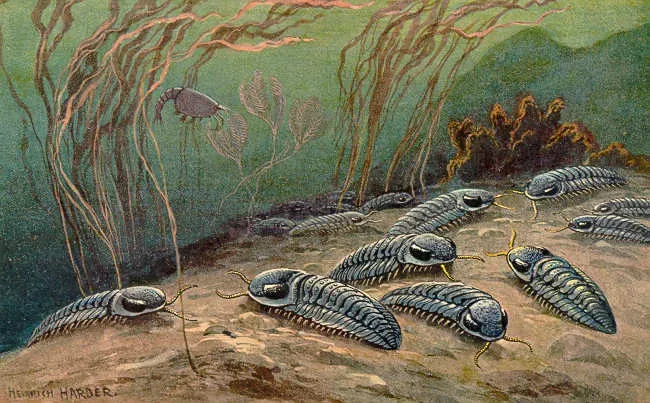
Multiple mass extinction events have taken place since the Cambrian period, and the majority of animal species were commonly wiped out during these events. However, a small number of species representing each phylum were usually able to survive each extinction event, allowing life to continue evolving rather than becoming altogether extinct. That small number of survivors – burrowing, shrinking, eating anything, hiding in the deep, or spreading across continents – is the entire reason you are here reading this today. Every living thing on Earth right now is descended from prehistoric survivors who refused, despite all odds, to disappear.
Which of these ten survival adaptations surprised you the most? Tell us in the comments – because honestly, each one of them deserves its own moment of awe.