China is one of those places that quietly changed everything we thought we knew about dinosaurs. In just a few decades, farmers, field geologists, and painstaking lab work have turned dusty hillsides into time machines, revealing animals with feathers, crests, bizarre claws, and even evidence of color. If you still picture dinosaurs as dull, scaly lizards, the fossils from China are the scientific equivalent of a plot twist that flips the whole story on its head.
What makes these discoveries so gripping is that many of them feel strangely intimate. Some fossils preserve animals curled up as if they fell asleep and never woke up, others show feather patterns frozen in volcanic ash, and a few even capture dinosaur parents brooding on their nests. Let’s walk through ten of the most and see how each one chipped away at old stereotypes and helped build a new, far more vivid picture of life in the age of dinosaurs.
1. Microraptor: The Four-Winged Glider
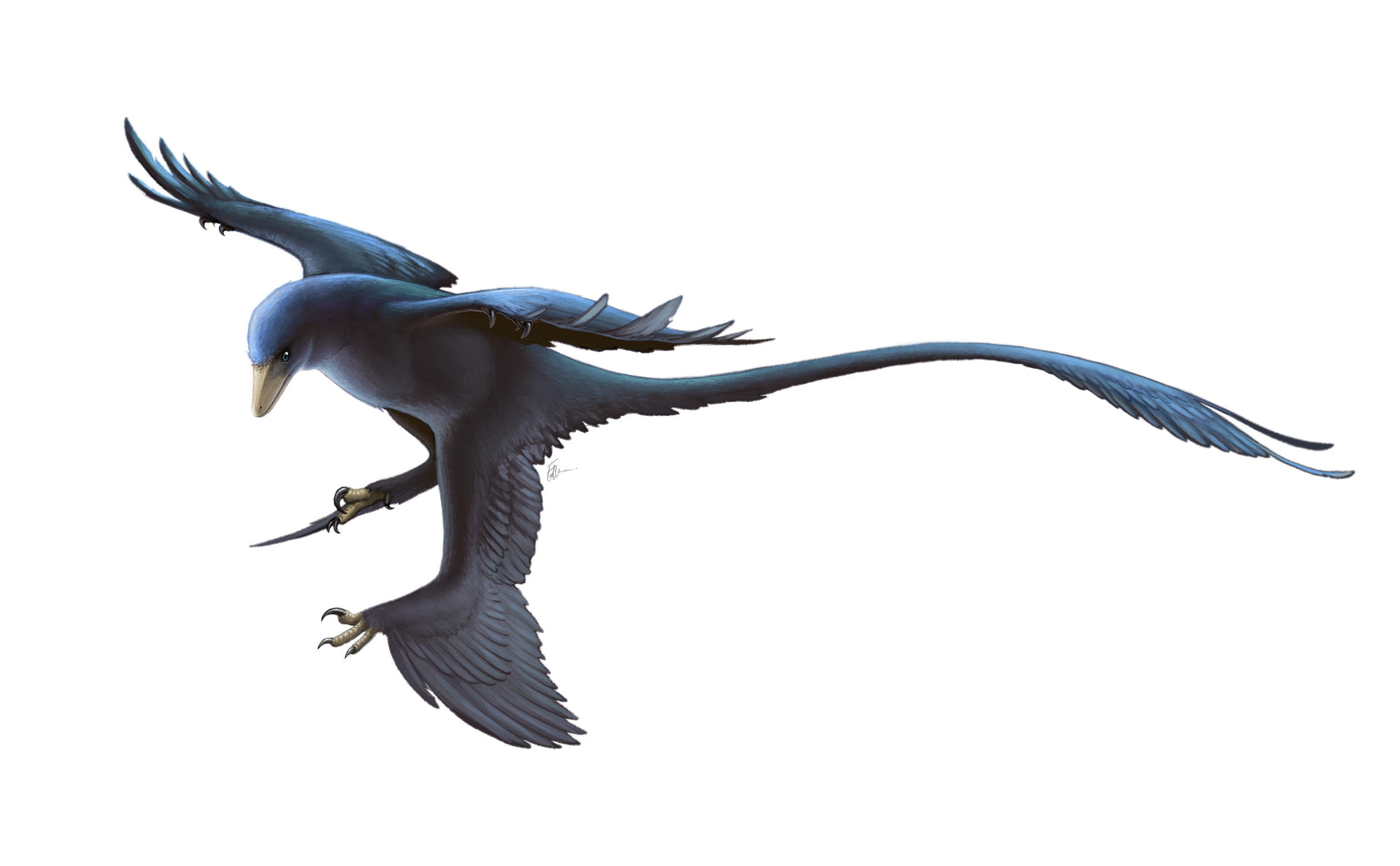
Imagine a small, crow-sized dinosaur launching itself from a tree, not with two, but with four feathered wings catching the air. That is Microraptor, one of the most jaw-dropping fossils ever found in northeastern China’s famous fossil beds. When paleontologists first realized it had long flight feathers not only on its arms, but also on its legs, it forced everyone to rethink how flight might have evolved.
Microraptor lived in what is now Liaoning Province, in a landscape of forests, lakes, and volcanoes that conveniently buried animals quickly in fine ash, preserving the delicate details of feathers. Some fossils are so clear that scientists can see the shape and layering of its plumage, and even infer that these animals likely had dark, glossy, almost raven-like sheens. It is a perfect example of how Chinese fossils turned dinosaurs from rough sketches into richly detailed portraits.
2. Sinosauropteryx: The First Feathered Dinosaur Revelation
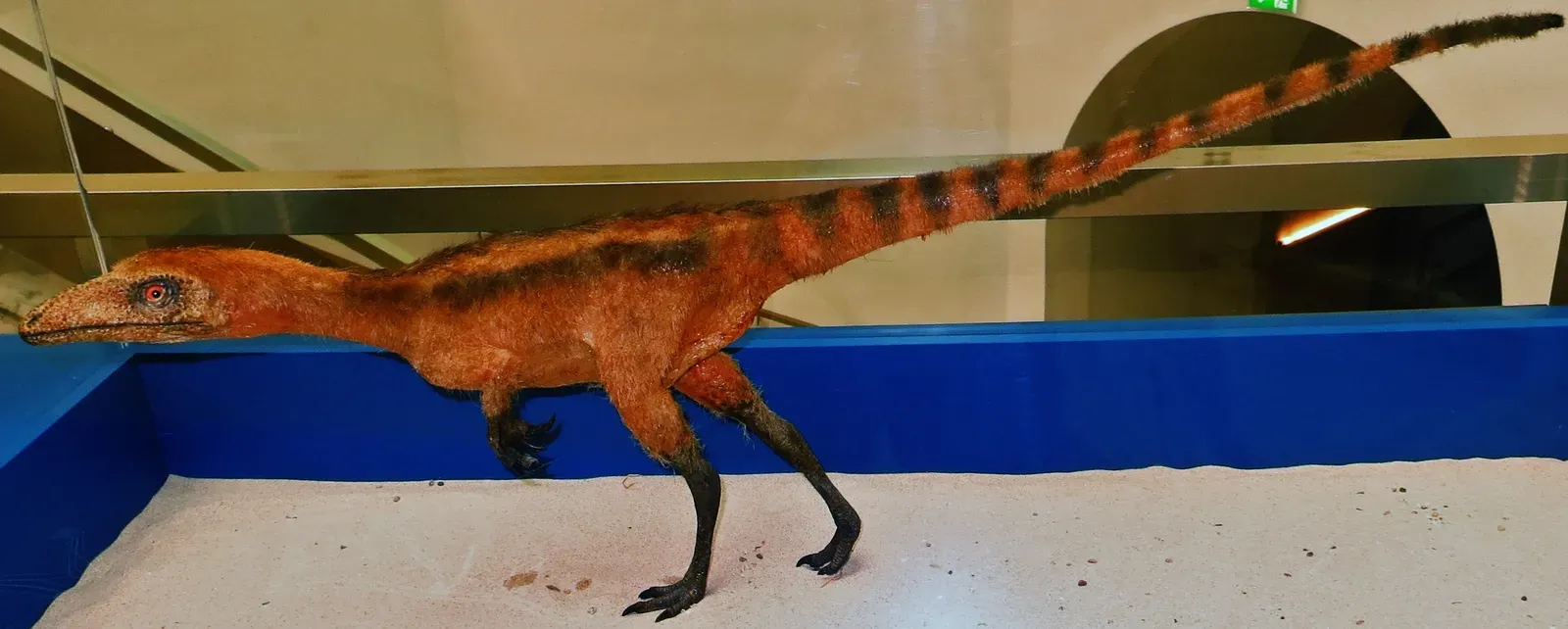
Sinosauropteryx is the dinosaur that shook the world of paleontology because it was among the first non-bird dinosaurs ever found with unmistakable feather-like structures. When it was described in the late 1990s from Liaoning, those fuzzy filaments along its back looked nothing like the naked, scaly skin people expected. Overnight, it became a key piece of evidence linking dinosaurs and birds in a very direct, visual way.
What makes Sinosauropteryx even more captivating is that some specimens preserve subtle patterns that hint at banded tails and different pigment densities. Researchers have debated the exact colors, but the big idea is simple and powerful: this small, agile predator was probably not drab. To me, that changes how you imagine the Mesozoic world; not as a sepia-toned movie, but more like a bustling, colorful ecosystem where subtle patterns and hues mattered for display, camouflage, or both.
3. Yutyrannus: The Giant Feathered Tyrant
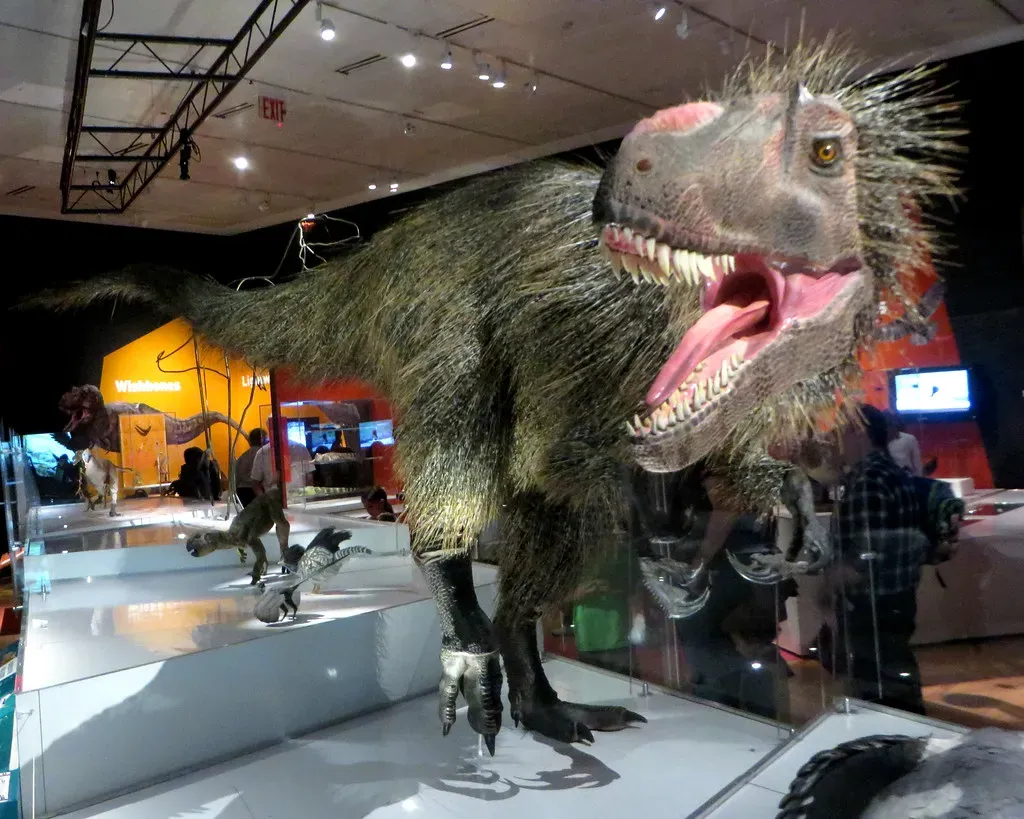
If you ever thought feathers were only for tiny, birdlike dinosaurs, Yutyrannus is there to prove you wrong. This was a massive tyrannosauroid from northeastern China, roughly bus-sized and armed with a formidable skull and teeth. Yet its fossils clearly show patches of filamentous feathers along its body, suggesting that even large, fearsome predators could be at least partially fuzzy.
I find Yutyrannus particularly striking because it bridges the mental gap between little feathered hunters and giants like Tyrannosaurus rex. It hints that insulation, display, or some combination of both might have been important even for big carnivores living in cooler climates. Picture a shaggy, imposing hunter stalking through a temperate forest; it feels shockingly different from the old image of cold-blooded, reptilian monsters basking in swamps.
4. Dilong: The Small Tyrannosaur With a Soft Side
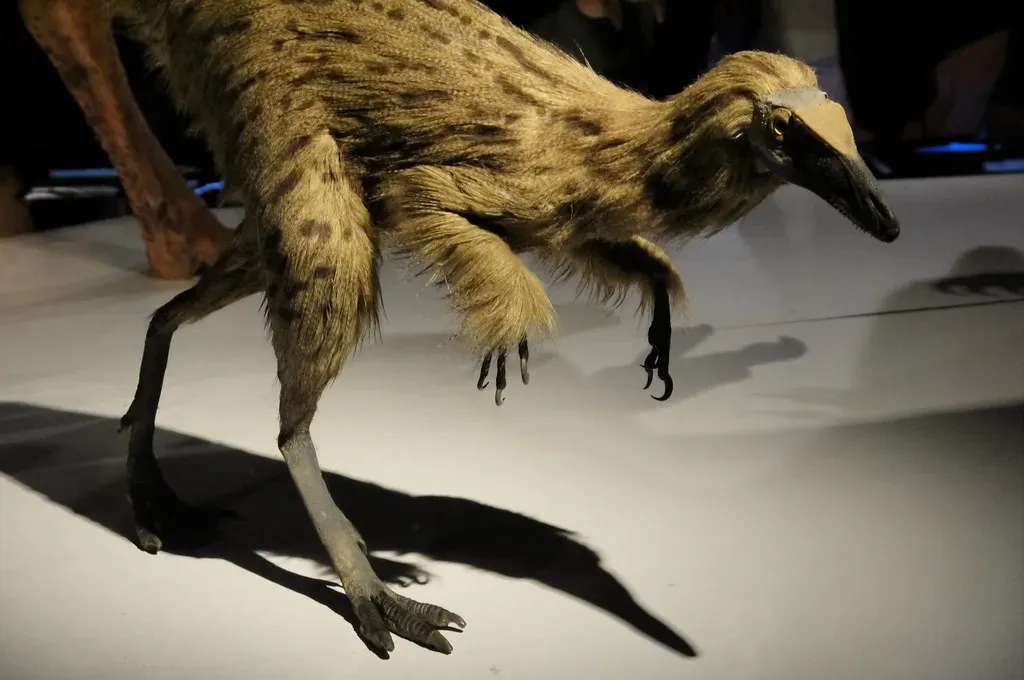
What I love about Dilong is how it complicates the story of tyrannosaurs. These animals were not always apex giants; they started out as relatively modest-sized hunters, likely relying on speed and agility more than crushing power. Seeing these early forms from China feels a bit like flipping back to the first chapters of a long-running series and realizing the main character had a very different origin story than you assumed.
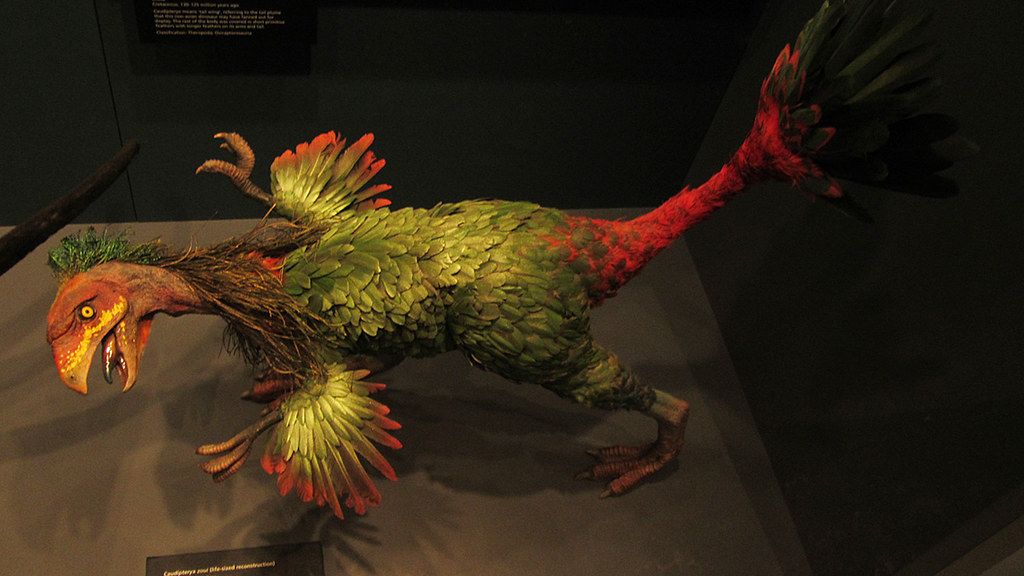
5. Caudipteryx: The Dinosaur That Looks Almost Like a Bird
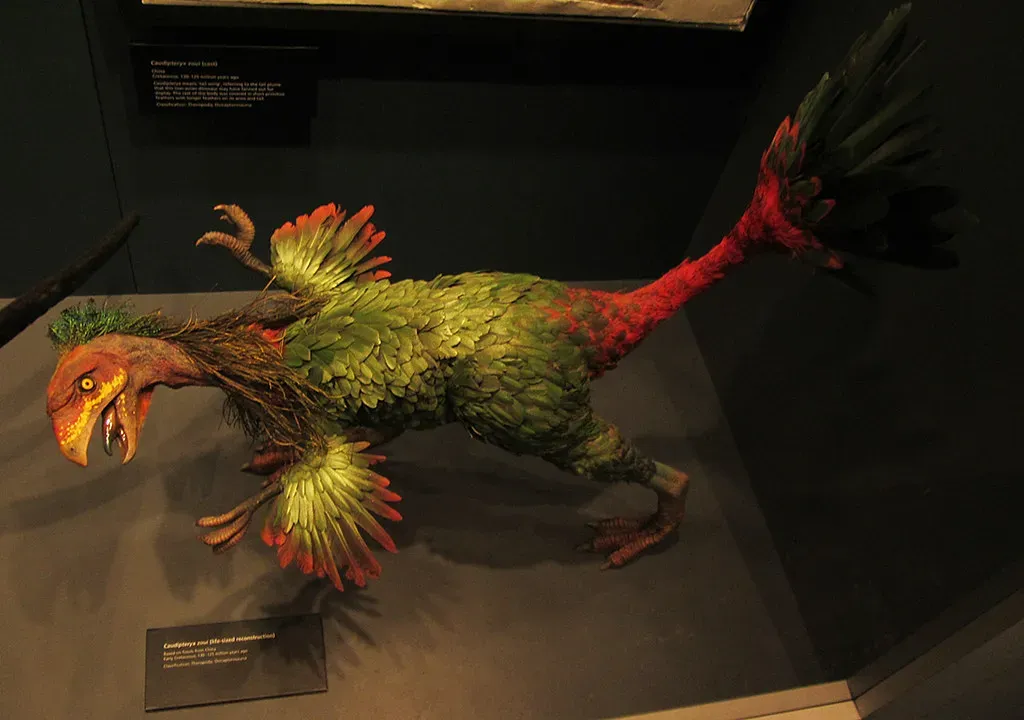
Caudipteryx is one of those fossils that makes you do a double take because it blurs the line between dinosaur and bird in an almost unsettling way. It was a small, feathered dinosaur with a short snout, a fan of tail feathers, and symmetrical feathers on its arms. It probably could not truly fly, but it looked astonishingly birdlike while still being firmly classified as a non-avian dinosaur.
Found in the Yixian Formation of northeastern China, Caudipteryx has beautifully preserved feathers that show how complex plumage could be before true flight evolved. The more you look at it, the harder it is to maintain a strict mental barrier between “bird” and “dinosaur.” For many people, including me, Caudipteryx is one of those fossils that makes the statement that birds are living dinosaurs feel real, not just like a clever slogan.
6. Confuciusornis: An Early Beaked Bird With a Dramatic Tail
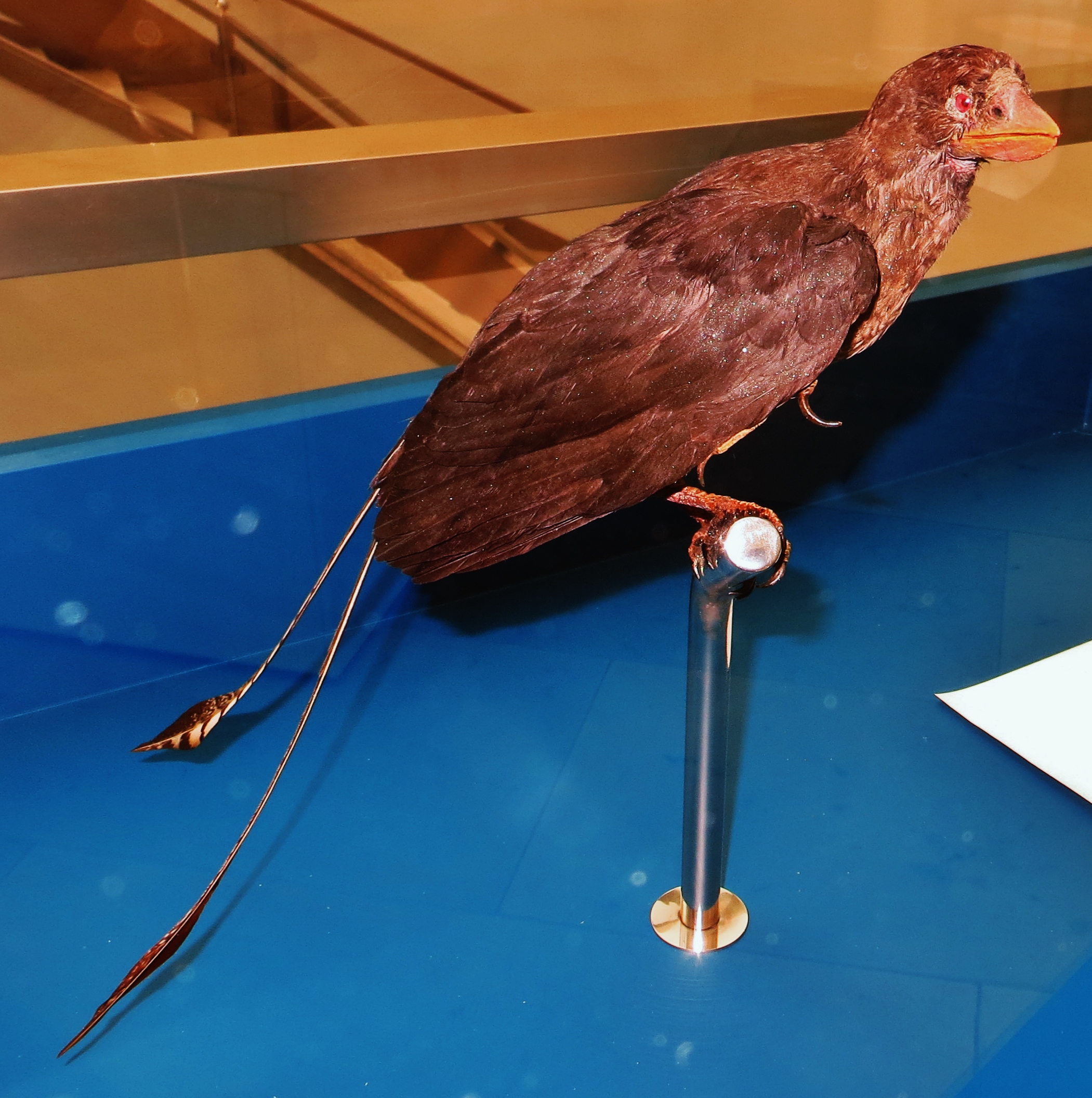
What fascinates me about Confuciusornis is how it highlights the experimentation happening around the dawn of true birds. There were still many primitive features in its skeleton, yet the beak and those extravagant tail feathers feel surprisingly modern. When I first saw reconstructions of Confuciusornis, it struck me how quickly the world went from small, fuzzy dinosaurs chasing insects to these elaborate, ornamental fliers slicing through the Mesozoic skies.
7. Psittacosaurus: The Parrot-Beaked Oddball With Quills
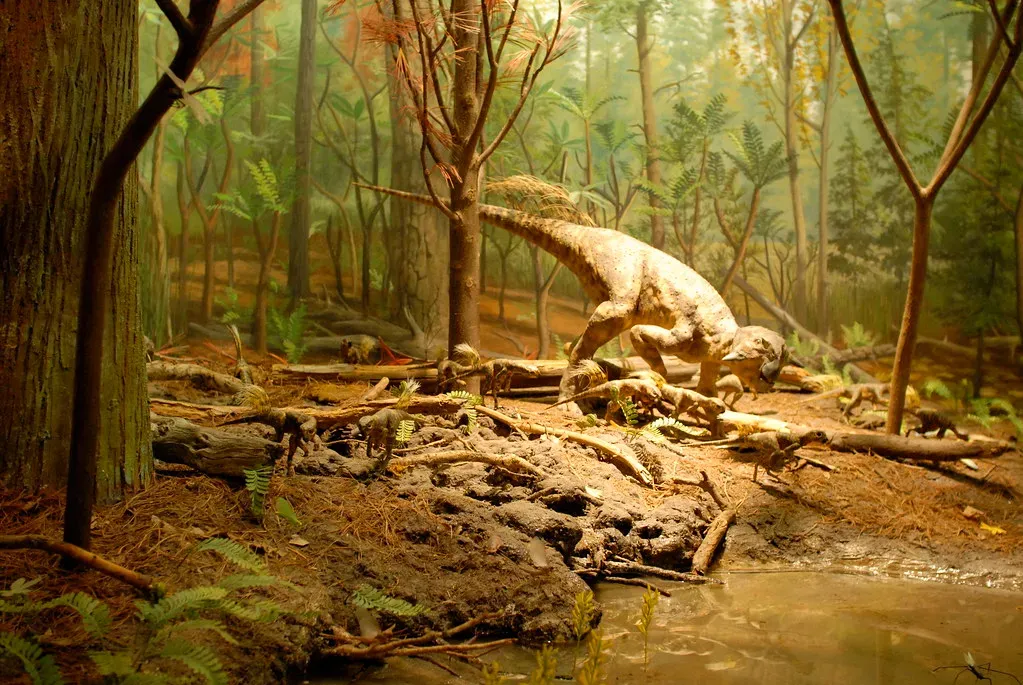
Those tail bristles are a reminder that dinosaurs experimented with all sorts of skin coverings, not just classic feathers or simple scales. Some specimens of Psittacosaurus are so well preserved that they even show skin patterns and possible color variations across the body. For me, this transforms it from a generic little herbivore into something much more vivid, maybe even with subtle stripes or shading that mattered for social signals or camouflage on a forest floor.
8. Mamenchisaurus: The Extreme Long-Necked Giant
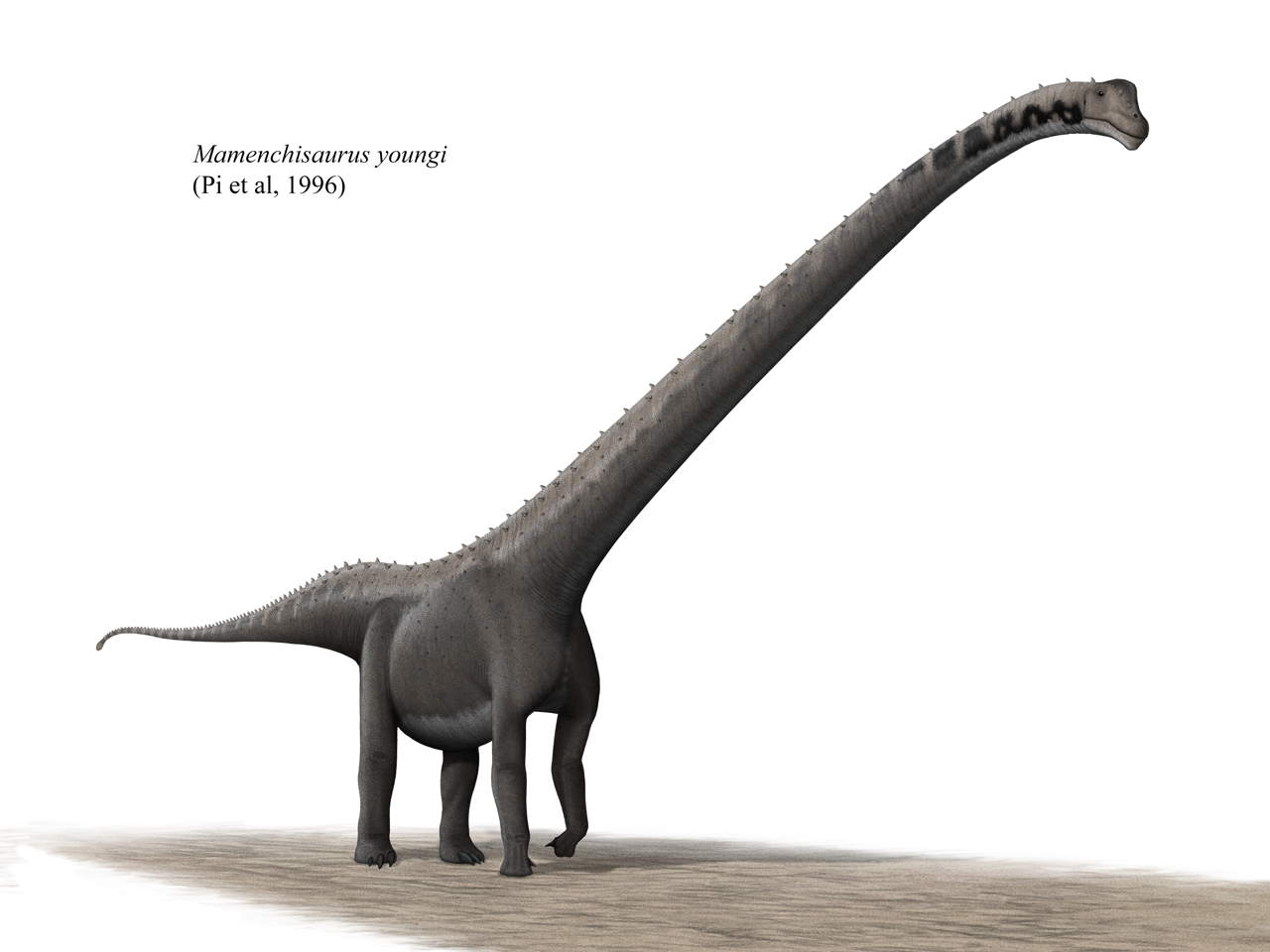
What makes Mamenchisaurus fascinating is not just its size, but the engineering problem it poses. How did it support and use such a long neck without collapsing under its own weight or cutting off blood supply to the brain? Different studies have suggested various neck postures and feeding strategies, from sweeping across wide feeding zones to more upright browsing. To me, it captures the sense that evolution sometimes pushes traits to almost comical extremes, and somehow, they still work.
9. Sinornithosaurus: The Venom Debate and the Birdlike Hunter
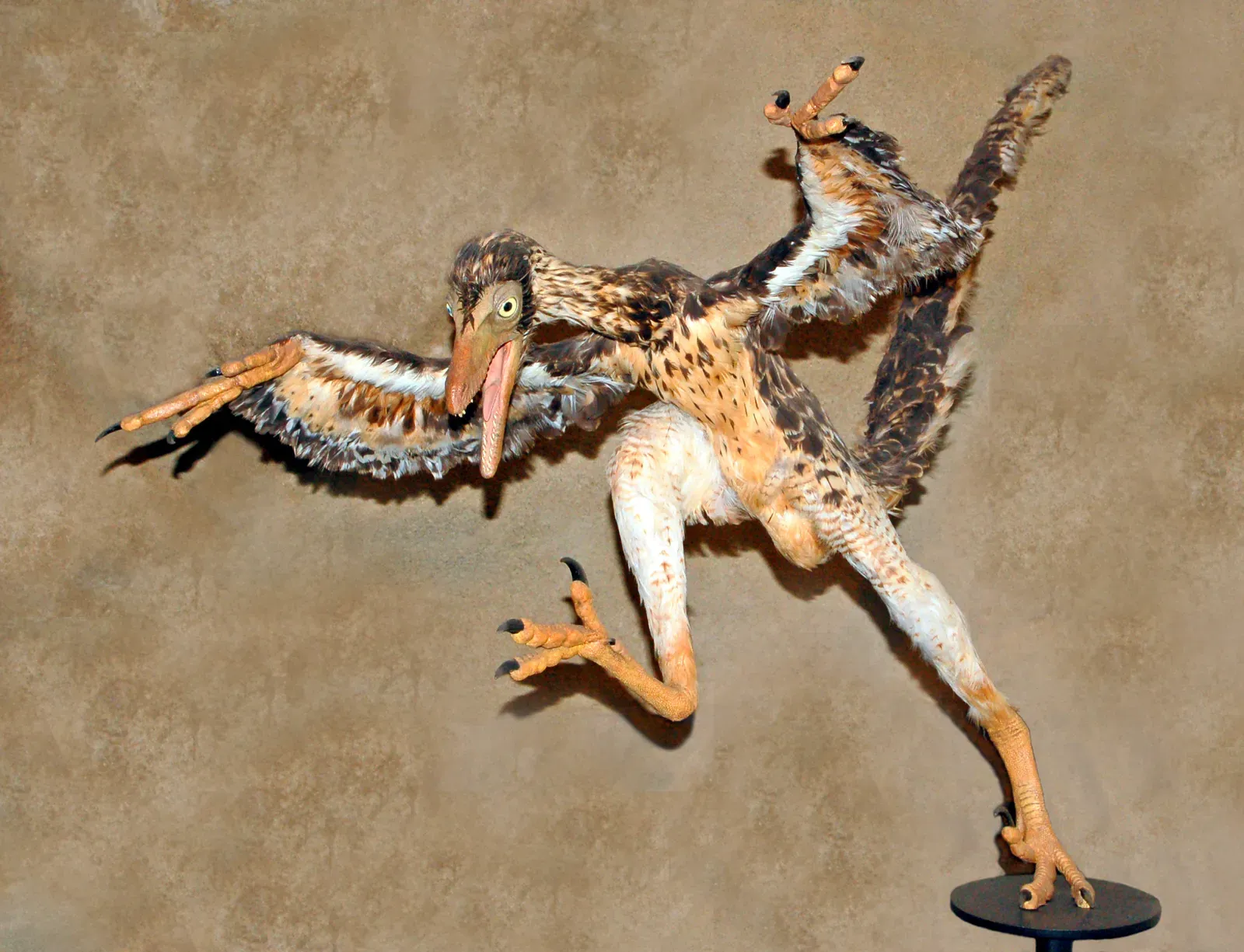
Whether or not it was actually venomous, Sinornithosaurus is still an incredible glimpse into the diversity of small, agile predators darting through Cretaceous forests. Its feathers reinforce the idea that these hunters were warm-blooded, active, and probably quite intelligent by reptile standards. Personally, I like that this dinosaur reminds us science is not static; interpretations change, debates flare up, and the story keeps evolving as new evidence and new perspectives come to light.
10. Mei long: The Dinosaur Forever Asleep
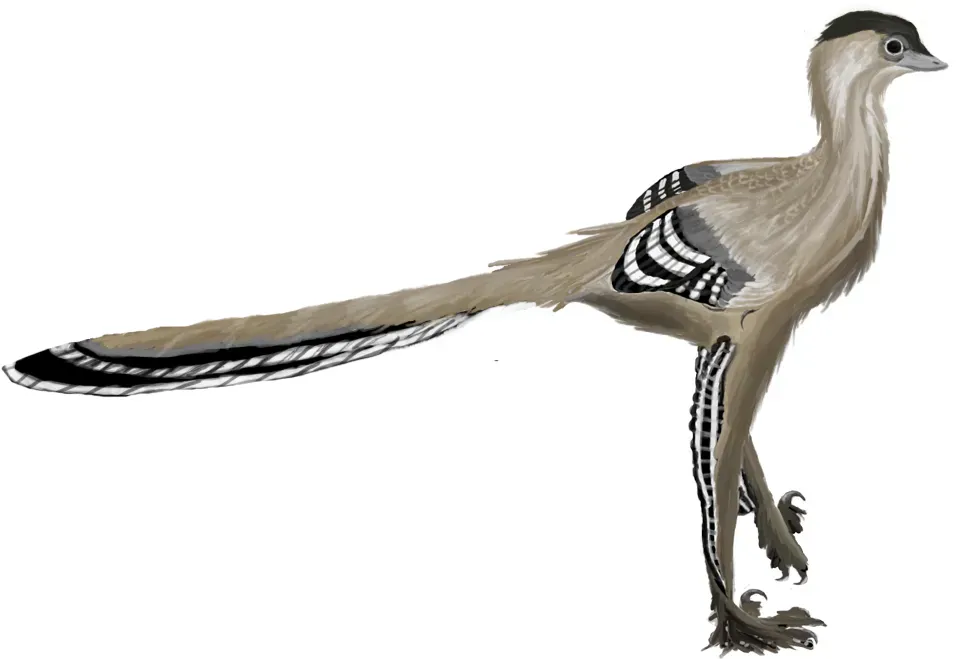
That pose is not just poignant, it is scientifically revealing, because it closely matches the way many modern birds sleep. It reinforces the behavioral continuity between non-avian dinosaurs and their avian descendants, suggesting that some birdlike habits were already in place long before true birds flourished. Every time I see images of Mei long, I’m reminded that these were not movie monsters; they were real animals with daily routines, vulnerabilities, and quiet moments that fossils occasionally, miraculously, capture.
Conclusion: China’s Dinosaurs Rewrote the Story, And We’re Still Catching Up
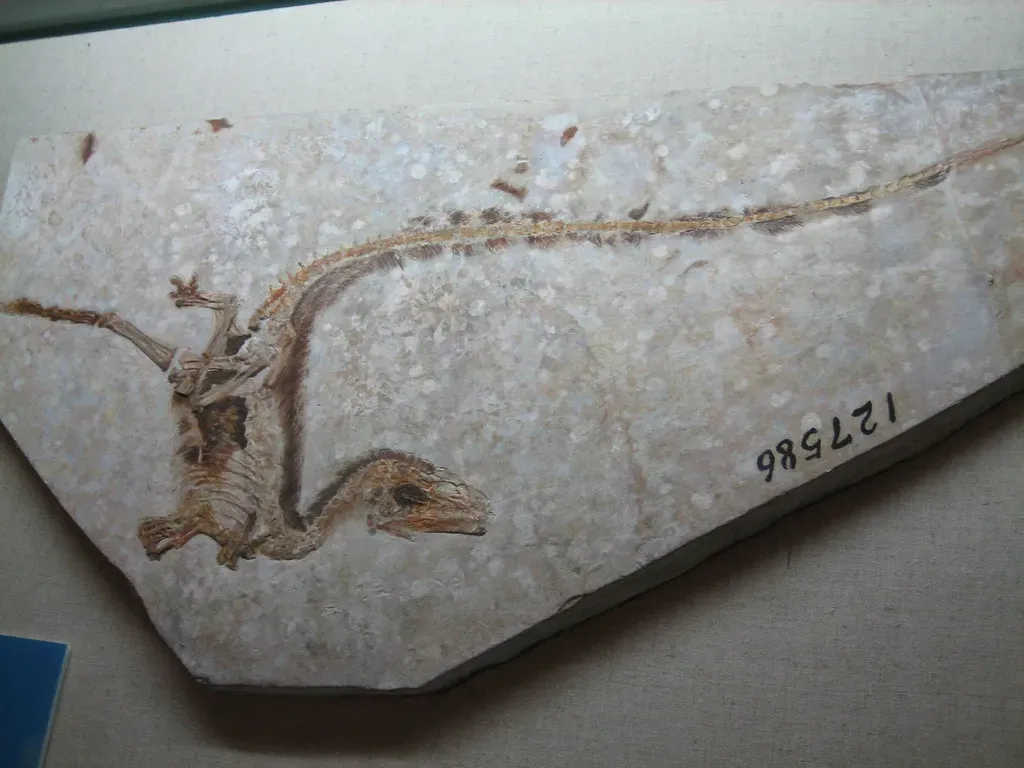
When you look across these ten dinosaurs, a pattern jumps out: China did not just add more names to an already long dinosaur list; it fundamentally changed the script. Feathers on predators large and small, intricate plumage in early birds, quills on plant-eaters, and even a dinosaur frozen mid-sleep turned what once felt like a distant, almost mythical world into something far more familiar and dynamic. In my view, the old picture of sluggish, scaly beasts lumbering through a steamy swamp is not just outdated, it is almost unrecognizable compared to the evidence these fossils provide.
What excites me most is the sense that we are still only partway through this story. New digs in China continue to uncover specimens that raise fresh questions about color, behavior, growth, and the deep links between dinosaurs and birds. It feels a bit like we opened a door we did not know existed, and behind it is an entire gallery of strange, beautiful, and sometimes haunting lives preserved in stone. The real challenge now is not whether dinosaurs were more complex and birdlike than we thought, but how far that complexity goes – and how much more we are willing to let our mental picture of them change. After everything you have just read, does your inner image of a dinosaur still look the same as it did before?