Picture this: you think you know the story of mammals. Small, timid, hiding in the dark while dinosaurs ruled the Earth. It’s a comfortable tale, one that most of us learned in school and never questioned. But here is the thing – science has been quietly dismantling that story, piece by fossil piece, for decades. And the results are nothing short of jaw-dropping.
From ancient swimmers and gliders to tiny creatures that could hear a whisper before dinosaurs even existed, the world of early mammals is turning out to be far richer and stranger than anyone imagined. So buckle up, because what you are about to read will seriously challenge what you thought you knew. Let’s dive in.
1. Early Mammals Were Far More Diverse Than Anyone Suspected
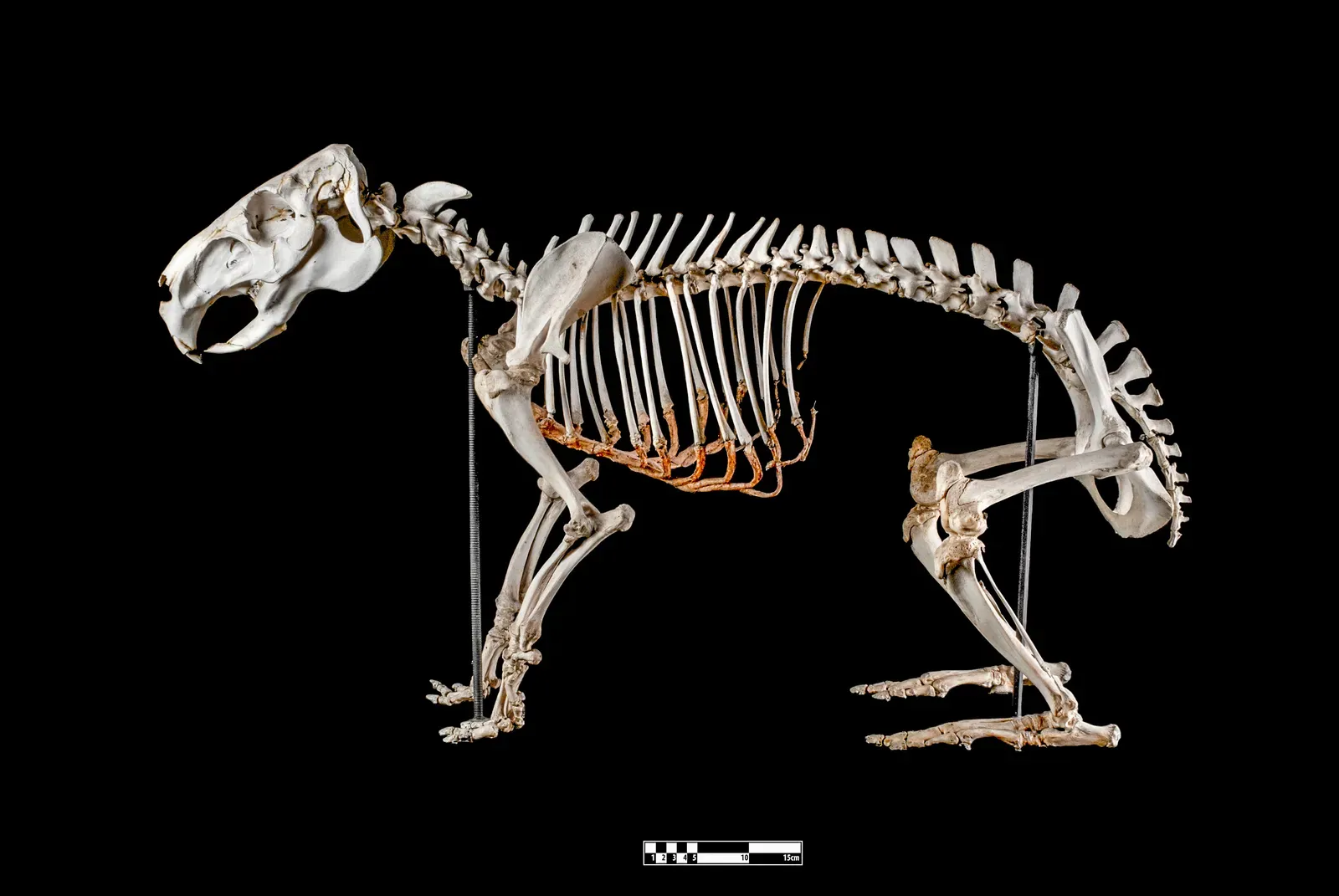
For the longest time, the image of early mammals was embarrassingly dull. Until recently, most early mammal fossils were just individual teeth and jaws, with very few whole skeletons preserved. As a result, people generally thought that all early mammals were very similar: small, more or less mouse-like in appearance and mainly insectivorous. Honestly, you can’t blame scientists for that conclusion – it’s hard to paint a full picture from a single tooth.
In the past 20 years, however, there have been many new fossil discoveries, particularly from China. Some of these are complete skeletons, even showing impressions of fur. These fossils tell us that there was a lot more to early mammals than paleontologists previously suspected. Think of it like finding out a black-and-white photo you thought showed a mouse was actually a technicolor wildlife documentary waiting to be seen.
2. Some Early Mammals Could Glide, Swim, and Even Ate Dinosaurs
Stefan Kraft
Nordelch
FunkMonk, CC BY-SA 4.0)
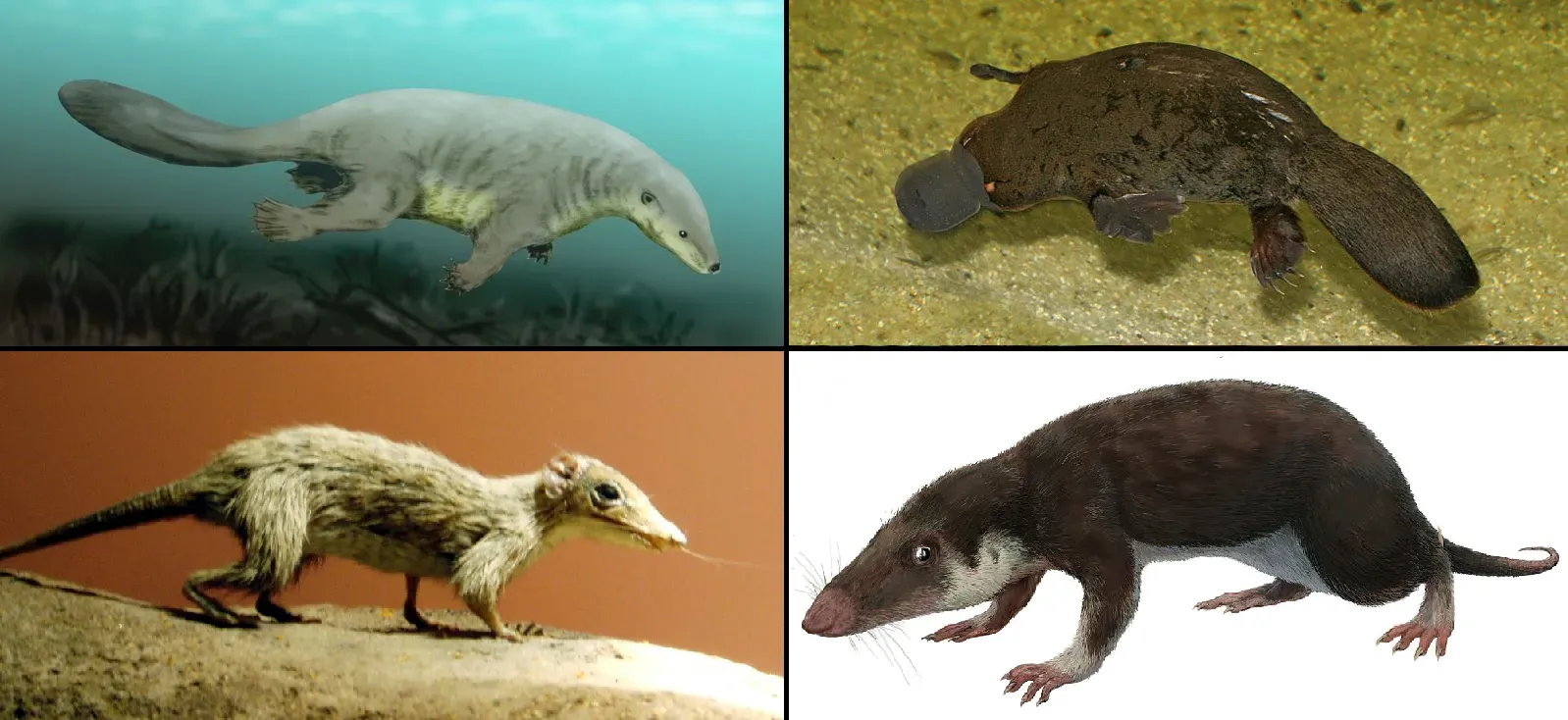
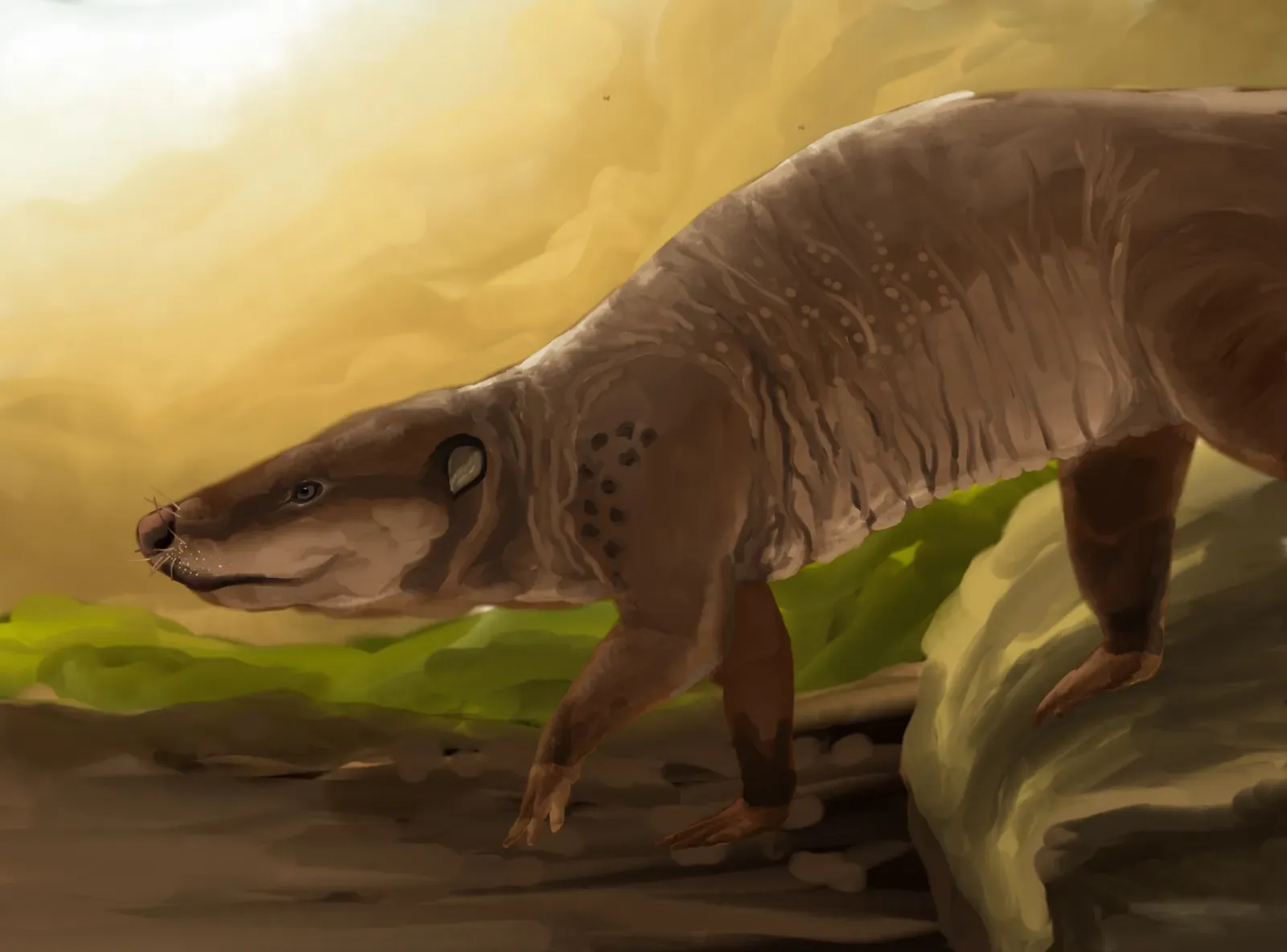
By the Cretaceous, some mammals were up to the size of a badger; some ate fish, others fruit, and some even ate baby dinosaurs. There were species that could glide, such as Volaticotherium, using a flap of skin between the arm and leg like a flying squirrel does today. There were swimmers such as Castorocauda, which had a flattened tail like an otter, and mole-like diggers such as Docofossor. Let that sink in for a moment. Mammals were eating dinosaurs. Not the other way around.
The old tale of mammals eking out a living under the talons of rapacious dinosaurs until the asteroid struck doesn’t hold up. An entire menagerie of mammals flourished alongside dinosaurs, including some that even ate baby dinosaurs for lunch. As one researcher put it, what we think of as the Age of Mammals, after the end of the Cretaceous, is only one third of mammal evolution. There was about 200 million years before that.
3. A 250-Million-Year-Old Fossil Reveals the Shocking Origins of Mammal Hearing
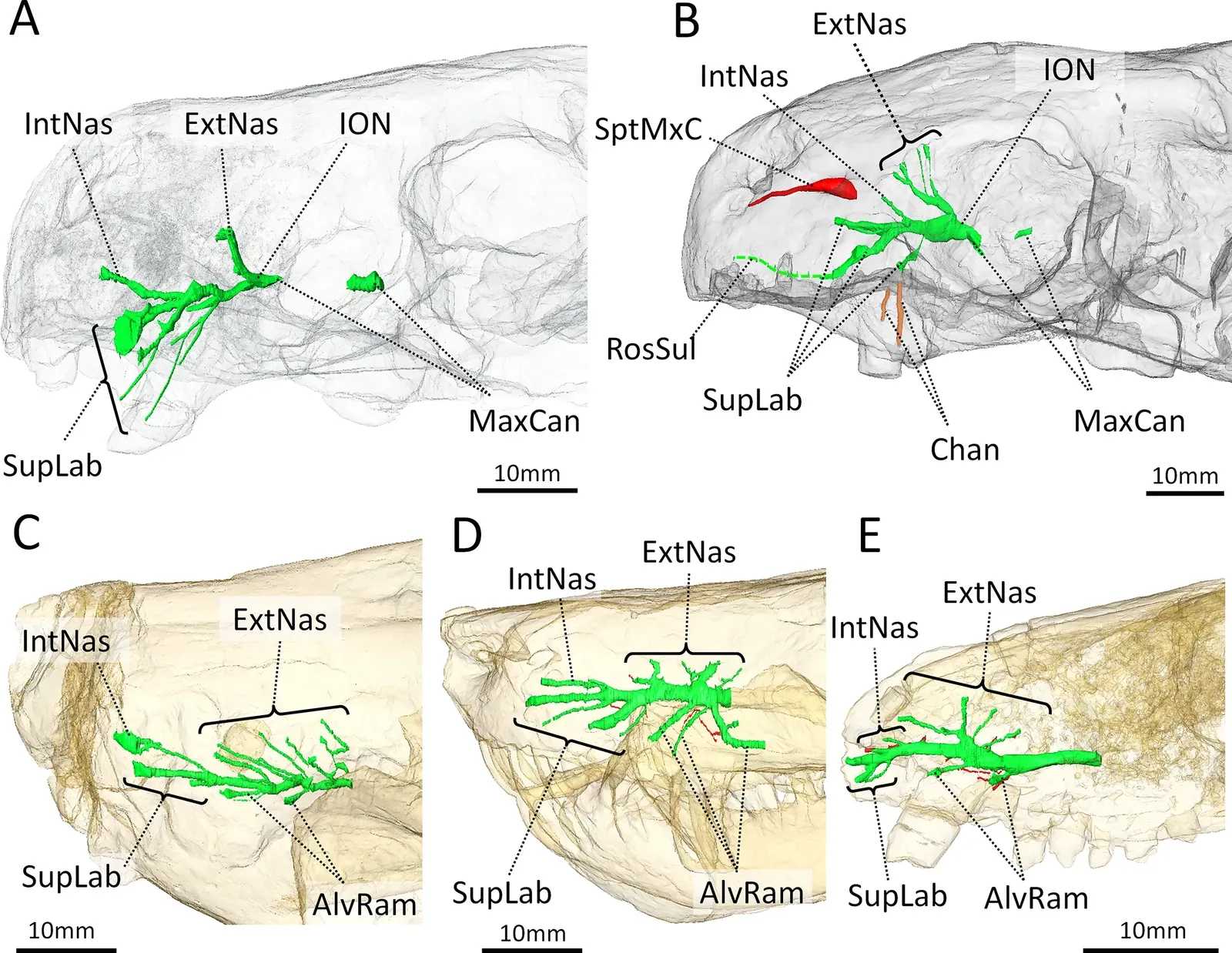
This one is a genuine bombshell. By modeling how sound moved through the skull of Thrinaxodon, a 250-million-year-old mammal predecessor, researchers found it likely used an early eardrum to hear airborne sounds. New findings from paleontologists at the University of Chicago suggest that this advanced form of hearing appeared far earlier than scientists once believed. We are talking nearly 50 million years earlier than previously estimated. That’s a mind-bending revision.
The middle ear of mammals, with an eardrum and several small bones, allows us to hear a broad range of frequencies and volumes, which was a big help to early, mostly nocturnal mammal ancestors as they tried to survive alongside dinosaurs. Researchers estimate that Thrinaxodon could have achieved a hearing range from 38 to 1,243 hertz, and was most sensitive to sounds at 1,000 hertz when the sound pressure was 28 decibels, a sound level somewhere between a whisper and a normal conversation. Imagine being able to hear a whisper from a predator before you could even see it – that is a survival superpower.
4. The Mammalian Jaw Was an Evolutionary Experiment, Not a Single Event
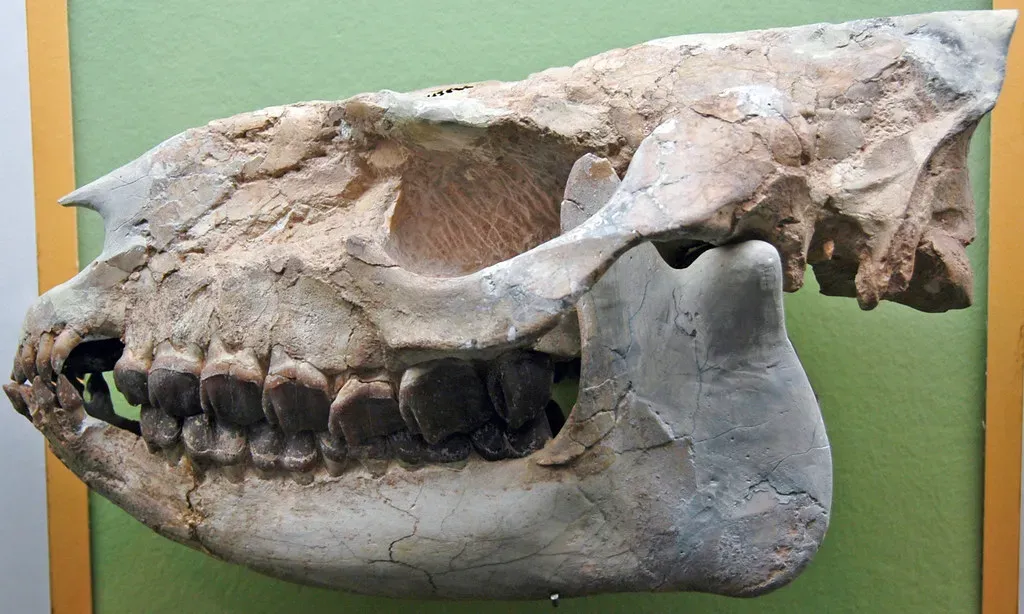
Fossils belonging to the mammal-precursor species Brasilodon quadrangularis and Riograndia guaibensis offer critical insights into the development of the mammalian jaw and middle ear, revealing evolutionary experiments that occurred millions of years earlier than previously thought. Brazilian fossils, as it turns out, have been keeping some seriously important secrets.
These findings suggest that mammalian ancestors experimented with different jaw functions, leading to the evolution of mammalian traits independently in various lineages. The early evolution of mammals, it turns out, was far more complex and varied than previously understood. This discovery has broad implications for understanding the early stages of mammal evolution, illustrating that features such as the mammalian jaw joint and middle ear bones evolved in a patchwork, or mosaic, fashion across different cynodont groups. Evolution, in other words, didn’t follow a tidy roadmap.
5. Warm-Bloodedness Evolved Far Earlier Than We Thought
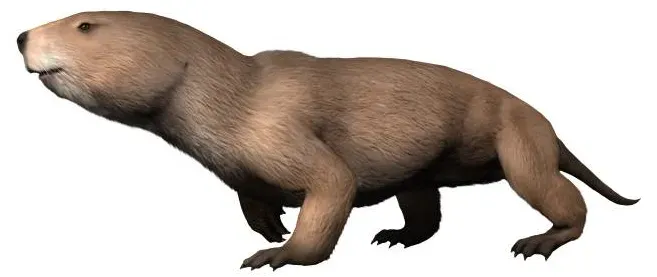
Mammal forerunners started warming up around 233 million years ago, during the Triassic period. At that time, dinosaurs were just beginning to proliferate, reptiles were the most prominent and diverse creatures on land, and mammal predecessors were relatively small, somewhat weasel-like creatures. Technically known as mammaliamorphs, the latter underwent quite a jump in body temperature – between five and nine degrees Celsius – during this period.
That timing means warm-bloodedness is a very ancient inheritance that evolved before the first true mammals. The nocturnal lifestyle may have contributed greatly to the development of mammalian traits such as endothermy and hair. This is a classic chicken-and-egg puzzle. Did early mammals become nocturnal because they were warm-blooded, or did they become warm-blooded because they lived in the dark cold of night? I think the answer is both – and that’s what makes evolution so endlessly fascinating.
6. Modern Mammals’ Ancestors Emerged Far Earlier Than Suspected
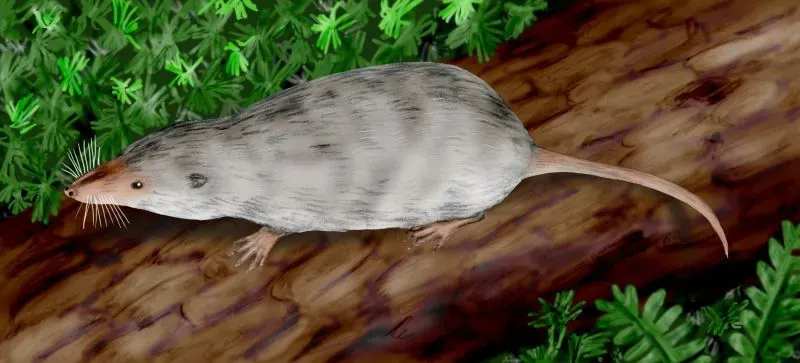
Modern mammals’ ancestors may have emerged millions of years earlier than scientists suspected, around the time the first dinosaurs roamed the Earth. The fossilized remains of six little tree-dwelling animals push the lineage of today’s mammals back to the Late Triassic, more than 200 million years ago. The family tree you thought you knew just got a very deep new root.
The new results might challenge some commonly held beliefs about modern mammals’ ancient ancestors. People stereotype the earliest mammals as ground-dwelling rodents. They were usually considered rat-sized things that lived in the shadow of the dinosaurs. But the new evidence shows that mammals were much more diverse than we thought. You can almost hear the paleontologists enjoying the satisfaction of proving decades of assumptions wrong.
7. A Student’s Beach Walk Discovered a 145-Million-Year-Old Mystery Species
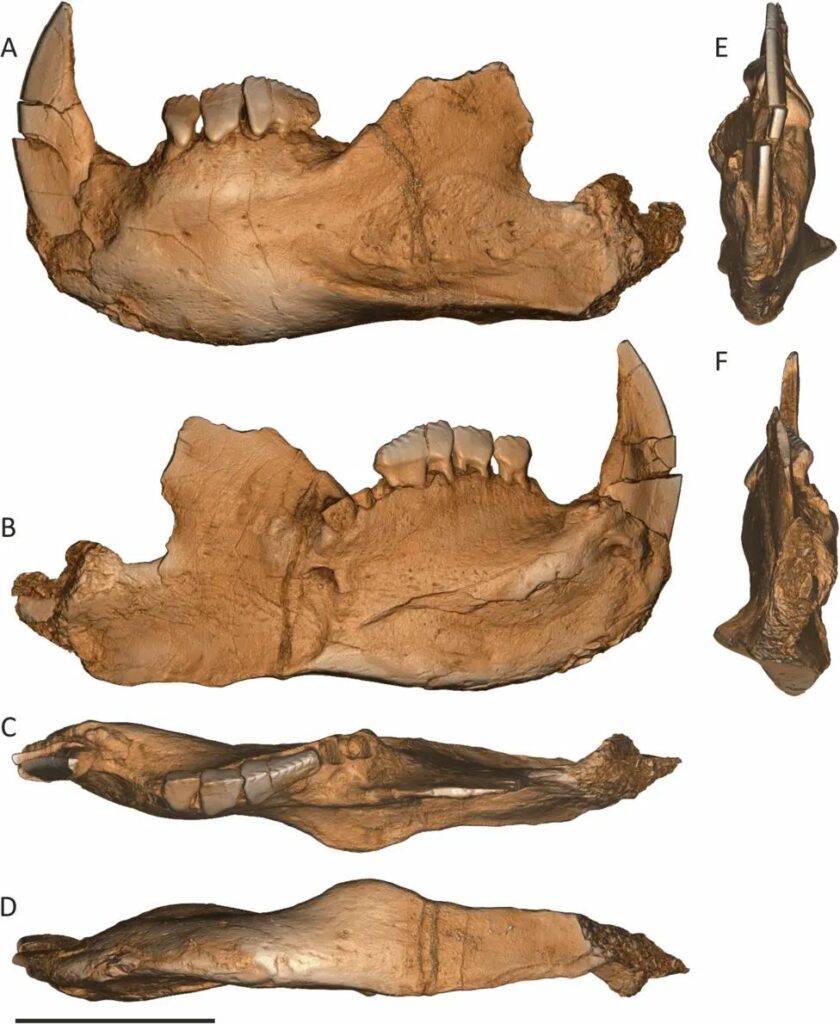
Here is a story that honestly gives you hope for science. A University of Portsmouth student discovered a new species of prehistoric mammal dating back 145 million years to the Berriasian age, providing fresh insights into the diversity of early mammals that lived alongside dinosaurs. The discovery was a 145-million-year-old jawbone belonging to a previously unknown mammal species with razor-like teeth. With the help of CT scanning, 3D printing, and expert analysis, the fossil was revealed to be Novaculadon mirabilis, a multituberculate that lived alongside dinosaurs.
The fossilized lower jaw represents a completely new species of multituberculate, an extinct group of early mammals known for the distinctive tubercles on their posterior teeth. The 16.5mm-long jaw is characterized by a long pointed incisor at the front, followed by a gap and then four razor-sharp premolars. Something the size of a mouse jaw, found on a beach walk, rewriting mammal history. If that doesn’t inspire you to look down at the ground more often, I don’t know what will.
8. The Corral Bluffs Discovery Illuminated the Post-Dinosaur Mammal Explosion
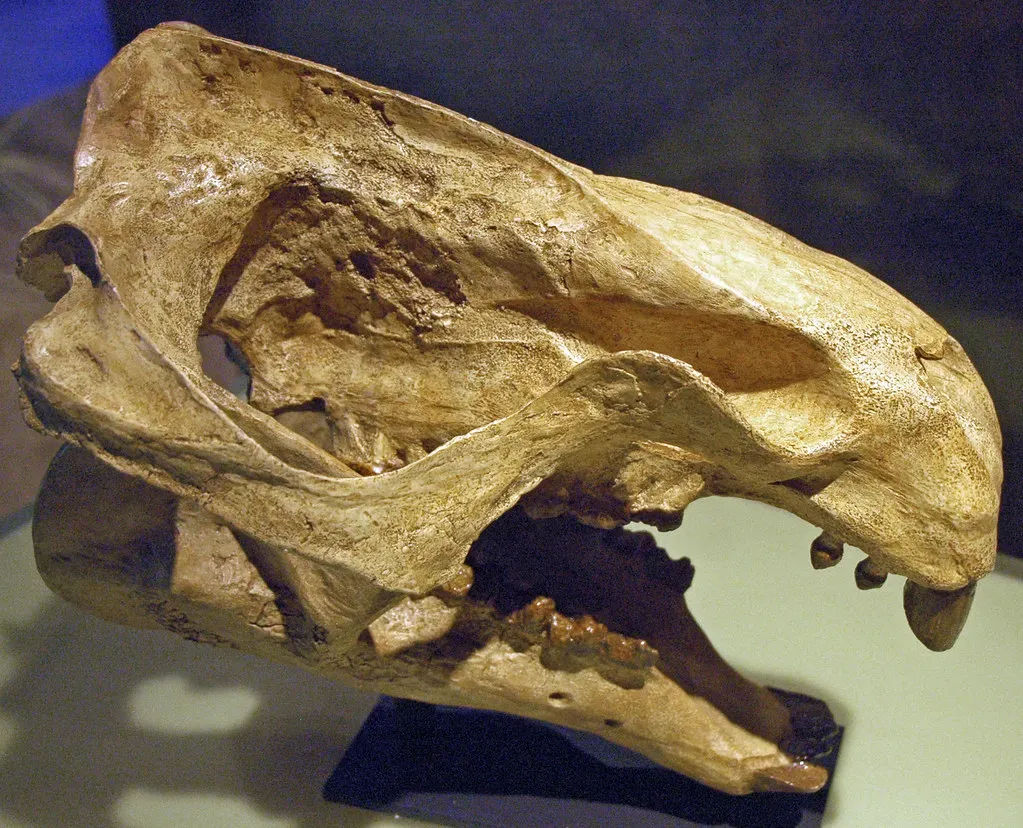
Militocodon lydae lived 65.5 million years ago, was about the size of a modern-day chinchilla or large rat, and likely had an omnivorous diet. A fossil of this newly identified animal found east of Colorado Springs has revealed new information about life on Earth after the mass extinction of dinosaurs. This discovery was not found by a crack team of veteran scientists on a million-dollar expedition. It was found during a family hike.
In a frenzy, researchers gently cracked open concretions at their feet and in no time found four more complete mammal skulls. Paleontologists who study this time period go whole careers without finding one complete mammal skull from this time period – and the team found four in just a couple of hours. A new study published in the Journal of Mammalian Evolution says the small, chinchilla-sized omnivore belonged to a group of mammals that eventually gave rise to all hoofed mammals, known as ungulates. Every horse, cow, and deer alive today shares a lineage with this tiny Corral Bluffs creature. How wild is that?
9. Early Mammals Experienced Three Distinct Explosions of Diversity
Based on the current fossil record, early mammals seem to have experienced three distinct diversification events, starting with very early mammals during the Early or Middle Jurassic, or about 180 to 160 million years ago. Many mammal groups arose during that time. Think of it less like a slow, steady climb and more like a series of volcanic eruptions, each one reshaping the world of mammals completely.
The third spurt was the Cretaceous-Paleogene mass extinction of non-avian dinosaurs 66 million years ago. This third diversification event was the most profound, resulting in the incredible diversity of mammals that are on Earth today. It is also fairly clear that flowering plants diversified in the Late Cretaceous, which is consistent with two of the three spurts of mammalian diversification – providing some evidence that many mammals and plants co-evolved with each other. Mammals and flowers, growing up together. It’s almost poetic.
10. A Missing Link in Mammal Ear Evolution Was Finally Solved in Inner Mongolia
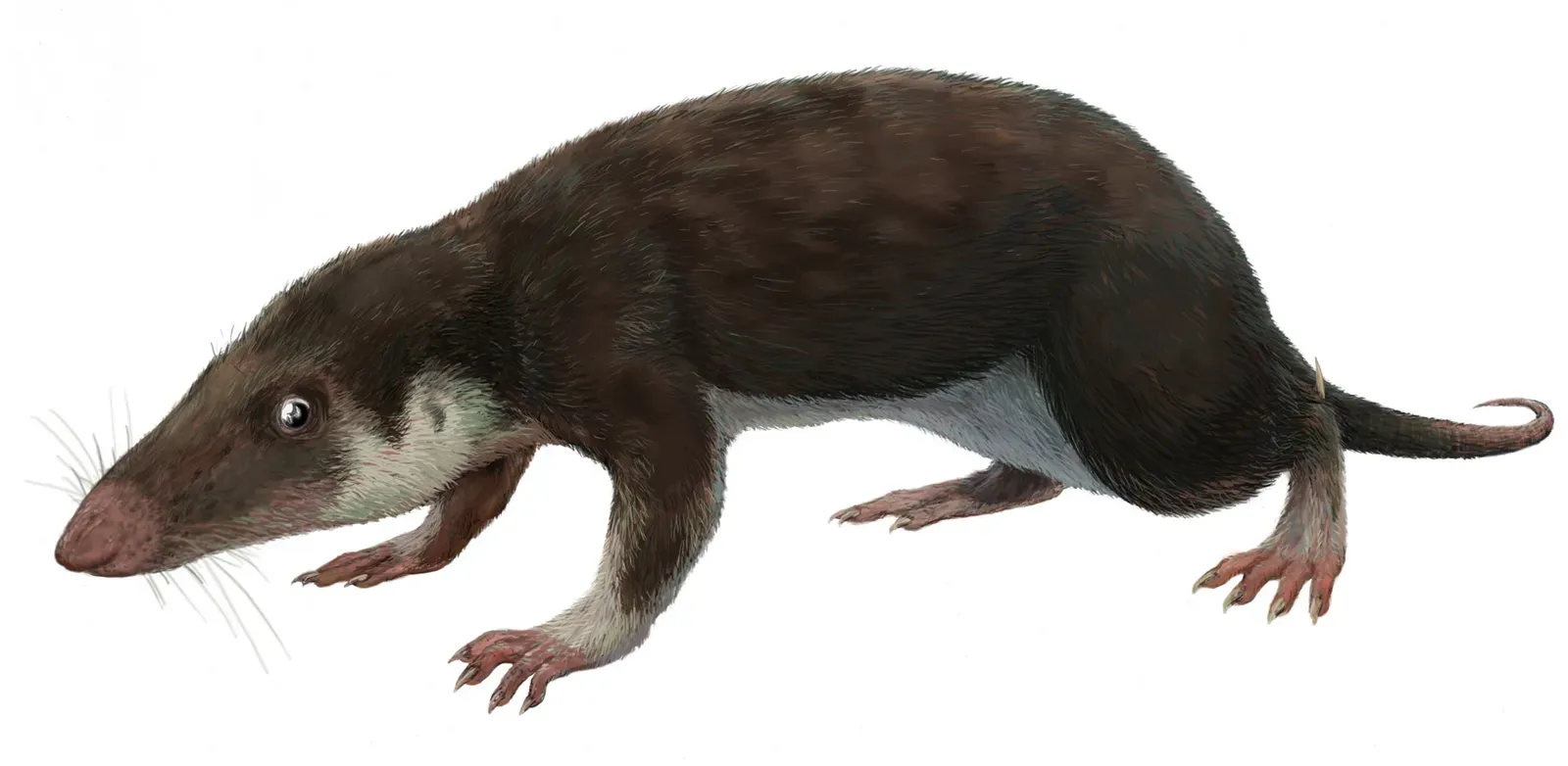
One pivotal study focused on the fossilized skulls of Feredocodon chowi and a second new species named Dianoconodon youngi. It lived in the Early Jurassic between 201 and 184 million years ago. It was similar to an extinct rat-like animal called Morganucodon that is widely regarded as one of the first mammals. Teeth and ear bones uncovered in Inner Mongolia were quietly holding the answer to one of the biggest questions in evolutionary biology.
From prior studies and fossil evidence, scientists know that during the early evolution of mammals from the reptilian group that includes lizards, crocodilians, and dinosaurs, bones that formed the joints of the jaw were separated and became associated with hearing. The transition started from an ancestral animal that had a double jaw joint. Analyses of the older fossil, Dianoconodon youngi, which dates back to between 201 and 184 million years ago, show that one of its two joints, the reptilian one, was starting to lose its ability to handle the forces created by chewing. The jaw literally became the ear. You couldn’t make up a more elegant story of evolution if you tried.
Conclusion: Everything You Thought You Knew Is Just the Beginning
Paleontology has this remarkable quality: the more we find, the more we realize how much is still missing. Every cracked-open rock, every beach walk, every CT scan run through engineering software has the potential to reshape how you understand life on this planet. The story of early mammals is not a story of timid survivors cowering in the dark. It is a story of jaw-turning-into-ear, of swimmers and gliders and dinosaur-eaters, of warm blood running through tiny bodies long before any of us thought possible.
What is perhaps most exciting is that scientists widely agree the fossil record is still being revised. Discoveries of more complete skeletons, particularly in China, are now revealing that early mammals were more successful and diverse than anyone had suspected. They specialized to exploit new habitats, diets, and ways of living that would lead to their ultimate success. You are living in a golden age of paleontology, where new tools like CT scanning and engineering simulation are turning ancient bones into living, breathing stories. So the next time someone tells you the story of mammals is settled science – tell them to look a little closer. The earth is still giving up its secrets, one fossil at a time.
Which of these discoveries surprised you the most? Tell us in the comments below.