There is something deeply humbling about realizing that the world you think you know is just one tiny chapter in a far longer, far stranger story. Long before humans arrived, Earth was ruled by creatures so massive they make today’s African elephant look almost modest. These were the giants of the post-dinosaur age – the true heirs of a planet left wide open after the great extinction.
You might assume that after the dinosaurs fell, life simply scaled down. Think again. What followed was one of the most spectacular explosions of size and diversity in the history of life on land. So buckle up, because you’re about to meet some of the most awe-inspiring animals that ever walked this planet. Let’s dive in.
1. Mammals Took Over the Moment the Dinosaurs Left the Stage
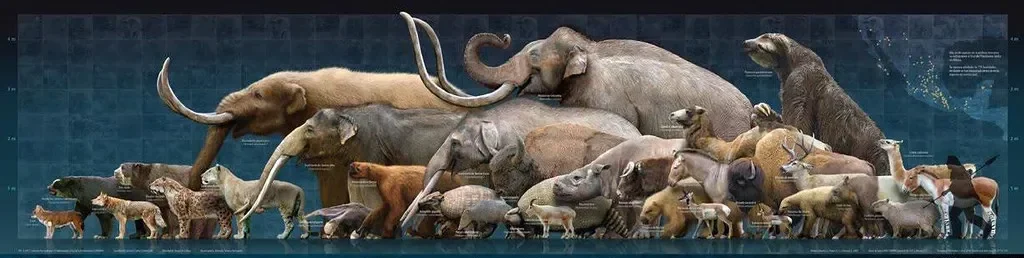
Scientists believe that after the mass extinction that wiped out the dinosaurs, mammals evolved to fill the vacant ecological niches. Freed from competition with dinosaurs, they diversified into a wide range of sizes, diets, and lifestyles. Think of it like a massive natural experiment – with the dominant players removed, the remaining creatures could suddenly become anything.
Early mammals were small, about the size of rats and badgers. Dinosaurs were the top predators at that time, posing serious challenges for mammals to gain any real size. After the total wipe out of non-avian dinosaurs, mammals evolved into many different forms and sizes as they filled the empty spaces left behind. This period is also called the “Age of Mammals.” Honestly, it’s one of the most dramatic turnarounds in the entire history of life on Earth.
2. Paraceratherium: The Giant That Defies Imagination
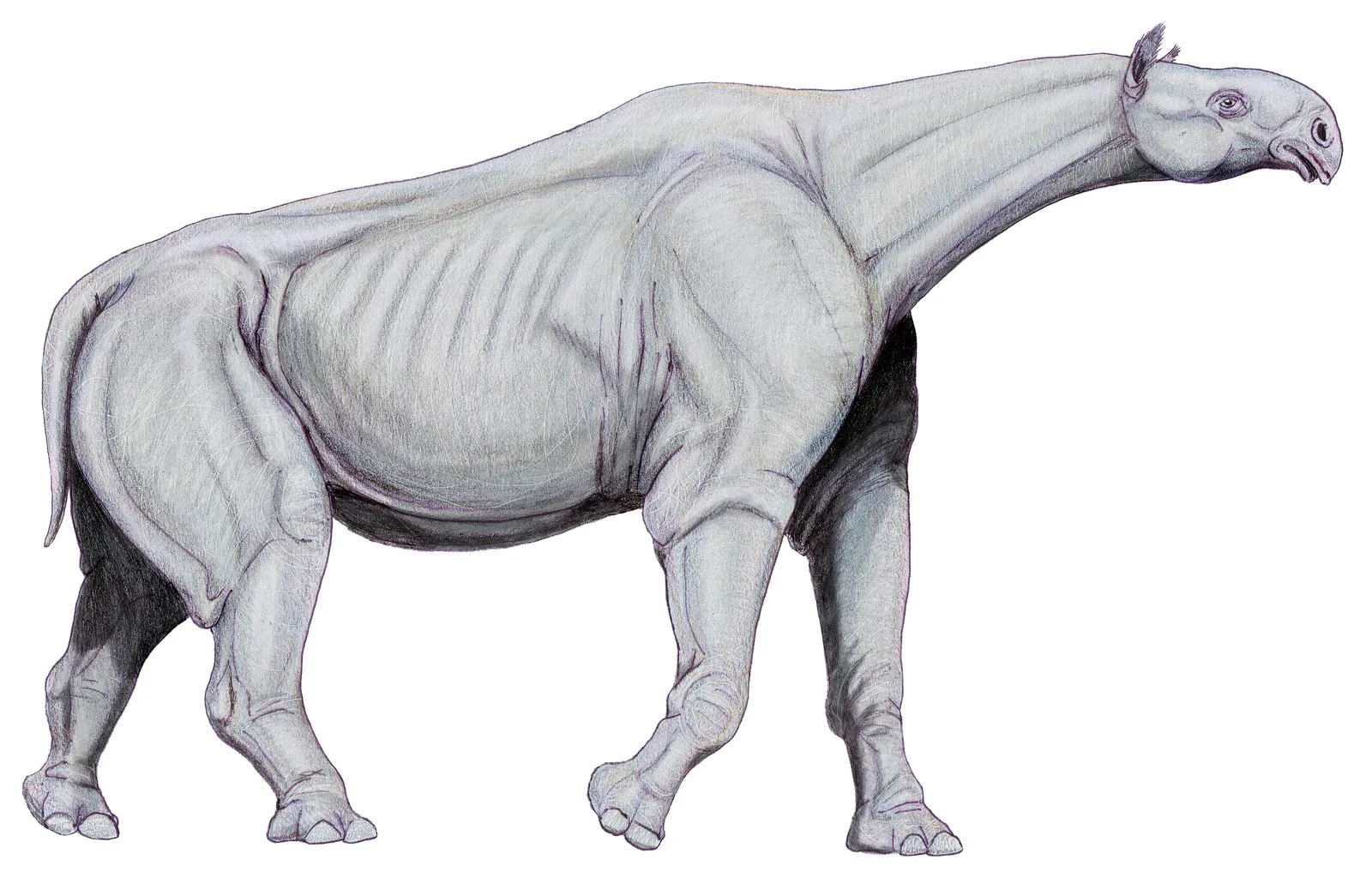
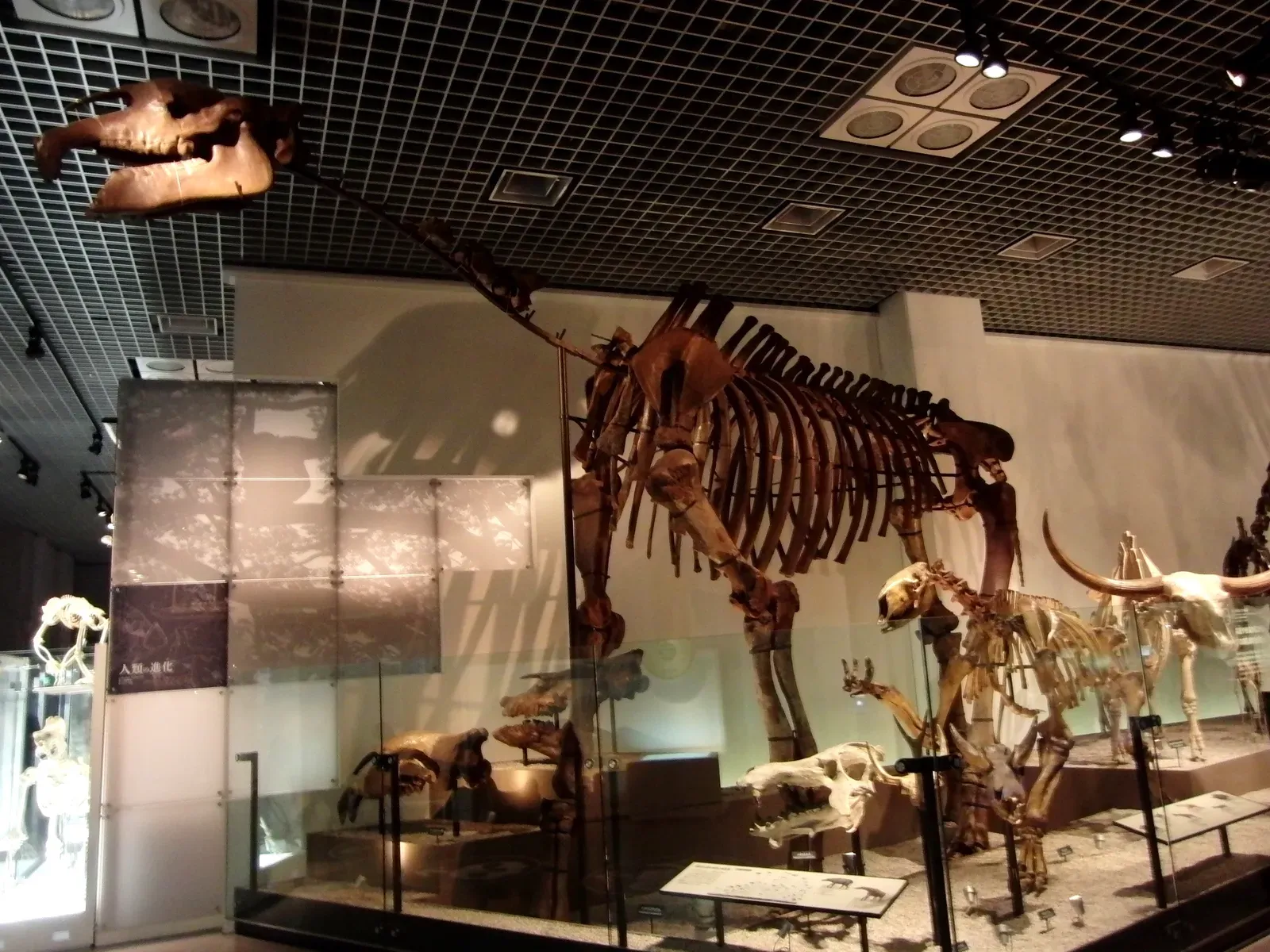
Here is the thing – when most people picture the largest land mammal ever, they imagine some kind of elephant. They would be wrong. Long before humans walked the planet, a massive creature ruled the forests and open plains of ancient Eurasia. Paraceratherium, a hornless giant and a distant relative of today’s rhinoceroses, lived during the Oligocene epoch, between 34 and 23 million years ago. With a shoulder height of nearly 16 feet and a body length over 24 feet, it is considered the largest land mammal ever to walk the Earth.
Fossils suggest it may have weighed up to 24 tons, about three times heavier than the largest African elephants today. That is almost incomprehensible. To put it in perspective, imagine stacking four full-grown African elephants, and you are still not quite there. Rhinos of various shapes and sizes used to be much more common on Earth, and Paraceratherium was like a rhino rendition of a giraffe. The rhino’s neck stretched more than six feet long, and the beast stood more than 15 feet tall at the shoulder.
3. Paraceratherium Had Almost No Natural Predators
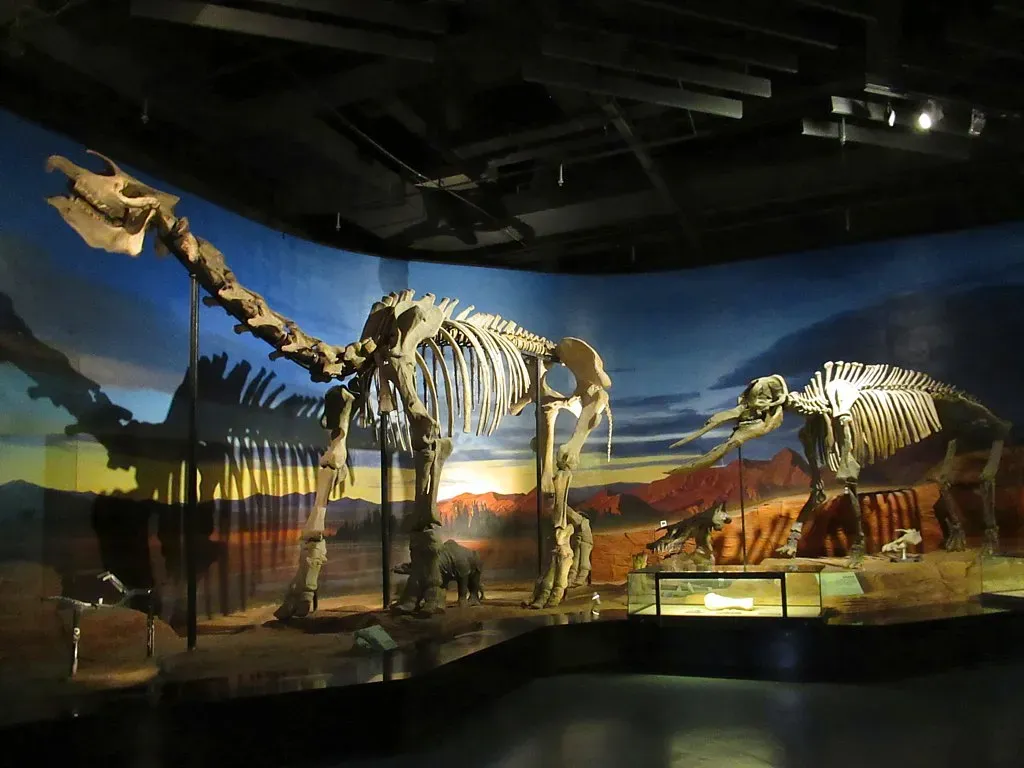
In its time, the biggest potential predators were no larger than modern wolves, meaning adult Paraceratherium had virtually no threats except from terribly unlucky encounters with large crocodilians. Imagine walking through a world where literally nothing could challenge you. That was Paraceratherium’s daily reality.
Bite marks on bones from the Bugti beds indicate that even adults may have been preyed on by enormous crocodiles, Astorgosuchus, measuring ten to eleven metres in length. So the only thing on Earth that could genuinely threaten one of these giants was a crocodile the size of a school bus. It has been proposed that roughly 20 tonnes may be the maximum weight possible for land mammals, and Paraceratherium was close to this limit. The reasons mammals cannot reach the much larger size of sauropod dinosaurs remain unknown.
4. The Mysterious Challenger: Palaeoloxodon namadicus
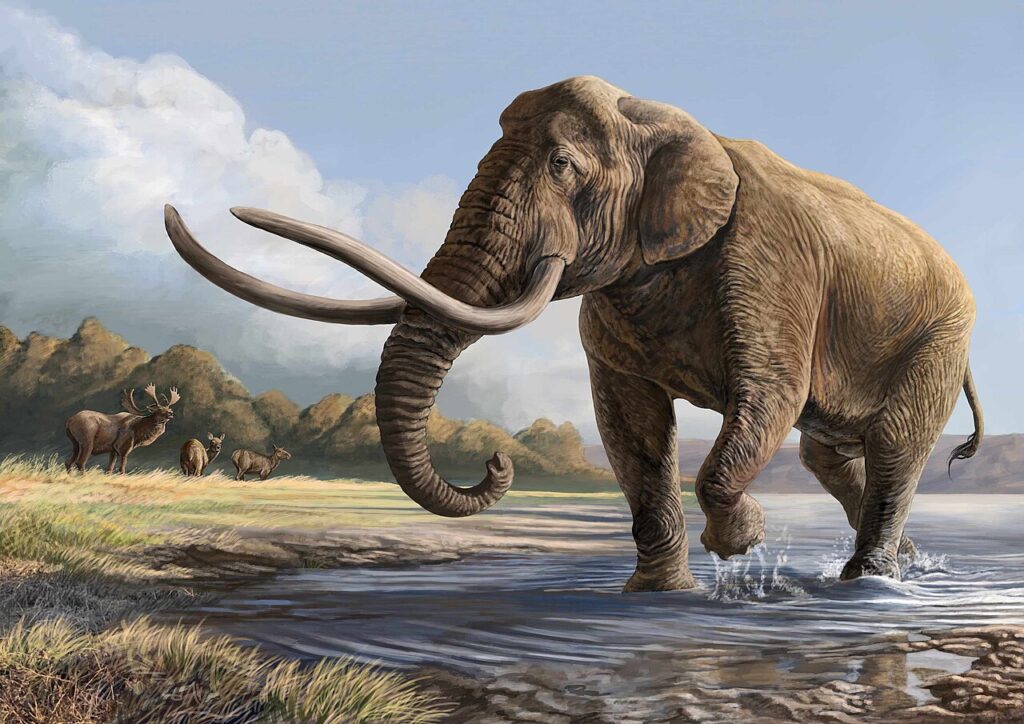
Owing to limited fossil evidence, there are currently three contenders for the record of largest land mammal ever: Paraceratherium, the straight-tusked elephant Palaeoloxodon, and Borson’s mastodon. It is hard to say for sure who takes the crown, and paleontologists have argued about this for decades – which makes the whole debate even more exciting.
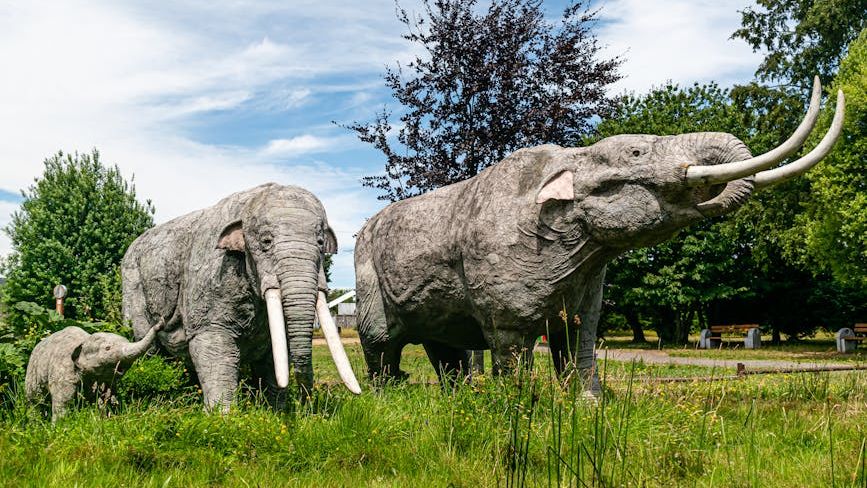
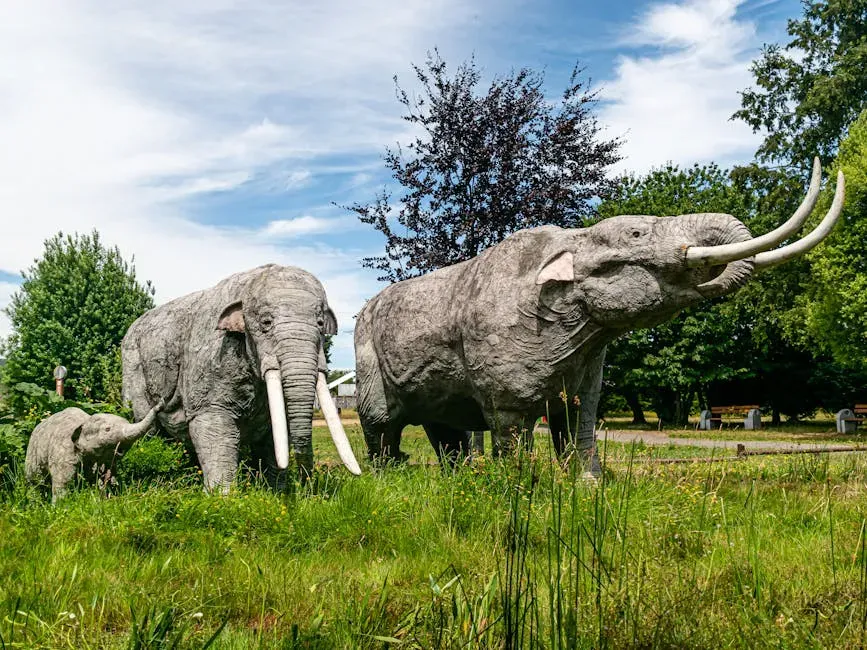
A fragmentary femur was said to be almost a quarter larger than others from the same locality; volumetric analysis yields a very speculative size estimate of five metres tall at the shoulder and 22 tonnes in body mass, which if correct would make Palaeoloxodon namadicus possibly the largest land mammal ever, exceeding even paraceratheres in size. Palaeoloxodon namadicus, also called the Asian straight-tusked elephant, is a species of prehistoric elephant that lived from the Middle to Late Pleistocene. It originated in Africa in the Pliocene Epoch before expanding into Asia.
5. The Woolly Mammoth Was Not Actually the Biggest Mammoth
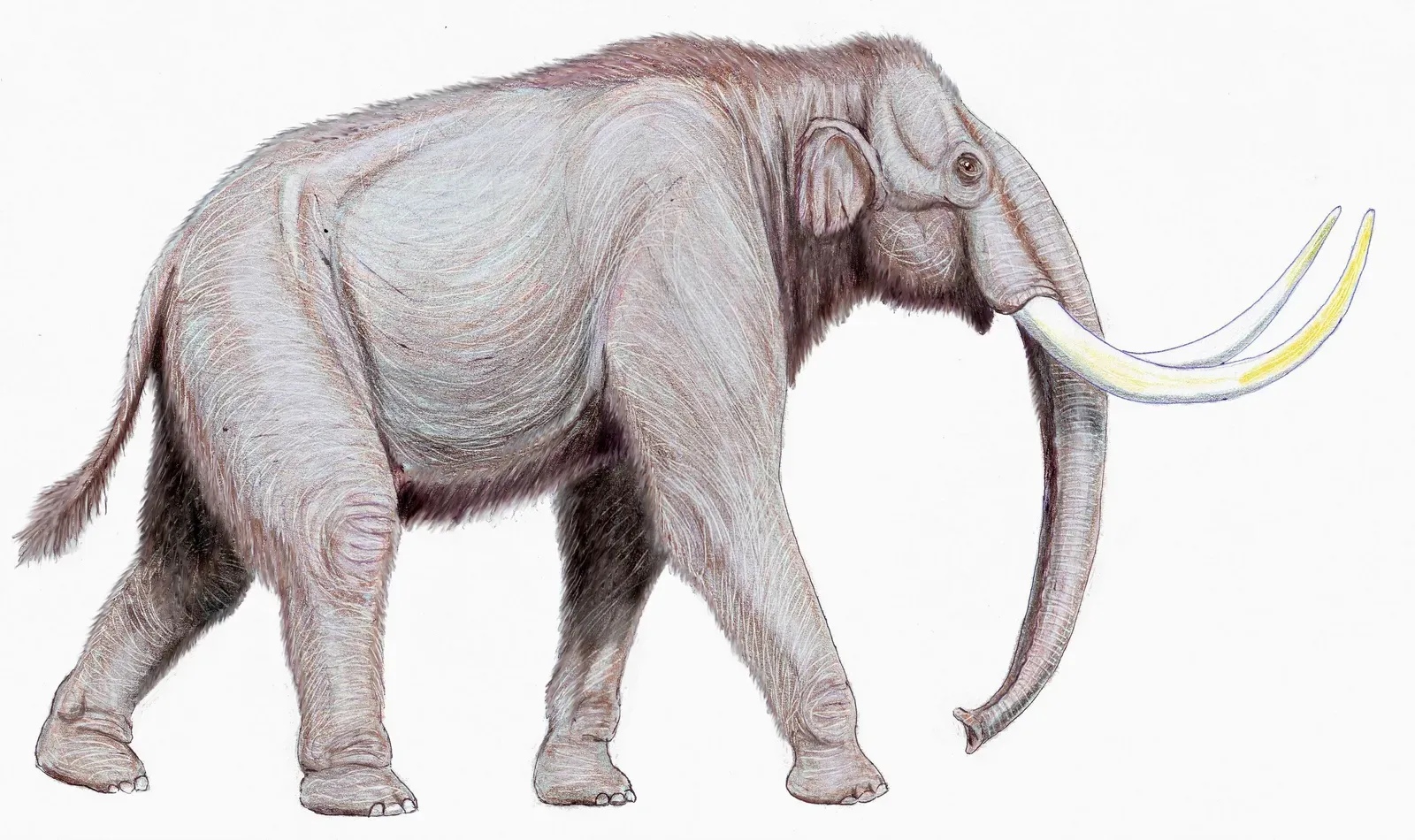
You probably grew up thinking the woolly mammoth was the ultimate ice age giant. Well, prepare for a small reality check. The woolly mammoth is one of the most famous extinct Ice Age megafauna. Standing 12 feet tall at the shoulders and weighing six to eight tons, it grazed the northern steppes using its colossal, 15-foot curved tusks to dig under the snow for food and defend itself against predators. Impressive, absolutely – but not the biggest.
The steppe mammoth, a descendant of the southern mammoth, traces its origins back to the farthest reaches of northern China. It made its appearance on the planet around 1.6 million years ago, subsequently spreading across Eurasia. This particular species was even larger than its predecessor, with the largest documented specimen exhibiting a shoulder height of 4.5 metres. The behemoth weighed in excess of 14 tonnes. The steppe mammoth makes its woolly cousin look almost compact by comparison.
6. Megatherium: The Giant Ground Sloth That Walked Upright
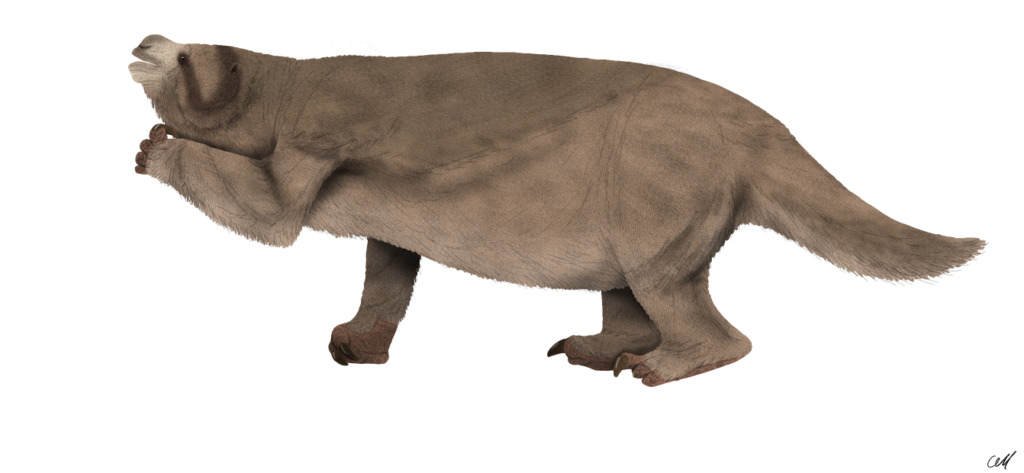
Sloths today are famously slow, hanging lazily from branches at a pace that can only be described as deliberate. Now imagine one that weighs as much as a modern elephant and can stand upright and look you in the eye from a height of over six metres. Megatherium, commonly known as the giant ground sloth, is an extinct genus of ground sloths that lived in South America from the Early Pliocene to the end of the Pleistocene, around five million to eleven thousand years ago. It was one of the largest land mammals known, exceeded in size among terrestrial mammals only by a few species of mammoths and elephants. The typical species, Megatherium americanum, could reach up to six metres in length and weighed as much as four tonnes.
It was able to stand and walk on its hind legs, making it the largest bipedal mammal of all time. Here is a wild detail – we know that Megatherium overlapped with humans in time, as fossils have been found with cut marks on them, suggesting that these giant sloths were on the menu thousands of years ago. Our ancestors were apparently brave enough to hunt something the size of an elephant. Respect.
7. Andrewsarchus: The Largest Carnivorous Land Mammal
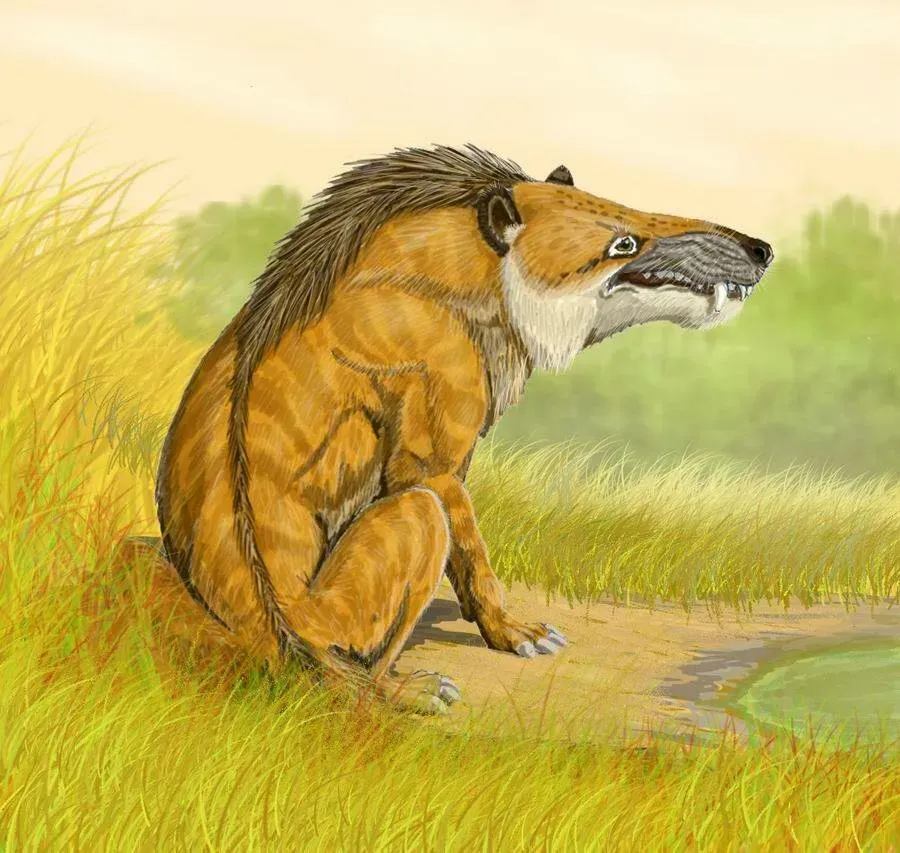
Let’s be real – most people focus on the giant plant-eaters. Yet the post-dinosaur world also produced carnivores of shocking scale. Andrewsarchus mongoliensis from the Late Eocene of Central Asia was a large cetancodontamorph ungulate, related to hippos, entelodonts and whales. Knowledge of the species is based on a single three-foot-long skull that was discovered at the Irdin Manha Formation, Inner Mongolia, in 1923.
Andrewsarchus was a large-snouted predator, and, based on skull measurements, may have been the largest ever carnivorous mammal to live on land. Based on the skull, experts have concluded that Andrewsarchus would have weighed around one ton, with a body that stretched some 12 feet in length. The truly bizarre part? This terrifying apex predator was actually more closely related to hippos and whales than to any cat or dog. Nature is genuinely stranger than fiction.
8. Megacerops: The Rhinoceros-Sized Horse Relative
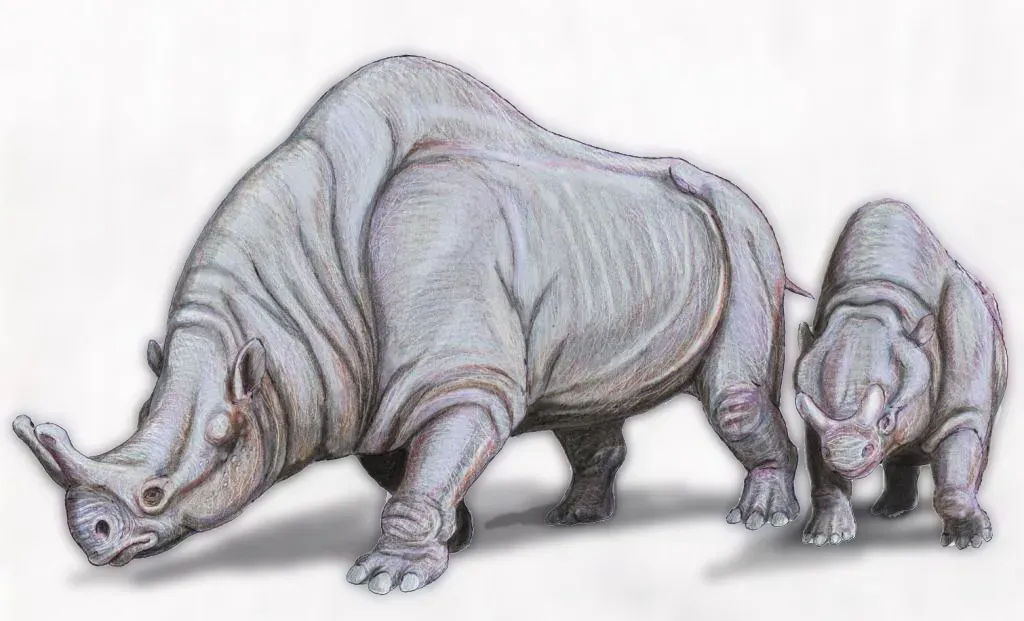
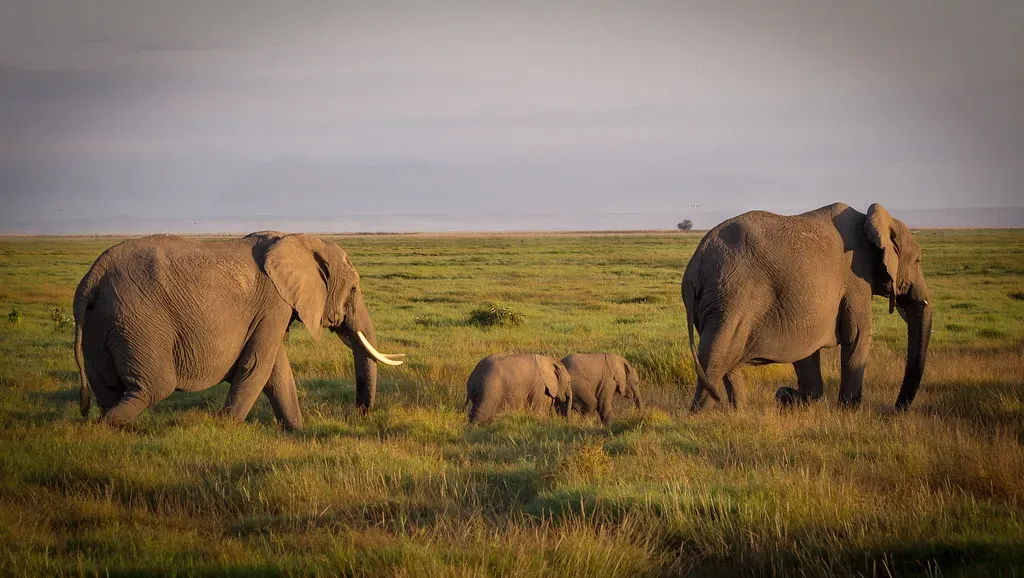
You might expect a creature the size of an African elephant to be obviously related to something familiar and enormous. Megacerops breaks that assumption completely. Megacerops was a giant rhinoceros-like mammal that lived in North America during the Late Eocene Epoch. It is considered a close relative of modern horses but was significantly bigger. The Megacerops were as big as modern African elephants, the third largest land animal today. It stood at a height of about 2.5 metres tall at the shoulder and weighed roughly three tons.
The name Megacerops means “giant horned face,” referring to the blunt Y-shaped horns on its snout. Picture a horse that grew up with absolutely no biological limits, developed a dramatic Y-shaped horn on its nose, and then decided to weigh three tons for good measure. North America once hosted creatures that would make even the most seasoned safari guide do a double take.
9. Mammal Giants Went Extinct in Waves, Not All at Once
It was during the Pleistocene, between 2.58 million years ago and 11,700 years ago, when the age of giant mammals was at its peak, with many species present on all continents. Yet this golden age did not end in a single dramatic crash. It unravelled slowly, driven by a combination of forces. The extinction of Palaeoloxodon namadicus, like with many Pleistocene megafauna, is not fully understood, but it is thought that a combination of climate change and overhunting by humans may have contributed to its demise.
Despite its success, Paraceratherium disappeared around 23 million years ago. Scientists believe several factors led to its extinction. As the Miocene epoch began, Earth’s climate grew cooler and drier. Forests shrank, replaced by open grasslands. These changes made life harder for a species that relied on high-browsing vegetation. The lesson there is brutal and clear – even the mightiest creatures are only as resilient as the environment that supports them.
10. Mammals May Rise to Giant Size Again in the Future
Here is perhaps the most mind-bending idea of all. The story of giant mammals is not necessarily over. With the dinosaurs dead and gone, it was the mammals that took over the megafauna roles in the Palaeogene, and with a few exceptions, mammals went on to dominate food chains and ecosystems across the planet. However, the types of mammals that became the biggest plant-eaters and carnivores varied as the Cenozoic progressed.
Research suggests that in the future other types of mammal may grow large to take over from the Proboscidea – animals with trunks such as elephants – as the largest land-living mammals. Since the extinction of the dinosaurs 66 million years ago, mammals evolved many truly spectacular and enormous forms, of which the biggest land animals today pale in comparison. The ecological “throne” for the largest land mammal, it turns out, is never permanently occupied. It simply waits for whoever is bold enough – and lucky enough – to claim it next.
Conclusion
The parade of giants that followed the dinosaurs is one of Earth’s most thrilling stories, and honestly, it deserves far more attention than it typically gets. You have walked with hornless rhinos the size of cargo trucks, ground sloths tall enough to peer over a house roof, and carnivores whose very skulls measured the length of a dining table. These animals were real – bones in museums confirm it – and their world was every bit as dramatic as any prehistoric fantasy.
What is perhaps most striking is how fragile even the most enormous creatures turned out to be. Changing climates, shifting vegetation, and the arrival of clever, tool-wielding humans dismantled ecosystems that had functioned for millions of years. If today’s largest land animals – African elephants, white rhinos, hippos – feel impossibly grand, remember that they are modest successors to something far more spectacular. Which of these ten giants surprised you the most? Tell us in the comments – we’d love to know.