Somewhere between cracked stone and scientific genius, the history of life on Earth has been pieced together one fossil at a time. Some of those pieces arrived quietly, tucked inside a cliff face or buried beneath a farmer’s field. Others caused an almost immediate shockwave through the scientific world, rewriting textbooks overnight and forcing researchers to completely rethink what they thought they knew.
Fossils are the preserved remains of ancient life forms, and the study of them, known as paleontology, has revealed a wealth of information about the evolution of plants, animals, and other organisms over millions of years. What makes the ten discoveries below so extraordinary is not just their age or their rarity. It is the way each one fundamentally shifted the foundations of our understanding. Get ready to be genuinely surprised by what bones, shells, and mud can tell you. Let’s dive in.
1. Lucy: The 3.2-Million-Year-Old Ancestor Who Changed Everything
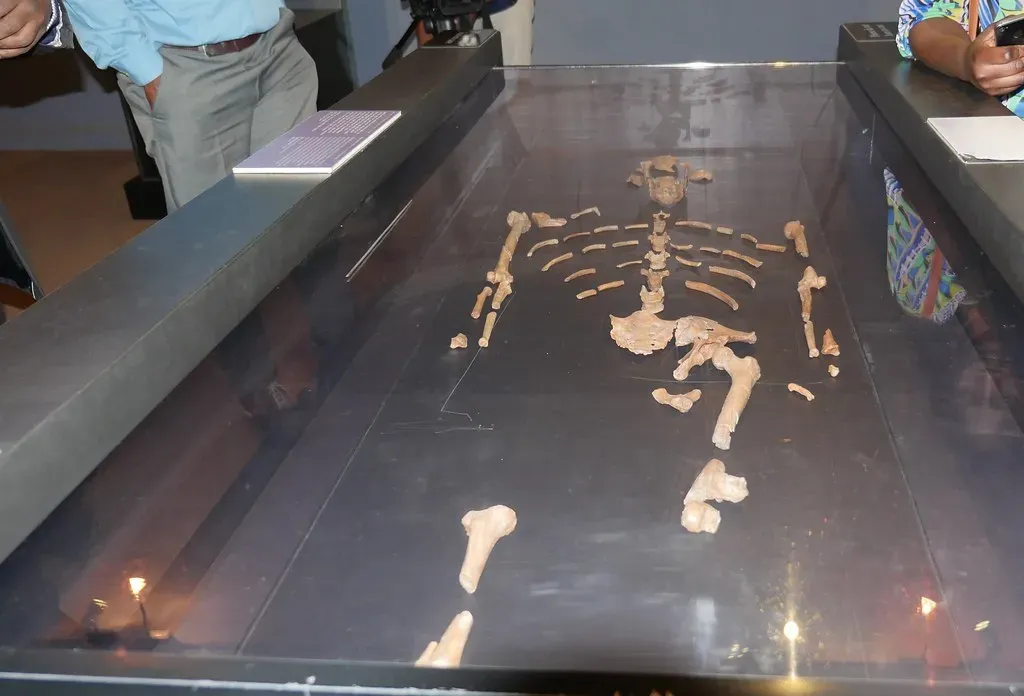
Imagine stumbling across a scrap of bone in a dusty Ethiopian ravine and realizing, slowly, that you are looking at one of humanity’s oldest relatives. That is exactly what happened on November 24, 1974, when paleoanthropologist Donald Johanson and graduate student Tom Gray were exploring the Hadar site in Ethiopia. Lucy is a remarkably complete, roughly forty percent intact, hominin skeleton discovered at the fossil site of Hadar in Ethiopia and dated to 3.2 million years ago. The team celebrated with music playing through the night, and by morning, she had a name: Lucy.
Prior to Lucy’s discovery, scientists believed that large brains must have evolved first, because all known human fossils at the time already had large brains. Lucy, however, stood on two feet and had a small brain, not much larger than that of a chimpanzee. That single fact flipped the script on human evolution entirely. Lucy’s fossils confirmed that hominins became bipedal before the development of large brains, meaning walking upright came first. Honestly, that revelation alone earns her a permanent place at the top of this list.
2. Archaeopteryx: The Feathered Fossil That Bridged Two Worlds
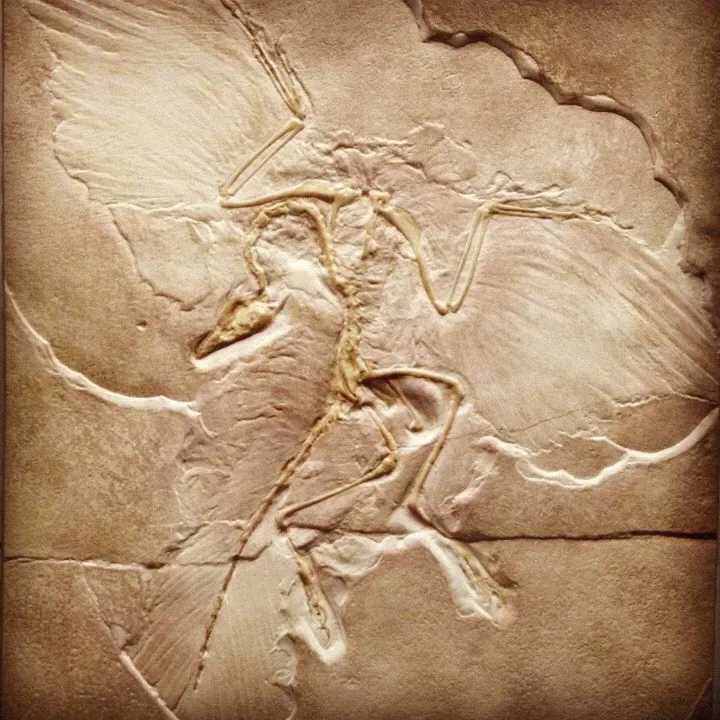
Archaeopteryx is one of the world’s most famous fossils, widely regarded as the missing link between dinosaurs and birds, displaying a perfect blend of avian and reptilian features. Its timing was almost poetic. The first Archaeopteryx skeleton was uncovered in Germany in 1861, and this extraordinary find had clear impressions of feathers around its skeleton. Birds weren’t known from this far back, so it was initially described as one of the first birds.
Just two years earlier, Charles Darwin had published his revolutionary book On the Origin of Species. Thomas Huxley, a great disciple of Darwin, was one of the first people to realize the significance of Archaeopteryx, noticing clear similarities between its skeleton and those of meat-eating dinosaurs. Here’s the thing: even Darwin himself was cautious about using it as direct proof of evolution. At the time, scientists wrongly believed that fossilized three-toed tracks found in Connecticut Valley belonged to gigantic birds, meaning Archaeopteryx was deemed too late to be significant in that branch of evolution. Science, it turns out, sometimes takes a while to catch up with its own discoveries.
3. The Burgess Shale: A Window Into the Dawn of Animal Life
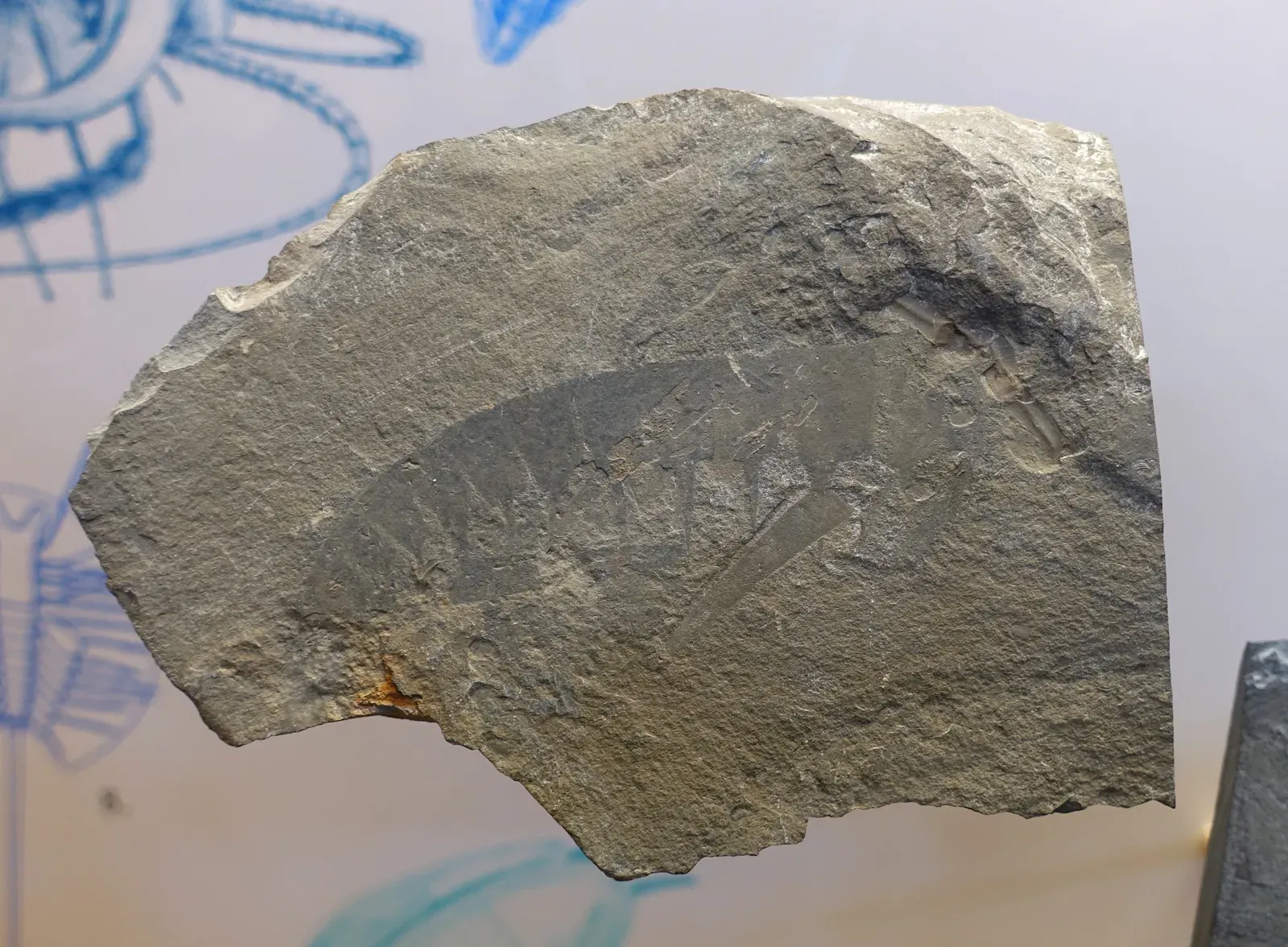
The Burgess Shale is a fossil-bearing deposit exposed in the Canadian Rockies of British Columbia, famous for the exceptional preservation of the soft parts of its fossils. At 508 million years old, it is one of the earliest fossil beds containing soft-part imprints. Think of it less like a fossil site and more like a time capsule frozen just as animal life was figuring out how to exist. In 1909, the Burgess Shale was discovered by Charles D. Walcott of the Smithsonian Institution, and legend has it that his horse stopped in front of a rock which he then cracked open, discovering fossils.
The Burgess Shale has proved critical to the scientific understanding of the Cambrian explosion, an event that marked the first appearance of recognizable animals in the fossil record. Some of the most famous Burgess Shale organisms include Anomalocaris, Hallucigenia, and Opabinia, which have unusual and sometimes bizarre body plans that challenge our ideas about what early animals looked like. The creatures found here were so alien in form that when Whittington first reconstructed Opabinia at a scientific conference, the audience laughed. You can’t blame them. Nothing quite prepares you for a five-eyed, hose-mouthed predator from half a billion years ago.
4. Tiktaalik: The Fish That Dared to Walk on Land
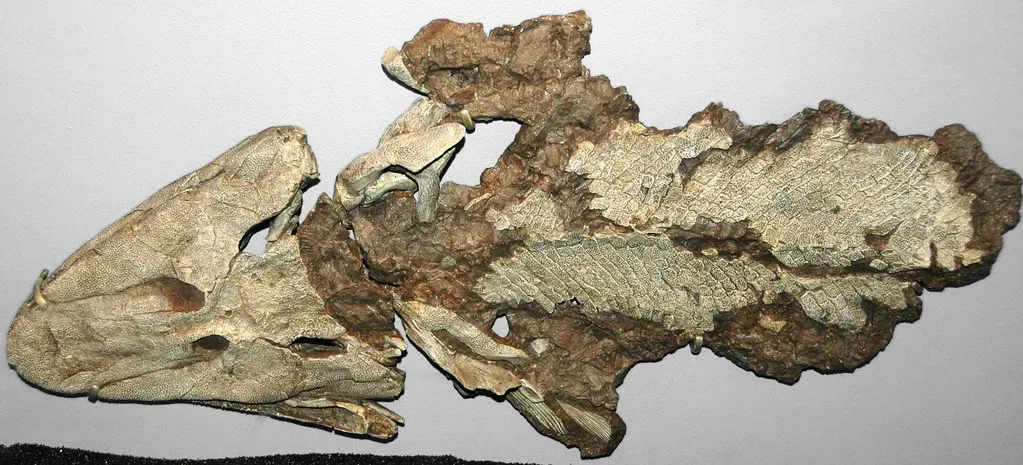
Tiktaalik, discovered in 2004 on Canada’s Ellesmere Island, is a fascinating fossil bridging the evolutionary gap between fish and early tetrapods. Dating back 375 million years, this “fishapod” possessed features like robust fins with wrist-like bones, gills, and lungs, and its adaptations suggest it was capable of both swimming in water and supporting itself on land. Let’s be real: the idea of a fish hauling itself out of the water onto land sounds almost comical. Yet this creature captures exactly that pivotal, world-changing moment.
The discovery of Tiktaalik was significant because it provided strong evidence to support the idea that tetrapods evolved from fish that began to venture onto land, perhaps in search of food or to escape predators. What makes this story even more thrilling is that the discovery of Tiktaalik validated predictions made by paleontologists about where such transitional fossils might be found, representing a critical moment in the history of life and showcasing how vertebrates began their colonization of terrestrial environments. Science predicted it. Then science found it. That almost never happens so cleanly.
5. The Coelacanth: A Living Fossil Reborn
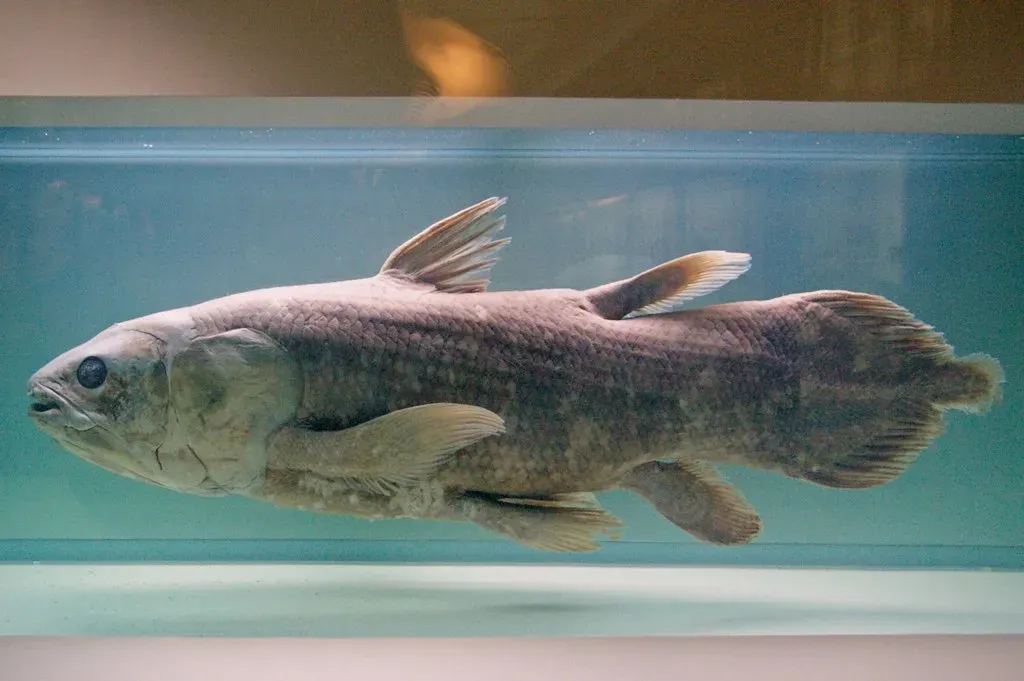
Uploaded by FunkMonk, CC BY 2.0)
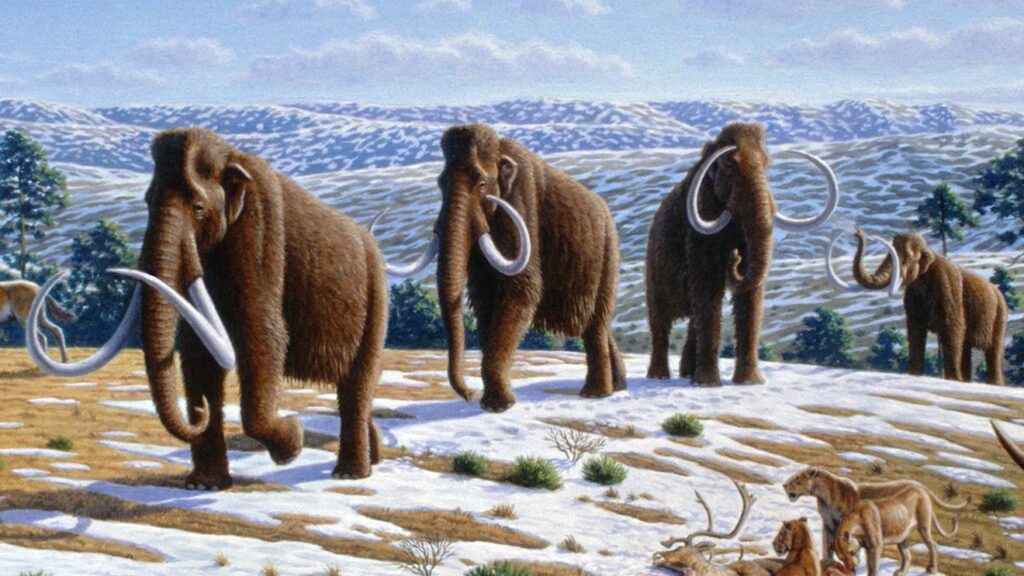
Once believed to have gone extinct 66 million years ago, the coelacanth was rediscovered alive in 1938 off the coast of South Africa. This living fossil, with its lobe-finned structure, closely resembles its ancient relatives preserved in the fossil record, and its rediscovery was a groundbreaking moment in paleontology, proving that some ancient lineages persisted in hidden corners of the world. The scientific community was stunned. It’s a bit like finding a live woolly mammoth wandering around Siberia.
Marjorie Courtenay-Latimer, a museum curator, recognized the coelacanth’s importance when a local fisherman brought it to her. Without her sharp eye and curiosity, the discovery might have slipped through unnoticed. Its anatomy, including limb-like fins, offered insights into the evolutionary transition from sea to land, and the coelacanth continues to inspire research, symbolizing the enduring mysteries of life on Earth. It’s hard to say for sure what other living fossils might still be lurking in the deep ocean, but this discovery taught science to keep an open mind.
6. Mary Anning’s Ichthyosaurus: The Fossil Collector Who Rewrote Marine History
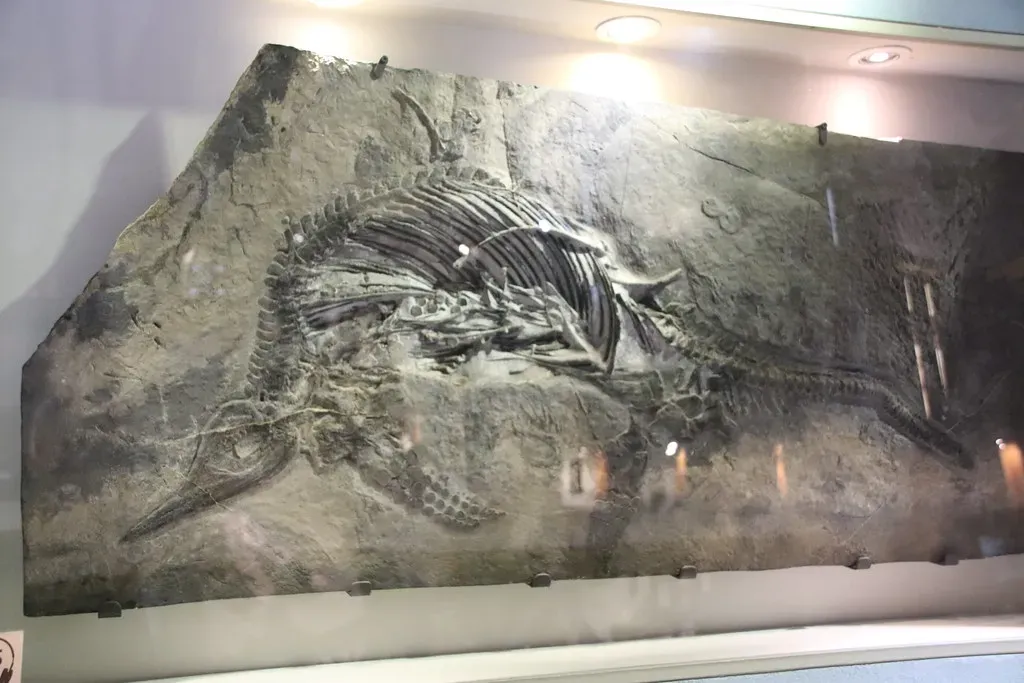
Born in 1799 to a poor family in Lyme Regis on the Dorset coast, Mary Anning was an unlikely but highly successful palaeontologist and fossil collector whose discoveries played an important part in fuelling interest in geology and palaeontology among the Georgian public, as well as helping form the basis for our understanding of prehistoric evolution. In a time when women were virtually excluded from science, Anning simply did the science anyway. In 1811, her brother found a fossilized skull near the shoreline, and Mary carefully revealed the skull’s 5.2-metre-long skeleton, which was eventually named Ichthyosaurus, a marine reptile that lived 201 to 194 million years ago.
In 1823, Anning discovered the first complete skeleton of a Plesiosaurus, and five years later she uncovered the first remains of a pterosaur discovered outside Germany. Three extraordinary finds. One remarkable woman. Although the male scientists who studied Anning’s extraordinary scientific discoveries refused to credit her, her work continues to captivate people today. I think her story might be the most infuriating and inspiring in all of paleontology. Mary Anning made many fossil discoveries that truly revolutionized science.
7. Iguanodon: The Fossil That Invented the Word “Dinosaur”
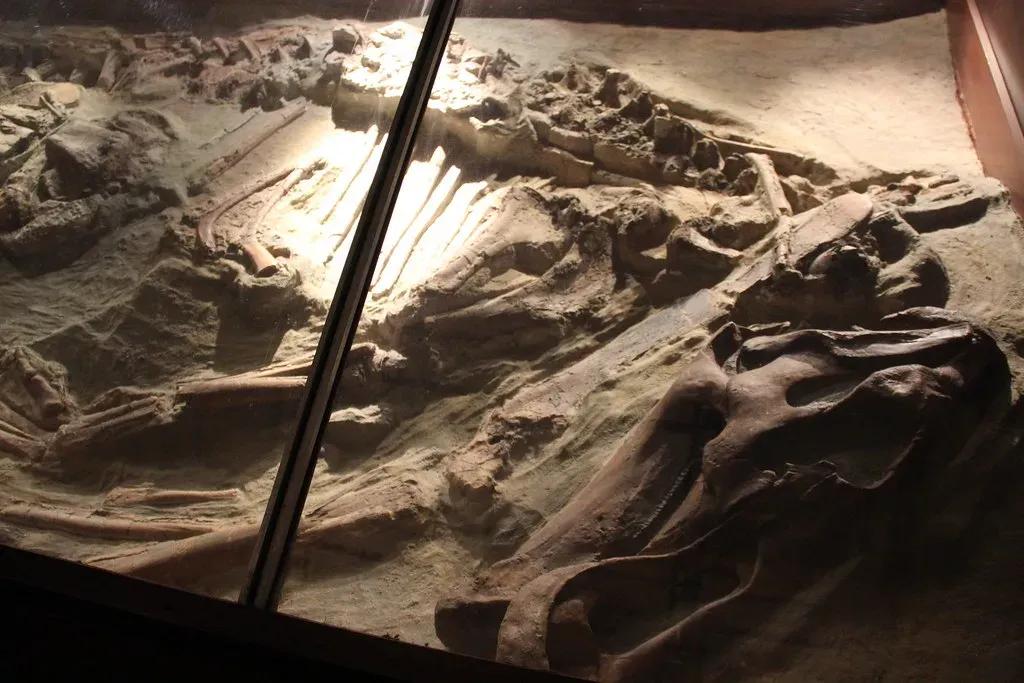
Iguanodon was the first giant prehistoric reptile found to be herbivorous. At the time, most reptiles were thought to eat mainly meat or insects, so to find a reptile on this scale that only ate plants was viewed as revolutionary. The first known evidence of Iguanodon was a collection of teeth found at the side of a road, which resembled scaled-up versions of living iguana teeth, and that is how Iguanodon, meaning “iguana tooth,” got its name.
Initially reconstructed with a thumb spike positioned on its nose, later discoveries corrected this mistake, placing it correctly on its hands as a defensive weapon. Iguanodon’s fossils date back 125 million years to the Early Cretaceous, and its discovery played a pivotal role in the development of paleontology, as it was one of the three genera that led to the creation of the term “dinosaur” in 1842. The discovery of Iguanodon fossils also helped to establish the idea that the Earth’s history was much longer than previously thought. Without Iguanodon, the very word “dinosaur” might never have been coined. That’s a legacy worth remembering.
8. Maiasaura: The “Good Mother Lizard” That Proved Dinosaurs Cared
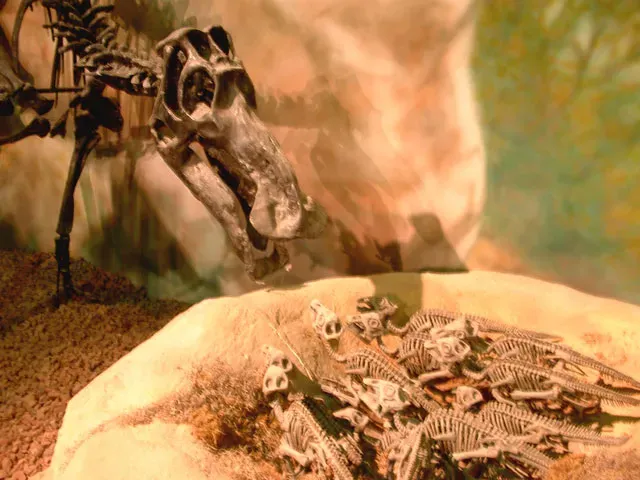
For generations, dinosaurs were portrayed as cold, instinct-driven killing machines. Maiasaura shattered that image completely. The Maiasaura fossils were found in a large nesting colony in Montana in 1978, with eggs, embryos and young animals all discovered inside nests, providing evidence for the first time that some giant dinosaurs raised and fed their young in the nest. This also gave the area its name: “Egg Mountain.”
The discovery was emotional in a way that few fossil finds are. The name Maiasaura comes from the Greek goddess Maia, meaning the “Good Mother,” a name that carries surprising warmth for a creature that went extinct roughly 74 million years ago. Think of it like the prehistoric equivalent of finding a bird’s nest full of hatchlings. Dinosaurs weren’t just ancient monsters. They were parents. That one revelation transformed the public’s entire relationship with these animals, and the ripple effects on popular culture were enormous.
9. The Neanderthal Fossils: Humanity’s Most Controversial Relatives
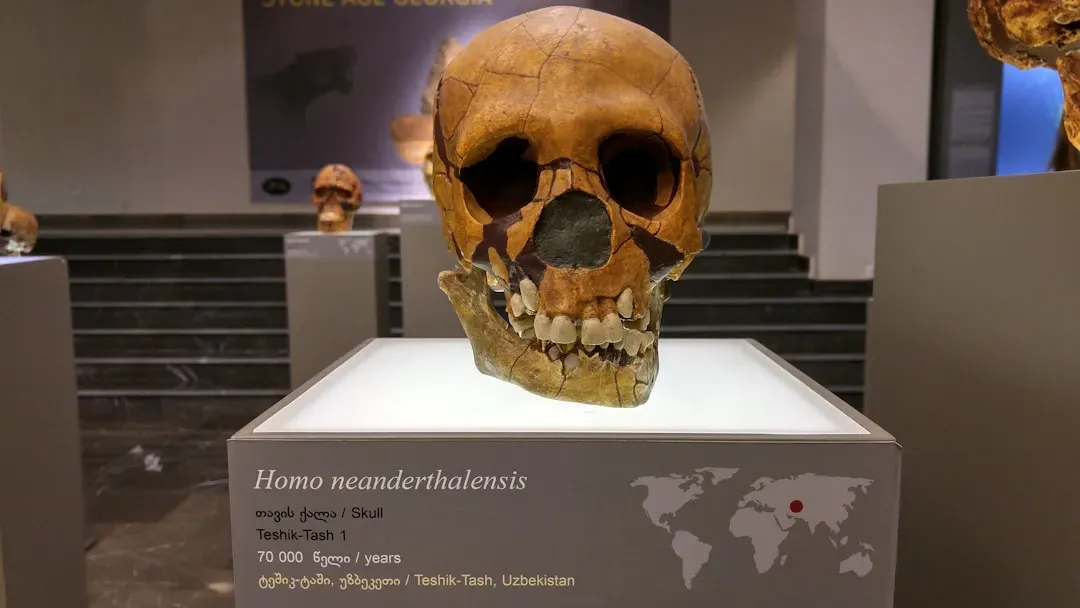
The first recognized Neanderthal fossils were discovered in Germany’s Neander Valley in 1856. Neanderthals were the first ancient humans to gain scientific and popular recognition, with their fossils beginning to be found in Europe in the 1800s, though scientists had no evolutionary framework by which to explain them at the time. Decades passed before they were recognized as a different and extinct form of ancient human.
Opinions about the relationship between our own species and Neanderthals have continually changed. The early 1900s saw them as sub-humans, a stereotype that didn’t change until the 1950s, when it was widely considered that they may be ancestors of modern Europeans. New research in the 1980s led many to move them to a side branch of our family tree, a decision supported by comparisons of mitochondrial DNA in the 1990s and 2000s. Today, we know that many people of non-African descent carry roughly a small but meaningful percentage of Neanderthal DNA. They didn’t just live beside us. They became part of us.
10. Trilobites: The Ancient Arthropods That Mapped Geological Time
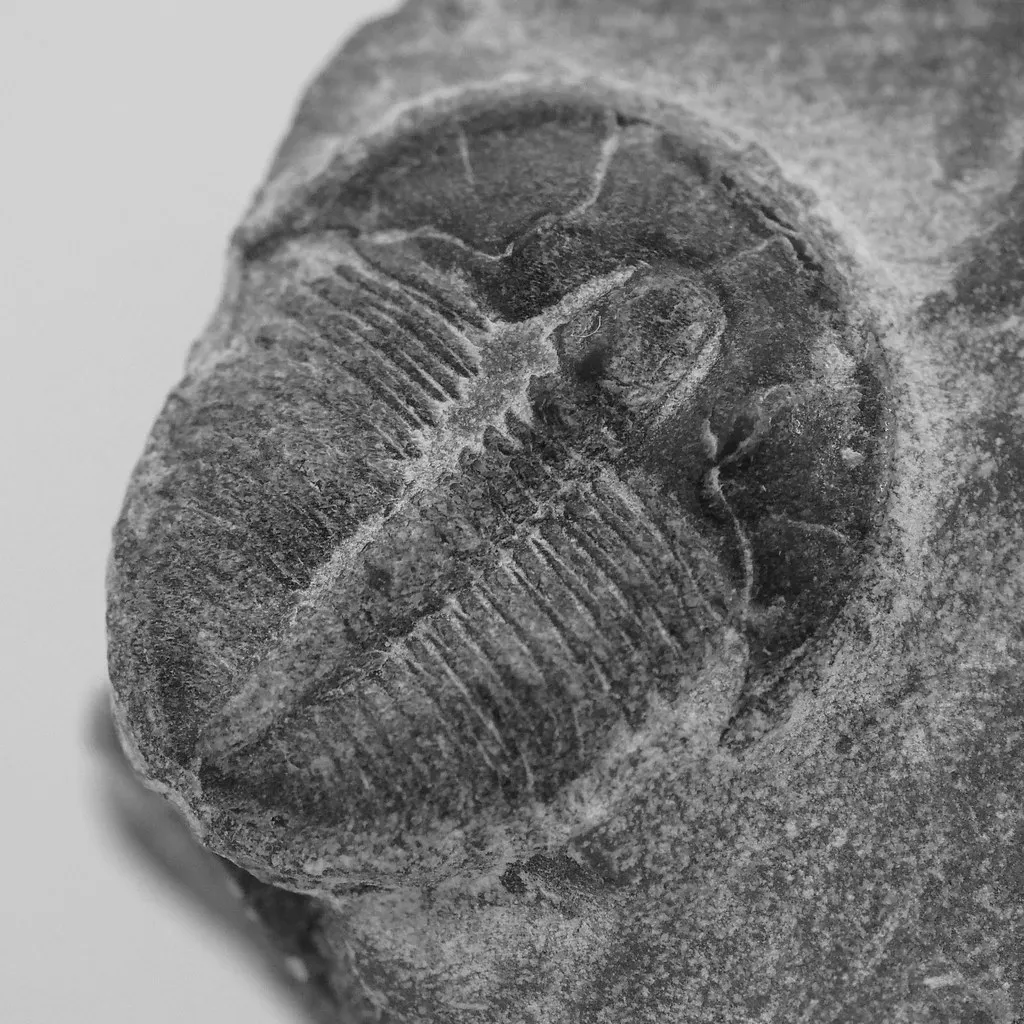
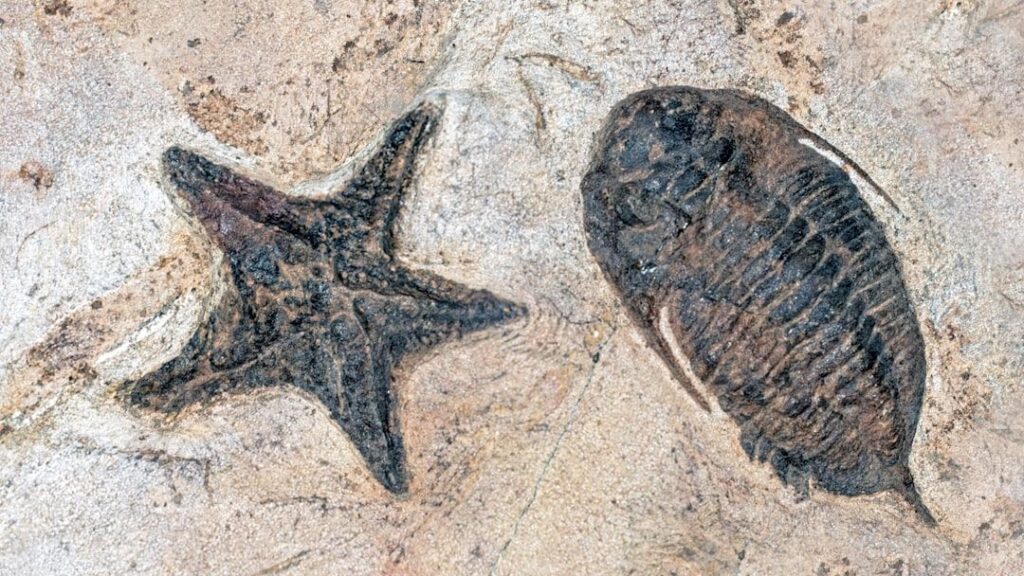
Trilobites, ancient marine arthropods, dominated Earth’s oceans for over 270 million years before going extinct 252 million years ago. Their segmented exoskeletons and compound eyes are iconic features, and their fossils have been found worldwide. Trilobites are crucial for understanding the Cambrian explosion, a period of rapid evolutionary diversification. Their sheer abundance across every continent makes them paleontology’s most useful tool for correlating rock layers across the globe, like a geological calendar written in stone.
From its beginnings more than three billion years ago to the present day, fossils record how life adapted or perished in the face of major environmental challenges. Trilobites are perhaps the most vivid chapter in that story. Unraveling long-term variations in climate relies heavily on information embedded in the chemical structure of fossils, which provide key constraints on the climate models essential for predicting future climate change. In other words, by studying trilobites and their contemporaries, scientists gain insight into climate crises that happened hundreds of millions of years ago and that mirror challenges we face today. They are not just relics. They are warnings.
Conclusion: The Stones Still Have Stories to Tell
Each of these ten discoveries did something remarkable. They didn’t just add a name or a date to a museum label. They fundamentally changed the questions scientists were asking. Paleontology has repeatedly proven that Earth still holds extraordinary stories in stone, amber, and microscopic cellular archives, with fossil finds reshaping evolutionary family trees, revealing ancient behavior, and pushing the boundaries of molecular preservation.
From a tiny woman in Lyme Regis cracking open cliffs with a hammer to a team of researchers in the Canadian Arctic discovering a fish that changed everything we know about land-living vertebrates, these stories remind us that discovery is rarely clean or convenient. It is surprising, messy, and deeply human. Paleontology has provided a fundamental, sobering contribution to human thought: the reality of species extinction and thus of a world that has dramatically changed over time. The next world-changing fossil might already be half-exposed on a hillside somewhere, just waiting for the right person to look down at the right moment. What discovery would you most want scientists to make next?