For a long time, the popular image of dinosaurs was simple: massive, cold-blooded machines driven by instinct, laying eggs and moving on. No tenderness, no nurturing, no family life worth noting. Then the fossils started telling a different story.
Over the past several decades, a series of remarkable finds has quietly rewritten the chapter on dinosaur family life. The study of dinosaur parental care reveals the behavioral complexity and ancient parenting strategies of these prehistoric creatures, with scientists gaining valuable insights through the analysis of fossilized nests, eggs, and bones. What’s emerged is genuinely surprising: some dinosaurs were devoted, attentive parents, while others took a more hands-off approach. The gap between those two extremes is where the most fascinating science lives.
1. The Maiasaura Nesting Colony at Egg Mountain, Montana
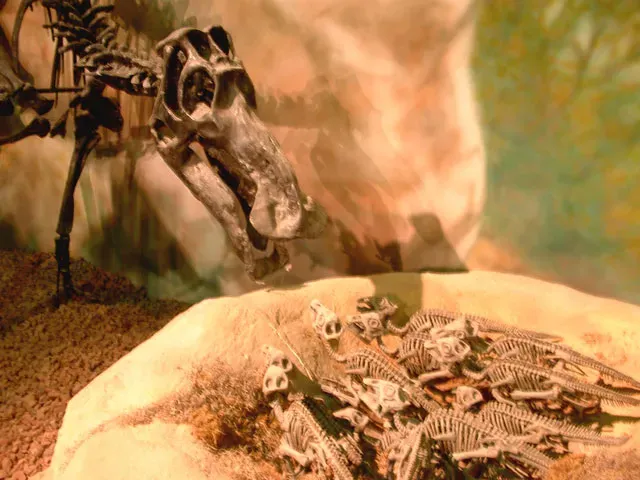
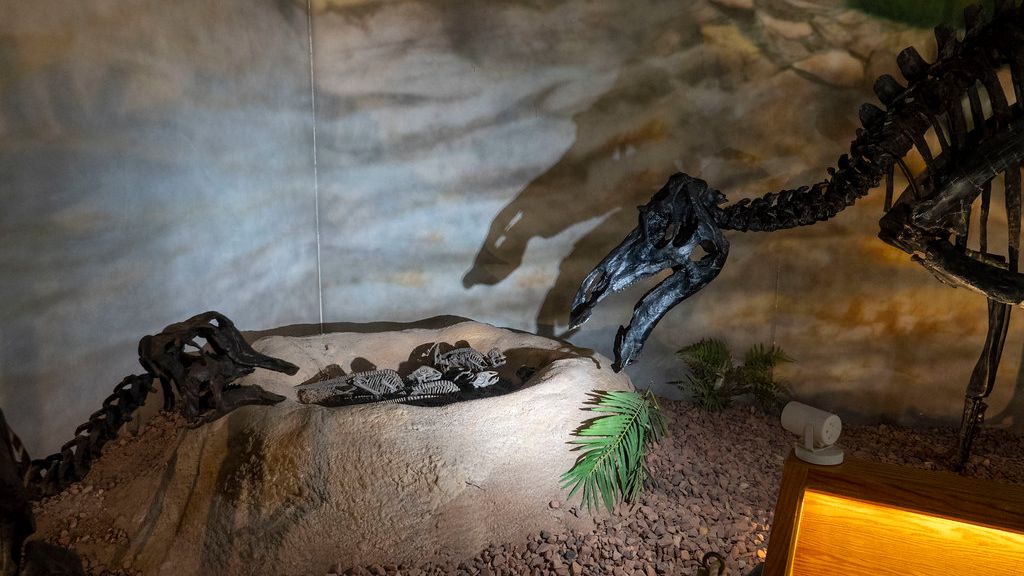
Few fossil discoveries have hit as hard as the Maiasaura nesting grounds uncovered in Montana in the late 1970s and 1980s. In 1979, paleontologist Jack Horner discovered adult skeletons near babies, suggesting that parents brought food to offspring and guarded nests from predators. The name Maiasaura itself, meaning “good mother lizard,” was chosen deliberately in response to what the fossils implied.
The most important find was hatchlings with underdeveloped legs, which made walking unlikely, yet they had worn teeth. It is estimated that the hatchlings might have spent a year in the nest, and although the mortality rate was high, it was the parents that fed them and protected them. As many as 14 nests were found in a single area of the site, known as Egg Mountain, leading some scientists to believe that Maiasaura may have nested in colonies. Before this discovery, no one had seriously considered that dinosaurs could operate like colonial nesting birds.
2. “Big Mama” – The Brooding Citipati of Mongolia
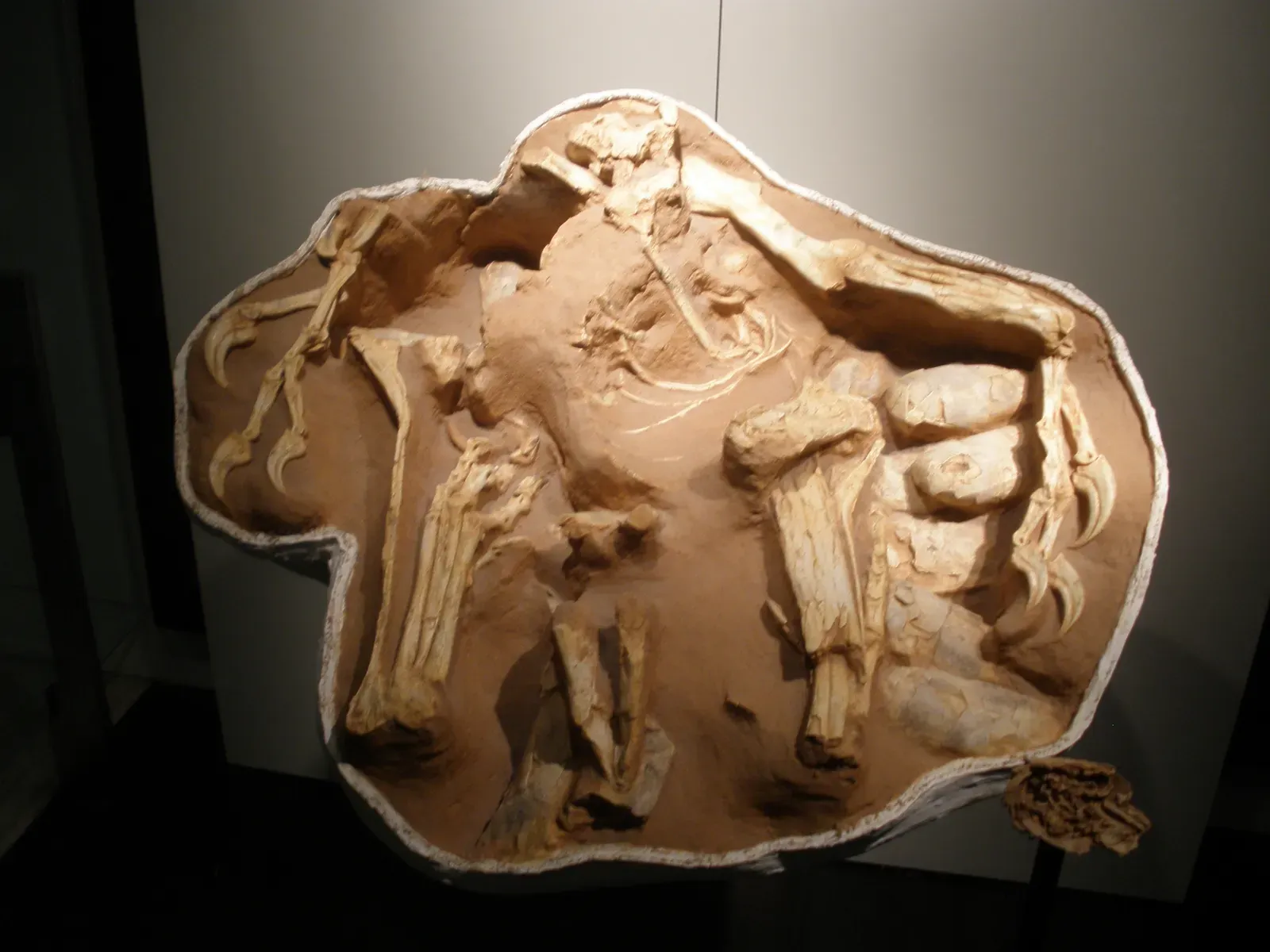
The Citipati osmolskae fossil dubbed “Big Mama” was a discovery that provided substantial evidence for how dinosaurs behaved with their eggs. Found in Mongolia and dating to roughly 75 million years ago, this oviraptorid was preserved in a position that looked unmistakably familiar to anyone who has watched a bird sit on its nest. The large adult skeleton was preserved at the center of a ring of eggs, with its arms wrapped around the precious clutch. This Citipati parent was shielding the eggs when it perished in a sandstorm.
These dinosaurs sat on their nests in a very bird-like way, with their bodies positioned in the center of the nest and their arms held over the eggs to help protect them. Their bodies would have been covered in large, down-like feathers that would have helped conceal and insulate the eggs. The sheer intimacy of this fossil, a parent that died rather than flee its nest, fundamentally challenged the notion that non-avian dinosaurs were indifferent to their offspring.
3. The Oviraptor Rehabilitation – From Egg Thief to Devoted Parent
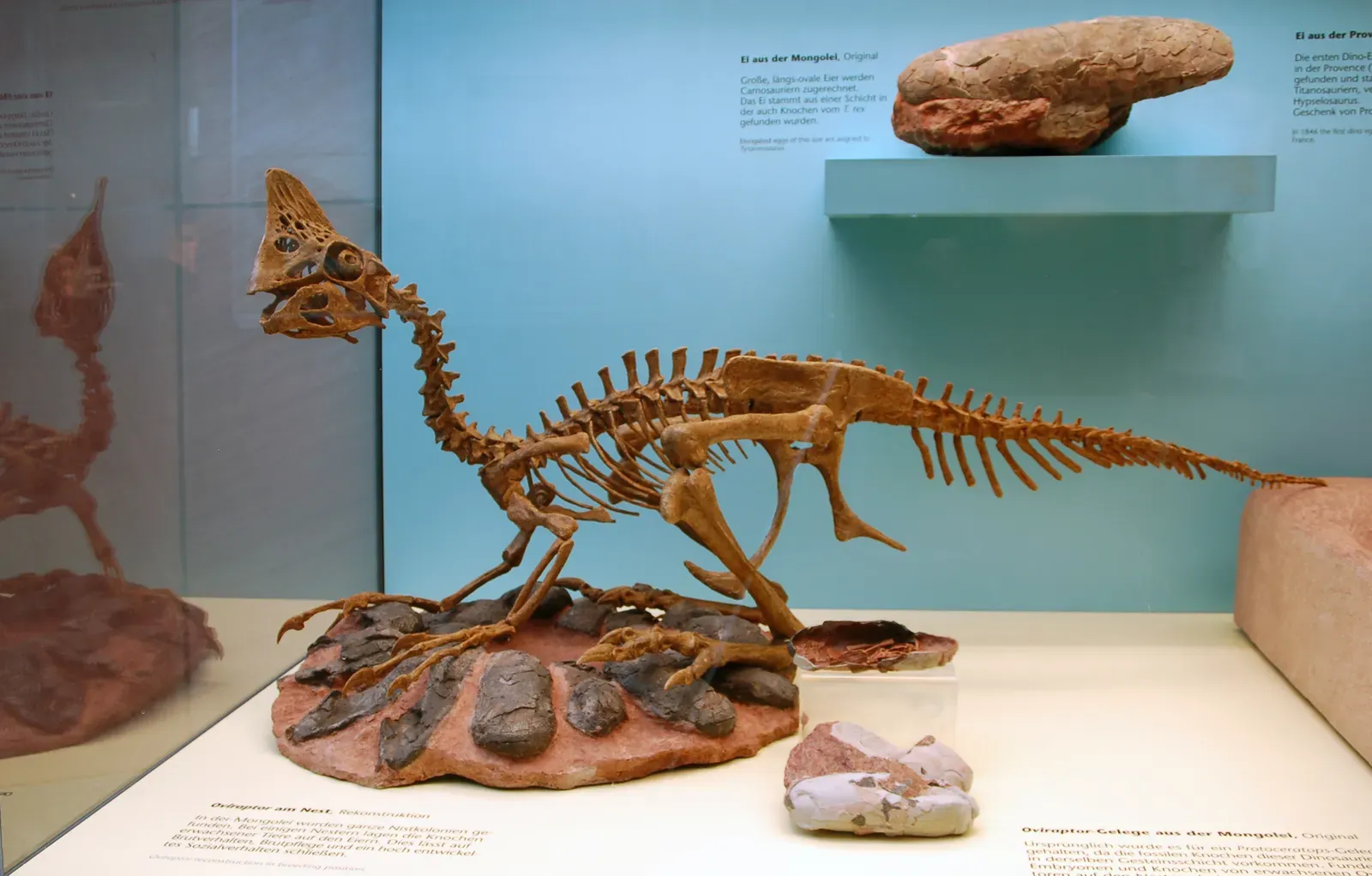
Oviraptor, whose name is derived from the Latin for “egg thieves,” was first discovered in the 1920s in association with eggs thought to belong to the small ceratopsian dinosaur Protoceratops. Based on this find, scientists thought that Oviraptor may have stolen and eaten other dinosaurs’ eggs. But it has now been confirmed that the eggs actually belonged to Oviraptor. This represents one of paleontology’s most dramatic reversals of reputation.
Paleontologists in China unearthed the fossil of an oviraptorosaur sitting on a nest of eggs, and this fossil is unique in that the eggs still preserve evidence of unhatched progeny inside. Microscopic analysis showed that some embryos were in the late stages of development, on the verge of hatching. The researchers took this as potential evidence that oviraptors were actively incubating their nests, not just guarding them. The transformation from “thief” to “caregiver” is complete – and it’s backed by hard fossil data.
4. The Massospondylus Nursery – The World’s Oldest Dinosaur Nesting Site
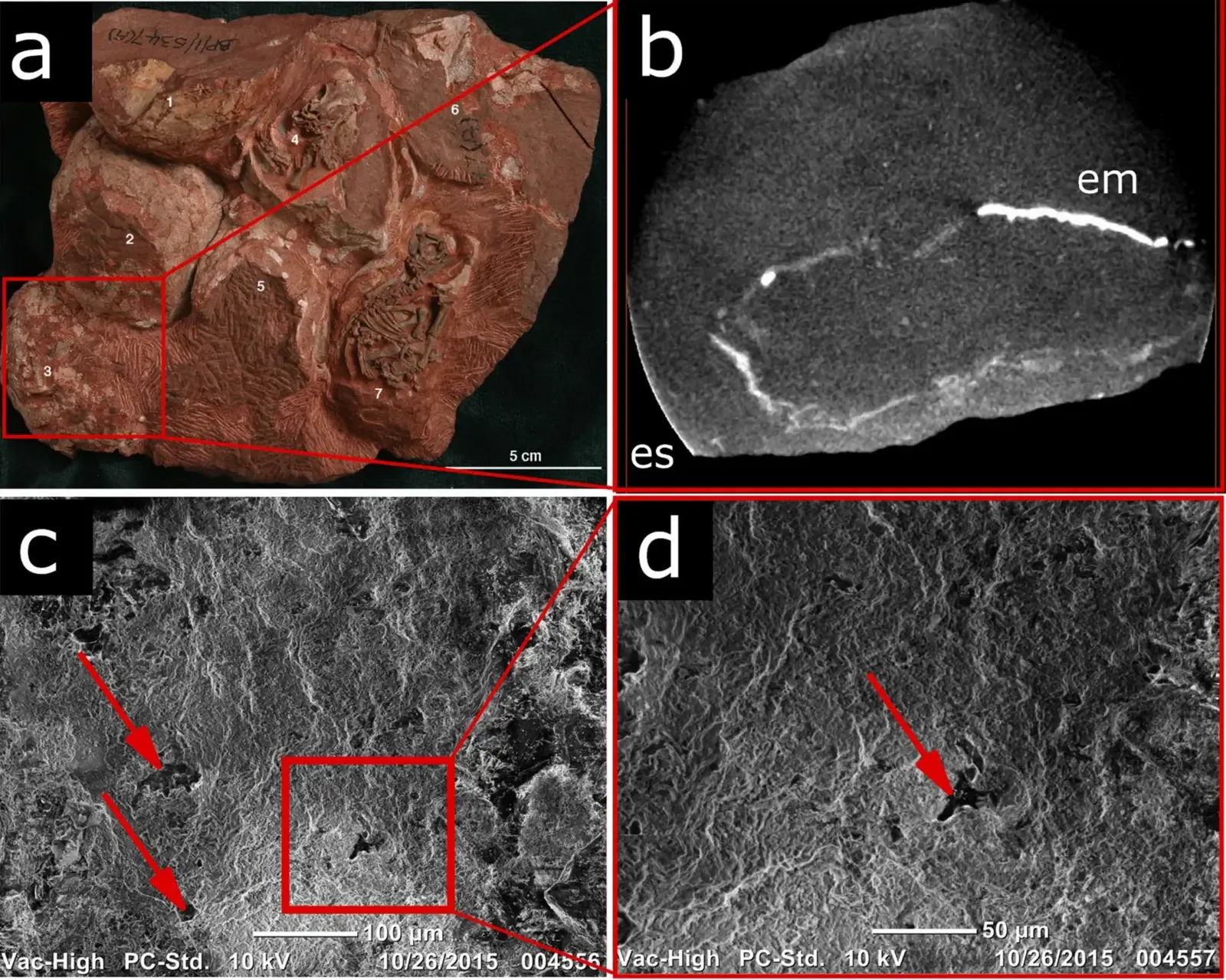
An excavation program started in 2006 yielded multiple in situ egg clutches in South Africa, documenting the oldest known dinosaurian nesting site, predating other similar sites by more than 100 million years. The presence of numerous clutches of eggs in at least four distinct horizons within a small area provides the earliest known evidence of complex reproductive behavior including site fidelity and colonial nesting in a terrestrial vertebrate.
Based on the large size of the embryos’ heads combined with a small pelvic girdle and underdeveloped tail vertebrae, researchers concluded that these dinosaurs likely moved around little after they hatched. The embryonic remains also showed underdeveloped teeth, which would have made eating difficult. Researchers concluded that these young would have struggled to survive on their own, and that Massospondylus adults may have cared for them. You’re looking at a parenting story that stretches back 190 million years – the oldest of its kind ever documented.
5. The Psittacosaurus Nursery Group – One Adult, 34 Juveniles
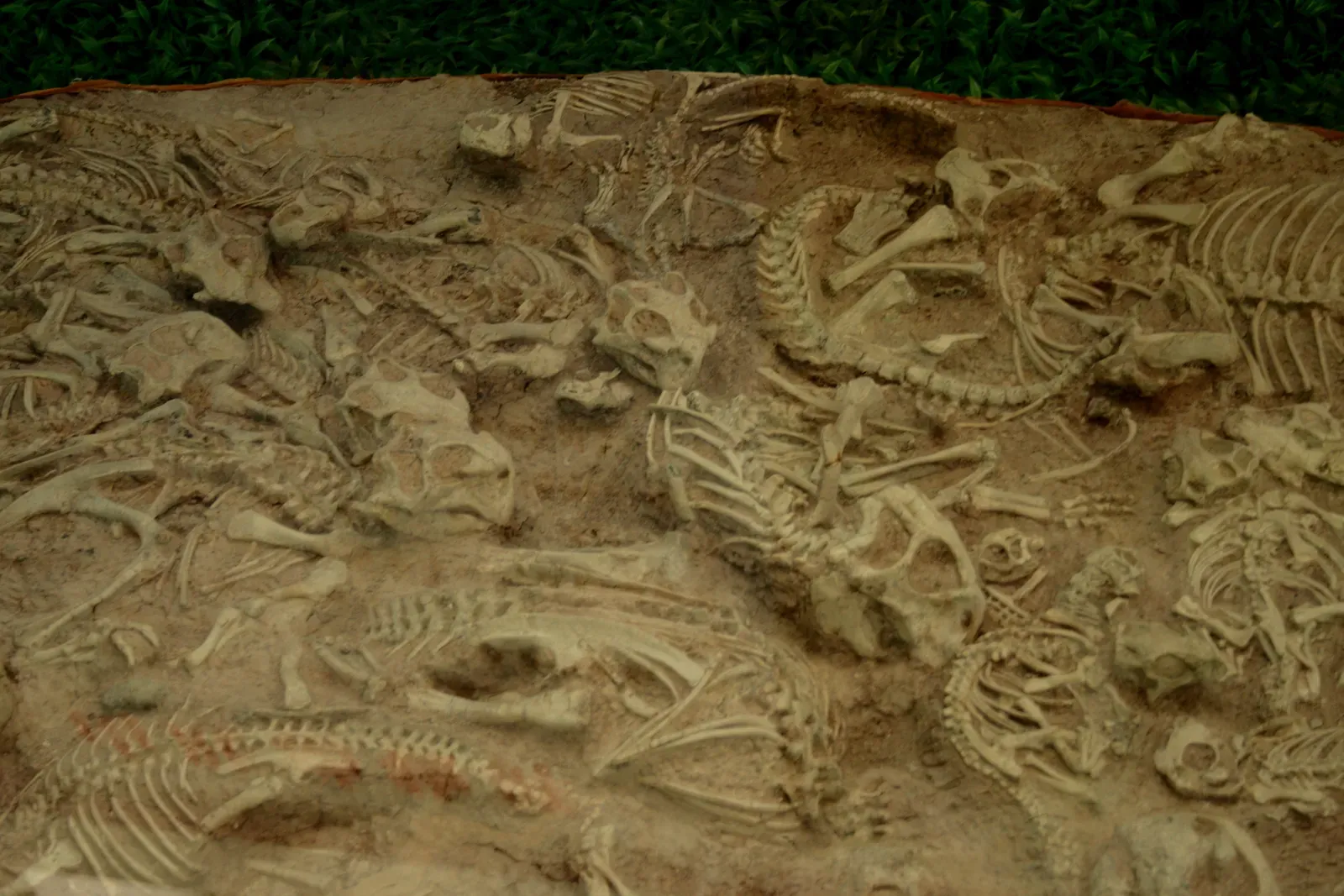
In Liaoning Province, China, the fossils of one adult and 34 juvenile ceratopsian Psittacosaurus were found together. The average total length of the juveniles was about 23 cm. This was not a typical nesting site discovery. It was something rarer: direct fossil evidence of a group of young animals in the company of a single older individual, suggesting active social supervision rather than simple co-location.
The adult, presumed to be the parent, is estimated to have been over 1 meter long, suggesting that adults and children lived in social groups. It has also been found that some dinosaurs formed huge nesting colonies with many nests in the same location, thought to have been a rational strategy to collectively protect eggs and young from predators. This single slab of rock from China captured a living social dynamic that would have otherwise remained invisible to science.
6. The Protoceratops Nest with 15 Juveniles in the Gobi Desert
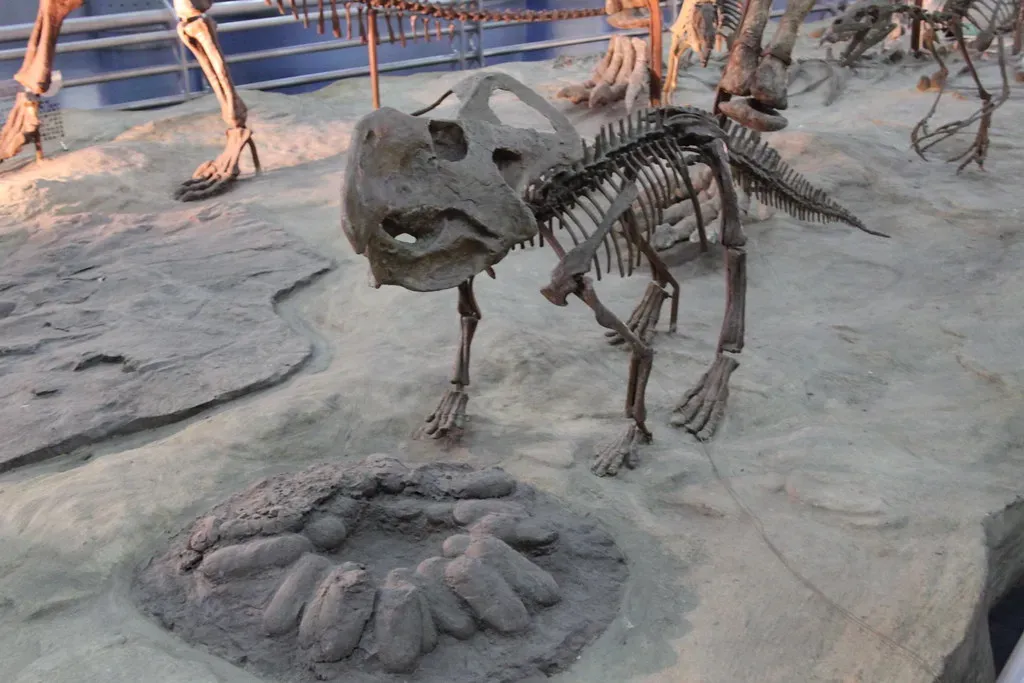
A 70-million-year-old nest of the dinosaur Protoceratops andrewsi has been found with evidence that 15 juveniles were once inside it. The sheer number is what makes this find striking. While large numbers of eggs have been associated with other dinosaurs, finding multiple juveniles in the same dinosaur nest is quite rare, and one researcher noted they could not think of another specimen that preserves 15 juveniles at its nest in this way.
The nest and its contents imply that Protoceratops juveniles remained and grew in their nest during at least the early stages of postnatal development, further implying that parental care was provided. The large number of offspring also suggests that juvenile dinosaur mortality was high, not only from predation but also from a potentially stressful environment, and large clutches may have been a way of ensuring survival even if there was extensive parental care. Parenting, it turns out, was also a numbers game for some species.
7. Scipionyx and the “Last Supper” That Suggested Parental Feeding
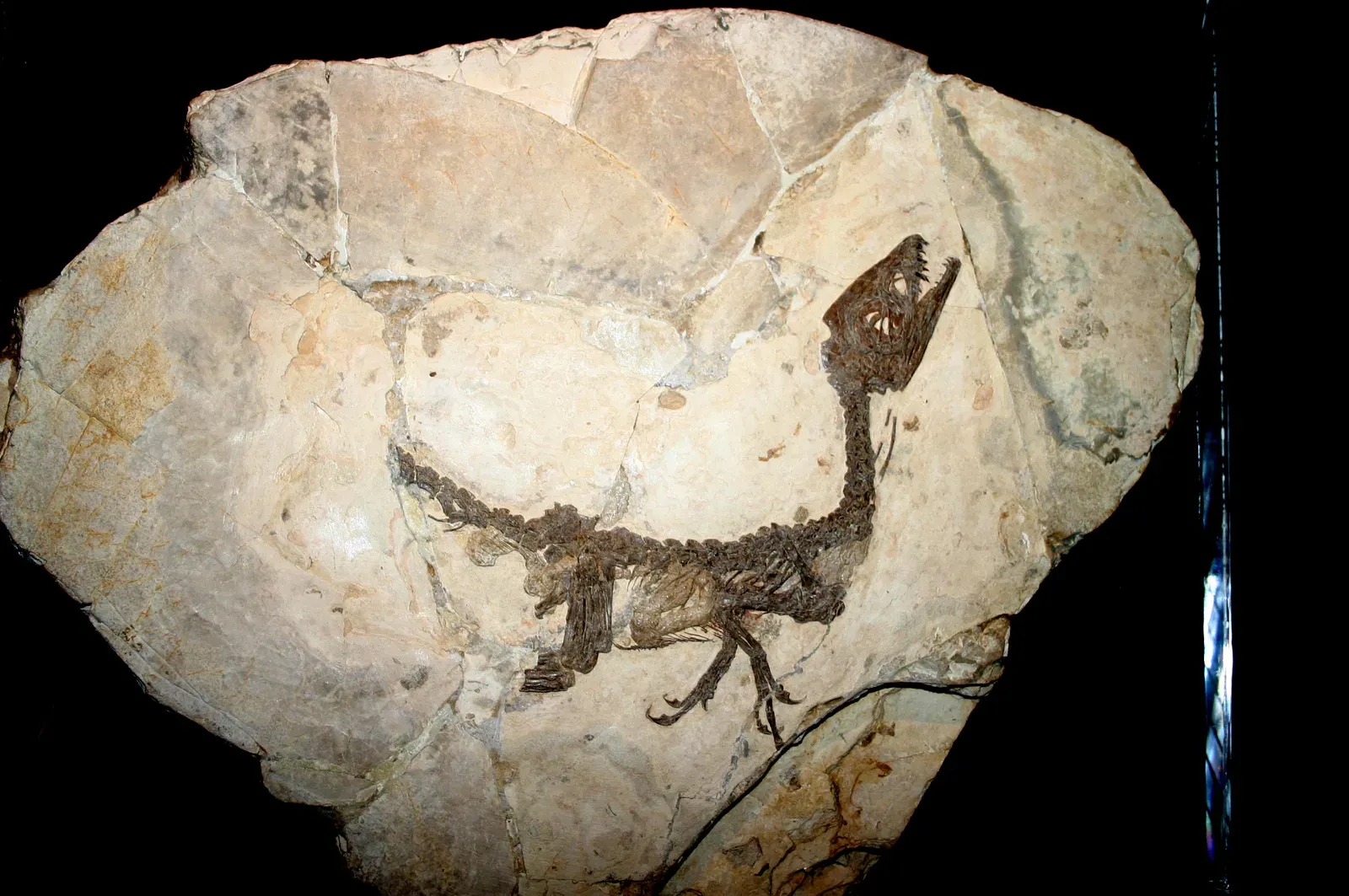
Scipionyx was a genus of theropod dinosaur from the Early Cretaceous of Italy, around 113 million years ago, and there is only one fossil known, discovered in 1981 by an amateur paleontologist. The real shock of Scipionyx was what the fossil contained inside. The find generated much publicity because of the unique preservation of large areas of petrified soft tissue and internal organs such as muscles and intestines, with the fossil showing even the internal structure of some muscle and bone cells.
Inside the digestive tract, the “last supper” of lizards and fish was preserved. In the stomach, a metatarsus consisting of five metatarsals, an ankle, and caudal vertebrae were found, estimated to be from a lizard 15 to 40 cm long. Since it is unlikely that a baby a few days old could have caught such a variety of prey on its own, this is considered very strong circumstantial evidence that the parents brought it food and cared for it. A three-day-old baby dinosaur with a full stomach tells a very particular story.
8. The Sauropod Nesting Grounds – A Case for “Lay and Leave”
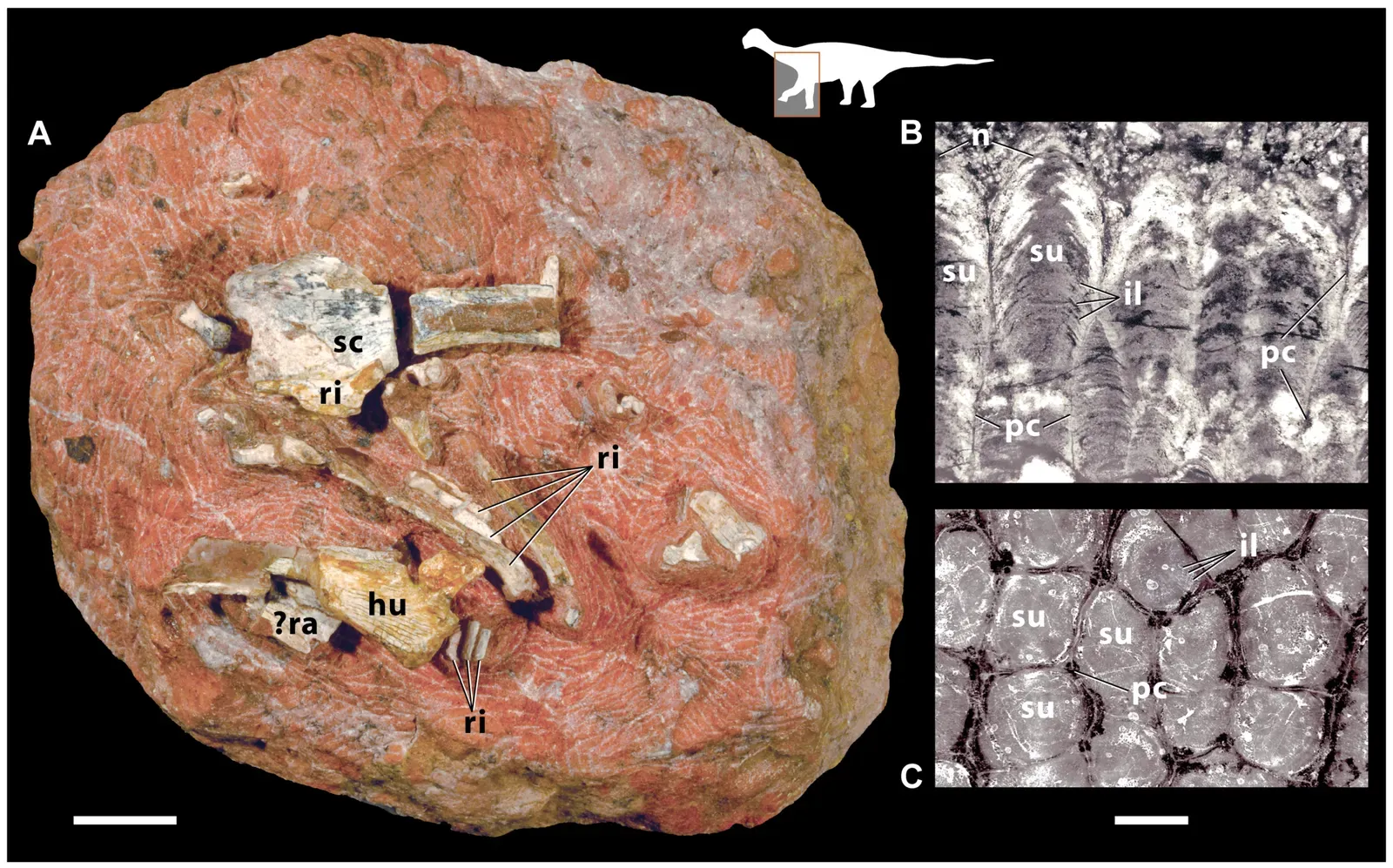
Some dinosaur groups, such as the long-necked sauropods, laid small eggs en masse and buried them, leaving them behind like sea turtles. The scale of sauropod nesting sites found in Argentina and elsewhere is genuinely staggering, with hundreds of eggs clustered in communal grounds. Paleontologists have found their expansive nesting grounds, including some sites where dinosaurs laid eggs in areas that were warm with geothermal activity, perhaps to incubate the offspring. Researchers have no evidence that the parents stuck around.
In terms of fossil evidence, researchers found pods of skeletons of youngsters all preserved together with no traces of adults nearby. These juveniles tended to travel together in groups of similarly aged individuals, getting their own food and fending for themselves. The early separation between parent and offspring, and the size differences between these creatures, likely led to profound ecological consequences, with what a dinosaur eats, what species can threaten it, and where it can move effectively all changing across life stages. The sauropod approach was the opposite of helicopter parenting – and it apparently worked well enough.
9. The Oviraptorid Gigantoraptor and the Ring-Shaped Clutch
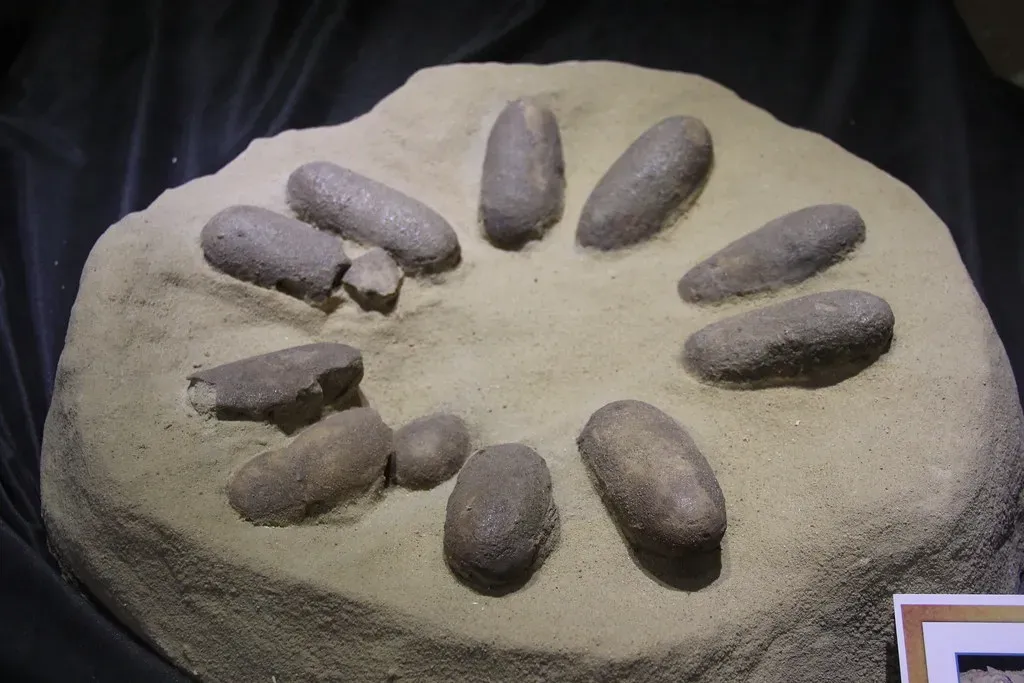
For larger oviraptorosaurs like Gigantoraptor, who grew as big as rhinos, sitting directly on their eggs could have been a risk. Fossils suggest they laid their elongated oval eggs in a nearly perfect ring shape, with two or three rings stacked on top of one another, leaving a spot in the middle for them to set their weight. The ring size ranged from less than 40 centimeters to well over 2 meters in diameter, and the dinosaur’s body may still have had contact with the eggs.
The similarities in the eggs and nest shape across oviraptorosaur species indicate that brood-like behavior was practiced by all species, small to giant. This architectural consistency across a whole dinosaur family suggests brooding was not an accident or an isolated behavior – it was a deeply rooted reproductive strategy. From the brooding behaviors of oviraptorids like “Big Mama” to the nesting colonies of the Maiasaura, dinosaurs displayed a range of social and parental dynamics.
10. The Juvenile Tyrannosaurid Gorgosaurus and Ontogenetic Dietary Shifts
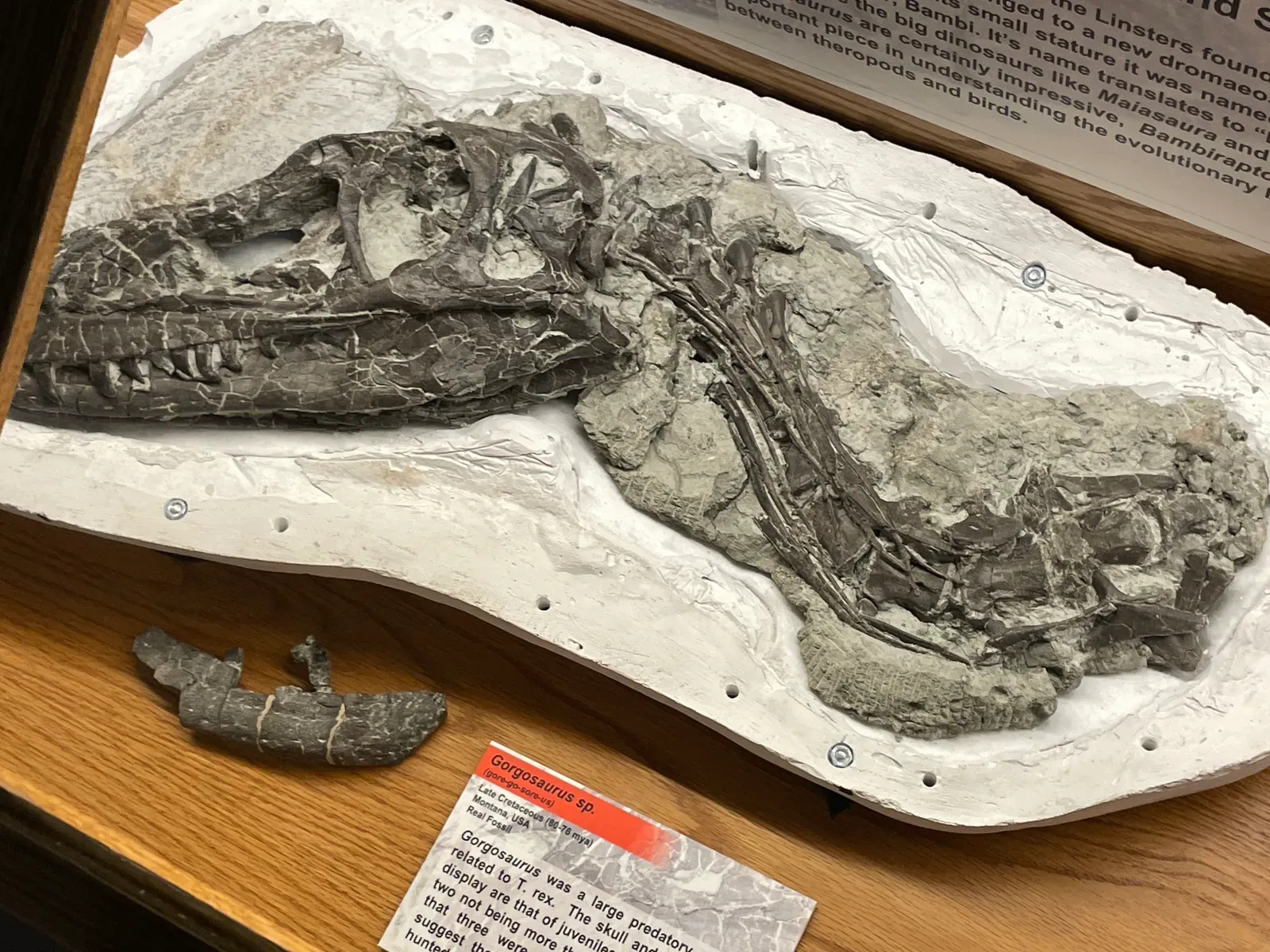
Researchers described a remarkable specimen of a juvenile Gorgosaurus libratus that preserved the articulated hindlimbs of two yearling caenagnathid dinosaurs inside its abdominal cavity. The prey were selectively dismembered and consumed in two separate feeding events, providing direct evidence of an ontogenetic dietary shift in tyrannosaurids. This discovery reframed the parent-child relationship in a different but equally important way: by revealing that young tyrannosaurids occupied an entirely different ecological role from their parents.
Tyrannosaurids grew from meter-long hatchlings to multi-ton sizes over the course of their lifespan. Juveniles were gracile with narrow skulls and blade-like teeth, whereas adults were robust with massive skulls capable of generating bone-crushing bites. These marked morphological changes suggest that tyrannosaurids underwent a major ontogenetic dietary shift, where immature and mature individuals occupied different ecological niches. In other words, a baby T. rex and its parent were not just different in size. They were functionally different animals, competing with entirely different species for food.
What These Fossils Tell You About the Bigger Picture
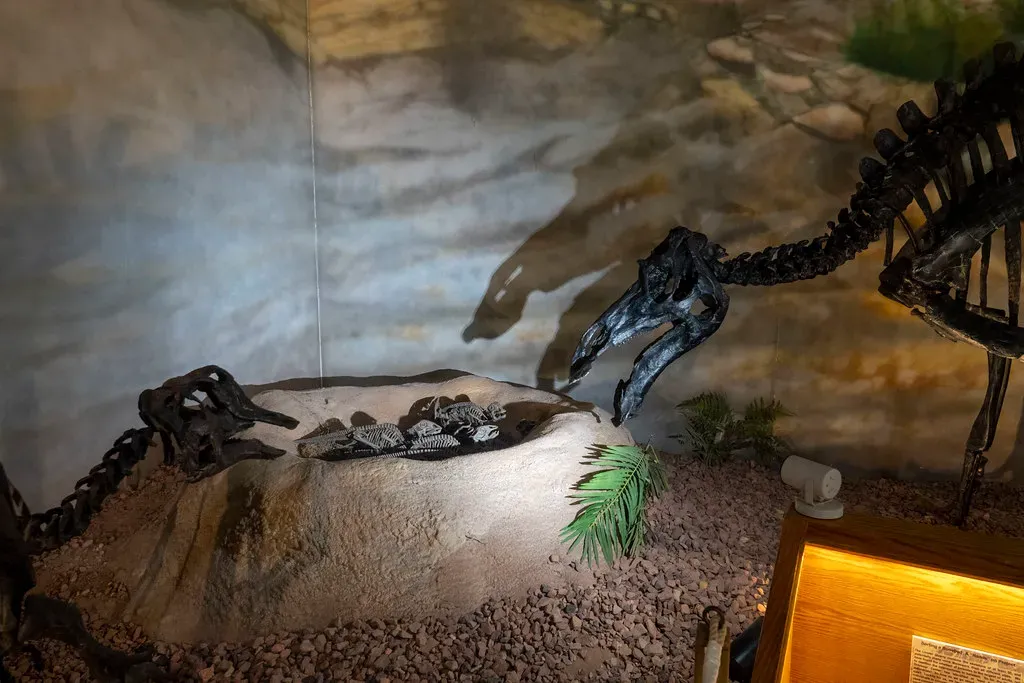
Taken together, these ten discoveries do something that no single specimen could accomplish alone. They reveal that dinosaur parenting was not a single thing. The main theory is that just like living animals exhibit a variety of behaviors from species to species, dinosaurs were likely variable in their parenting. Some were neglectful and buried their eggs, while others caringly tended to their nest. Some lived alongside each other while others parted ways soon after birth.
These discoveries challenge the popular perception of dinosaurs as ferocious and uncaring creatures, emphasizing their capacity for nurturing and protective behaviors. Parental care in dinosaurs matters in an ecological sense – it can show how behavior changes in response to climate changes and other events. The fossils listed here are not just curiosities. They are windows into a social world that existed long before anything resembling modern family life, and they suggest that the instinct to protect one’s young runs far deeper in evolutionary time than most people ever imagined.
Each new fossil adds a data point to a picture that is still coming into focus. The most honest conclusion you can draw is also the most intriguing one: the more we look, the more complex dinosaur family life turns out to be.