Imagine standing in a world where the air is thicker with carbon dioxide, forests stretch across the poles, and yet somehow giant reptiles rule every corner of the planet. That was the world of the dinosaurs, and it did not stay the same for long. Over tens of millions of years, temperatures rose and fell, sea levels advanced and retreated, continents drifted, and ecosystems shifted in ways that would feel terrifyingly familiar to you today.
What makes dinosaurs so fascinating is not just their size or their teeth, but how incredibly flexible they were in the face of all this change. When you dig into the science, you start to see patterns that echo in modern animals and even in your own life: change is constant, survival depends on adaptation, and no dominant species is ever truly safe. As you look at how dinosaurs handled warming periods, cooling events, and shifting habitats, you get a surprising mirror for what climate change might mean in your world now.
1. Warm-Blooded Traits Gave Dinosaurs a Climatic Edge
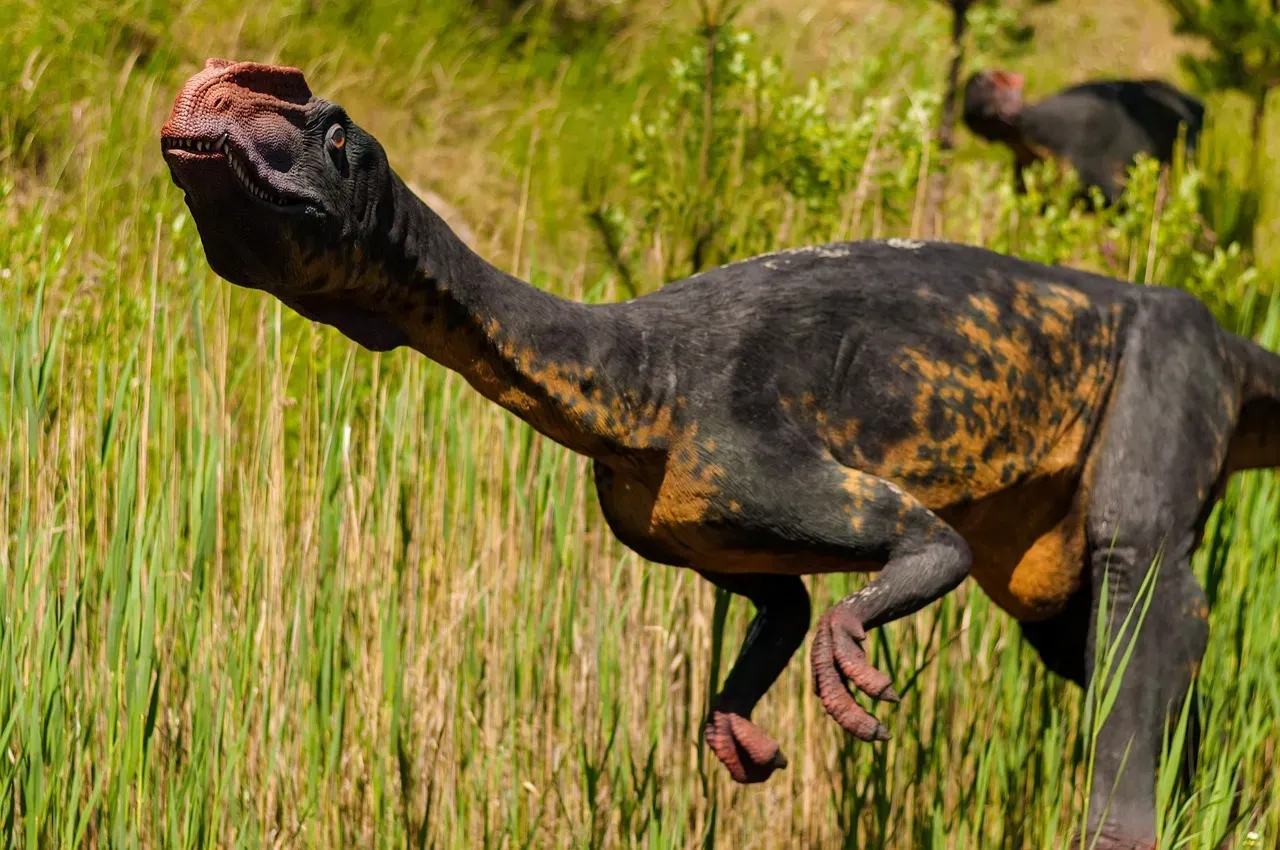
One of the most striking insights you learn is that many dinosaurs seem to have operated more like warm-blooded animals than sluggish reptiles. Evidence from bone growth rings, oxygen in fossilized bones, and the way blood vessels are arranged suggests that several groups, especially theropods and early birds, maintained relatively high and stable body temperatures. That means when climates fluctuated, these dinosaurs could keep moving, hunting, and growing instead of slowing down like cold-blooded lizards do on a chilly day.
If you think about it in human terms, it is like having your own internal climate-control system instead of depending entirely on the weather outside. This metabolic advantage would have helped dinosaurs spread into cooler regions, endure seasonal changes, and exploit more diverse habitats. You can picture them as athletes with efficient engines, able to stay active in conditions that would have shut down less adaptable creatures. That internal stability became a powerful buffer against external climate swings.
2. Feathers and Body Covering Worked as Climate Technology
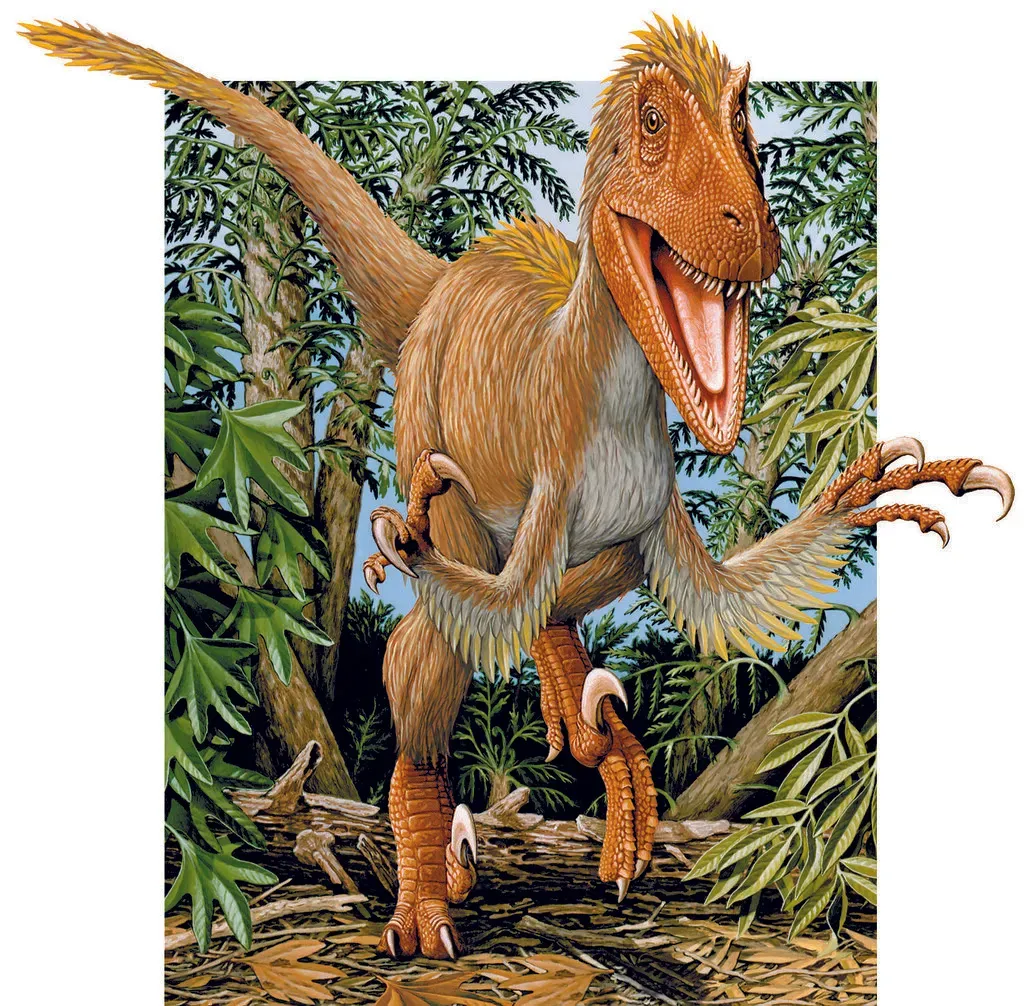
You might associate feathers only with birds, but when you look at the fossil record, you see that many dinosaurs carried some form of filament, fuzz, or true feather. These coverings show up not only in small, agile hunters but also in some plant-eaters, suggesting that insulation was a widespread strategy. In cooler or more seasonal climates, that fuzzy coat would have helped retain body heat, much the way a winter jacket does for you. In some species, feathers also created surface area that could help radiate heat away in hotter periods.
What is especially wild is that feathers seem to have started as a climate adaptation first and only later turned into tools for display and, eventually, flight. You can think of them as the original multi-purpose outdoor gear: insulation, sunshade, and social signal all in one package. As climates shifted, species with flexible feather types and distributions could fine-tune their insulation, giving them a better shot at thriving when temperatures rose or dropped over geological time.
3. Diverse Body Sizes Helped Dinosaurs Weather Environmental Shocks
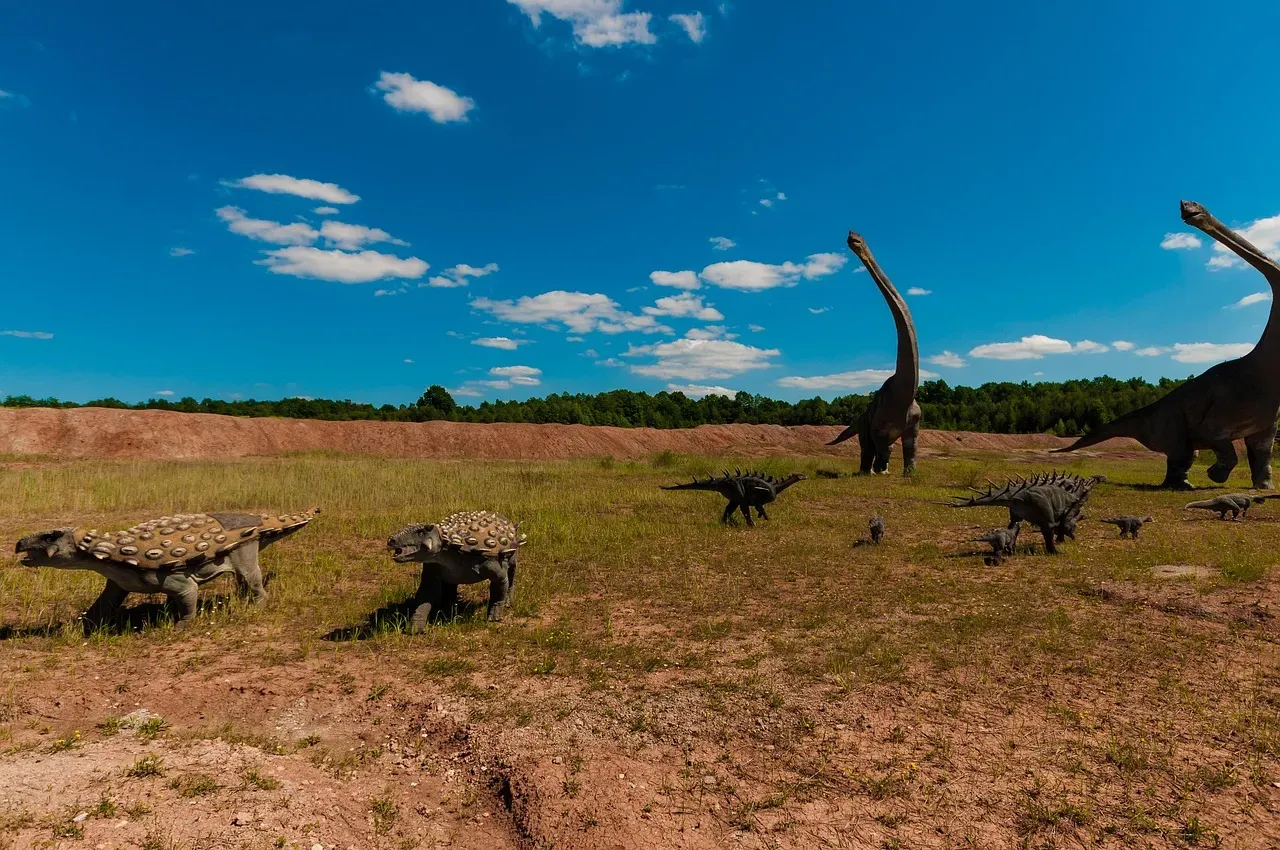
When you picture dinosaurs, your mind probably jumps straight to giants, but the real secret to their climate resilience lies in their range of sizes. In many ecosystems, you see massive sauropods standing alongside mid-sized predators and small, nimble omnivores, all sharing the same broad environment in different ways. This size diversity spreads risk. Large animals can migrate longer distances or reach food that smaller animals cannot, while smaller species can reproduce faster and tuck themselves into microhabitats when conditions worsen.
If you compare it to your own life, it is like having a diversified investment portfolio instead of putting every dollar into one stock. As climates changed, some size classes might have struggled, but others filled gaps and kept dinosaur-dominated ecosystems functioning. Over millions of years, this spread of body sizes allowed dinosaur communities to bend instead of break when droughts, temperature changes, or habitat shifts hit hard.
4. Flexible Diets and Specialized Teeth Tracked Shifting Vegetation
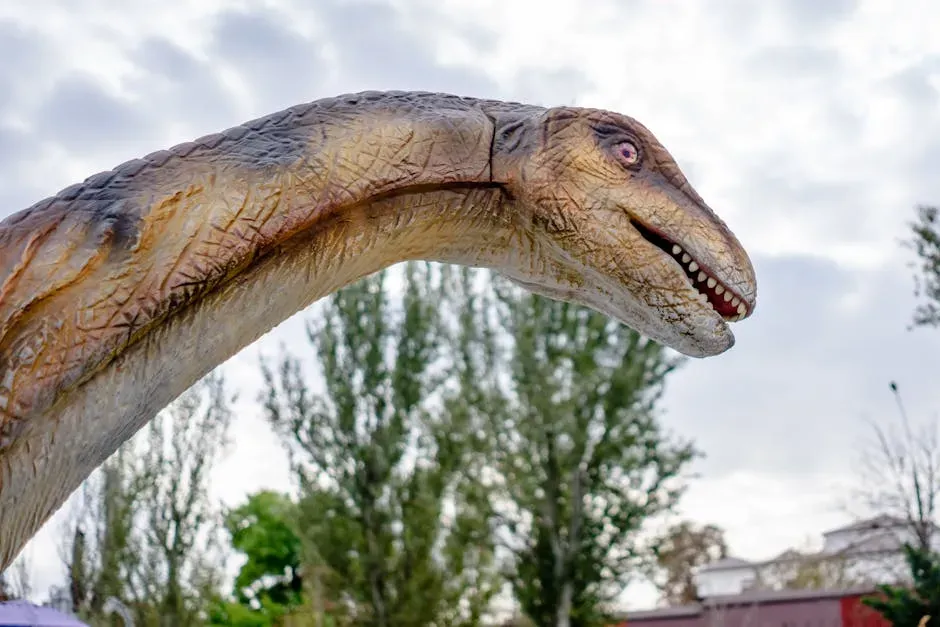
When climates change, plants move first, and dinosaurs had to keep up. You see this most clearly in the way their teeth and jaws evolved over time. As lush, fern-dominated landscapes gave way to forests rich in conifers and later flowering plants, herbivorous dinosaurs developed different tooth shapes, jaw muscles, and beaks suited to new kinds of vegetation. Some had batteries of grinding teeth perfect for breaking down tough plant material, while others evolved sharp beaks to nip leaves or fruits.
For you, it is like continuously updating your kitchen tools as your diet changes: blenders for smoothies, sharp knives for fresh vegetables, different cookware for different cuisines. Dinosaurs that could switch foods or already had generalist teeth would have been better equipped to survive when certain plants declined. Those dietary adjustments allowed them to track moving forests, colonize new regions, and exploit seasonal resources as climates pushed plants into new patterns.
5. Migration and Wide Ranges Acted as Natural Climate Insurance
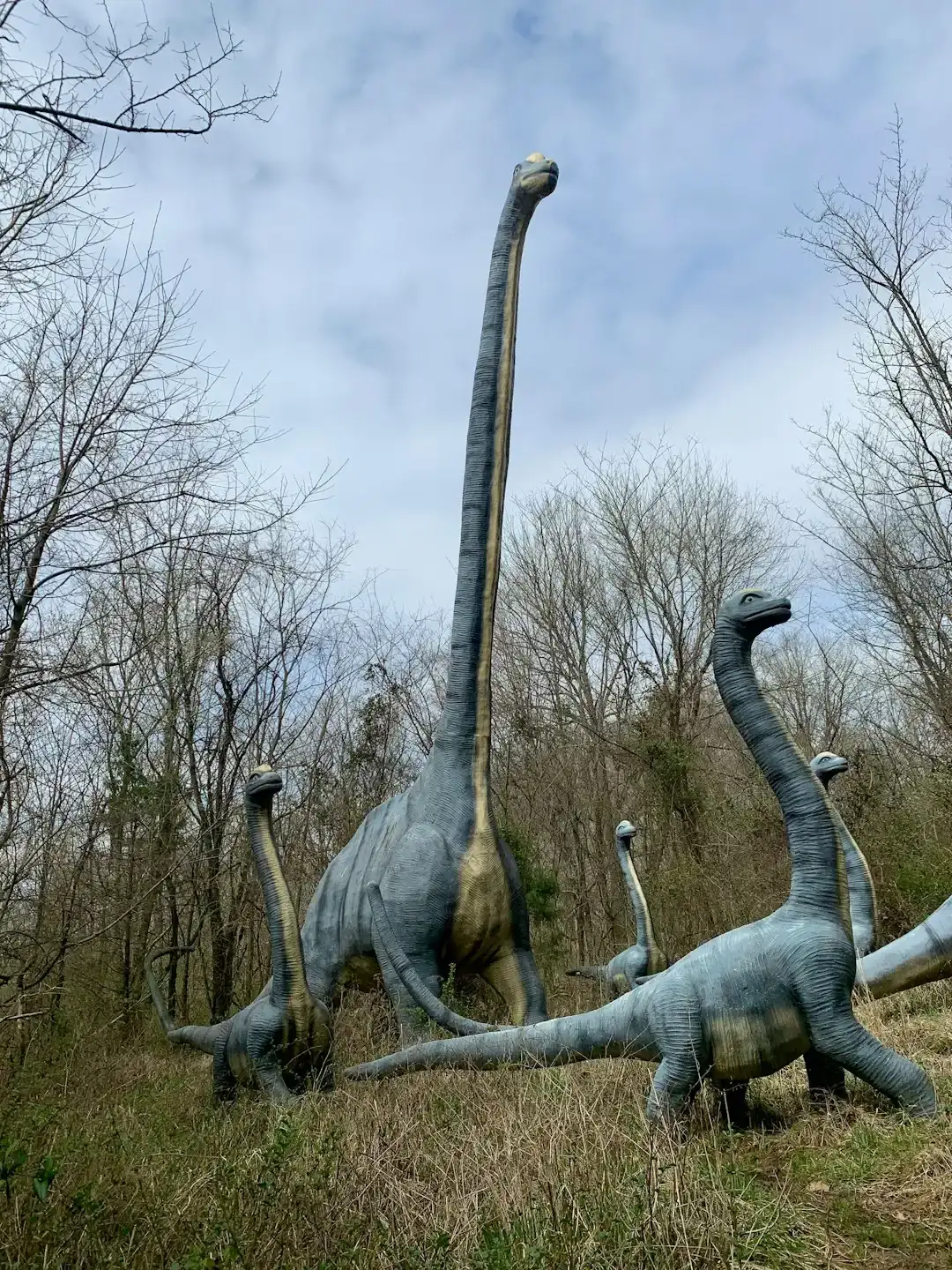
Fossil footprints, bonebeds, and the global spread of particular dinosaur groups suggest that many species ranged across huge areas. When climates warmed in one region and cooled in another, some dinosaurs could essentially follow their preferred conditions by shifting ranges over generations. You can imagine herds of large plant-eaters gradually trekking toward higher latitudes or elevations where temperatures and plant growth still matched what they were adapted to.
For you, this is a familiar pattern: people move from drought-stricken regions, farmers shift crops, and wildlife tracks changing seasons. Dinosaurs did not book flights, but their long legs, herd behavior, and broad distributions gave them a similar kind of flexibility. By not being tied to tiny, isolated habitats, they could ride out climate instability in ways that more restricted animals could not, turning geography into a giant safety net.
6. Growth Rates and Reproduction Adjusted to Environmental Stress
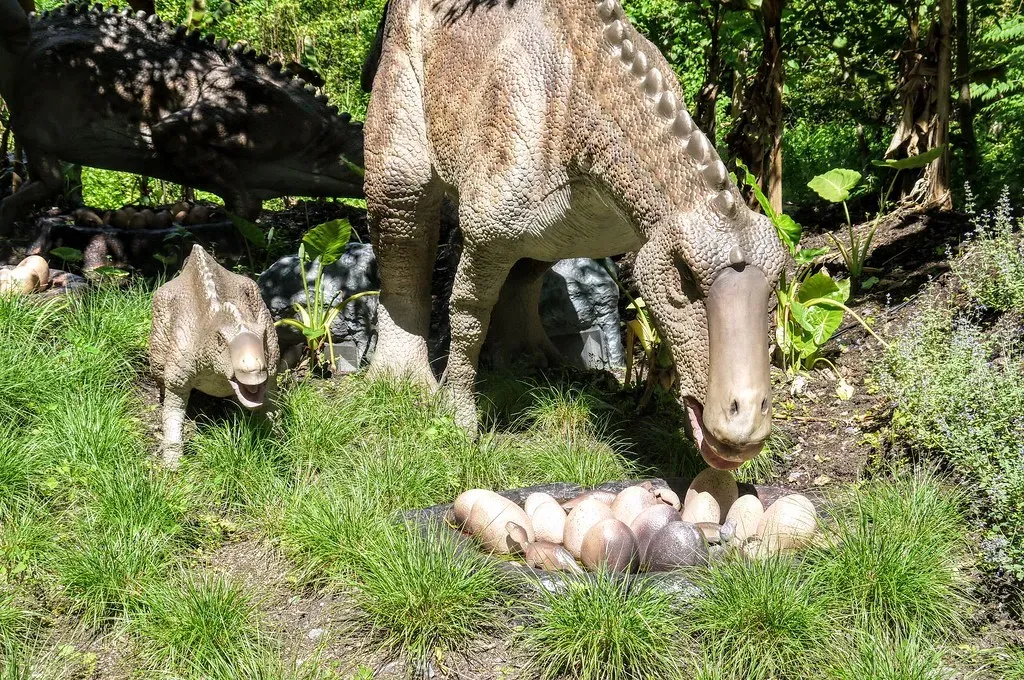
When you look closely at dinosaur bones under a microscope, you see growth rings, much like tree rings, that record how fast an individual grew. These rings show that in some periods, growth slowed or paused, likely during times of reduced resources or environmental stress. That means dinosaurs could dial back their metabolism and development during harsh conditions, then ramp growth up again when climates improved and food became abundant.
Reproductive strategies also played into this climate dance. Many dinosaurs laid numerous eggs in nests, spreading their chances across multiple offspring in a given year. In unstable climates, having many young increases the odds that at least some survive unpredictable droughts, storms, or cold snaps. You can compare it to planting more seeds in a garden when you are not sure how the season will go. This mix of flexible growth and robust reproduction helped dinosaur populations rebound after climatic setbacks.
7. Nests, Burrows, and Parental Care Created Microclimates for Young
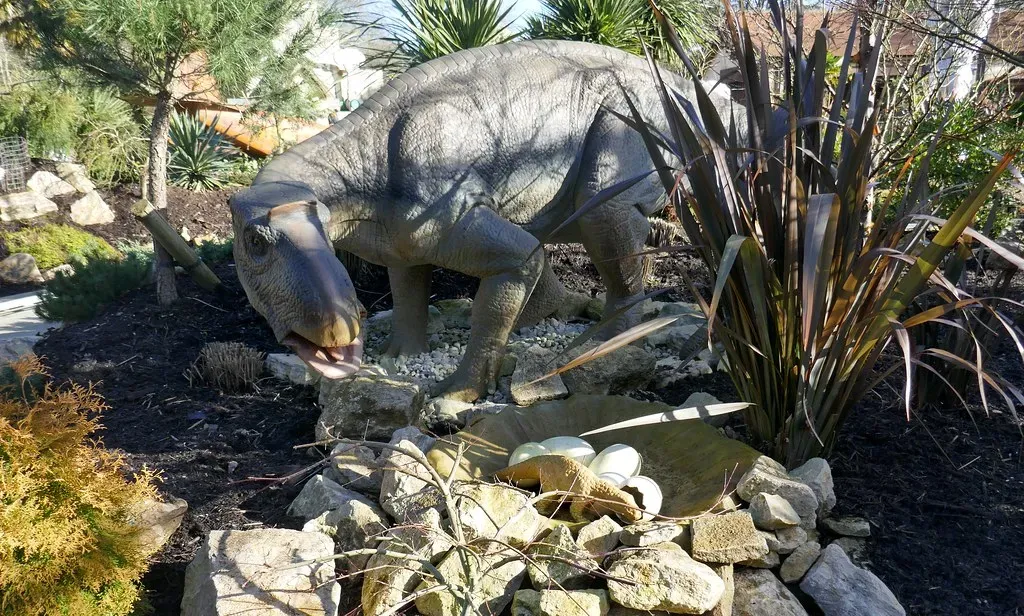
Dinosaur eggs were vulnerable to temperature swings, so nesting behavior became a crucial climate adaptation. You see evidence of carefully constructed nests, eggs arranged in specific patterns, and even colonies of nests clustered together. By choosing certain soil types, nesting sites, or burying eggs, dinosaurs created tiny controlled environments that buffered their offspring against wider climatic extremes. In some cases, fermentation of plant material in nests may even have created gentle warmth.
There is also growing evidence that several dinosaur species cared for their young after hatching, bringing them food or protecting them in safe areas. When you see parenting this way, it becomes a climate strategy as much as a social one. By investing in shelter, nesting choices, and post-hatch care, dinosaurs gave their young a more stable start in an unstable world. You can liken it to how you heat nurseries or bundle babies in layers when the weather outside is unpredictable.
8. Continental Drift Forced Dinosaurs to Constantly Re-adapt
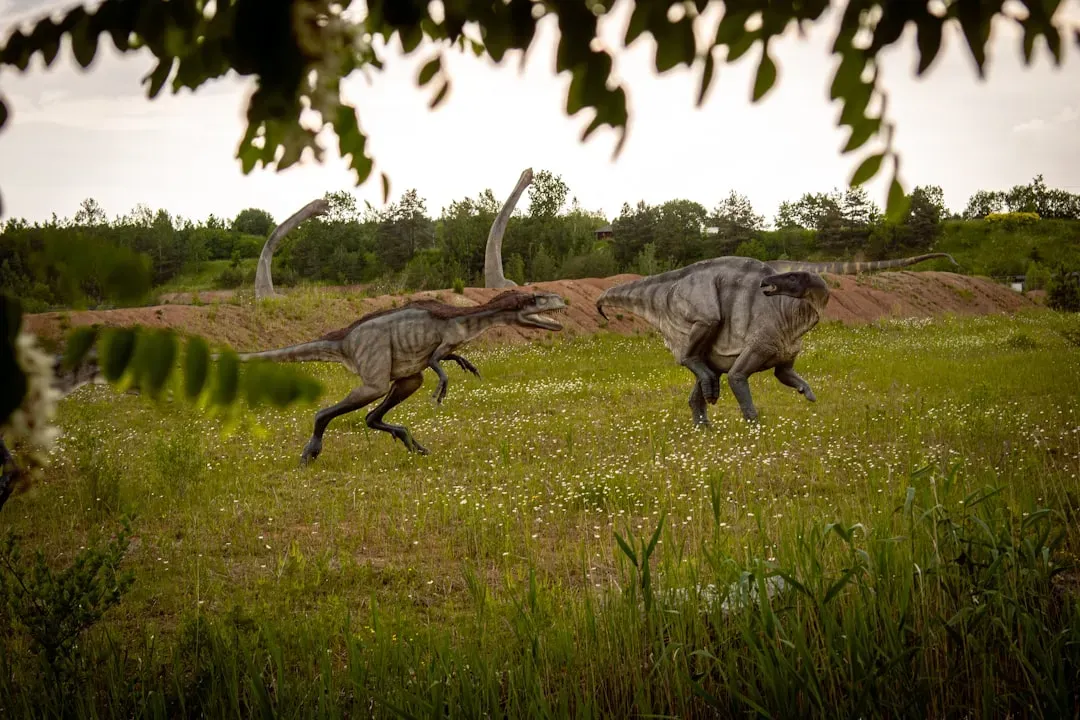
During the age of dinosaurs, the continents did not sit still. The supercontinent Pangaea split apart, oceans opened up, and landmasses drifted toward new latitudes. Even if global climate averages stayed similar, a region that was once near the equator could gradually slide toward cooler temperate zones. Dinosaurs living on those moving plates had no choice but to adapt, shifting diets, behaviors, and even body forms as their home climates transformed slowly but relentlessly.
For you, it might feel like waking up to find your city has inched closer to the Arctic every million years. You would change your clothes, your buildings, your crops, maybe even your daily routines. Dinosaurs did this on evolutionary timescales, with species in some lineages becoming more cold-tolerant, others specializing in new habitats, and still others going extinct and being replaced by better-adapted relatives. Continental drift acted as a slow-motion climate treadmill, and dinosaurs survived by continually adjusting their biological footing.
9. Ecosystem Roles Shifted as Dinosaurs Filled New Niches
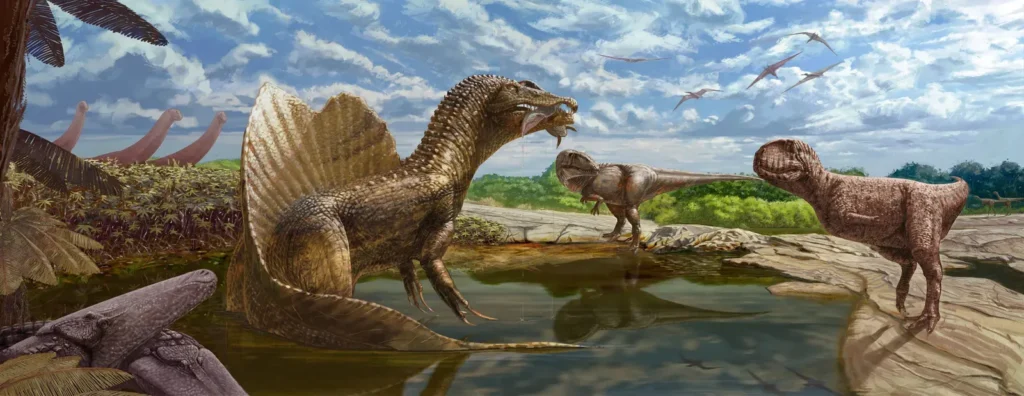
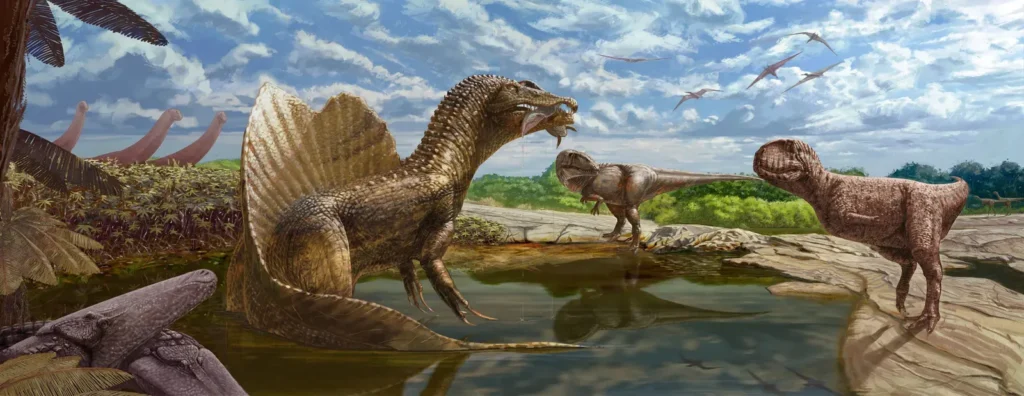
As climates changed, entire ecosystems reorganized, and dinosaurs often reshuffled their roles within those systems. In warmer, wetter eras, you might see extensive swampy lowlands dominated by certain plant-eaters and the predators that hunted them. When conditions dried or cooled, those communities fractured, and new combinations of species emerged. Some dinosaur groups that had been minor players in one climate regime rose to dominance in another, simply because the new conditions favored their particular traits.
You can trace a pattern where climate acts like a stage manager, dimming some spotlights and brightening others, while the dinosaur cast keeps shifting positions. For you, this mirrors how different industries rise and fall as technology, resources, and social climates evolve. Dinosaurs did not control the script, but their diversity allowed them to step into newly available niches, turning climate disruption into opportunity rather than a guaranteed disaster for every species involved.
10. The Limits of Adaptation Show in the End-Cretaceous Extinction
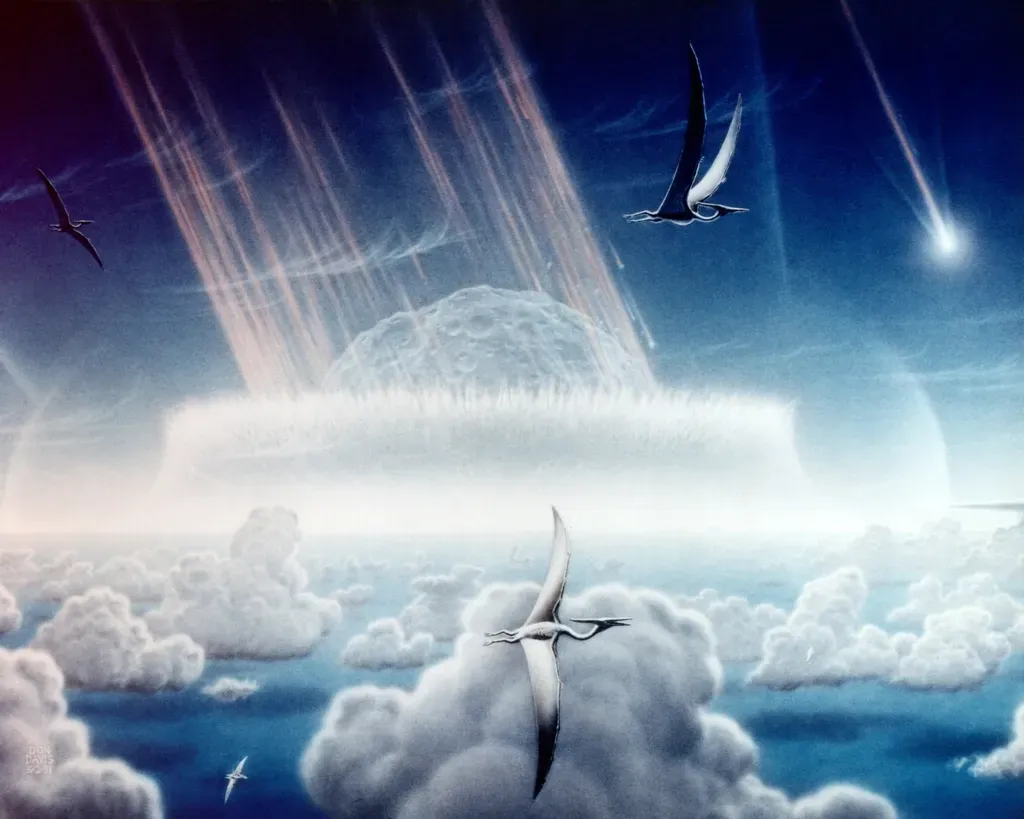
For all their flexibility, dinosaurs eventually hit a wall at the end of the Cretaceous period when a massive asteroid impact and intense volcanic activity triggered rapid, severe climate change. You see evidence of sudden cooling, darkened skies, disrupted food chains, and acidified oceans. In this extreme scenario, even the best-adapted non-bird dinosaurs could not adjust fast enough. Large herbivores starved as plants died back, predators lost their prey, and entire ecosystems collapsed in a relatively short geological window.
The only dinosaurs that made it through were the bird lineages, many of them small, likely capable of surviving on seeds, insects, or other resilient food sources and perhaps finding shelter in varied habitats. When you look at this, you are reminded that there are hard limits to adaptation, especially when climate and environment change too rapidly and violently. It is a sobering parallel to your own era, where the speed of change matters as much as the change itself.
When you step back and look at the whole dinosaur story, you see a powerful blend of resilience and vulnerability. These animals adjusted their bodies, behaviors, and life strategies again and again to ride out tens of millions of years of shifting climates, yet they still fell when change became too fast and too extreme. You can read that as both a warning and an inspiration: flexibility, diversity, and preparation buy you time, but they are not an excuse for ignoring the limits of your planet. In the end, you are left with a simple question that lingers in the back of your mind: in the face of your own changing climate, which path will you choose?