The natural world operates on one ruthless rule: adapt or vanish. Across the vast and wildly diverse landscapes of the United States, from sun-scorched deserts to frozen tundra, wildlife has evolved survival strategies so inventive, so bizarre, and sometimes so brutal that they sound more like science fiction than biology. You might think you know these animals. You’ve seen them in documentaries, maybe in a backyard or on a trail. But I’d bet you haven’t heard the full story.
What these creatures do to stay alive goes far beyond simple instinct. They freeze themselves solid. They trick predators into thinking they’re already dead. They carry invisible compasses in their brains and navigate thousands of miles without a map. The more you dig into the science, the harder it is not to feel a little humbled. Ready to have your mind genuinely blown? Let’s dive in.
1. The Virginia Opossum’s Masterclass in Playing Dead
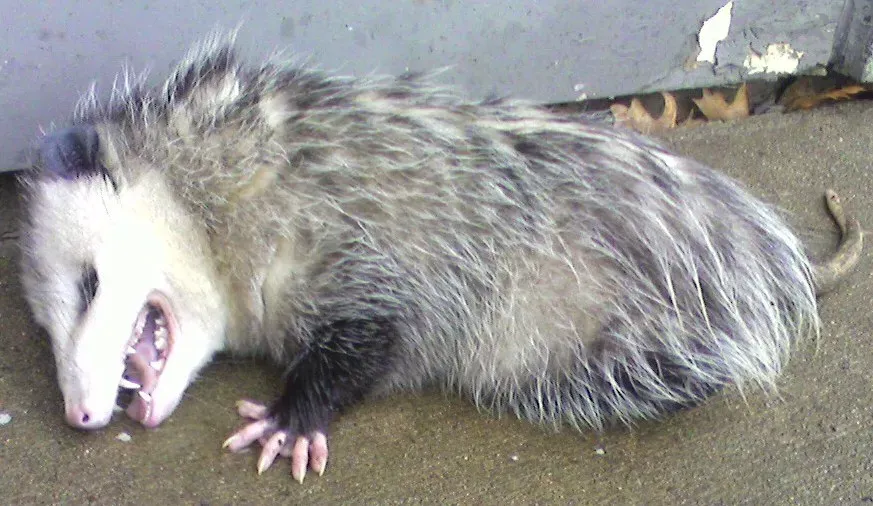
Here’s the thing most people get wrong: the opossum isn’t “acting.” What makes the opossum’s version of thanatosis particularly interesting is that it’s not a voluntary response but rather an involuntary physiological reaction triggered by extreme fear or stress. You can think of it like an involuntary faint, a full-body shutdown that the animal has zero control over. It just happens.
The performance itself is staggeringly convincing. Opossums lie on their sides, their muscles rigid, their bodies flexed and unresponsive to touch. Their breathing and heartbeats slow down and become hardly perceptible. Their mouths, frothy with saliva, hang open. Their tongues turn blue and dangle out. In most observed cases, opossums remain in thanatosis anywhere from a few minutes to over an hour. However, in extreme situations with persistent threats, they’ve been documented to maintain this state for up to six hours. That is a long, committed performance by any measure.
2. The Wood Frog’s Frozen-Alive Winter Survival
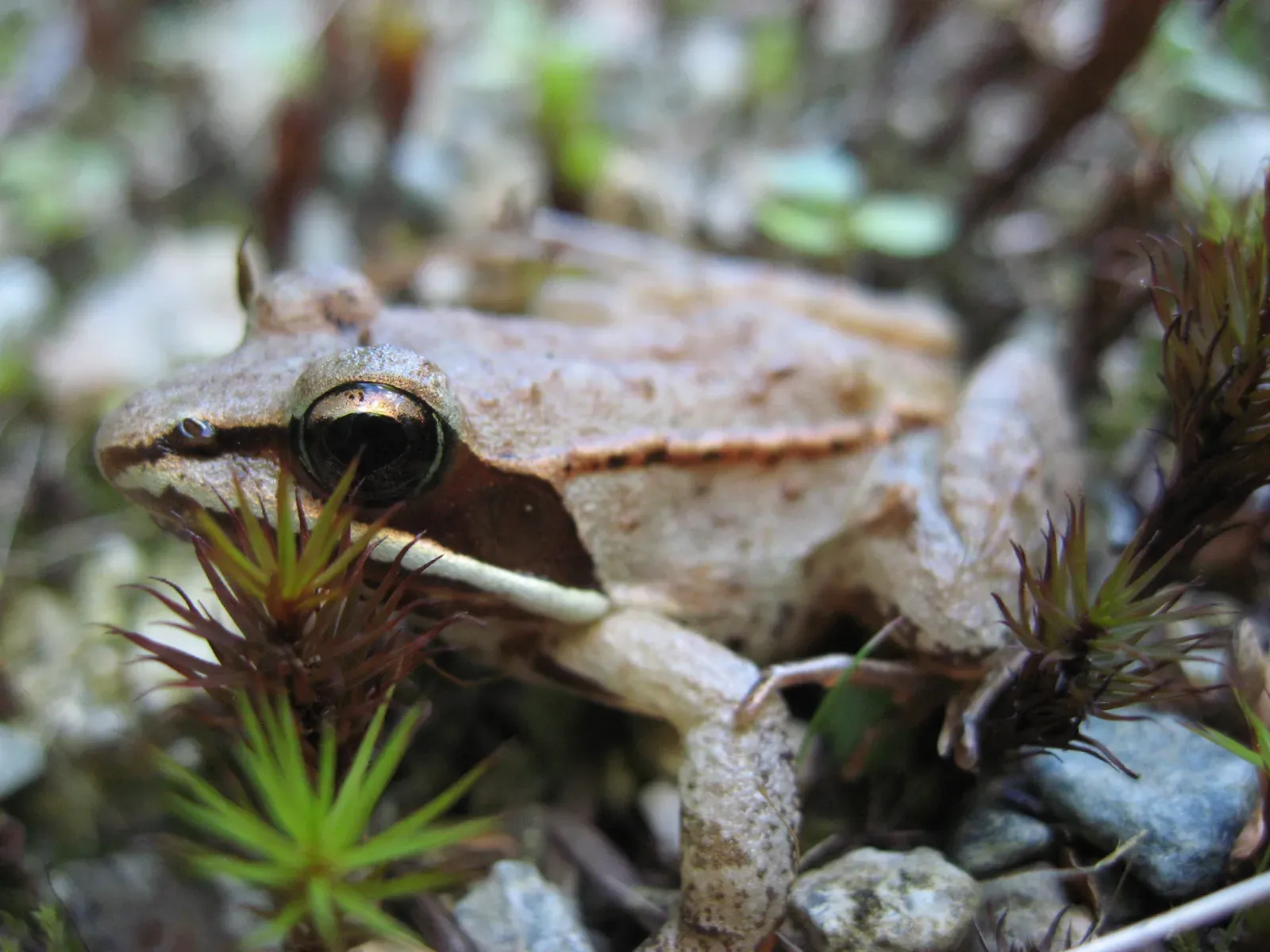
Imagine if surviving winter meant literally turning yourself into a block of ice. Sounds like a death sentence, right? As temperatures drop in winter, these remarkable amphibians allow up to 65% of their body to freeze solid. Their hearts stop beating, they cease breathing, and ice crystals form within their tissues. By any conventional definition, they appear dead. The wood frog pulls this off not just once, but repeatedly throughout a single winter season.
The wood frog is a species that lives in the US and Canada, as far north as Alaska and the Yukon. In the northernmost reaches of their range, these amphibians regularly experience temperatures as low as –45 degrees Celsius (–50 degrees Fahrenheit). Their secret weapon? Wood frogs produce high concentrations of glucose and urea, which act as natural antifreeze, preventing critical ice formation inside their cells while allowing ice to form in spaces between cells. Even more remarkably, they can endure multiple freeze-thaw cycles within a single winter. When spring arrives, they simply thaw out and resume normal activities, including breeding, as if nothing extraordinary happened.
3. The Monarch Butterfly’s Impossible 3,000-Mile Navigation
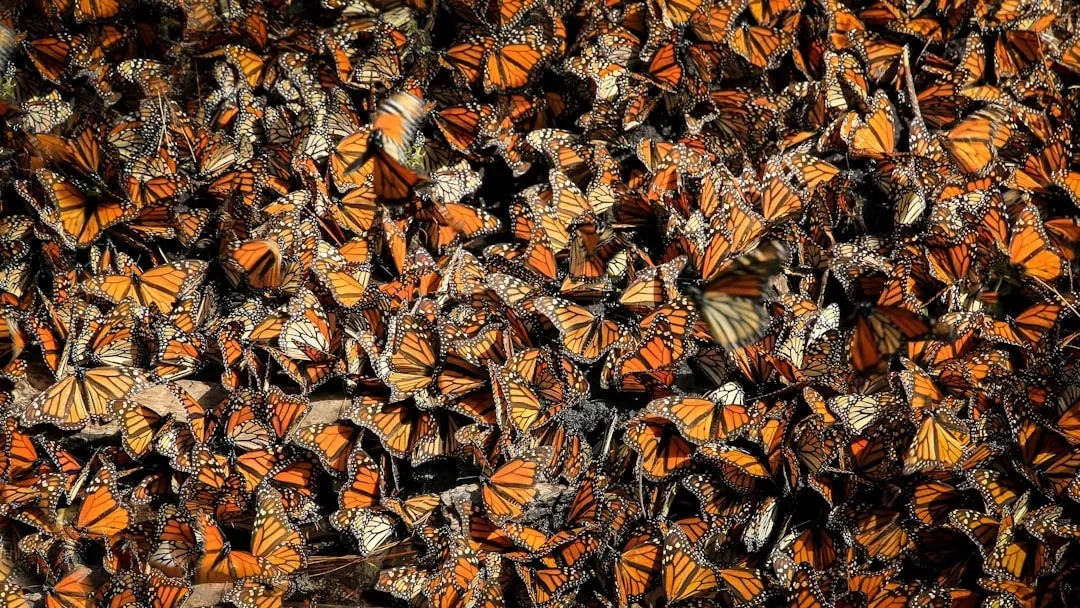
You might think long-distance migration is impressive when birds do it. When a butterfly does it, it’s something else entirely. Each fall, millions of monarch butterflies leave their summer breeding grounds in the northeastern U.S. and Canada and travel upwards of 3,000 miles to reach overwintering grounds in southwestern Mexico. Unlike birds or wildebeest that also embark on epic migrations, these individual butterflies will never return. The generation that heads south is not the same generation that comes back in spring. It takes multiple generations to complete the round trip.
What’s arguably more staggering is the navigation itself. None of the monarchs on the fall migration path have ever been to their destination before, and yet they know exactly where to go. Scientists believe they use the sun’s position and Earth’s magnetic field to navigate directionally, but the rest is still a mystery being investigated. Monarchs have an amazing ability to locate the exact overwintering groves that their ancestors used, despite never having been there themselves. Honestly, that’s the kind of fact that keeps you up at night wondering just how much we still don’t understand about nature.
4. The Horned Lizard’s Blood-Squirting Eyes
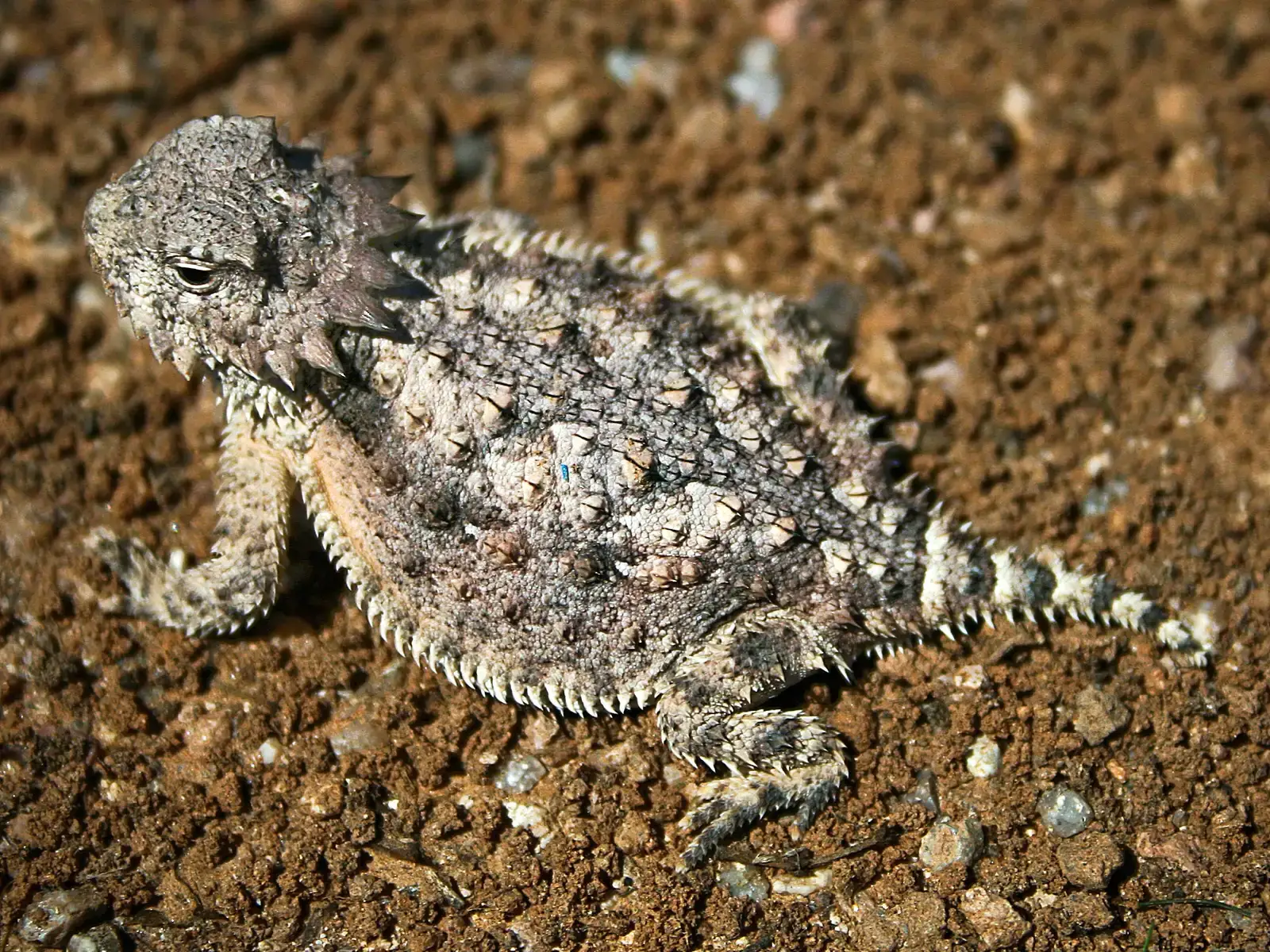
The horned lizard, found in Central America and the western US, has incredible ways of defending itself against predators, which include coyotes, hawks, and snakes. Sometimes called horned toads due to their toad-like appearance, these lizards use a few different strategies to protect themselves. Their scales provide camouflage that closely resembles the soil and rocks of their habitats, helping them hide. Blending in is the first line of defense, but when that fails, things get seriously dramatic.
In other situations, horned lizards use their fascinating blood-squirting ability. A sinus under their eyes fills with blood and pressurizes enough to shoot it out. This stream can reach over one meter (three feet) away. If this fails and they find themselves in the mouth of a predator, they can puff their bodies up with air, poking their spikes into the other animal’s skin. They also move their heads back and forth, fighting back with their horns. Let’s be real: squirting blood from your eyes at a coyote is one of the most metal survival strategies in nature.
5. The Kangaroo Rat’s Water-Free Desert Survival
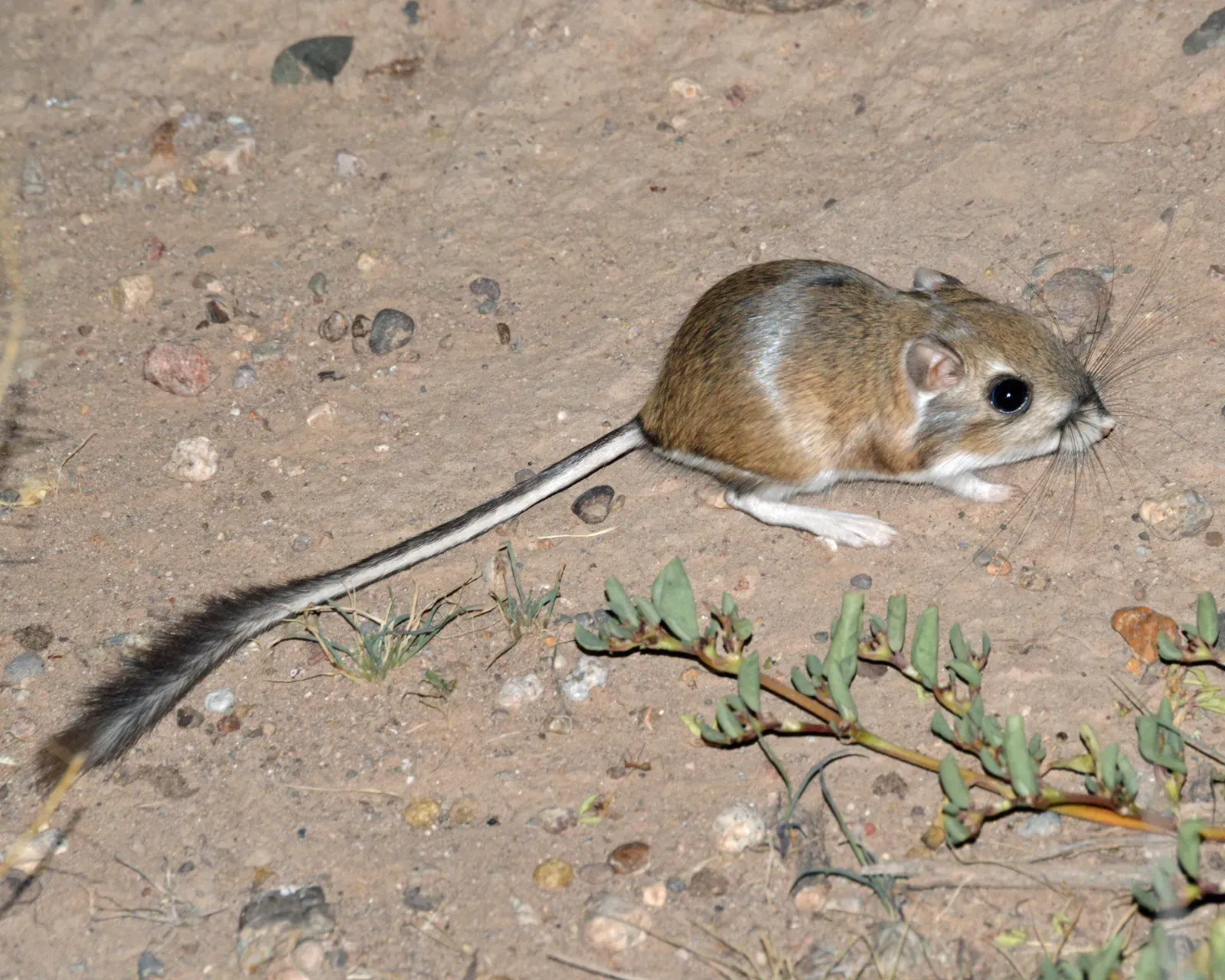
Most animals need to drink water to survive. The kangaroo rat of the American West has essentially opted out of that requirement entirely. Living in the arid deserts of western North America, kangaroo rats don’t have much water available to them. These tiny mammals have evolved to eat primarily mesquite beans and grass seeds, which usually provide them with all the water they need, though each gram of seeds contains only half a gram of H2O. As a result, kangaroo rats’ kidneys produce a type of urine that contains very little liquid compared to other mammals. This helps them conserve water for when they need it most, in the hotter and drier summer months.
Think of it like this: the kangaroo rat is the ultimate efficient machine, squeezing every last drop of hydration out of food that would barely register as a snack for you or me. To stay cool and to store their food sources, kangaroo rats dig burrows in the ground. The seeds stored underground absorb moisture from the soil. During the summer, kangaroo rats also may eat insects and vegetation as an extra water source. Every behavioral choice they make circles back to one obsessive biological goal: hold on to every single molecule of water possible.
6. The Hummingbird’s Nightly Torpor Trick
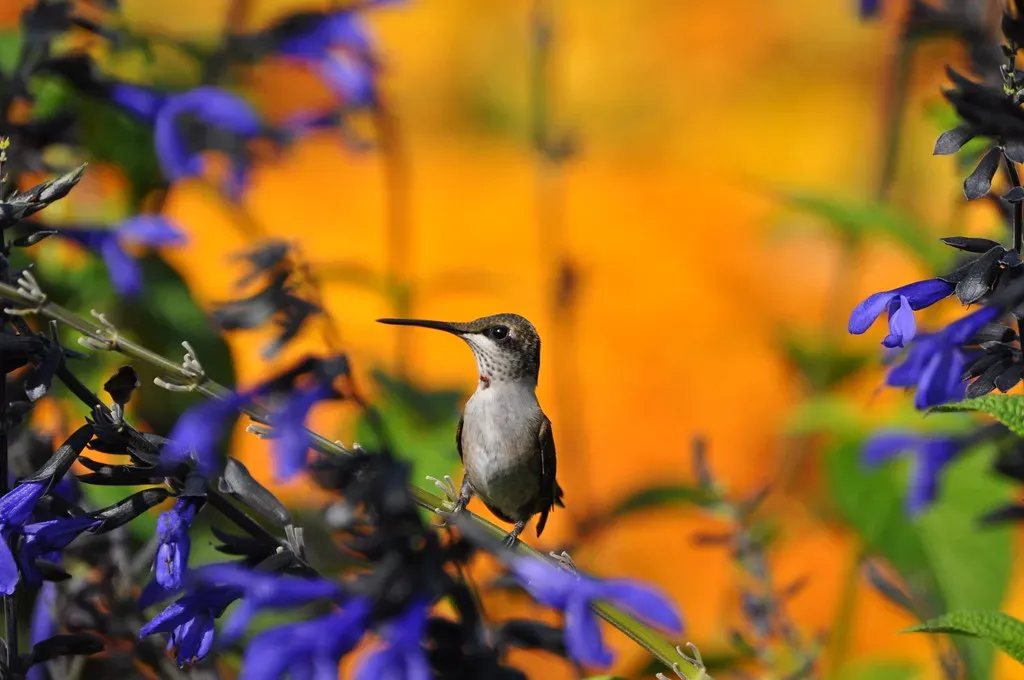
When you picture a hummingbird, you probably imagine something relentlessly energetic. And you’re right, during the day. But at night, some hummingbirds essentially shut themselves down. As scientists are looking more closely, they’re seeing that some birds actually shift their internal body temperatures more than we thought they did, by periodically entering short-term spells of dormancy known as torpor. It’s the biological equivalent of putting your phone on airplane mode to save battery overnight.
Some species that overwinter, including Anna’s hummingbirds, are expanding their ranges by taking advantage of feeders and heat-trapping cities, demonstrating new behaviors in cold resilience. While some species may rely heavily on a single approach, many others, including birds and small mammals, mix and match, with individuals even of the same species optimizing a balance that works best for them. I think this flexibility is what makes hummingbirds so fascinating: they’re not locked into a single survival mode, they improvise based on their environment. That’s rare, and it’s remarkable.
7. The Killdeer’s Broken-Wing Deception
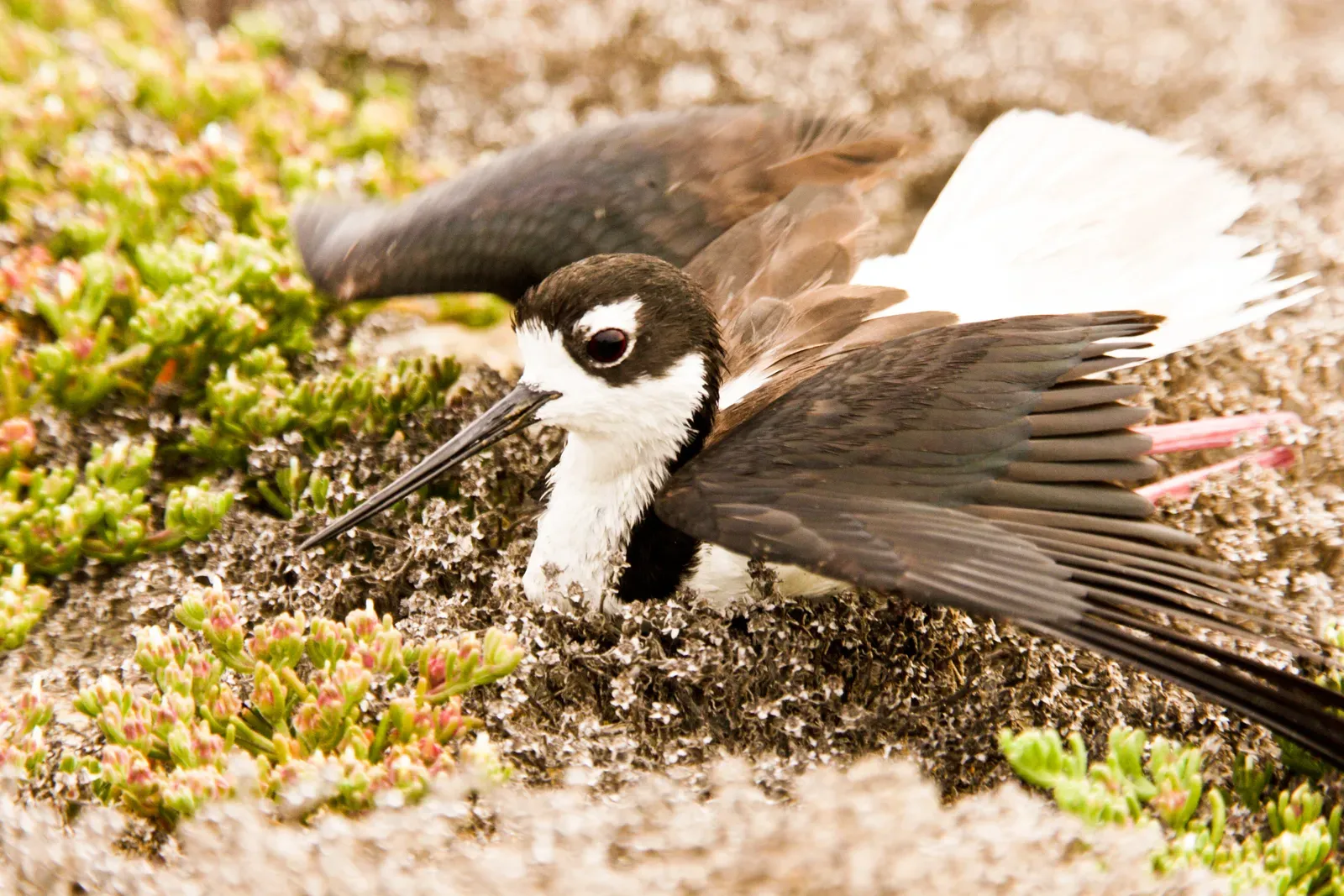
Some wildlife survives not by being faster or stronger, but by being better actors. The killdeer, a small bird found in North America, is famous for its “broken wing” act. When a predator approaches its nest, the bird limps away, dragging one wing as if injured. The predator follows the easy-looking prey, only for the bird to miraculously “recover” and fly off once its eggs are safe. The whole trick works because the predator’s attention shifts completely from the nest to what looks like easy, wounded prey. Drama as a survival weapon. Honestly, quite brilliant.
What’s striking about the killdeer’s strategy is how psychologically sophisticated it really is. The bird is essentially modeling what a predator is thinking and then exploiting that thought process. It manufactures a false opportunity and vanishes the moment the eggs are out of danger. Some animals survive by outsmarting their predators through clever distraction. Instead of fleeing outright, they use deception and sacrifice to divert attention. The killdeer does both simultaneously, and it does it without making a single sound of warning that might betray the nest’s location.
8. The American Bison’s Built-In Weather Armor
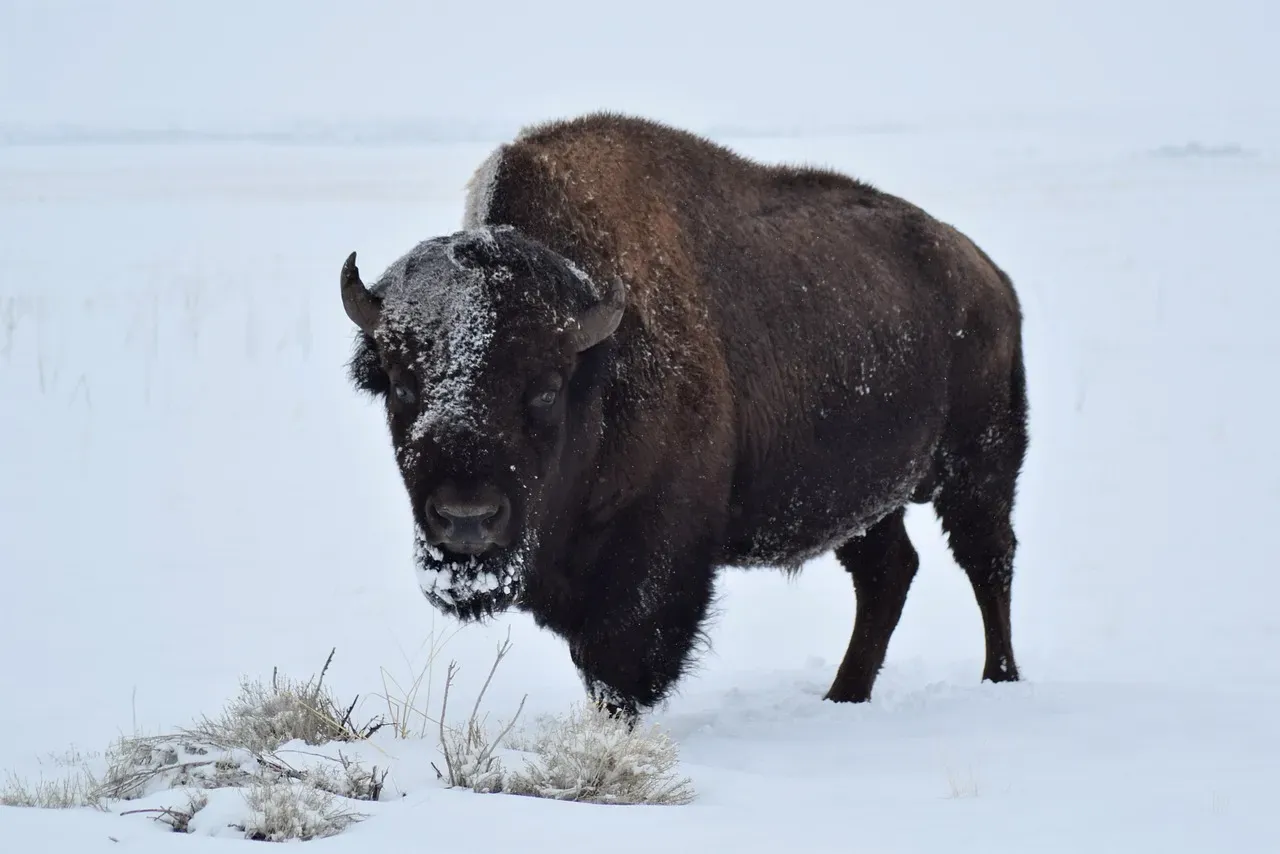
The American bison is one of those animals you might underestimate precisely because it seems so familiar. But surviving on the open Great Plains through punishing winters and scorching summers requires something extraordinary. The American bison, once nearly driven to extinction, symbolizes strength and perseverance on the Great Plains. This massive mammal can weigh over a ton and withstand bitter winters and scorching summers. Its thick, woolly coat provides insulation, while its muscular build allows it to roam vast distances and forage for food even under the snow.
What most people don’t realize is that a bison’s coat is actually a layered system, not just a single thick blanket of fur. The inner wool layer traps heat close to the body while the outer layer sheds moisture. Mammals including wolves, deer and bears carry their insulation with them in the form of thick fur. However, others, particularly small species that radiate heat more quickly, must often insulate themselves even further to remain warm. One way they do this is by hiding and sleeping in burrows, dead trees and leaf piles, all of which provide additional insulation. Bison take a different path entirely, staying exposed on the open plains and relying entirely on their own biology to stay warm through some of the harshest winters on the continent.
9. Bat Multi-Strategy Survival: Both Migrating and Hibernating
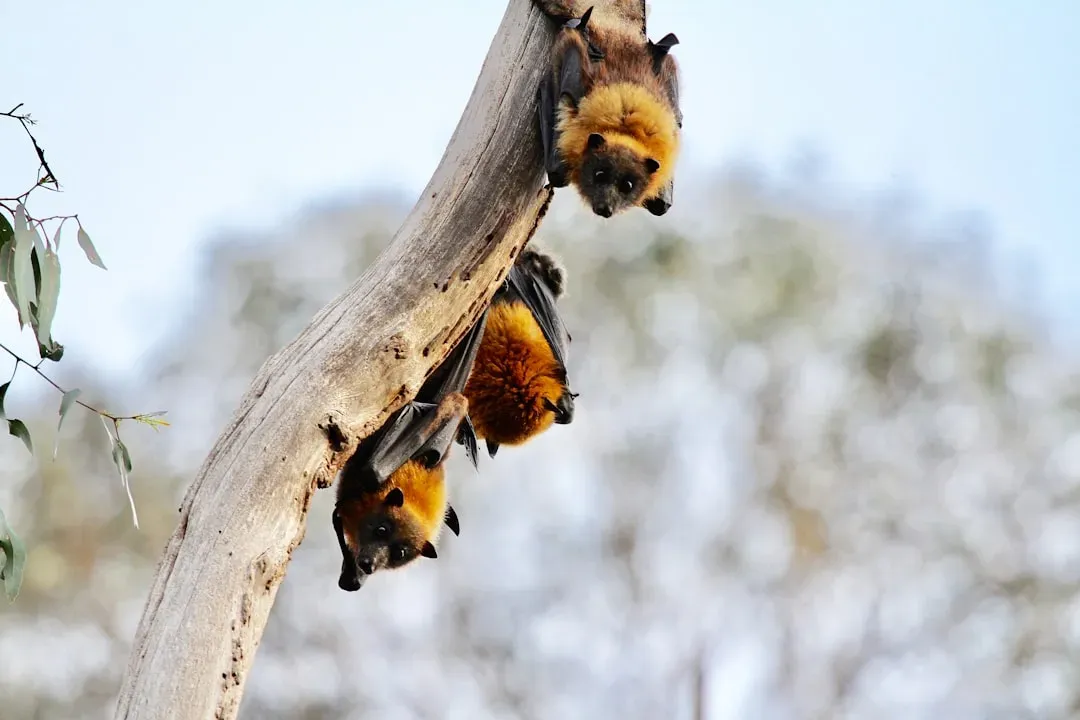
For a long time, scientists thought animals relied on just one winter survival strategy: either you migrated, or you hibernated, or you stayed active and tough it out. Bats, it turns out, broke that assumption wide open. The new framework was prompted by a researcher’s 10-plus years studying bats. Bats are really cool because a lot of species use at least two strategies pretty heavily: hibernating and migrating. Big brown and silver-haired bats, for example, undertake southward migrations, either long or short trips depending on the location of their summer habitats, which means they can decrease the amount of time they spend hibernating in winter.
Think of it like having a backup plan for your backup plan. Species like the ground squirrel and the little brown bat retreat to underground burrows or caves, where they enter a state of torpor, significantly lowering their metabolic rate to conserve energy throughout the winter months. These hibernators can endure long periods of cold and scarcity by minimizing activity and subsisting on stored fat reserves. Rather than relying on a single survival tactic, many animals depend on two or three different strategies. Bats figured this out long before scientists did, and that flexibility has made them one of the most successful mammal groups on the planet.
10. The Snowshoe Hare’s Seasonal Invisibility Cloak
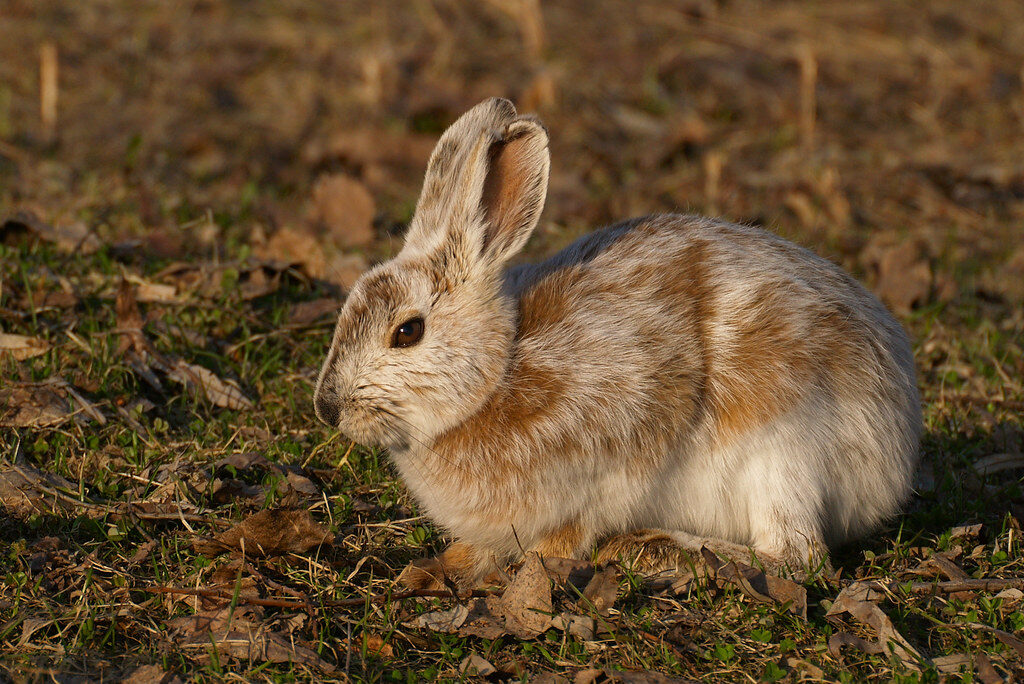
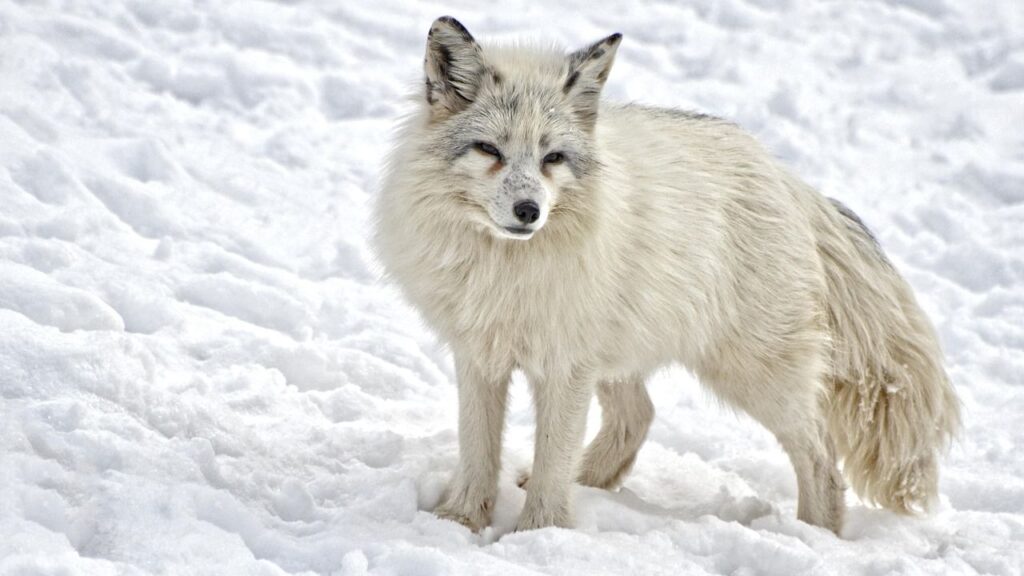
Camouflage is one thing. Changing your entire appearance with the seasons is something entirely different. The snowshoe hare, long-tailed weasel, and ptarmigan change color in the winter for better camouflage in a snowy environment. Amidst the adaptations, smaller creatures like the ermine and snowshoe hare showcase remarkable transformations to blend into their snowy surroundings. With its brown coat transitioning to a winter white, the ermine becomes nearly invisible against the snow-covered landscape. The snowshoe hare also undergoes a similar color change to evade predators.
The timing of this color switch is triggered by changes in daylight, not temperature. So in a warming climate where snow arrives later than usual, the hare can end up wearing a bright white coat against a brown, snowless background, which makes it incredibly visible. It’s a reminder that even the most finely tuned survival tactic can become a liability when the environment shifts too fast. The Canada lynx prowls through the dense northern forests, hunting snowshoe hares. Known for its thick fur and tufted ears, this elusive feline is perfectly adapted to cold, snowy environments. Its large paws act like snowshoes, allowing it to move quietly in pursuit of prey. The predator and prey have been locked in a coevolutionary arms race for thousands of years, each pushing the other to become sharper, faster, and more invisible.
Conclusion: Nature Doesn’t Do Ordinary
What strikes me most, after looking deeply at all of this, is how wildly creative the natural world truly is. We tend to think of survival as simple: run faster, hide better, fight harder. Yet the animals across US landscapes have discovered solutions that no engineer sitting at a desk could have dreamed up. A frog that freezes solid and thaws back to life. A butterfly that navigates 3,000 miles to a forest it has never seen. A lizard that pressurizes blood behind its own eyes and fires it at wolves.
These aren’t quirks. They’re the result of millions of years of relentless pressure, failure, and refinement. Each adaptation, whether for defense, reproduction, or sheer survival, is a testament to millions of years of evolutionary fine-tuning. These extraordinary organisms don’t just survive; they thrive under conditions that would obliterate most forms of life. Next time you spot what looks like a perfectly ordinary animal in the wild, take a second look. Chances are, it’s carrying a survival secret far stranger and more spectacular than anything you’d expect.
Which of these tactics surprised you the most? Drop your thoughts in the comments below.