Dinosaurs have captivated the imagination of children for generations, combining the thrill of monstrous creatures with genuine scientific discovery. For parents seeking to nurture this fascination while providing wholesome entertainment, dinosaur movies offer the perfect solution. The best dinosaur films for children balance excitement with educational content, delivering paleontological facts alongside compelling stories. These movies transport young viewers to prehistoric worlds while teaching them about different dinosaur species, scientific concepts, and often important life lessons. The following collection highlights ten outstanding dinosaur films that successfully blend entertainment with education, making them ideal choices for curious young minds.
The Land Before Time (1988): A Timeless Animated Classic
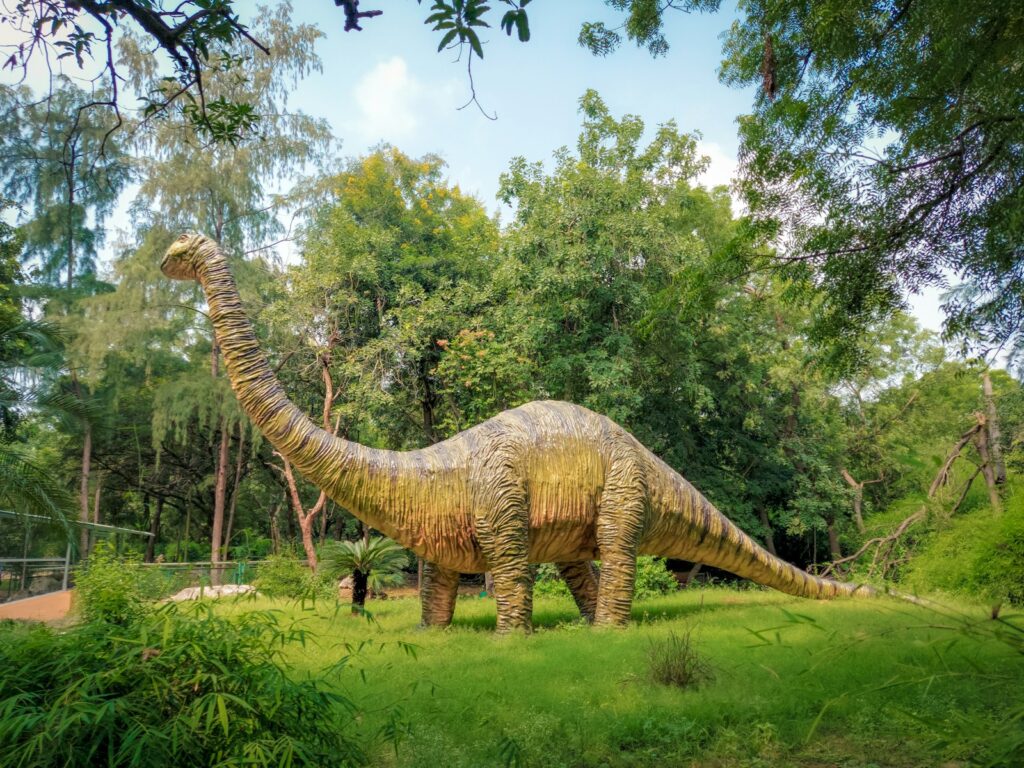
Don Bluth’s “The Land Before Time” remains one of the most beloved dinosaur movies ever created for children. The film follows Littlefoot, a young Apatosaurus (or “Longneck” as called in the movie) who becomes orphaned and must journey to the Great Valley with newfound friends. Along the way, children learn about different dinosaur types through characters like Cera the Triceratops, Ducky the Saurolophus, Petrie the Pteranodon, and Spike the Stegosaurus. The film gently introduces concepts like extinction events, climate change, and migration while addressing emotional themes of loss, friendship, and perseverance. Despite being over three decades old, its beautiful animation and heartfelt storytelling continue to engage modern audiences, making it an excellent introduction to paleontology for very young viewers.
Dinosaur (2000): Disney’s Blend of Animation and Realism
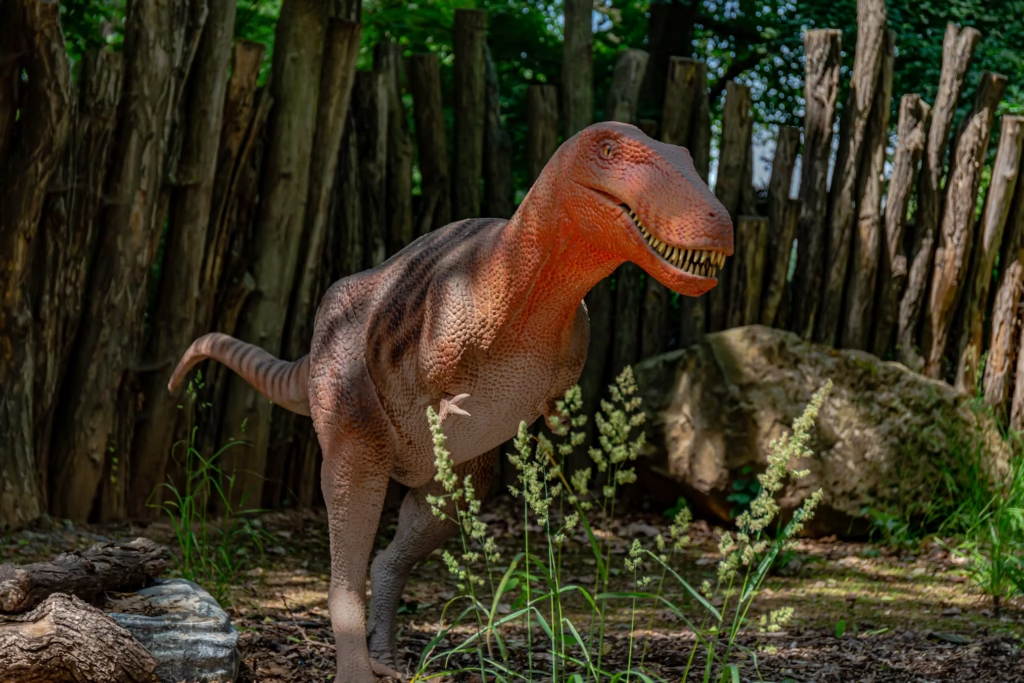
Disney’s “Dinosaur” pioneered a groundbreaking visual approach by combining computer-generated dinosaur characters with live-action backgrounds, creating a visually stunning prehistoric world. The film centers on Aladar, an Iguanodon raised by lemurs, who must lead a diverse group of dinosaurs to safety after a devastating meteor shower. Educational elements include accurate depictions of various dinosaur species, including Parasaurolophus, Styracosaurus, and Carnotaurus, along with prehistoric mammals. The movie illustrates concepts like adaptation, migration, and natural selection in accessible ways. While some scientific liberties are taken for storytelling purposes, “Dinosaur” effectively depicts the challenging environment of the late Cretaceous period and the survival pressures facing dinosaurs. Its impressive visuals and compelling narrative make complex ecological concepts understandable for elementary school-aged viewers.
Walking with Dinosaurs: The Movie (2013): Educational Entertainment
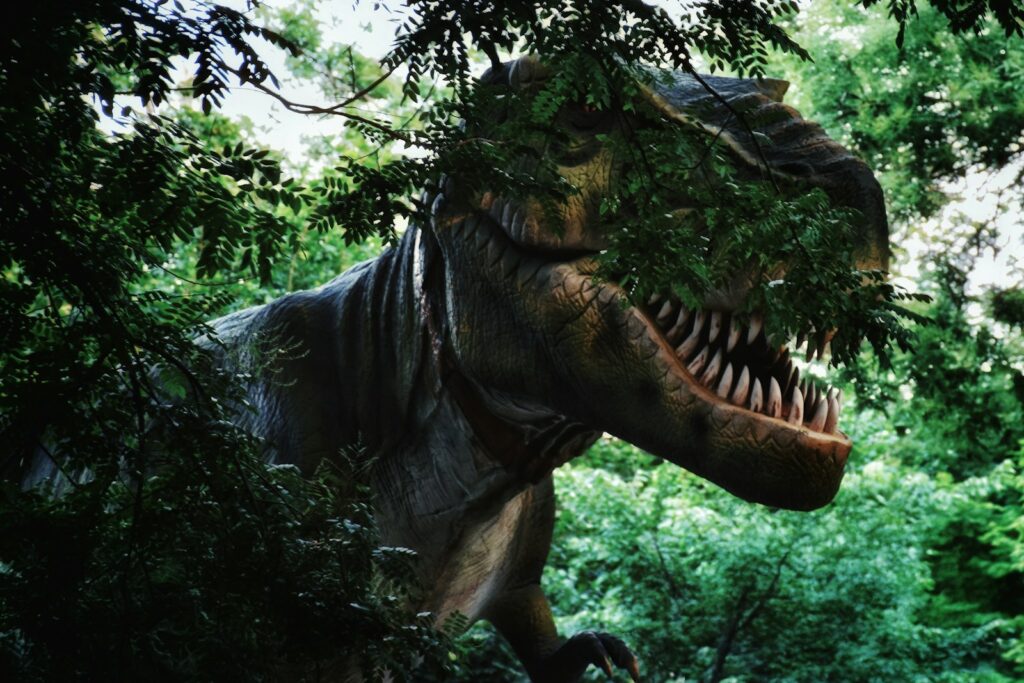
Based on the acclaimed BBC documentary series, “Walking with Dinosaurs: The Movie” presents a story set 70 million years ago following Patchi, a Pachyrhinosaurus who rises from being the runt of his litter to the leader of his herd. What distinguishes this film is its commitment to scientific accuracy in dinosaur appearance and behavior, despite adding fictional narrative elements and character voices. The movie showcases impressive visual effects that bring the Late Cretaceous period to life with remarkable detail and realism. Children will learn about dinosaur migration patterns, mating rituals, natural selection, and the challenges of surviving in prehistoric Alaska. The film also correctly portrays feathered dinosaurs, reflecting modern paleontological understanding. For families seeking entertainment with substantial educational value, this film offers an excellent balance between scientific content and engaging storytelling.
The Good Dinosaur (2015): An Alternate Evolutionary Timeline
Pixar’s “The Good Dinosaur” takes a creative approach by exploring an alternate history where the asteroid that caused dinosaur extinction missed Earth, allowing dinosaurs and humans to coexist millions of years later. The story follows Arlo, a young Apatosaurus who befriends a human child named Spot after being separated from his family. While taking artistic liberties with science, the film contains thoughtful educational elements about agricultural concepts, weather patterns, and survival skills. The detailed animations of natural environments, including rivers, mountains, and forests, provide opportunities to discuss geography and ecosystems. The movie also encourages discussions about evolutionary biology by prompting questions about how different species might have developed had dinosaurs not gone extinct. Its themes of overcoming fear, finding inner strength, and forming unlikely friendships resonate with children while stimulating curiosity about prehistoric life.
Ice Age: Dawn of the Dinosaurs (2009): Prehistoric Adventure
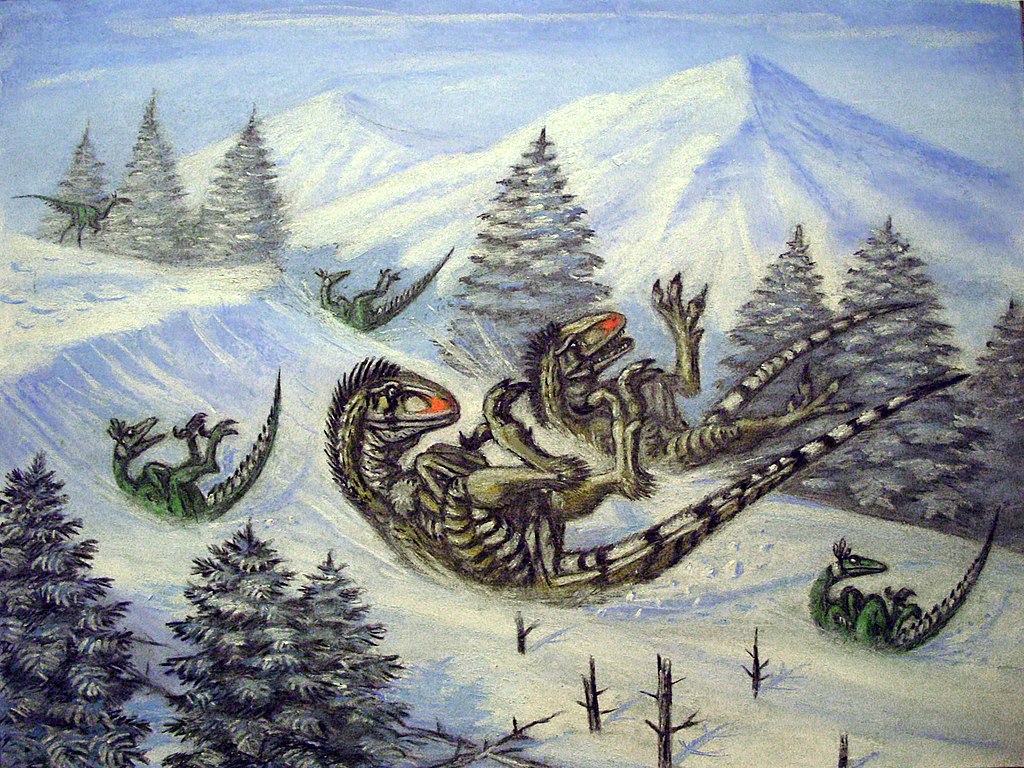
The third installment in the popular Ice Age franchise introduces dinosaurs into its Pleistocene setting through a hidden underground world. While scientifically inaccurate (dinosaurs and mammoths never coexisted), the film provides entertainment value while introducing younger children to various dinosaur species in a non-frightening way. The movie features recognizable dinosaurs like Tyrannosaurus rex, Brachiosaurus, and Ankylosaurus, along with lesser-known creatures like Guanlong (an early tyrannosaur relative). Educational opportunities arise from discussions about which elements are fictional versus factual, teaching critical thinking about media representations of science. The film can serve as a gateway to conversations about actual extinction events, geological time scales, and why different species existed in different eras. For families with dinosaur enthusiasts too young for more intense prehistoric films, “Dawn of the Dinosaurs” offers accessible dinosaur content wrapped in humor and adventure.
Dino Dana: The Movie (2020): Science-Based Adventures
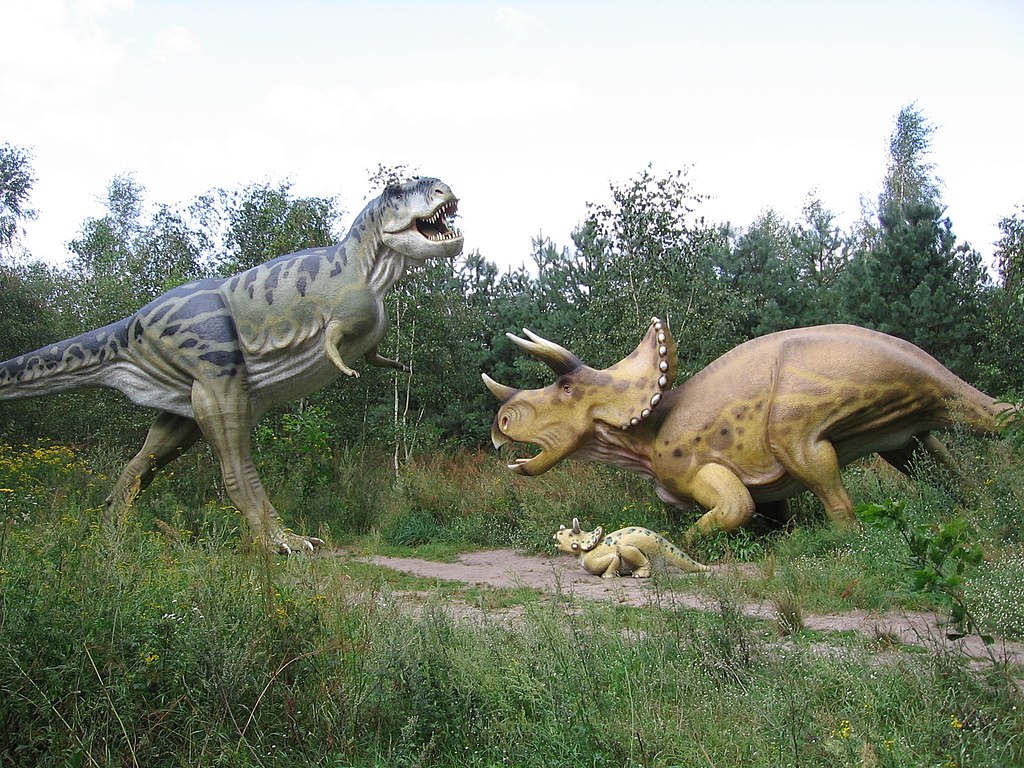
Based on the award-winning television series, “Dino Dana: The Movie” follows young paleontologist-in-training Dana as she embarks on missions to help dinosaurs solve problems. What sets this film apart is its commitment to teaching the scientific method and paleontological concepts through its engaging storyline. Dana uses observation, hypothesis formation, and experimentation to learn about dinosaur behavior and characteristics. The movie introduces lesser-known dinosaurs alongside famous ones, expanding children’s dinosaur vocabulary beyond the typical T-rex and Triceratops. Special effects seamlessly integrate realistic dinosaurs into modern settings, helping children visualize these creatures in relatable contexts. The film also features a female protagonist passionate about science, providing positive representation for girls interested in STEM fields. With its blend of entertainment and educational content, “Dino Dana: The Movie” stands out as perhaps the most deliberately educational entry on this list while remaining thoroughly entertaining for elementary school children.
We’re Back! A Dinosaur’s Story (1993): Animated Fantasy Adventure

This Steven Spielberg-produced animated film takes a whimsical approach to dinosaurs, following four dinosaurs who are made intelligent by a time-traveling scientist and brought to modern-day New York City. While not scientifically accurate, “We’re Back!” introduces children to dinosaur basics through its charismatic characters: Rex the Tyrannosaurus, Woog the Triceratops, Elsa the Pteranodon, and Dweeb the Parasaurolophus. The film provides an opportunity to discuss the actual characteristics of these dinosaur species versus their cartoon portrayals. Its colorful animation and gentle humor make it appropriate for preschool and early elementary viewers who might find more realistic dinosaur depictions frightening. The story touches on themes of friendship, courage, and the importance of fulfilling children’s wishes and dreams. Though light on hard science, the movie can spark interest in paleontology through its engaging characters and can be paired with more factual dinosaur books or documentaries for a balanced educational experience.
Dinosaur Train: Dinosaur Big City (2011): Preschool-Friendly Learning

Based on the popular PBS Kids series created with input from paleontologists, “Dinosaur Train: Dinosaur Big City” combines several episodes into a movie format that’s perfect for preschool-aged dinosaur enthusiasts. The story follows the Pteranodon family as they travel via the Dinosaur Train to a special dinosaur conference in Laramidia (a prehistoric landmass). Educational content is woven seamlessly throughout the narrative, with characters explicitly discussing dinosaur features, habitats, and scientific classification. The film introduces the concept of different time periods within the Mesozoic Era (Triassic, Jurassic, and Cretaceous) in an age-appropriate way. Each dinosaur character is labeled with their species name and whether they are carnivores, herbivores, or omnivores. The movie also incorporates songs about dinosaur characteristics that help reinforce learning points. For very young children just developing an interest in dinosaurs, this film provides a foundation of scientific terminology and concepts presented in a colorful, engaging format.
March of the Dinosaurs (2011): Documentary-Style Animation

For slightly older children with a serious interest in paleontology, “March of the Dinosaurs” offers a documentary-style approach with animated dinosaurs set in the Late Cretaceous period. The film follows the journey of Scar, a young Edmontosaurus, as his herd migrates south from the Arctic to escape the harsh polar winter. Meanwhile, a Troodon named Patch stays behind, adapting to the challenging dark winter conditions. This film stands out for its scientific accuracy and educational depth, covering topics like dinosaur migration, adaptation to extreme climates, predator-prey relationships, and survival strategies. The narration includes detailed information about each featured dinosaur species and their behaviors based on fossil evidence. While maintaining a narrative structure that keeps children engaged, “March of the Dinosaurs” avoids anthropomorphizing its subjects, instead presenting dinosaurs as the complex animals they were. For elementary and middle school students ready for more substantial scientific content, this film balances educational value with visual appeal.
Jurassic World Camp Cretaceous (2020-2022): Animated Series with Feature-Length Episodes
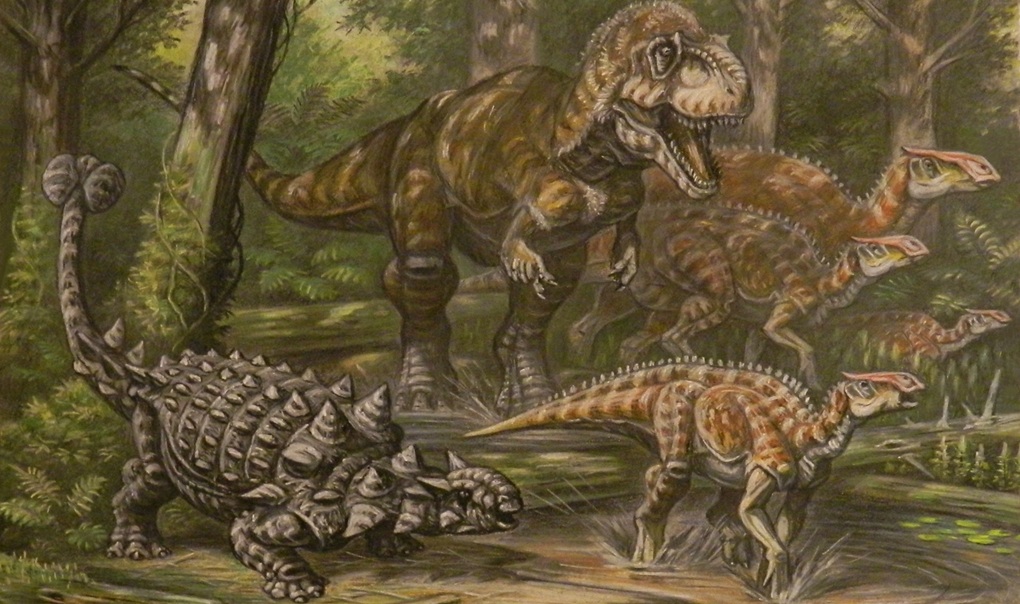
While technically a Netflix series, several multi-part arcs of “Camp Cretaceous” function effectively as feature films and merit inclusion for their combination of entertainment and educational value. Set within the Jurassic World universe, the show follows six teenagers stranded on Isla Nublar during the events of the 2015 film. Despite its science fiction premise of genetically resurrected dinosaurs, the series incorporates numerous educational elements about actual dinosaur species, behaviors, and prehistoric ecosystems. Each episode features detailed depictions of dinosaurs based on current paleontological understanding (with some creative liberties). The show introduces viewers to lesser-known dinosaurs like Sinoceratops, Baryonyx, and Monolophosaurus alongside familiar favorites. Educational themes include dinosaur communication, parental behavior, territorial instincts, and adaptation. The series also incorporates ethical discussions about human intervention in nature, genetic engineering, and wildlife conservation that can spark meaningful conversations with older children. For dinosaur enthusiasts aged 8-12, these extended story arcs provide engaging content with substantial learning opportunities.
Dinosaur Island (2014): Adventure with Educational Elements
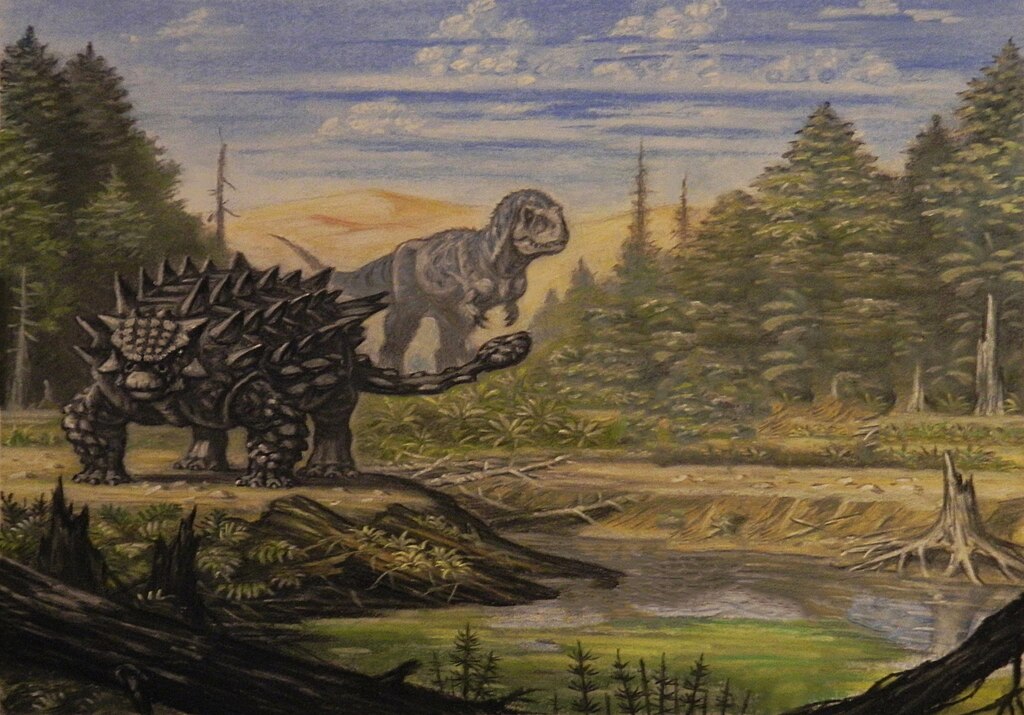
This family-friendly adventure film follows two children who become stranded on a mysterious island inhabited by living dinosaurs after a plane crash. While incorporating fictional elements, “Dinosaur Island” makes efforts to accurately portray various dinosaur species and their likely behaviors based on fossil evidence. The film features impressive dinosaur models and effects given its modest budget, bringing creatures like Pteranodon, Brachiosaurus, and Allosaurus to life. Educational aspects include discussions of dinosaur diet, habitat preferences, pack behavior, and parent-offspring relationships. The movie avoids common dinosaur movie tropes of portraying these animals as monsters, instead depicting them as complex wildlife with natural behaviors. The protagonists survive by observing and understanding dinosaur behavior rather than fighting them, emphasizing respect for nature. For middle-grade viewers interested in dinosaurs, “Dinosaur Island” offers an adventure story framework that incorporates genuine paleontological information while maintaining appropriate content for younger audiences.
Considerations When Choosing Dinosaur Movies for Children
When selecting dinosaur films for young viewers, several factors deserve consideration beyond educational content. Age-appropriateness is paramount—movies like “The Land Before Time” or “Dinosaur Train” work well for preschoolers, while older children might appreciate the more detailed science in “March of the Dinosaurs.” Parents should assess their child’s sensitivity to potentially frightening scenes, as even scientifically accurate predator-prey interactions can disturb some children. Consider balancing entertainment-focused films with more educational ones, perhaps pairing a viewing of “The Good Dinosaur” with a documentary or book that explains which elements are fictional. Look for movies that spark curiosity and prompt questions rather than those that merely use dinosaurs as movie monsters. The best dinosaur viewing experiences often come when parents watch alongside children, ready to discuss interesting points or clarify misconceptions. Finally, consider using these films as gateways to other dinosaur-related activities like museum visits, fossil hunting expeditions, or dinosaur-themed science projects that extend learning beyond screen time.
Conclusion
In conclusion, dinosaur movies offer a unique opportunity to blend entertainment with education, capturing children’s imagination while introducing them to paleontology, natural history, and scientific concepts. The films highlighted above represent diverse approaches to dinosaur storytelling, from scientifically rigorous documentaries to fantastical adventures, ensuring options for every age group and interest level. When thoughtfully selected and discussed, these movies can nurture a lifelong fascination with science and prehistoric life. In a world where quality educational content sometimes competes with less substantive entertainment, these dinosaur films demonstrate that learning and enjoyment can successfully coexist, making them valuable additions to family movie collections and educational resources.