Most people, if you asked them to name a dinosaur, would immediately say Tyrannosaurus rex or Triceratops. Fair enough. Those two have had blockbuster movie careers and billions of dollars in toy sales. But here’s the thing: the dinosaur world was shockingly diverse, and the famous ones barely scratch the surface of what was actually out there, stomping through ancient swamps, burrowing underground, or stalking ancient coastlines with bizarre crests on their heads.
Honestly, some of these lesser-known species are far stranger and more fascinating than anything Hollywood has ever put on screen. From a dinosaur with over 500 teeth to one that literally dug tunnels underground, the prehistoric world was a far wilder place than you might imagine. So let’s dive in, and prepare to be seriously surprised.
Nigersaurus: The Dinosaur That Was Basically a Living Lawnmower
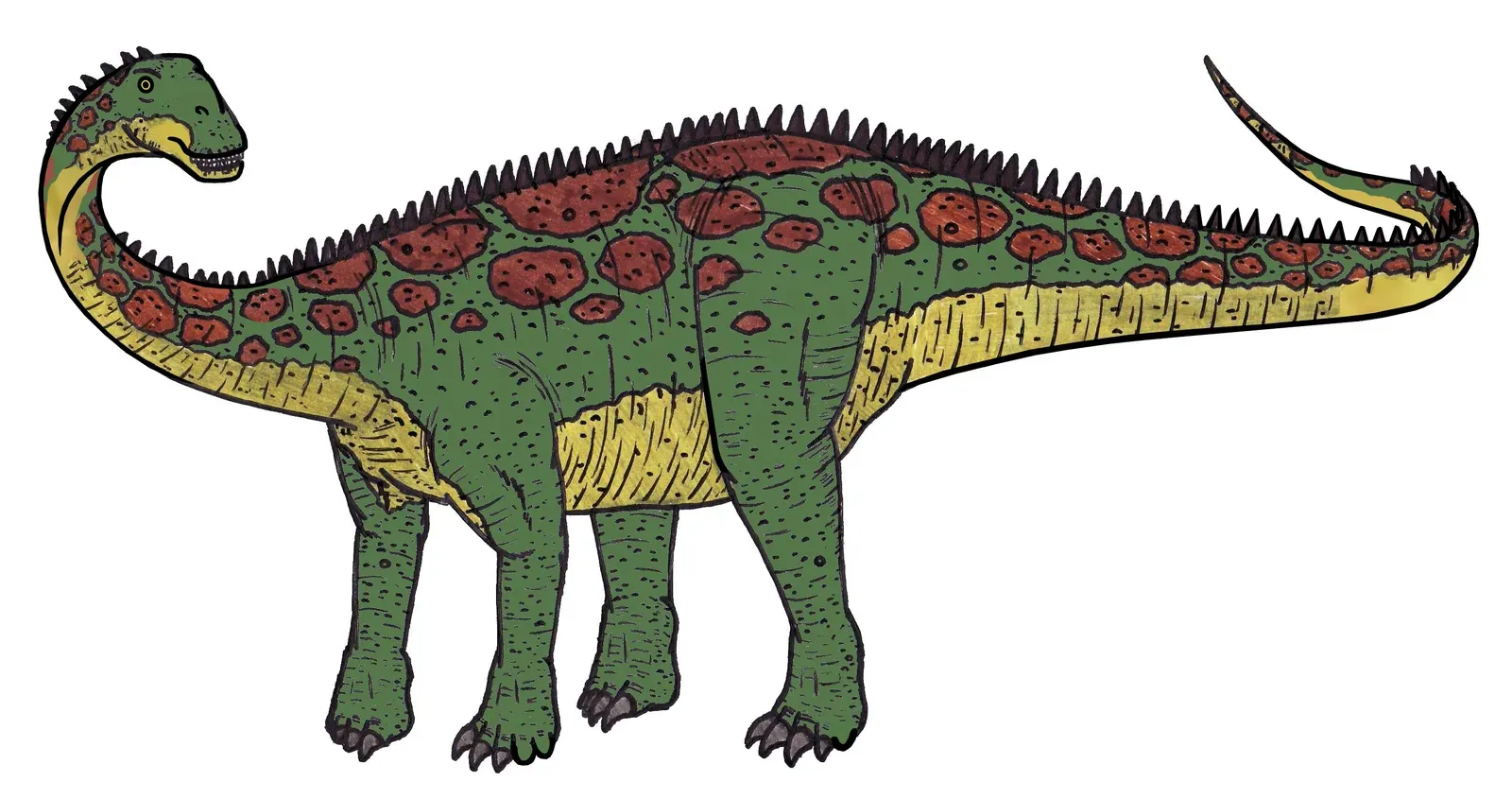
You might not have heard of Nigersaurus, but once you do, you will never forget it. It was a rebbachisaurid sauropod dinosaur that lived during the middle Cretaceous period, roughly 115 to 105 million years ago, discovered in the Elrhaz Formation in an area called Gadoufaoua, in Niger. What made it truly unforgettable was its mouth. It had a wide muzzle filled with more than 500 teeth, which were replaced at a rapid rate of around every 14 days.
Think about that for a second. Five hundred teeth, cycling out every two weeks like a prehistoric conveyor belt. Nigersaurus was actually one of the first dinosaurs ever studied using computerized tomography (CT) scans, and using evidence from CT scans and 3D modeling, researchers determined that it likely held its head downwards, toward the ground, though this remains hotly debated. Small for a sauropod, it was about 9 to 14 meters long and weighed around 1.9 to 4 tonnes, comparable to a modern elephant. Nicknamed the “Mesozoic Cow,” this creature spent its days grazing on low-lying plants in what is now the Sahara Desert, which back then was a lush, river-threaded landscape.
Haolong Dongi: The Spike-Covered Puzzle From China
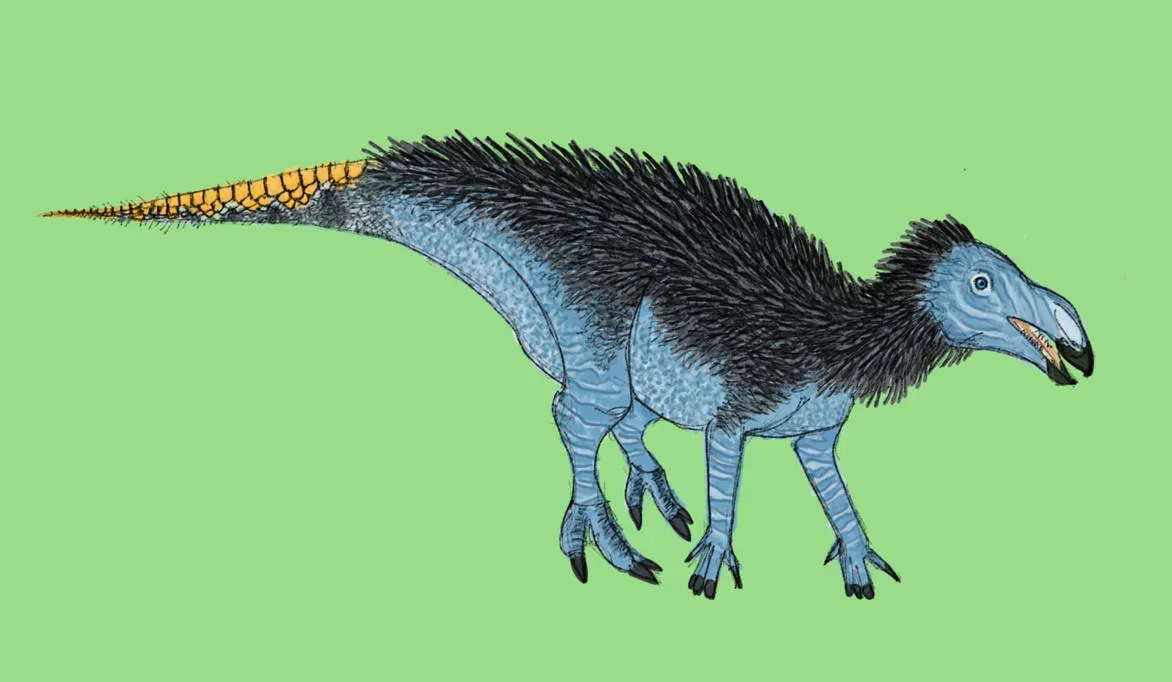
This one is fresh off the paleontological press, and it is already turning heads. The newly identified species has been named Haolong dongi, honoring Dong Zhiming, a pioneering Chinese paleontologist who made major contributions to dinosaur research in China. It lived in what is now northeastern China during the Early Cretaceous epoch, around 125 million years ago, and the specimen is remarkable not only for the quality of its bones but for the exquisite preservation of its outer skin, including overlapping scales on the tail and distinct tuberculate scales on the neck and thorax.
Here’s where things get genuinely strange. The spikes that covered much of this dinosaur’s body were not solid extensions of bone unlike horns or bony plates. Instead, they were hollow structures, a feature that has never previously been observed in any dinosaur. The hollow spikes may have served as a defensive adaptation functioning like porcupine quills, but defense may not have been their only purpose. Researchers also suggest the spikes could have helped regulate body temperature, a process known as thermoregulation. The findings were published in Nature Ecology and Evolution on February 6, 2026, introducing an entirely new feature to the known diversity of dinosaur anatomy.
Nanotyrannus: The Tiny Tyrant That Wasn’t So Tiny After All
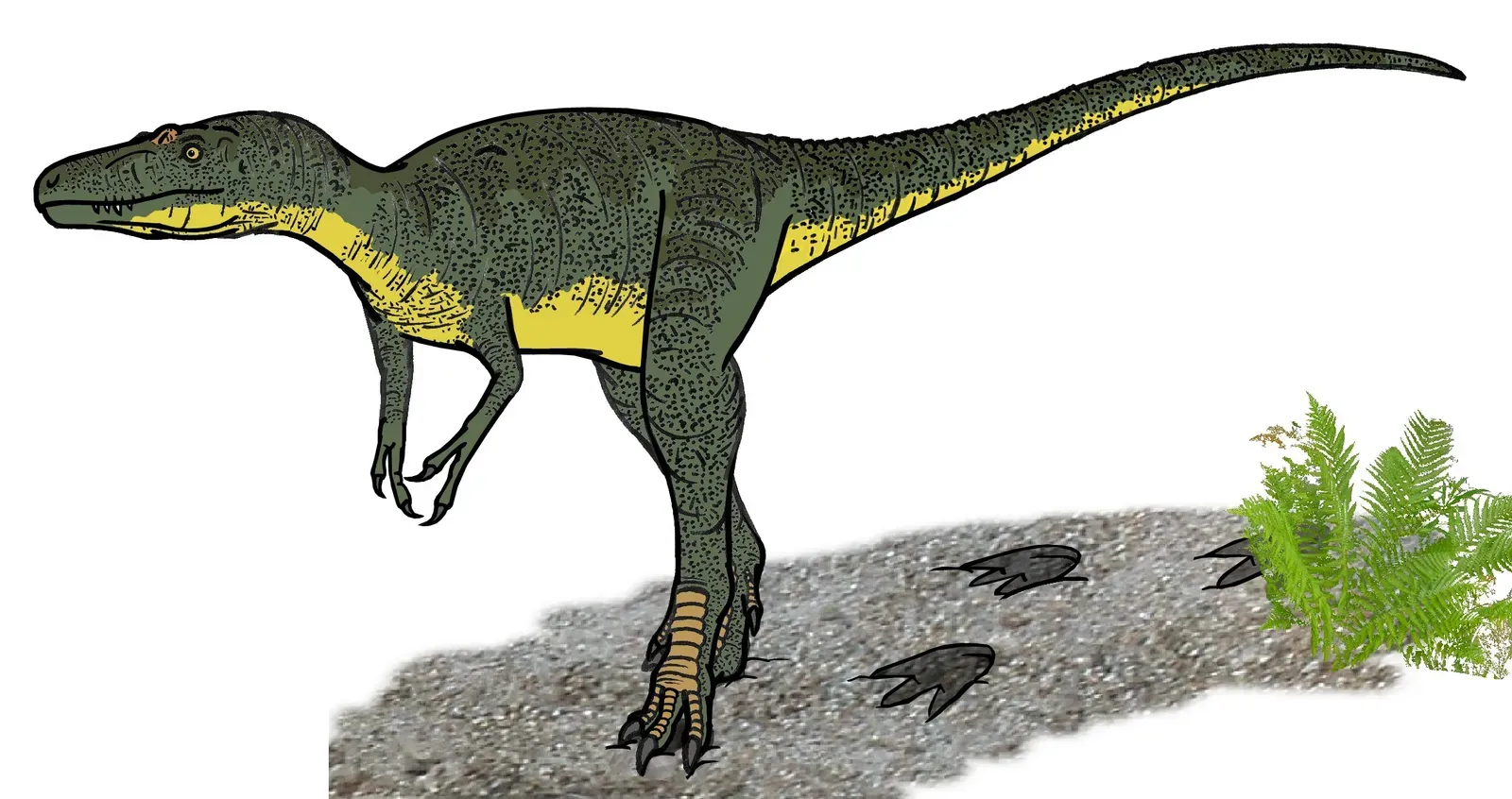
For decades, this creature was dismissed as simply a juvenile T. rex. Scientists argued about it, debated it, and largely shelved it. Let’s be real, it was one of paleontology’s most contentious fights. Since the predatory creature was first named in 1988, paleontologists argued over whether medium-sized tyrannosaur fossils found in the same rocks as the iconic Tyrannosaurus rex were juvenile T. rex or a unique and distinct predator, Nanotyrannus.
Then came the dramatic turning point. The Dueling Dinosaurs fossil, found in Montana, contains two dinosaurs locked in prehistoric combat: a Triceratops and a small-bodied tyrannosaur. That tyrannosaur turns out to be the most complete skeleton ever found of Nanotyrannus lancensis. This fossil categorically ends that debate. Nanotyrannus is not a juvenile T. rex. It belongs to a separate genus entirely, and one much more distantly related. This discovery completely reframes the idea that T. rex was the lone predator of its time, and we now know multiple tyrannosaur species coexisted in the last million years before the asteroid impact, suggesting a richer, more competitive ecosystem than previously imagined.
Fona Herzogae: The Dinosaur That Actually Lived Underground
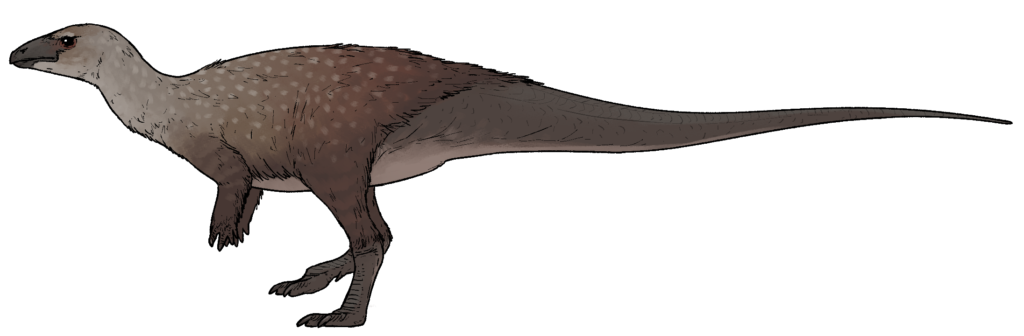
If someone told you that a dinosaur spent its days burrowing underground like a prehistoric mole, you would probably laugh. Yet that’s exactly what Fona herzogae appears to have done. The newly identified species Fona herzogae was a dog-sized plant-eating dinosaur that lived about 99 million years ago during the Cretaceous period, and paleontologists have determined that it may have lived in burrows. According to the findings, it had strong bicep muscles, strong muscle attachment points on the hips, and fused bones on the pelvis.
Those physical features were essentially the ancient equivalent of built-in digging equipment. Making its home 99 million years ago in what is now present-day Utah, Fona herzogae lived in a large floodplain ecosystem with an inland ocean on one side and volcanoes and mountains on the other, and was a plant-eating, small-bodied dinosaur quite distinct from its more decorated relatives. Traditional perspectives often depicted dinosaurs as either terrestrial, arboreal, or aquatic creatures, but the revelation of a burrowing dinosaur introduces a fourth dimension to this evolutionary picture, highlighting impressive adaptability and the possibility that some dinosaurs used underground spaces to escape predators or exploit subterranean food resources.
Lokiceratops Rangiformis: The Norse God of Horned Dinosaurs
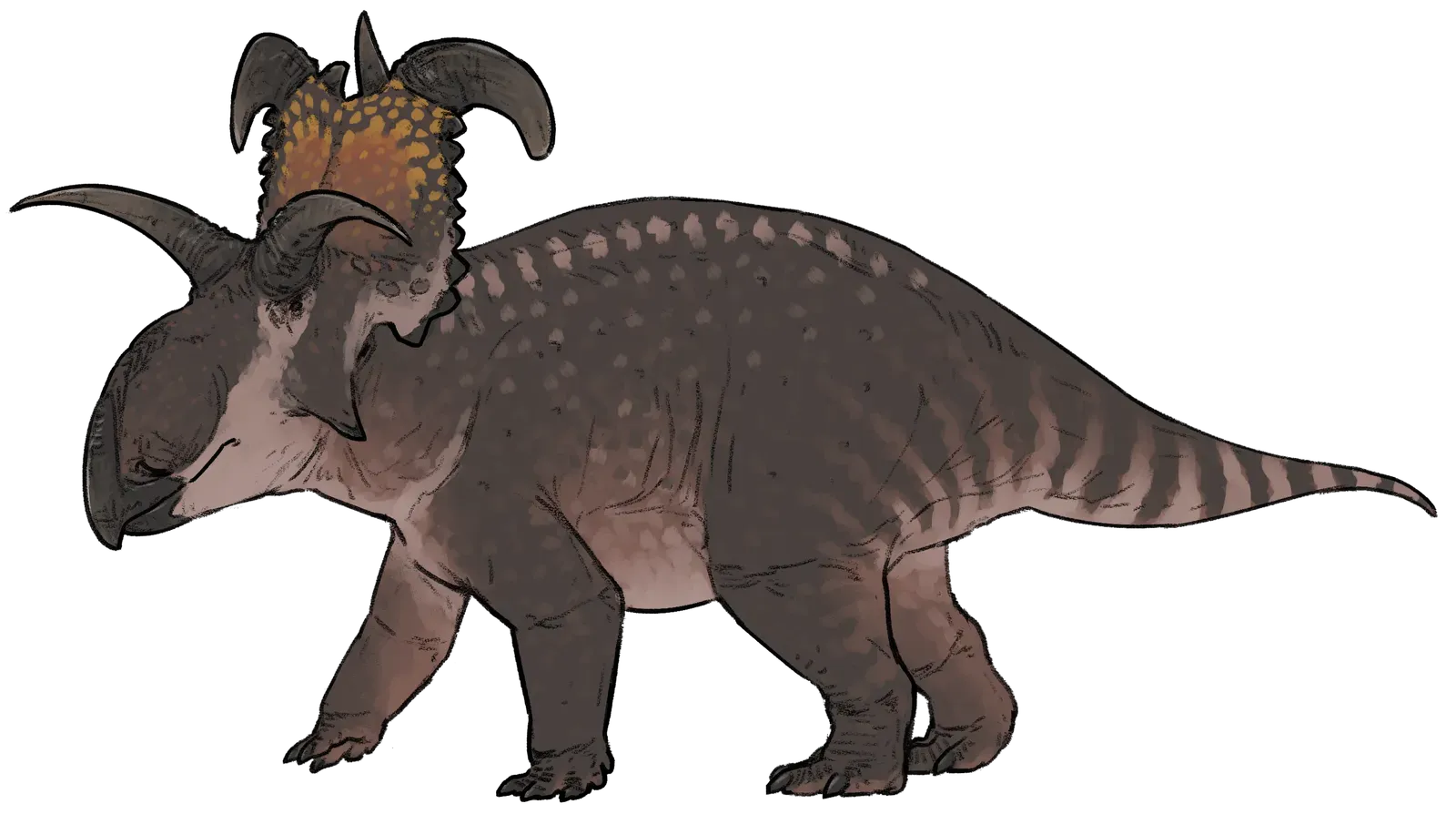
Named after the mischievous Norse god Loki, this horned dinosaur earned its mythological moniker in spectacular fashion. Lokiceratops rangiformis possesses several unique features, among them the absence of a nose horn, huge curving blade-like horns on the back of the frill, the largest ever found on a horned dinosaur, and a distinct asymmetric spike in the middle of the frill. It was discovered in 2019 in the badlands of northern Montana, two miles south of the U.S.-Canada border.
What makes this creature truly remarkable is the sheer ecological diversity it represents. Estimated to be about 22 feet long and weigh roughly 11,000 pounds, Lokiceratops is the largest dinosaur from the group of horned dinosaurs called centrosaurines ever found in North America, and it has the largest frill horns ever seen on a horned dinosaur. Lokiceratops lived alongside three other closely related species of centrosaurines, which is surprising because it is unusual to have several species of the same type of large animal in one place. I think the idea of five giant horned dinosaurs competing in the same swampy landscape is the real-life version of a prehistoric wildlife documentary nobody has made yet.
Spinosaurus Mirabilis: The Desert Hell-Heron of the Sahara
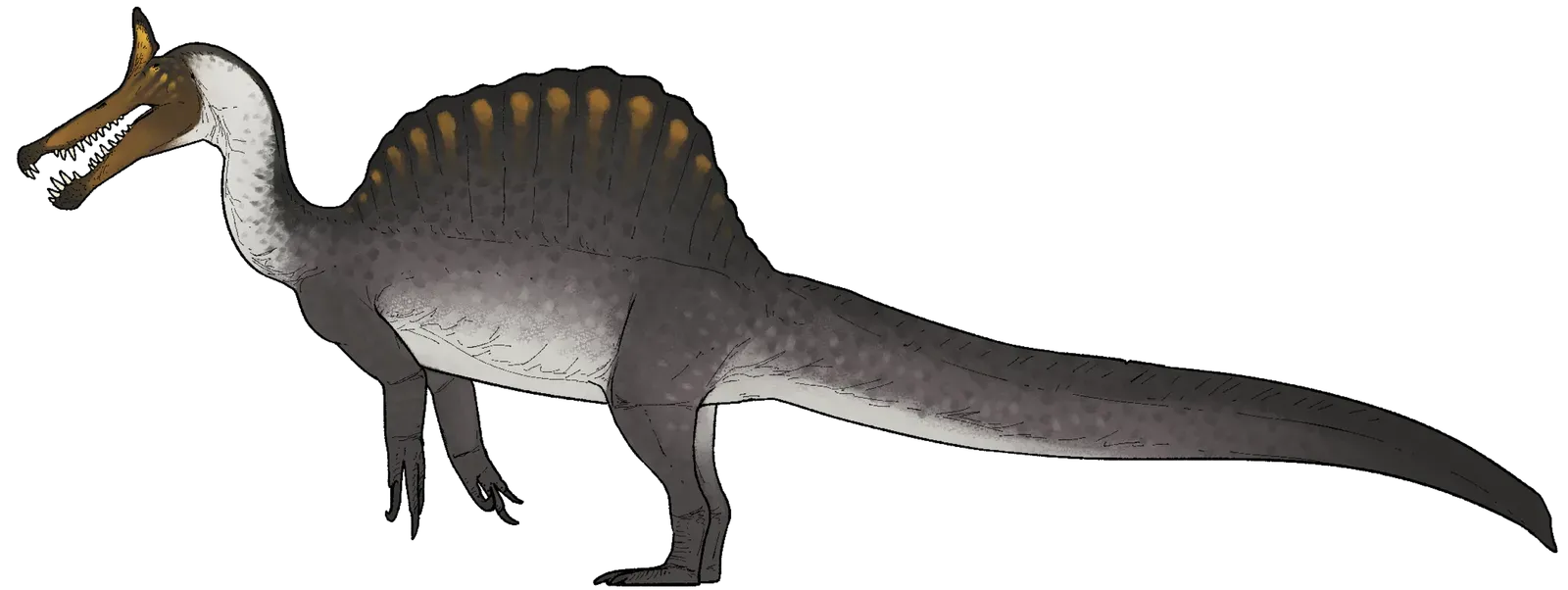
Most people have a rough idea of what a Spinosaurus looks like, that enormous fish-eating beast from a certain famous movie. But they probably don’t know that a brand-new species was only recently pulled from the sands of the Sahara. Named Spinosaurus mirabilis, meaning “astonishing Spinosaurus” in Latin, the giant lived in what is now Niger more than 95 million years ago, far from the coastal regions where similar fish-hunting dinosaurs are usually found.
A study published in the journal Science reveals this 95-million-year-old dinosaur had a distinctive curved crest on top of its head, and the scimitar-shaped bones would have been covered in a layer of keratin similar to the casque of a cassowary, making the crest even longer in life. Along with a sail running along its back, the crest would have helped it stand out in the ancient wetlands of north Africa. These features might have been used to catch the attention of potential mates, or to scare rivals away from its territory. It’s hard to say for sure, but you can picture this creature wading through shallow water looking absolutely impossible, like something out of a fever dream.
Eoneophron Infernalis: The “Pharaoh’s Dawn Chicken From Hell”
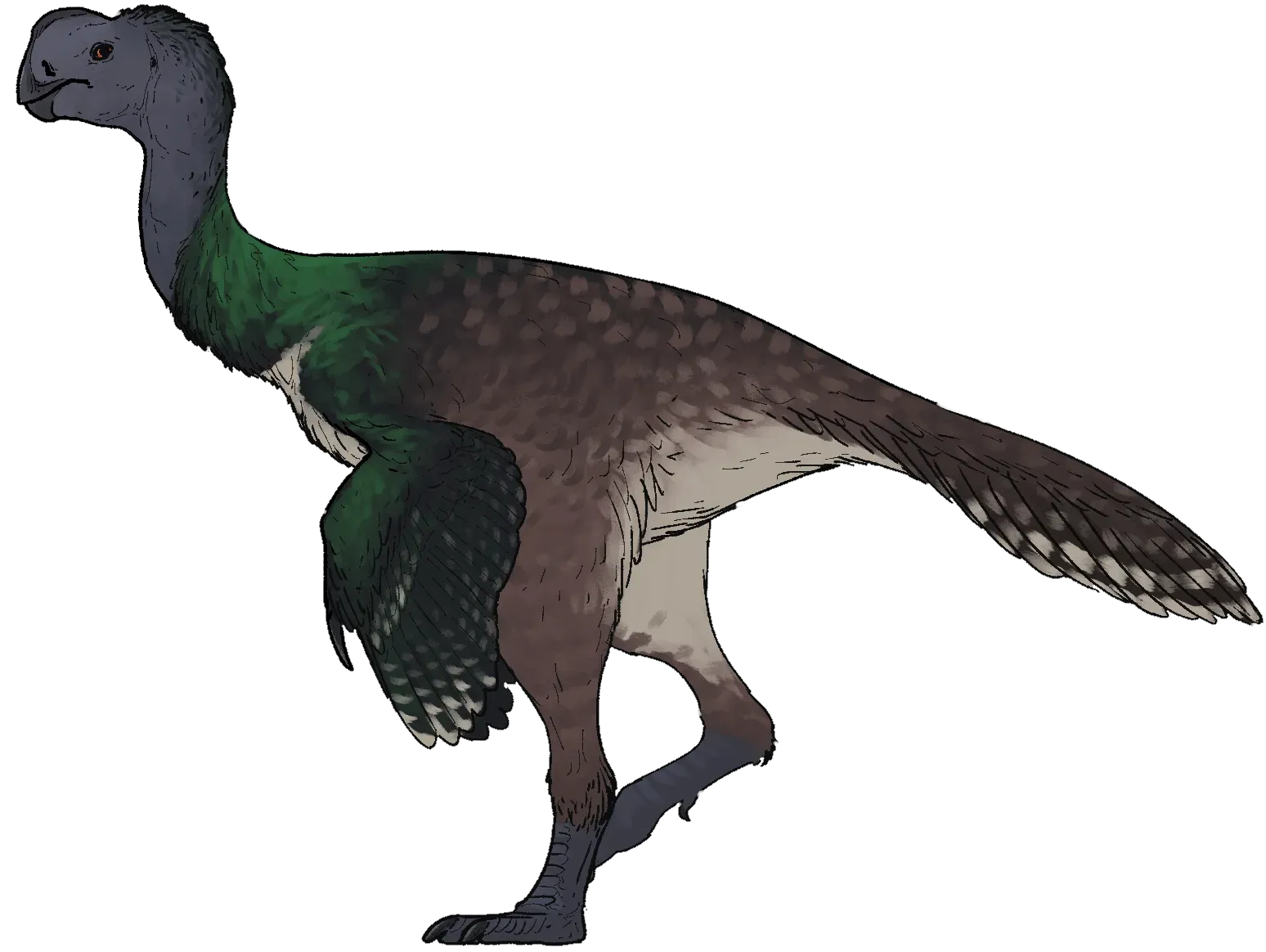
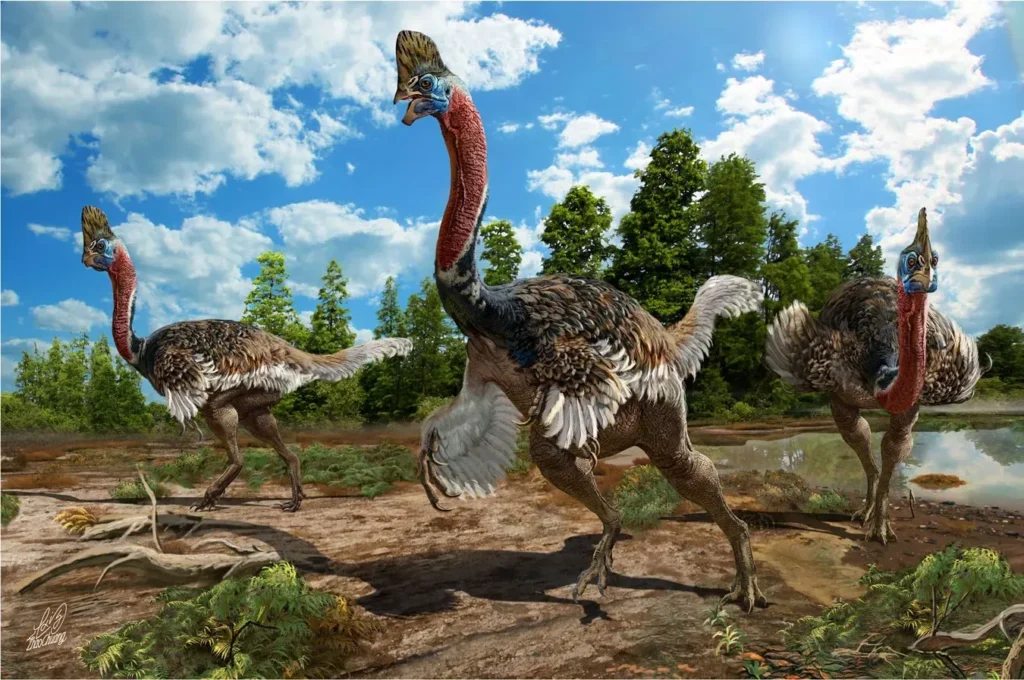
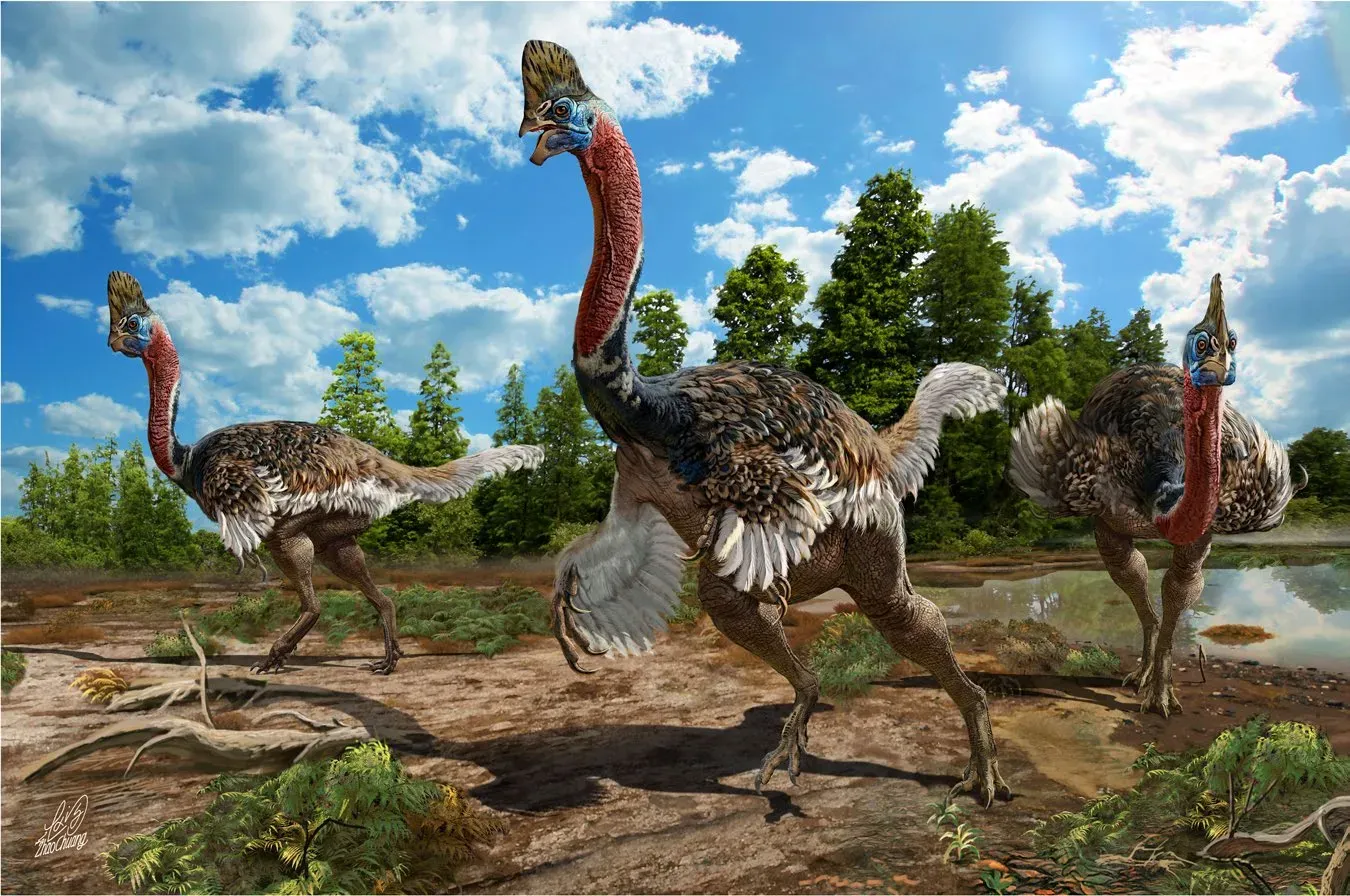
You cannot make a name like that up. Well, technically, the paleontologists who named it did, and it is perfect. Named Eoneophron infernalis, this turkey-sized dinosaur is principally known from a partial right leg and is related to a larger species known as the “chicken from hell.” While its larger relative Anzu could weigh between 400 and 700 pounds, Eoneophron infernalis was likely only about 200 pounds.
With a nickname like “Hell chicken,” it’s a good thing that Eoneophron infernalis is no longer roaming the world. The oviraptor earned the moniker after paleontologists found it in the Hell Creek Formation in the U.S. Initially, researchers believed it was the fossil of an Anzu, a giant oviraptor, but after analyzing the bone rings to determine age, they realized it was a new species entirely. Eoneophron was one of several parrot-like dinosaurs that lived in the same habitat as T. rex, which somehow makes the Cretaceous feel even more chaotic and wild than we imagined.
Musankwa Sanyatiensis: The Forgotten Giant of Zimbabwe
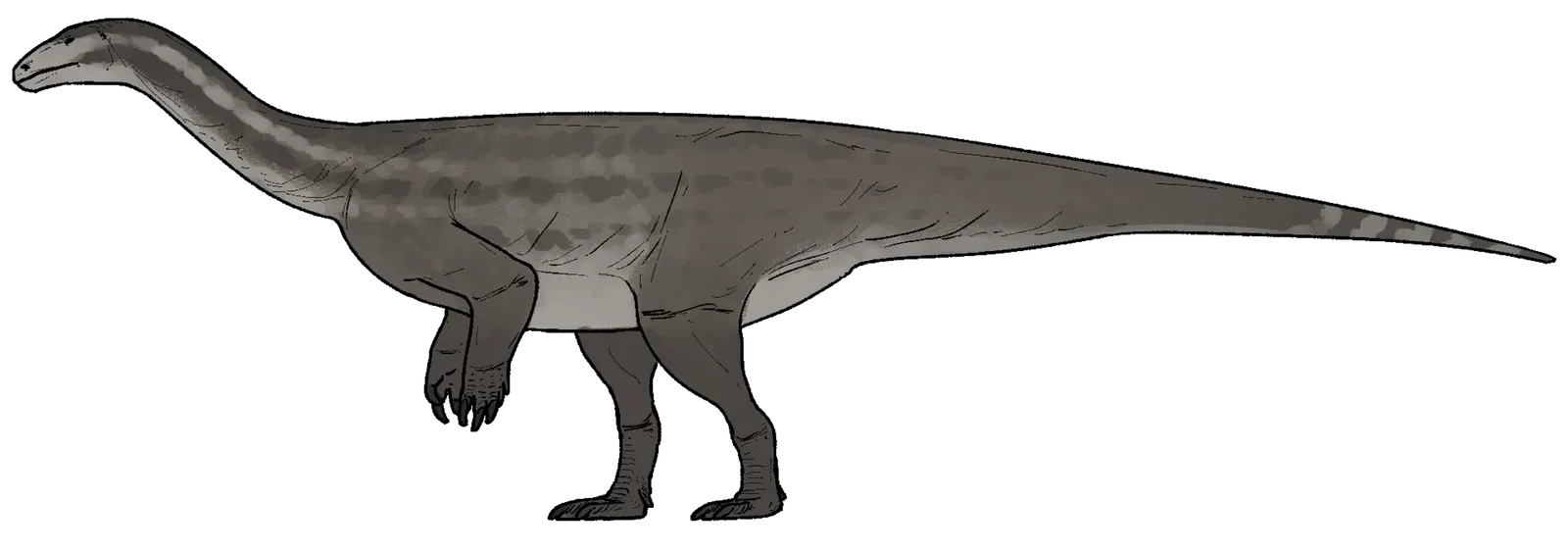
Here is a dinosaur that barely anyone talks about, and it deserves far more attention. Fossils found on the shoreline of Lake Kariba in Zimbabwe represent a completely new dinosaur species, and this remarkable find, named Musankwa sanyatiensis, marks only the fourth dinosaur species named from Zimbabwe. The rocks yielding this new specimen date back to the Late Triassic period, approximately 210 million years ago, and it is represented by the remains of a single hind leg, including its thigh, shin, and ankle bones.
From a single leg, scientists pieced together a surprisingly rich picture. Evolutionary analysis reveals that Musankwa sanyatiensis was a member of the Sauropodomorpha, a group of bipedal, long-necked dinosaurs that were widespread during the Late Triassic, and this dinosaur appears to be closely related to contemporaries in South Africa and Argentina. Weighing in at around 390 kg, the plant-eating Musankwa sanyatiensis was one of the larger dinosaurs of its era. The discovery is particularly exciting because southern Africa isn’t as well-known for dinosaur fossils as other parts of the world, and this find is changing that narrative, giving scientists more insight into how early plant-eaters spread and thrived across ancient landscapes.
Khankhuuluu Mongoliensis: The Dragon Prince of the Missing Link
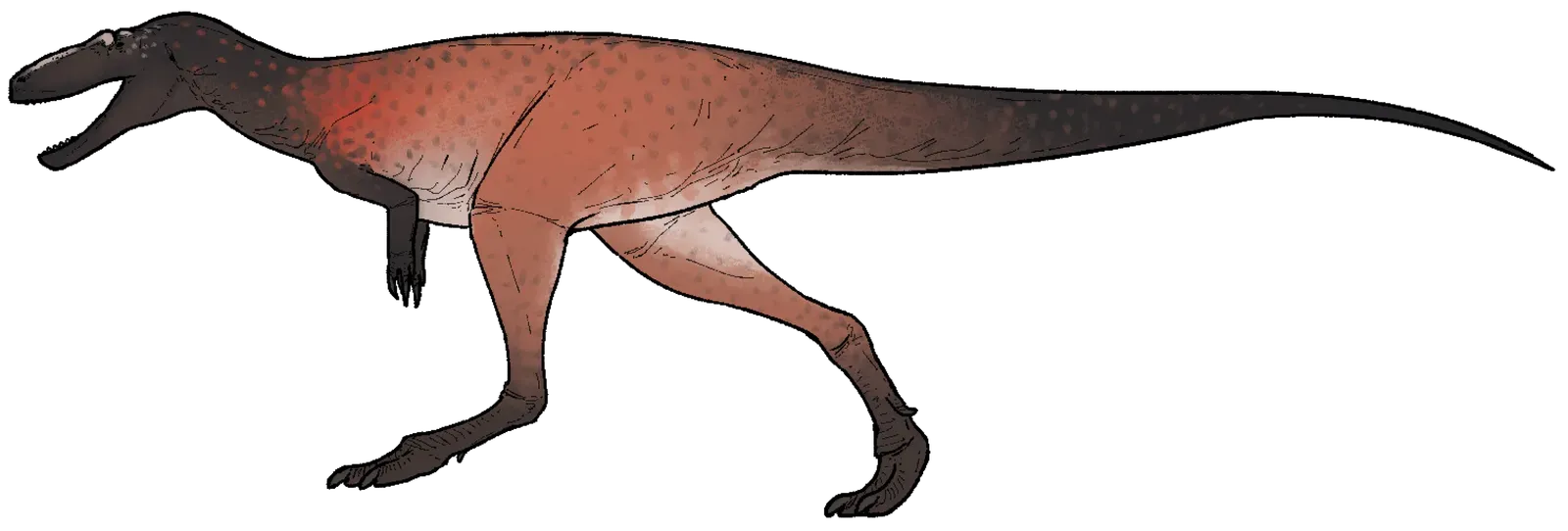
Every family tree has a missing branch, and for the tyrannosaurs, that branch was hiding in Mongolia for millions of years. In June of 2025, researchers announced the discovery of the Khankhuuluu mongoliensis dinosaur, meaning “Dragon Prince of Mongolia,” and those 86-million-year-old bones appear to be connected to a dinosaur closely linked to the direct ancestor of all tyrannosaurs, if not the direct ancestral species itself, according to research published in the journal Nature.
According to the study, Khankhuuluu helps fill a gap in the origin story of tyrannosaurs, and is described as essentially the missing link between smaller, earlier forms and the large apex predators like T. rex. Think of it like finding the evolutionary handshake between a wolf-sized predator and a school-bus-sized killing machine. Newly discovered species like this one filled gaps in dinosaur evolution and shed light on historic migrations. It is one of those discoveries that makes you wonder what else is still sitting undiscovered in some remote corner of Central Asia.
Zavacephale Rinpoche: The Dome-Headed Jewel of Mongolia
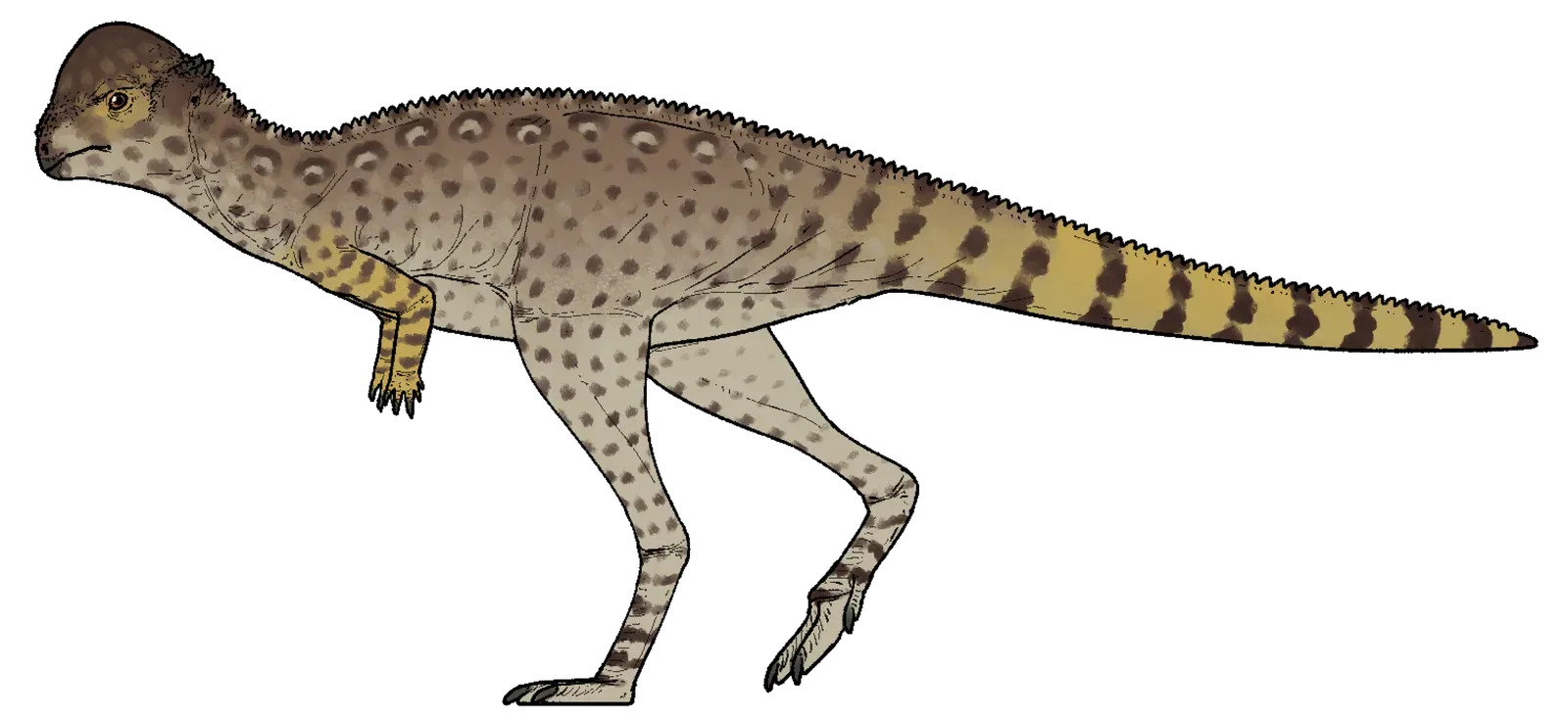
There’s something almost meditative about a dinosaur whose name translates to “precious one.” According to Lindsay Zanno, a paleontologist at North Carolina State University and head of paleontology at the North Carolina Museum of Natural Sciences, Zavacephale rinpoche is the first definitive pachycephalosaur ever found in the Early Cretaceous period. Scientists gave it the scientific name Zavacephale rinpoche, where the word rinpoche is Tibetan for “precious one,” referring to the domed skull that appeared out of the rockface like a perfectly polished jewel.
The new specimen is 15 million years older than what had previously been the oldest pachycephalosaur ever found. That is a staggering leap backward in time, like discovering that a type of animal existed far earlier than anyone thought possible. This shows that young pachycephalosaurs already had fully developed domes, and whether they were battling for territory or mates remains unclear, but what is evident is that whatever they were doing with those domes, they started practicing at a very young age. It’s a small dinosaur with a big story, and honestly, the idea of a dome-headed creature head-butting rivals in the Early Cretaceous of Mongolia is the kind of detail that makes paleontology endlessly compelling.
Conclusion: The Dinosaur Story Is Far From Over
Every single one of these creatures existed in a real world, millions of years before humans arrived to name them, study them, or argue about whether they were their own species. The more we dig, the stranger and richer that ancient world becomes. Experts have continued to name new species and reveal previously unknown details of dinosaur lives at a rapid pace, allowing us to envision the Mesozoic world in ever more detail.
What’s truly exciting is that we are still in the early chapters of this story. Newly discovered species continue to fill gaps in dinosaur evolution and shed light on historic migrations, while other studies offer new ways to date remains and make key insights about diets. Somewhere out there, buried under desert sand or lakeside rock, is another creature that will completely rewrite what you think you know about life on this planet.
The next time someone asks you to name a dinosaur, you might just have a better answer than T. rex. Which of these ten surprised you the most? Drop your thoughts in the comments below.