You’ve probably seen enough Hollywood movies to think you know everything about dinosaur brains. Giant reptiles with walnut-sized brains, lumbering through prehistoric landscapes without a thought in their heads, right?
Well, prepare to have your mind completely blown. Scientists have been working overtime in recent years, using cutting-edge technology and fresh fossil discoveries to rewrite everything we thought we knew about how smart these ancient creatures really were. The truth turns out to be far more complex and fascinating than those old-school textbooks ever suggested.
The T. Rex Intelligence Debate Just Got Way More Complicated
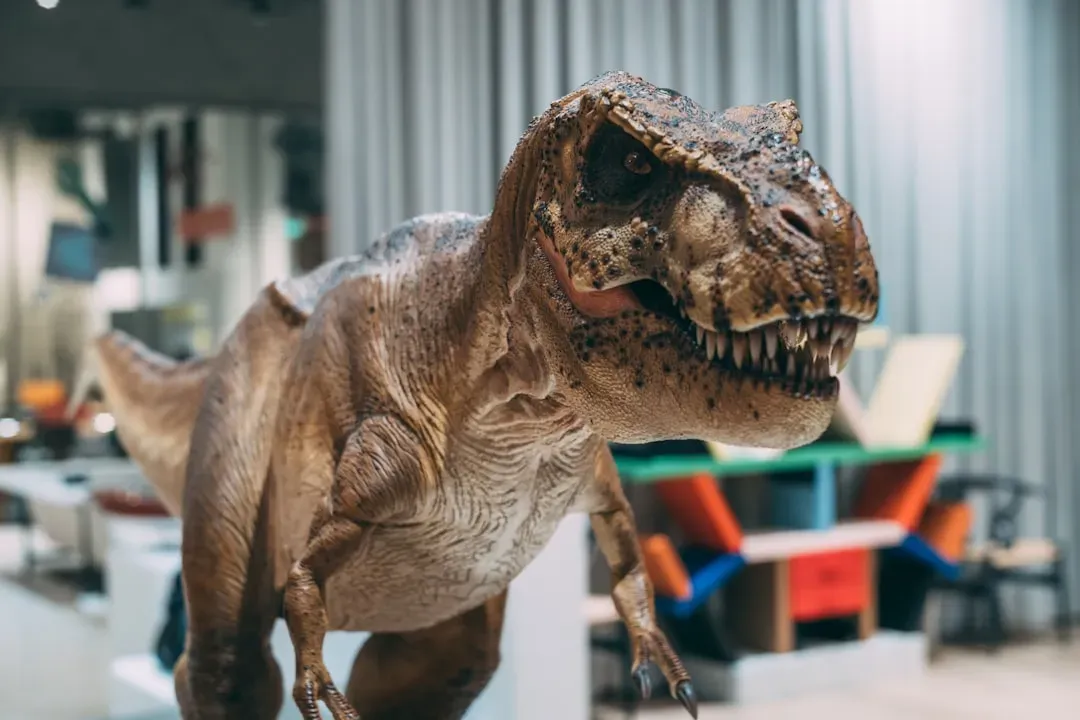
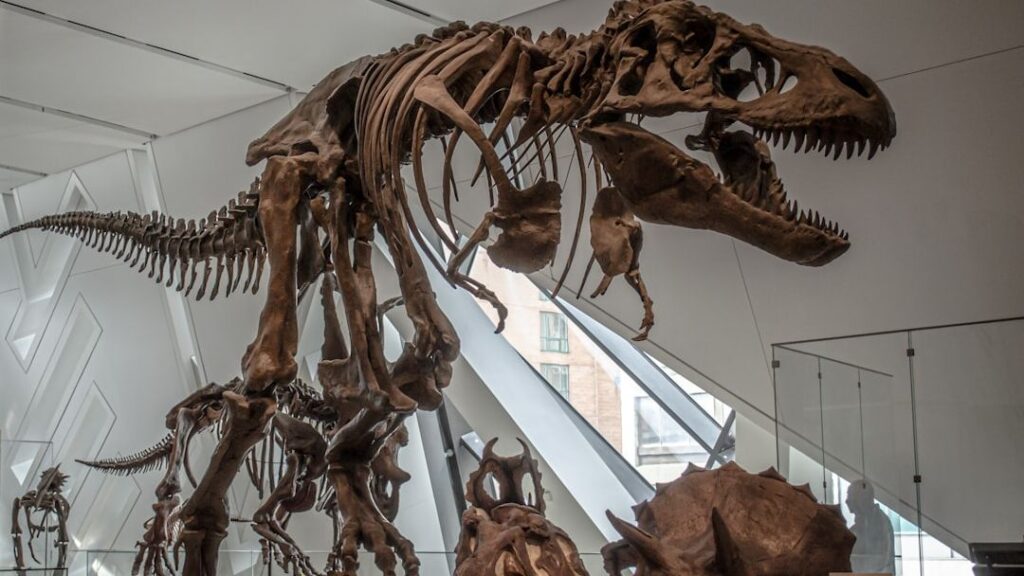
Here’s the thing. A controversial study claimed that dinosaurs like T. rex had an exceptionally high number of neurons and were substantially more intelligent than assumed, possibly being monkey-like in some habits. Imagine that for a second. Your favorite prehistoric predator potentially having baboon-level smarts.
Yet recent research in 2024 threw cold water on that theory. An international team concluded dinosaurs behaved more like crocodiles and lizards, with brain sizes overestimated, especially the forebrain, and neuron count estimates shown to not be a reliable guide to intelligence. The debate continues to rage among paleontologists, with some scientists arguing for exceptional cognition while others insist we’re giving these creatures way too much credit.
Troodon Had a Brain That Would Make Modern Birds Jealous
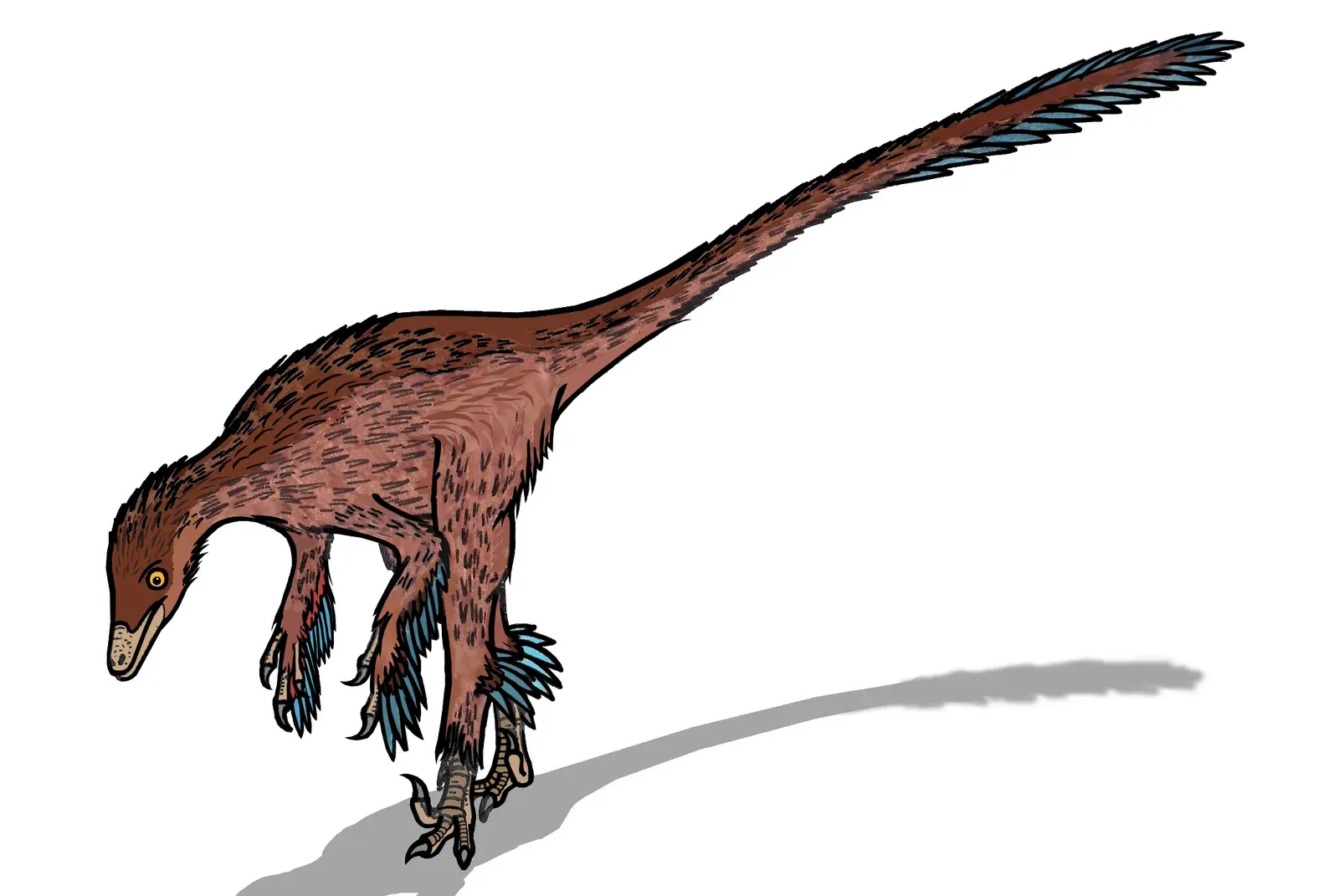
Troodon stands apart with the highest brain-to-body ratio among all known dinosaurs, with endocasts revealing a brain size approximately six times larger than expected for a reptile of its size. This little hunter, no bigger than a turkey, packed serious cognitive firepower under its skull.
The expanded cerebrum suggests Troodon likely possessed enhanced problem-solving abilities, spatial awareness, and possibly complex social behaviors, with well-developed optic lobes indicating sophisticated visual processing capabilities. Still, let’s be real here. Scientists often speculate Troodon was, at best, roughly as smart as modern opossums, whose own smarts remain hotly debated. Not exactly Einstein, but impressive for a dinosaur.
Velociraptors Were Nothing Like Jurassic Park Portrayed
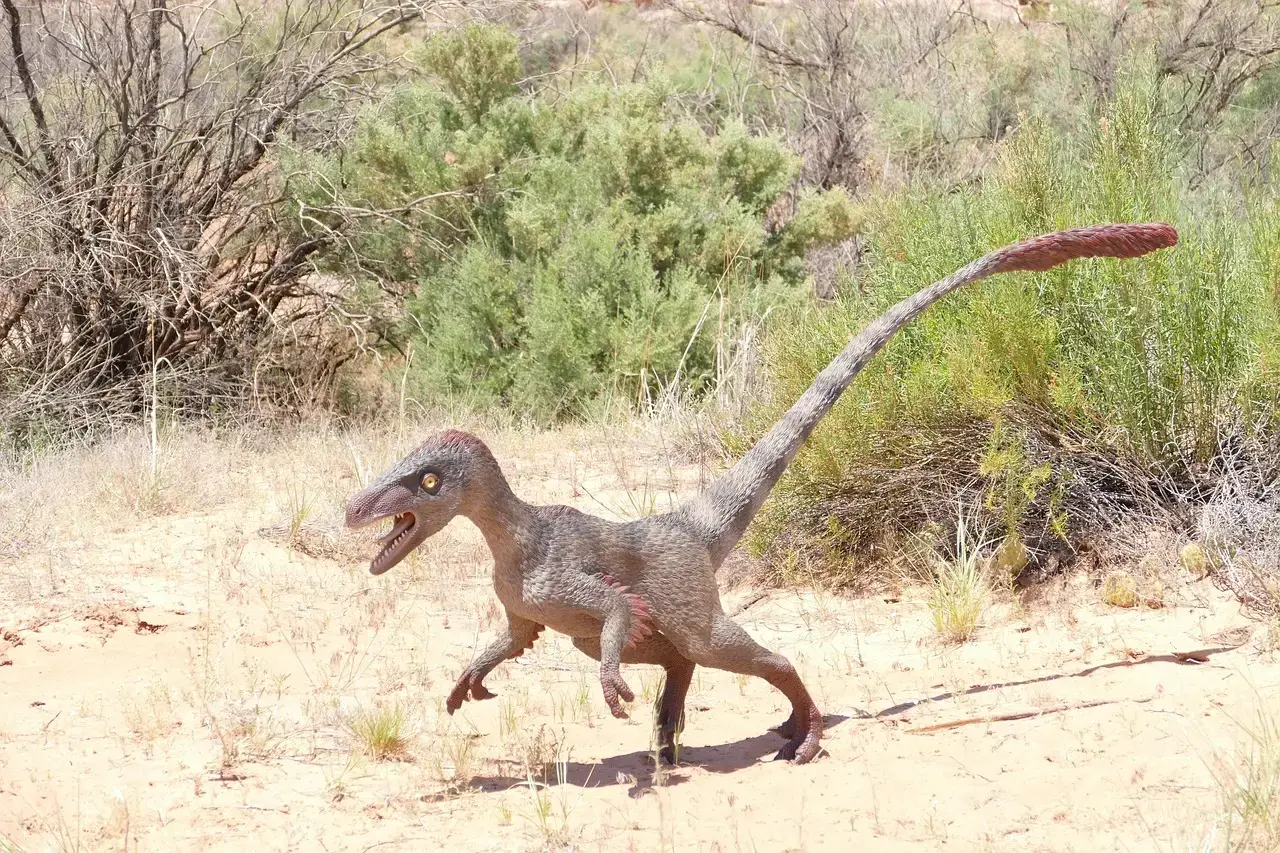
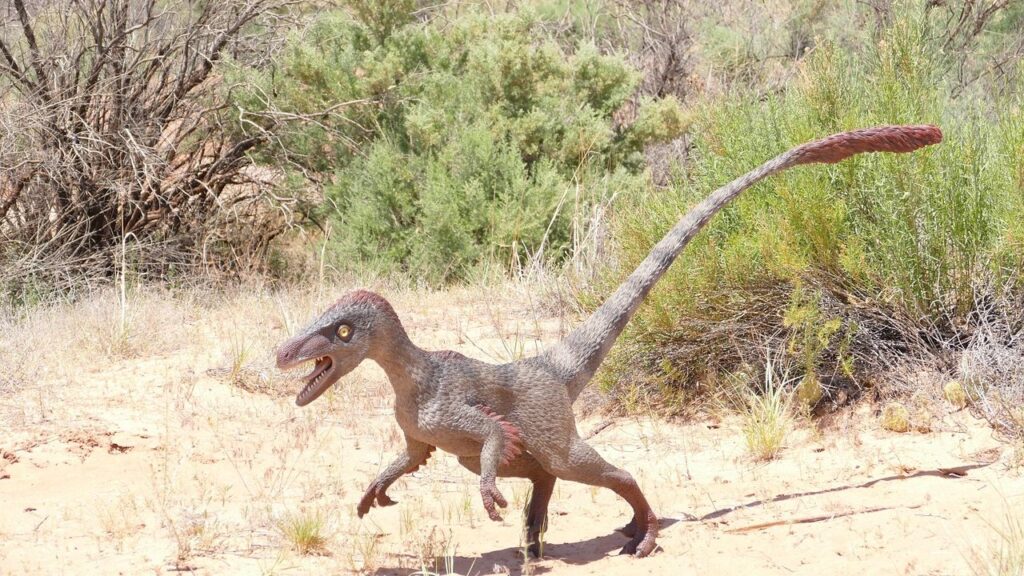
If you’re thinking clever girl, think again. The image of Velociraptors as cunning coordinated pack hunters capable of complex problem-solving like opening doors largely stems from films like Jurassic Park, which significantly exaggerates their actual size and cognitive capabilities. Reality check: these creatures were turkey-sized.
Velociraptor intelligence was likely akin to present-day birds or crocodilians, closer to that of ostriches or emus rather than the genius-level predators Hollywood imagined. They were about the size and intelligence of a wolf, at best. Smart enough to survive, sure, but the door-opening genius? Pure fiction.
Dinosaur Pack Hunting Might Be Mostly a Myth
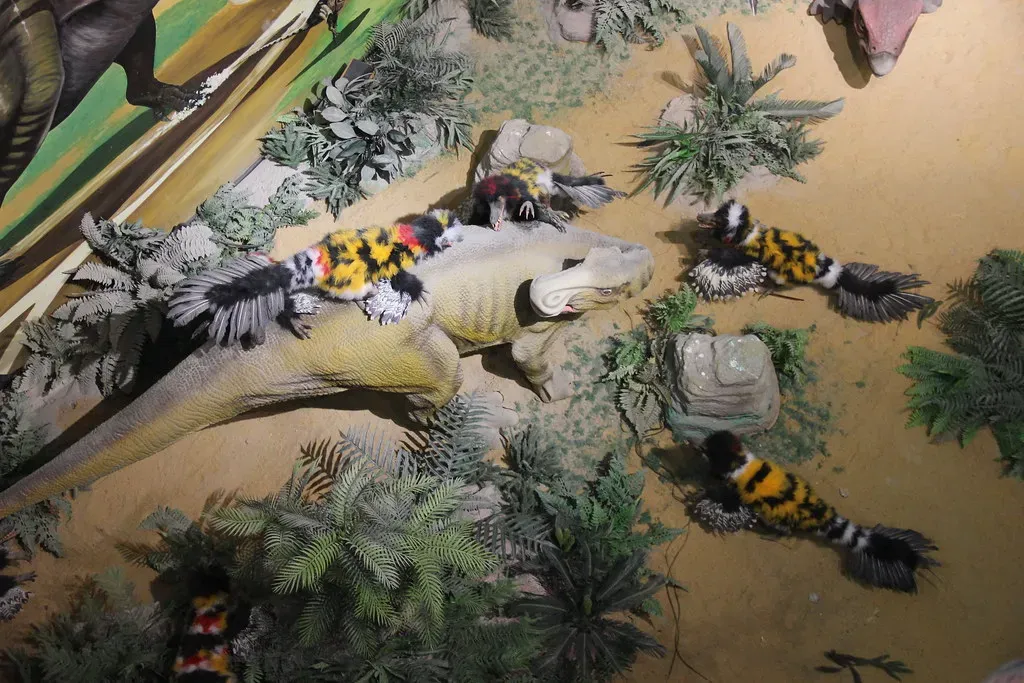
Remember all those documentaries showing packs of raptors coordinating elaborate attacks? Researchers examining the behaviors of extant diapsids concluded that the hypothesis of mammal-like cooperative pack hunting in Deinonychus and other nonavian theropods is both unparsimonious and unlikely, with the null hypothesis being that they were solitary hunters or foraged in loose associations at most.
Even more surprisingly, modern crocodylians show only the most rudimentary forms of cooperation during hunting, and in birds, group coordination is more common yet pack hunting of large-bodied prey is almost non-existent. Their closest living relatives simply don’t hunt cooperatively, so why would dinosaurs? The evidence leans toward these creatures being more like modern Komodo dragons: opportunistic feeders that might gather around a kill but don’t truly work together.
Brain Size Was a Lousy Measure of Dinosaur Smarts All Along
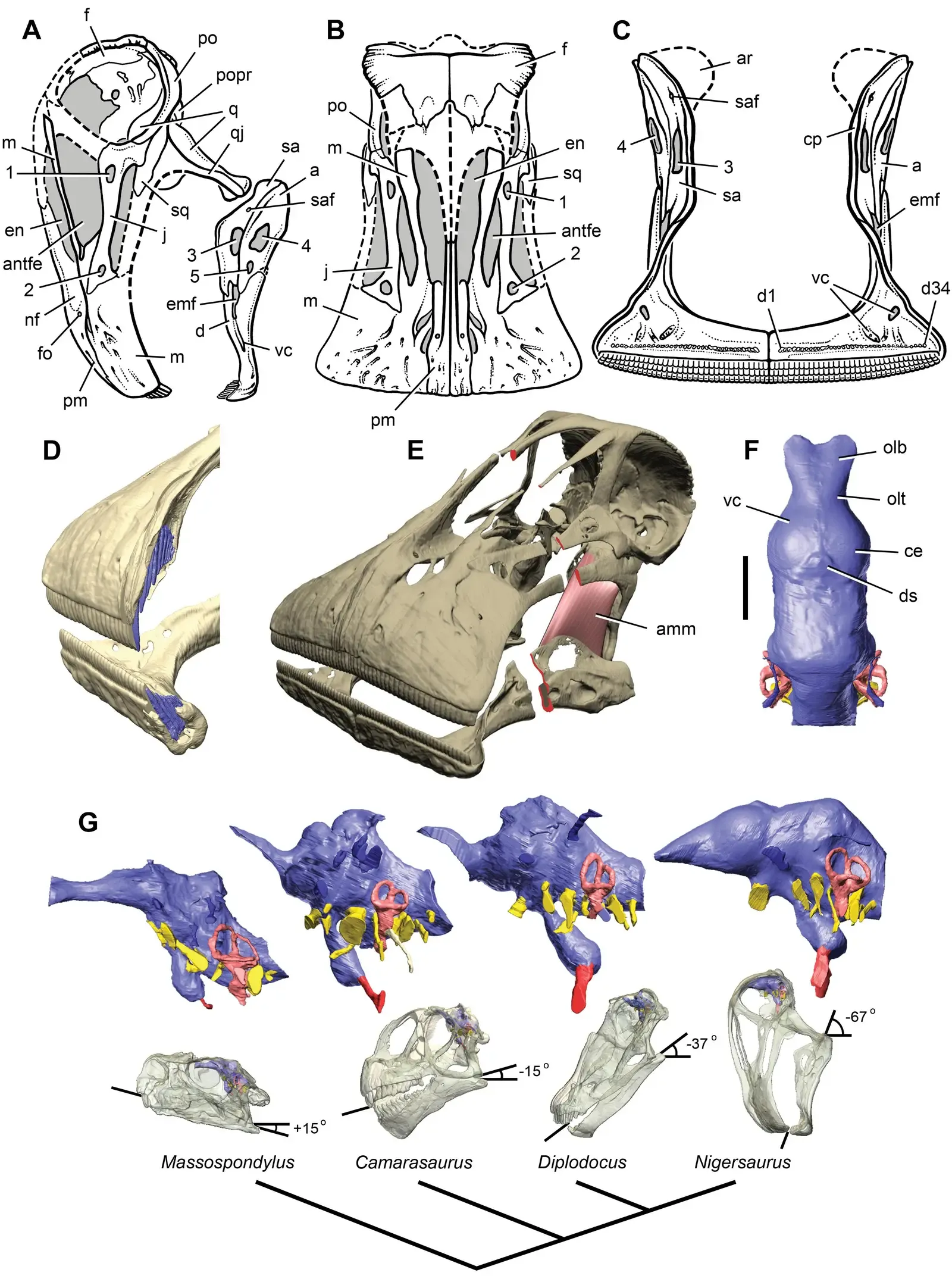
For decades, scientists relied on something called the encephalization quotient. The EQ measures an animal’s relative brain size related to body size, with T. rex having an EQ of about 2.4, compared with 3.1 for a German shepherd dog and 7.8 for a human. Sounds straightforward enough, right?
Wrong. EQ is hardly foolproof, as in many animals body size evolves independently from brain size. What really matters is neuron density, brain structure, and how different regions connect. A big brain stuffed mostly with cells dedicated to smell isn’t the same as one packed with problem-solving power. Honestly, it’s hard to say for sure how intelligent these creatures really were when we’re working with fossilized skulls and educated guesses.
Some Dinosaurs Had Surprisingly Bird-Like Brain Structures
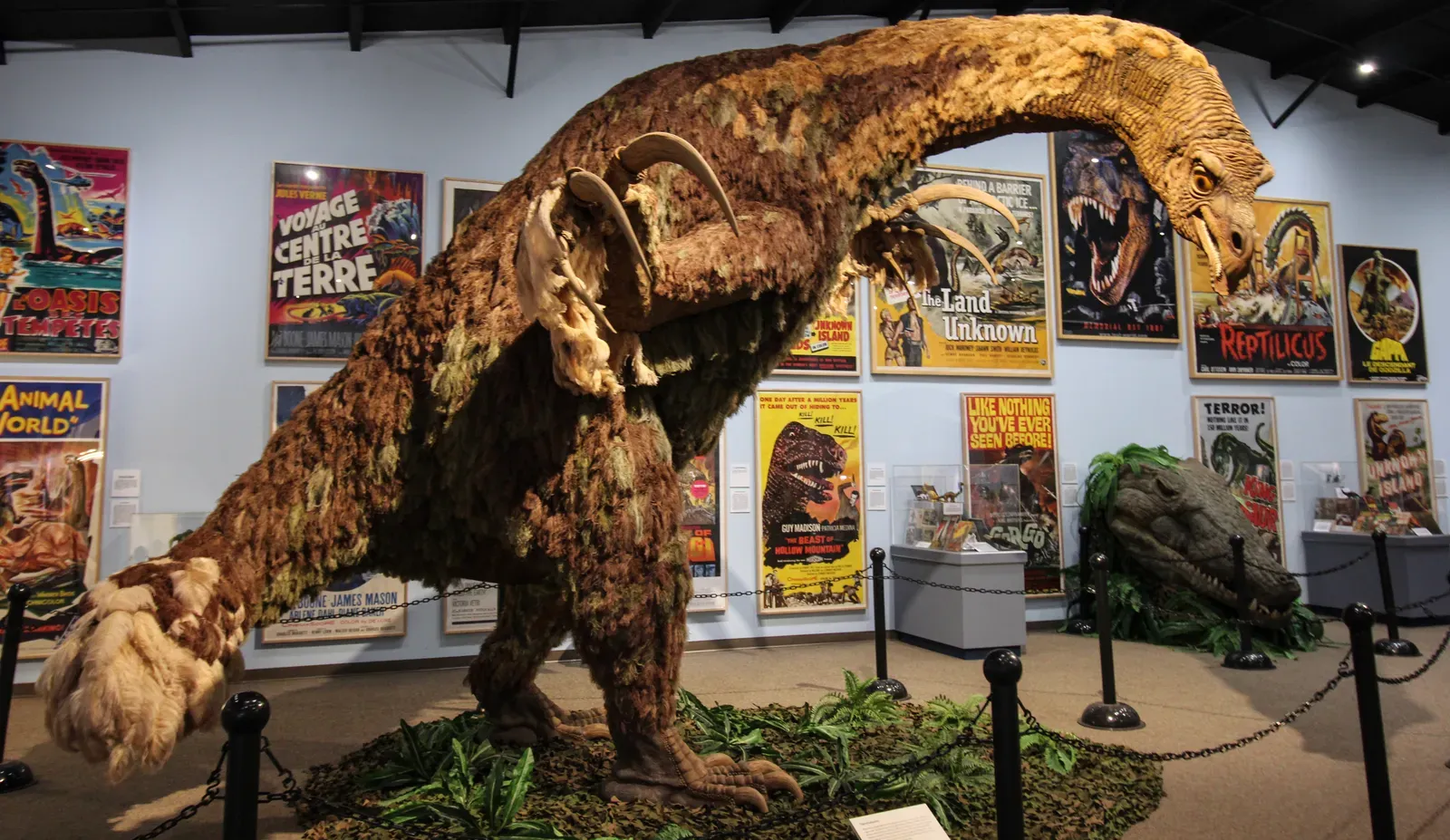
A study found that Carcharodontosaurus and Allosaurus had a ratio of cerebrum to brain volume very similar to non-avian reptiles, while the Tyrannosaurus ratio was slightly in the direction of a more bird-like proportion, marking the beginning of a trend in theropod brain evolution.
The alligator brain proved to be about 85 percent similar to the bird brain, and contained six of seven major regions found in the bird brain. This evolutionary bridge tells us something profound. As theropods evolved toward birds, their brains transformed from reptilian blobs into something far more sophisticated. The transition wasn’t instant, creating a fascinating spectrum of cognitive capabilities across different dinosaur species.
Fossilized Brain Tissue Actually Exists and It’s Mind-Blowing
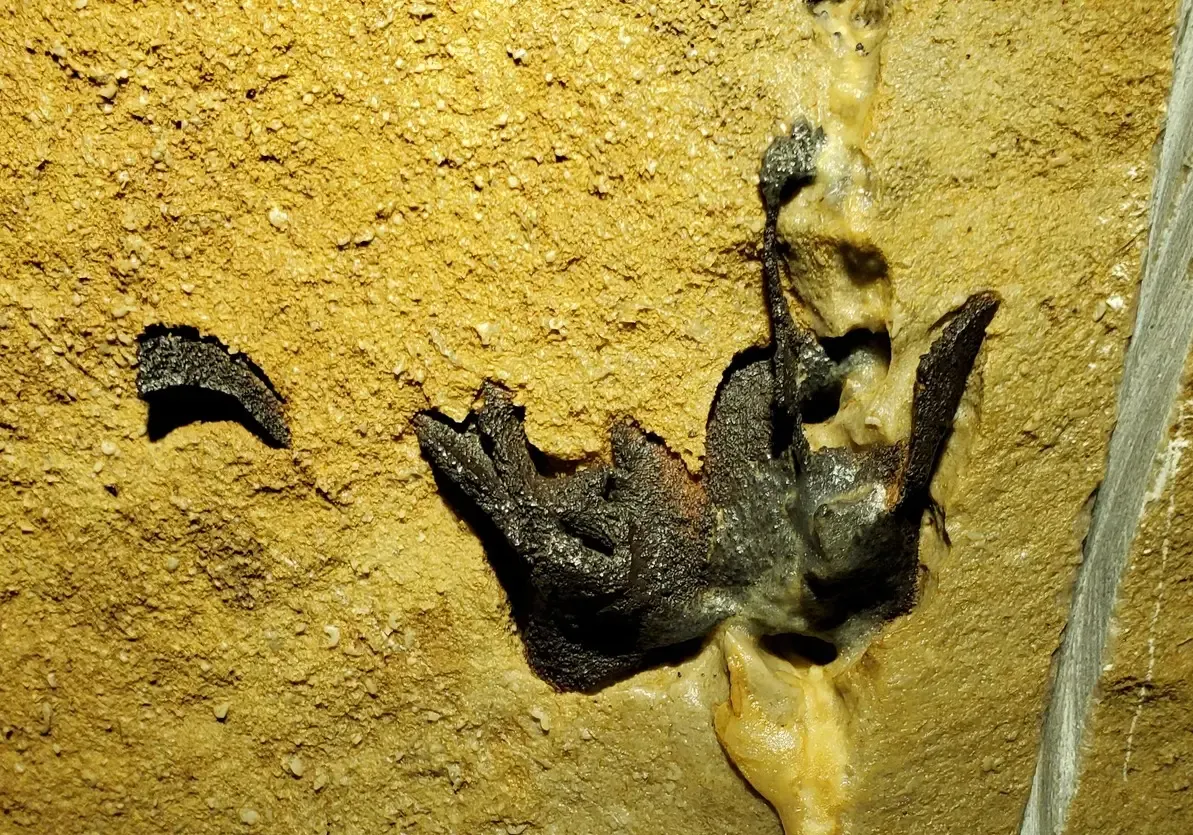
Soft tissue almost never fossilizes, right? Researchers identified the first known example of fossilised brain tissue in a dinosaur from Sussex, with tissues resembling those seen in modern crocodiles and birds, noting the chances of preserving brain tissue are incredibly small.
Meninges, the tough tissues surrounding the actual brain, as well as tiny capillaries and portions of adjacent cortical tissues have been preserved as mineralised ghosts. This discovery happened because the dinosaur likely died in acidic, oxygen-poor water that protected the soft tissues before fossilization. What are the odds? It’s like winning the paleontological lottery.
Stegosaurus Wasn’t Actually That Stupid After All
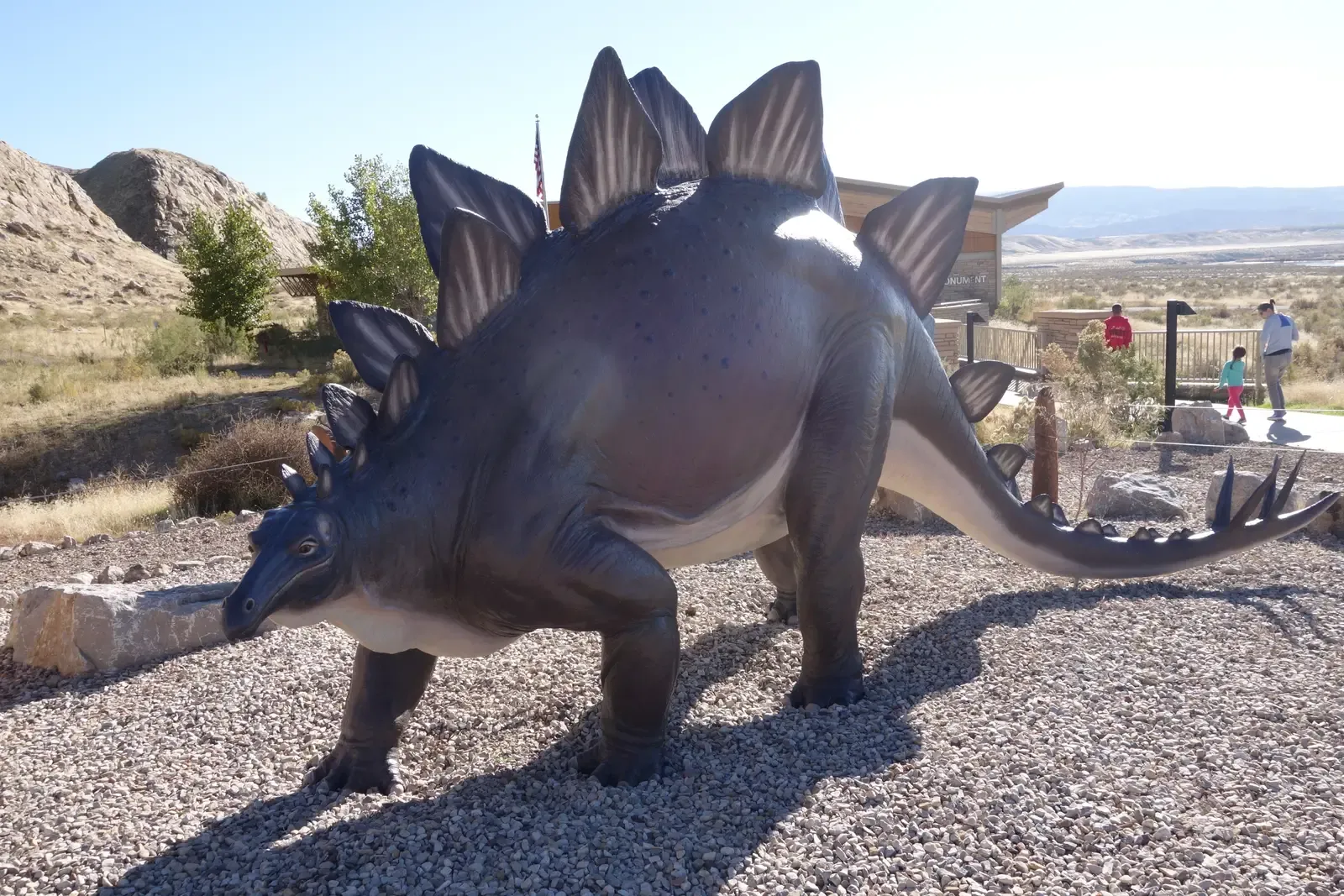
The old joke about Stegosaurus having a brain the size of a walnut? That wasn’t quite accurate; it had a brain the size of a dog’s, but in proportion to its body the brain was very small. The fact that an animal weighing over 4.5 metric tonnes could have a brain of no more than 80 grams led to the idea that dinosaurs were unintelligent, an idea now largely rejected.
Intelligence isn’t just about raw brain mass. Different species need different cognitive abilities for their lifestyles. A massive herbivore munching plants doesn’t need the problem-solving skills of a hunter. Stegosaurus had exactly the brain it needed to survive successfully for millions of years. Sometimes simple works.
Modern Technology Is Revolutionizing What We Know About Dinosaur Brains
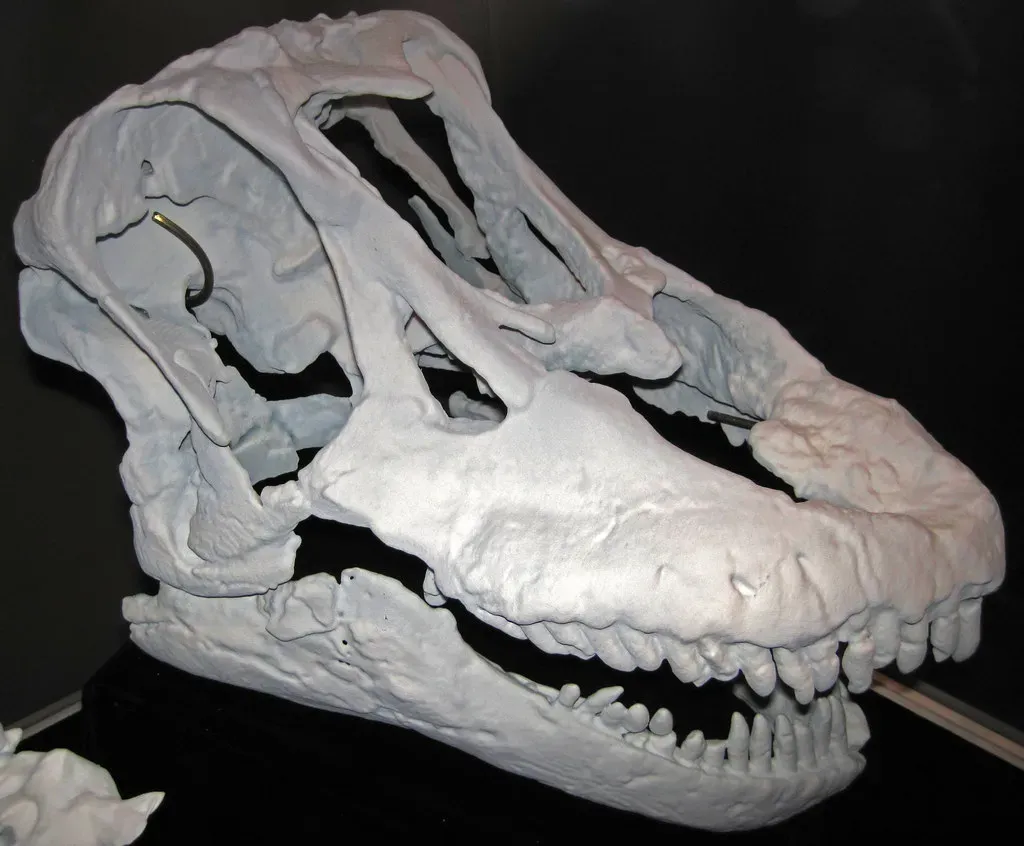
Recent research utilizing computed tomography has enabled scientists to create accurate models of dinosaur brains, allowing for more comprehensive analyses of their cognitive capacities. CT scanning lets researchers peek inside fossilized skulls without destroying priceless specimens.
The DinoTracker app allows users to upload photos or drawings of footprints via mobile phone for immediate analysis of their shape and structure. We’re living in an era where AI helps identify which dinosaur made which tracks with remarkable accuracy. Technology is answering questions scientists couldn’t even properly ask a decade ago. The next breakthrough might be just around the corner.
The Smartest Dinosaurs Were Still Pretty Limited Compared to Modern Animals
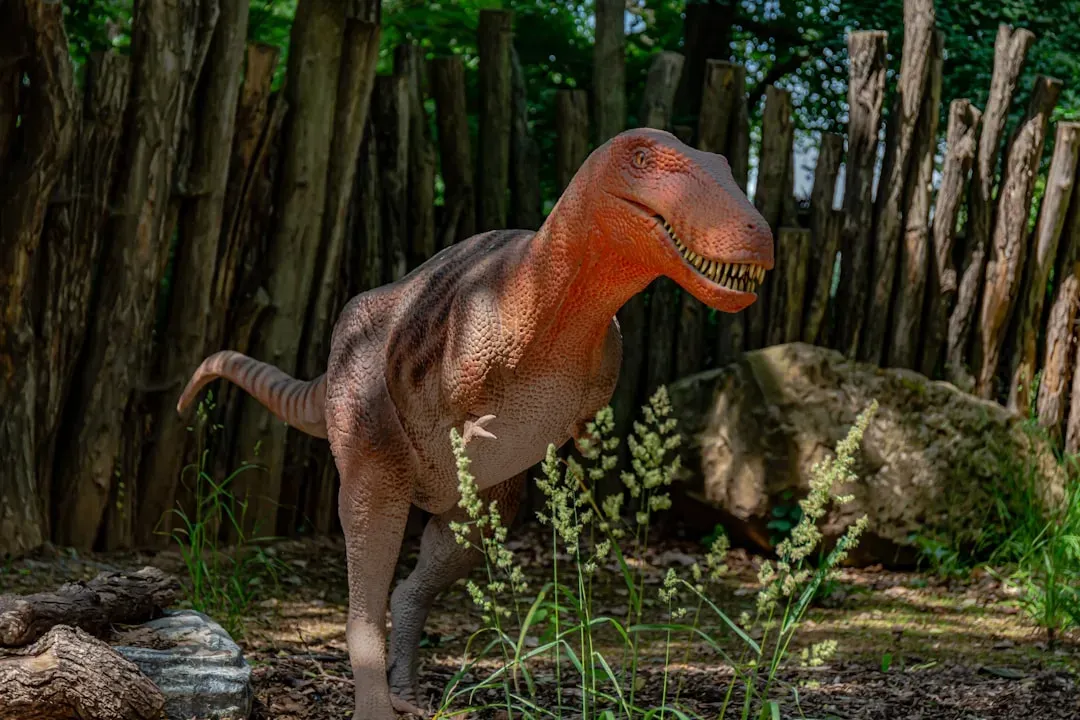
Let’s bring this full circle. The consensus is that dinosaurs exhibited a range of cognitive abilities, making them some of the most complex animals of their time, with their ancestors, the birds, having evolved into some of the most intelligent animals in the modern world.
Yet even the brainiest dinosaurs likely operated on instinct and learned behaviors rather than true abstract reasoning. Extraordinary claims about tool use require a lot more evidence to back them up, with such suggestions being far-fetched. They were intelligent for their time and ecological niche, adapted perfectly to their environments. Just don’t expect them to solve calculus problems or philosophize about their existence.
Conclusion
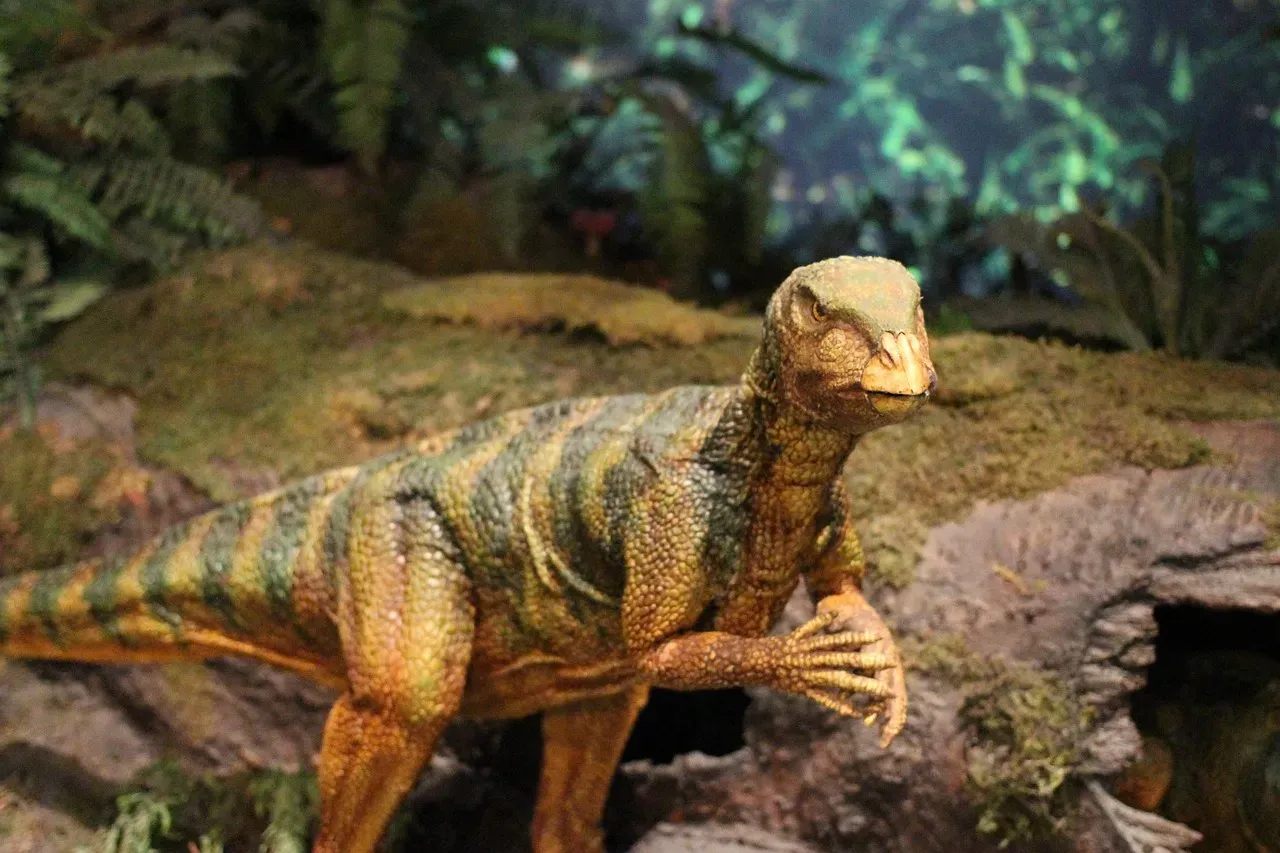
The story of dinosaur intelligence is still being written. Every new fossil discovery, every technological advancement, every fresh analysis challenges what we thought we knew. These weren’t the mindless movie monsters or the genius problem-solvers of fiction. They existed somewhere in between, with cognitive abilities perfectly suited to their prehistoric world.
What strikes me most is how much we still don’t know. The debates rage on, scientists disagree, and new evidence keeps reshaping the narrative. That’s what makes paleontology so thrilling. These creatures lived millions of years ago, yet they still have secrets to reveal. What surprises do you think scientists will uncover next about dinosaur intelligence? The next mind-bending discovery could happen tomorrow.