Where did you come from? No, not your hometown. We mean the real question, the one that keeps philosophers, astrobiologists, and late-night thinkers awake at 3 a.m.: where did life itself come from? It’s a question so enormous, so humbling, that even the world’s smartest minds have only begun to scratch the surface.
The questions of how life forms, whether life is an inevitable outcome, and how diverse its presentation could be remain some of the most profound in science. Honestly, that’s an understatement. You could spend a lifetime exploring just one theory and still walk away with more questions than answers. From steaming ocean vents to cosmic hitchhikers traveling billions of miles through space, the origin of life debate is nothing short of spectacular. Let’s dive in.
1. The Primordial Soup: Life Brewed Like a Cosmic Cup of Tea
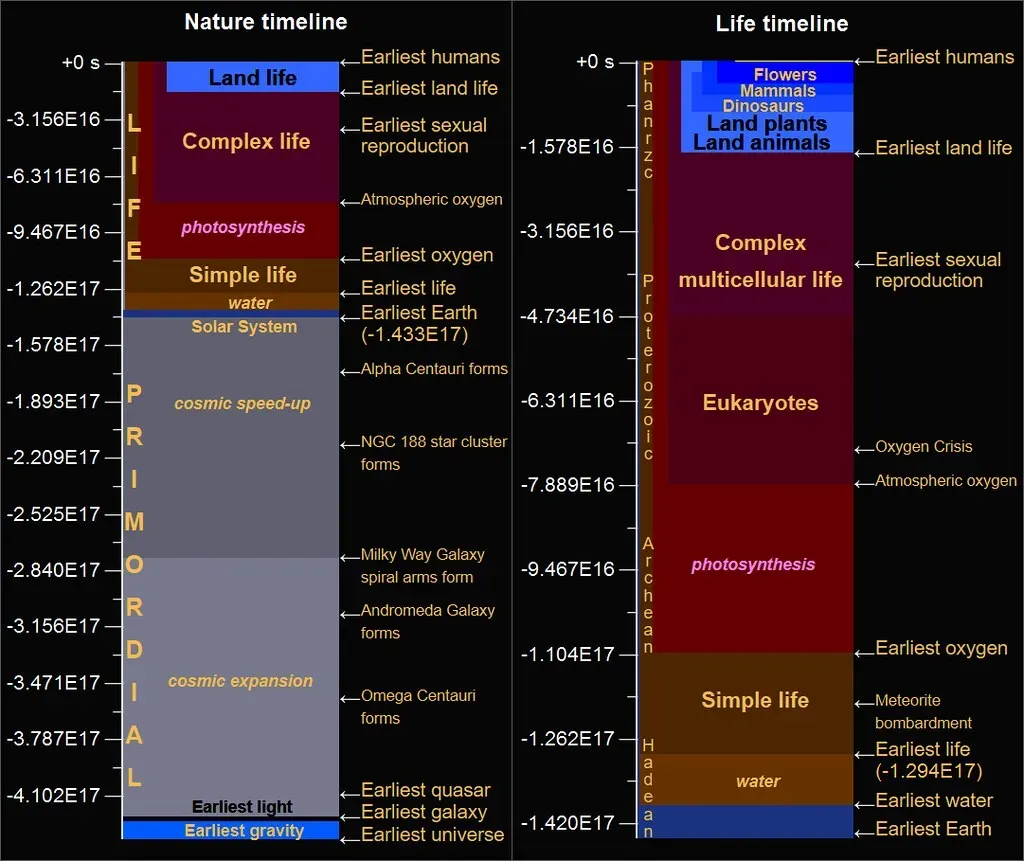
Imagine early Earth as a giant, bubbling chemistry lab with no instruction manual. That’s essentially what the “primordial soup” theory proposes. The Oparin-Haldane model, also called the “primordial soup” hypothesis, suggests that the chemical makeup of early Earth’s atmosphere, sparked by electricity, led to the spontaneous formation of organic molecules, and a set of famous experiments by chemist Stanley Miller in the 1950s showed that amino acids, the building blocks of proteins, could be synthesized in this way.
In 1952, Stanley Miller and Harold Urey carried out a chemical experiment to demonstrate how organic molecules could have formed spontaneously from inorganic precursors under prebiotic conditions, using a highly reducing mixture of gases including methane, ammonia, and hydrogen with water vapor to form organic monomers such as amino acids. It’s a bit like leaving the right ingredients in a pot long enough, something is going to start bubbling. The primordial soup idea remains one of the most iconic origin-of-life frameworks ever devised, and it still shapes how scientists design experiments today.
2. The RNA World: Life’s First Blueprint Was Written in a Single Molecule
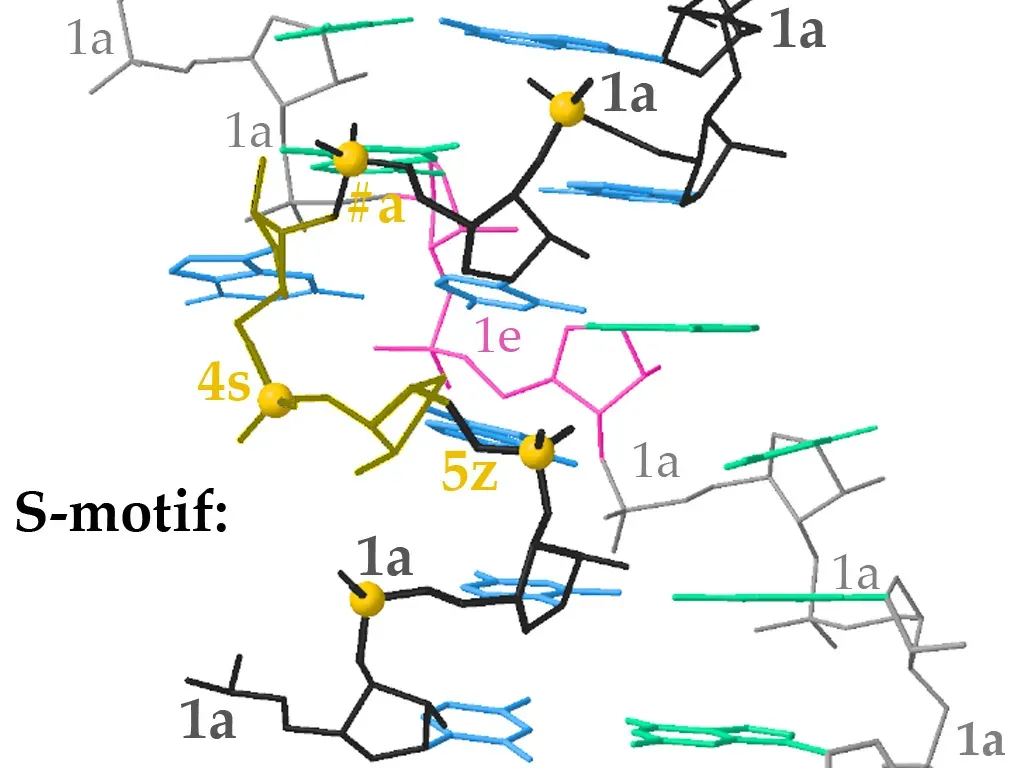
Here’s the thing about life as you know it: it runs on an incredibly complex system of DNA, proteins, and enzymes that all seem to need each other to exist. So which came first? The RNA world hypothesis offers a fascinating answer. Of all plausible origin-of-life theories, the RNA world concept predicts that life evolved from more and more complex self-replicating RNA molecules, though the question of how this RNA world then moved on to the next stage is one of the most mysterious chicken-and-egg-like conundrums in evolution.
A much more actively researched hypothesis currently backing up the gene-first approach is the RNA world hypothesis. The term “RNA world” was first coined by Walter Gilbert, but the idea has existed since 1968 in the publications of Francis Crick and Leslie Orgel. More recently, a 2026 study synthesized a 45-nucleotide polymerase ribozyme, discovered from random sequence pools, that catalyzes general RNA-templated RNA synthesis. It can synthesize both its complementary strand and a copy of itself with fair accuracy, and the authors speculate that polymerase ribozymes are more abundant in RNA sequence space than previously thought. That’s extraordinary progress.
3. Deep-Sea Hydrothermal Vents: Life Born in the Ocean’s Dark Heart
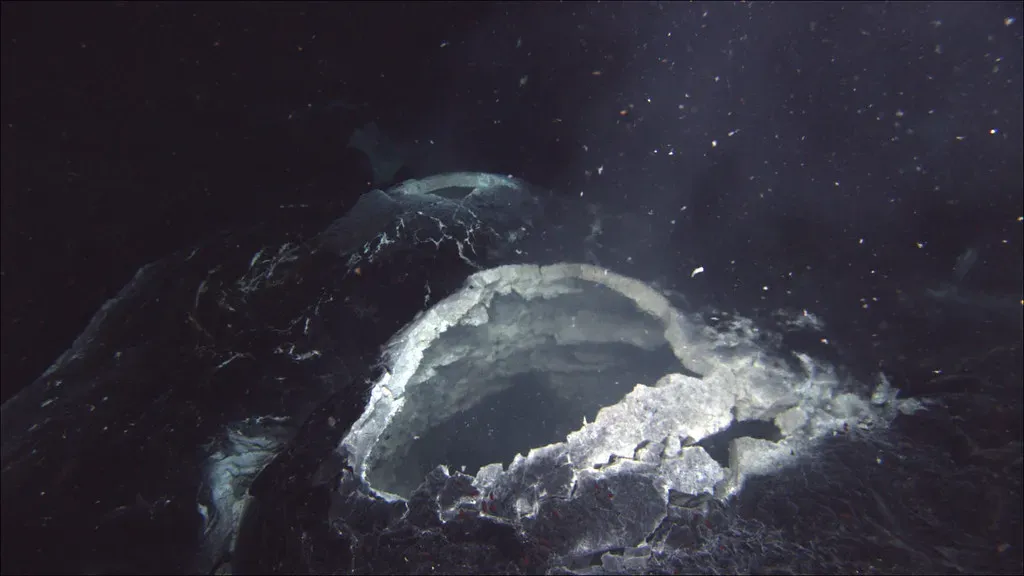
Picture a crack in the ocean floor, thousands of meters below the surface, belching superheated mineral-rich water into the freezing dark abyss. It sounds like the last place life would want to set up shop. In 1977, scientists discovered biological communities unexpectedly living around seafloor hydrothermal vents, far from sunlight and thriving on a chemical soup rich in hydrogen, carbon dioxide, and sulfur. Inspired by these findings, scientists later proposed that hydrothermal vents provided an ideal environment with all the ingredients needed for microbial life to emerge on early Earth.
The surfaces of mineral particles inside deep-ocean hydrothermal vents have catalytic properties similar to those of enzymes, and can create simple organic molecules such as methanol and formic, acetic, and pyruvic acids out of dissolved CO2 in the water, if driven by an applied voltage or by reaction with H2 or H2S. Think of it as Earth’s own underground chemistry laboratory, one that never needs sunlight to operate. The idea that you could be descended from something that lived near a pitch-black ocean crack is simultaneously terrifying and wonderful.
4. The Warm Little Pond: Darwin’s Own Guess Was Surprisingly Close
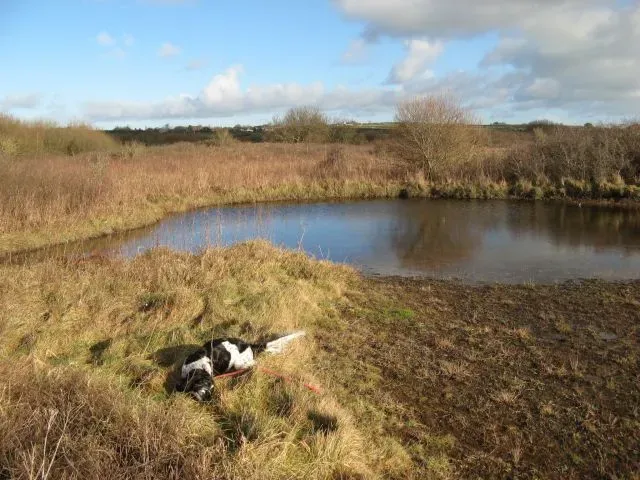
Charles Darwin, in a now-famous letter, speculated that life might have first appeared in a “warm little pond,” a quiet, shallow body of water rich in chemicals and energy. It sounds almost quaint compared to modern theories, yet science keeps circling back to it. There are currently two competing hypotheses for the site at which an RNA world emerged: hydrothermal vents in the deep ocean and warm little ponds, and because the former lacks wet and dry cycles, which are well known to promote polymerization of nucleotides into RNA, many researchers construct comprehensive models for the origin of RNA in the latter sites.
Warm little ponds are excellent candidate environments for the polymerization process because their wet and dry cycles have been shown to promote the polymerization of nucleotides into chains possibly greater than 300 links, and furthermore, clay minerals in the walls and bases of warm little ponds promote the linking of chains up to 55 nucleotides long. You might be tempted to dismiss Darwin’s cozy little pond as simplistic, but don’t. Sometimes the most elegant idea turns out to be right, and current research gives Darwin’s guess more scientific credibility than ever.
5. Panspermia: You May Be an Alien, Literally
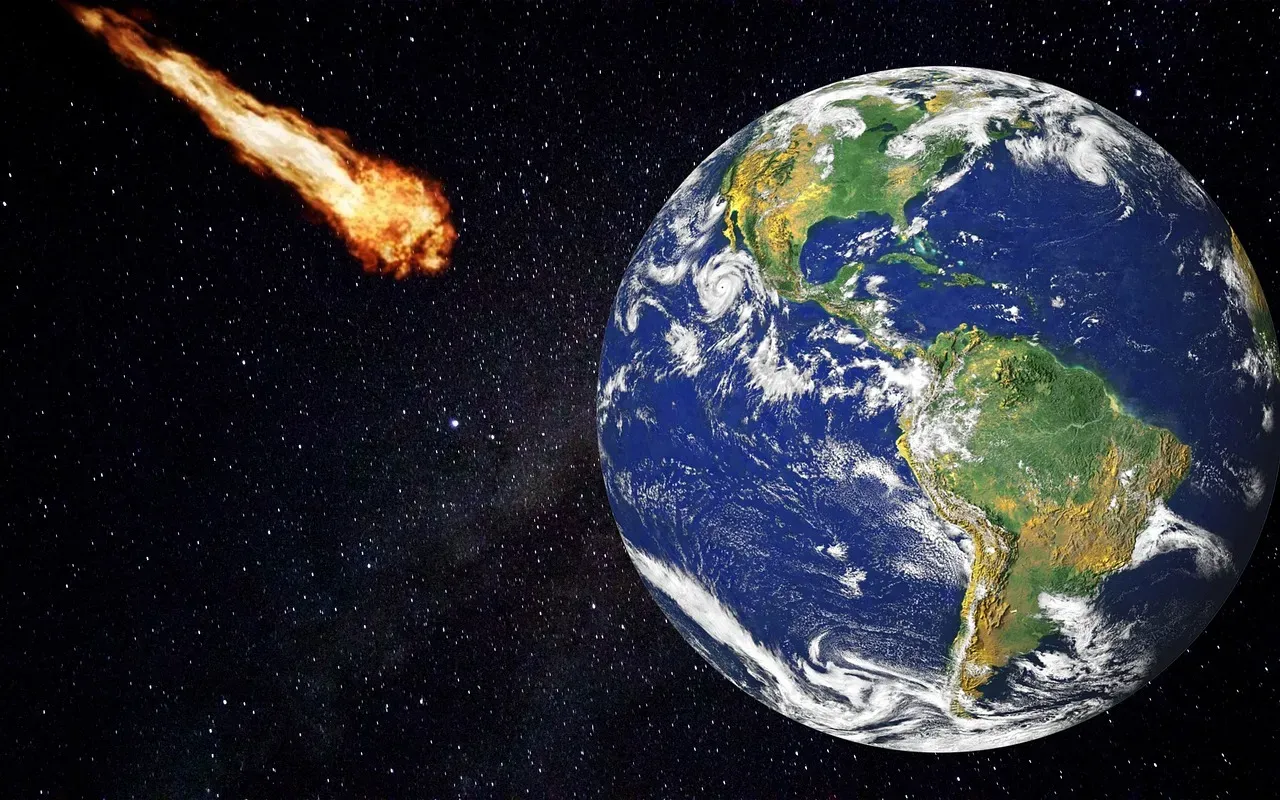
Let’s be real, this one is the theory that makes people’s eyes go wide. Panspermia proposes that life did not start on Earth at all. Panspermia is the hypothesis that life exists throughout the universe, distributed by cosmic dust, meteoroids, asteroids, comets, and planetoids. The theory argues that life did not originate on Earth, but instead evolved somewhere else and seeded life as we know it.
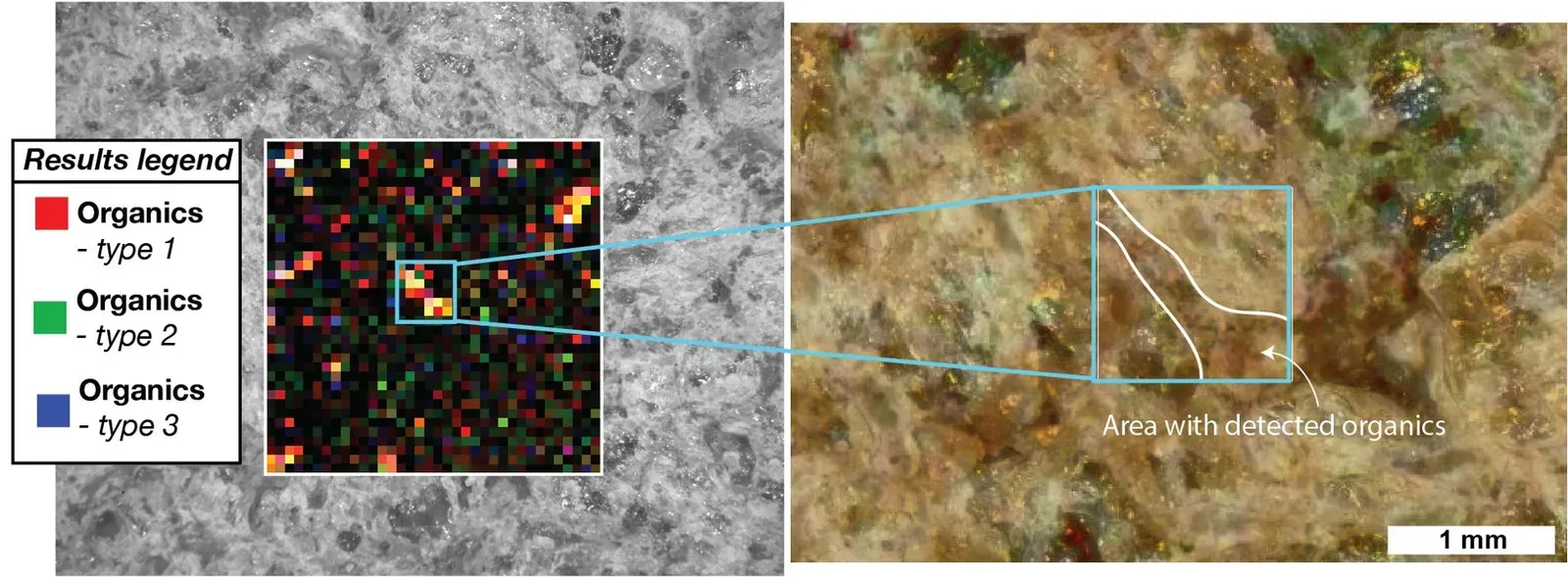
Pseudo-panspermia, also called molecular panspermia, is now well-supported by evidence. This hypothesis suggests that the essential building blocks of life, such as amino acids, nucleobases, and other organic molecules, formed in space and were delivered to Earth. While a lack of compelling evidence left the theory on the fringes of the scientific mainstream for many years, panspermia-related ideas have enjoyed renewed popularity as astronomers and astrobiologists have discovered that organic chemical compounds are far more abundant in deep space than they initially believed. So yes, you might technically be made of stardust in a far more literal sense than the poets ever imagined.
6. Directed Panspermia: What If Someone Sent Life Here on Purpose?
I know it sounds crazy, but stay with me. Directed panspermia takes the cosmic delivery idea one step further and asks: what if life was intentionally seeded on Earth by an intelligent civilization? First proposed in 1972 by Nobel Prize winner Francis Crick along with Leslie Orgel, directed panspermia is the theory that life was deliberately brought to Earth by a higher intelligent being from another planet. Crick and Orgel proposed this as an alternative theory in light of the evidence at the time that it seemed unlikely for an organism to have been delivered to Earth via other forms of panspermia.
While the idea of Earth being terraformed by advanced extraterrestrials might violate Occam’s razor from within mainstream science, directed panspermia, originally proposed by Francis Crick and Leslie Orgel, remains a speculative but logically open alternative. Using advanced mathematical methods, Robert G. Endres of Imperial College London developed a framework indicating that the spontaneous emergence of life may have been far more difficult than previously thought, and his research highlights the immense challenge of generating structured biological information under realistic prebiotic conditions, underscoring how unlikely it would have been for the first living cell to appear naturally. That’s enough to at least keep the conversation going.
7. The Iron-Sulfur World: Chemistry Born in Fire and Metal
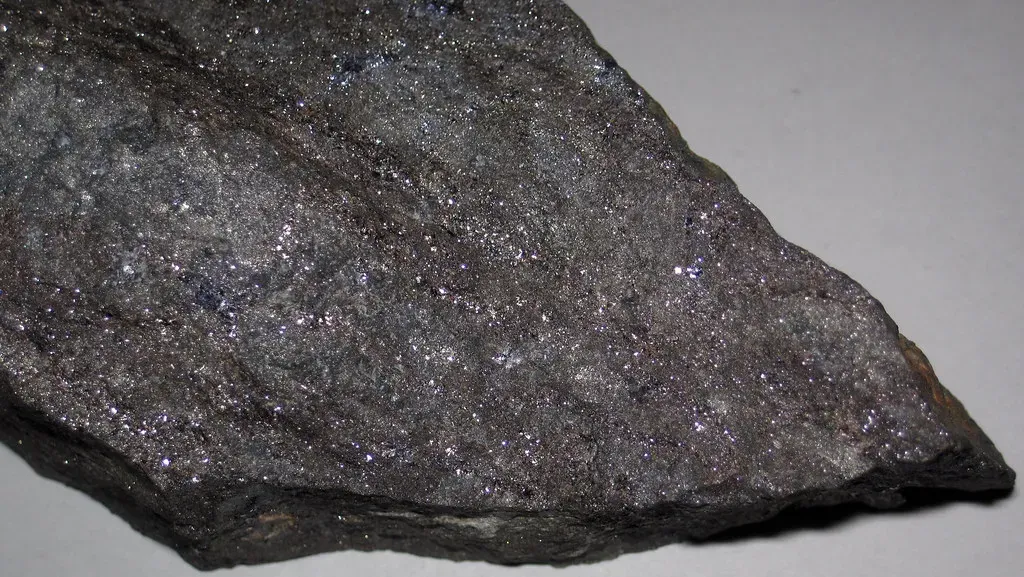
If you think the warm pond scenario is dramatic, meet the iron-sulfur world hypothesis. This one proposes that life began not in water, but on the surfaces of iron and sulfur-rich minerals deep inside volcanic hydrothermal systems. The iron-sulfur world hypothesis is a set of proposals for the origin of life and early evolution advanced by Günter Wächtershäuser, a Munich patent lawyer with a degree in chemistry, and the hypothesis proposes that early life may have formed on the surface of iron sulfide minerals.
In contrast to the classical Miller experiments, which depend on external sources of energy such as simulated lightning or UV irradiation, “Wächtershäuser systems” come with a built-in source of energy, sulfides of iron and other minerals such as pyrite. The energy released from redox reactions of these metal sulfides is not only available for the synthesis of organic molecules, but also for the formation of oligomers and polymers. It is therefore hypothesized that such systems may be able to evolve into autocatalytic sets of self-replicating, metabolically active entities that would predate the life forms known today. It’s a remarkably self-contained system, life fueling itself from minerals, no sunlight required.
8. The Clay Hypothesis: Did Crystals Teach Life How to Copy Itself?
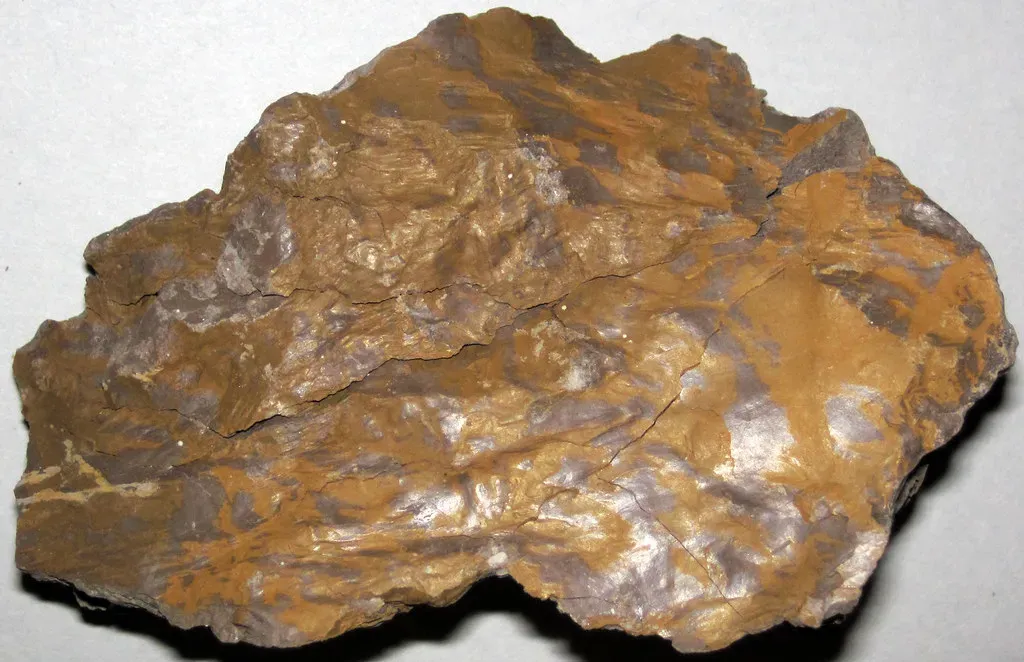
This one might be the strangest idea on this entire list, and that’s saying something. The clay hypothesis suggests that life’s earliest “genetic” replication was not done by DNA or RNA at all, but by tiny silicate mineral crystals. The clay hypothesis was proposed by Graham Cairns-Smith in 1985, and it postulates that complex organic molecules arose gradually on pre-existing, non-organic replication surfaces of silicate crystals in contact with an aqueous solution. The clay mineral montmorillonite has been shown to catalyze the polymerization of RNA in aqueous solution from nucleotide monomers, and the formation of membranes from lipids.
This model stated that clay minerals could have served as an initial hereditary material that could replicate itself via crystallization. Such clay-based living systems could have the ability to fix carbon and nitrogen, harness sunlight, and also synthesize biomolecules. The model hypothesized that during later stages of development, these clay-based living systems could have used organic molecules in the environment to produce genes. It’s a bold idea, essentially proposing that rocks learned to copy themselves before biology stepped in to take over. Wild? Absolutely. But there’s enough experimental support to keep it alive.
9. The Metabolism-First Hypothesis: Function Before Information
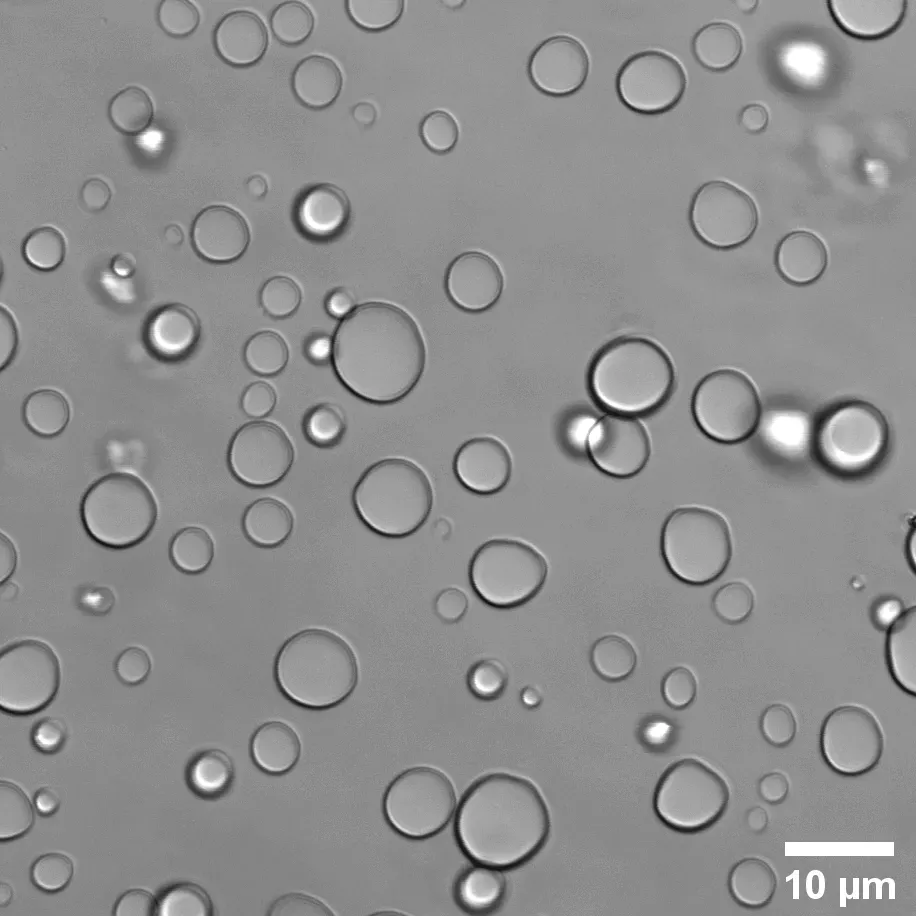
Most people assume life started when something managed to copy itself, genes first. The metabolism-first camp flips that entirely on its head. The metabolism-first hypothesis proposes that early Earth was abundant with simple chemicals that could have produced biomolecules needed for life through a series of catalytic reactions. One of the earliest theories supporting this hypothesis is the coacervate theory first proposed by Russian biochemist Alexander I. Oparin in 1924.
The coacervate theory proposes that iron carbides react with water vapor to form hydrocarbons, which upon oxidation can form compounds like alcohols, aldehydes, and other chemicals. These compounds can further react with ammonia to form amines, amides, and other ammonia products, which can function as protein precursors and aggregate to form small colloidal droplets called coacervates. These coacervates are distinct liquid phases within aqueous media, and can help encapsulate essential biomolecules and functionalities into closed compartments, forming a very primitive form of a cell. Think of it like the engine of a car starting before the navigation system is even installed. Life, in this view, was functional before it was informational.
10. The Hybrid and Protocell Models: When Science Stops Arguing and Starts Combining
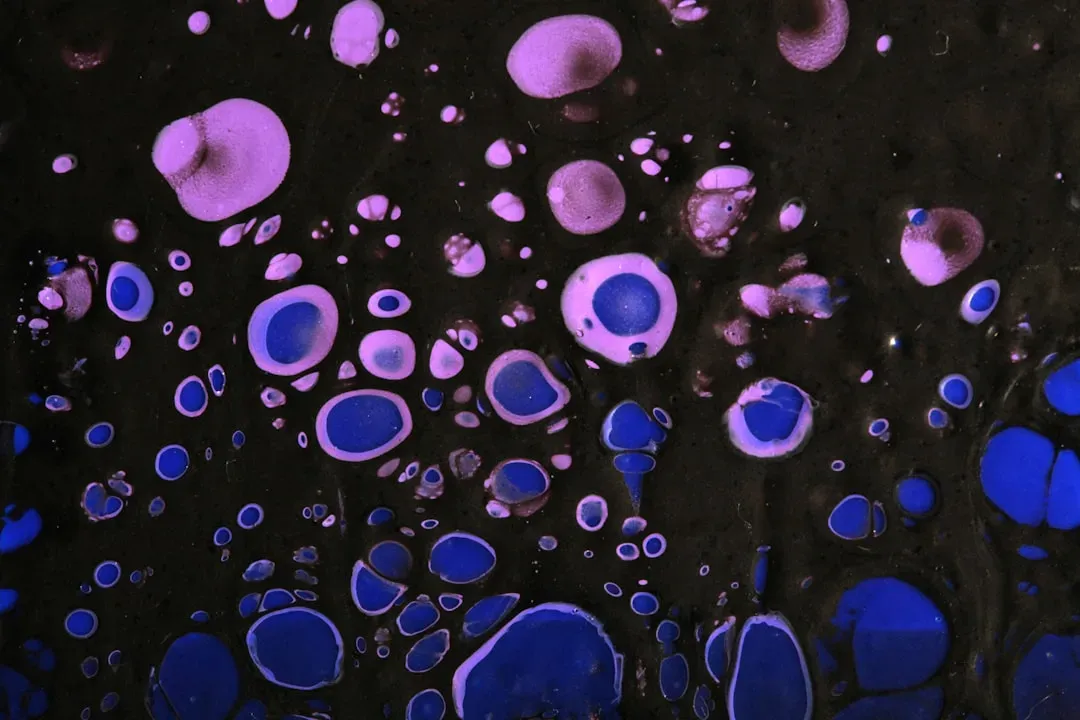
Here’s where things get genuinely exciting. In 2026, the cutting edge of origin-of-life research is not about picking a winning theory. It’s about combining the best parts of all of them. One approach unites two prominent origin-of-life theories, the “RNA world,” where self-replicating RNA is proposed to be fundamental, and the “thioester world,” in which thioesters are seen as the energy source for the earliest forms of life. Researchers are also working on building life from the ground up entirely in the lab.
Scientists are pushing to have better generative theories and experiments to rule in or out particular measurements, and on the experimental side, efforts to create life in the lab are converging on the challenge of constructing a minimal, self-sustaining and self-replicating protocellular system. A Harvard research team mixed four non-biochemical but carbon-based molecules with water inside glass vials surrounded by green LED bulbs, and when the lights flashed on, the mixture reacted and formed amphiphiles, molecules with hydrophobic and hydrophilic parts. Life-like behavior from a chemistry set and some holiday lights. You really could not make this stuff up.
Conclusion: The Greatest Mystery Still Has No Answer, and That’s the Point
After walking through these ten extraordinary theories, one thing becomes crystal clear: the origin of life on Earth is not a solved problem. It’s a living, breathing area of scientific debate where new evidence constantly reshapes the conversation. Investigations into the origin of life confront key issues such as uncovering key constraints and universal features of life, the plausibility of alternative biochemistries, and the transition from purely chemical systems to information-bearing, evolvable entities.
The honest truth is, it’s hard to say for sure which theory, if any, is closest to what actually happened four billion years ago on this tiny, turbulent planet. What you can say is that each theory reflects something deeply human: the relentless need to understand where we came from. Whether life bubbled up from a primordial pond, hitched a ride on a comet, or bootstrapped itself out of iron and sulfur, the result is the same. You are here. Reading this. Wondering.
Perhaps the most profound takeaway is not which theory is right, but the fact that so many brilliant, creative minds keep asking the question at all. The study of life’s origins reminds us that some of the universe’s greatest mysteries still await solutions, and that combining mathematical precision with biological questions can reveal new depths to age-old puzzles about our existence. So, which theory surprised you the most? Drop your thoughts in the comments – the conversation is just getting started.