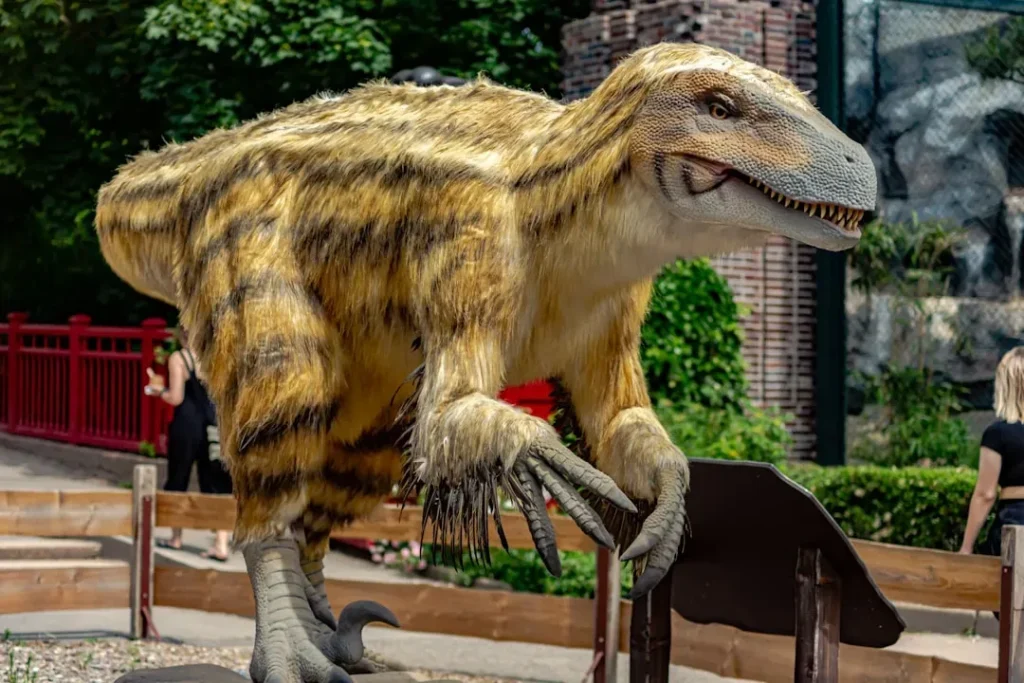
Picture this: a massive, terrifying predator charging across a Cretaceous landscape, feathers rippling across its body like a bizarre, prehistoric fashion statement. It sounds almost absurd, right? Yet the idea that feathers predated flight by millions of years is one of the most jaw-dropping revelations in all of modern paleontology. Feathers predate birds, having first belonged to extinct dinosaurs. So what exactly were they for?
In the 1990s, the first fossilized feathers were found in extinct dinosaurs, but almost 30 years later, many questions remain about these distinctive features. Scientists have come up with a seriously impressive and sometimes wildly surprising list of theories to explain how and why these ancient creatures grew what we once thought was a purely avian invention. Be ready to have your assumptions flipped upside down.
Theory 1: Keeping Warm Was the First Priority
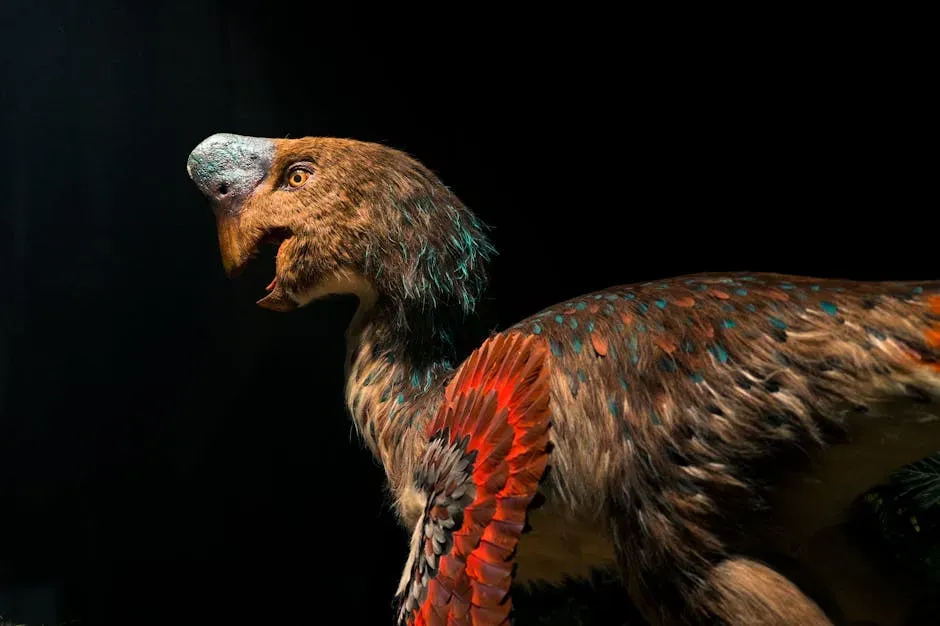
You might think flight was the obvious reason feathers ever appeared. Honestly, that makes intuitive sense. But here’s the thing: flight can be quickly discarded as a driver, since the simple filamentous feathers of early dinosaurs would have been aerodynamically useless. The earliest feathers were more like fuzzy bristles than elegant wings.
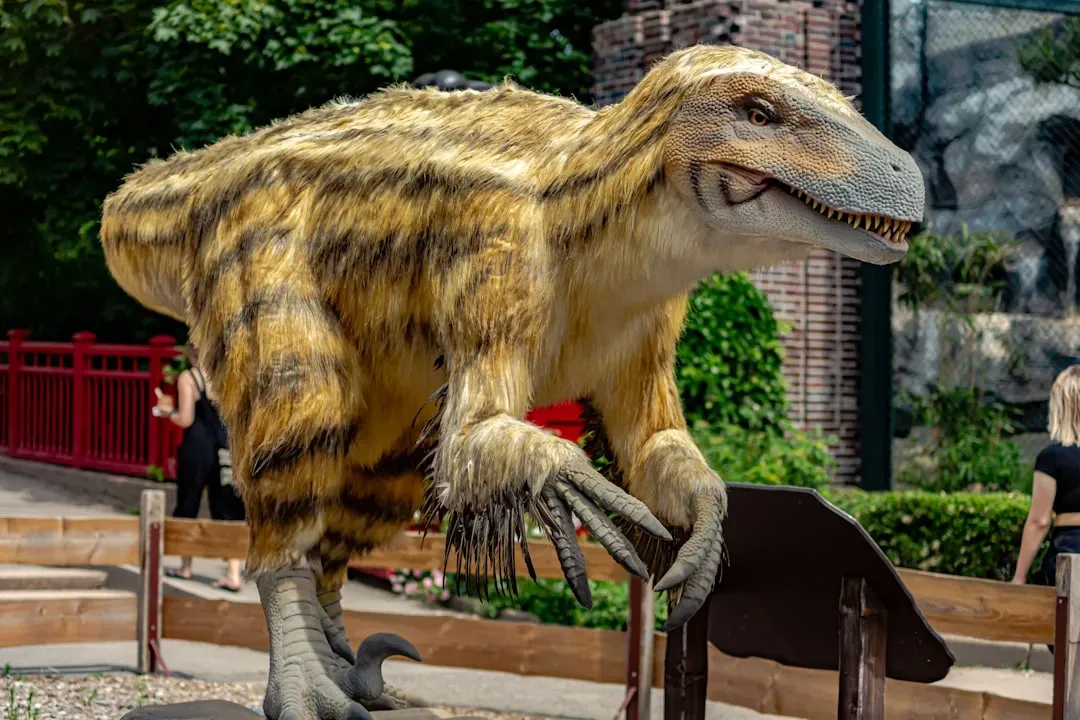
Thermoregulation is the most popular explanation for the function of early feathers, a hypothesis that is all the more attractive because the first dinosaurs recognized as feathered were small. At a glance, the filamentous feathers of non-coelurosaurs resemble mammalian fur and the down of modern birds, and probably had similar efficiency as insulation. For small and active species such as Sinosauropteryx, the thermoregulatory benefits of a full coating of fuzzy feathers are evident. Think of it like a tiny dinosaur wearing a natural puffer jacket, because sometimes survival is just about staying warm enough to hunt another day.
Theory 2: Sexual Selection and the Art of Seduction
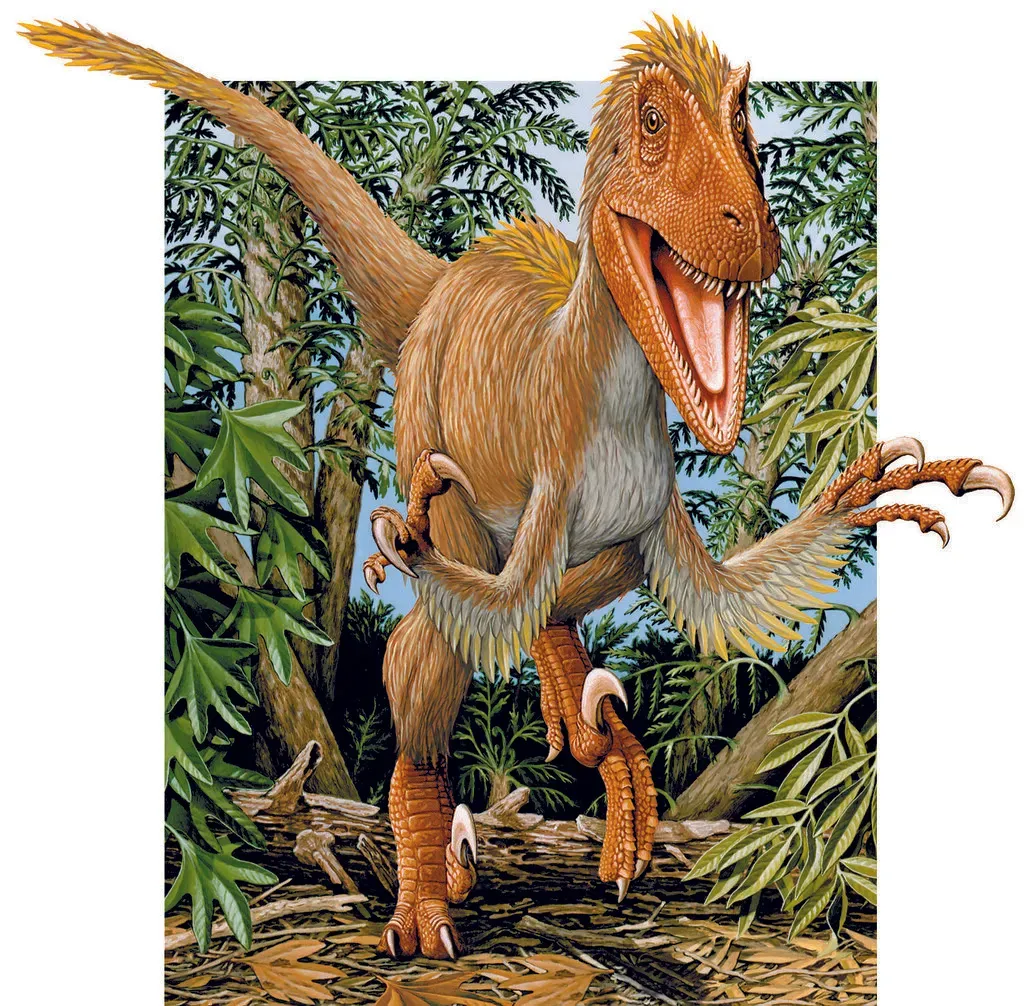
There is an increasing body of evidence that supports the display hypothesis, which states that early feathers were colored and increased reproductive success. Coloration could have provided the original adaptation of feathers, implying that all later functions of feathers such as thermoregulation and flight were co-opted. This hypothesis has been supported by the discovery of pigmented feathers in multiple species. Let’s be real, nature has always been obsessed with showing off.
Researchers have postulated that these ancient reptiles had a highly developed ability to discern color, and that the evolution of feathers made dinosaurs more colorful, which in turn had a profoundly positive impact on communication, the selection of mates, and on dinosaurs’ procreation. Some specimens even have iridescent feathers, and pigmented and iridescent feathers may have provided greater attractiveness to mates, providing enhanced reproductive success when compared to non-colored feathers. The peacock, it seems, is just carrying on a very, very ancient tradition.
Theory 3: Proto-Feathers as Sensory Organs
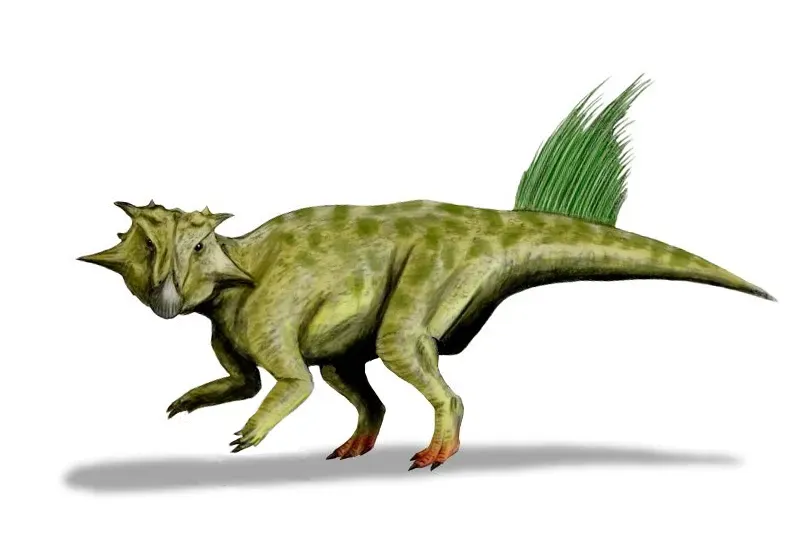
While problematic for a thermoregulatory origin of feathers, a small number of feathers would fit perfectly with the recently revived tactile hypothesis. Many modern birds have rictal bristles, which are stiff, shaft-dominated feathers connected with mechanoreceptors that allow them to serve a tactile function. Additionally, bristles near the eyes and nose openings serve as eyelashes to shield the eye and nose from debris. Imagine your skin suddenly developing tiny motion sensors. Strange? Yes. Evolutionarily useful? Absolutely.
In theory, a small number of cranial tactile bristles may represent the ancestral distribution of feathers. The tactile hypothesis for feather origins is compelling, but at present no fossil evidence of dinosaurs or other non-avian archosaurs with rictal bristles has come to light. It’s a frustrating gap in the record, but that absence of evidence isn’t necessarily evidence of absence. Soft tissues, after all, rarely survive millions of years of geological pressure.
Theory 4: Egg Brooding and the Devoted Dinosaur Parent
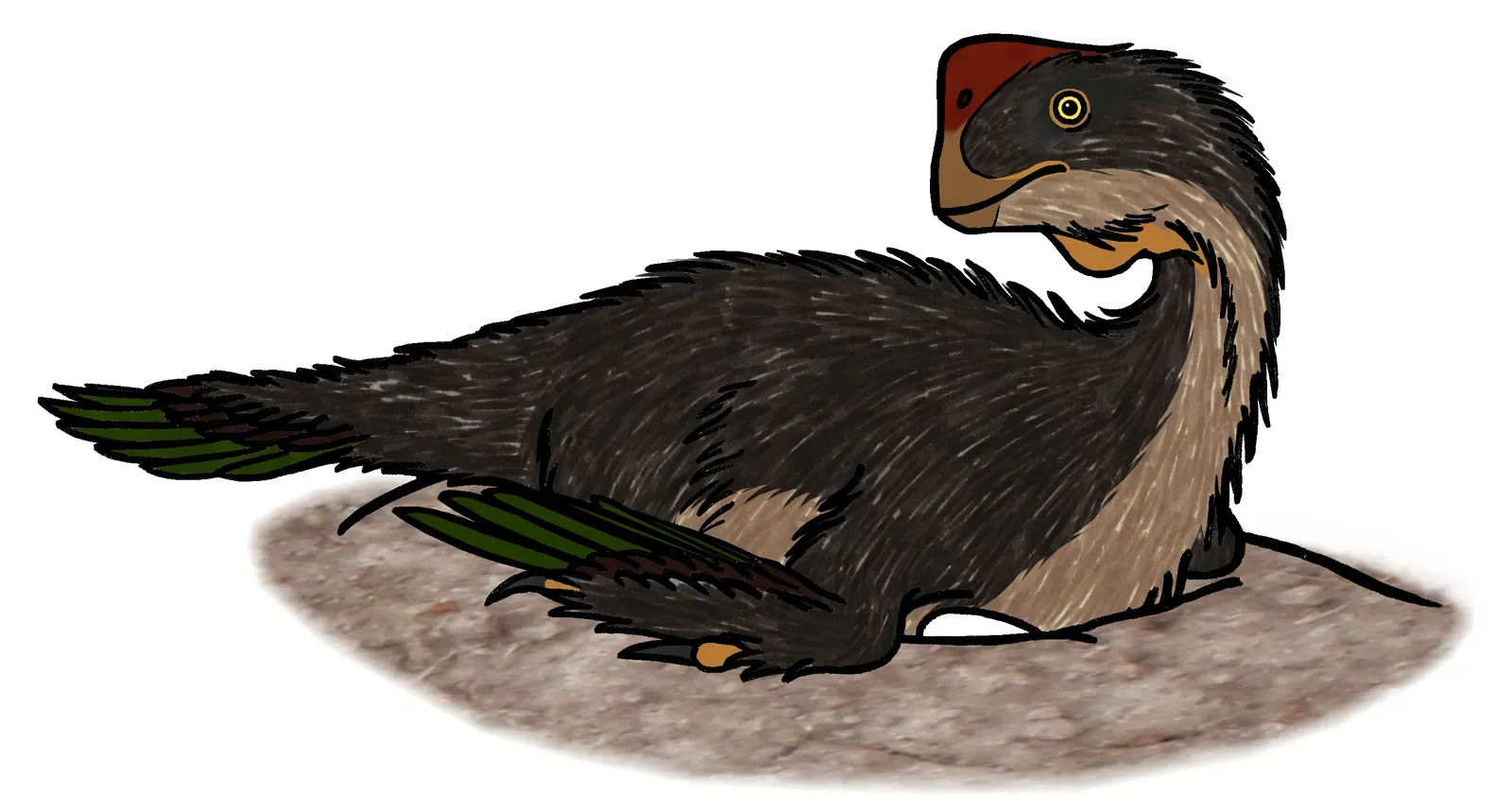
Here’s one that might genuinely warm your heart. A study of oviraptorid pennaceous wing feathers and nesting posture suggests that elongated wing feathers may have served to fill gaps between brooding individuals’ insulatory body chamber and the outside environment, and this wall of wing feathers could have shielded eggs from temperature extremes. Some dinosaurs, it turns out, may have been remarkably tender parents.
One suggestion comes from remarkable fossils of oviraptorosaurs preserved in the Cretaceous sediments of the Gobi Desert, where the skeleton of the animal is hunched up on a nest of eggs like a brooding chicken. The hands are spread out over the eggs as if to shelter them, suggesting that perhaps these feathers served the function of warming the eggs and shielding them from harm. Oviraptorosaurians were clearly flightless, which suggests that incipient wings originally served some non-aerodynamic function such as display or covering clutches during brooding.
Theory 5: The Color Vision Connection
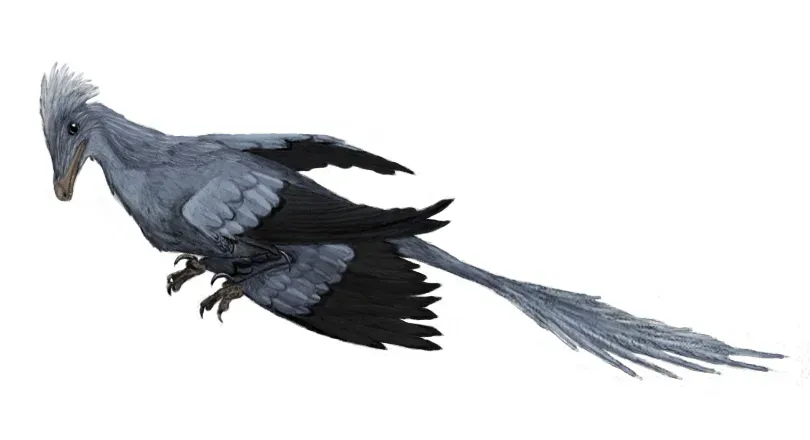
This one is genuinely mind-bending. Researchers postulate that these ancient reptiles had a highly developed ability to discern color, and that the evolution of feathers made dinosaurs more colorful, which in turn had a profoundly positive impact on communication, the selection of mates, and on dinosaurs’ procreation. You can think of this almost like the ancient equivalent of developing social media, where visibility became a survival strategy.
Mammals generally have rather poor color vision or even no color vision at all because they tended to be nocturnal during the early stages of their evolution. In contrast, numerous studies on the social behavior and choice of mates among reptiles and birds, which are active during the day, have shown that information transmitted via color exerts an enormous influence on those animals’ ability to communicate and procreate successfully. Dinosaurs may have been masters of visual communication long before flight ever entered the picture.
Theory 6: Feathers as a Tool for Camouflage
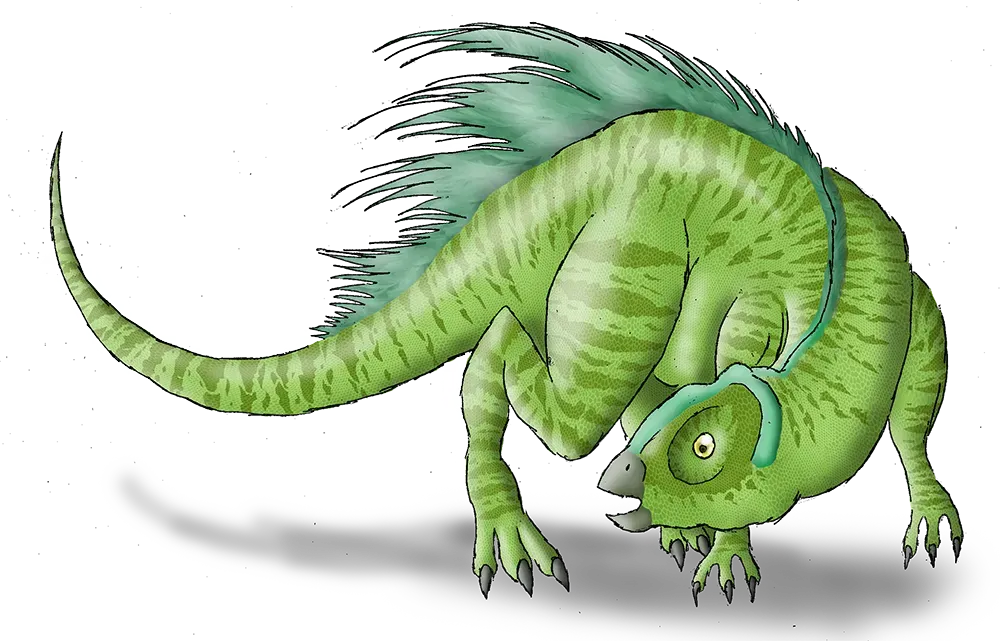
The vital functions of feathers include, among others, detection of tactile stimuli, inter- and intraspecific communication and signalling, thermal insulation and shielding, waterproofing, nest construction, brooding, protection from parasites, and camouflage. While you might not immediately picture a Velociraptor hiding in the undergrowth, camouflage is a theory that keeps getting harder to dismiss.
Small theropods related to Compsognathus such as Sinosauropteryx probably evolved the first feathers. These short, hair-like feathers grew on their heads, necks, and bodies and provided insulation. The feathers seem to have had different color patterns as well, although whether these were for display, camouflage, species recognition, or another function is difficult to tell. It’s hard to say for sure which function came first, but the complexity of those early color patterns suggests something far more sophisticated than random chance.
Theory 7: A Shared Ancient Ancestor for Feathers and Pterosaurs
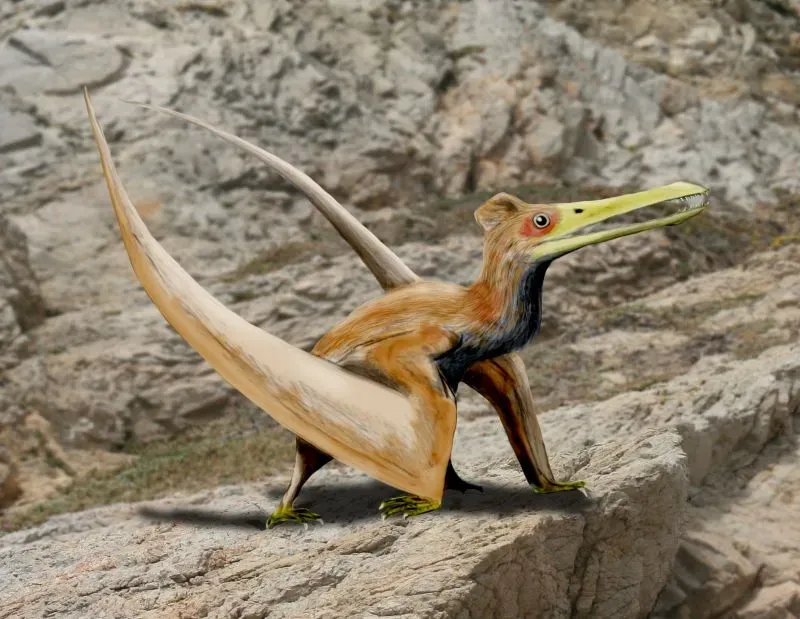
Now things get genuinely strange. Theories suggest feathers may have evolved in a common ancestor of dinosaurs and pterosaurs, or independently in theropods. If the first theory is correct, feather-like structures could be far, far older than most of us have ever imagined, predating the entire dinosaur family tree as we know it.
These primitive proto-feather structures, composed of a single tubular filament, emerged around 200 million years ago in certain dinosaurs. Paleontologists continue to discuss the possibility of their even earlier presence in the common ancestor of dinosaurs and pterosaurs around 240 million years ago. That’s a span of time so enormous that it makes human history feel like a brief lunch break. I think that possibility alone should make you rethink everything you thought you knew about these creatures.
Theory 8: Feathers Grew in Zones, Not All at Once
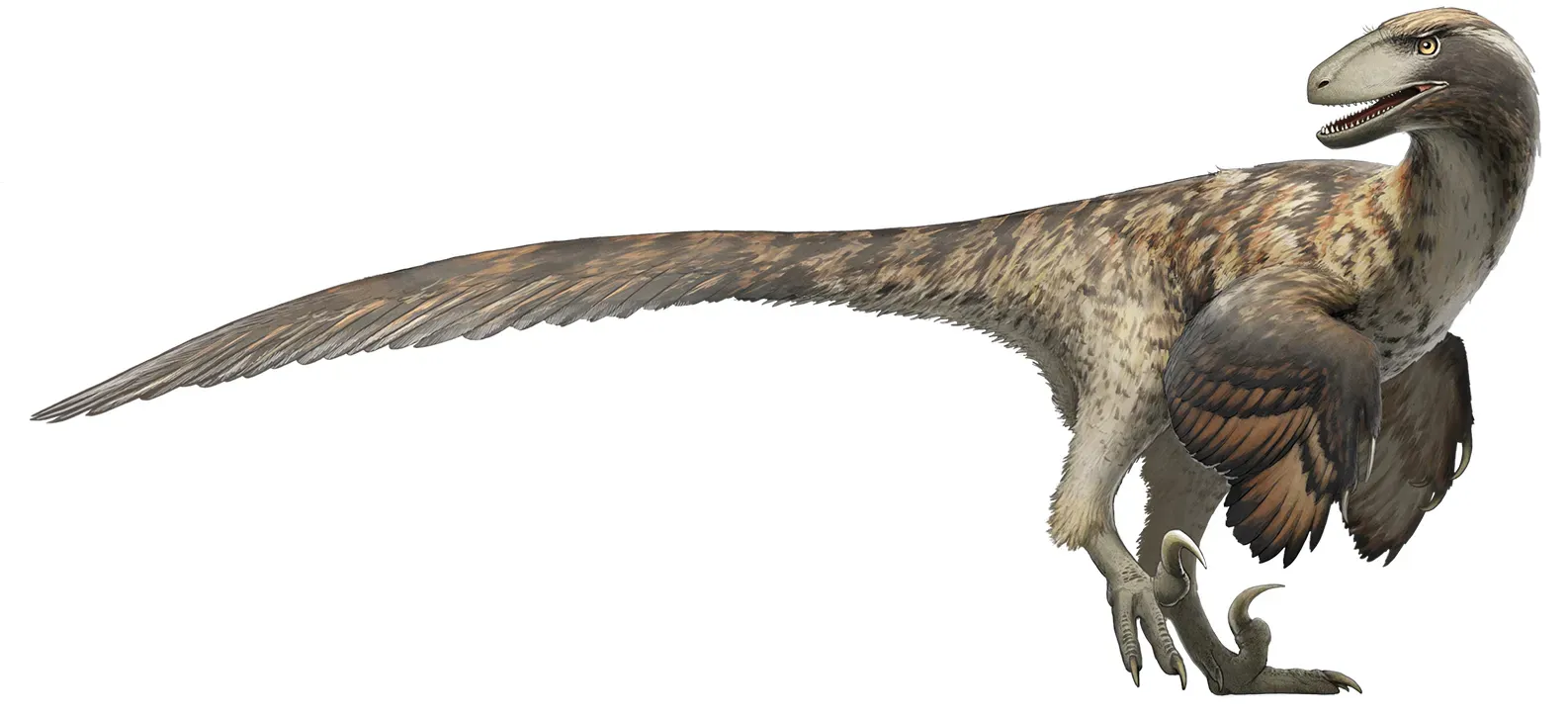
One of the most recent and genuinely shocking discoveries completely reframed how scientists think the transition from scales to feathers actually happened. Research suggests that soft, bird-like skin initially developed only in feathered regions of the body, while the rest of the skin was still scaly, like in modern reptiles, and this zoned development would have maintained essential skin functions such as protection against abrasion, dehydration, and parasites. It’s less of a sudden transformation and more like a slow, strategic renovation of the body.
The first dinosaur to experiment with feathers could therefore survive and pass down the genes for feathers to their offspring. The evolution of feathers is associated with the evolution of related skin microstructures, and researchers demonstrate that Psittacosaurus, a non-avian feathered dinosaur, retained scaled skin like its ancestors in body regions lacking feathers. So the transition wasn’t a dramatic overnight switch. It was, in its own quiet way, a biological compromise that allowed early experiments with feathers to survive long enough to stick.
Theory 9: The Molecular Switch That Started It All
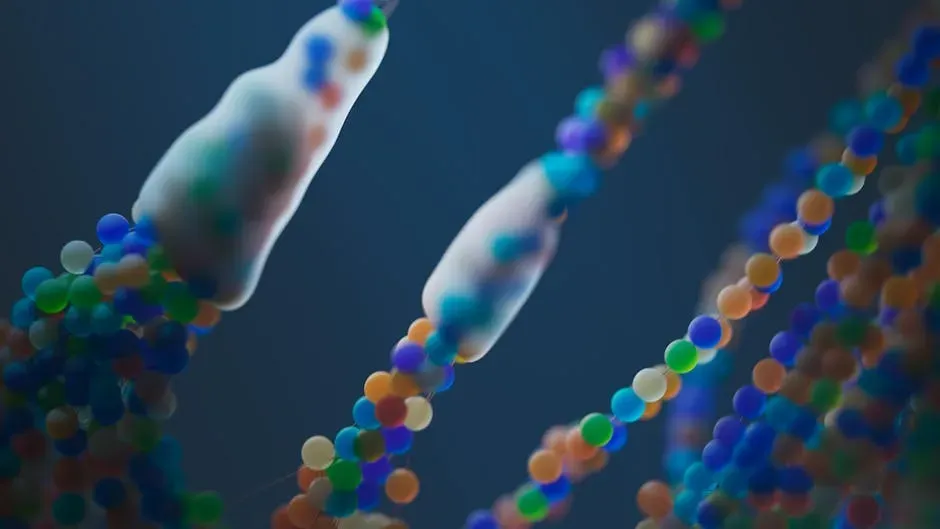
This theory comes at the question from a completely different angle, one rooted not in fossils but in genetics. Researchers from the University of Geneva have uncovered a key role of a molecular signalling pathway called the Shh pathway in feather formation, and this research provides new insights into the morphogenetic mechanisms that led to feather diversification throughout evolution. Essentially, a single biological switch may have set the entire feather revolution in motion.
In a previous study, Swiss scientists stimulated the Shh pathway by injecting an activating molecule into the blood vessels of chicken embryos and observed the complete and permanent transformation of scales into feathers on the bird’s feet. Their experiments show that while a transient disturbance in the development of foot scales can permanently turn them into feathers, it is much harder to permanently disrupt feather development itself, and clearly, over the course of evolution, the network of interacting genes has become extremely robust, ensuring the proper development of feathers even under substantial genetic or environmental perturbations. The implication is striking: feathers, once they appeared, were almost designed by evolution to stay.
Theory 10: Large Dinosaurs May Have Actually Lost Their Feathers
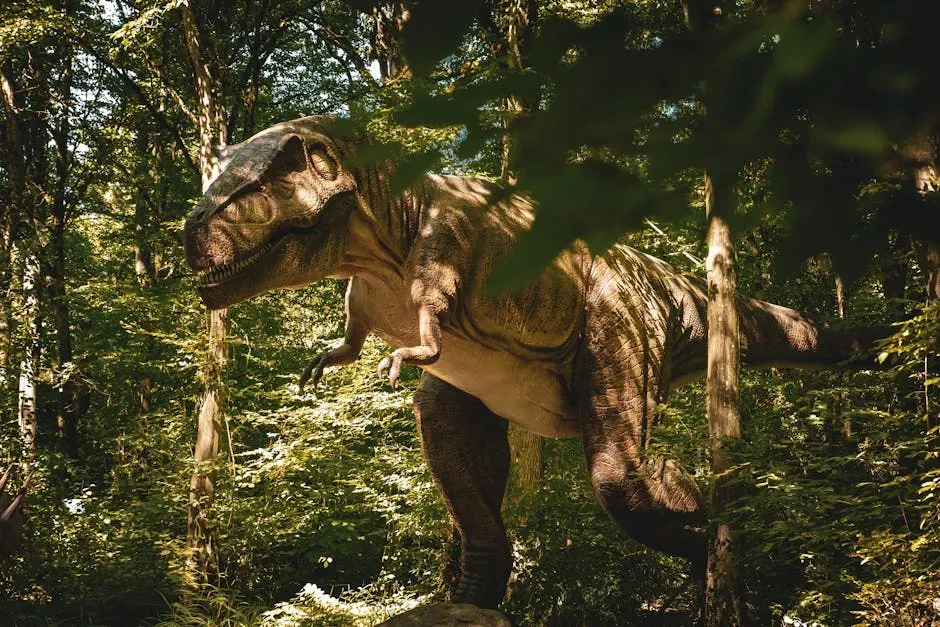
Here’s the twist almost nobody talks about. Not only did some dinosaurs gain feathers, but some may have actually lost them over time. One particularly compelling hypothesis is that large taxa such as tyrannosaurs and sauropods may have lost feathers due to selection for more efficient body cooling, analogous to the near-complete loss of hair in large mammals such as elephants or rhinos. Think about that. The most famous dinosaurs in history might have been secondarily naked, not primitively scaly.
It is interesting that all three known feathered ornithischians and most known feathered theropods were small animals. Another possible factor in feather loss may have been the evolution of extensive bony armor, and large swathes of formerly feathered areas would have been eliminated in armored ankylosaurs as armor plates expanded to cover much of the body. So the story of dinosaur feathers isn’t just about gaining a new feature. It’s also about some lineages discarding it entirely when it stopped making sense for their size and lifestyle.
Conclusion: The Question That Still Haunts Paleontology
Every single one of these theories adds a new layer of complexity to an already astonishing story. Feathers didn’t appear because dinosaurs wanted to fly. They appeared for reasons that were immediate, practical, and deeply tied to survival, reproduction, and biology at the molecular level. The debate continues over whether all dinosaurs inherited feathers from a common ancestor or whether feathers evolved multiple times in the group, and whether they are exclusive to birds and their closest relatives or more widespread across the reptile family tree. At the moment, the jury’s still out.
An integrative approach combining morphological, developmental, biochemical, and taphonomic data, including extinct and extant taxa, is essential for a clearer understanding of feather origin and evolution. Science is closing in on the answers, but slowly and one stunning fossil at a time. There’s still a lot of work to do until the origin of feathers can be pinned down, and until then, palaeontologists will continue to search the world for the fossils that can finally settle this decades-old debate.
We’ve gone from thinking dinosaurs were slow, scaly reptiles to discovering they were colorful, feathered, and potentially tender parents who brooded their eggs. The next discovery could rewrite everything all over again. Which of these ten theories surprised you the most? Drop your thoughts in the comments below.