Have you ever wondered how ancient reptiles managed to rule our planet for nearly two hundred million years? It’s easy to think of dinosaurs as just big, scary creatures from long ago. Yet the real story is far more fascinating than that. These prehistoric reptiles didn’t just survive by being large or fierce. They developed remarkable evolutionary tricks that gave them an edge over virtually every other form of life on land, sea, and even in the air. Their success wasn’t accidental.
From the Late Carboniferous period through the entire Mesozoic Era, reptiles transformed themselves into ecological powerhouses. They carved out niches in every environment imaginable, developing body plans and biological systems that were utterly revolutionary for their time. Let’s explore the extraordinary adaptations that made these ancient animals the undisputed champions of Earth’s ecosystems.
The Amniotic Egg Revolution
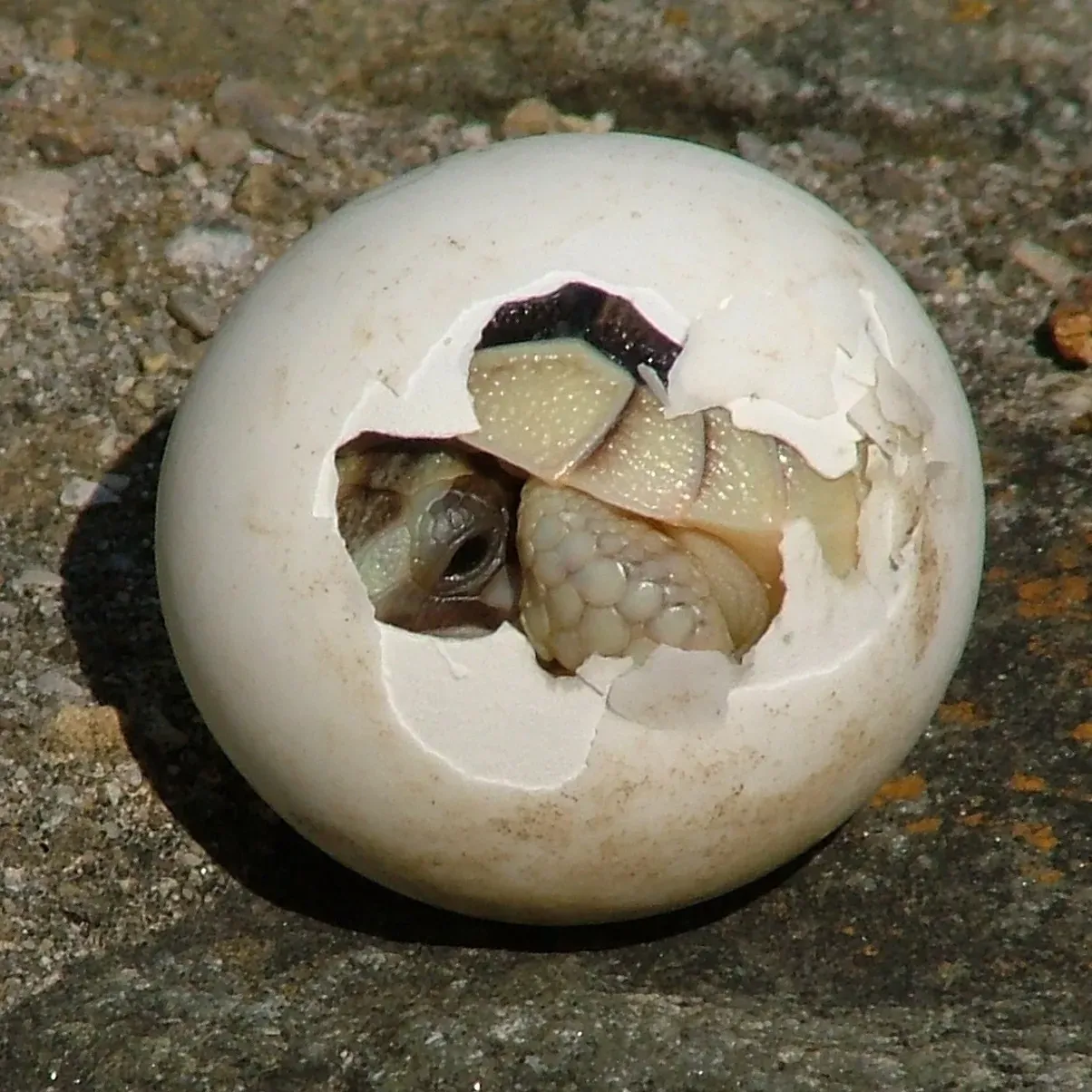
You might not think an egg could change the world, but the amniotic egg did exactly that, allowing reptiles to become the dominant terrestrial vertebrates on Earth for almost 250 million years. Unlike amphibian and fish eggs, reptile eggs were adapted for a wide variety of conditions on dry land, containing an embryo surrounded by a protective amniotic sac and shell. This seemingly simple innovation freed reptiles from the need to return to water for reproduction.
Think about it this way: amphibians were chained to ponds and streams, forced to lay their vulnerable eggs in water. Reptiles broke those chains. The beginning of the reptiles is marked by the appearance of amniote eggs, in which an embryo could develop on land in a protected watery environment without having to pass through the larval stages that are typical of the amphibian life cycle. This adaptation opened up vast new territories for colonization, from arid deserts to mountain ranges, places where amphibians simply couldn’t survive.
Thick Scaly Skin as Armor Against Desiccation
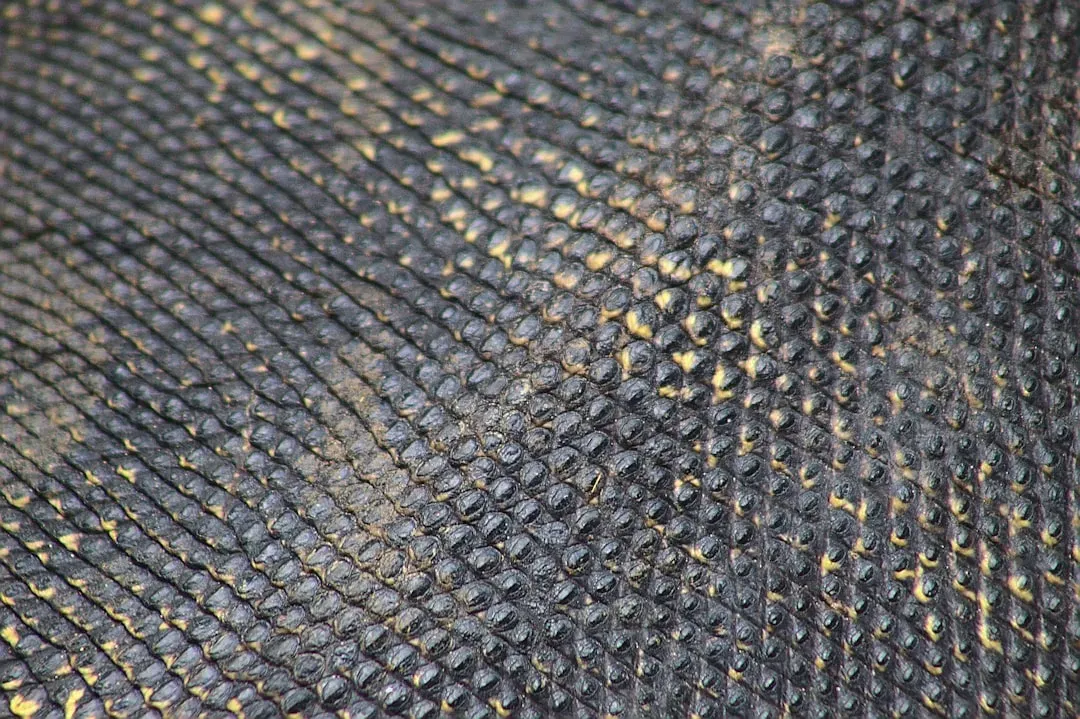
Thick scaly skin was one of several adaptations that allowed reptiles to survive on land and replace amphibians as the dominant terrestrial vertebrates on Earth. While amphibians needed moist skin to breathe and stay hydrated, reptiles evolved something completely different. Reptile skin contains keratin, a water-resistant substance that maintains hydration, and reptiles also have scales to keep in moisture and help avoid skin damage.
This waterproof barrier was a game changer. It allowed ancient reptiles to venture into environments that would have been lethal to their amphibian ancestors. The scales acted like natural body armor, protecting against injury while preventing water loss. Some marine reptiles even took this adaptation further, developing streamlined scales that reduced drag underwater, proving that evolution could fine-tune the same basic feature for radically different purposes.
Fully Developed Lungs From Birth
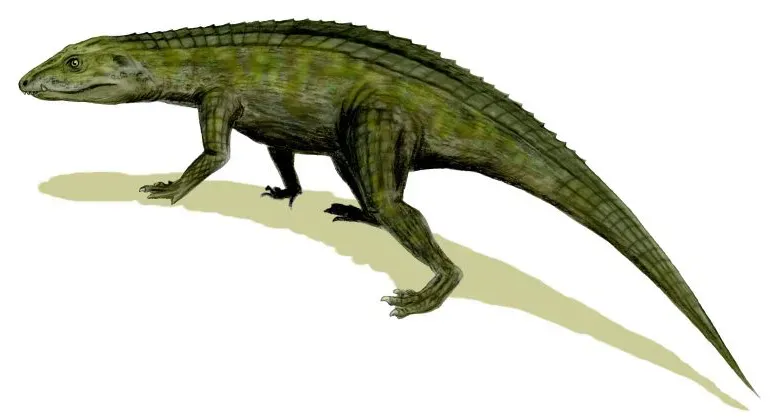
Breathing might seem straightforward, yet for early land vertebrates it was anything but. Adapting lungs in place of gills was a significant step in reptiles’ migration to land, and while amphibians all have gills at some stage in their development, reptiles are born with fully developed lungs. This meant no vulnerable larval stage spent in water, no awkward transition period between aquatic and terrestrial life.
Having functional lungs from the moment of hatching gave young reptiles immediate independence. They could breathe air efficiently right away, allowing them to disperse quickly and exploit resources their amphibian competitors couldn’t access. This respiratory efficiency extended to some dinosaurs as well, which likely possessed air sac systems similar to modern birds, enabling sustained high-speed activity and endurance that other animals simply couldn’t match.
The Upright Stance That Changed Everything
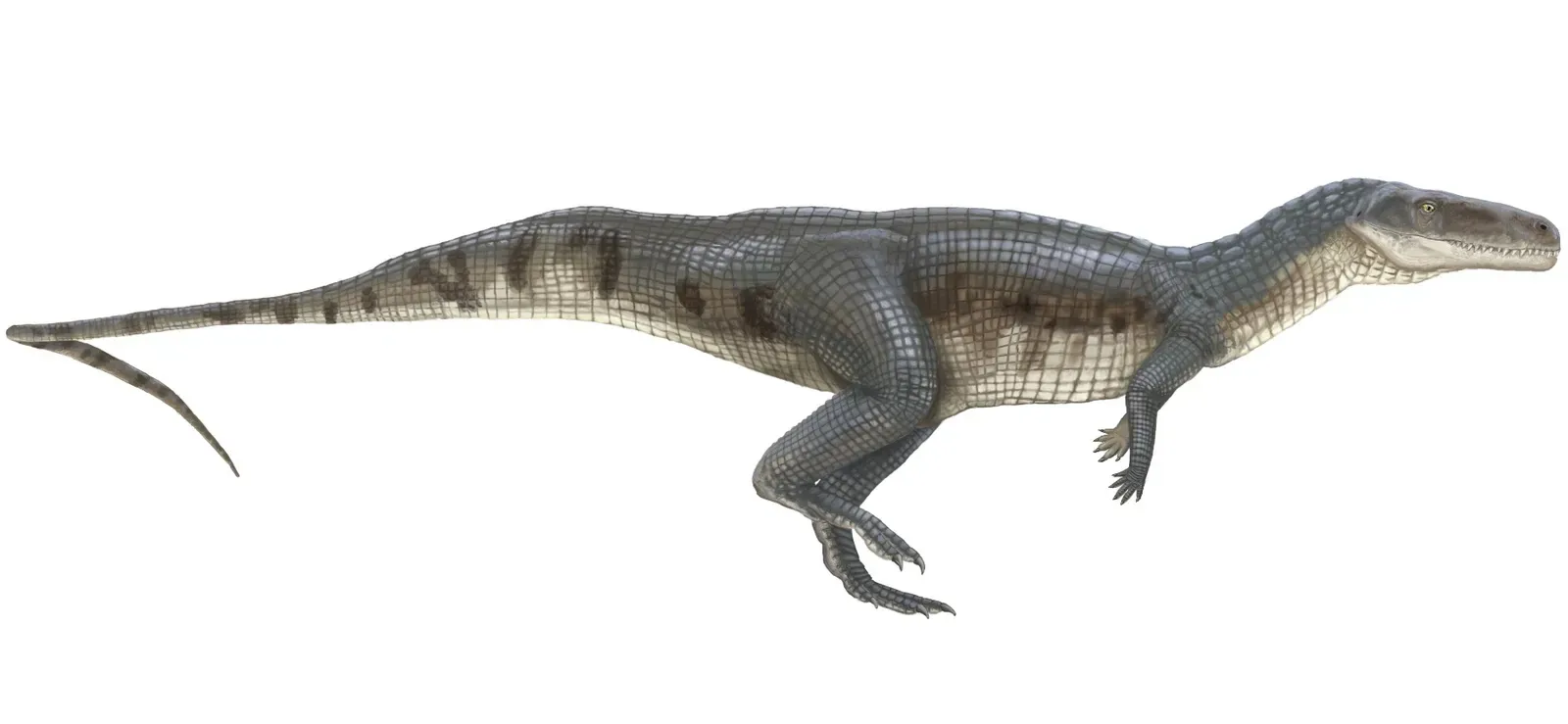
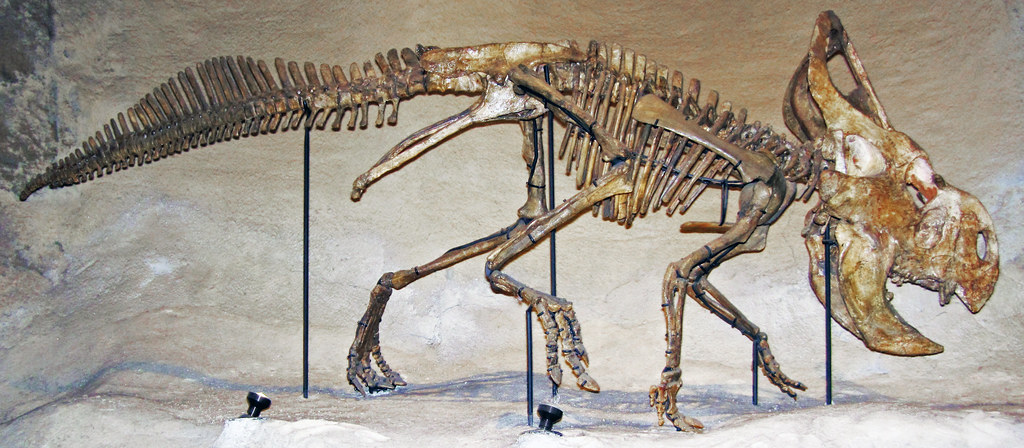
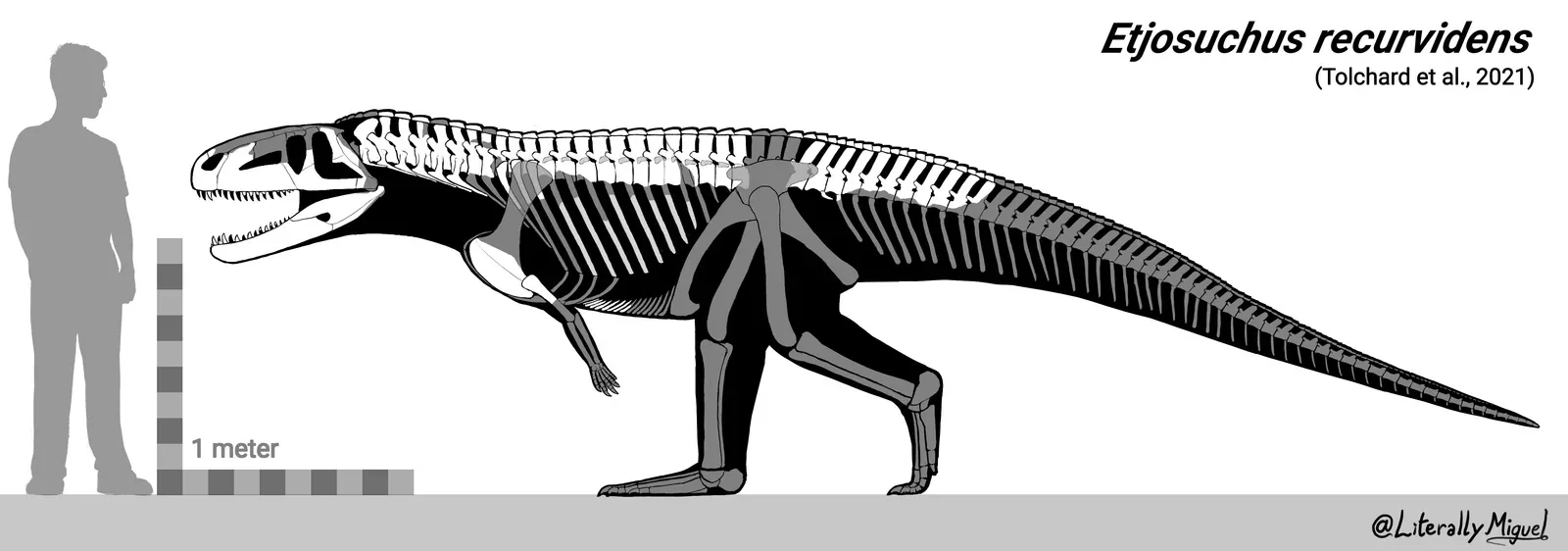
One of the reasons for dinosaurs’ success is that they had straight back legs, perpendicular to their bodies, which allowed them to use less energy to move than other reptiles that had a sprawling stance like today’s lizards and crocodiles. With their legs positioned under their bodies rather than sticking out to the side, dinosaurs’ weight was also better supported.
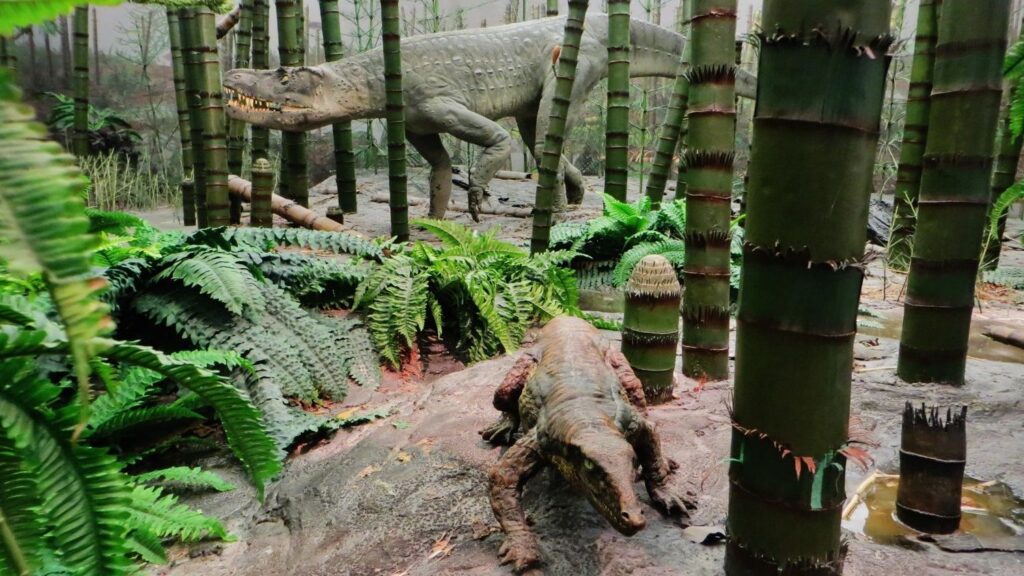
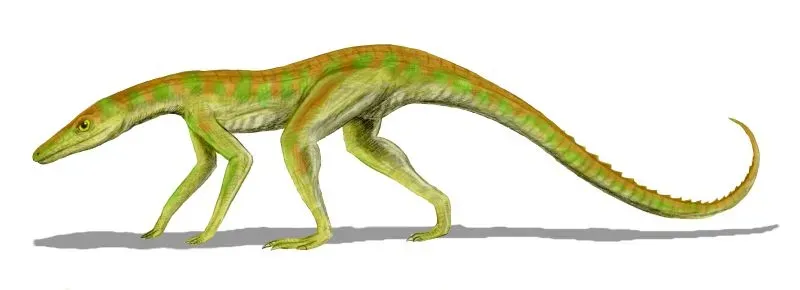
This wasn’t just about efficiency. The upright posture fundamentally changed what these animals could do. They could run faster, grow larger, and maintain activity for longer periods without exhausting themselves. The archosaurs were characterized by elongated hind legs and an erect pose, the early forms looking somewhat like long-legged crocodiles. This biomechanical advantage helped archosaurs outcompete their rivals during the Triassic period, setting the stage for the age of dinosaurs. Some species even became bipedal, freeing their forelimbs for grasping prey or manipulating objects.
Specialized Skull Openings for Powerful Jaws
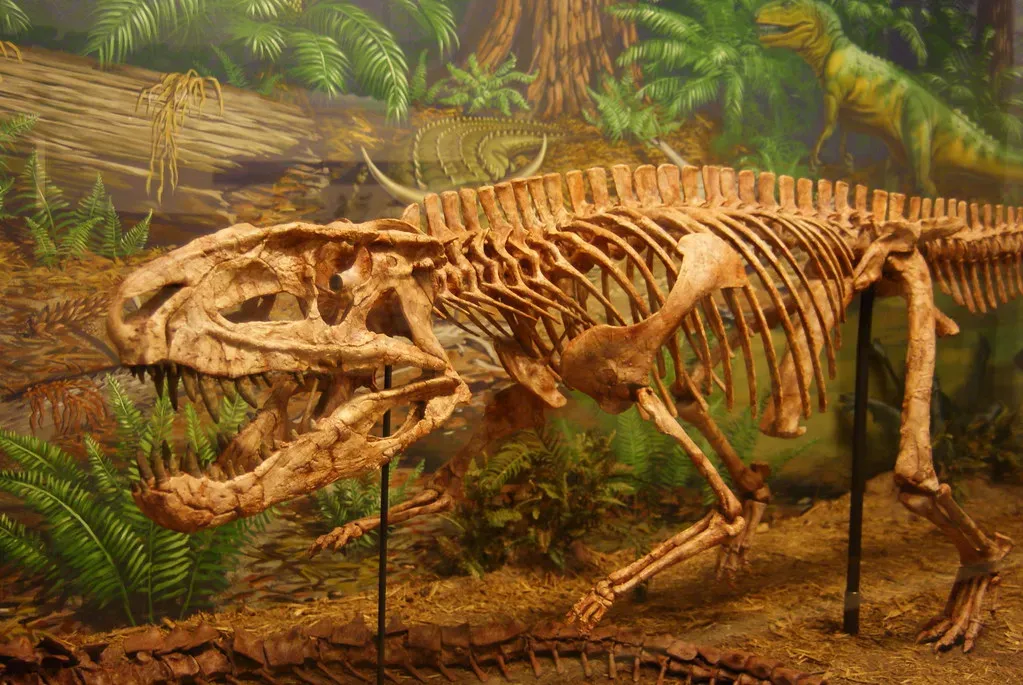
The skulls of ancient reptiles weren’t solid chunks of bone. Dinosaurs had two holes behind the eye socket, and large, strong jaw muscles went through the holes to attach directly to the top of the skull, so the jaws were able to open wide and clamp down with more force. These temporal openings, called fenestrae, gave reptilian predators a devastating bite.
Different reptile lineages evolved different skull configurations. Some had no temporal openings, others had one, and diapsids like dinosaurs had two. Each design offered distinct advantages. The openings reduced skull weight without sacrificing strength, allowed for better muscle attachment sites, and provided space for jaw muscles to bulge during powerful bites. This might sound like a minor anatomical detail, but it made the difference between catching prey and going hungry, between survival and extinction.
Warm-Blooded Metabolism in Marine Giants
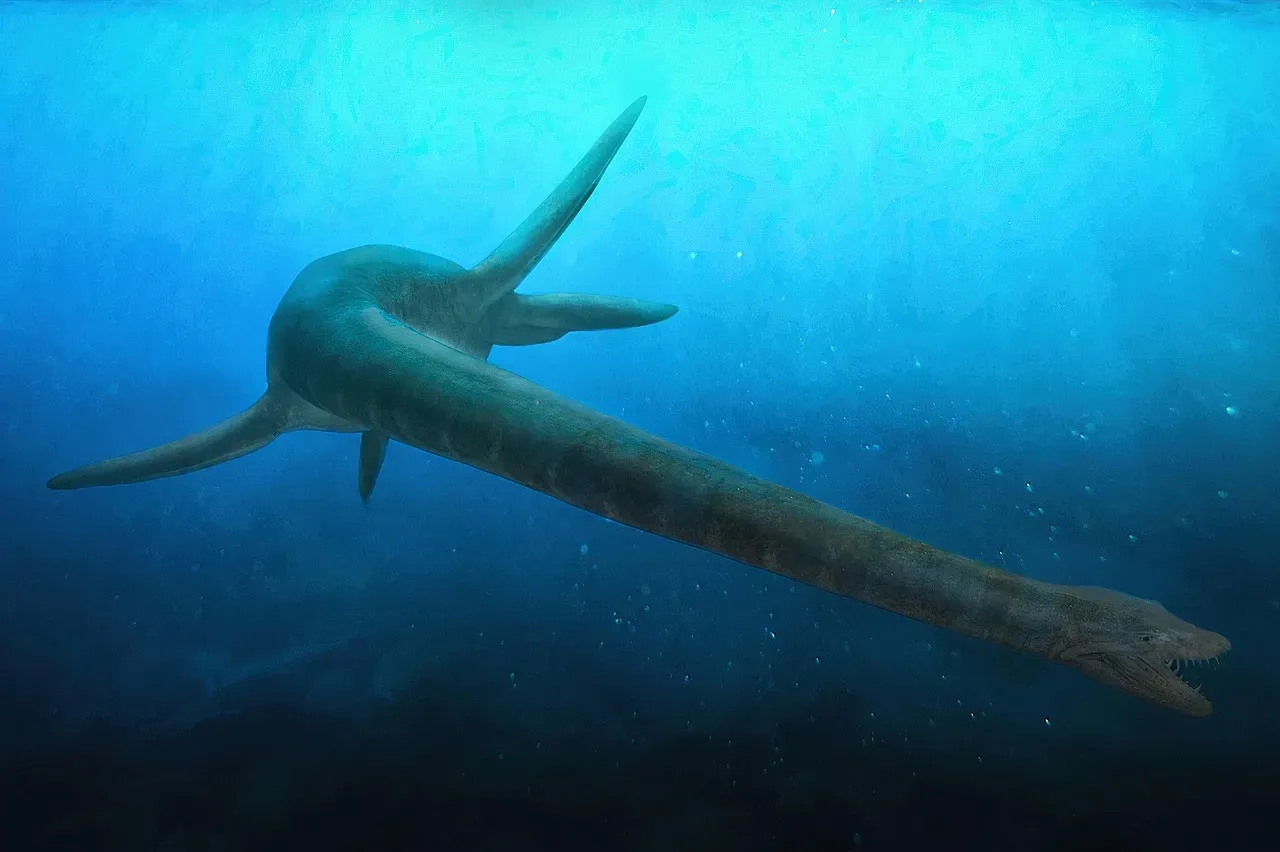
For decades, scientists assumed ancient marine reptiles were cold-blooded sluggish creatures. A 2010 study of extinct marine reptiles compared geochemical proxies for temperature in fossil teeth with those found in the fossils of extinct fish, and researchers found that both ichthyosaurs and plesiosaurs had elevated body temperatures compared with the fish, suggesting the reptiles were likely warm-blooded. This discovery completely changed our understanding of these animals.
Warm-bloodedness meant these marine predators could actively pursue prey rather than waiting in ambush like crocodiles. They could maintain high activity levels in cooler waters, expanding their hunting ranges across vast ocean territories. This is consistent with the idea that they actively pursued prey instead of hunting by ambush as a crocodile does. It’s honestly remarkable that reptiles evolved endothermy independently from mammals and birds, showing that evolution can arrive at similar solutions through entirely different pathways.
Paddle-Shaped Limbs for Aquatic Mastery
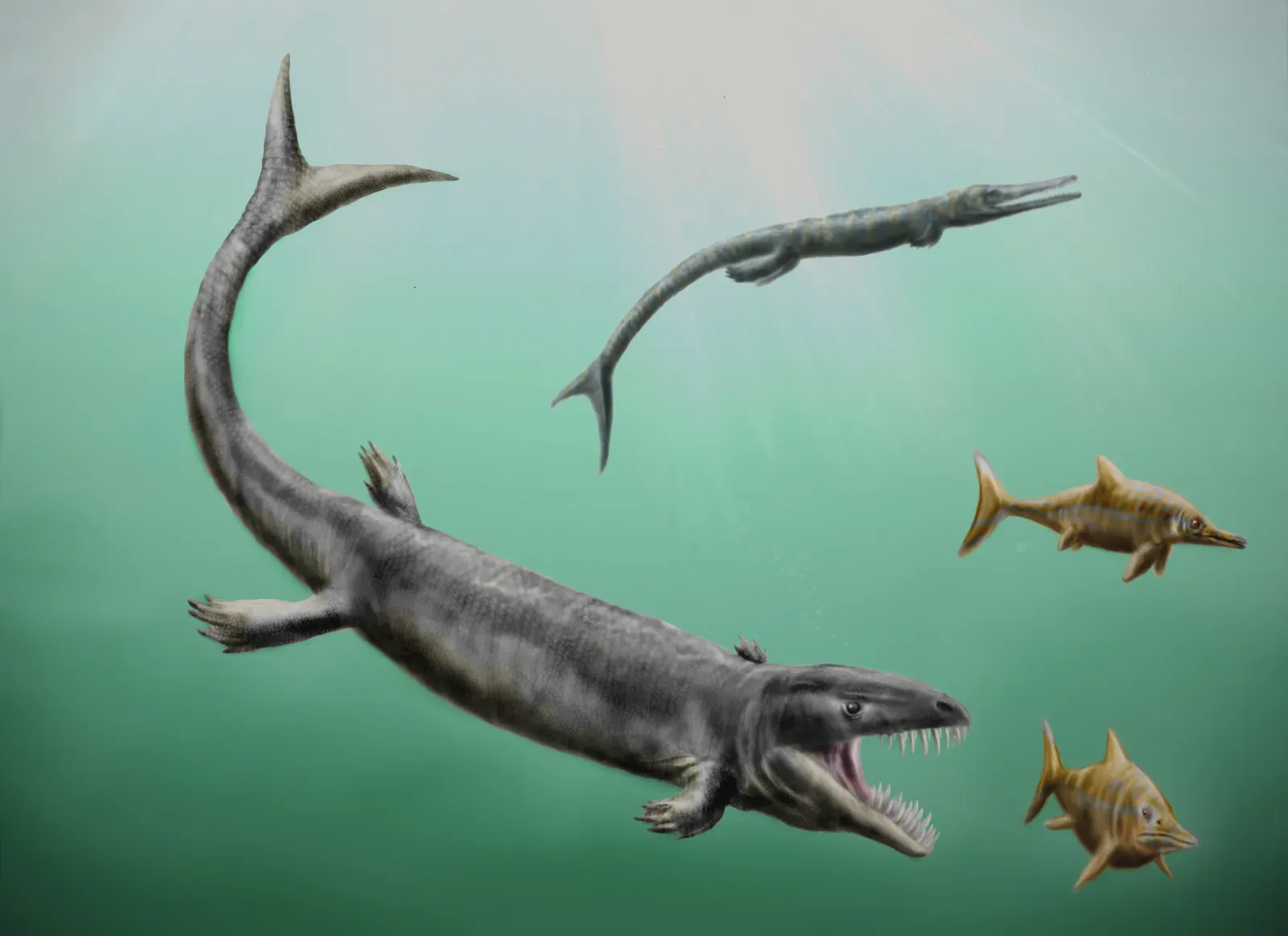
The Mesozoic “age of reptiles” saw several groups of large predatory marine reptiles adapted for swimming with paddle-like appendages. Sea turtles, as well as ancient reptiles like ichthyosaurs and plesiosaurs, evolved paddle-shaped limbs that enable them to move through water efficiently. These weren’t just modified legs. They were highly specialized propulsion systems.
The transformation from walking limbs to swimming paddles involved dramatic changes in bone structure, muscle arrangement, and joint flexibility. Some marine reptiles developed four equally sized flippers for maneuvering, while others evolved asymmetric designs optimized for speed. These aquatic adaptations were so effective that multiple reptile lineages independently evolved similar solutions when they returned to the sea, a phenomenon scientists call convergent evolution. The variety of paddle designs shows there wasn’t just one right way to swim.
Hollow Bones for Flight
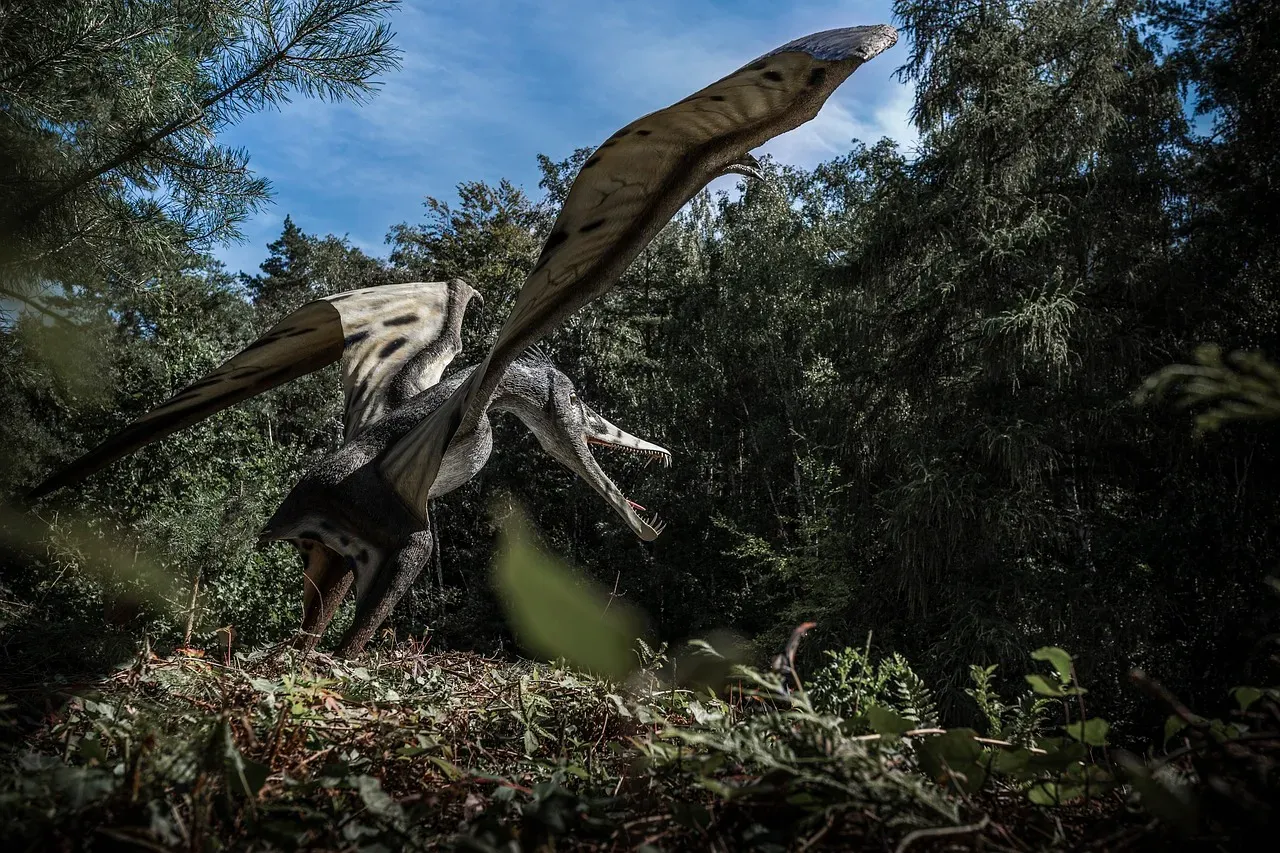
Long before birds took to the skies, pterosaurs were already soaring. Pterosaurs had a number of adaptations that allowed for flight, including hollow bones (birds also exhibit hollow bones, a case of convergent evolution). These air-filled bones dramatically reduced body weight without sacrificing structural strength, making powered flight possible for creatures that could have wingspans exceeding thirty feet.
Pterosaurs had ultralight skeletons, with a pteroid bone, unique to pterosaurs, that strengthened the forewing membrane, and much of their wing span was exaggerated by a greatly elongated fourth finger that supported perhaps half of the wing. The engineering behind these flying reptiles was extraordinary. Their wings weren’t covered in feathers but rather consisted of a membrane reinforced with muscle fibers and blood vessels, creating a flexible yet durable flight surface that could be precisely controlled.
Adaptive Body Size Responses to Climate
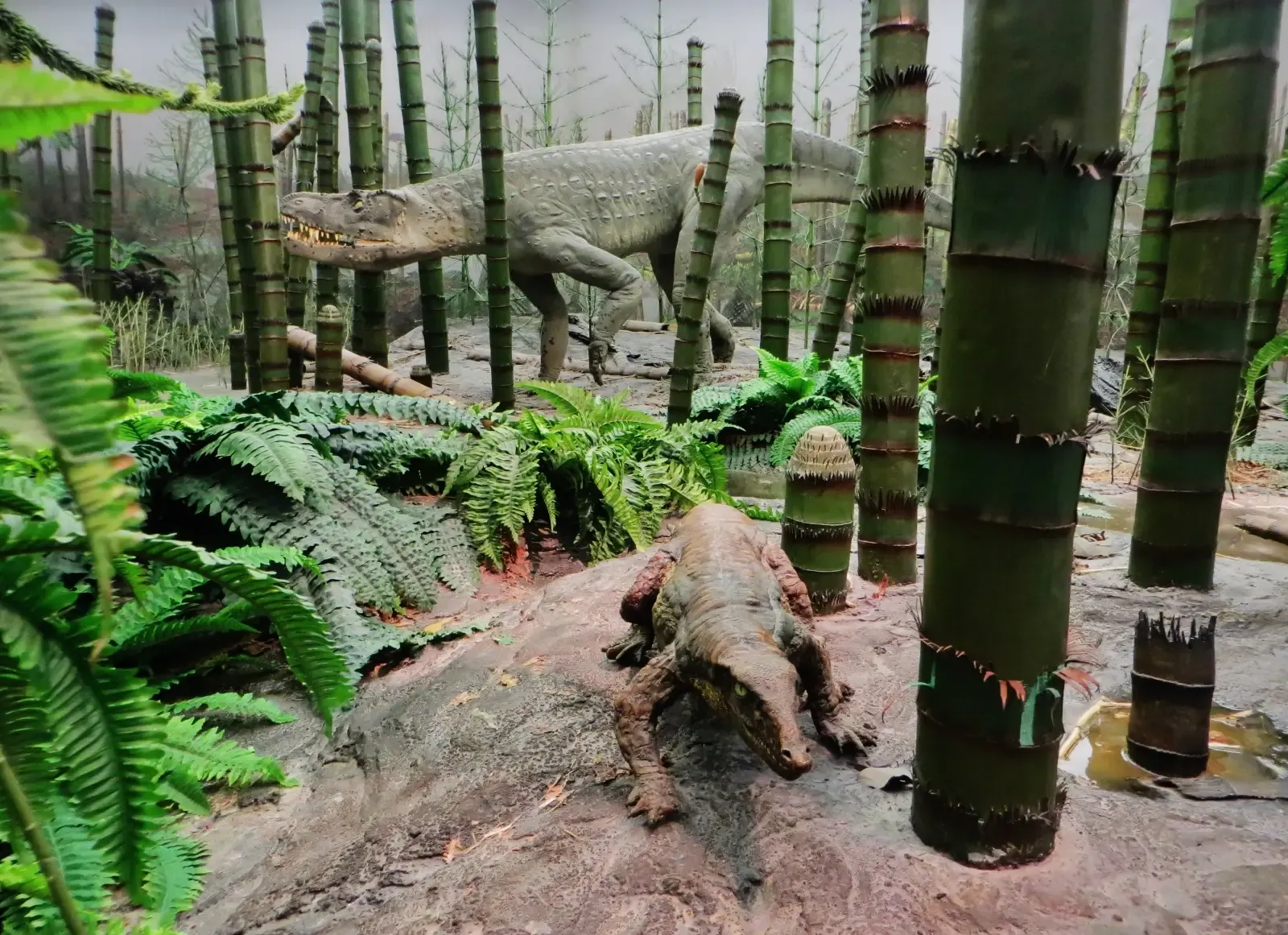
Small-bodied reptiles can better exchange heat with their surrounding environment, and the first lizards and tuataras were much smaller than other groups of reptiles, not that different from their modern relatives, and so they were better adapted to cope with drastic temperature changes. Meanwhile, larger reptiles faced different challenges. Climatic pressures on body size were so high there was a maximum body size for reptiles to survive in tropical regions during lethally hot periods, and large-sized reptiles either migrated closer to temperate regions or invaded the aquatic world.
This flexibility in body size strategy was crucial for survival during periods of rapid climate change. Different reptile groups responded in different ways to environmental pressures. Some stayed small and agile, others grew massive and moved to cooler regions or oceans. The variety of responses demonstrates that ancient reptiles weren’t locked into a single evolutionary pathway. They could adapt, adjust, and survive through creative solutions to environmental challenges.
Enhanced Sensory Capabilities and Specialized Feeding Structures
Ancient reptiles evolved remarkably diverse feeding adaptations beyond just sharp teeth. Some developed keen vision with enormous eyes for hunting in deep waters. Others evolved specialized structures like the raptorial beaks that appeared in certain dinosaur precursors. Its skull has a sharp, raptorial-like beak, preceding that of dinosaurs by around 80 million years, and a large hand with long, trenchant claws.
Sensory adaptations were equally impressive. Some marine reptiles had eyes larger than dinner plates, allowing them to hunt in the murky depths where light barely penetrated. Others developed enhanced olfactory systems for tracking prey over long distances. Certain species evolved salt-excreting glands to handle the challenges of living in marine environments, while snakes developed heat-sensing pits and sophisticated chemical detection systems. These specialized sensory organs gave different reptile groups unique advantages in their particular ecological niches, allowing them to exploit resources that other animals couldn’t even detect.
Conclusion
The dominance of ancient reptiles wasn’t a matter of luck or random chance. It was the result of countless evolutionary innovations that solved real survival problems. From revolutionary reproductive strategies to biomechanical advantages, from physiological breakthroughs to sensory enhancements, these creatures developed a toolkit that allowed them to thrive in virtually every environment Earth had to offer.
What makes their story even more compelling is that many of these adaptations didn’t appear just once. Different reptile lineages independently evolved similar solutions to similar problems, demonstrating that certain designs work so well that evolution discovers them repeatedly. The legacy of these ancient innovations lives on today in birds, crocodiles, turtles, and lizards, reminding us that the age of reptiles never truly ended. It just transformed into something new. What other secrets might these ancient creatures still have to teach us about adaptation and survival?