Picture this: everything you thought you knew about dinosaurs might be completely wrong. For decades, these ancient giants were imagined as solitary, cold-blooded beasts lurking through prehistoric swamps with little more than survival instincts. Recent discoveries have blown that image to pieces.
From complex family structures to elaborate vocal communication systems, paleontologists have unearthed evidence that challenges nearly every assumption about how dinosaurs actually lived. These aren’t just minor tweaks to the scientific record. We’re talking about fundamental shifts in understanding that rewrite the entire story of life during the Mesozoic era. So let’s dive into the most shocking revelations that have turned paleontology on its head.
1. Dinosaurs Formed Complex Social Herds Far Earlier Than Anyone Expected
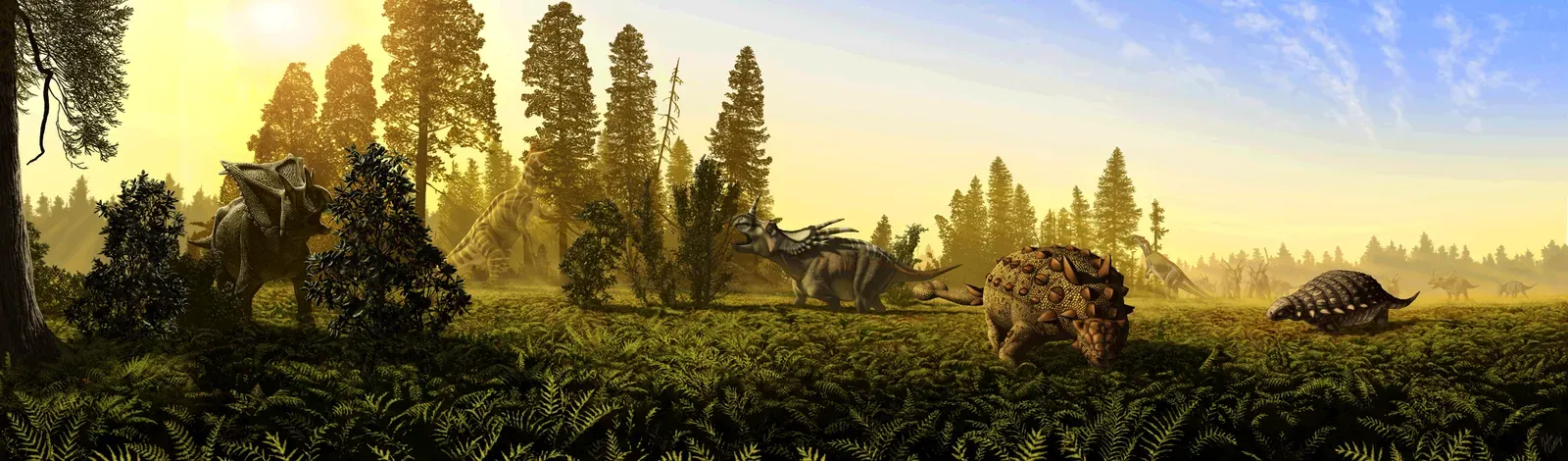
Research revealed that dinosaurs evolved to live in complex social herds as early as 193 million years ago, around the dawn of the Jurassic period. Let’s be real, that’s pushing back the timeline by roughly 40 million years from what scientists previously believed. The discovery came from an exceptionally preserved group of Mussaurus fossils found in southern Patagonia.
Among the fossils, researchers discovered a group of 11 articulated juvenile skeletons, intertwined and overlapping each other, as if they had been suddenly thrown together, and the remarkably preserved nature suggests this particular herd died synchronously, perhaps quickly buried by sediments. What makes this truly fascinating is the specific grouping by age. The fossils showed eggs, juveniles, and adults arranged in a pattern that strongly indicated complex, herd-like social structure. Honestly, it’s hard to say for sure, but this suggests dinosaurs were far more socially sophisticated much earlier in their evolutionary history than we ever imagined.
2. The Pack Hunting Raptor Myth Got Completely Dismantled
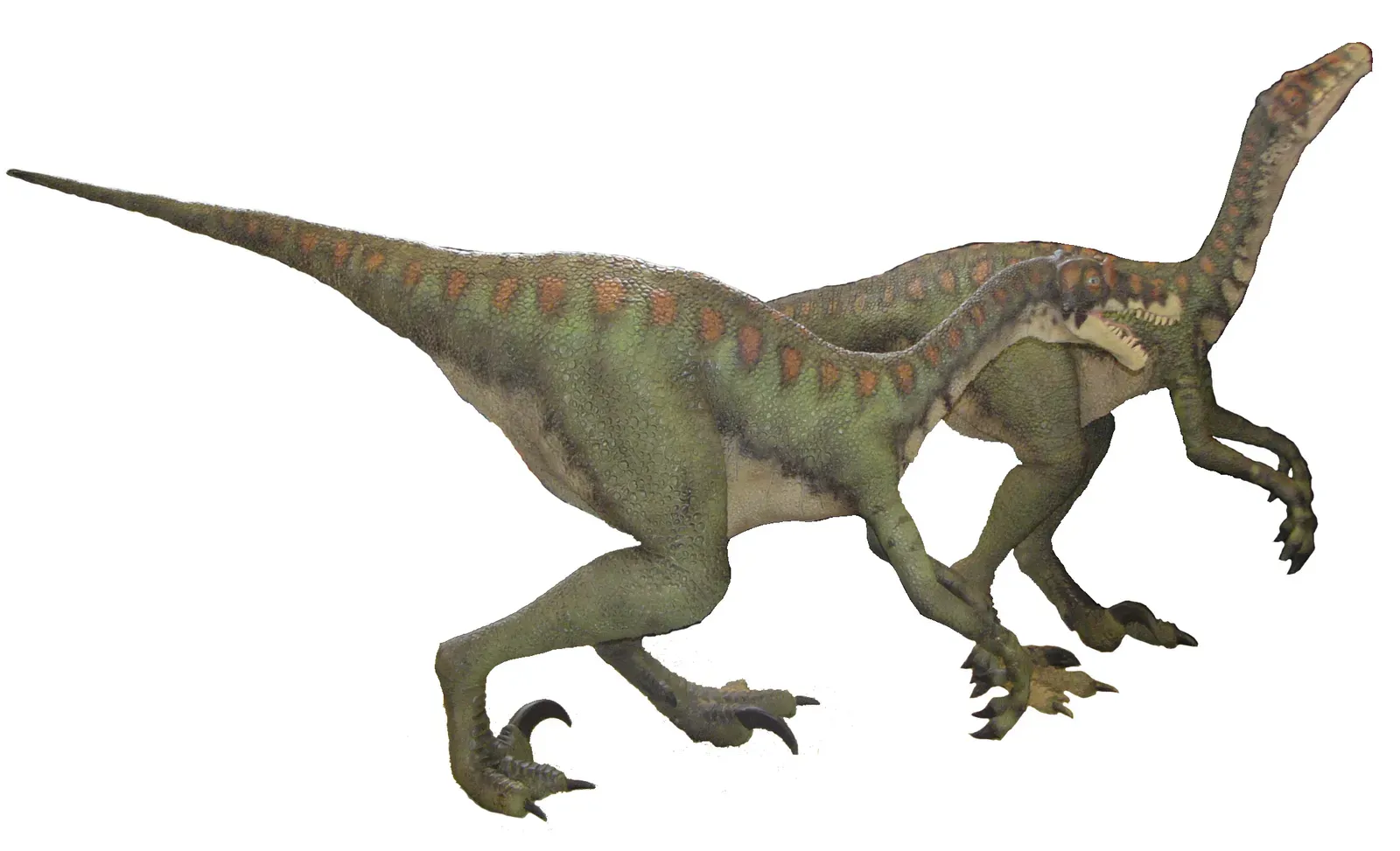
Here’s the thing: those terrifying, coordinated raptor attacks from Jurassic Park probably never happened. Research analyzing stable isotopes in fossilized Deinonychus teeth added to growing evidence that these dinosaurs were not complex social hunters by modern mammalian standards, and animals that hunt in packs do not generally show dietary diversity between young and old. The chemistry told a different story than Hollywood.
Differences in the composition of stable isotopes in teeth from young dinosaurs compared to adults indicated a different diet, which contradicts the idea of these dinosaurs being social and hunting in packs. Instead, these raptors probably acted more like modern Komodo dragons, converging on kills individually rather than working as a coordinated team. It’s fascinating how one isotope analysis can completely demolish an idea that’s been ingrained in popular culture for decades.
3. Nanotyrannus Turned Out to Be Real, Rewriting T. Rex Biology
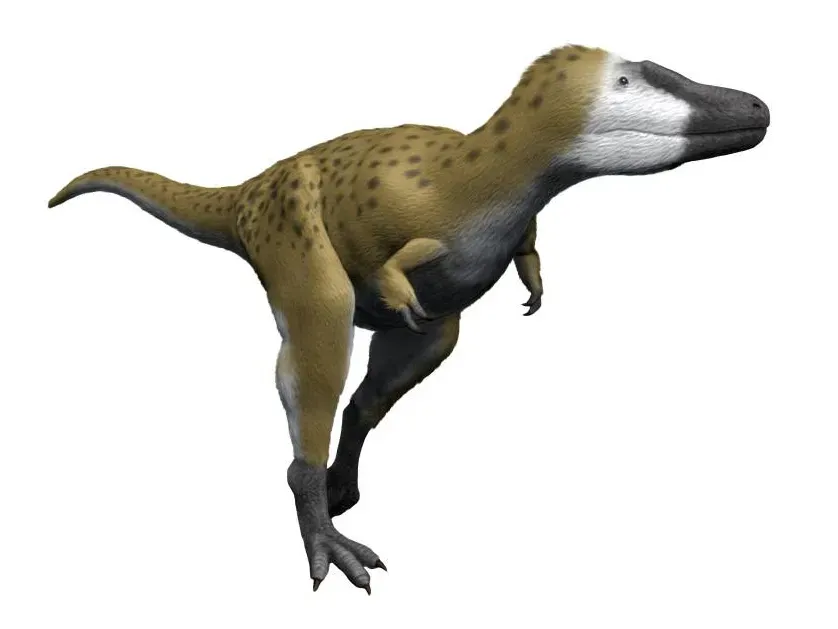
The tyrannosaur fossil turned out to be the most complete skeleton ever found of Nanotyrannus lancensis, categorically ending a decades-long debate that it was not a juvenile T. rex but belongs to a separate genus entirely. This is massive. For years, paleontologists used what they thought were juvenile T. rex fossils to model growth patterns and behavior.
The skeleton’s fusing spinal sutures and growth rings showed it was fully grown when it died at roughly 20 years of age, and its anatomy revealed traits including fewer tail vertebrae, more teeth, larger hands, and different skull nerve and sinus patterns. Multiple tyrannosaur species inhabited the same ecosystems in the final million years before an asteroid impact caused mass extinction. Think about that for a second: we’ve been looking at the wrong animal for decades while trying to understand one of the most famous predators ever.
4. Sauropods Were Colorful, Not Dull Gray Giants
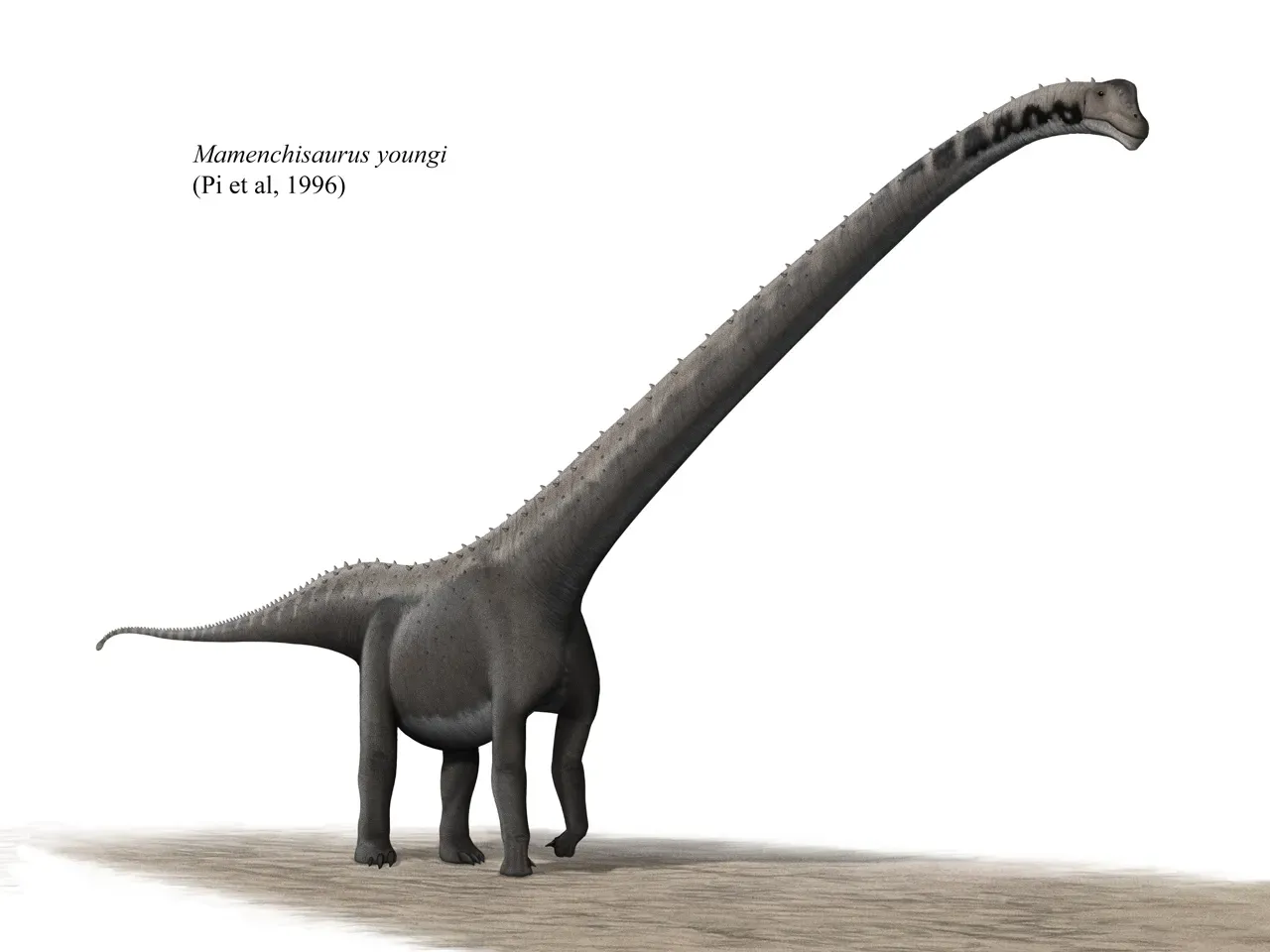
Paleontologists uncovered fossils of sauropod skin so delicately preserved from the Jurassic rocks of Montana’s Mother’s Day Quarry that they include impressions of pigment-carrying structures called melanosomes, described in Royal Society Open Science. Most people picture these long-necked giants as uniformly gray or brown, like oversized elephants.
The juvenile Diplodocus skin fossil revealed something completely different. Researchers detected that the dinosaur would have had conspicuous patterns across its scales, suggesting sauropod dinosaurs were not uniformly gray or brown but had complex color patterns like other dinosaurs, birds, and reptiles. Imagine walking through a Jurassic landscape filled with vibrantly patterned, massive animals showing off elaborate color displays. The prehistoric world was far more visually stunning than anyone realized.
5. Dinosaurs Made Low-Frequency Booms, Not Movie Roars
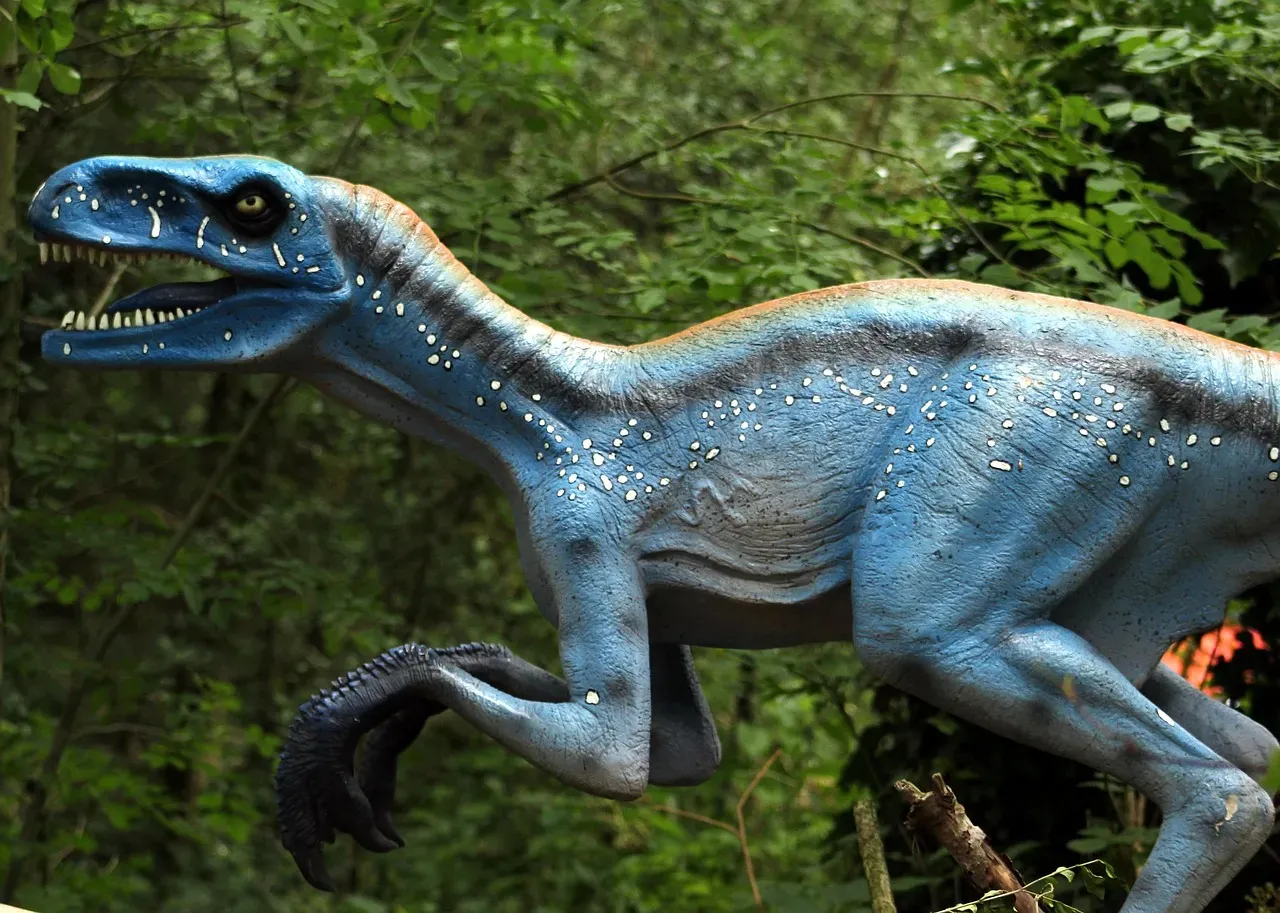
Scientists theorize that many dinosaurs may have produced closed-mouth vocalizations rather than open-mouthed roars, inflating their esophagus or tracheal pouches while keeping their mouth closed, producing low-pitched swooshing, growling, or cooing sounds. This completely changes how we imagine the soundscape of the Mesozoic.
A groundbreaking study published in the journal Evolution identified this vocalization method across diverse bird lineages, suggesting it represents an ancestral trait that may have been present in non-avian dinosaurs, creating resonant, low-frequency sounds that can travel long distances. The sound frequency range for Parasaurolophus is estimated between 30 Hz and 200 Hz, which falls within the lower register and is particularly effective for long-distance communication. Those terrifying roars you hear in movies? Pure fiction. The real dinosaur world probably sounded more like deep rumbles and haunting booms echoing across ancient plains.
6. Parental Care Was Far More Sophisticated Than Expected
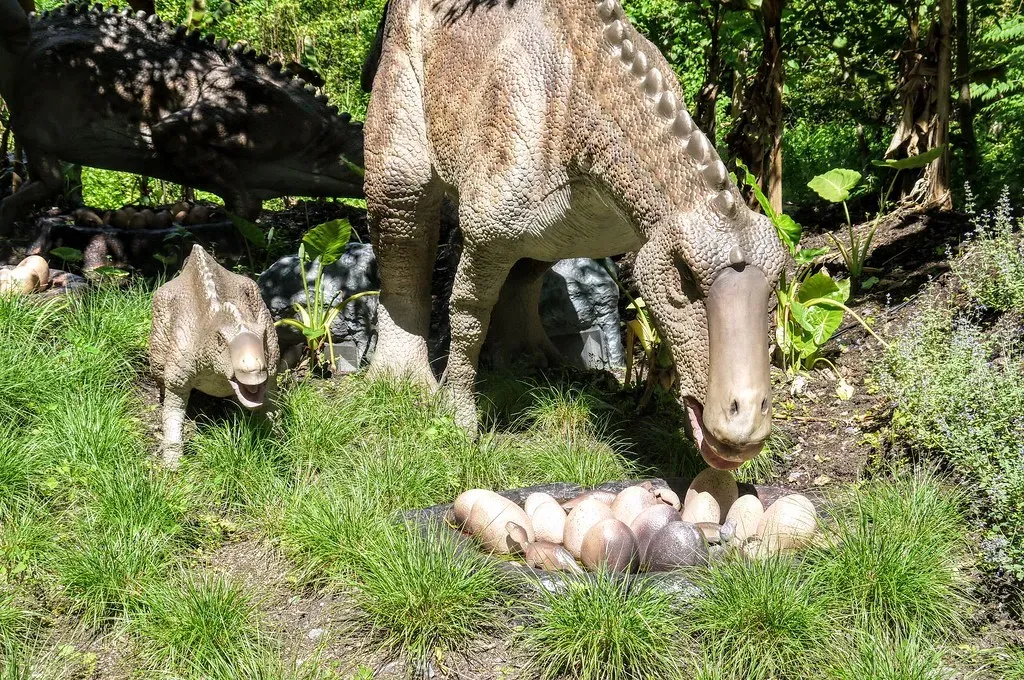
Late Cretaceous Maiasaura, which lived around 80 to 75 million years ago, are thought to have nested in large colonies, with parents possibly extensively providing food and protection for their hatchlings. The name Maiasaura literally means “good mother lizard,” and the evidence backs it up.
Evidence suggests juveniles remained in or near the nesting colony until reaching about half their adult size, indicating extended parental or group care, and discoveries of adult Psittacosaurus specimens surrounded by multiple juveniles of similar development stages hint at possible daycare arrangements. Honestly, the idea of dinosaur daycare sounds absurd until you see the fossils. A 75-million-year-old Mongolian dinosaur was fossilized sitting right on top of a nest, dubbed Big Mama, and they sit on those nests in a very bird-like way with their bodies positioned in the center. These weren’t mindless reptiles abandoning their eggs. They were dedicated, nurturing parents.
7. Hadrosaurs Used Their Elaborate Crests for Communication
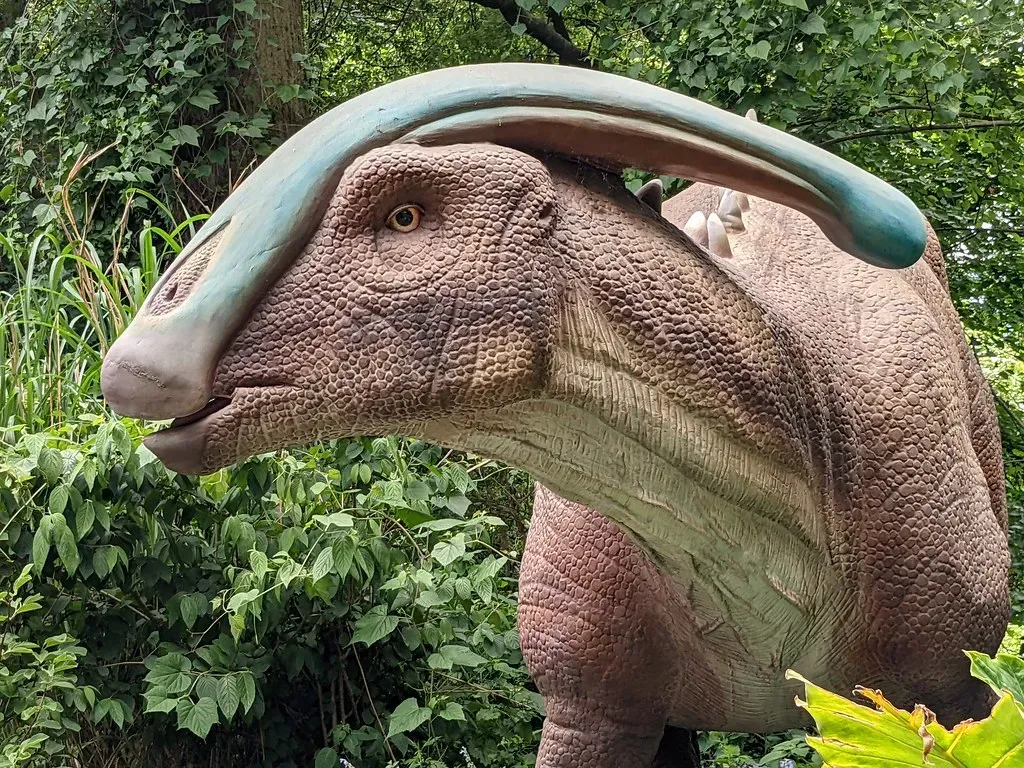
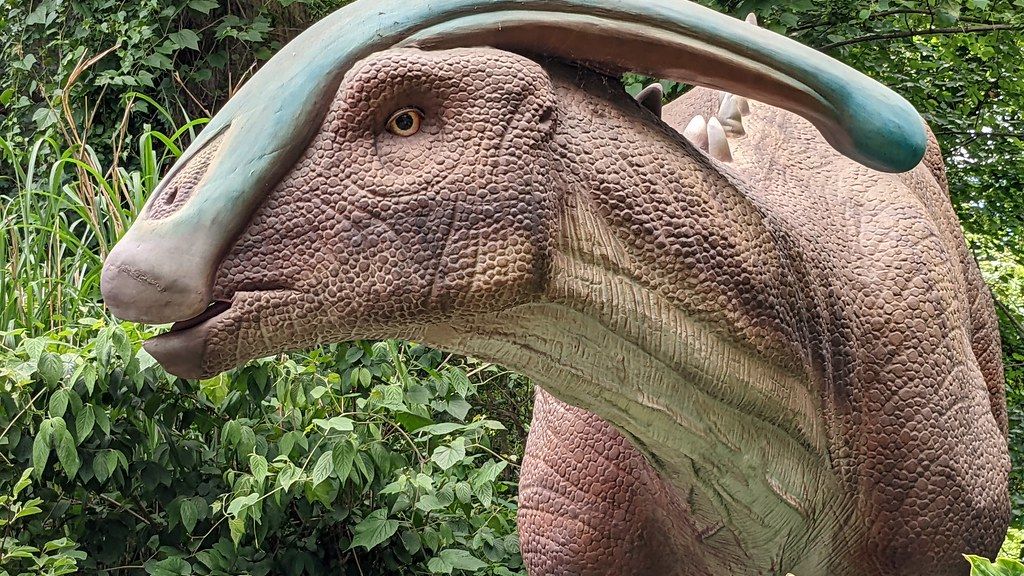
The study of dinosaur vocalization began after the discovery of a rare Parasaurolophus skull fossil with a bony tubular crest extending back from the top of its head, containing a labyrinth of air cavities shaped something like a trombone that might have been used to produce distinctive sounds. This wasn’t just for show.
Based on the structure of the crest, the dinosaur apparently emitted a resonating low-frequency rumbling sound that can change in pitch, with each Parasaurolophus probably having a voice distinctive enough to not only distinguish it from other dinosaurs but from other members of its own species. Think of it like a prehistoric identification system. Resonating chambers such as the peculiar crests on hadrosaurs may have played a role in creating distinctive honking noises, potentially acting as amplifiers or modifiers of sound. Every individual had its own vocal signature echoing across Late Cretaceous landscapes.
8. Evidence of Brooding Behavior Mirrored Modern Birds
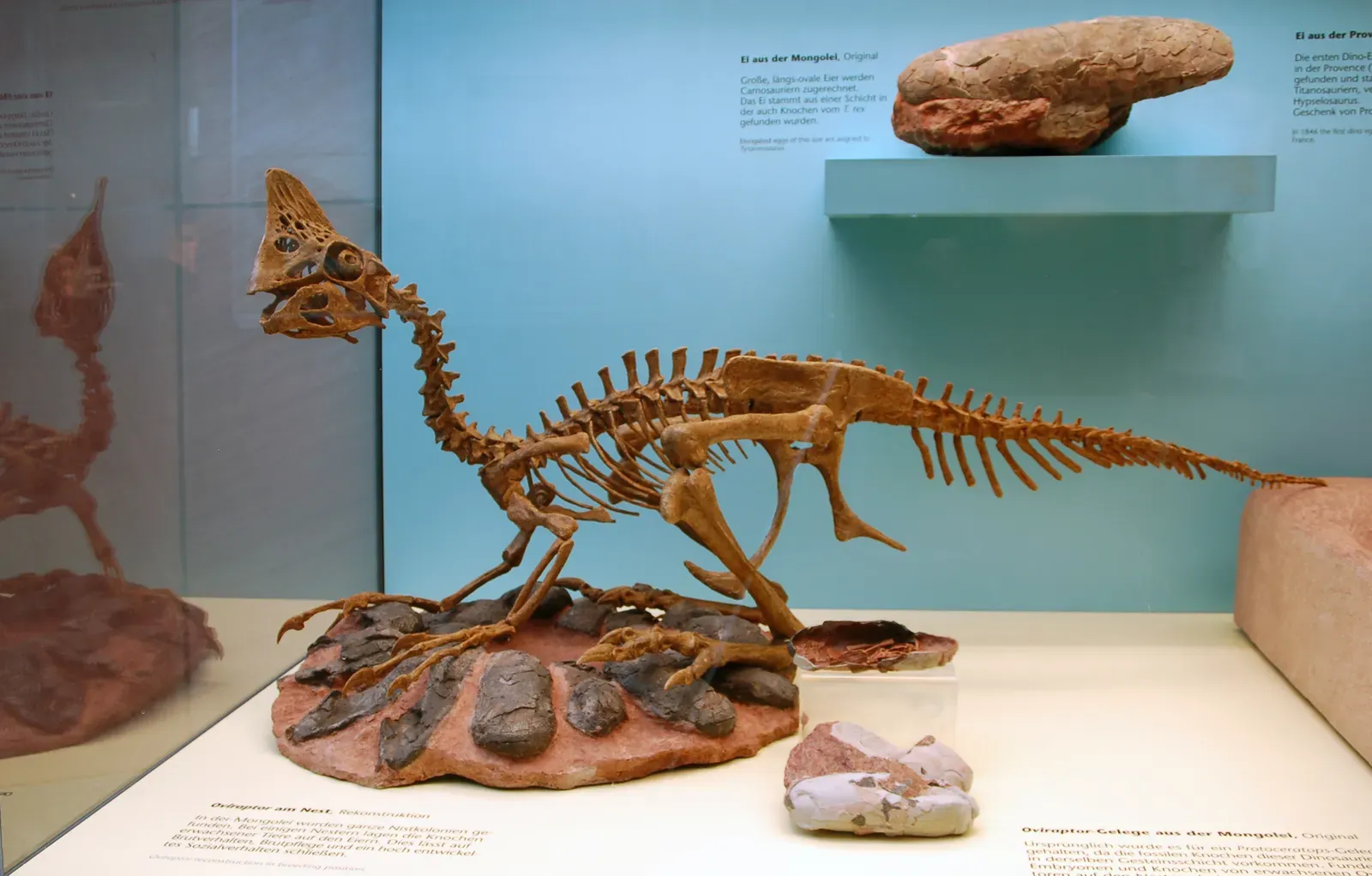
Parrot-like dinosaurs called oviraptorids were found with gorgeous skeletons preserved in a position where they seem to be sitting over nests of eggs, though scientists remain unsure if this was true brooding like living birds. The body positioning tells a compelling story though.
Scientists know from previous finds that oviraptorids laid two eggs at a time in a clutch of 30 or more, meaning the mother would have to stay with or at least return to the nest, lay her pair of eggs, arrange them carefully in the circle, and bury them appropriately every day for two weeks to a month. Their bodies would have been covered in large, down-like feathers that would have helped conceal and insulate the eggs. I know it sounds crazy, but the fossil evidence is remarkably clear. These dinosaurs demonstrated commitment to their offspring that rivals any modern bird species.
9. Tyrannosaurs May Have Exhibited Group Behavior After All
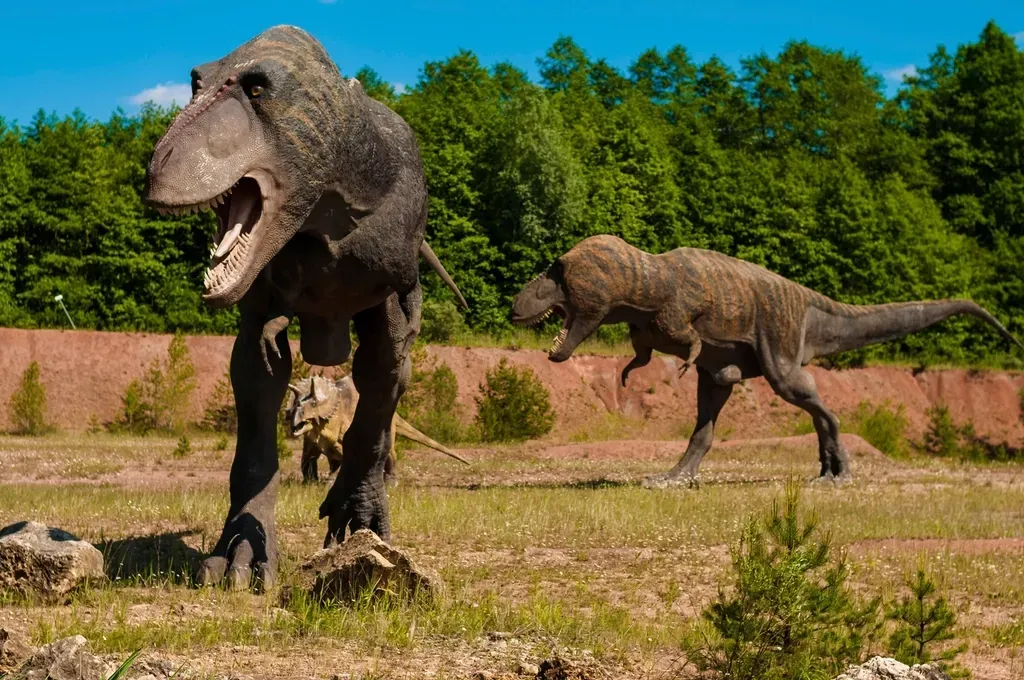
Paleontologists studying a group of four or five tyrannosaurs at a single fossil site in southern Utah say the find suggests the imposing predators may have lived and even hunted in packs, with rare earth element patterns highly suggestive that these organisms died and were fossilized together. This challenges the classic image of the solitary apex predator.
Tyrannosaur expert Philip Currie says the results convincingly argue that the group died together, which adds to a growing body of evidence that tyrannosaurids were capable of interacting as gregarious packs. Yet there’s still debate. Some researchers feel like these animals simply didn’t have the brain power to engage in such complex behavior. It’s hard to say for sure, but the geochemical evidence is pretty compelling. Maybe the most fearsome predator of all time wasn’t always hunting alone.
10. Dinosaurs Displayed Visual Signals Through Feathers and Crests
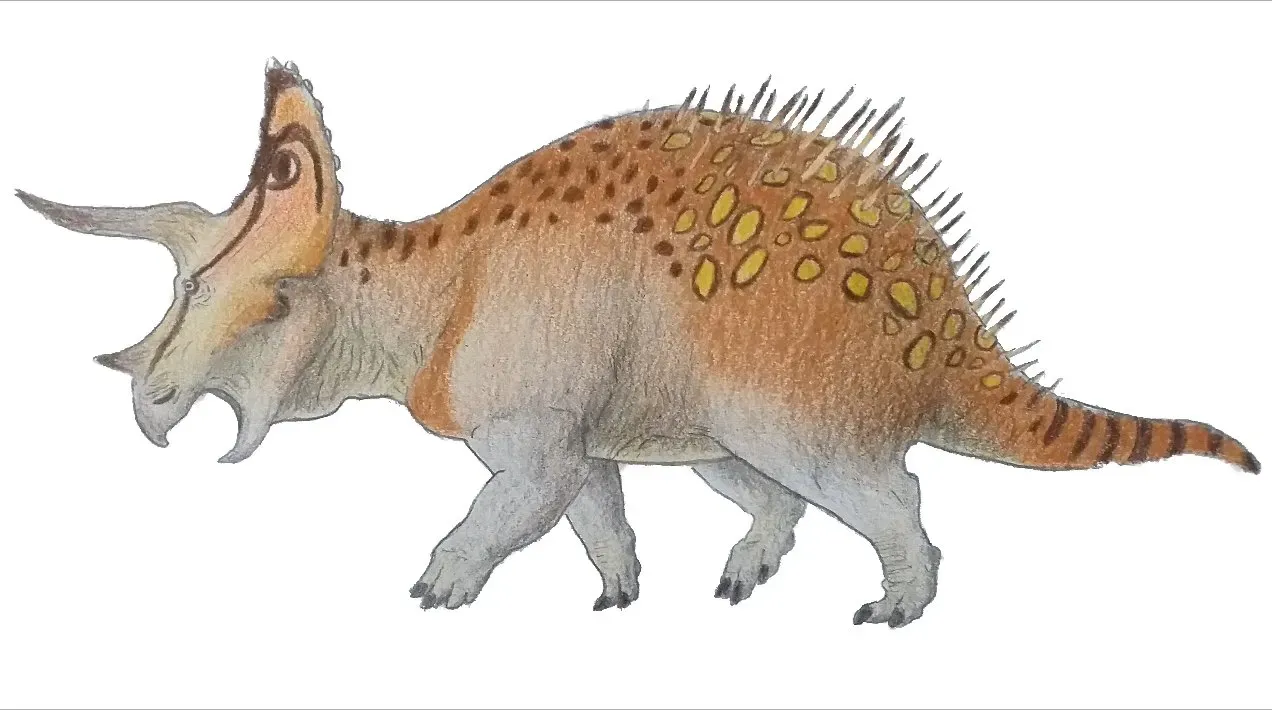
Studies suggest that dinosaurs with feathers may have used them as visual signals to attract potential mates or intimidate rivals, and fossils revealed vivid colors such as red crowns or iridescent feathers, indicating the importance of color in their communication. The discovery of preserved pigmentation structures changed everything.
Feathers were likely used for elaborate displays and showmanship, with some dinosaurs having long feathers on their forearms resembling wings that could have been used to capture attention during mating rituals or territorial displays. Fossils show that a Triceratops relative developed larger frills and cheek horns as it matured, suggesting these decorations helped the species communicate and possibly catch the attention of mates, conveying dominance and age to others. These weren’t just functional adaptations. They were fashion statements, communication tools, and social signals all rolled into one elaborate package.
Conclusion
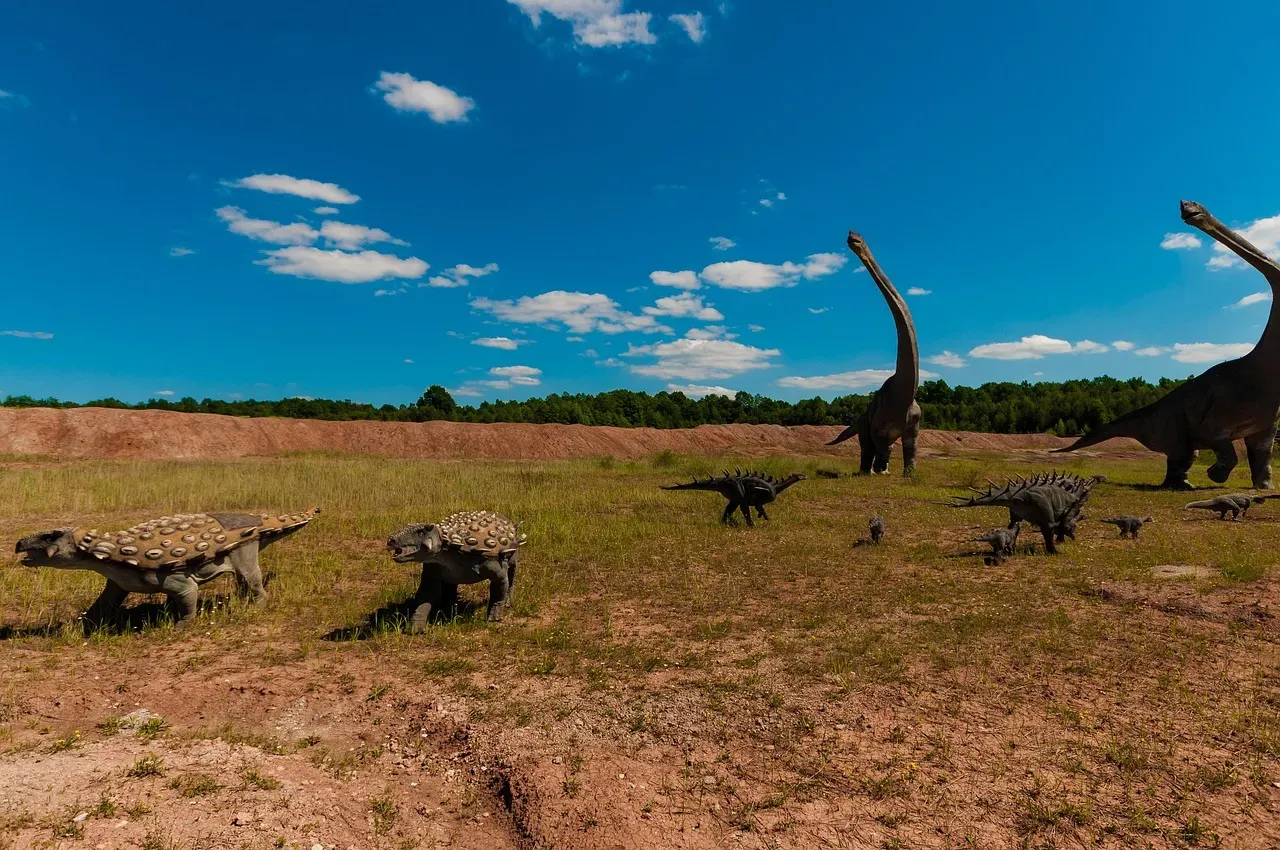
The dinosaurs we thought we knew have been replaced by something far more complex and fascinating. These discoveries paint a picture of creatures that lived rich social lives, cared for their young with dedication, communicated through elaborate visual and auditory displays, and organized themselves into sophisticated group structures. From the colorful patterns on sauropod skin to the low-frequency booms echoing across prehistoric landscapes, every new fossil tells us that the ancient world was stranger and more wonderful than we imagined.
What’s perhaps most remarkable is how much these revelations mirror behaviors we see in modern animals, particularly birds. The evolutionary connection becomes clearer with each discovery, bridging the gap between the terrible lizards of our imagination and the living descendants that sing in our backyards today. What other secrets are still buried in the rocks, waiting to completely reshape what we think we know?