Think you know everything about the ancient creatures that roamed Earth millions of years ago? Think again. The world of prehistoric mammals is far stranger, more complex, and infinitely more fascinating than most history books let on. While dinosaurs typically steal the spotlight, mammals were quietly surviving, adapting, and evolving in ways that continue to surprise scientists today.
Recent fossil discoveries and cutting-edge technology are rewriting what we thought we knew about our ancient mammalian ancestors. From tiny shrew-like creatures with two sets of teeth to social mammals living in underground burrows while dinosaurs stomped overhead, the prehistoric world was far more intricate than anyone imagined. Let’s dive into these jaw-dropping revelations that challenge everything you learned in school.
1. The Oldest Known Mammal Had Two Sets of Teeth
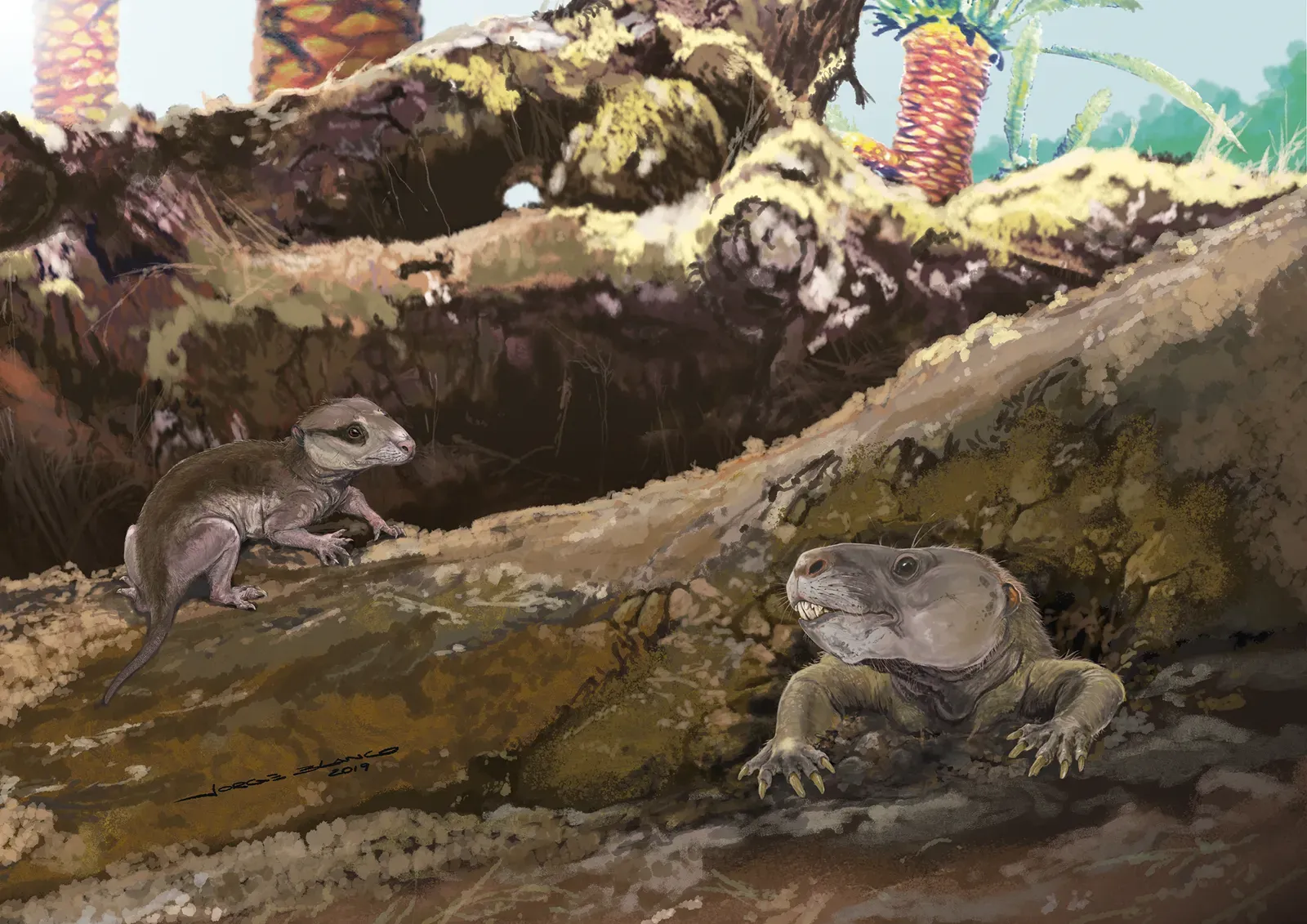
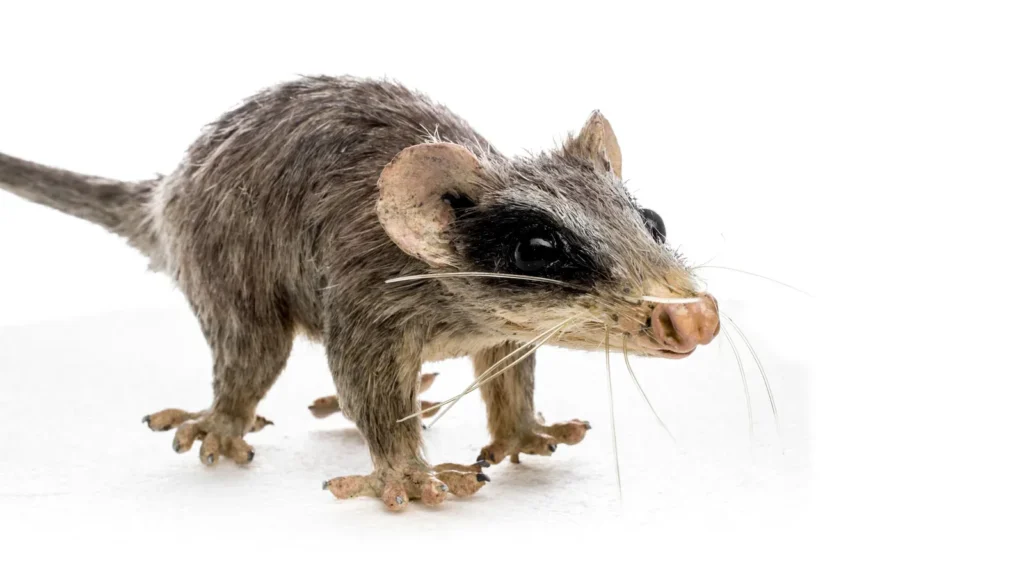
The oldest known mammal, Brasilodon quadrangularis, was a small shrew-like animal that measured around 20cm in length and had two sets of teeth. The fossils reveal that early animals with a mammal-like appearance were scampering around what is now Brazil some 225 million years ago. This discovery pushes back the origin of mammals by roughly 20 million years from previous estimates.
What makes this finding truly remarkable is the dental evidence. Results showed that the young Brasilodon specimens had a single tooth growing up, directly under already erupted teeth, proving that these animals were diphyodonts. This pattern of tooth replacement, where animals only replace their teeth twice during their lifetime, is a defining characteristic of modern mammals and sets them apart from reptiles that can replace teeth multiple times throughout life.
2. Prehistoric Mammals Were Social Creatures Living Alongside Dinosaurs
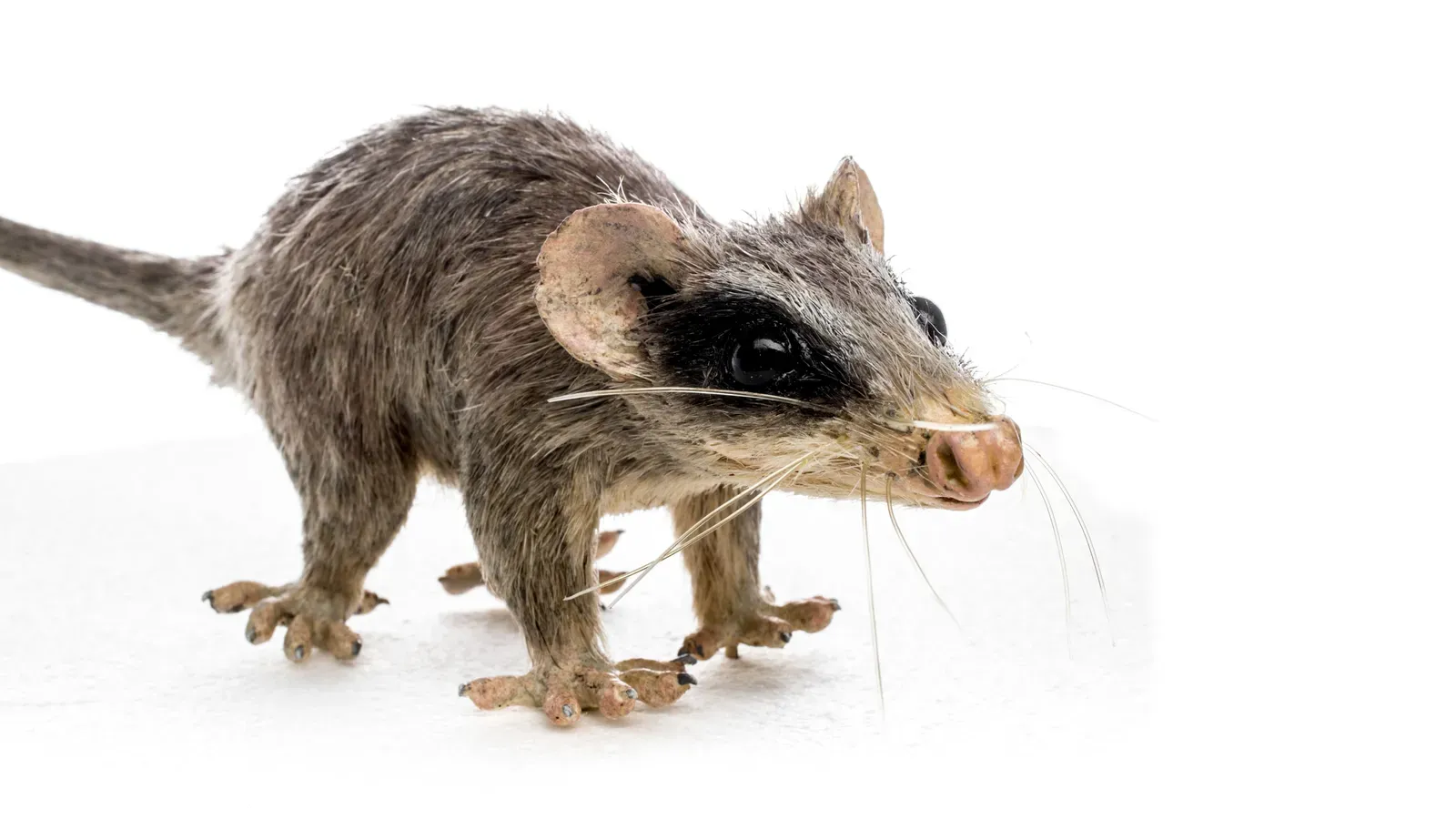
A cluster of ancient mammal fossils discovered in western Montana reveal that mammals were social earlier than previously believed. Excavated from Egg Mountain in Montana, the fossils include skulls or skeletons of at least 22 individuals of Filikomys primaevus, a newly named genus of multituberculate. These small omnivorous or herbivorous mammals were congregating together in burrows during the Age of Dinosaurs.
The study shows that sociality occurred earlier than that, challenging the assumption that such behavior only evolved after dinosaurs went extinct. Here’s the thing: these tiny mammals weren’t just hiding from dinosaurs. They were actively building communities underground, interacting with each other in ways we once thought impossible for creatures of that era. It completely changes how we view mammalian evolution during the Mesozoic.
3. Ancient Mammals Developed Three-Bone Hearing Long Before We Realized
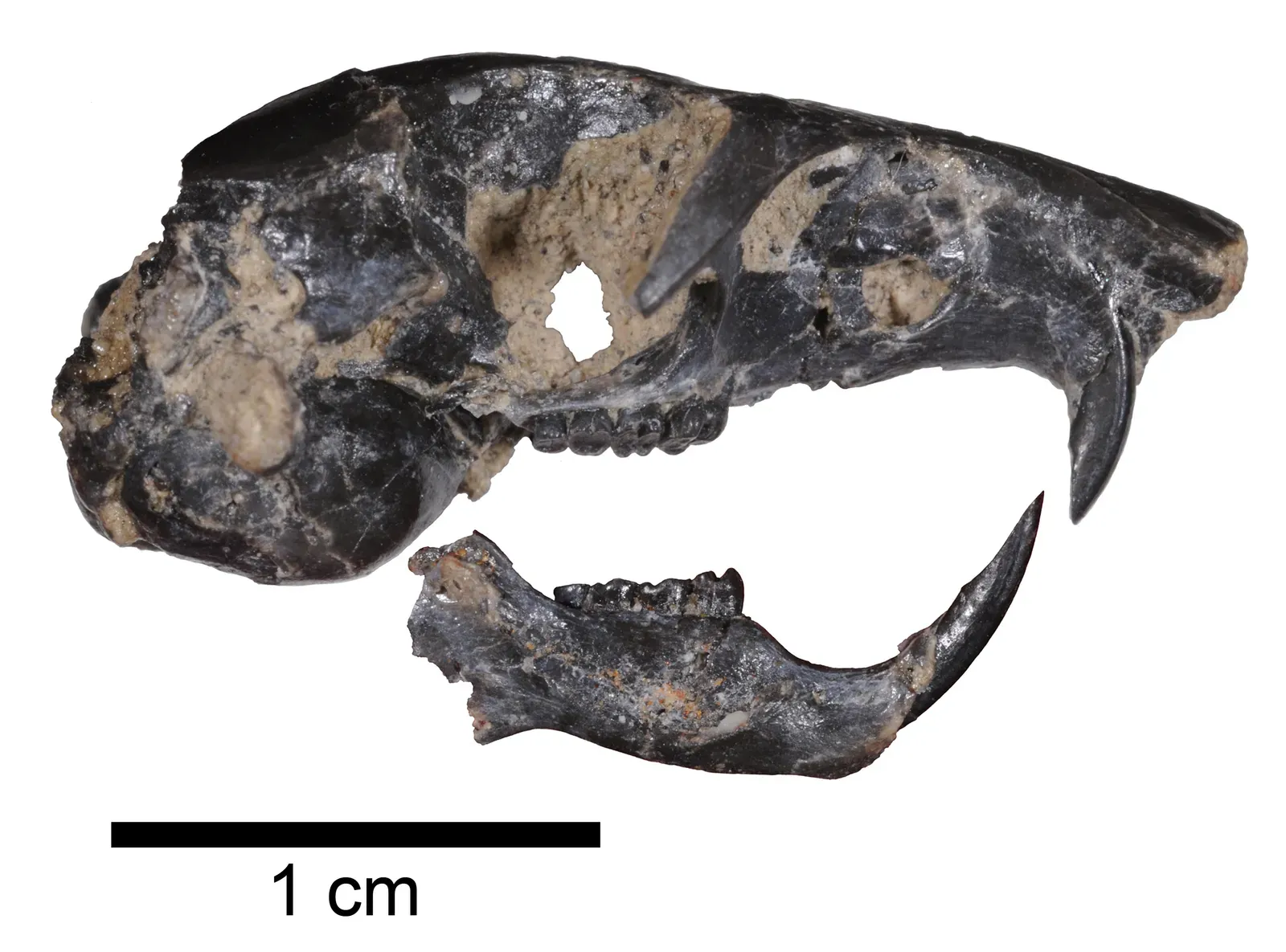
The modern mammalian middle ear, which gives modern mammals the sharpest hearing on Earth, has three bones. Two newly discovered fossils of mouse-sized mammals called shuotheriids, which lived between 168-164 million years ago in what is today Inner Mongolia had molars that are unlike those of any other living mammal. The evolution of this three-bone hearing system represents one of the most dramatic transformations in vertebrate history.
Analysis of the older fossil, Dianoconodon youngi, which dates back to between 201-184 million years ago, show that one of its two joints was starting to lose its ability to handle forces created by chewing, while the more recent specimen, Feredocodon chowi, already had a mammal middle ear. The transition from jaw bones to hearing bones reveals how evolution can repurpose existing structures for entirely new functions, giving mammals an auditory advantage that continues to this day.
4. The Most Complete Prehistoric Mammal Fossil Reveals Incredible Agility
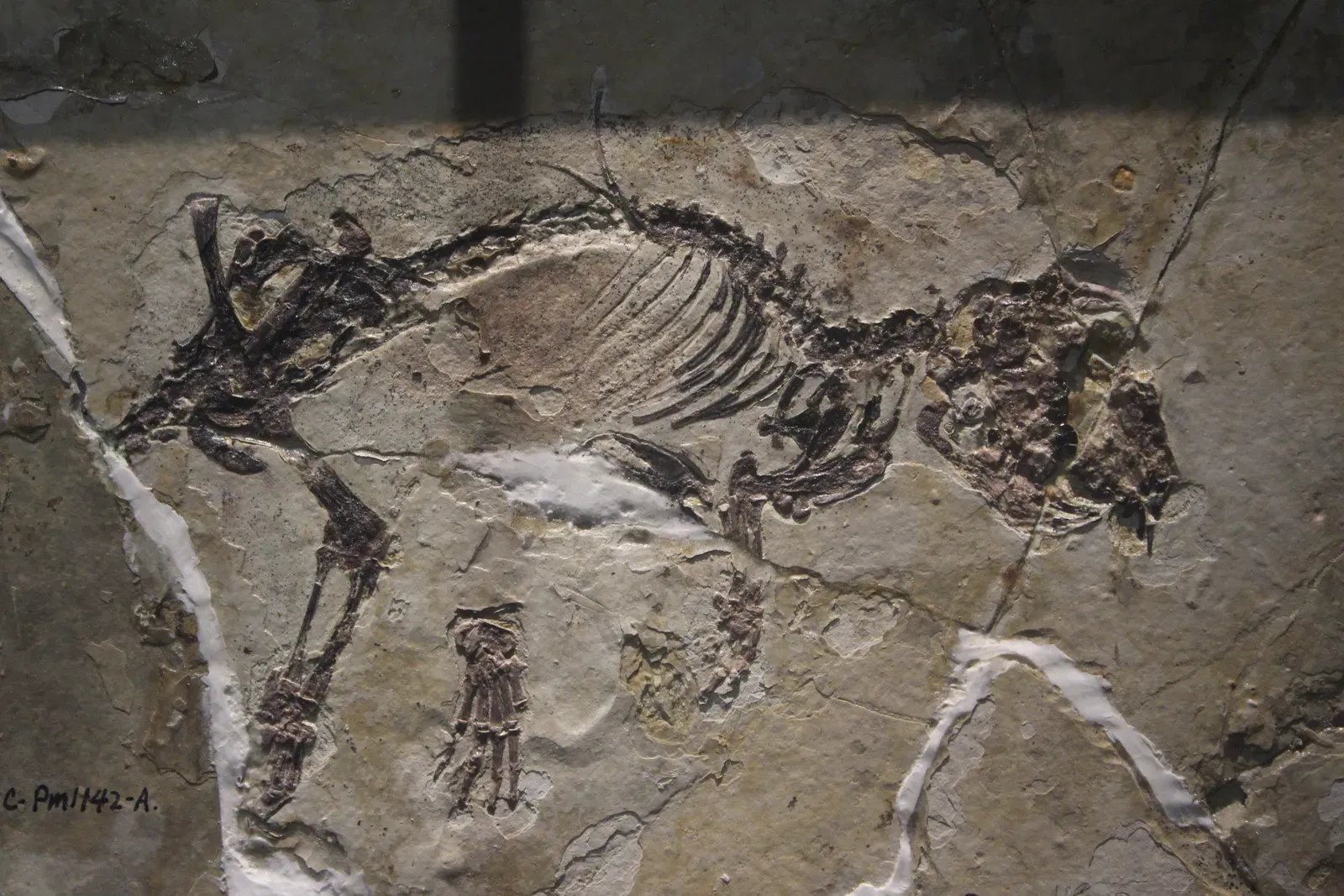
A 160 million-year-old fossil – the earliest known complete skeleton of a multituberculate – named Rugosodon eurasiaticus, a fast-running, agile omnivore similar to a modern-day African dormouse was discovered in China. Its surprisingly mobile and flexible ankle bones suggest that Rugosodon was a fast-running and agile mammal that mostly lived on the ground. This discovery paints a picture of early mammals as dynamic, versatile creatures rather than the timid, cowering animals we once imagined.
The fossil evidence suggests these ancient multituberculates were doing far more than just surviving. This skeletal feature is thought to be the anatomical basis for the versatile and diverse locomotor adaptations, ranging from tree climbing to tunnel digging, which later multituberculates possessed. Honestly, when you look at how diverse their movement capabilities were, it’s no wonder they became one of the most successful mammal groups in history.
5. Prehistoric Mammals Hit the Beach 58 Million Years Ago
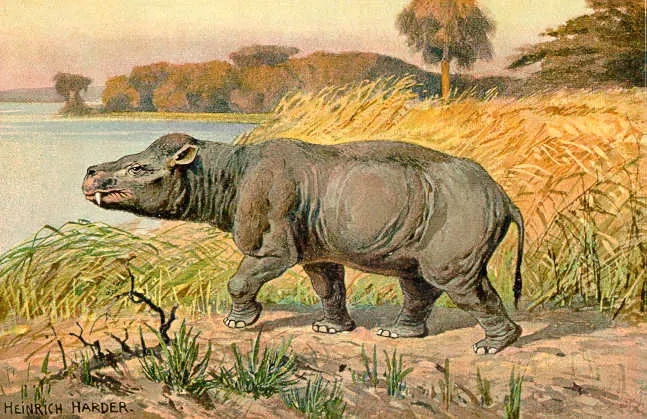
Wyoming tracks likely belonged to a brown-bear-sized five-toed mammal from 58 million years ago. Fossilized plants and pollen helped the researchers determine the age of the tracks to be around 58 million years old, during the Paleocene epoch. These represent the earliest known evidence of large mammals regularly visiting marine environments, a behavior we see in many modern species today.
The five-toed tracks are consistent with Coryphodon, a semi-aquatic mammal similar to a hippopotamus. Today’s large mammals congregate near marine environments for a variety of reasons, including protection from predators and biting insects, foraging for unique foods, and access to salt sources. The similarities between ancient and modern mammal behavior suggests that certain survival strategies have remained constant across millions of years.
6. Mammals Exploded in Diversity Immediately After Dinosaurs Vanished
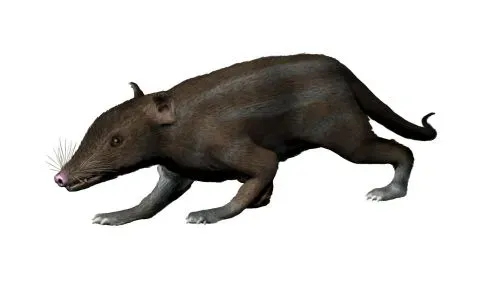
Their discovery suggests mammals diversified more rapidly after the mass extinction than previously thought. New-to-science, the creatures discovered are Miniconus jeanninae, Conacodon hettingeri, and Beornus honeyi. Let’s be real, the extinction of dinosaurs was the opportunity mammals had been waiting for, and they didn’t waste a single moment seizing it.
When the dinosaurs went extinct, access to different foods and environments enabled mammals to flourish and diversify rapidly in their tooth anatomy and evolve larger body size. This wasn’t a gradual process happening over tens of millions of years. It was explosive, dynamic evolution occurring within a geologically brief window. The fossil record now shows us that mammals were adapting, spreading, and reinventing themselves faster than anyone previously believed possible.
7. Ancient DNA Survives in Fossils That Aren’t Fully Fossilized Yet
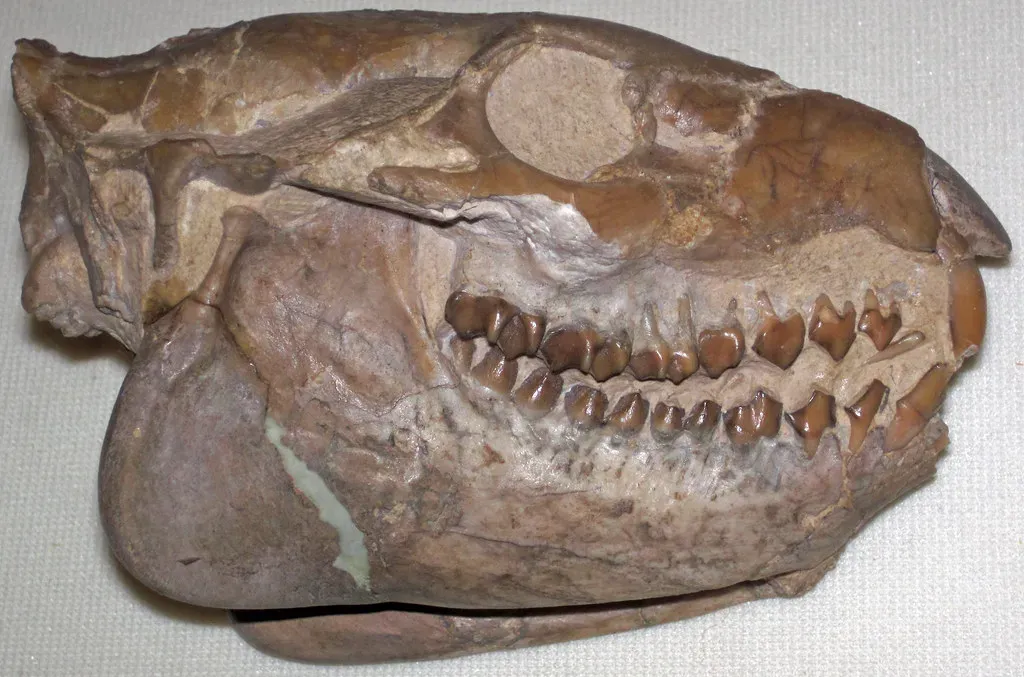
Some specimens are not fully fossilized yet, meaning they may still carry traces of organic material, offering researchers the chance to study the genetic makeup of animals that died tens or even hundreds of thousands of years ago. In 2003, a large-scale study based on extinct bison specimens pioneered an approach that used ancient DNA to analyze the dynamics of populations in deep time. This technology has revolutionized our understanding of extinct mammals.
Even more fascinating is what happens when DNA can’t be extracted. Unlike more fragile DNA, collagen can survive for more than a million years under the right conditions. You can get the whole genome now from something the size of a fingernail, which means museum collections that have sat untouched for decades are suddenly treasure troves of genetic information waiting to be unlocked.
8. Giant Prehistoric Mustelids Were the Size of Jaguars
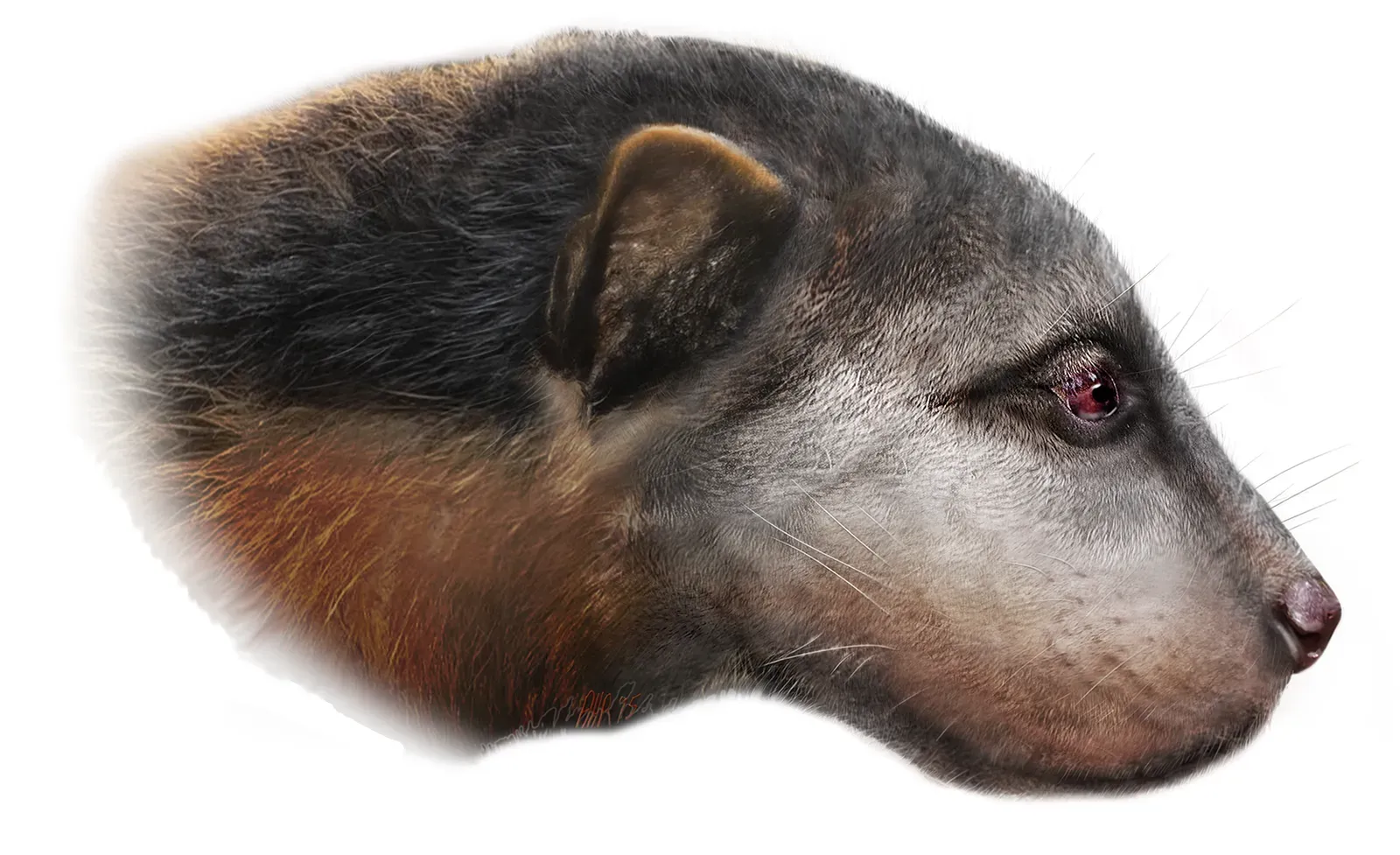
Ancient mammals were far larger than their modern relatives, with some species that lived during the Oligocene and Miocene epochs growing to the size of today’s wolves and jaguars and were able to hunt animals the size of deer and horses. Modern weasels and badgers are small, scrappy predators, but their prehistoric ancestors were terrifying mega-carnivores.
Ancient mustelid Megalictis ferox’s name means “fierce great weasel” and was the size of a jaguar and preyed on horses and small rhinos. Ekorus ekakeran was a large extinct mustelid that was similar in size to a small gray wolf. I know it sounds crazy, but imagine encountering a weasel the size of a wolf hunting in packs across ancient grasslands. The prehistoric world was not for the faint of heart.
9. Fossilized Hair Reveals Surprising Details About Ancient Mammal Biology
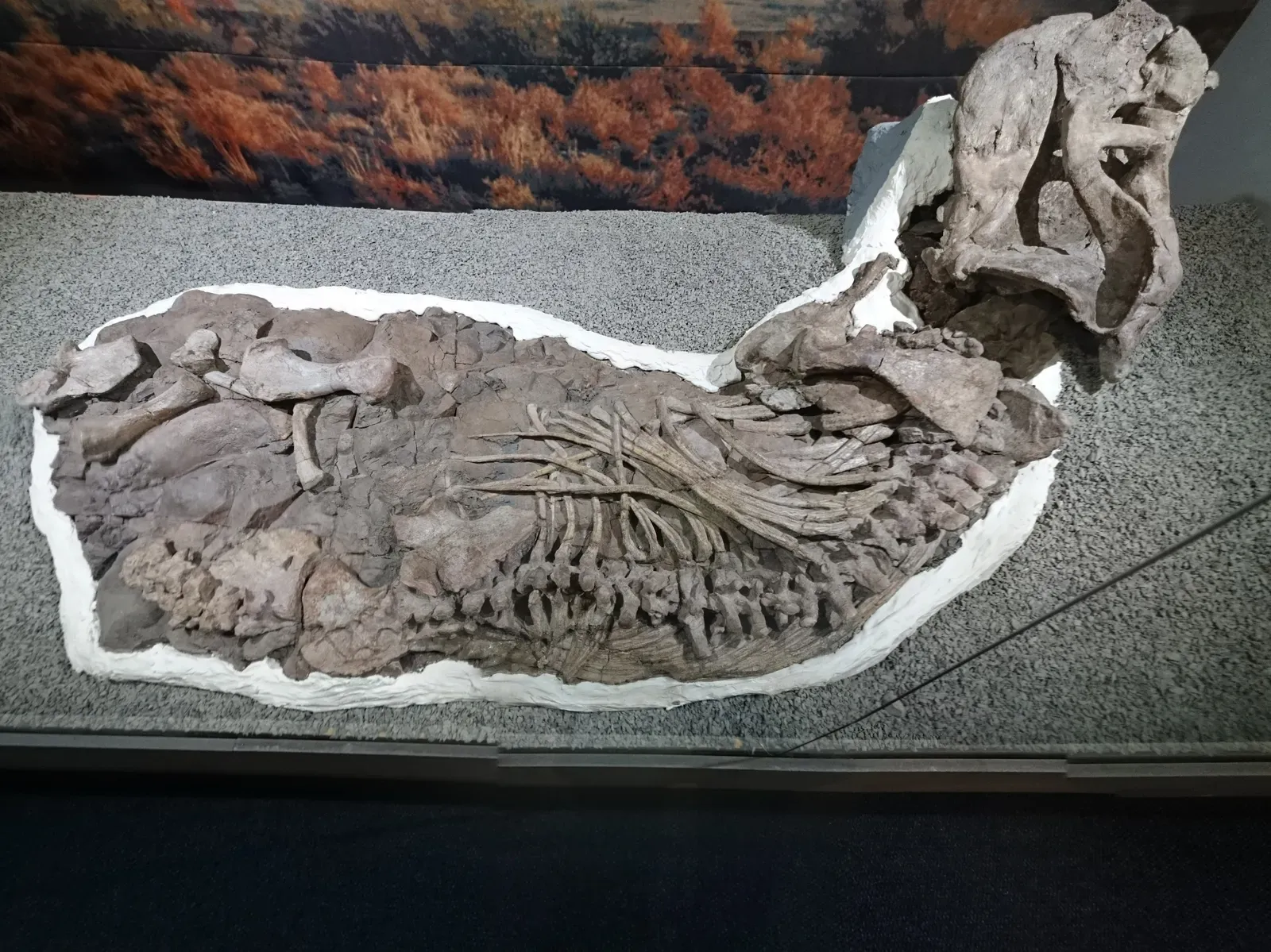
Some shocking revelations in the fossil record – including fossilized hair as well as teeth and skeletons – both illuminate and complicate views on the biology and evolution of ancient mammals that lived during, and just after, the age of the dinosaurs. Hair preservation in fossils is exceptionally rare because soft tissues typically decompose long before fossilization can occur. When it does happen, though, it provides unprecedented insights into how these creatures lived.
Fossilized hair tells us about adaptation to climate, about metabolic rates, and even about behavior patterns like grooming. The discovery of preserved hair in multiple fossil sites has forced scientists to reconsider assumptions about which environments could preserve soft tissue and what conditions were necessary. It’s hard to say for sure, but these hair fossils might represent only a tiny fraction of what’s actually preserved in rocks worldwide, just waiting for the right technology to reveal them.
10. Precise Dating Techniques Are Rewriting Mammal Evolution Timelines
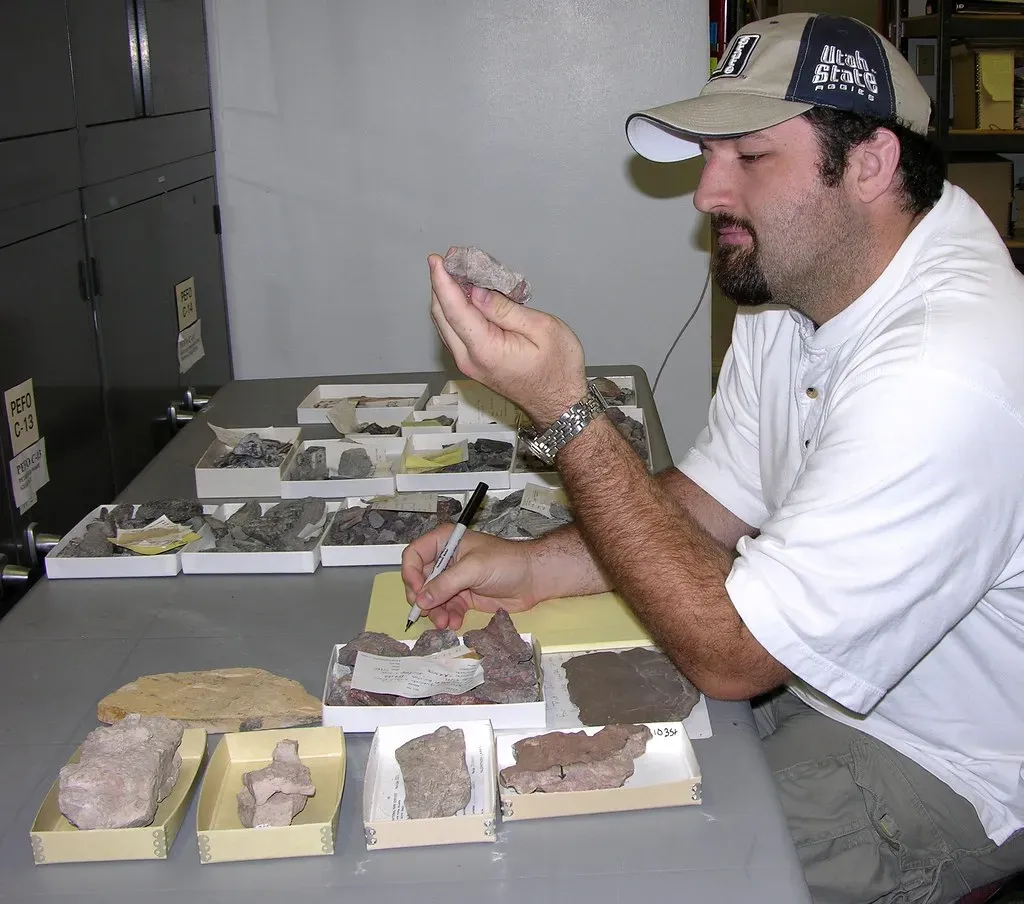
An international research team accurately dated major fossil sites in Central Anatolia, Türkiye, to between 7 and 10 million years ago using an advanced Argon-Argon radioisotopic dating technique. Until now, age estimates for these fossils relied on faunal comparisons with distant, poorly dated sites in Europe and Asia, but this new research not only provides more accurate timelines but also reinforces Türkiye’s pivotal role in the study of mammalian evolution.
The results obtained through the Argon-Argon method offer a more accurate timeline for significant mammal fossils, such as the large Miocene ape of the genus Ouranopithecus, potentially a common ancestor of African apes and early bipeds. This isn’t just about getting dates right. It’s about understanding which species lived when, which environments they occupied, and how rapidly evolution was actually occurring. Every refinement in dating technology brings us closer to understanding the true story of how we and our mammalian relatives came to dominate the planet.
Conclusion
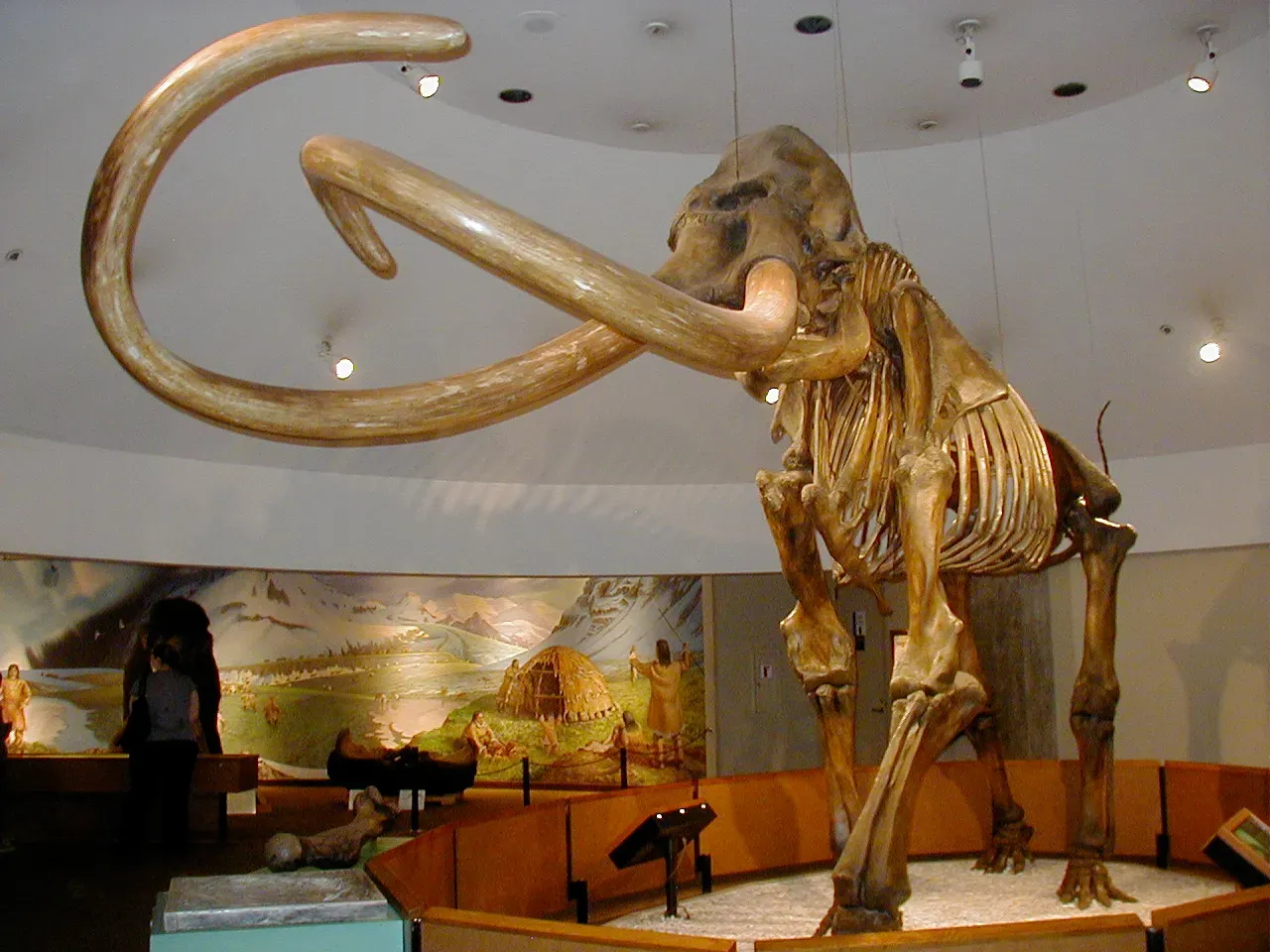
The prehistoric mammal world was far stranger and more dynamic than most people realize. From tiny social creatures burrowing beneath dinosaur feet to jaguar-sized weasels hunting prehistoric horses, these discoveries paint a picture of remarkable diversity and adaptability. Ancient DNA extraction, fossilized hair, and cutting-edge dating techniques continue to reveal secrets hidden in rocks for millions of years.
These findings remind us that evolution isn’t a simple, linear process. It’s chaotic, opportunistic, and endlessly creative. Every new fossil discovery rewrites another chapter of our understanding, proving that there’s still so much we don’t know about the creatures that came before us. What other incredible secrets are still buried, waiting for someone to dig them up? What do you think the next big prehistoric mammal discovery will reveal?