When most of us think about dinosaurs, we picture enormous scaly creatures lumbering through swamps, cold-blooded and dim-witted. That picture, honestly, couldn’t be further from the truth. Decades of cutting-edge research have completely rewritten what we know about these extraordinary animals, and the biological reality is far more fascinating, more nuanced, and more surprising than anything your school textbooks ever dared to suggest.
From birds-eye discoveries buried in ancient fossils to molecular secrets unlocked by laser technology, science has pulled back the curtain on dinosaur physiology in ways that would have sounded like science fiction just a generation ago. You’re about to find out what paleontologists are actually excited about right now. Let’s dive in.
Not All Dinosaurs Were Cold-Blooded – Not Even Close
You’ve probably grown up hearing that dinosaurs were cold-blooded reptiles, sluggishly dragging themselves through ancient jungles. Here’s the thing: that idea has been thoroughly dismantled. A Yale-led research team has established that the earliest dinosaurs and pterosaurs had exceptionally high metabolic rates and were warm-blooded animals. That’s not a minor revision. That’s a complete overhaul of how we understand these creatures.
The plot thickens, though, because not every dinosaur had the same metabolic story. The bird-hipped dinosaurs, like Triceratops and Stegosaurus, had low metabolic rates comparable to those of cold-blooded modern animals, while the lizard-hipped dinosaurs, including theropods and sauropods like Velociraptor and T. rex, were warm or even hot-blooded. Researchers were surprised to find that some of these dinosaurs weren’t just warm-blooded – they had metabolic rates comparable to modern birds, much higher than mammals. Think about that for a moment. T. rex burning energy like a modern hawk. Wild, right?
Scientists Can Now Read Metabolism Directly from Fossil Bones
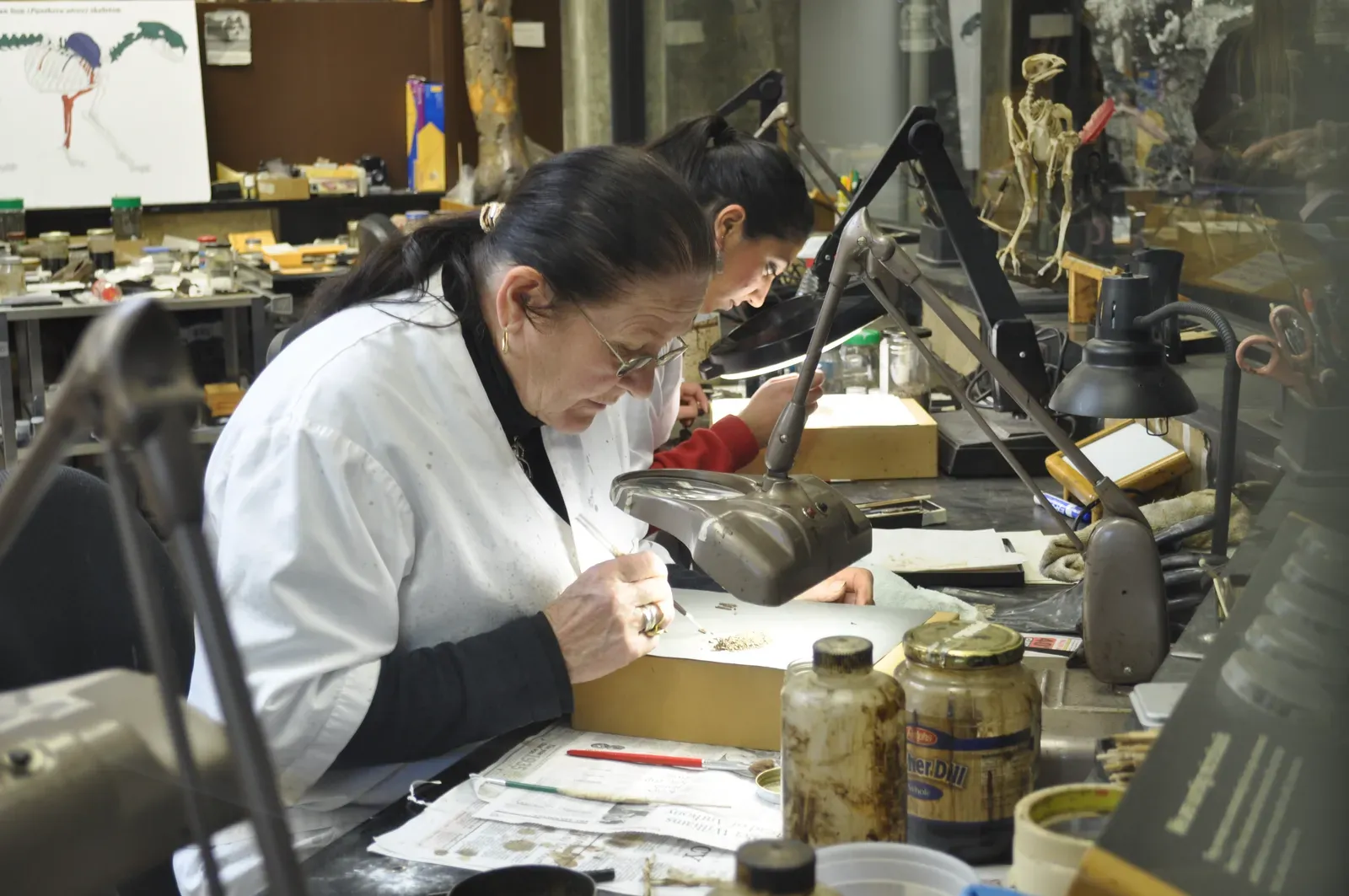
I know it sounds crazy, but researchers can now look at a dinosaur bone that is millions of years old and determine whether that creature was warm or cold-blooded. Researchers examined fossils for compounds known as advanced lipoxidation end-products, or ALEs, which are signs of metabolic stress in living animals. These molecules are extremely stable and don’t dissolve in water, making it likely that evidence of ALEs will be preserved in a fossilized animal. That’s the kind of chemical detective work that would make even Sherlock Holmes jealous.
The method is impressively non-destructive too. Researchers used laser microspectroscopy, such as Raman and Fourier-transform infrared spectroscopy, which works by capturing signals of molecular metabolic stress markers in modern and fossil bones responding to the laser light – an approach that does not require specimen destruction and allows for the rapid analysis of large sample sets. No chipping away at priceless fossils. Just laser beams bouncing off ancient bone, revealing secrets locked in place for tens of millions of years.
Dinosaurs Had Air Sacs in Their Bones – Just Like Modern Birds
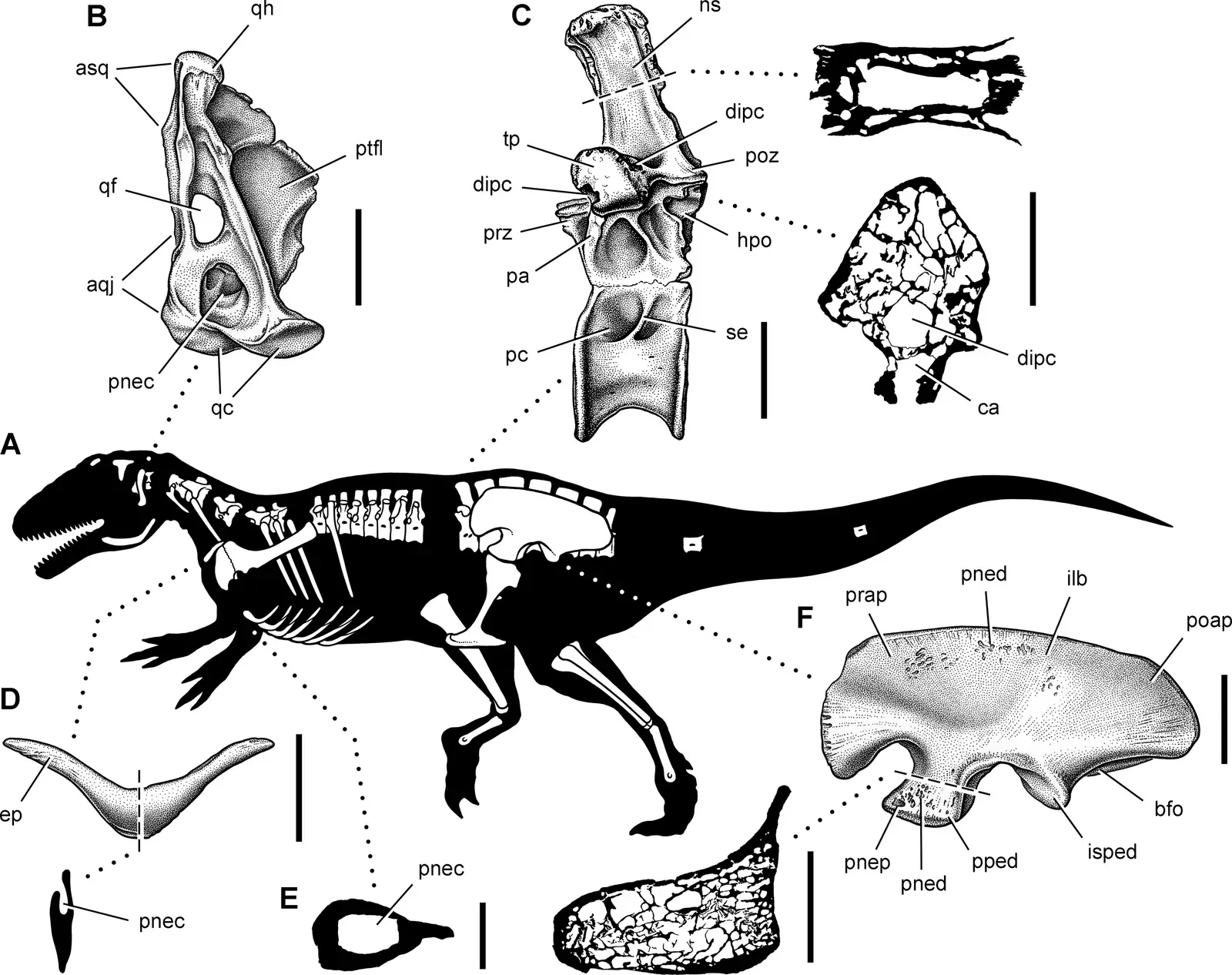
Here’s something you absolutely did not learn in school. Many dinosaurs had hollow, air-filled bones connected to a sophisticated air sac system, almost identical to what birds use today. In the bird lung-air sac system, the presence of air sacs is associated with the skeleton becoming hollowed out and filled with air. Pockets of the respiratory system called diverticulae appear in the bones, leaving tell-tale marks called pneumatic foramina – holes in the bone that connect to the air-filled inner chambers. These pneumatic foramina have also been found in the fossilized bones of theropods like T. rex and Velociraptor, and sauropod dinosaurs like Diplodocus and Brachiosaurus, providing strong evidence for the presence of air sacs in these groups.
This wasn’t just a quirky anatomical feature. It gave dinosaurs a serious biological advantage. Special air sacs alongside the lungs did the heavy lifting, pumping air through the lungs where oxygen diffuses into the bloodstream. The lungs are attached to the vertebrae and ribs, which form the ceiling of the rib cage, and a connector called the costovertebral joint provides further support. That setup allows for a continuous stream of oxygen and requires less energy than inflating and deflating the lungs. It’s the respiratory equivalent of a turbocharger, and dinosaurs had it first.
A Giant Sauropod Simply Could Not Have Breathed Like a Reptile
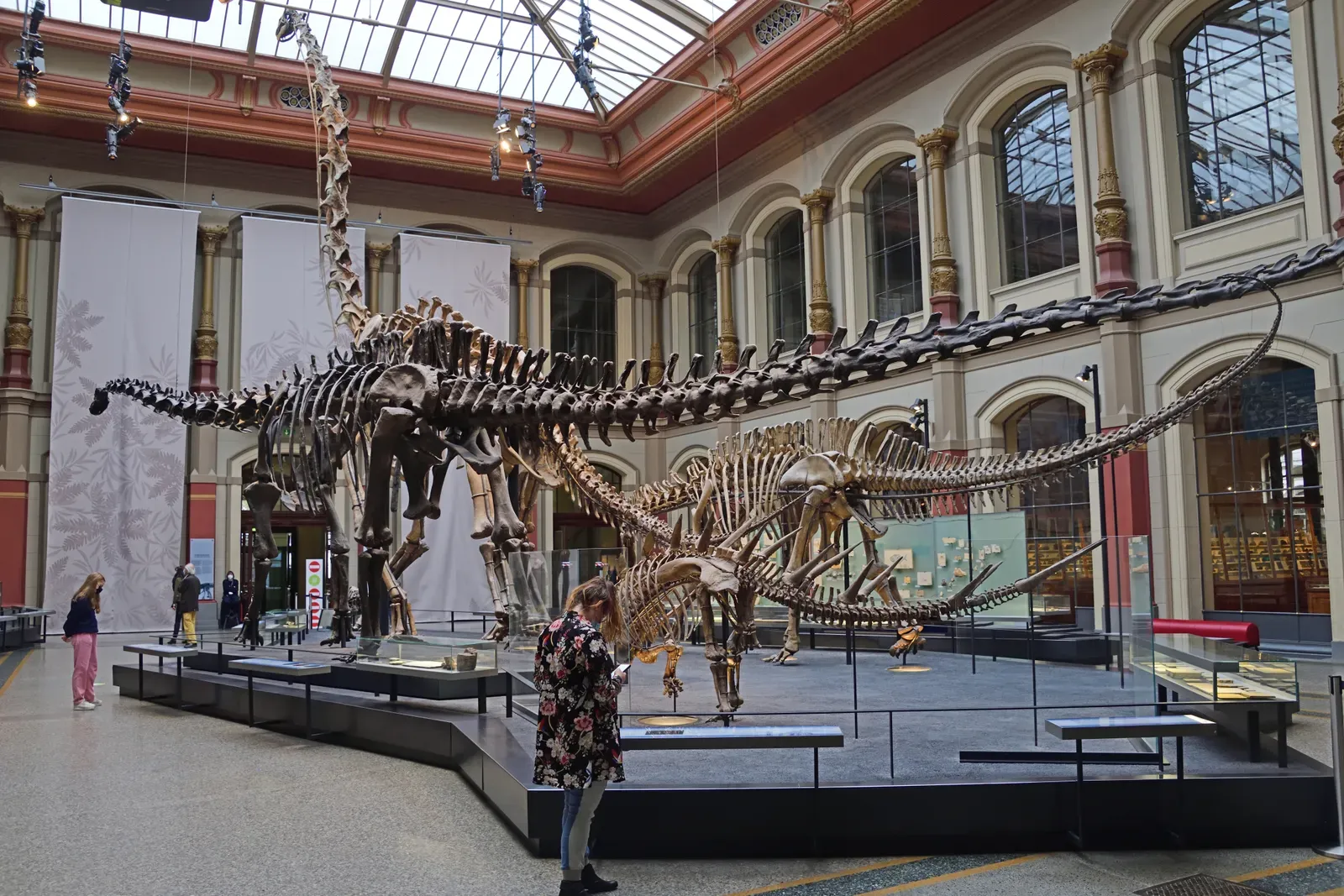
The sheer scale of some dinosaurs creates a respiratory puzzle that paleontologists have spent years solving. Think of it like trying to cool a skyscraper with a window fan – the math just doesn’t work. On the basis of volume calculations, Apatosaurus could not have had a reptilian respiratory system, as its tidal volume would have been less than its dead-space volume, so that stale air was not expelled but was sucked back into the lungs. In other words, a reptile-style breathing system would have slowly suffocated these animals.
The actual numbers here are staggering. Estimates of tidal volume – the amount of air moved into or out of the lungs in a single breath – depended on the type of respiratory system the animal had: roughly 904 liters if avian, 225 liters if mammalian, and just 19 liters if reptilian. On this basis, Apatosaurus could not have had a reptilian respiratory system. A mammalian system would only provide about 41 liters of fresh, oxygenated air on each breath. The only system that actually makes physiological sense for a creature of that size is a bird-like one. Nature had already solved the engineering problem, long before birds ever existed.
Many Dinosaurs Had Four-Chambered Hearts – Like Yours
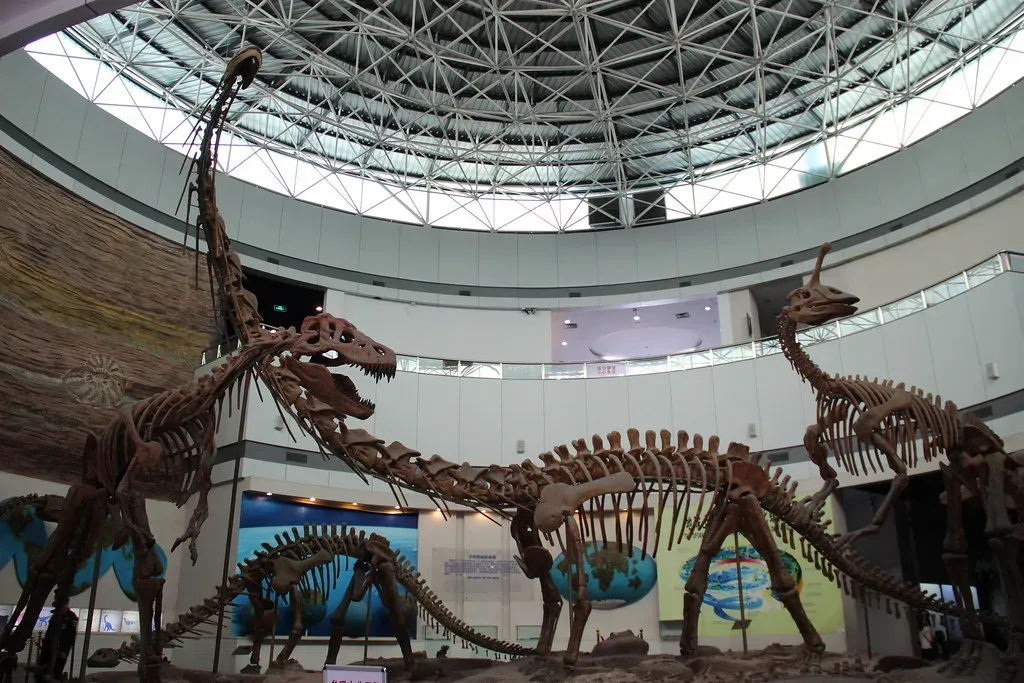
Your heart has four chambers. So did most dinosaurs. That’s not a coincidence – it’s evolutionary logic. Both modern crocodilians and birds, the closest living relatives of dinosaurs, have four-chambered hearts, although modified in crocodilians, and so dinosaurs probably had them as well. It makes perfect sense when you think about it. An animal with high oxygen demands and enormous body size needs a heart that can handle serious blood pressure.
For the tallest dinosaurs, blood pressure wasn’t just a health concern – it was an engineering crisis. It is possible to measure the minimum blood pressures of dinosaurs by estimating the vertical distance between the heart and the top of the head, because this column of blood must have a pressure at the bottom equal to the hydrostatic pressure derived from the density of blood and gravity. It was pointed out in 1976 that because of their height, many dinosaurs had minimum blood pressures within the endothermic range, and that they must have had four-chambered hearts to separate the high-pressure circuit to the body from the low-pressure circuit to the lungs. Pumping blood nine meters up to a sauropod’s head was a cardiovascular achievement of almost unbelievable proportions.
Feathered Dinosaurs Were Actually Colorful – Not Just Grey and Brown
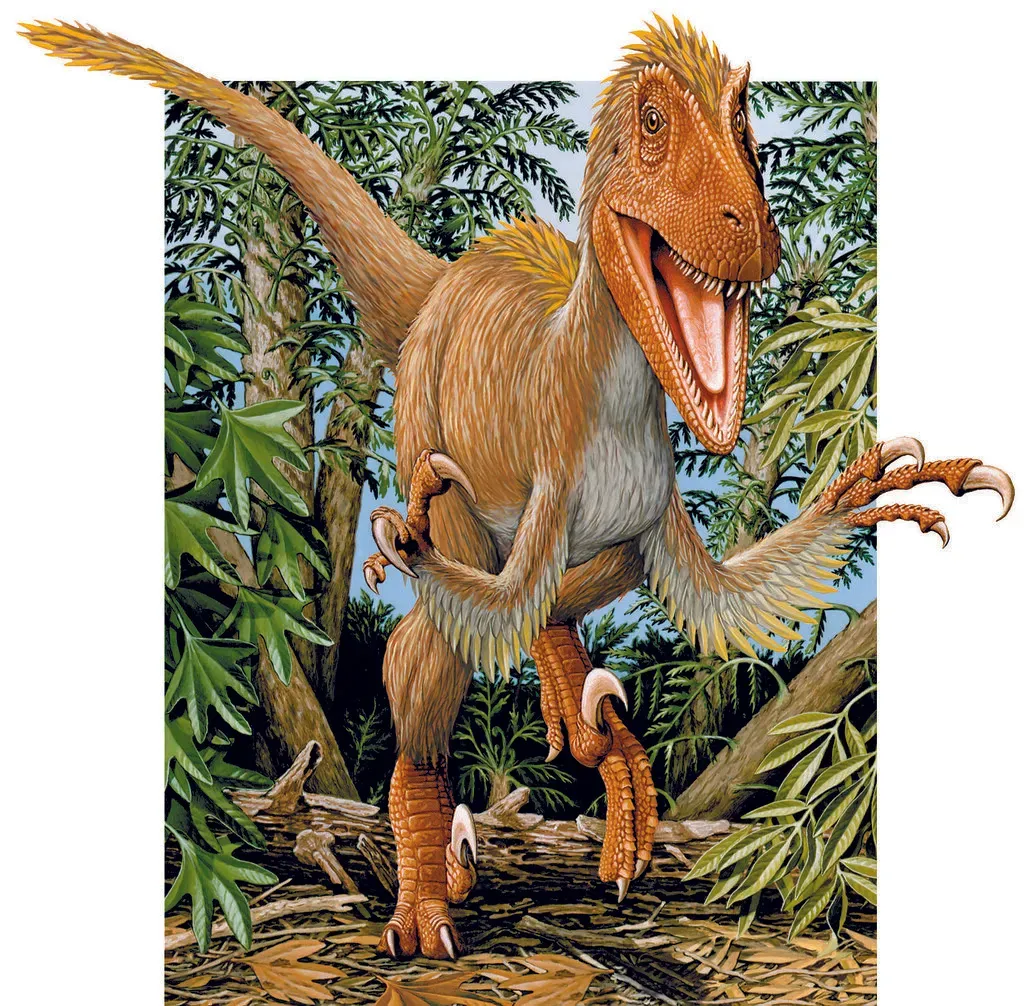
For almost the entire history of paleontology, dinosaur color was a complete mystery. We imagined them as dull, grey-green creatures because, well, nobody actually knew. Then science stepped in and the answer turned out to be spectacular. Dinosaur coloration is generally one of the unknowns in the field of paleontology, as skin pigmentation is nearly always lost during the fossilization process. However, studies of feathered dinosaurs and skin impressions have shown the color of some species can be inferred through the analysis of color-determining organelles known as melanosomes that are preserved in fossilized skin and feathers.
The results, once scientists started looking, were genuinely stunning. Some feathered dinosaurs wore dark, iridescent sheens like ravens, others had red-and-white striped tails, and some wore rainbow shades, not all that different from some birds. Experts have even been able to extend the same technique to some exceptional dinosaur skin. The horned dinosaur Psittacosaurus and the armored dinosaur Borealopelta, for example, were darker above and lighter below to create a kind of camouflage called countershading. Even a heavily armored dinosaur needed to hide from predators. That detail alone completely changes how you picture the Mesozoic world.
Color Diversity in Dinosaurs Was Tied Directly to Physiology
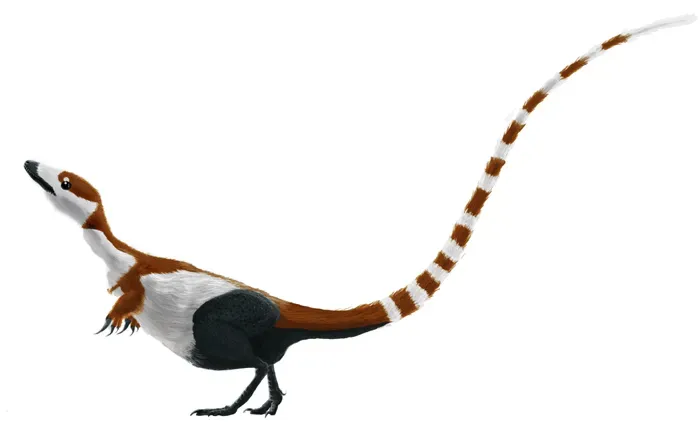
Here is something even more mind-bending than colorful dinosaurs. The reason they became colorful in the first place appears to be deeply connected to a major physiological shift happening inside their bodies. Many of the genes involved in the melanin color system are also involved in other core processes such as food intake, the stress axis, and reproductive behaviors. Because of this, researchers note it is possible that the evolution of diverse melanosome shapes is linked to larger changes in energetics and physiology. Color wasn’t just decoration. It was a biological signal of something far deeper.
The team found a sudden rise in the diversity of melanosomes around 150 million years ago, around the same time that the dinosaur lineage leading to birds developed birdlike feathers with barbs branching off from a central shaft. That timing is not a coincidence. Researchers think that the appearance of this color variety in dinosaur plumage was a side effect of a change in the way the ancient animals stored and used energy. Metabolism shifted, energy systems changed, and the feathers lit up with color. It’s one of the most elegant stories in all of evolutionary biology.
Dinosaur Bone Growth Rivaled That of Modern Warm-Blooded Animals
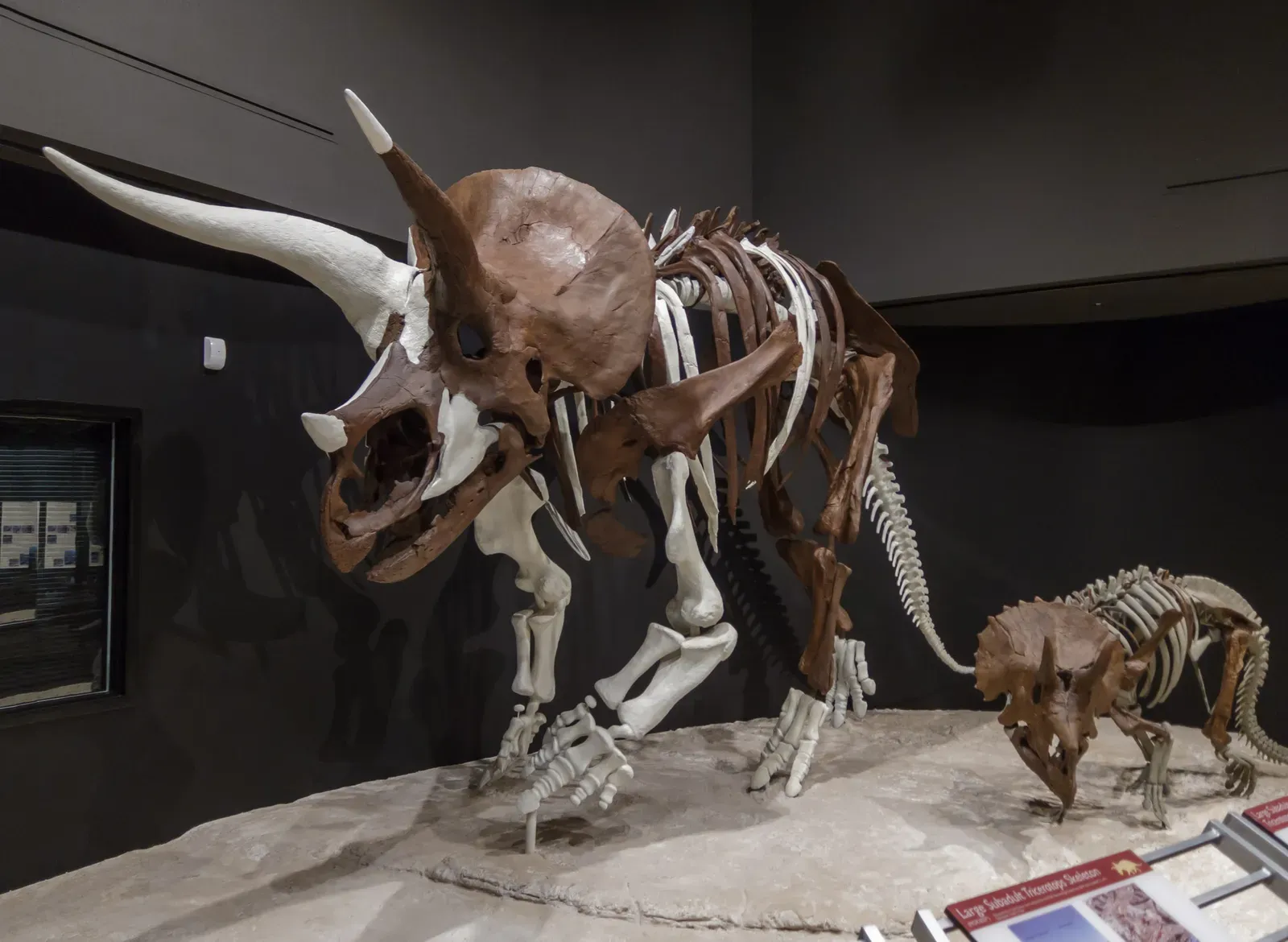
Let’s be real – if you were cold-blooded, you would grow slowly. That’s just the biological reality of reptiles today. So what does it mean that dinosaur bone growth rates closely matched those of warm-blooded mammals? It means everything. Like mammals, dinosaurs stopped growing when they reached the typical adult size of their species, while mature reptiles continued to grow slowly if they had enough food. Dinosaurs of all sizes grew faster than similarly sized modern reptiles. That pattern of growth is a metabolic fingerprint, and it points firmly toward warm-bloodedness.
The technology used to study this is surprisingly elegant – essentially slicing bones paper-thin and reading their growth history like rings in a tree trunk. The study of dinosaur growth and reproduction has benefited greatly from recent discoveries of eggs, nests and juveniles, and from the widespread adoption of osteohistological techniques. Documenting the distributions and abundances of different tissue types and growth features in bone thin sections now allows accurate reconstruction of growth rates and ontogenetic stage, thereby offering new insights into dinosaur parenting, metabolism, taxonomy, and cognition. A single bone slice can tell you how fast a creature grew up, how long it lived, and even something about how its parents behaved.
Some Baby Dinosaurs Had a Metabolism Closer to Birds Than to Reptiles
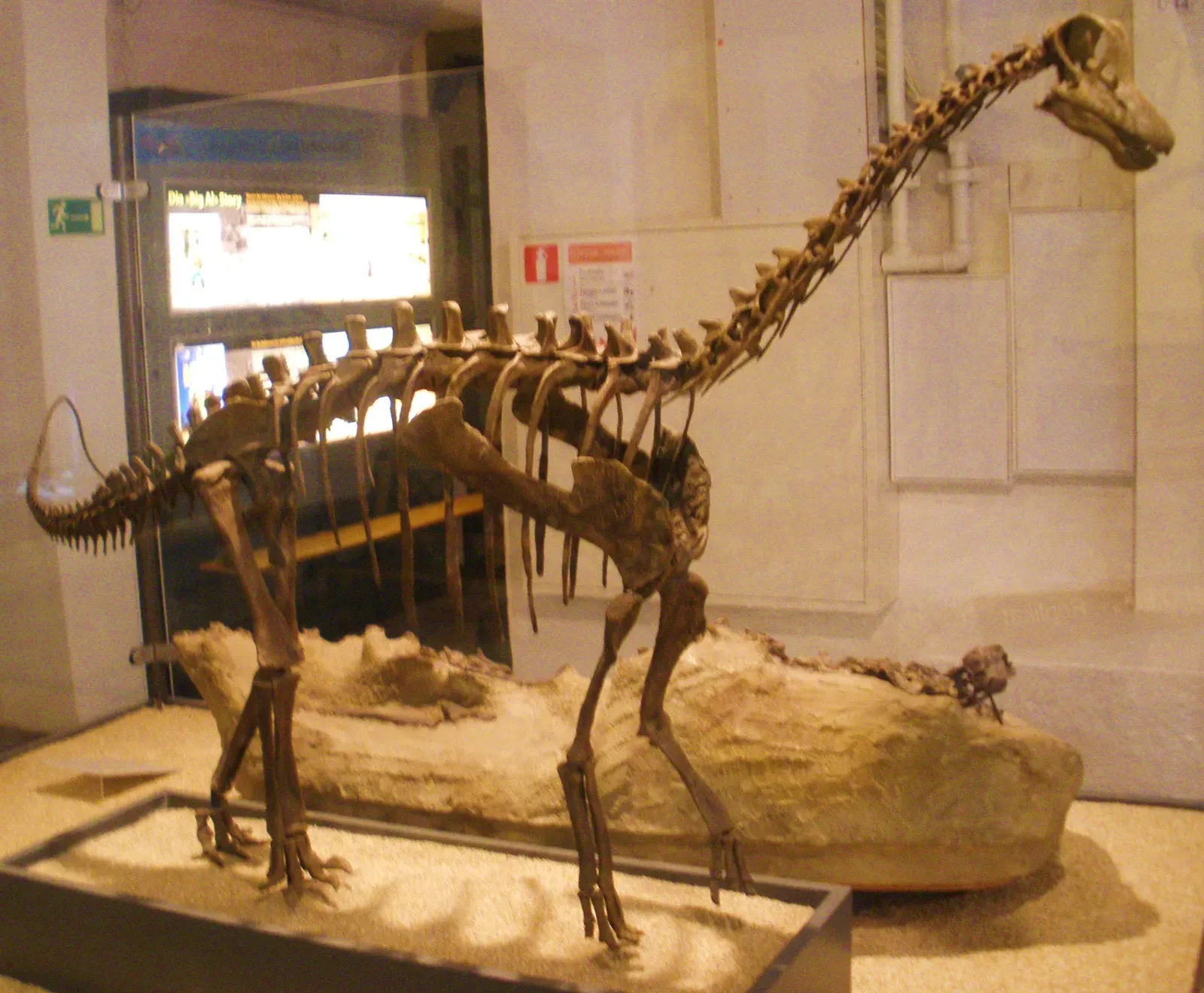
Young dinosaurs were even more physiologically surprising than adults. Research on the well-known hadrosaur Maiasaura – a dinosaur famous for its elaborate nesting behavior – offered some remarkable metabolic clues. Researchers calculated resting and maximum metabolic rates of neonates of Maiasaura peeblesorum, interpreted as consistent with a physiology more similar to those of extant fast-growing endotherms than those of extant reptiles. These hatchlings were essentially burning energy at a bird-like rate right from the start.
This has enormous implications for how we understand dinosaur parenting and development. Detailed bone studies show these dinosaurs matured quickly with bird or mammal-like metabolism, while their teeth and posture hint at fast, agile lives. A baby dinosaur with a high metabolic rate would have needed significant parental care and feeding to survive – which lines up perfectly with the fossil evidence of nest sites and communal nesting behaviors found at various dig sites. These animals were not simply laying eggs and walking away.
Preserved Metabolic Molecules Have Been Found Inside Dinosaur Fossil Bones
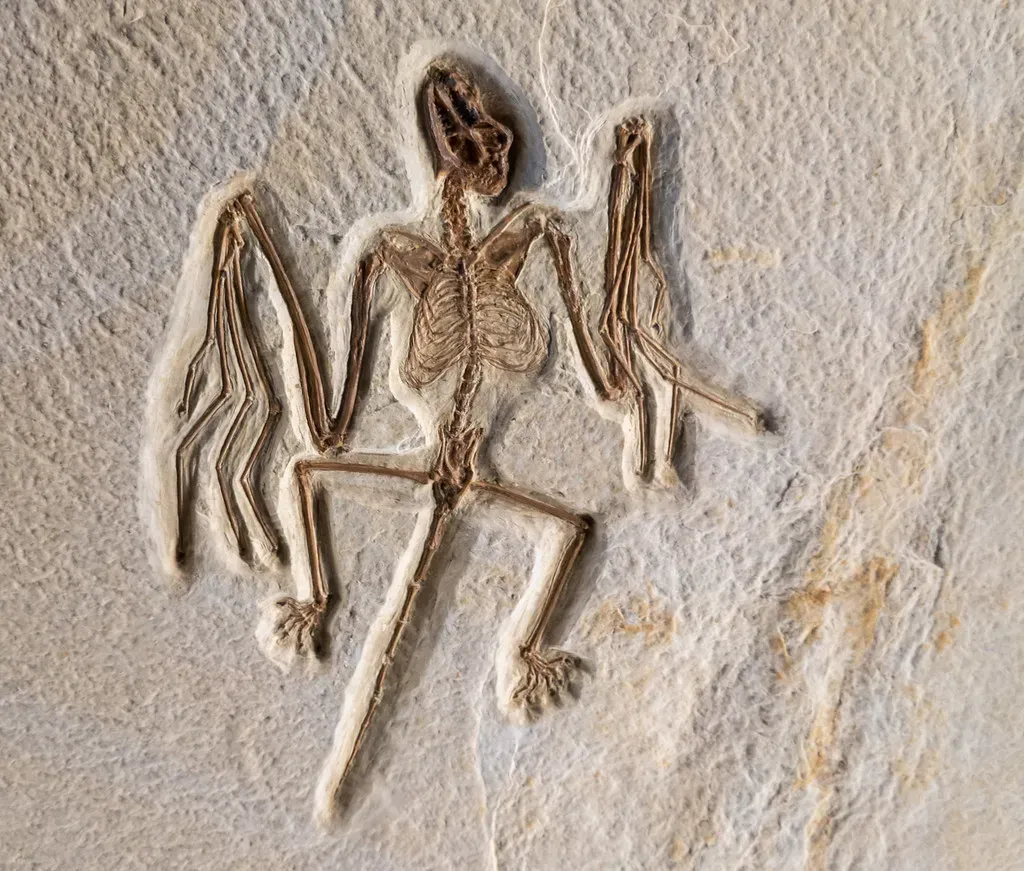
This might be the most astonishing fact on the entire list. It was long assumed that fossilization erased all soft biological chemistry, leaving only mineralized bone. Then came a discovery that turned that assumption on its head. Researchers have uncovered thousands of preserved metabolic molecules inside fossilized bones millions of years old, offering a surprising new window into prehistoric life. Millions of years old. Still chemically readable. That is almost incomprehensible.
This kind of molecular preservation connects directly to the broader revolution in how we study dinosaur biology. Dinosaur biology has intrigued scientists since the nineteenth century, but until comparatively recently, attempts to reconstruct their life habits and physiology were often based on weak foundations. One of the major advances in recent decades has been the introduction of more rigorous, quantitative approaches, drawing on methods developed in other fields, including biological imaging and structural engineering, as well as a better understanding of living relatives and other analogues. We are no longer guessing. We are reading the actual molecular data locked inside 65 million-year-old rock. It’s hard to say for sure where this research will lead next, but the possibilities are extraordinary.
Conclusion: Everything You Thought You Knew Was Just the Beginning
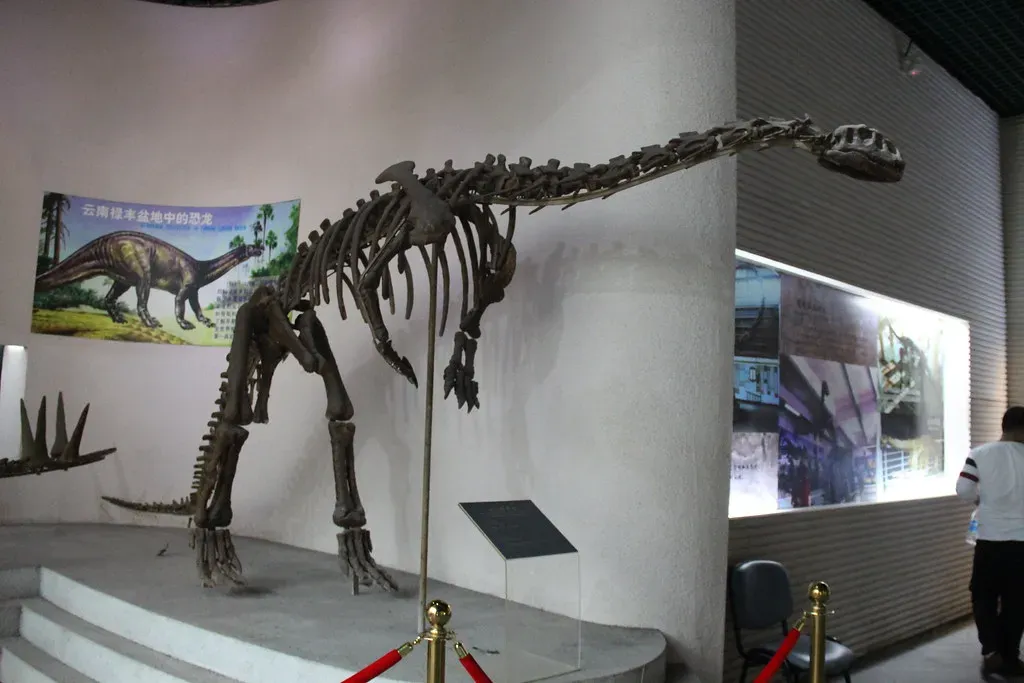
The dinosaurs that roamed the Earth were not the slow, dull, cold-blooded giants of outdated textbooks. They were warm or hot-blooded, breathed with bird-like efficiency, grew at startling speeds, displayed vibrant colors, and carried physiological complexity that rivals anything alive today. Every fossil cracked open, every bone slice examined under a microscope, and every laser fired at ancient mineral is rewriting the story.
What makes all of this truly exciting is that we are living in the golden age of dinosaur discovery. The tools available to researchers today would have been unimaginable to the paleontologists of even fifty years ago. Molecular analysis, CT scanning, laser spectroscopy – science is only just beginning to unlock what these animals were truly like.
The next time you stand in front of a dinosaur skeleton in a museum, look at it differently. What you’re seeing isn’t just old bones. You’re looking at a physiologically sophisticated animal that dominated the Earth for over 160 million years. What would you have guessed about them before you read this? Tell us in the comments – we’d love to know.