Have you ever wondered what secrets lie buried beneath your feet? Our planet has been around for roughly four and a half billion years, and the stories locked within its ancient rocks read like the wildest science fiction imaginable. From times when the entire Earth resembled a frozen snowball to periods when molten lava covered everything you can see, our home has endured some truly extreme conditions.
Most people know a few basic facts about dinosaurs and maybe Pangaea if they paid attention in school. Yet the really astonishing stuff happened way before any of that. We’re talking about events so dramatic they completely reshaped the planet and made modern life possible. Let’s dive in.
The Oldest Earth Material Is Nearly as Old as the Planet Itself
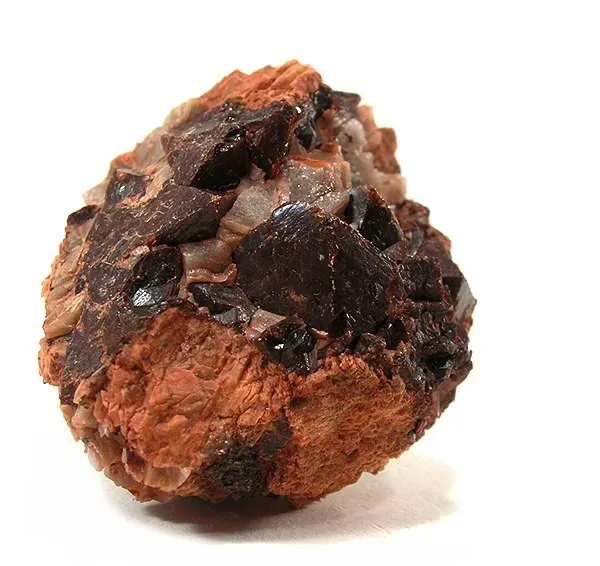
You might be shocked to learn that tiny zircon crystals found in the Jack Hills of Western Australia date back an astounding 4.404 billion years, formed merely around 150 million years after Earth’s inception. Think about that for a second. Earth itself formed approximately 4.54 billion years ago, which means these microscopic time capsules crystallized when our planet was still in its infancy.
These ancient zircons show something even more remarkable through their oxygen isotopic composition – evidence suggesting that more than 4.4 billion years ago, there was already water on the surface of Earth. That’s right, liquid water existed on a planet that was supposedly a hellish, molten wasteland. The implications are staggering because water is essential for life as we know it.
A Piece of Earth Was Found on the Moon
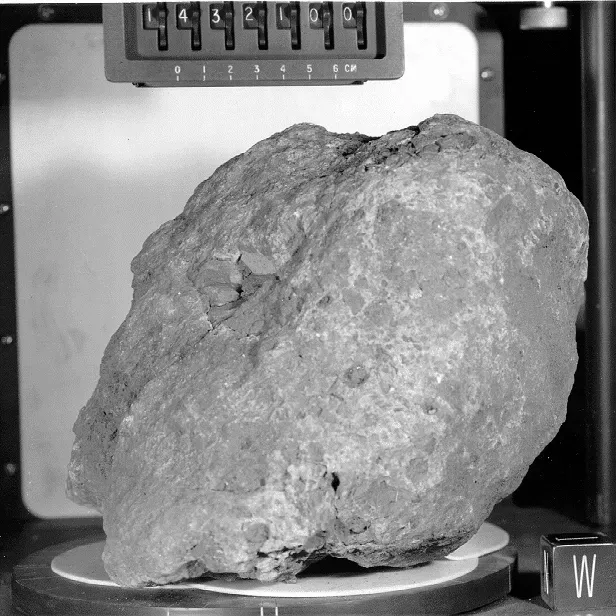
Here’s something that sounds totally made up but isn’t. Apollo 14 astronauts returned rocks from the Moon, and scientists later determined that a fragment from a rock nicknamed Big Bertha contained a bit of Earth from about 4 billion years ago, featuring quartz, feldspar, and zircon – all common on Earth but highly uncommon on the Moon.
How did a chunk of our planet end up there? Much of Earth was molten because of frequent collisions with other bodies which led to extreme volcanism. One of those massive impacts must have blasted Earth material into space, and some of it eventually landed on the lunar surface. It’s wild to think that pieces of ancient Earth have been sitting on the Moon this whole time, waiting for us to bring them home.
Earth’s Magnetic Field Saved Us From Becoming Like Mars
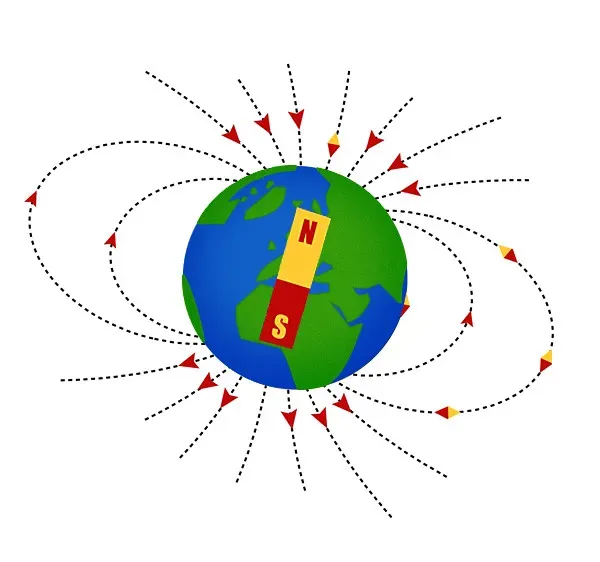
Earth’s magnetic field was established 3.5 billion years ago, and the solar wind flux was about 100 times the value of the modern Sun, so the presence of the magnetic field helped prevent the planet’s atmosphere from being stripped away, which is what probably happened to the atmosphere of Mars. Let that sink in for a moment.
Without our planetary force field, the young Sun would have blasted away our atmosphere just like it did to Mars. We’d be a barren, frozen desert instead of the vibrant blue marble we call home. Rocks about 3.7 billion years old retain signatures of a magnetic field with a strength of at least 15 microtesla, similar in magnitude to Earth’s magnetic field today. Our planet’s iron core has been protecting us for billions of years.
Earth’s Early Atmosphere Was More Like Venus Than Today
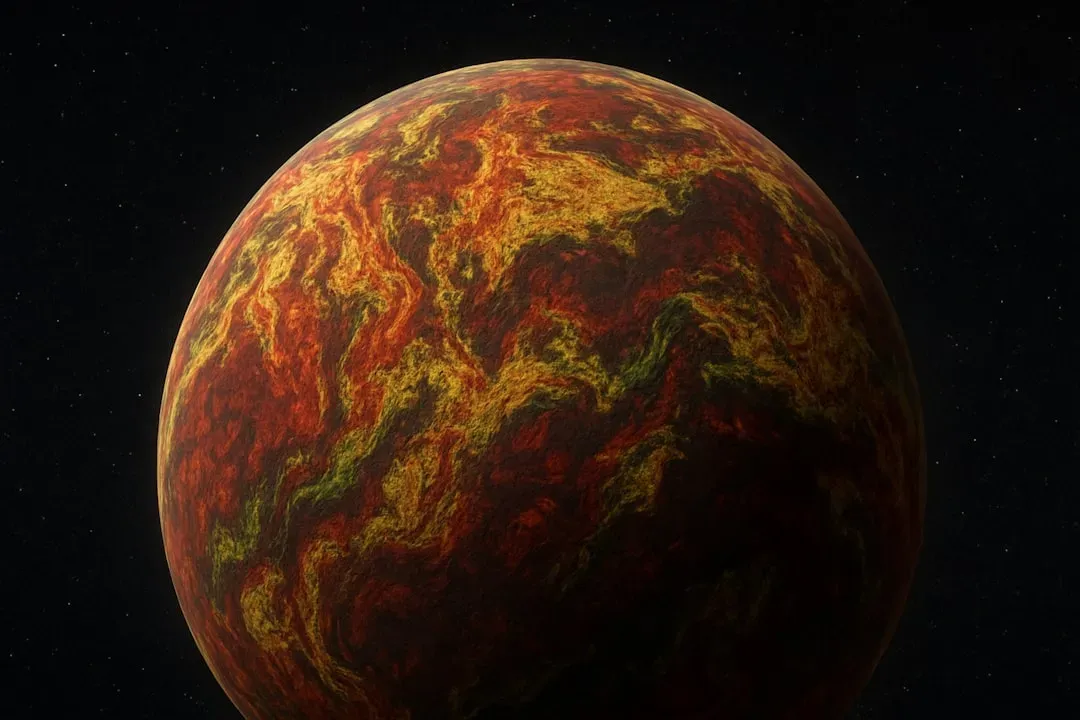
Venus is supremely uninhabitable due to its toxic carbon dioxide rich atmosphere and runaway greenhouse effect, yet research revealed that Earth’s early atmosphere resembled that found on Venus today, roughly 97% carbon dioxide and 3% nitrogen. Picture that – our planet once had a thick, poisonous atmosphere that would kill you instantly.
So what changed? Eventually Earth cooled further and water vapor condensed to form the oceans, which absorbed carbon dioxide, some of which was incorporated into the oceanic crust and subducted into the upper mantle, reducing greenhouse warming and making the planet hospitable to early life. Basically, the oceans saved us by sucking carbon dioxide out of the air. Without that process, we’d be Venus’s twin.
Supercontinents Have Assembled and Broken Apart Multiple Times
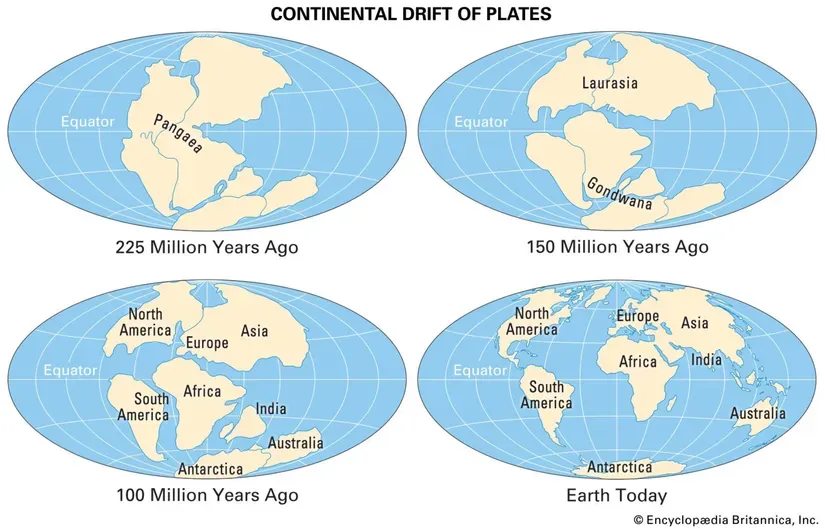
Pangaea is the supercontinent everyone remembers from school, but it’s just the latest in a long series. Rodinia formed at approximately 1.23 billion years ago by accretion and collision of fragments produced by breakup of an older supercontinent called Columbia, then broke up in the Neoproterozoic with its continental fragments reassembled to form Pannotia.
The continents are constantly on the move, smashing together and ripping apart in a cycle that repeats roughly every few hundred million years. Roughly 750 million years ago, the earliest known supercontinent Rodinia began to break apart, and the continents later recombined to form Pannotia and then finally Pangaea, which broke apart 200 million years ago. We’re currently in the middle of this cycle, and eventually our continents will merge again.
The Planet Was Completely Frozen Over – Twice
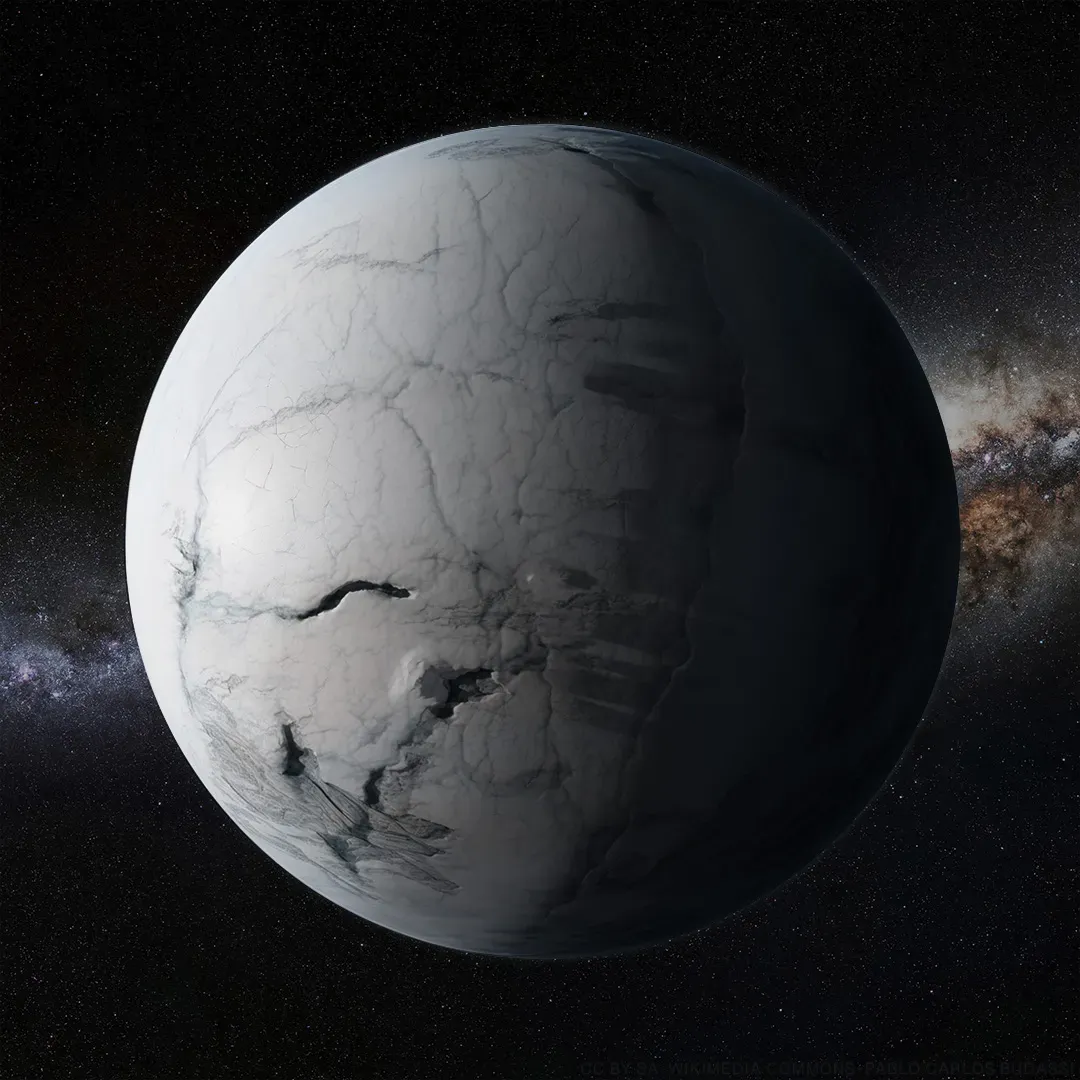
More than 700 million years ago, Earth was plunged into a state that geologists call snowball Earth, when our planet was entirely encased in ice as the polar ice caps expanded so far that they joined up around the equator. Imagine looking at Earth from space and seeing nothing but white ice covering everything from pole to pole.
There were episodes called the Sturtian (about 720 to 660 million years ago) and the Marinoan (about 645 to 640 million years ago), with the Gaskiers being a possible third event, and evidence suggests the Sturtian and Marinoan ice ages were true Snowballs with glaciers flowing at sea level at the equator. The Sturtian glaciation alone lasted for roughly 57 million years. How anything survived is still a mystery that keeps scientists up at night.
The Precambrian Represents Nearly All of Earth’s History
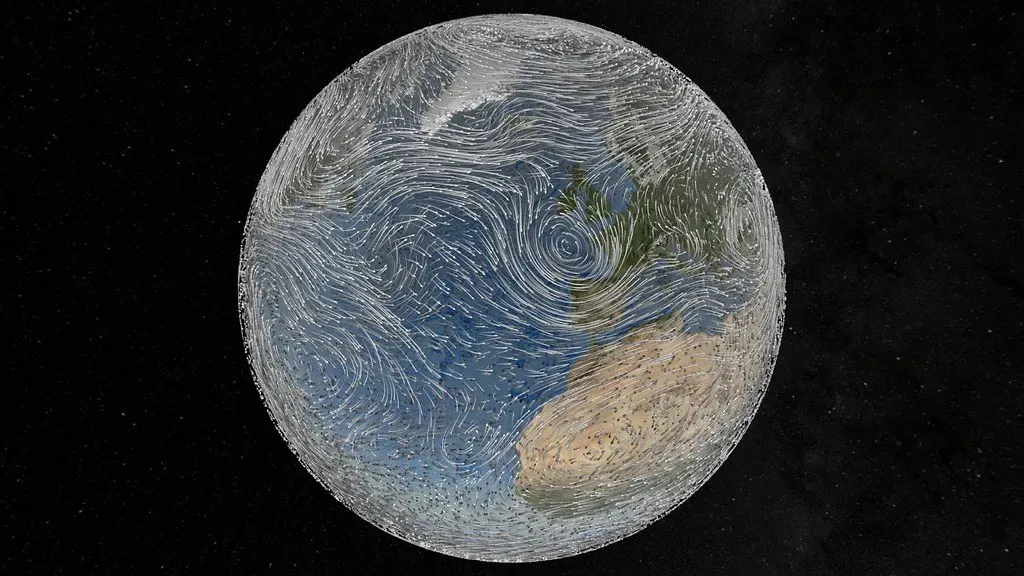
The Precambrian includes approximately 90% of geologic time. Stop and think about that statistic. Everything you’ve ever learned about Earth’s history – dinosaurs, mammals, plants on land, fish in the sea – all of that happened in just the last 10% of our planet’s existence.
The Precambrian is this vast, mostly mysterious stretch of time when Earth was transforming from a molten ball into something capable of supporting complex life. The earliest undisputed evidence of life on Earth dates at least from 3.5 billion years ago, during the Eoarchean Era, after a geological crust started to solidify. For billions of years, only simple single celled organisms inhabited the planet.
Rodinia Was Completely Barren Despite Its Size
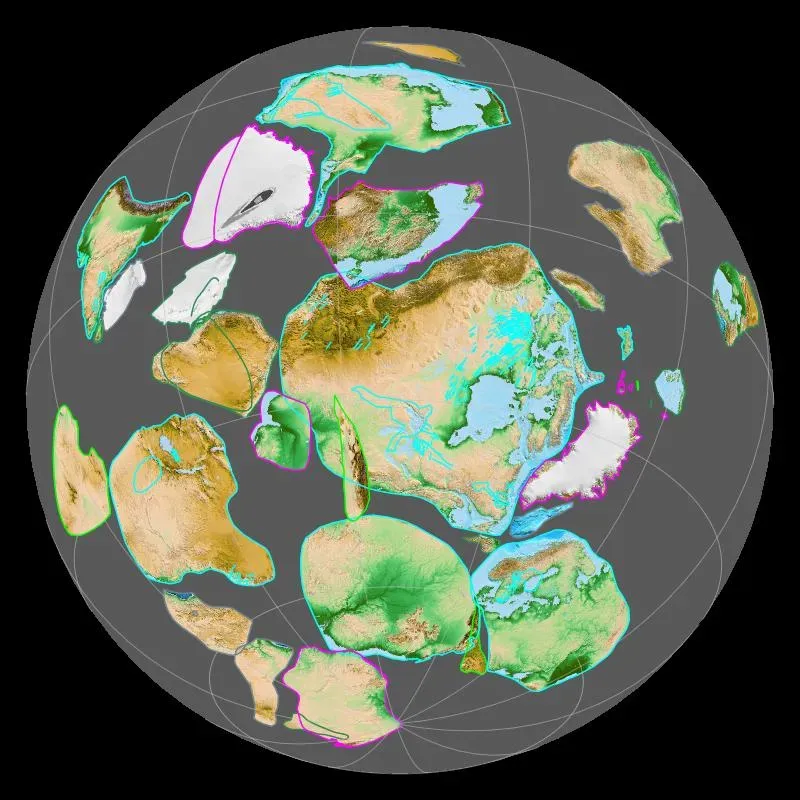
Unlike later supercontinents, Rodinia was entirely barren as it existed before complex life colonized on dry land, and based on sedimentary rock analysis, Rodinia’s formation happened when the ozone layer was not as extensive as it is now, with ultraviolet light discouraging organisms from inhabiting its interior.
Picture an entire supercontinent with zero plants, no animals, nothing walking or crawling on the surface. Nevertheless, its existence significantly influenced the marine life of its time. Life was restricted to the oceans where water provided some protection from the Sun’s brutal radiation. Standing on Rodinia would have meant instant exposure to deadly ultraviolet rays.
Ancient Zircons Revealed Earth Had Oceans Almost Immediately
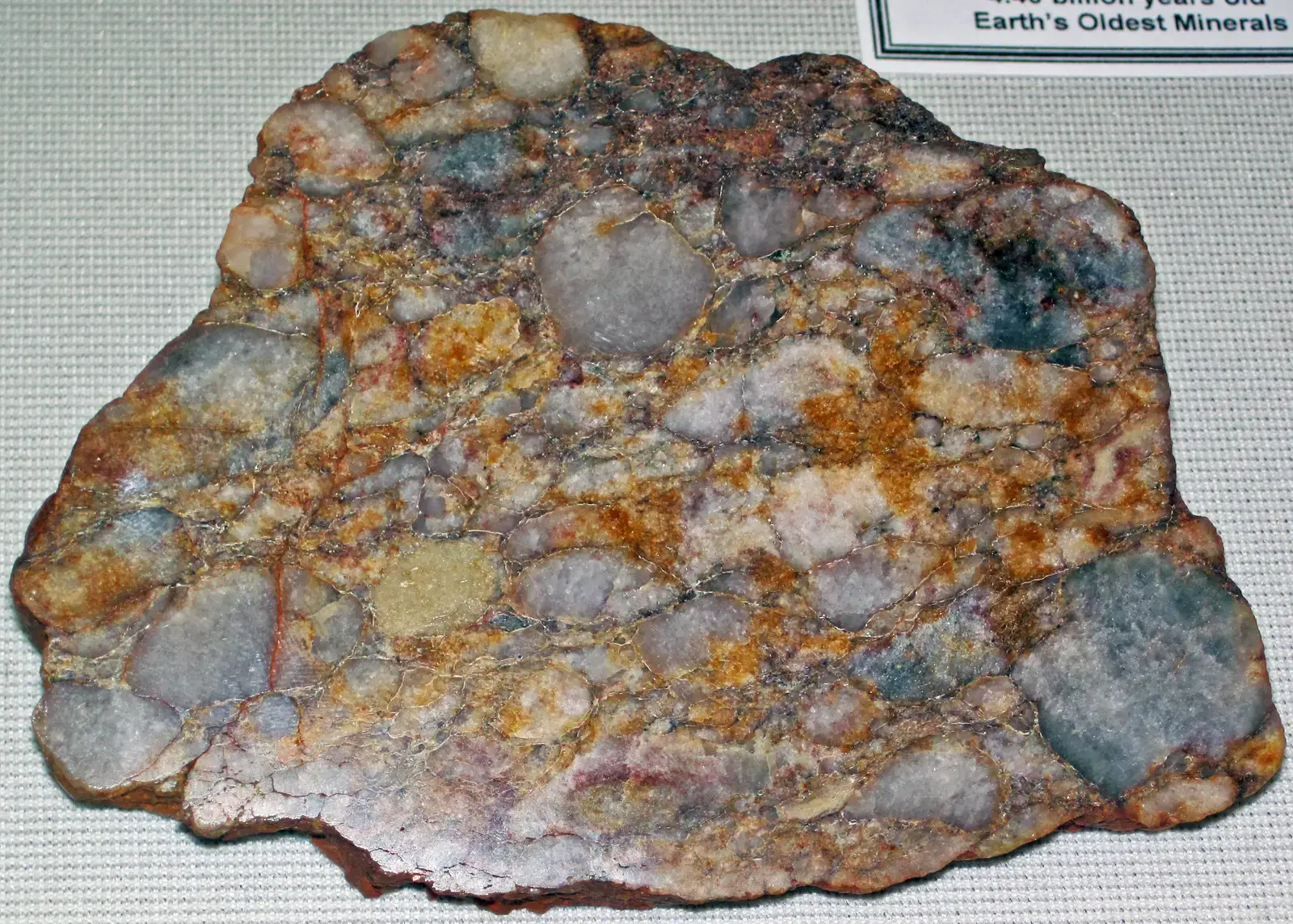
Analysis of oxygen isotopes in Jack Hills zircon shows they are skewed toward heavy oxygen, which is an indication that the rock formed by cool, wet, sedimentary processes at Earth’s surface, suggesting the magma that gave rise to the zircons was formed from what had once been sediments deposited on the floor of an ancient ocean.
This flipped conventional wisdom on its head. Not only was the very young Earth capable of making felsic composition crust, it also was cool enough to have liquid water in oceans – surprisingly familiar conclusions about a hellish young planet. Scientists had assumed early Earth was too hot for oceans, but the evidence says otherwise. Water appeared much earlier than anyone expected.
The Breakup of Rodinia May Have Triggered Snowball Earth
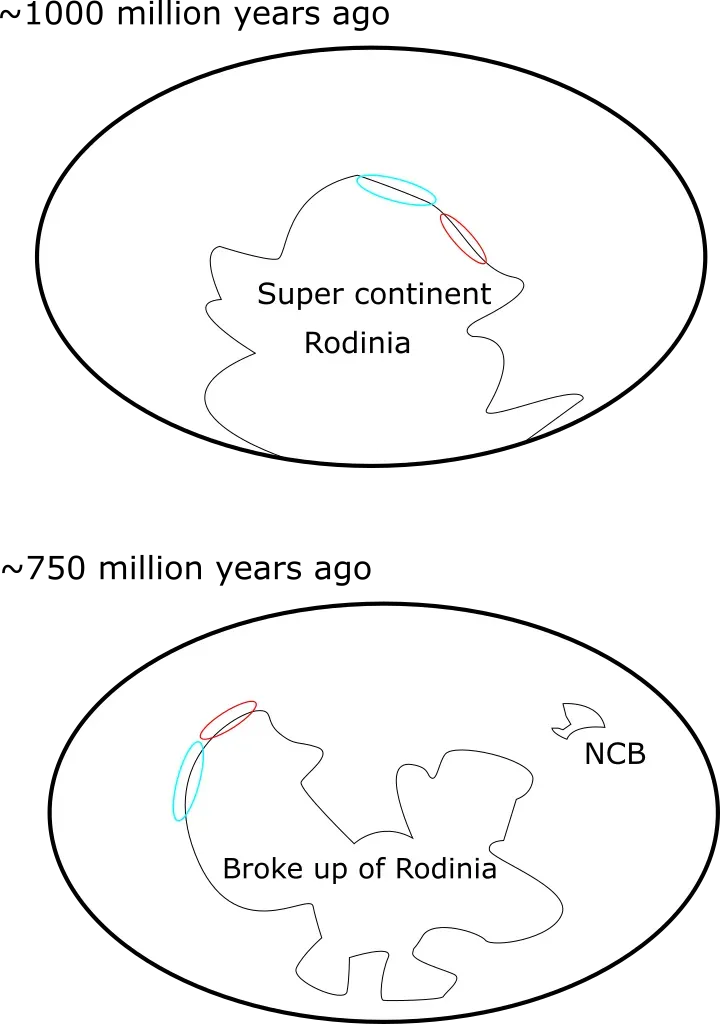
The extreme cooling of the global climate around 717 to 635 million years ago during the Cryogenian period and the rapid evolution of primitive life during the subsequent Ediacaran and Cambrian periods are thought to have been triggered by the breaking up of Rodinia. The connection between supercontinent breakup and global freezing isn’t fully understood, but the timing is too perfect to be coincidence.
Rodinia’s breakup around 750 million years ago had profound geological and biological impacts, with theories suggesting this fragmentation contributed to global cooling, triggering the severe Snowball Earth glaciations of the Cryogenian Period and leading to the creation of the Iapetus Ocean, which influenced ocean circulation and nutrient distribution. These frozen periods, as brutal as they sound, may have actually set the stage for complex life to evolve. Sometimes the worst conditions create the best opportunities.
Conclusion
Earth’s ancient geological history is far stranger and more dramatic than most of us ever imagined. From frozen worlds to toxic atmospheres, from supercontinents to microscopic crystals older than mountains, our planet has been through transformations that make modern climate change look tame by comparison. These extreme conditions weren’t obstacles to life – they were the crucible that forged it.
The rocks beneath our feet hold these incredible stories if we know how to read them. Every mountain range, every grain of sand, every pebble on the beach is a page in Earth’s autobiography. What do you think about these ancient revelations? Tell us in the comments.